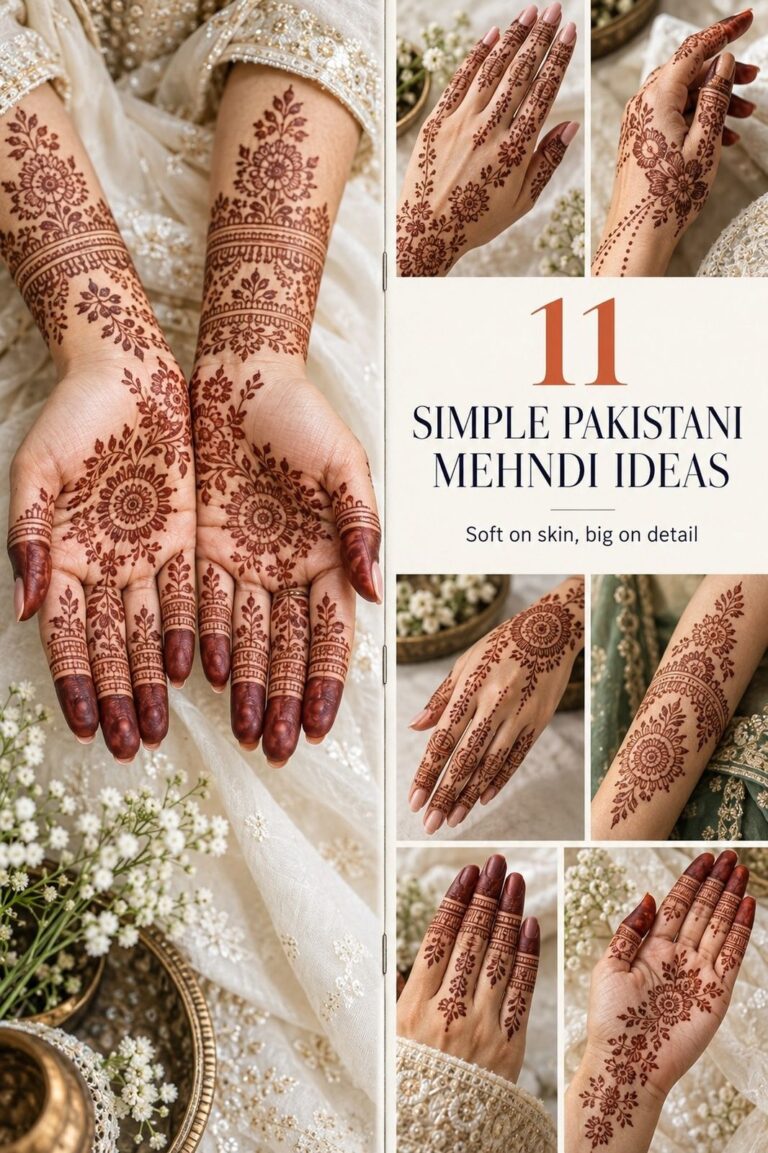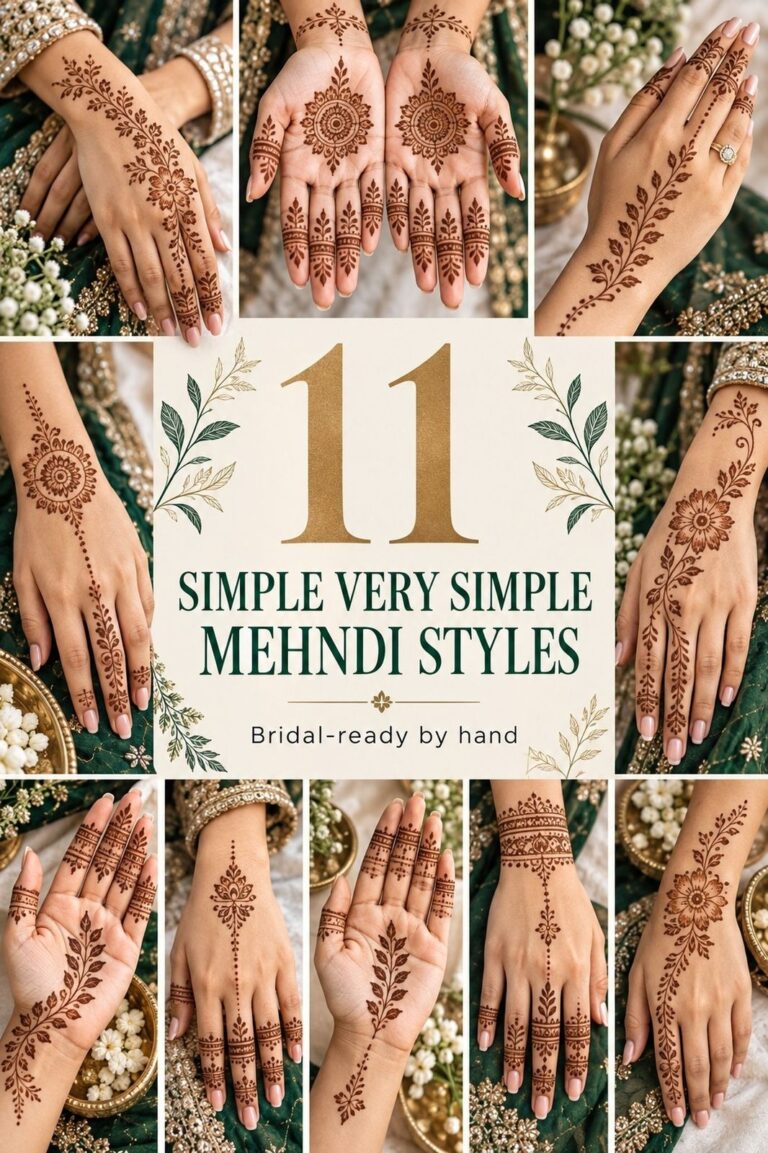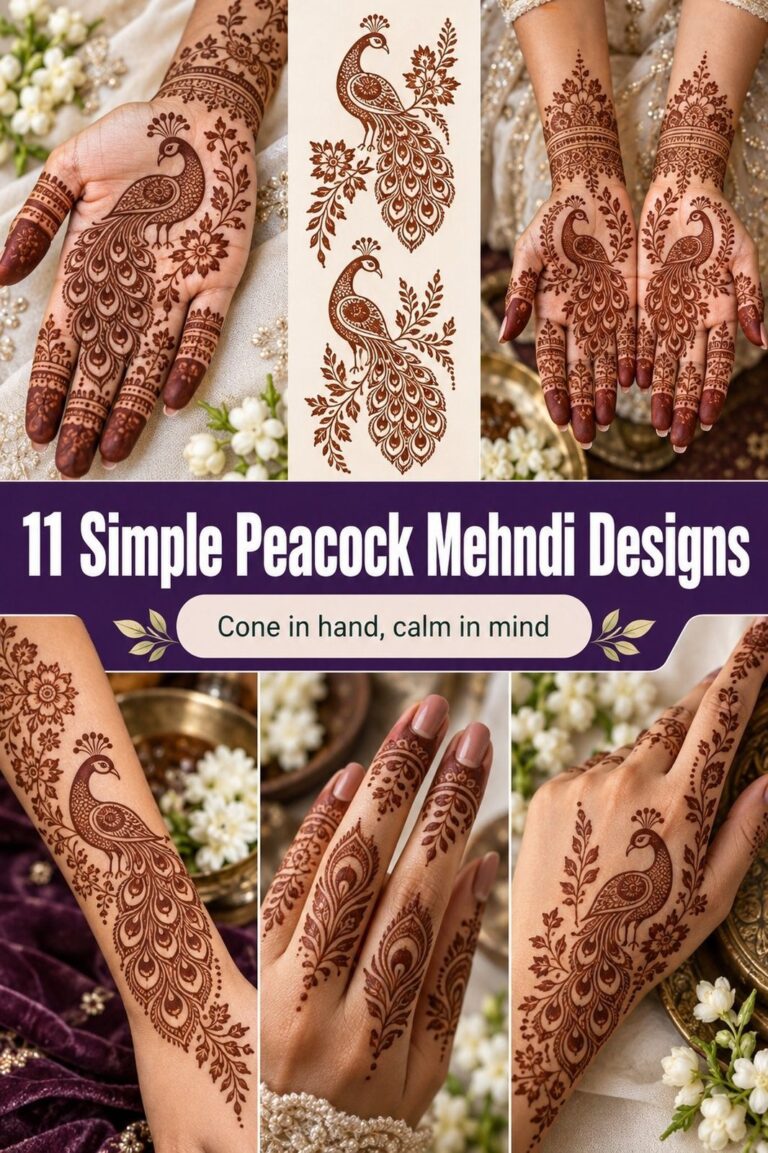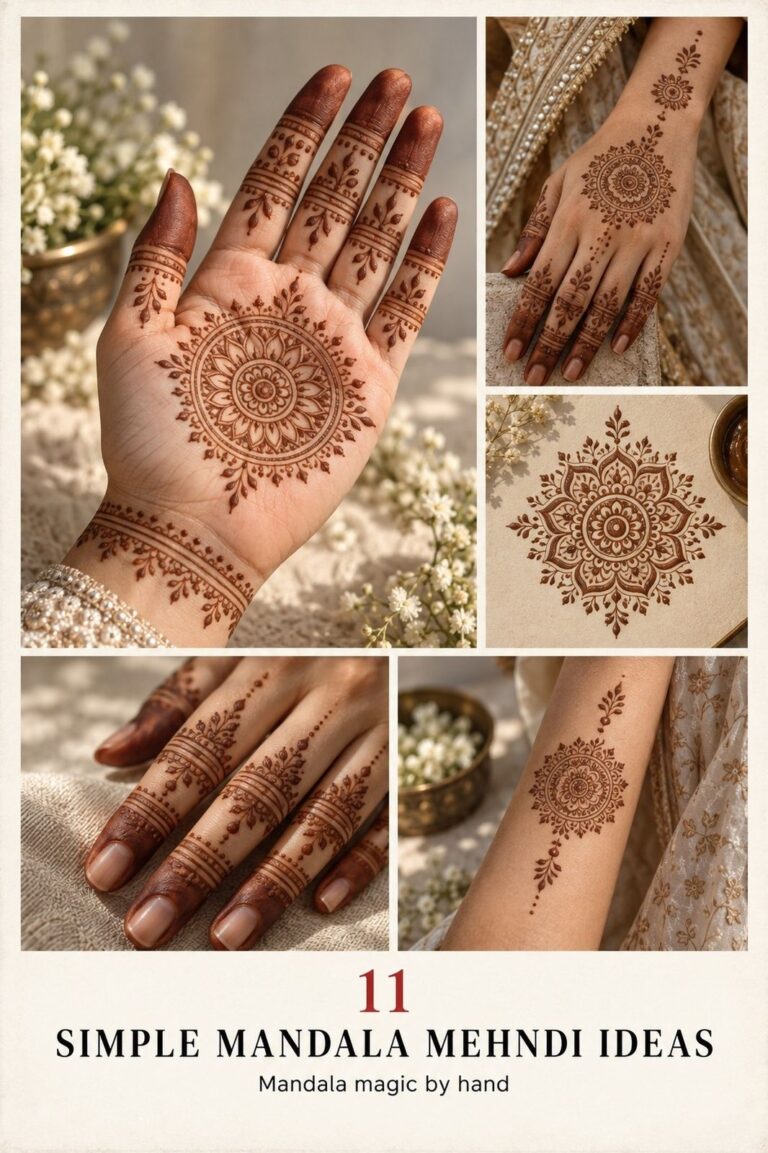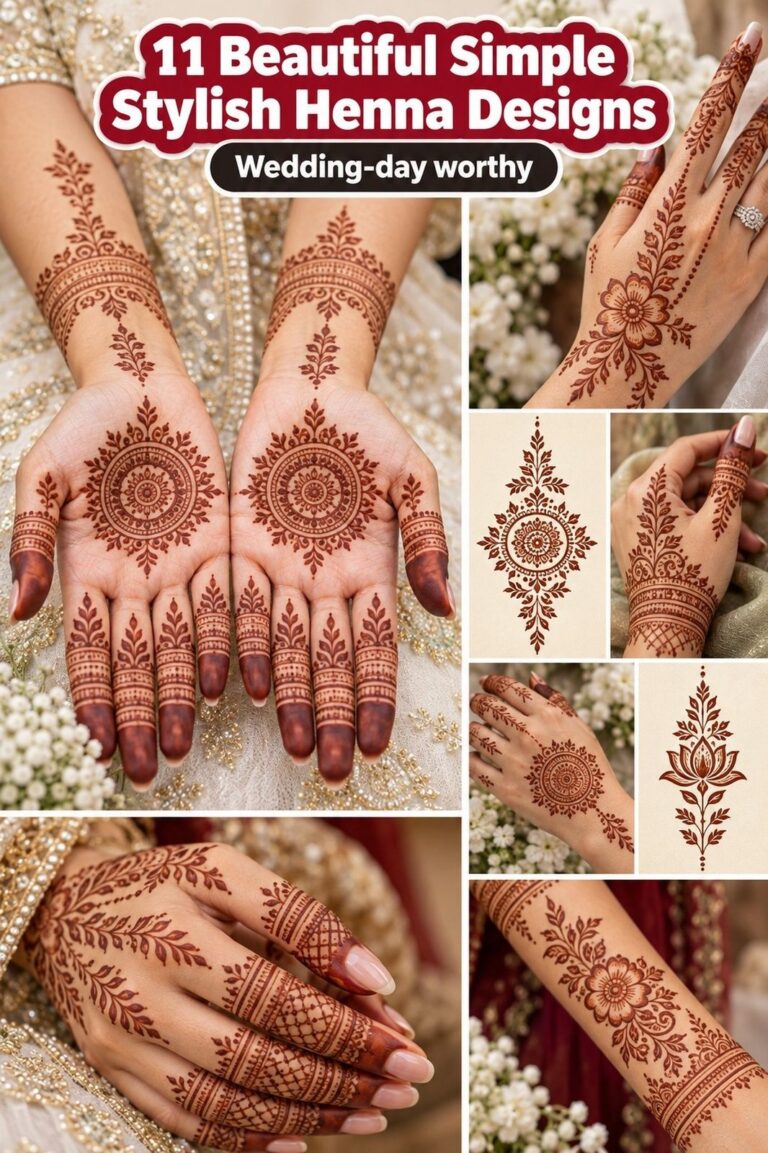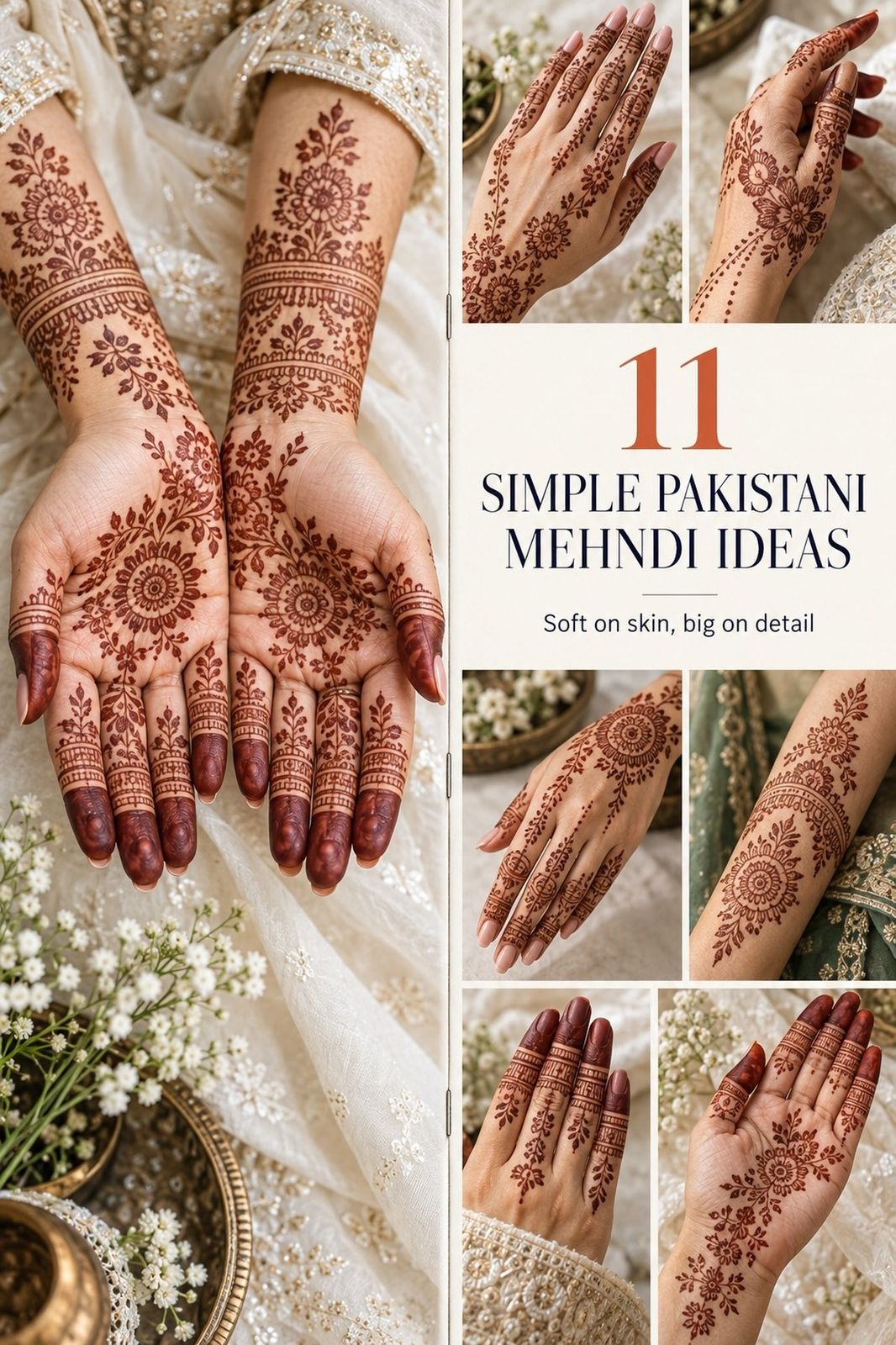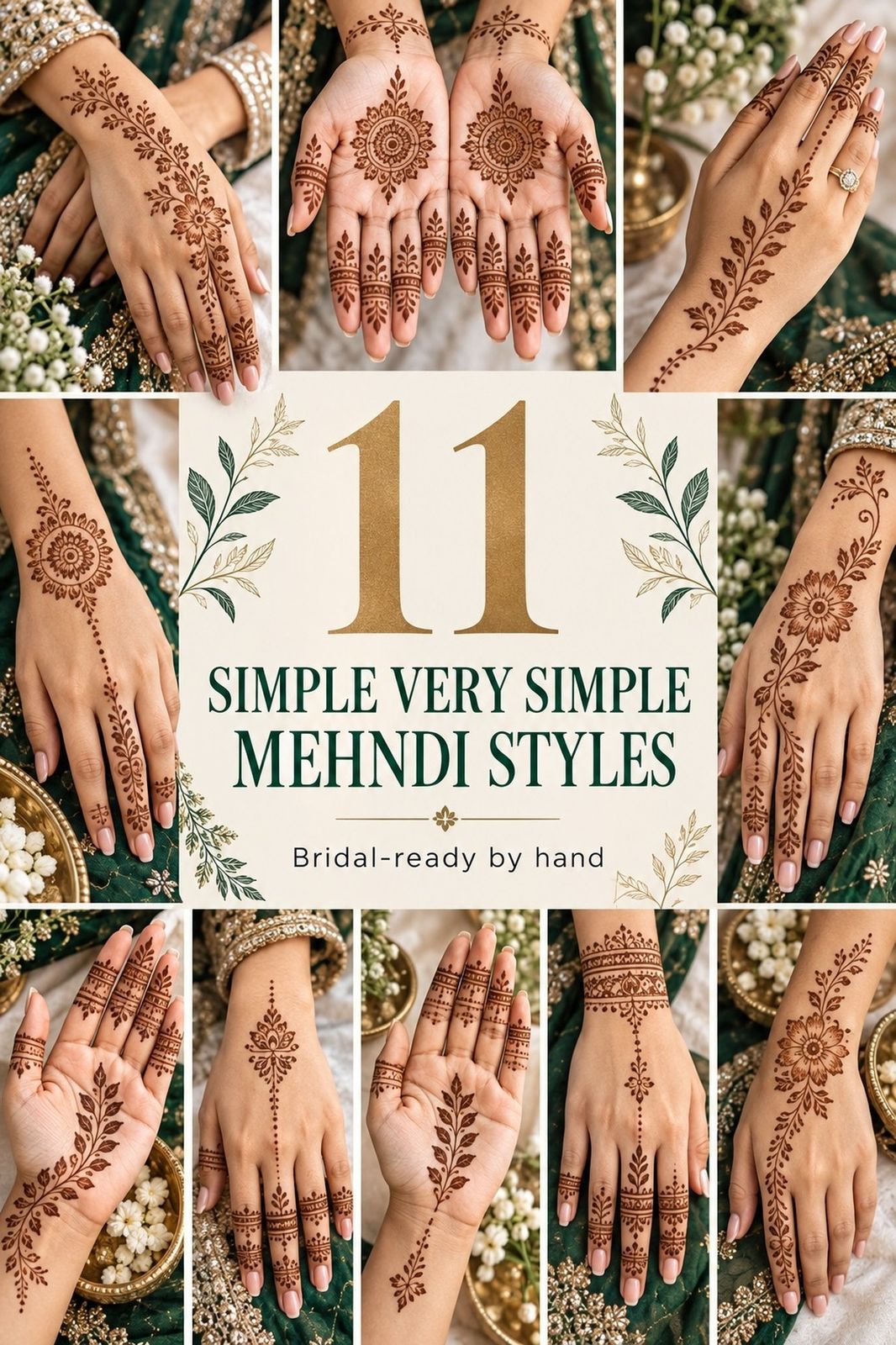
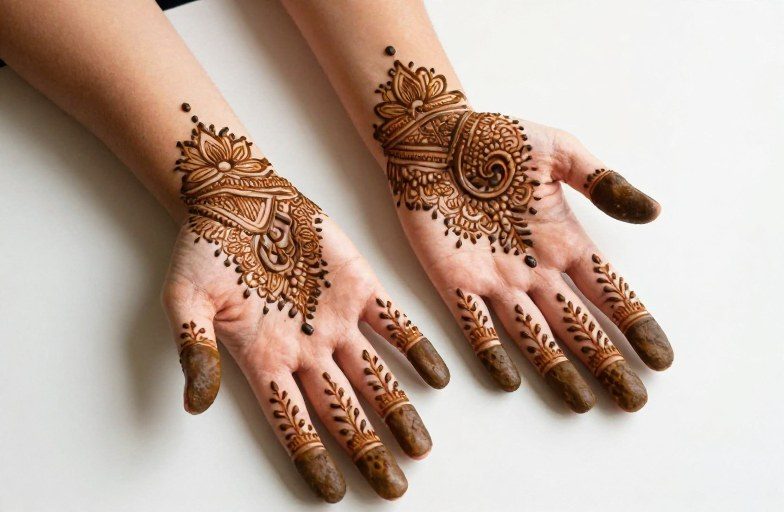
A lotus henna tattoo symbolizes rising above difficulty into beauty, rooted in the flower’s daily cycle of sinking into murky water and reopening clean. The henna medium adds its own layer: temporary by nature, it underscores impermanence and the value of fleeting moments. Together, they create a design that resonates with people marking transitions, recoveries, or personal awakenings.
History & Cultural Roots
The lotus and henna have intertwined histories across South Asia, North Africa, and the Middle East, though their pairing in tattoo form is a more recent evolution. Understanding where each element comes from helps explain why the combination carries weight.
The Lotus in Ancient Symbolism
In ancient Egyptian art, the blue lotus (Nymphaea caerulea) often appeared in funerary scenes, associated with the sun’s rebirth and the afterlife. Hindu and Buddhist traditions across India and Southeast Asia developed the lotus into a central spiritual emblem: Lakshmi stands upon one, Buddha sits upon another, and the chakras are depicted as lotuses of increasing petals. The flower’s actual biology supports this symbolism, its roots in mud, stem through water, bloom above the surface. No stage can be skipped.
Henna itself (Lawsonia inermis) has documented use as body adornment for over a thousand years, with particular prominence in wedding and celebration rituals across Pakistan, India, Morocco, and Yemen. The paste’s temporary stain, lasting one to three weeks, made it ideal for marking special occasions without permanent commitment.
Where the Two Meet
The fusion of lotus imagery with henna application often linked to the global spread of mehndi art during the 1990s and early 2000s, when South Asian decorative traditions gained visibility in Western popular culture. Some trace it to diaspora communities blending ancestral motifs with contemporary tattoo culture. The lotus translated naturally into henna’s flowing, organic style, both favor curved lines and radial symmetry over rigid geometry.
How It Ages on Skin
Henna behaves differently than machine tattooing, and the lotus design’s visual impact depends heavily on understanding this medium’s limitations.
The Stain Reality
Natural henna produces a brownish-orange stain that peaks at 48-72 hours, then fades unevenly. On palms and soles, where skin is thickest, the color saturates deepest and lasts longest, sometimes three weeks. On arms, backs, or shoulders, expect 7-14 days of visible color. The lotus’s fine petal lines blur first as outer skin cells shed; broader central elements and negative-space outlines retain definition longer.
- Black “henna” containing PPD (para-phenylenediamine) can cause scarring and chemical burns, avoid entirely
- White henna sits on skin surface, washes off in 1-3 days, never truly stains
- Jagua (Genipa americana) gives blue-black results lasting 1-2 weeks, but allergic reactions are documented
Design Longevity Considerations
A lotus henna piece with dense central shading and minimal fine-line detail will read clearly for more of its lifespan. Intricate mandala-style lotus patterns with 1mm lines often become visual mush by day ten. For maximum impact across the full fade period, prioritize:
- Thicker petal outlines (2-3mm) with interior detail as secondary texture
- Strong contrast between stained and unstained areas
- Central focus point (seed pod, om symbol, or geometric center) that anchors the composition even as edges soften
Design Tips & Pairings
The lotus’s radial structure invites specific compositional approaches that flatter different body contours and personal intentions.
Traditional vs. Stylized Approaches
Classical henna lotus designs feature eight or sixteen petals arranged around a central seed pod, with paisley fillers and vine extensions trailing from the base. This reads immediately as “henna lotus” to most viewers. Contemporary stylizations might reduce the flower to five minimalist petals, incorporate geometric tessellation, or merge with unalome symbols representing the path to enlightenment.
Pairing the lotus with specific elements shifts its emphasis:
- With Om or Sanskrit characters: spiritual practice and sacred sound
- With koi fish or water waves: perseverance through adversity
- With moon phases: cyclical renewal and feminine energy
- With geometric mandala framework: meditation and cosmic order
Line Weight and Negative Space
Henna paste application rewards bold planning. Lines too thin clog the cone tip; areas too densely packed crack and flake unevenly. A successful lotus henna design alternates solid petal fills with open negative space, using the natural skin tone as part of the palette. The seed pod typically anchors darkest saturation, with petals lightening toward their tips, mimicking how actual lotus flowers color from center to edge.
Who Chooses This Tattoo
There’s no single demographic, but patterns emerge in the motivations people bring.
Many seek the lotus henna specifically for its temporary nature during uncertain times, pending divorce, recovery from illness, career pivots. The design marks a moment without committing to lifelong visibility. Others choose it as a trial run before permanent ink, testing how the lotus shape sits on their particular body contours and how they feel with visible spiritual symbolism.
The design also attracts those with cultural connections seeking non-permanent participation in mehndi traditions, guests at South Asian weddings, yoga practitioners deepening symbolic understanding, or travelers returning from regions where henna application remains daily practice. For these wearers, the lotus specifically signals respect for the tradition’s depth rather than casual appropriation.
Best Placements
Where the lotus sits dramatically affects both its symbolic reading and its practical lifespan.
High-Impact, Short-Duration Sites
Palms and soles of feet take henna darkest and hold longest due to thick stratum corneum and lower sebum production. A lotus centered on the palm becomes highly visible during gestures, prayer, greeting, holding objects, but fades from friction and hand-washing. These placements traditionally associated with receiving blessings or grounding energy.
Balanced Visibility and Longevity
Backs of hands, forearms, and upper feet offer compromise: good color saturation, reasonable lifespan (10-14 days), and visible display without constant hand-function interference. The lotus’s circular form works well on the flat planes of inner forearms or the dorsal foot surface. Shoulder caps and upper backs suit larger compositions with trailing vine extensions, though color saturation runs lighter than extremities.
Avoid: areas with thick body hair (stain uneven, removal painful), skin folds that flex constantly (inner elbows, neck), and anywhere with active eczema or recent sunburn.
Symbolism & Core Meaning
Beyond the general “rising above,” the lotus henna carries specific interpretable layers depending on color and context.
Color Variations and Their Significance
Natural henna’s brown-orange range limits literal color symbolism, but practitioners sometimes work within these constraints. Darker, longer-stained results (achieved by leaving paste 6-8 hours, using lemon-sugar sealant, and avoiding water contact initially) suggest deeper commitment to the symbol’s meaning. Lighter, quicker-applied stains read more casually.
When jagua or hybrid mixes create blue-black tones, the lotus shifts toward associations with depth, mystery, and the unconscious, water as emotional world rather than muddy obstacle. White henna (actually body paint or adhesive) in lotus form inverts the symbolism: purity without the struggle, an idealized rather than earned state.
The Impermanence Factor
The henna medium’s ephemerality fundamentally alters the lotus meaning. A permanent lotus tattoo asserts an achieved state: I have risen. A henna lotus acknowledges ongoing process: I am rising, I will need to rise again, this cycle repeats. The daily reopening of actual lotus flowers, closing at night, emerging each morning, finds closer parallel in henna’s temporary stain than in permanent ink.
Before You Decide
A lotus henna tattoo offers genuine symbolic depth when chosen thoughtfully, but several practical considerations deserve attention.
Research your artist’s paste ingredients specifically. Ask directly about PPD or “black henna” additives; reputable practitioners disclose full ingredient lists and may offer fresh-mixed paste from raw henna powder, lemon juice, sugar, and essential oils. The cone should smell earthy-herbal, not chemical.
Consider timing against your schedule. The paste needs 6-24 hours undisturbed; the stain develops over 48 hours. Planning a lotus henna piece two days before a beach vacation or wedding where you want peak color requires backward calculation. Similarly, if you’re testing the design before permanent commitment, allow the full fade to evaluate how you feel without the visual before booking machine time.
Finally, the lotus henna occupies an interesting cultural position, borrowed from traditions with specific ritual contexts, now applied in secular settings. Wearing it with understanding of those roots, rather than purely aesthetic extraction, separates meaningful choice from superficial trend. The symbol’s power depends partly on the respect you bring to its history.
Frequently Asked Questions
How long does a lotus henna tattoo typically last?
On palms and soles, 2-3 weeks with deep color. On arms, backs, or shoulders, 7-14 days. Thinner lines and frequent washing accelerate fading. Natural henna never lasts beyond a month.
Can I get a permanent tattoo that looks like lotus henna?
Yes, but the effect differs. Machine tattooing can replicate henna’s flowing lines, but cannot mimic the stain’s translucent quality or its gradual fade. The impermanence itself carries meaning that permanent ink replaces with permanence.
Is it culturally appropriate for non-South Asian people to get lotus henna?
Context matters. Attending a South Asian wedding where henna is offered by hosts differs from extracting the design commercially without understanding. Approach with genuine learning, credit the tradition, and avoid claiming spiritual expertise you haven’t cultivated.
What should I do if my skin reacts to the henna paste?
Remove the paste immediately with gentle soap and water. Apply cool compresses. PPD reactions can blister and scar, seek medical care for severe blistering, spreading redness, or fever. Always patch-test 24 hours before full application.