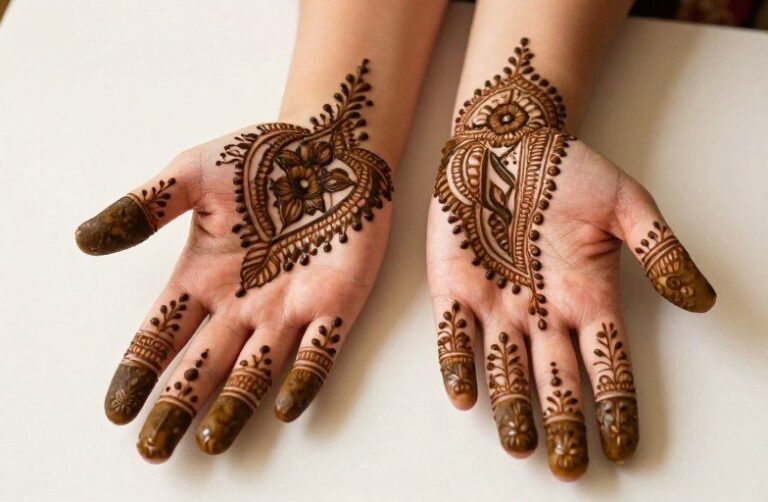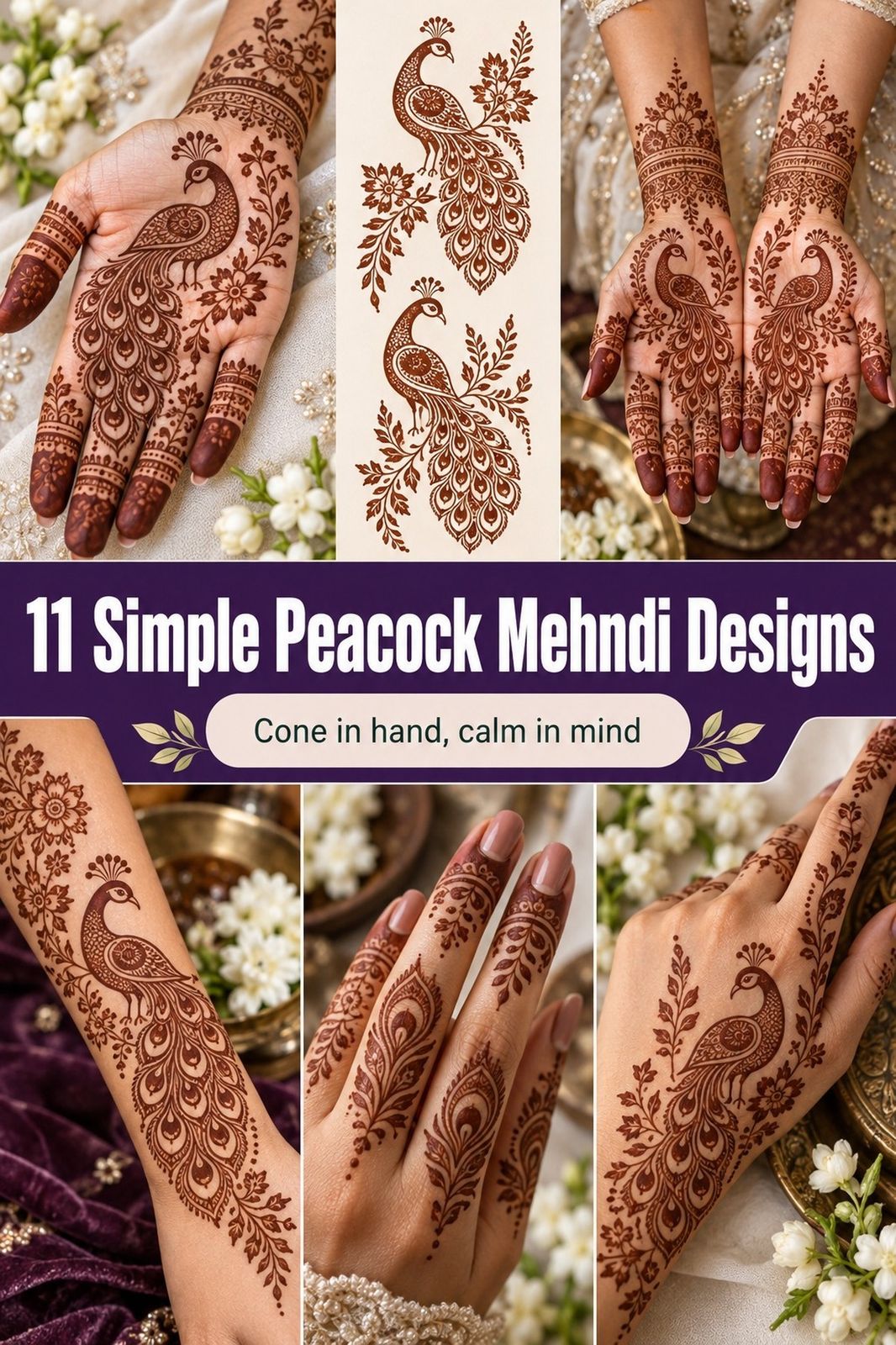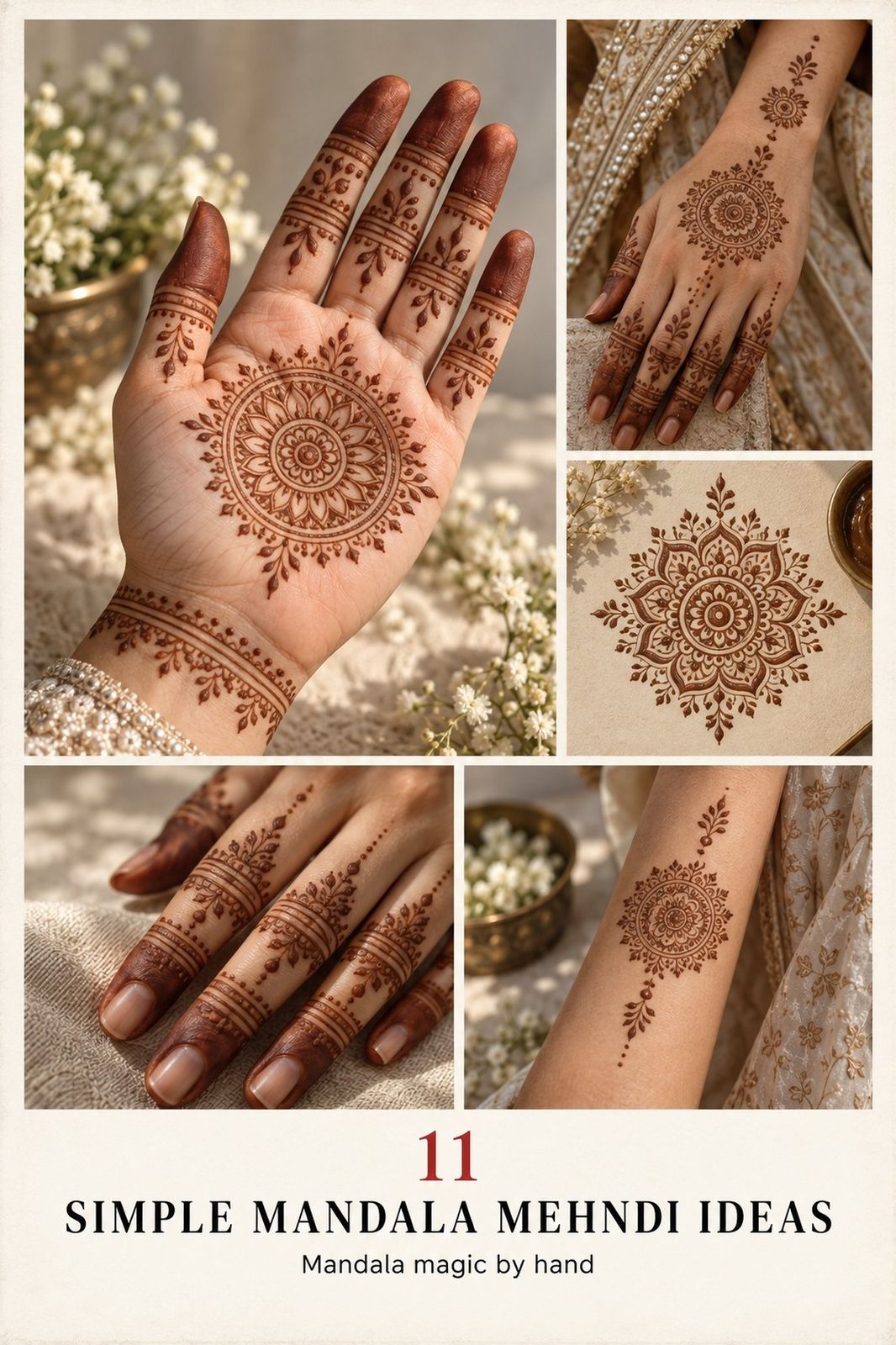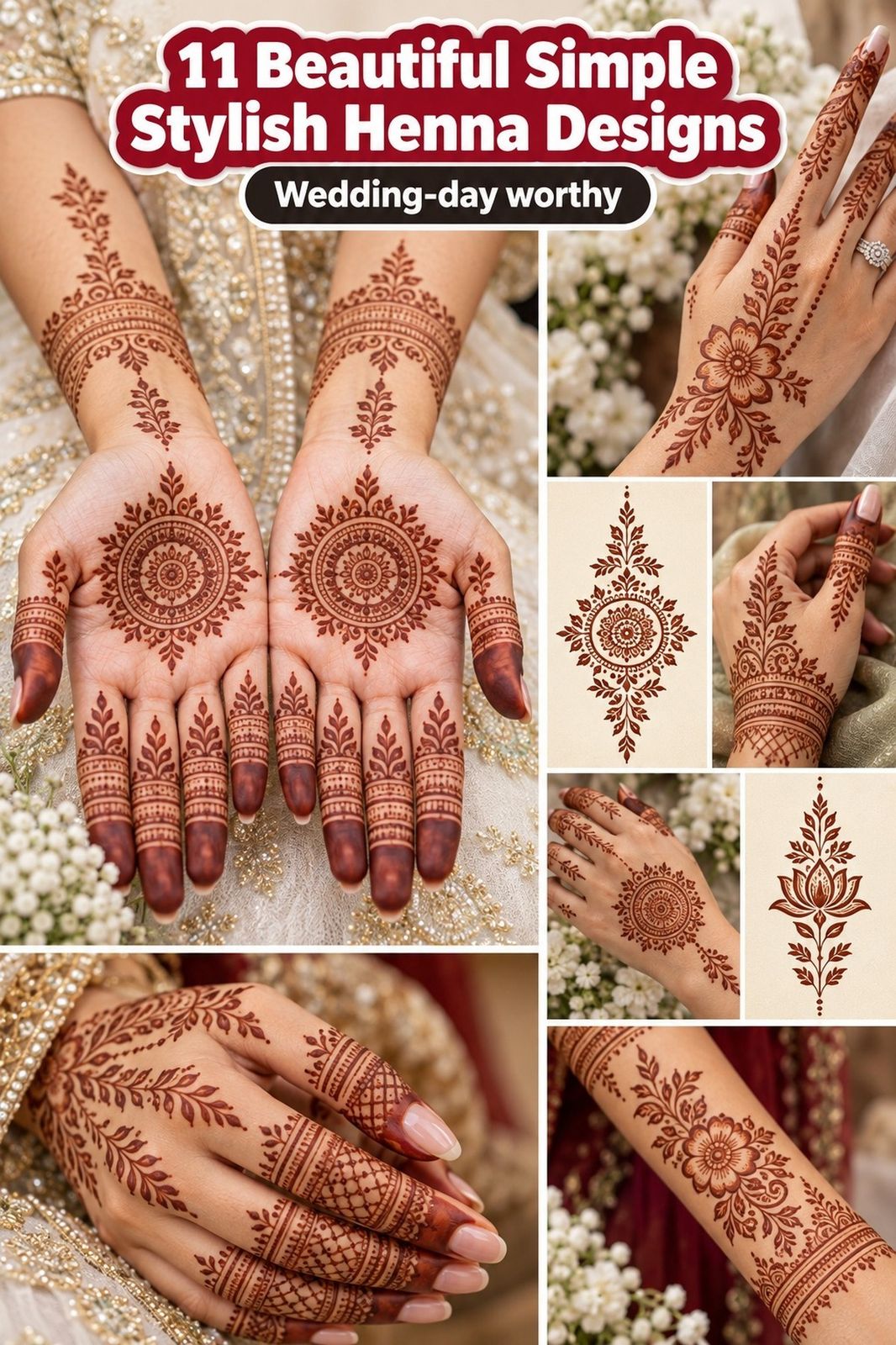
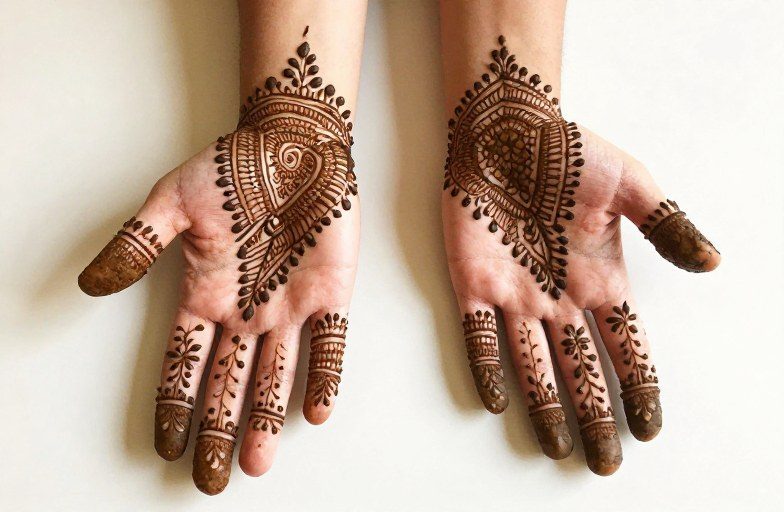
You have paste on your skin, a wedding in two days, and a body that needs washing. The question is not whether you can shower after henna, but when and how. Henna stains through a slow chemical bond between lawsone, the dye molecule in the plant, and the keratin in your outer skin layer. Water interrupts this bond while it forms. After it forms, water still speeds fading. The art is in managing both windows.
How Henna Actually Sets
Fresh henna paste is wet mud, essentially: ground Lawsonia inermis leaves, lemon juice or tea for acidity, sugar to help it stick, and essential oils to release the dye. The paste must stay on your skin long enough for the lawsone to migrate from plant matter into dead skin cells. This takes six to twelve hours, depending on your body temperature, the recipe, and the ambient warmth.
During this phase, water is your enemy. Not because of any spiritual rule, but because water dissolves the paste and washes away the dye before it enters your skin. A quick splash on the edge of a hand design might not ruin everything, but a full shower with the paste still on will almost certainly give you a pale, patchy result.
What Happens During the First Six Hours
The dye release begins almost immediately after mixing, but penetration takes time. Your skin’s outer layer, the stratum corneum, is a barrier by design. The acidic paste slowly opens this barrier enough for lawsone to slip through. Heat helps: a warm hand stains darker than a cold one. This is why bridal mehndi often happens in groups, in warm rooms, with women sitting close together. The social warmth is practical warmth too.
If you must use the bathroom or wash non-hennaed areas during this window, do so carefully. Wear disposable gloves for any hand washing. Keep hennaed limbs out of the sink stream. For foot designs, avoid walking on damp floors; the moisture wicks upward through the paste.
The Twelve-Hour Rule After Paste Removal
Once the paste flakes off or you scrape it away, the visible orange stain is only the beginning. The lawsone continues oxidizing and darkening for twenty-four to forty-eight hours. During this secondary phase, water is still a problem, though less catastrophic than during paste-on time. The dye has entered your skin but sits shallowly. A long hot shower will leach it out faster. Scrubbing will strip it directly.
Wait twelve hours after paste removal before your first full shower. Some artists say eight is enough; twelve is safer, and for palm or sole work where you want maximum depth, twenty-four is better still. This is the single most important variable in stain longevity that you control directly.
Showering Technique Once You Start
After the waiting period, you can return to normal hygiene, but with modifications. Think of your henna as a fresh coat of paint that cures slowly, not a sealed permanent tattoo.
Water Temperature and Pressure
Hot water opens pores and increases circulation to the skin surface, which accelerates exfoliation. Since your henna lives only in the dead surface layer, faster exfoliation means faster fading. Use lukewarm water. Avoid directing high-pressure spray directly onto the design for the first three or four days. Let water run over the area rather than hitting it hard.
Soap and Cleansers
Mild soap is fine on hennaed skin, but avoid exfoliating scrubs, salicylic acid body washes, and anything with microbeads or chemical exfoliants. These remove the very skin layer your design occupies. Pat the area dry with a towel rather than rubbing. The friction of a vigorous towel-dry is enough to noticeably lighten a fresh stain.
Oil as Protective Barrier
After showering, while your skin is still slightly damp, apply a thin layer of natural oil. Coconut, olive, or jojoba all work. This creates a barrier that slows water loss from the skin and reduces the dry flaking that carries dye away with it. Do not use petroleum jelly; it traps too much moisture and can cause the stained skin to macerate and peel unevenly.
Placement and Showering Practicality
Where your henna sits on your body determines how hard showering will be to manage.
Hands and Feet: High Maintenance
Palm and sole henna develops the darkest stain because these areas have the thickest stratum corneum and highest keratin density. They also face the most water exposure. You cannot reasonably avoid hand washing for twelve hours, so glove the unhennaed hand, use alcohol gel on fingertips if needed, and keep the design dry. For feet, shower with a waterproof covering or bathe with feet out of the tub.
Back of the hands and tops of feet stain lighter but are easier to protect. These areas also fade faster because the skin is thinner and more exposed to sun and friction.
Arms, Legs, and Torso
Upper arms, thighs, and back placements are simpler for showering. The skin is thinner, so the stain develops lighter, but you can easily keep these areas out of direct spray. A loose long-sleeve shirt after showering protects arm designs from rubbing and sun. The back of the neck is particularly practical: hair covers it naturally, and it sees minimal water contact compared to hands.
Face and Neck
Facial henna is rare in traditional practice but increasingly requested for cosmetic freckle effects or festival looks. Here, showering is almost unavoidable for basic face washing. Use a soft cloth to clean around the design, not over it. Expect rapid fading; facial skin turns over quickly and faces constant product contact.
What Damages Henna Beyond Showering
Water is only one factor. Chlorine in swimming pools strips dye rapidly and can cause uneven bleaching. Salt water is less harsh but still accelerates fading through osmotic stress on skin cells. Saunas and steam rooms are worse than showers because prolonged heat and moisture together swell the stratum corneum and release dye faster.
Sun exposure oxidizes the stain surface and breaks down the lawsone-keratin bond. A stained hand left unprotected on a beach will fade in two days what might have lasted two weeks. Apply sunscreen over henna if you cannot cover the area; the UV protection helps preserve color even if the rubbing application costs you some immediate depth.
Work friction matters too. Typing, manual labor, gym equipment, and even tight clothing rub stained skin continuously. For professionals wanting hand henna, consider timing it with a weekend or holiday to maximize the intact early days.
Understanding the Fade
Henna lasts one to three weeks, depending on placement, aftercare, and your individual skin chemistry. The fade is not failure. It is the design completing its natural cycle. You will see the darkest color at forty-eight hours post-removal, then a gradual lightening through orange-brown to pale yellow, then nothing.
Some people panic at the orange stage, thinking the stain has failed. Orange is normal immediately after paste removal. The color deepens through oxidation over the next two days. Do not judge your result until the forty-eight-hour mark.
Patchy fading is also normal. Fingers and palms fade first because the skin is thick and subject to constant flexion and use. The center of a back design might hold color longest because it sees gentle handling. This unevenness is part of the medium, not a sign of poor application.
Before You Decide
Ask your artist about ingredients. Natural henna smells earthy, like crushed leaves or wet tea. Chemical additives, particularly PPD used in so-called black henna, smell sharp or ammoniac. PPD can cause blistering, permanent scarring, and lifelong sensitization to common dyes and products. If an artist cannot tell you exactly what is in their paste, find another artist.
Plan your timing around your life. If you have a job requiring constant hand washing, a palm design will frustrate you. If you swim daily, henna will not last. The temporary nature is the point, but temporary still means days of care for the best result.
Learn the cultural context of any motifs you request. Some patterns are community-specific or carry meanings you may not intend to assume. A good artist will explain this without prompting. If they treat all designs as interchangeable decoration, that is a signal to pause.
Finally, photograph your henna at peak color, around day two or three. The image outlasts the stain. This is not sentimentality; it is practical documentation of a temporary choice, which is the essence of the medium itself.
Frequently Asked Questions
How long should I wait to shower after getting henna?
Keep the paste completely dry for six to twelve hours while it sets. After removing the dried paste, wait another twelve hours before your first full shower. Use lukewarm water, avoid direct high-pressure spray on the design, and pat the area dry rather than rubbing.
Why does my henna look orange at first?
The lawsone dye oxidizes over twenty-four to forty-eight hours after paste removal. The initial orange color deepens to reddish-brown or mahogany during this period. Do not judge your final stain until two full days have passed.
Can I swim with a fresh henna tattoo?
Avoid swimming for at least forty-eight hours after paste removal. Chlorine strips henna rapidly and can cause uneven bleaching. Even after the initial period, pool water and salt water will accelerate fading compared to keeping the design dry.
Will showering ruin my henna completely?
A properly timed shower will not ruin henna, but poor technique will shorten its life significantly. Hot water, scrubbing, exfoliating products, and vigorous towel-drying all remove the stained skin layer. With careful handling, you can maintain normal hygiene and still achieve a stain lasting one to three weeks.