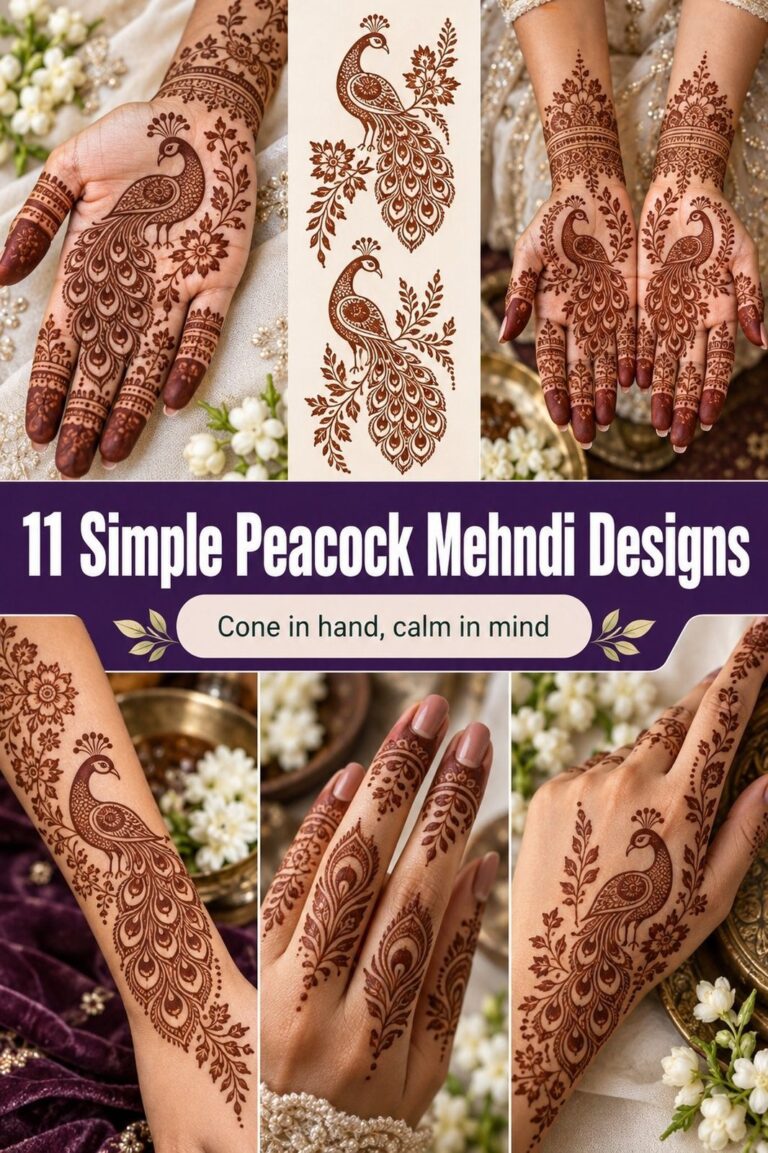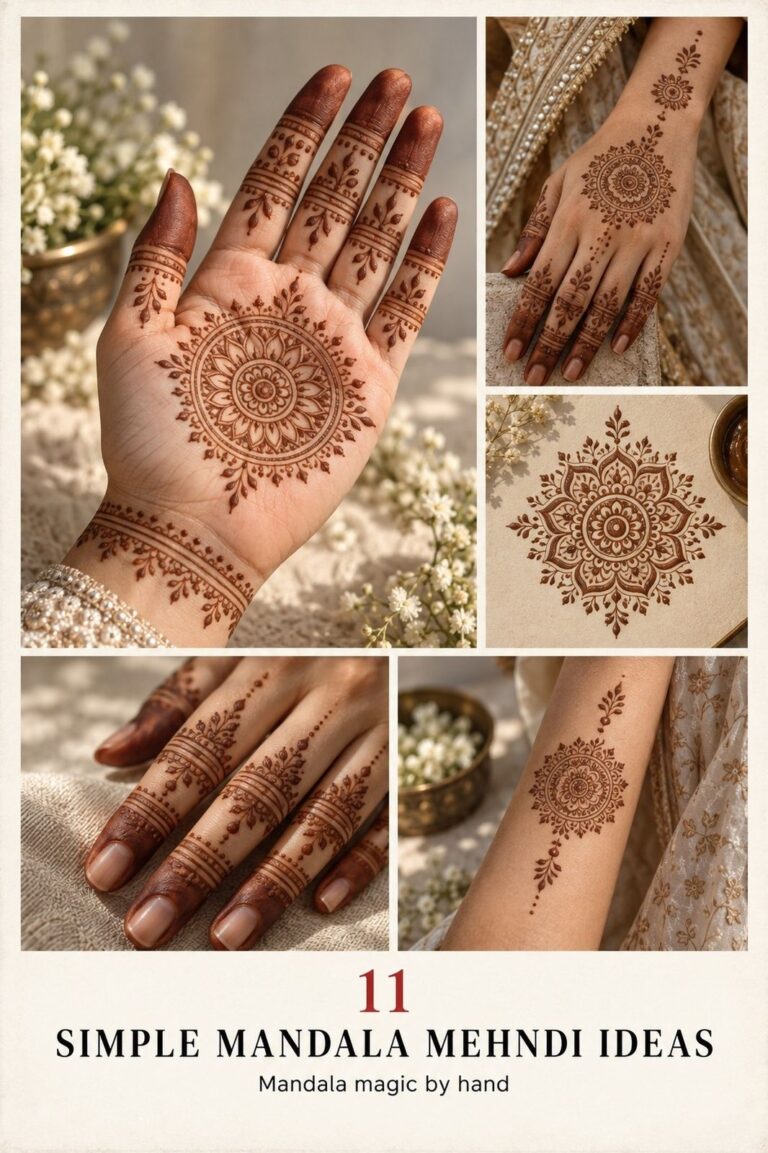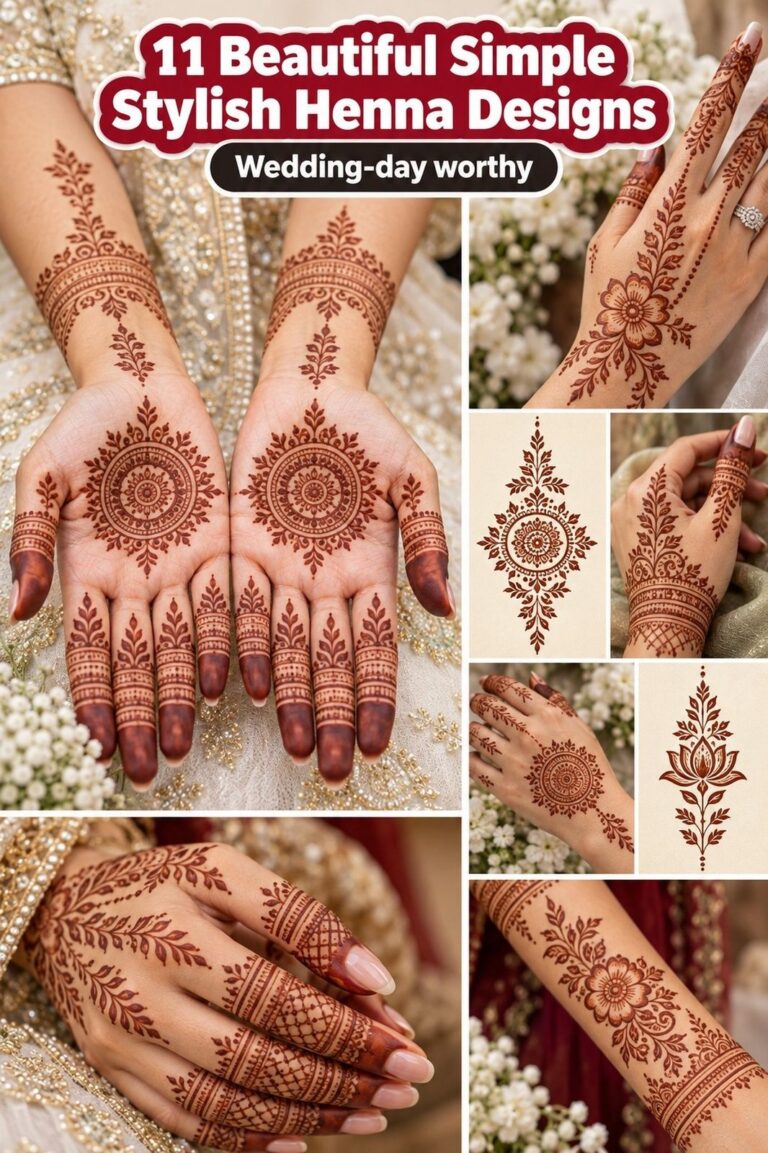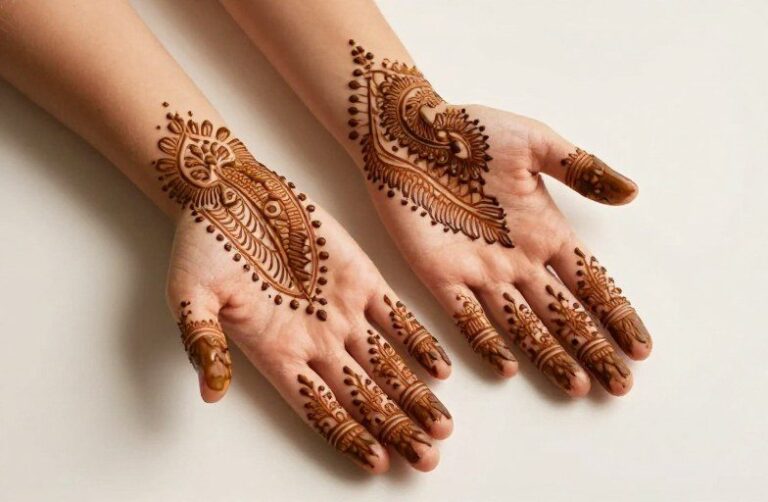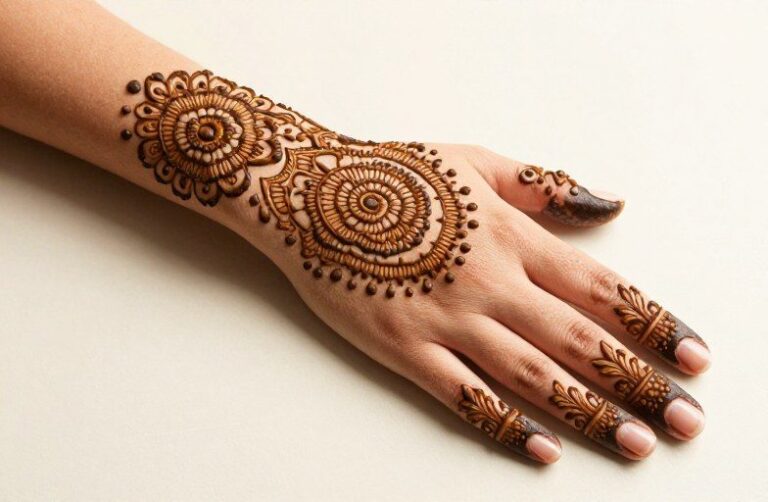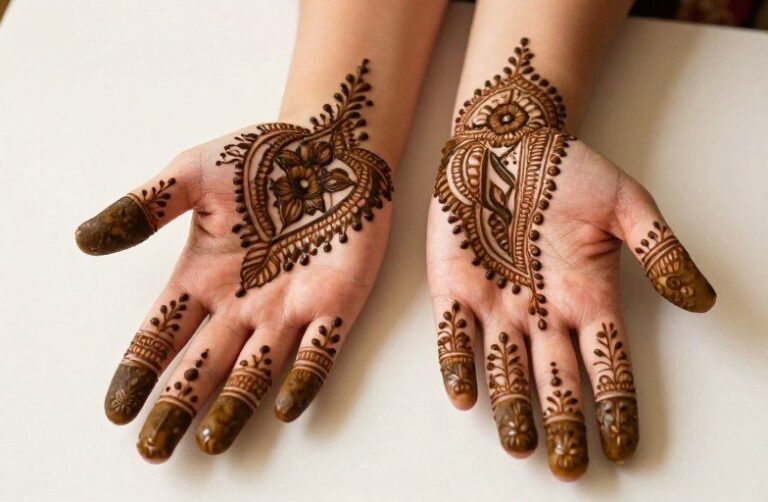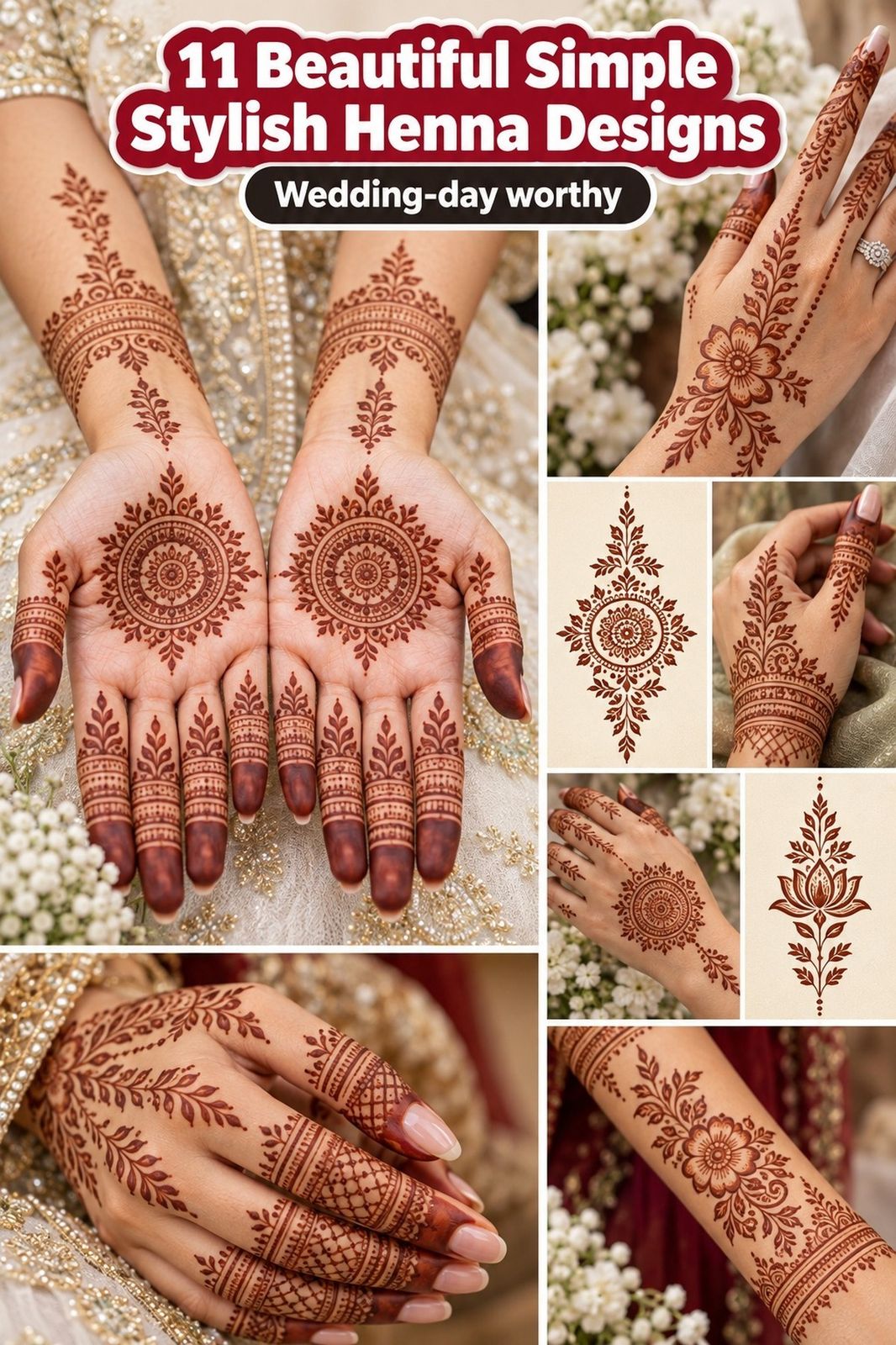

A “does henna wash off” tattoo isn’t asking a question, it’s making a statement about transience itself. The design typically features henna-inspired motifs paired with text or imagery that acknowledges the temporary nature of body art. this concept celebrates impermanence as a virtue: the beauty that exists precisely because it disappears, the commitment to a moment rather than a lifetime, and the freedom of adornment without permanence.
How It Ages on Skin
The Reality of Temporary Henna
Real henna paste stains the stratum corneum, the dead outer layer of skin. That stain typically holds for one to three weeks, fading as your skin naturally exfoliates. On palms and soles, where skin is thicker and replacement faster, you might see significant fading in five to seven days. On the back of hands or forearms, the stain often lingers closer to two weeks. The color journey moves from bright orange-brown to deeper reddish-brown, then gradually to a faint yellowish ghost before disappearing entirely.
Black “henna” containing paraphenylenediamine (PPD) is a different substance entirely. It can leave lasting chemical burns, permanent scarring, and lifelong sensitization to common dyes and hair products. The wash-off concept here becomes ironic and sometimes tragic, what was meant to be temporary becomes permanently marked skin.
Wash-Off Alternatives and Their Limit
Modern temporary tattoos marketed as “wash-off henna” use cosmetic inks, jagua fruit extract, or body paints. These sit on the skin surface rather than staining it. A single shower with soap can remove them. Some jagua-based products penetrate slightly deeper, lasting three to ten days, but none achieve the organic fade of true henna. The visual aging is abrupt: perfect, then gone, with no graceful middle phase.
- White henna: paint or adhesive, removes with oil or peels away
- Jagua gel: temporary stain, fades in about a week
- Cosmetic markers: immediate wash-off, no stain left behind
- Traditional henna: true stain, organic fade, no control over removal speed
Symbolism & Core Meaning
Embracing Impermanence
The philosophical weight here draws from several traditions. Buddhist conceptions of anicca, impermanence as a fundamental truth, find bodily expression. The tattoo becomes a practice in non-attachment, worn on the skin rather than contemplated in meditation. There’s something quietly radical about choosing decoration knowing it will vanish, refusing the Western tattoo’s promise of permanence and identity-fixing.
Some wearers specifically choose this motif after removing or covering permanent tattoos. The design acknowledges past choices while embracing a new relationship with body modification. Others use it to mark transitional periods, between relationships, jobs, cities, or selves, where a lasting mark would feel like false certainty.
Freedom and Experimentation
The wash-off quality enables aesthetic bravery. Intricate full-hand designs, visible neck pieces, or elaborate compositions that might intimidate as permanent commitments become accessible. The symbolism includes permission: to try, to play, to be dramatic without consequence. This connects to festival culture, bridal traditions, and vacation rituals where elaborate henna marks special time outside ordinary life.
Mythology & Folklore
Henna’s mythological associations are often linked to joy, protection, and blessing across multiple traditions. In some South Asian narratives, henna’s red color connects to blood, fertility, and the life force itself. The plant is commonly associated with cooling properties, historically applied to reduce body heat in desert climates, which may have connected it to tempering the passions or bringing emotional calm.
Protective Traditions
Across North Africa and the Middle East, henna applied to hands and feet was believed to ward off the evil eye. The intricate patterns themselves functioned as labyrinthine traps for malevolent forces. A wash-off design inverts this slightly: protection that releases, that doesn’t cling. The temporary nature becomes part of the magic, continuous renewal rather than static defense.
Bridal and Celebration Lore
Mehndi ceremonies remain central to South Asian and diaspora weddings. The darkness of the stain is traditionally read as an indicator of marital happiness or mother-in-law’s affection. A wash-off tattoo referencing this tradition might carry bittersweet weight: the beautiful ritual, the knowledge that marriages themselves transform and sometimes end, the celebration of the moment regardless of future uncertainty.
Best Placements
Placement choices for this concept carry specific symbolic weight. The hands, traditional home of henna, make the impermanence most visible, you see the design constantly, watch it fade, are reminded of passing time. Palms show the fastest fade, turning the biological reality of skin renewal into part of the meaning.
High-Visibility Locations
Forearms, collarbones, and ankles offer visibility to others, making the temporary nature a shared experience. These placements suit the social aspect of henna, traditionally applied in groups, admired collectively, photographed. The wash-off quality becomes conversation, performance, connection.
Private Placements
Inner bicep, ribcage, upper thigh: locations where the wearer alone witnesses the full fade. Here the symbolism turns inward. The tattoo becomes private meditation on mortality, change, or personal transition. The disappearance happens quietly, without external validation, which itself carries meaning about internal versus external experience.
- Feet: traditional, spiritual grounding, fastest natural fade
- Back of neck: visible in mirrors, self-surveillance of change
- Fingers: constant functional use accelerates disappearance, daily reminder
History & Cultural Roots
Henna’s use spans roughly five thousand years across regions from ancient Egypt to the Indian subcontinent. The plant, Lawsonia inermis, thrives in hot, dry climates. Its history is often linked to cooling applications before decorative use developed, palm and sole application for temperature regulation logically preceded patterning.
Regional Variations
Moroccan henna tends toward geometric, architectural patterns. Indian mehndi favors dense floral and paisley filling. Sudanese and Somali traditions emphasize bold, graphic strokes. Persian work often incorporates calligraphic elements. A wash-off tattoo drawing from these traditions carries responsibility: understanding which visual language you’re speaking, if you’re referencing or appropriating, and whether the temporary nature respects or trivializes source cultures.
Colonial and Commercial Transformations
European colonial encounters with henna often framed it as exotic, primitive, or suspect. Twentieth-century tourism and later festival culture commodified the practice. The contemporary “wash-off henna” tattoo exists within this fraught history, potentially democratizing access, potentially flattening cultural specificity into generic “tribal” aesthetics. Meaningful engagement requires some awareness of this trajectory.
Personal & Modern Meanings
Current wearers layer individual significance onto traditional foundations. For some, the wash-off quality represents recovery from control issues or perfectionism, the practice of letting things go. Others use repeated application as ritual: weekly self-decoration as meditation, each session a small renewal ceremony.
Commemorative Temporary Marks
Interestingly, some choose henna or wash-off designs to mark grief or loss. The fading mirrors the non-linear process of mourning, present, then less present, then suddenly noticeable again in certain light. Unlike permanent memorial tattoos, this form acknowledges that grief itself changes shape, doesn’t remain identically sharp forever.
Professional and Social Constraints
Practical realities shape meaning too. Medical professionals, corporate workers in conservative fields, or those with family opposition to permanent tattoos find in wash-off options a way to participate in body art culture without career or relational consequences. The symbolism includes resistance to systems that police appearance, achieved through strategic compliance rather than outright defiance.
Final Word
The “does henna wash off” tattoo concept ultimately asks what we want from body modification itself. Permanence, commitment, identity documentation? Or presence, flexibility, the willingness to be marked by the current moment and then released? Neither answer is superior. The meaning lives in the honest choice, the awareness of what you’re selecting and why. Temporary ink carries its own weight, sometimes heavier precisely because it asks you to hold it lightly.
Frequently Asked Questions
How long does a real henna stain actually last before washing off?
Traditional henna stains last one to three weeks depending on body location, skin type, and aftercare. Palms and soles fade fastest due to thicker skin and more frequent contact. The stain doesn’t wash off with water alone, it fades as your skin naturally exfoliates.
Is black henna safe if I want a temporary tattoo that washes off?
Black henna containing PPD is not safe and can cause permanent scarring and chemical burns. It may also trigger lifelong allergic reactions to hair dye, clothing dyes, and common medications. True henna is reddish-brown; any black or very dark result should be avoided.
Can I get a meaningful henna design if it just washes off?
Meaning isn’t determined by permanence. Many cultures have long valued temporary body art for rituals, celebrations, and personal expression. The fleeting nature can itself symbolize Buddhist impermanence, seasonal cycles, or the value of present-moment experience.
What’s the difference between jagua and henna for temporary tattoos?
Jagua comes from a South American fruit and produces a blue-black stain that lasts about one to two weeks. Henna is plant-based and yields reddish-brown tones lasting one to three weeks. Both stain skin organically, unlike cosmetic paints that sit on the surface and wash off immediately.