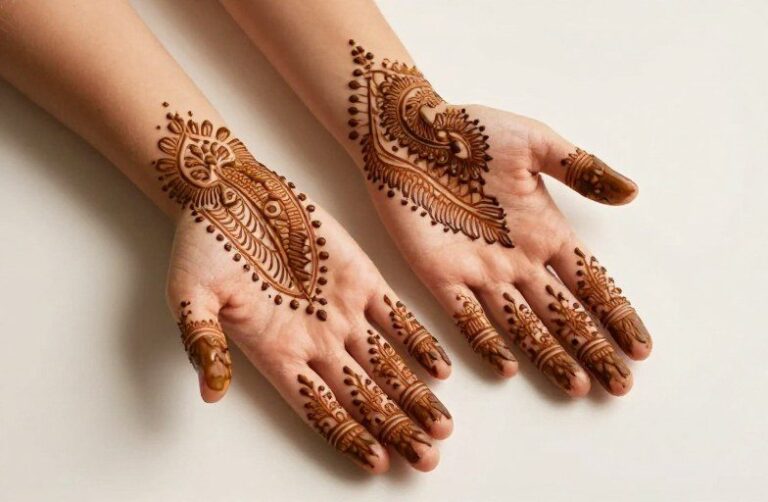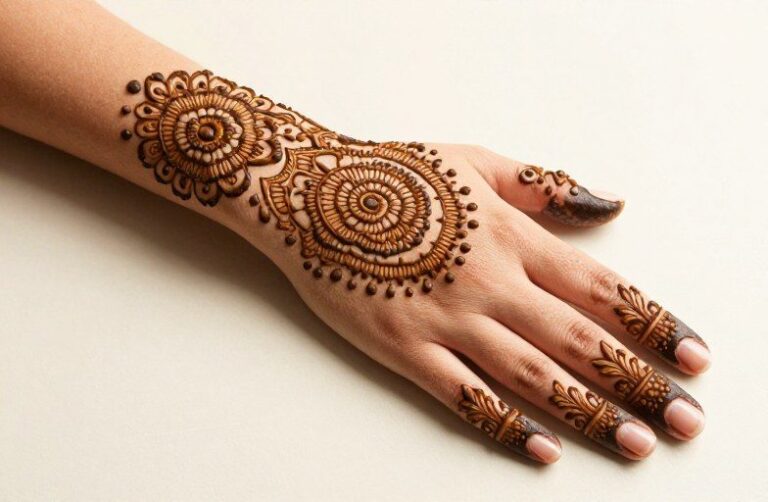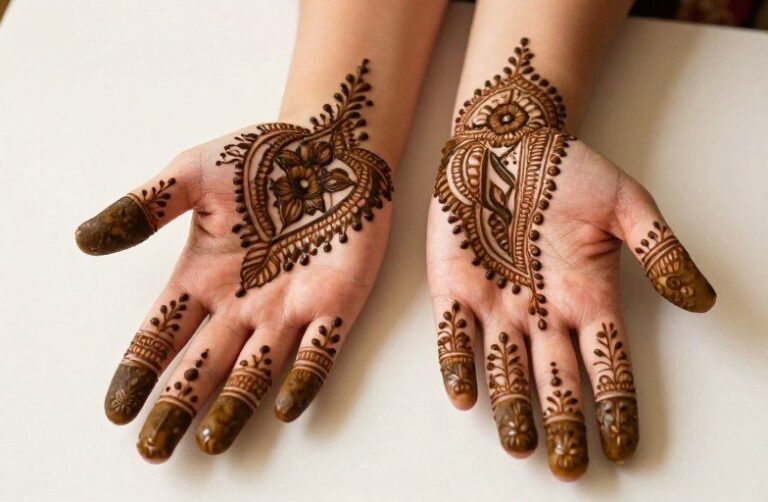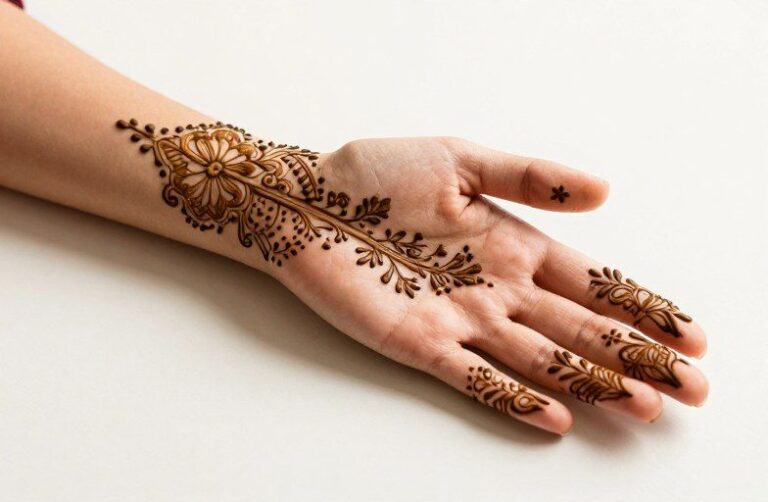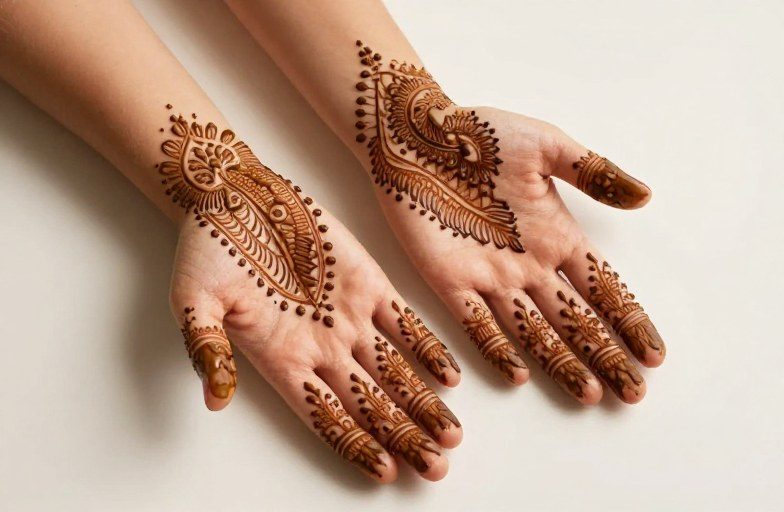
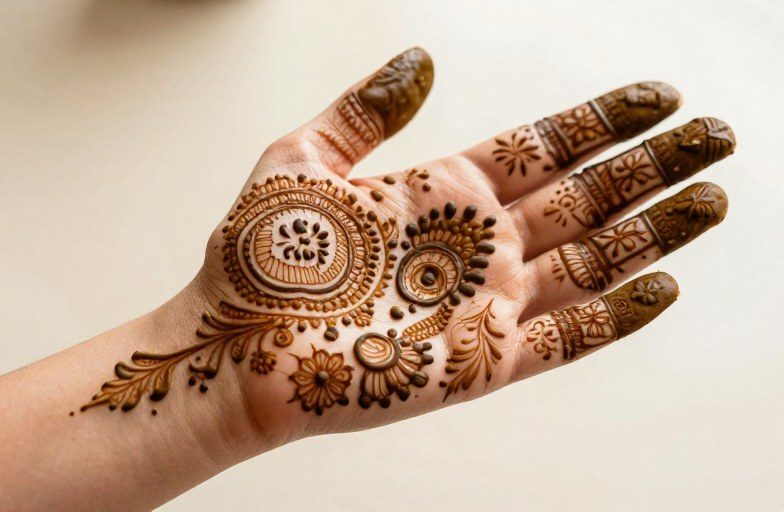
Henna fades on its own in one to three weeks, but you can speed the process if you’re impatient or the stain came out darker than expected. Most methods involve gentle exfoliation and oil-based treatments that lift dye from the top layers of skin without causing damage. What follows is what actually works, what risks your skin, and how to set realistic expectations for how much you can speed nature along.
Pain & Comfort
Physical Sensation During Removal
Removing henna properly shouldn’t hurt. The dye sits in the dead skin cells of your epidermis, not in the living dermis where real tattoo ink resides. That means any method that causes genuine pain is probably too aggressive. Salt scrubs, pumice stones, and lemon juice with baking soda can sting, especially on thin skin like wrists, inner forearms, or anywhere near a recent scrape. If it burns, stop. You’re not being tough; you’re being counterproductive, since damaged skin heals darker and can scar.
Some people report mild warmth from chlorine exposure or tingling from alpha-hydroxy acids in chemical exfoliants. Both are normal. Numbness, sharp pain, or skin that turns white and stays white indicates you’re going too hard. Rinse immediately and switch to moisturizing only for several days.
Skin Sensitivity by Placement
- Palms and soles: Thick stratum corneum means henna lasts longest here but also tolerates more abrasion. These areas are least sensitive to removal efforts.
- Back of hands, wrists, ankles: Thin skin with visible veins. Gentle methods only. These spots show irritation prominently and take longer to recover.
- Near cuticles or under nails: Avoid any chemical or abrasive method. The skin here regenerates slowly and infection risk runs higher.
- Face or neck: Use only oil soaks and the gentlest physical exfoliation. Skin here is thin, sun-exposed, and any damage is highly visible.
When to See a Professional
Allergic Reactions and “Black Henna”
Seek medical attention immediately if you experience blistering, spreading redness, pus, or fever after henna application. These symptoms often indicate a reaction to paraphenylenediamine (PPD), a hair dye chemical sometimes added to “black henna” products. PPD sensitization can cause lifelong reactions to hair dye, black clothing, and certain medications. Do not attempt home removal on broken skin; a clinician needs to assess the reaction first.
Cosmetic Tattoo Overlap
If your henna was applied by someone who crossed into cosmetic tattoo territory, eyebrow tinting, lip liner, or scalp work, the removal conversation changes entirely. These applications sometimes penetrate deeper than traditional henna. A laser tattoo removal specialist can evaluate whether the stain qualifies for their equipment. Most standard henna sits too superficially for laser targeting to be efficient or economical, but consultation costs nothing and rules out deeper deposition.
Realistic Expectations
Henna binds with keratin in dead skin cells. You cannot wash it off like paint. The fastest complete removal I’ve witnessed took four days of dedicated oil soaking and gentle exfoliation; the slowest stubborn palm stain held on for nearly a month despite aggressive treatment. Your skin type, the specific henna paste formulation, how long it was left on, and whether heat was applied during development all affect fade speed.
Dark brown to near-black stains usually contain additives beyond pure henna. These can behave unpredictably, sometimes fading patchily or leaving a faint orange ghost that persists longer than the original dark tone. Pure henna (lawsone-based, reddish-brown) tends to fade more uniformly. Setting expectations means accepting that partial fading is the realistic goal for the first 48 hours, with significant lightening possible by day three to five with consistent effort.
What to Expect Step by Step
The Oil Soak Method
This is the safest baseline approach. Warm olive oil, coconut oil, or baby oil to skin temperature. Soak the stained area for 15-20 minutes, then gently rub with a soft washcloth in circular motions. The oil disrupts the dye’s bond with keratin while the cloth lifts loosened cells. Repeat twice daily. You should see gradual lightening starting after the second or third session. This method works on all skin types and carries minimal irritation risk.
Accelerated Exfoliation
After 24 hours of oil treatment, introduce a mild chemical exfoliant containing glycolic or lactic acid at 5-10% concentration. Apply to henna only, wait 10 minutes, rinse thoroughly, then moisturize. Do this once daily, never twice. Over-exfoliation compromises your skin barrier, causing redness that can look darker than the henna itself. Space out attempts if you notice flaking or tightness.
For body areas only (never face), a paste of baking soda and dish soap applied for 10 minutes can lift more dye. This is drying and slightly abrasive. Follow immediately with oil or fragrance-free lotion. Limit to once every other day.
- Day 1-2: Oil soaks only. Assess how much the stain has naturally lightened.
- Day 3-5: Add gentle exfoliation. Compare progress to your starting point.
- Day 6+: If significant dye remains, consider whether continued effort is worth the skin irritation versus waiting naturally.
Environmental Helpers
Swimming in chlorinated pools and hot tubs accelerates fading through combined chemical and physical exfoliation. Long showers with steam also help. Direct sun exposure breaks down lawsone but brings UV damage trade-offs. If you choose sun, use SPF on surrounding skin and accept that any tan will make remaining henna appear more contrasted temporarily.
Cost Factors
Home removal runs essentially free if you have household oils and a washcloth. Chemical exfoliants cost $8-25 for products you’ll use partially. The real cost is time and potential skin irritation requiring recovery products.
Professional consultation for suspected PPD reaction or deep cosmetic application typically involves a dermatologist visit ($100-300 with or without insurance) or laser clinic evaluation (often free to $150). Actual laser sessions for superficial henna rarely make financial sense; each session runs $200-500 and multiple may be needed for something that vanishes naturally in weeks. Reserve professional routes for genuine medical concerns or deep stains that persist beyond a month.
Tips From the Chair
What Tattoo Artists Notice About Henna
Clients sometimes arrive wanting real tattoo work over henna residue. Most artists will wait until the area is completely clear. The stain can affect how we read skin undertones, and any remaining lawsone might interact unpredictably with tattoo pigments during healing. If you’re planning permanent work, start removal early and be patient.
The texture of skin matters more than most people realize. Henna applied over heavily moisturized skin tends to stain less deeply and fade faster. Conversely, application on dry, freshly exfoliated skin grabs harder and holds longer. This explains why the same person can have wildly different fade experiences from one application to the next.
Avoid These Methods
- Bleach or hydrogen peroxide: Chemical burns, permanent hypopigmentation, and scarring. Never.
- Abrasive power tools or sandpaper: Creates wounds that heal darker than the henna was.
- Acetone or nail polish remover: Dries skin severely, causes cracking, and doesn’t effectively reach the dye.
- Leaving aggressive treatments on overnight: Occlusion intensifies irritation without improving removal speed.
Your skin’s job is to protect you. Working with that function rather than against it yields better results than any shortcut.
The Takeaway
Henna removal is fundamentally a waiting game you can nudge along. Oil soaks, gentle exfoliation, and time do the real work. Aggressive methods damage skin without proportionally accelerating fade. Most stains lighten significantly within three to five days of consistent care, with complete natural resolution typically inside two weeks. Reserve professional intervention for medical symptoms or stains that persist beyond a month. The patience you exercise now preserves skin quality for whatever you choose to do with that canvas later, whether that’s more henna, permanent tattoo work, or simply healthy, unmarked skin.
Frequently Asked Questions
Will lemon juice remove henna completely overnight?
No. Lemon juice can lighten henna slightly due to its mild bleaching and exfoliating properties, but complete removal requires multiple days of consistent treatment. Using concentrated lemon juice repeatedly also risks chemical burns and photosensitivity, making the area more prone to sun damage.
Does salt water help fade henna faster than fresh water?
Salt water, especially ocean water, can accelerate fading through combined exfoliation and mineral interaction with skin cells. However, the difference is modest compared to dedicated oil soaking. Chlorinated pool water often has a more noticeable effect due to higher chemical concentration.
Can I get a real tattoo over fading henna?
Most tattoo artists prefer to work on completely clear skin. Remaining henna pigment can interfere with how they read your natural undertones and may create unpredictable interactions with tattoo ink during the healing phase. Wait until the stain is fully gone.
Why did my henna turn black instead of brown?
True henna stains reddish-brown. Black or very dark results usually indicate PPD or other chemical additives in “black henna” products. These formulations carry higher allergy risks and may fade unpredictably, sometimes leaving orange ghosts or patchy residue.