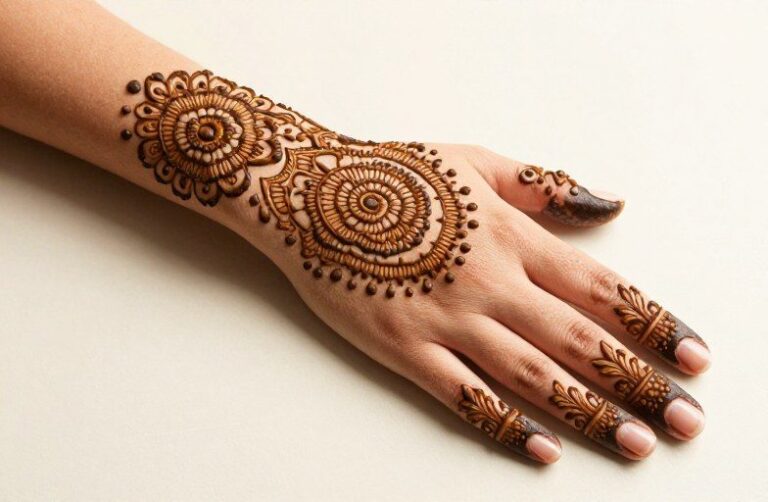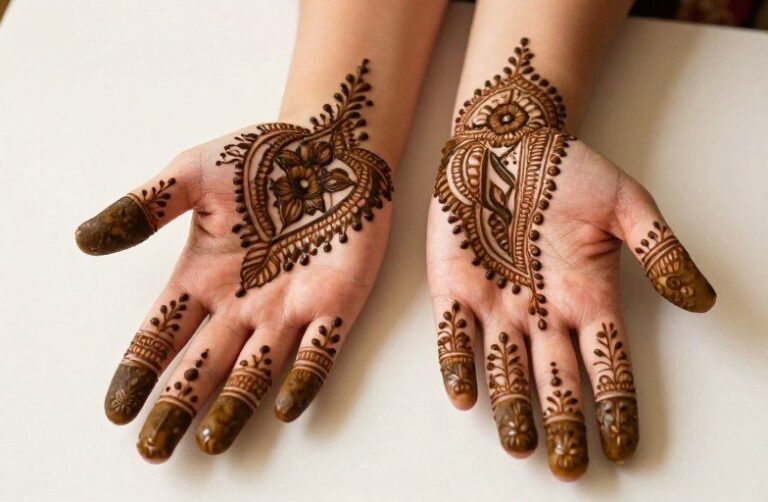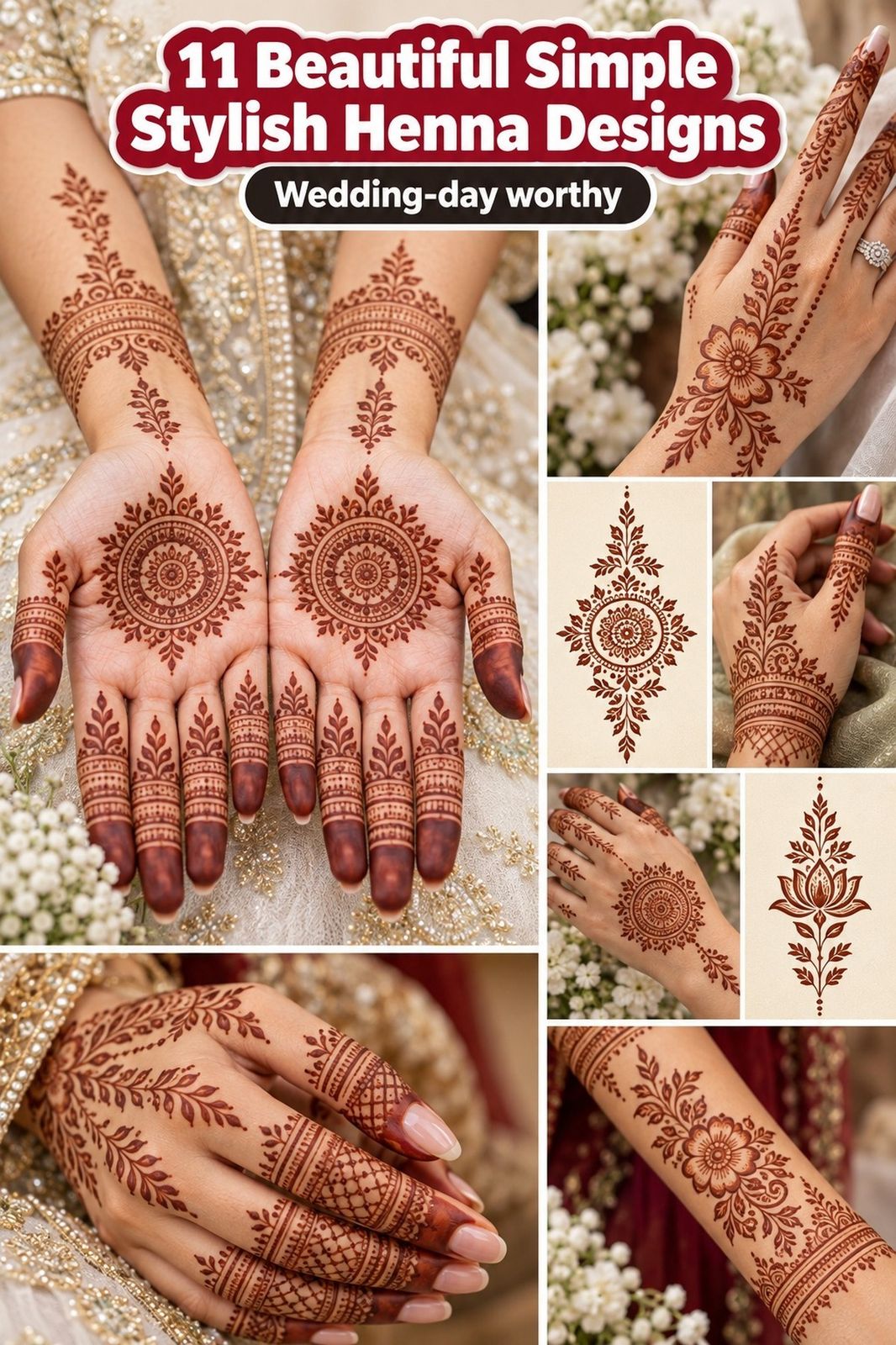
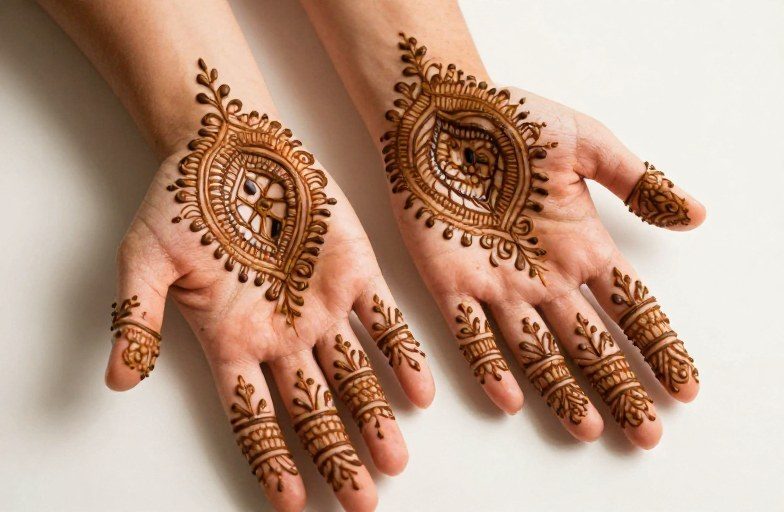
Getting a henna tattoo is not inherently disrespectful, but the meaning and acceptability depend heavily on context, intent, and cultural awareness. Henna, mehndi in Hindi and Urdu, carries deep significance in South Asian, Middle Eastern, and North African wedding rituals, religious celebrations, and coming-of-age ceremonies. Wearing it casually without understanding these roots can trivialize lived cultural practice. The design itself holds no universal meaning; its significance is relational, tied to who applies it, under what circumstances, and with what knowledge.
How It Ages on Skin
Unlike permanent ink, henna sits on the skin’s surface and stains the stratum corneum. The paste, typically made from Lawsonia inermis leaves mixed with lemon juice, sugar, and essential oils, dries and flakes away over 30 minutes to several hours, leaving behind a stain that develops from pale orange to deep reddish-brown over 48 hours.
Duration and Fading Patterns
On palms and soles, where skin is thickest, henna lasts longest, typically one to three weeks. The back of hands, wrists, and forearms fade faster, usually seven to ten days. Areas with thinner skin, like the tops of feet or collarbones, may show noticeable fading within five days. Exfoliation accelerates loss; so does swimming in chlorinated pools or frequent hand-washing. The stain doesn’t crack or peel like a scab, it simply lightens unevenly, often leaving a patchy ghost image before disappearing entirely.
Black Henna and Skin Reactions
A critical distinction: “black henna” is not true henna. It contains paraphenylenediamine (PPD), a hair dye chemical, to force a dark stain quickly. PPD causes blistering, permanent scarring, and lifelong chemical sensitivities in many people. Real henna paste is greenish-brown, smells earthy-herbal, and never jet black when applied. If someone offers you instant black results, walk away.
Similar & Related Symbols
Henna designs share visual DNA with several permanent tattoo traditions, though the cultural frameworks differ substantially.
- Mehndi vs. jagua: Jagua, from the Genipa americana fruit in Central and South America, produces a blue-black temporary stain. Indigenous communities have used it for body marking for centuries. The color resembles tattoo ink more closely than henna, but the application technique, fine lines, dotwork, flowing organic patterns, overlaps significantly.
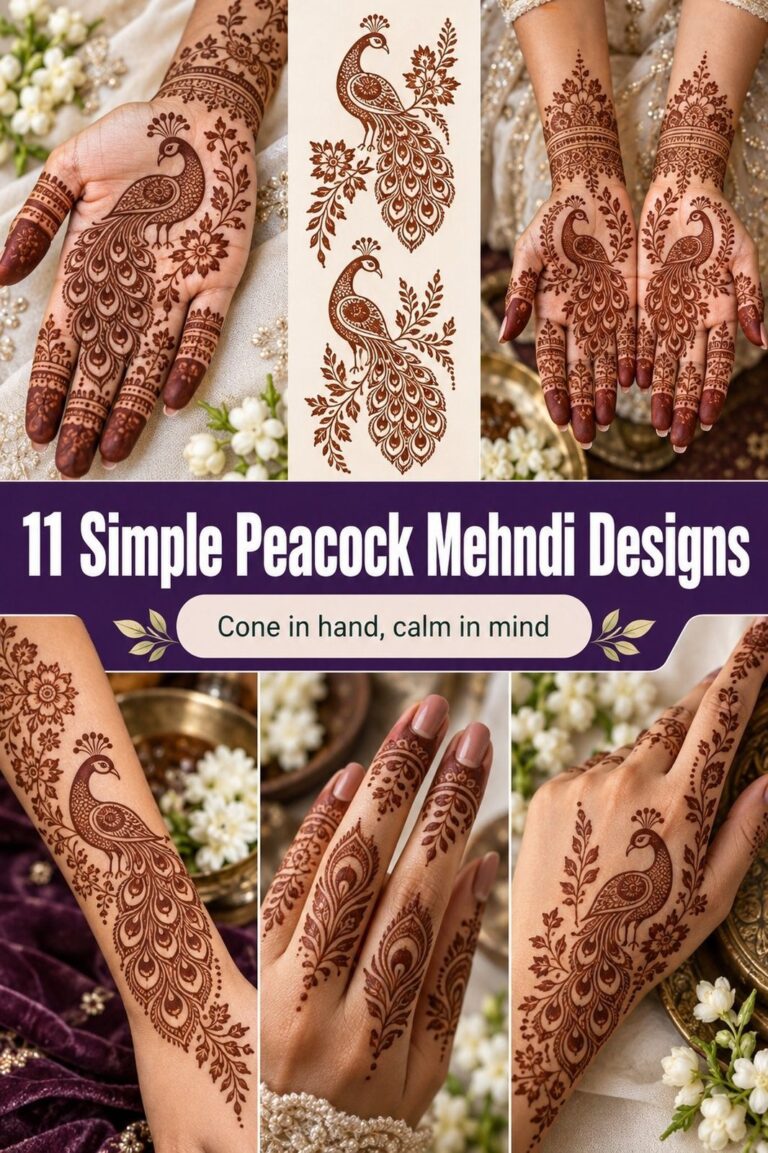
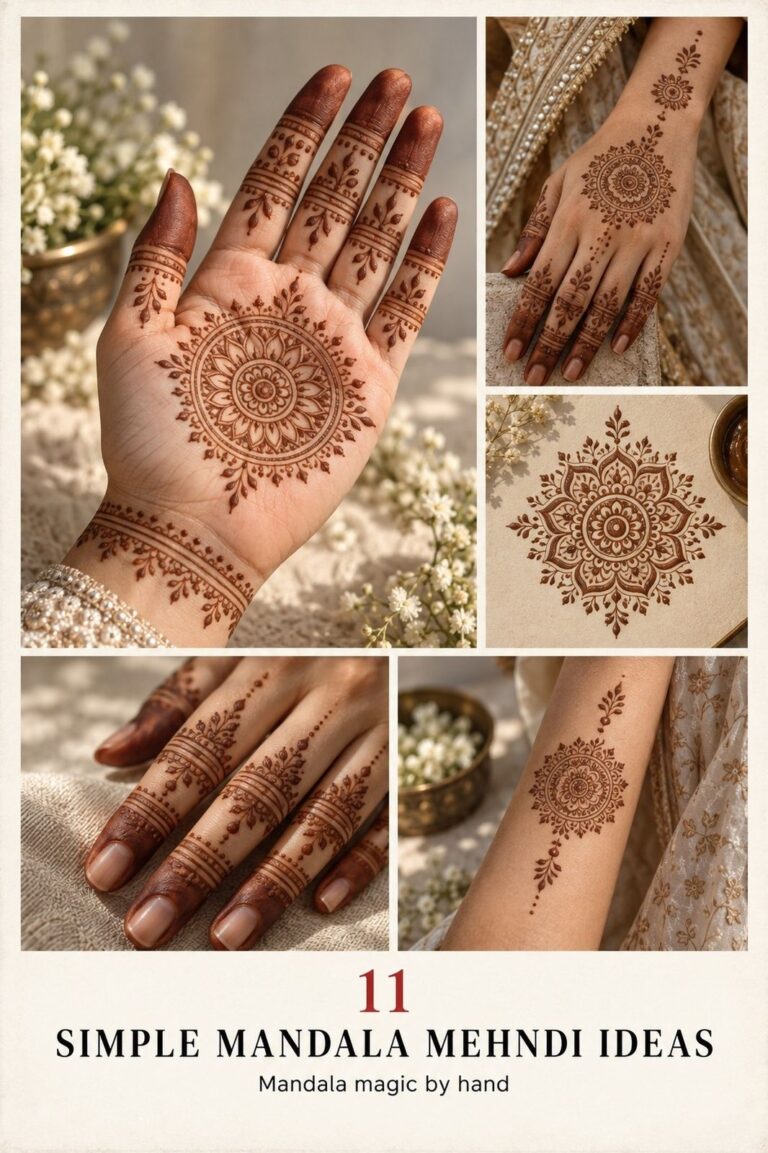
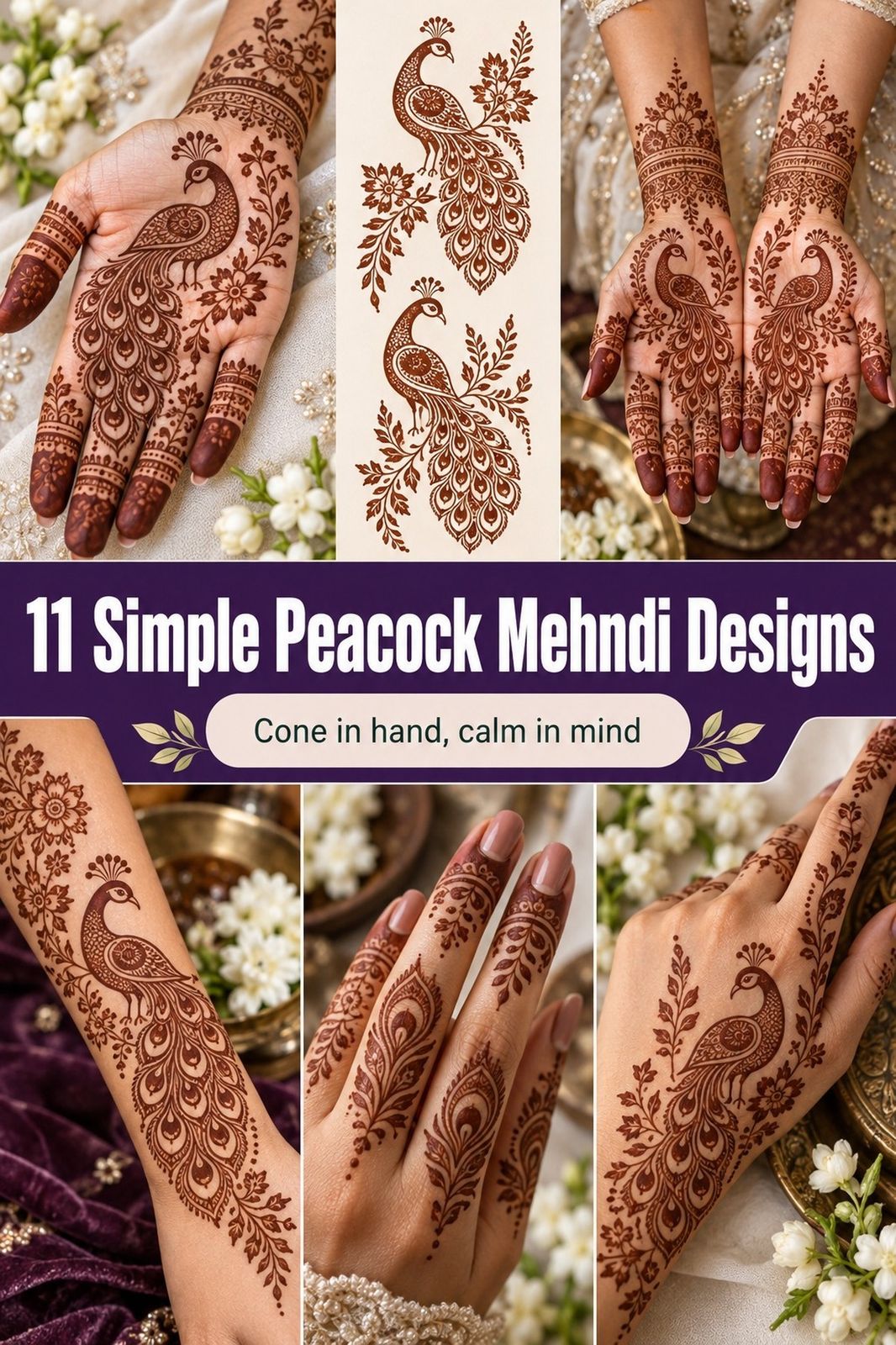
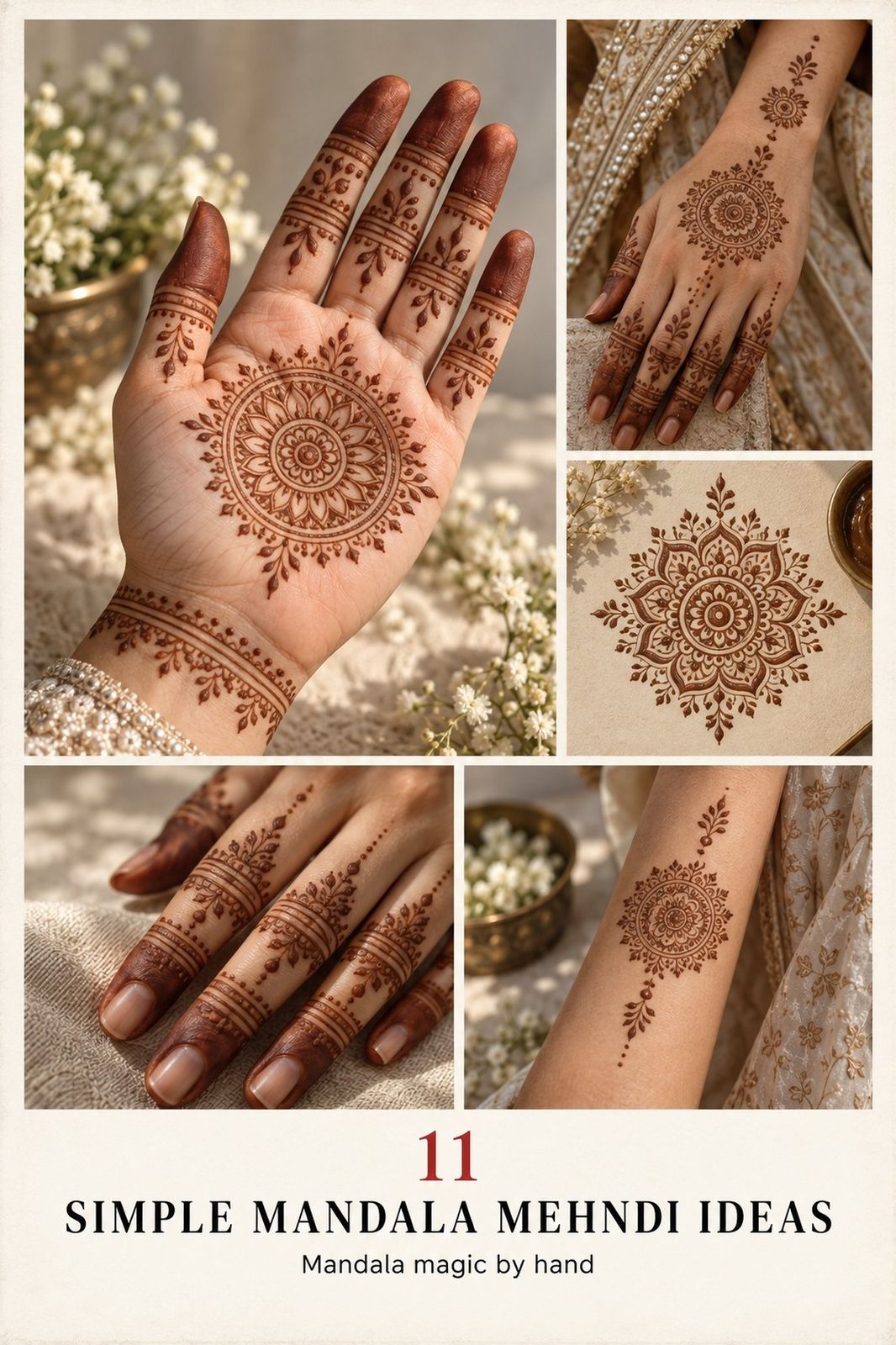
- Arabic vs. Indian mehndi styles: Arabic designs favor bold floral vines, negative space, and flowing asymmetry. Indian bridal mehndi is densely packed with paisleys, peacocks, and figurative elements covering entire hands and forearms. Moroccan henna often features geometric Berber patterns distinct from both.
- Permanent henna-inspired tattoos: Some people commit to permanent ink replicating mehndi aesthetics. This raises separate questions, permanently wearing a design from a culture you don’t participate in, versus temporarily engaging with it during a specific event.
Common Variations & Styles
Regional styles carry specific visual grammars that signal cultural origin to knowledgeable viewers.
Bridal and Ceremonial Traditions
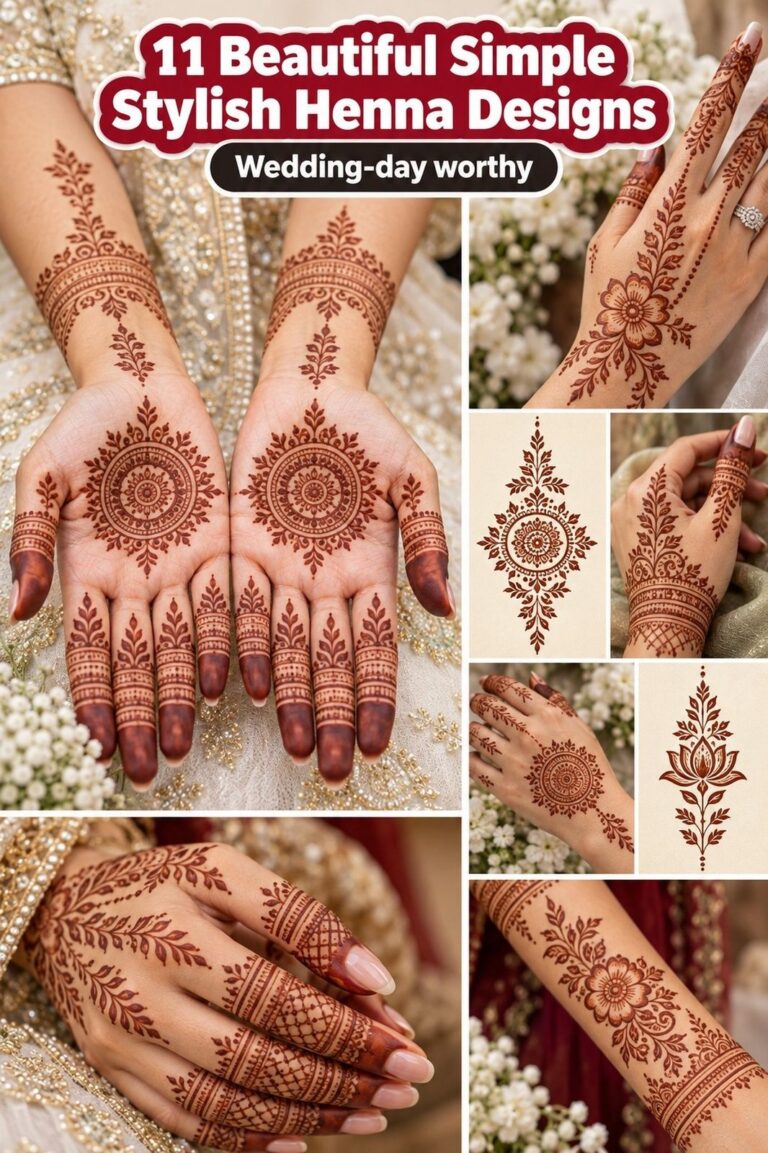
Indian bridal mehndi typically extends from fingertips to elbows, sometimes including the groom’s initials hidden within the design. The night before the wedding, the mehndi ceremony involves female relatives, singing, and ritual application. In some Muslim communities, henna marks Eid celebrations, with simpler designs for everyday wear and elaborate ones for weddings. Sudanese and Somali traditions feature bold, graphic patterns distinct from South Asian finework. These aren’t interchangeable aesthetics, they’re visual languages tied to specific occasions.
Tourist and Festival Adaptations
Beach boardwalks, music festivals, and mall kiosks have spawned a hybrid style: quick, simple designs chosen from flash sheets, applied without cultural context. The technical quality varies wildly. Some practitioners are skilled immigrants sharing their heritage; others are entrepreneurs with no cultural connection, treating henna as a novelty product. The designs themselves, butterflies, generic flowers, Celtic knots mixed with paisleys, often become culturally dislocated pastiche.
Personal & Modern Meanings
Contemporary wearers assign personal significance that exists alongside, not instead of, cultural context.
For South Asian diaspora youth, mehndi can reconnect with heritage during weddings or festivals. For others, it marks transitional moments, graduation, travel, recovery from illness, with no cultural claim, just personal symbolism. The tension arises when personal meaning is asserted as overriding cultural ownership. Getting henna because “it looks pretty” at Coachella while ignoring that Palestinian or Yemeni neighbors faced discrimination for the same marking illustrates the asymmetry that makes appropriation charges stick.
Some practitioners now explicitly welcome cross-cultural engagement when done respectfully: learning from a cultural practitioner, understanding what you’re wearing, avoiding sacred designs (religious text, specific protective symbols), and not treating the practice as costume. The meaning isn’t fixed, it’s negotiated through relationship and context.
Mythology & Folklore
Henna’s origins are often linked to cooling properties in hot climates, Lawsonia inermis leaves naturally lower skin temperature. Some trace ceremonial use to Bronze Age Egypt, where mummies show henna-stained nails. The plant appears in Islamic tradition: Muhammad is commonly associated with using henna to dye his beard, and some Muslims dye hair and nails with it following this example. In South Asian folklore, mehndi is linked to Lakshmi, goddess of prosperity, and the depth of bridal stain supposedly predicts marital happiness or mother-in-law affection. These associations are culturally specific beliefs, not universal truths about the plant itself.
Best Placements
Henna works differently than permanent tattooing because the stain quality varies by body zone.
- Palms and soles: Maximum stain depth and longevity due to thick keratin layers. Traditional for Indian brides, who often sleep with hands wrapped to protect the design. The downside: practical inconvenience during the setting period.
- Back of hands and tops of feet: Classic display placement. Stain is slightly lighter but still prominent. Allows normal activity during drying.
- Forearms and calves: Good for larger, flowing designs. Fades faster than extremities but offers canvas space for detailed work.
- Fingers and toes: High-impact, quick-fading. Often used for accent rather than main design. Tips and sides stain better than knuckles.
- Neck, shoulders, back: Trendy for non-traditional wearers but technically challenging, thin skin yields lighter, shorter-lasting stains. Often chosen for photo opportunities rather than traditional significance.
Placement choice signals cultural knowledge. Covering palms and soles indicates familiarity with bridal tradition; a single wrist vine suggests casual, possibly tourist engagement.
Before You Decide
Ask concrete questions rather than seeking abstract permission. Are you participating in a specific cultural event where hosts invited you? Did you learn from a practitioner embedded in that tradition, or a commercial operation? Can you name what you’re wearing and where it comes from? Are you prepared for the design to prompt questions you can’t answer thoughtfully?
The disrespect isn’t in the paste on skin, it’s in the relationship, or absence of one, between wearer and source culture. Temporary marks don’t erase that responsibility. If anything, their ease of acquisition makes thoughtfulness more urgent, not less.
Frequently Asked Questions
Can I get henna if I’m not South Asian or Middle Eastern?
Yes, if you’re invited to a cultural event where hosts welcome your participation, or if you seek out a cultural practitioner who explicitly teaches and shares the tradition. Avoid treating it as costume or trend without engagement.
What’s the difference between white henna and traditional henna?
White henna isn’t henna at all, it’s usually body paint or adhesive with white pigment. It sits on top of skin and washes off, unlike true henna which stains into the skin layers. It has no traditional cultural significance.
How do I know if a henna artist is using safe, authentic paste?
Real henna paste is greenish-brown, smells herbal, and requires hours to develop color. Ask about ingredients. If they promise instant black results or won’t disclose what’s in the cone, leave immediately.
Are there specific designs I should avoid as an outsider?
Avoid religious text, names of deities, or designs specifically described as protective or spiritual by the culture of origin. Stick to floral, geometric, or abstract patterns, and ask your practitioner for guidance.