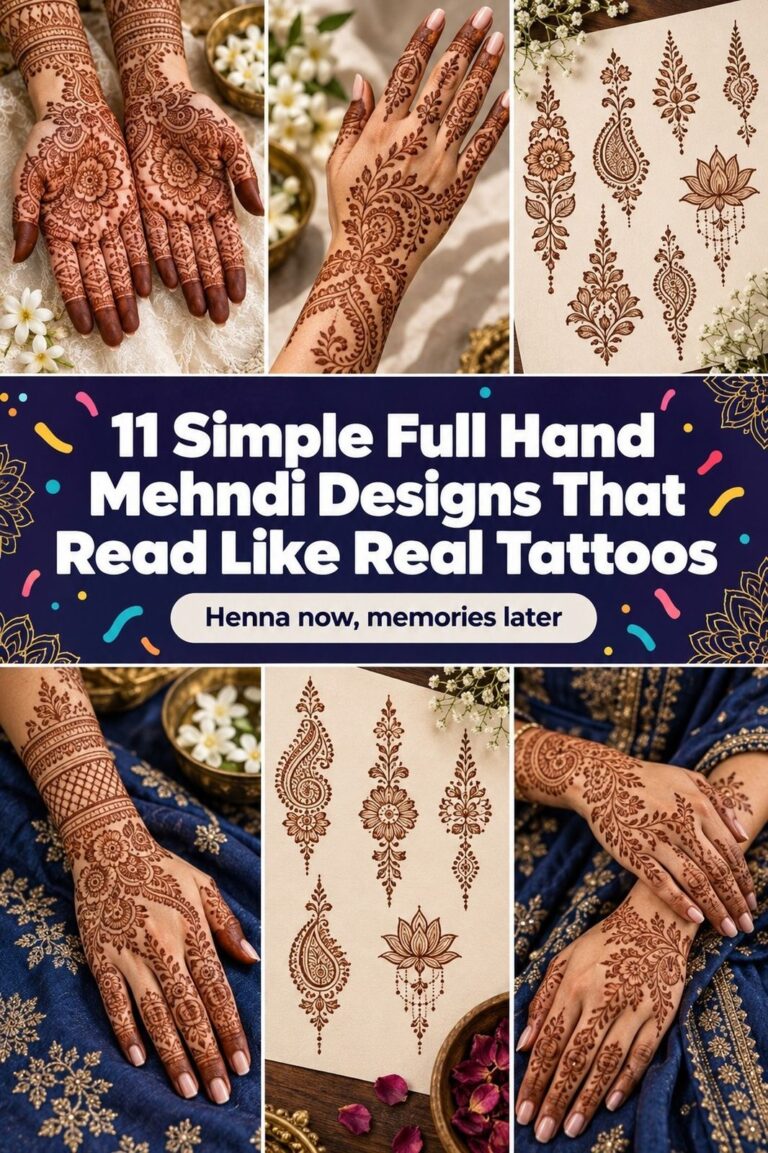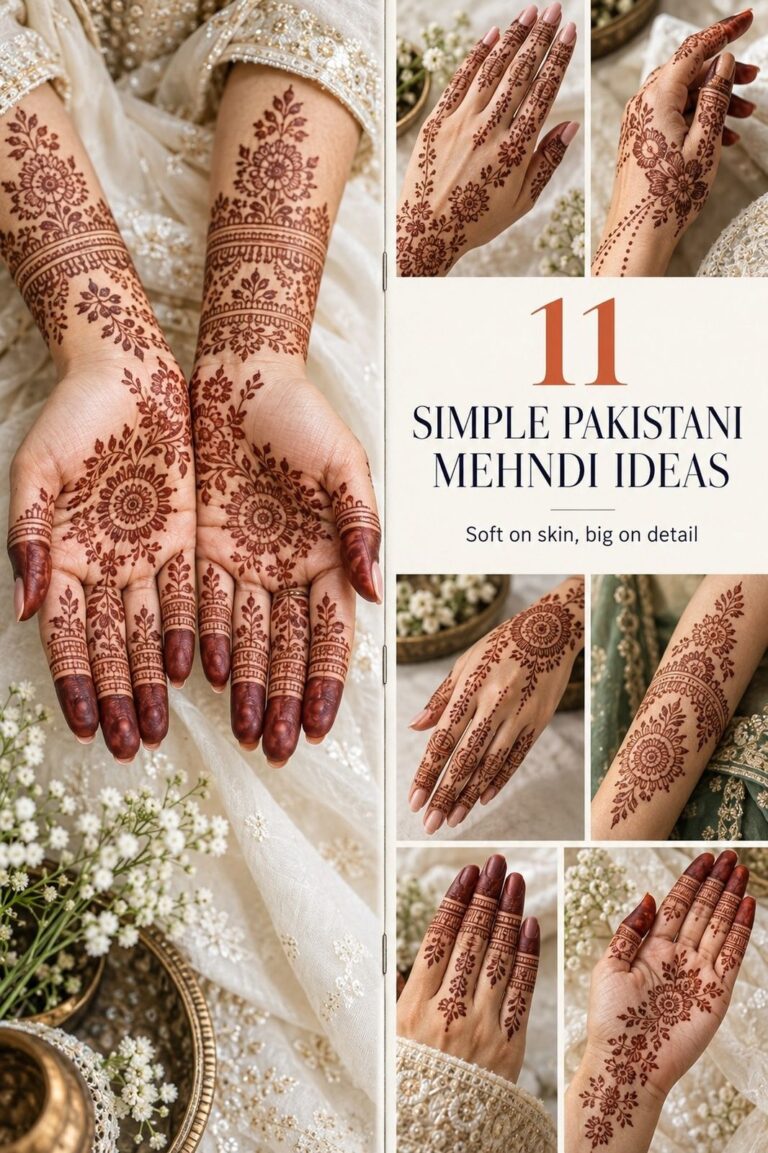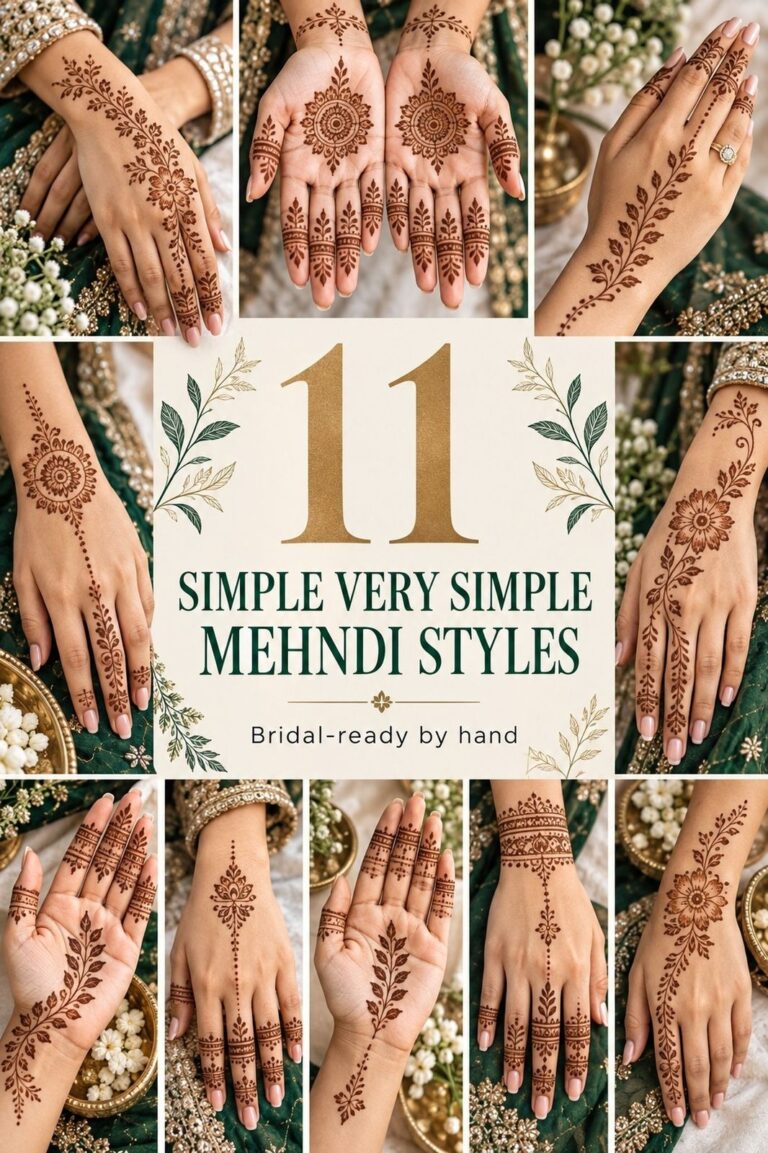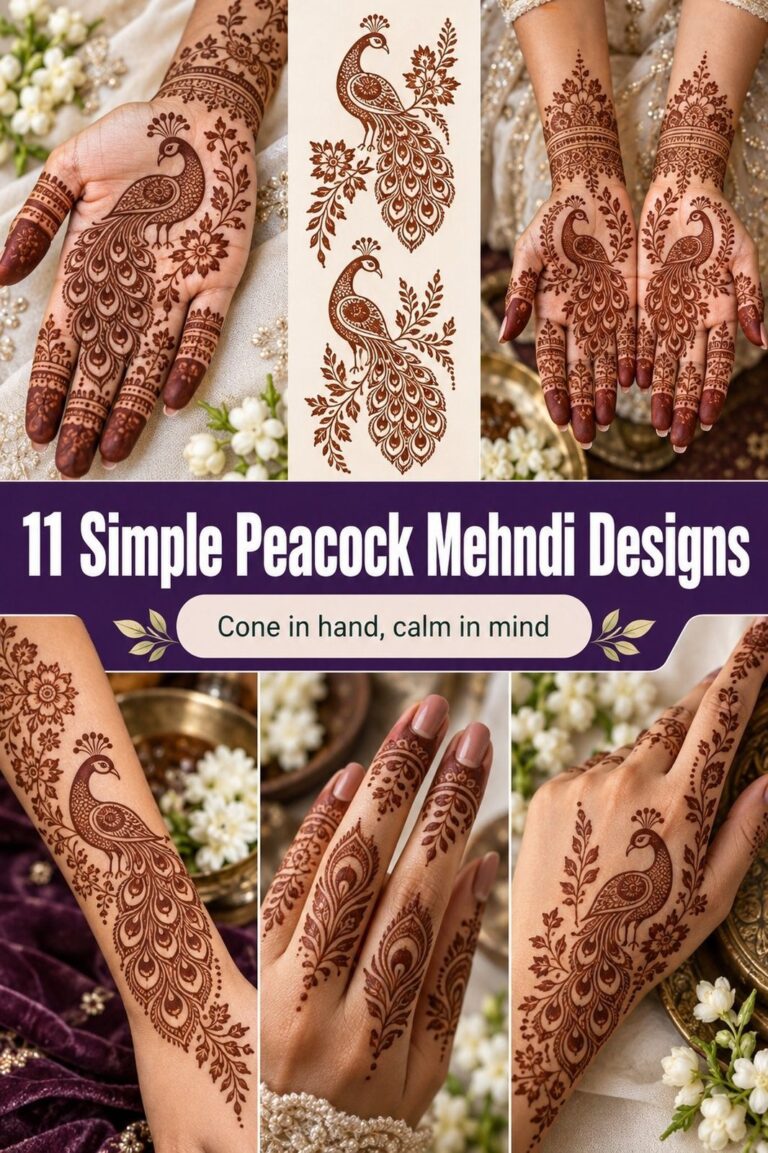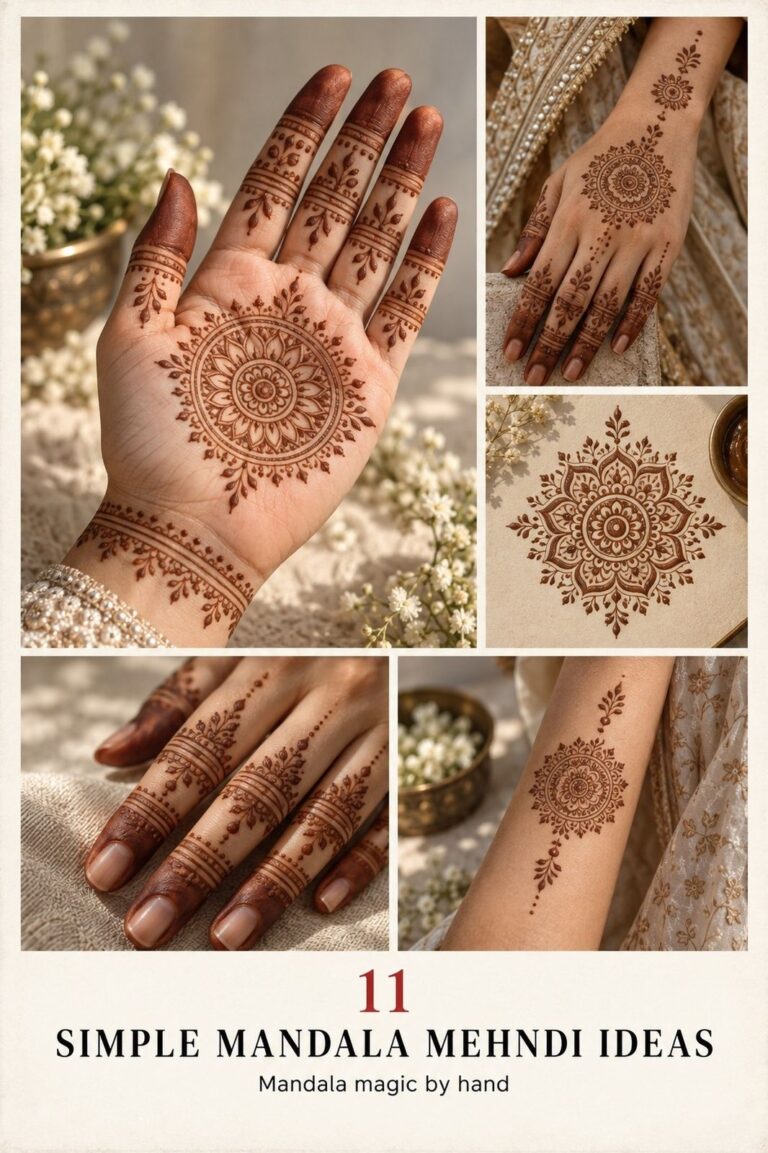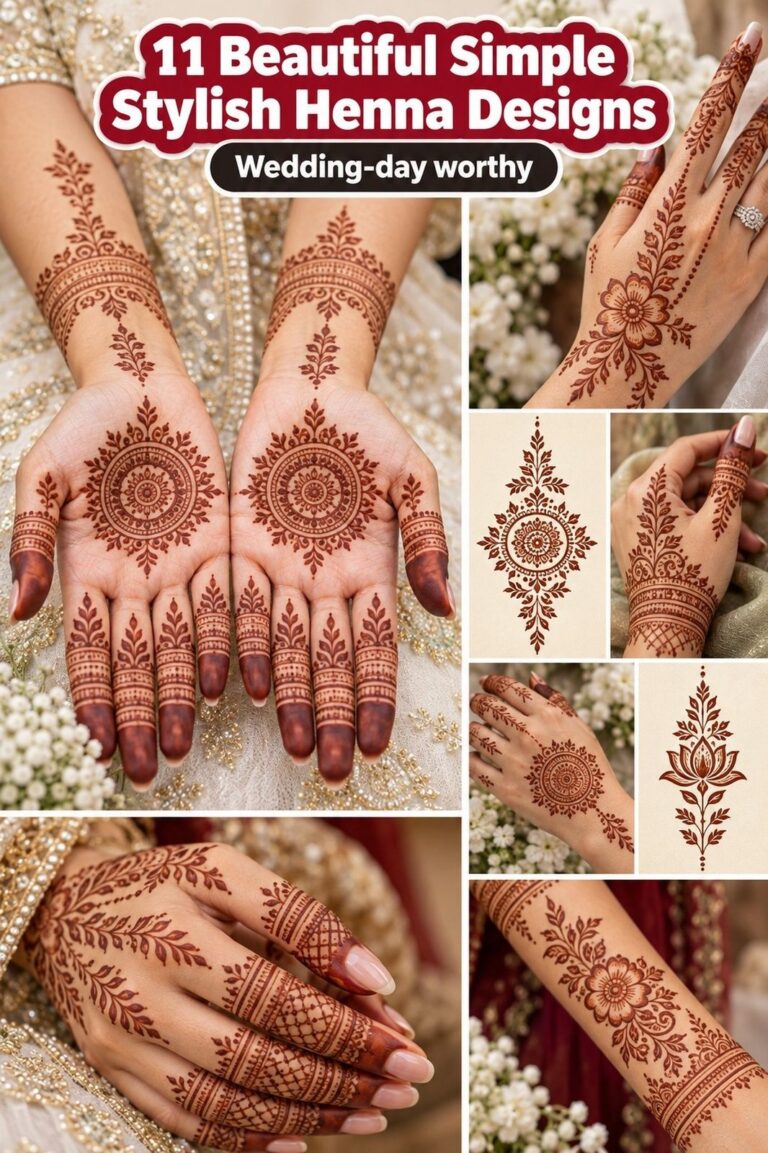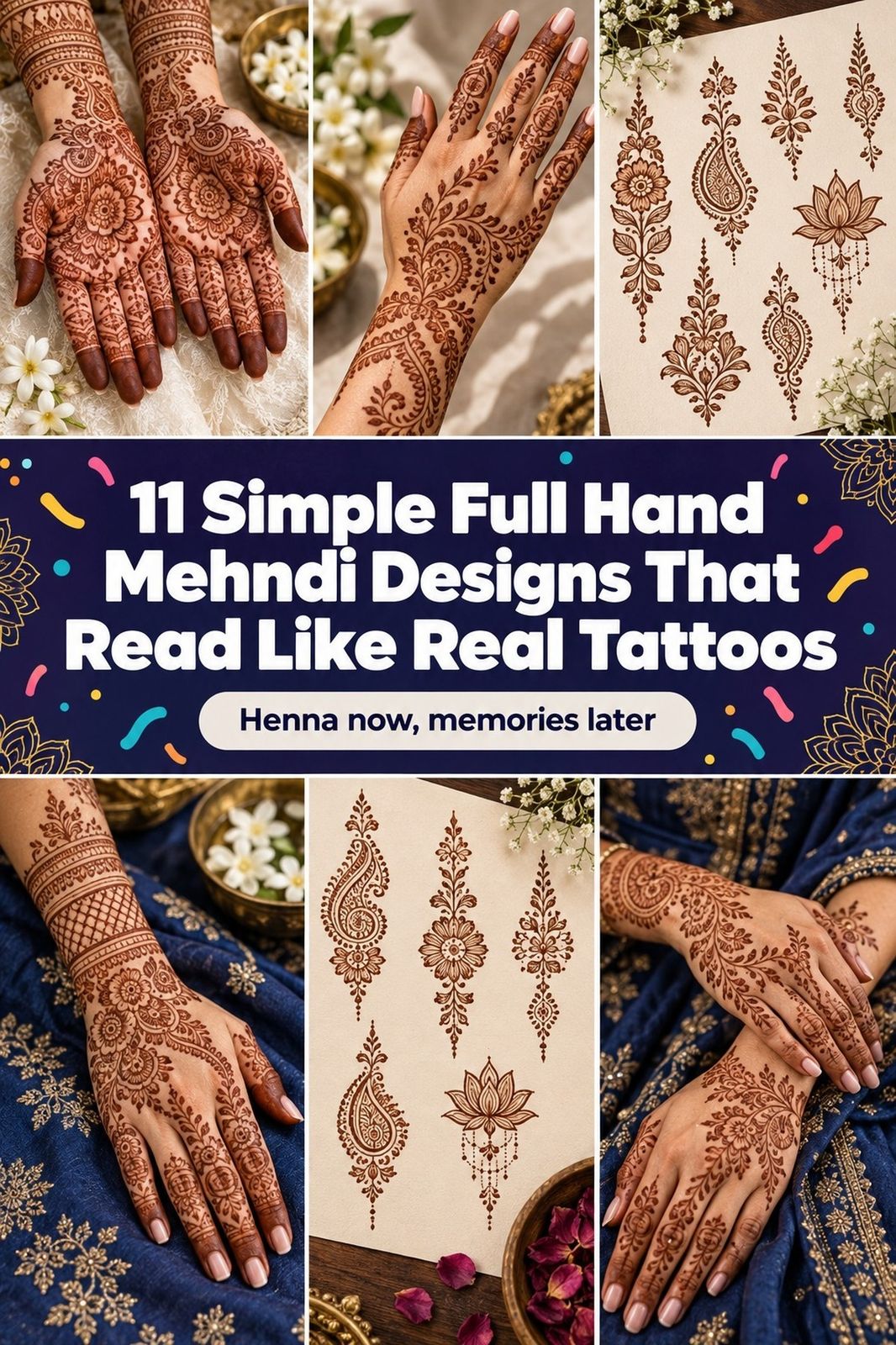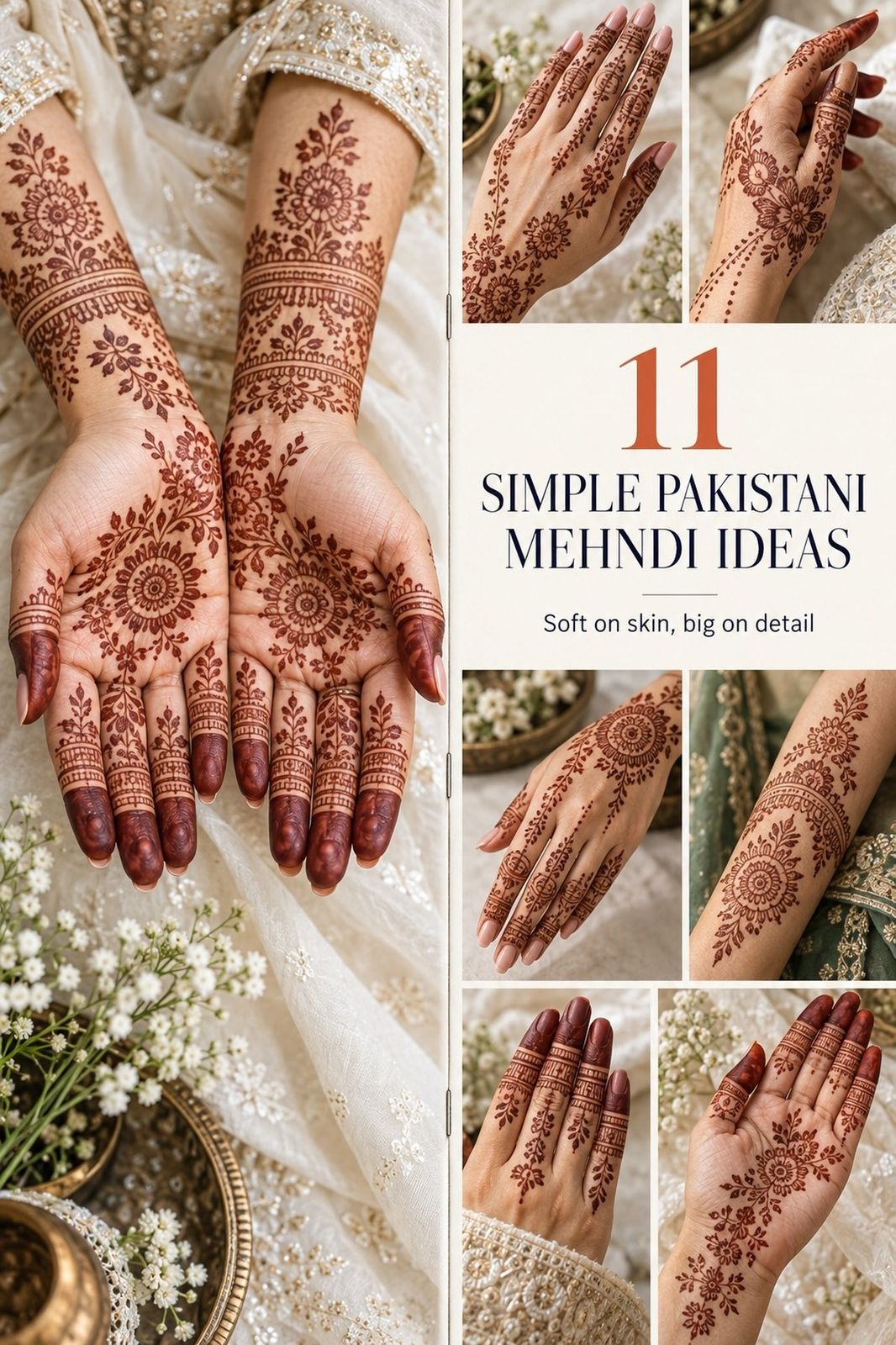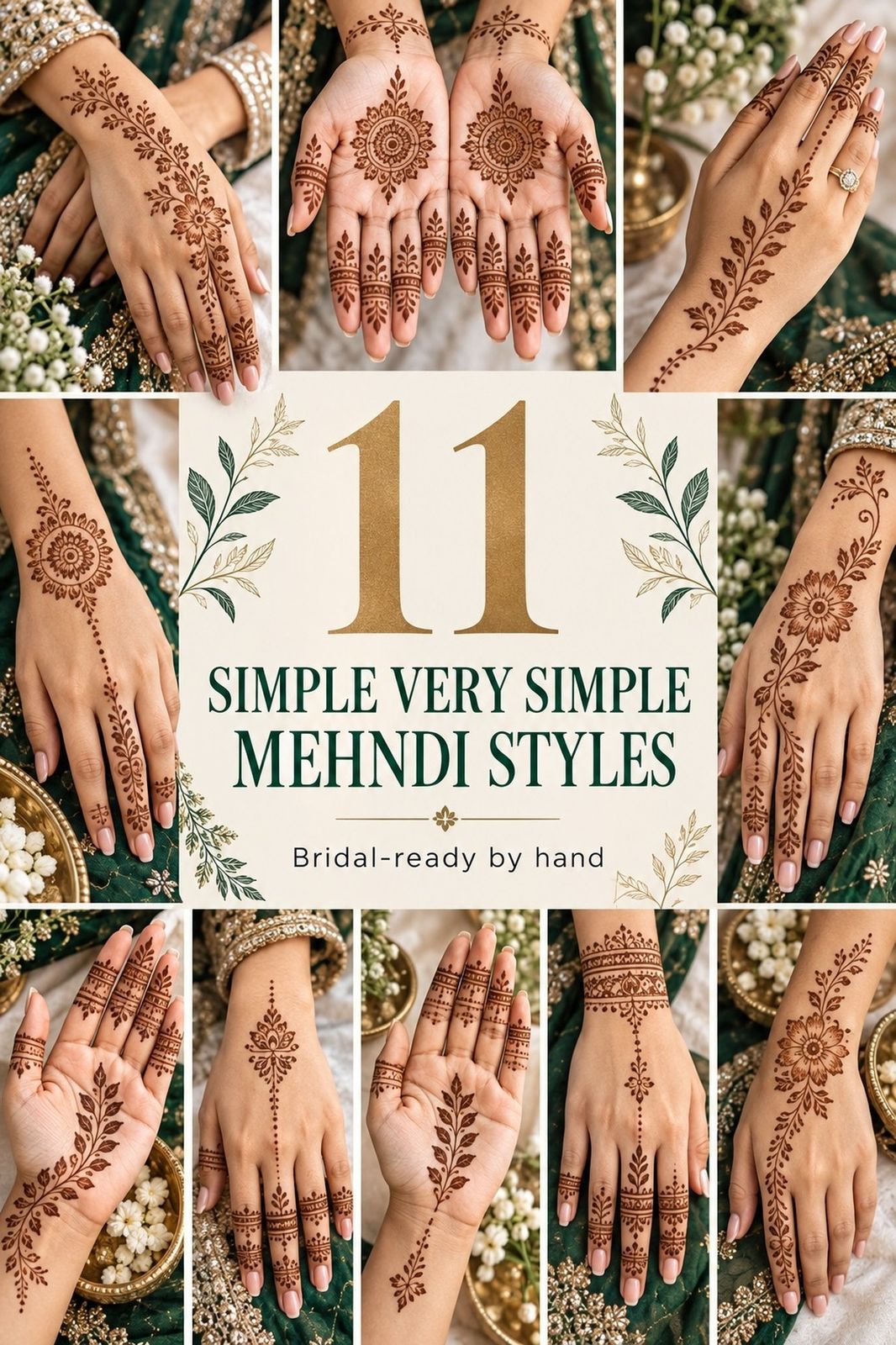
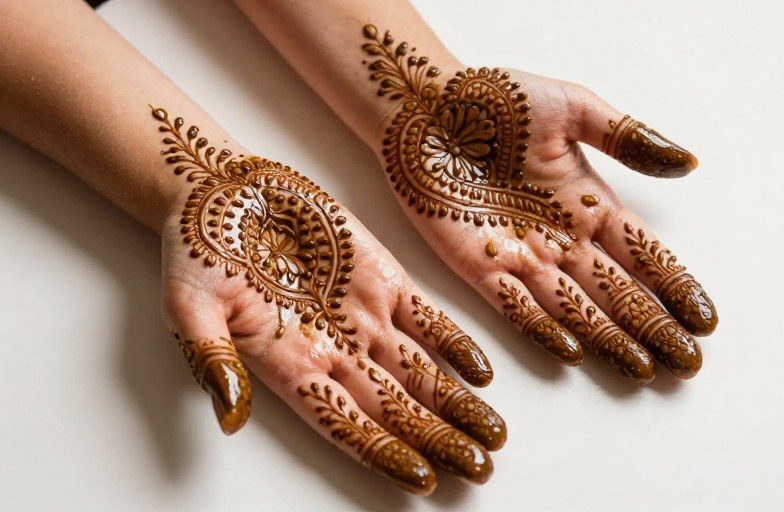
A henna wet tattoo is permanent ink that borrows the flowing, organic patterns of traditional mehndi and lets water imagery, waves, droplets, rain, or vessels interrupt or dissolve those patterns. Henna itself is temporary, staining skin for days to mark weddings, Eid, Diwali, and other celebrations across South Asia, the Middle East, and North Africa. The permanent version, combined with water, is a recent development, likely emerging from social media visual culture in the 2010s rather than any single artistic movement. The combination carries weight: henna patterns suggest ceremony and threshold moments, while water suggests purification, emotional change, and the passage of time. Together, they can mean finding something fixed within what constantly moves, or releasing something held too tightly.
Who This Design Suits
You do not need South Asian, Middle Eastern, or North African heritage to wear this design, but you do need honesty about your relationship to its visual language. The patterns are not neutral ornament. Specific motifs, lotus, peacock, mango, paisley, carry regional meanings that shift by context. Wearing them without understanding flattens something layered into decoration. If you have no cultural connection to henna, the safer path is to work with an artist who can abstract the visual rhythm rather than replicate specific ceremonial motifs, or to choose water-dominant designs with henna-inspired linework rather than traditional patterns.
Cultural Reconnection
Some wearers have family heritage tied to henna practices and want permanent acknowledgment of something usually temporary. The water element can represent diaspora experience: carrying something fluid across fixed borders. These pieces work best when they emerge from genuine conversation about what you actually inherited and what you had to reconstruct. The best artists for this work will ask about your family regions, not just your Pinterest board. They will know that Moroccan henna patterns differ from Rajasthani, that Gulf styles favor bold floral density while Sudanese work emphasizes geometric precision. If your artist cannot discuss these distinctions, find one who can.
Personal Transition
Others come with no cultural connection to henna but respond to its visual logic of containment and release. Water damage, near-drowning, prolonged grief, or simply a period of life that felt flooded, these experiences can translate into designs where liquid interrupts or flows through geometric structure. The henna frame provides order; the water inside it acknowledges what broke through or washed away. This is not a requirement. You do not need trauma to justify this tattoo. But the design tends to satisfy people who want visual evidence of having been changed.
How the Design Actually Works
The category is broader than literal juxtaposition of two images. Successful pieces integrate water structurally rather than pasting it on top.
Structural Integration
The strongest designs let water elements replace or distort traditional henna components. A mandala center becomes a whirlpool. The teardrop shapes common in mehndi transform into actual falling drops, with negative space suggesting splash. Paisley outlines dissolve into waveforms at the edges. This approach ages better than collaged literalism. Water and henna read as one visual system rather than two images forced together.
- Line-weight variation: Thin henna-style linework with abrupt thick washes for water sections
- Dotwork transition: Traditional henna dots becoming bubbles or foam
- Geometric subversion: Strict symmetrical patterns interrupted by organic water shapes
- Negative space rivers: Skin showing through as water channels between dense henna fields
Stylistic Approaches
Ornamental styles dominate, but illustrative and neo-traditional versions exist. Illustrative approaches might show a hand applying henna, with water spilling from the cone or mixing with paste. Neo-traditional builds bold outlines and limited palettes around the concept, often with blue-green water against warm henna tones. Minimalist interpretations reduce both elements to single flowing lines, one continuous stroke suggesting both pattern and current. The style you choose should match your other tattoos if you have them, or your tolerance for visibility. Ornamental work reads decorative and approachable. Neo-traditional reads deliberate and collected. Minimalist reads quiet and private.
Color or Black and Grey
This choice changes what the tattoo communicates and how it ages.
Black and Grey
Monochrome reads more architectural. The henna patterns emerge as structure, shadow, and texture. Water rendered in greywash becomes depth, void, or smoke rather than literal liquid. These pieces age with dignity. Black ink holds. Grey tones settle into softer values that can actually improve the water illusion over years. The trade-off is warmth. Henna paste stains orange-brown. Black ink is neutral. Some of the original reference’s heat disappears, though skilled artists can suggest warmth through brown-grey washes.
Color Integration
Actual henna stains orange-brown, so some wearers request warm earth tones for pattern sections. Water traditionally reads blue, but effective designs sometimes use teal, green, or unexpected hues like rust or purple to suggest specific bodies of water, emotional states, or even contamination. Color demands more technical precision. Water sections need smooth saturation without blotching. Henna lines need consistent density. Healed results vary more with color. Blues and greens can shift toward grey or dull significantly, especially in areas with thinner skin or more sun exposure. White ink highlights for foam or sparkle are popular but temporary. Most artists honest about longevity will suggest limiting white to small accents or skipping it in favor of negative space.
Where to Place It
Henna’s traditional placement on hands and feet translates poorly to permanent tattooing in those exact locations. Palms and soles shed ink rapidly. The question becomes where this design gains meaning rather than loses it.
- Forearms: Natural visibility, flat surface suits linear patterns, easy to display or conceal
- Upper arms and shoulders: Curved surfaces let water elements flow organically; henna frames wrap well
- Back: Large canvas for detailed mandala-water combinations; protected from sun
- Ribs and sides: Vertical orientation suits falling water; painful but private
- Thighs: Ample space, less sun fading than lower legs, personal rather than public
Traditional henna placements like the tops of hands or feet can work with adjusted expectations. These spots require touch-ups and acceptance that detail will blur faster. Some wearers choose this deliberately, letting the fading itself become part of the water metaphor. If you choose hands or feet, budget for maintenance every few years and protect the work from sun and friction.
Building the Design
Coherence requires deciding which element leads. Water-dominant designs with henna accents feel different than henna-dominant frames with water interruption.
Complementary Motifs
Floral elements bridge both languages naturally: lotus rising from water, vines trailing into currents. Moon phases pair well, suggesting tidal pull and cyclical time. Koi or other fish introduce living movement. Hands holding water vessels reference both henna application rituals and offering. Avoid overloading. The power of this combination is restraint. Two visual systems already in conversation do not need a third voice.
Technical Considerations
Line-only henna patterns with no shading will age into softer versions of themselves but risk becoming indistinct if too fine. Water sections need some black anchoring. Pure color wash without outline disappears into skin over years. The interface between pattern and liquid is where skilled artists prove themselves. Abrupt transitions look collaged. Gradual ones look dissolved. Discuss specifically how your artist plans that boundary. Ask to see healed photos, not just fresh work. Water tattoos often look spectacular new and muddy at five years. An artist with long-term perspective will design for the decade, not the Instagram post.
Aftercare follows standard protocol with one note: the temptation to keep the piece “wet” thematically is metaphorical only. Over-moisturizing during healing causes problems. Follow your artist’s instructions precisely regardless of the water symbolism.
Finding the Right Artist
This design requires specific skills. Not every ornamental artist understands water dynamics. Not every water specialist understands henna pattern logic. Look for artists whose portfolios show both. Ask how they handle the boundary between pattern and liquid. Ask about their experience with the specific cultural tradition you are referencing. If they cannot discuss regional distinctions in henna style, they may not be the right choice for culturally specific work.
Budget for quality. Intricate linework and smooth color saturation take time. This is not a walk-in design. Expect multiple sessions for large pieces, and expect to pay for the expertise required. Cheap work in this style usually means either cultural flattening or technical shortcuts that age poorly.
What to Remember
The henna wet tattoo works when both elements serve a single idea rather than decorating a concept. Water should not illustrate henna, nor should henna frame water as afterthought. The best designs find where pattern becomes current, where geometry dissolves into flow. This requires an artist who can hold both visual languages in balance and a wearer who knows why they want both present. The design is not a trend to adopt quickly. It is a commitment to something that should mean enough to last.
Frequently Asked Questions
How long does a henna wet tattoo take to heal?
Healing follows standard tattoo timelines: 2-4 weeks for surface healing, 2-3 months for full settling. Water-heavy color work may need slightly longer initial care to prevent saturation loss. Follow your artist’s specific aftercare.
Can I get this design if I have no South Asian or Middle Eastern heritage?
Yes, but with care. Avoid replicating specific ceremonial motifs without understanding. Work with artists who can abstract henna visual rhythms or choose water-dominant designs with henna-inspired linework rather than traditional patterns.
Do henna wet tattoos fade faster than other designs?
Not inherently, but placement matters. Hands and feet fade faster on anyone. Color water sections, especially blues and greens, may dull more than blackwork with sun exposure. Protect with SPF and expect touch-ups for high-detail color work.