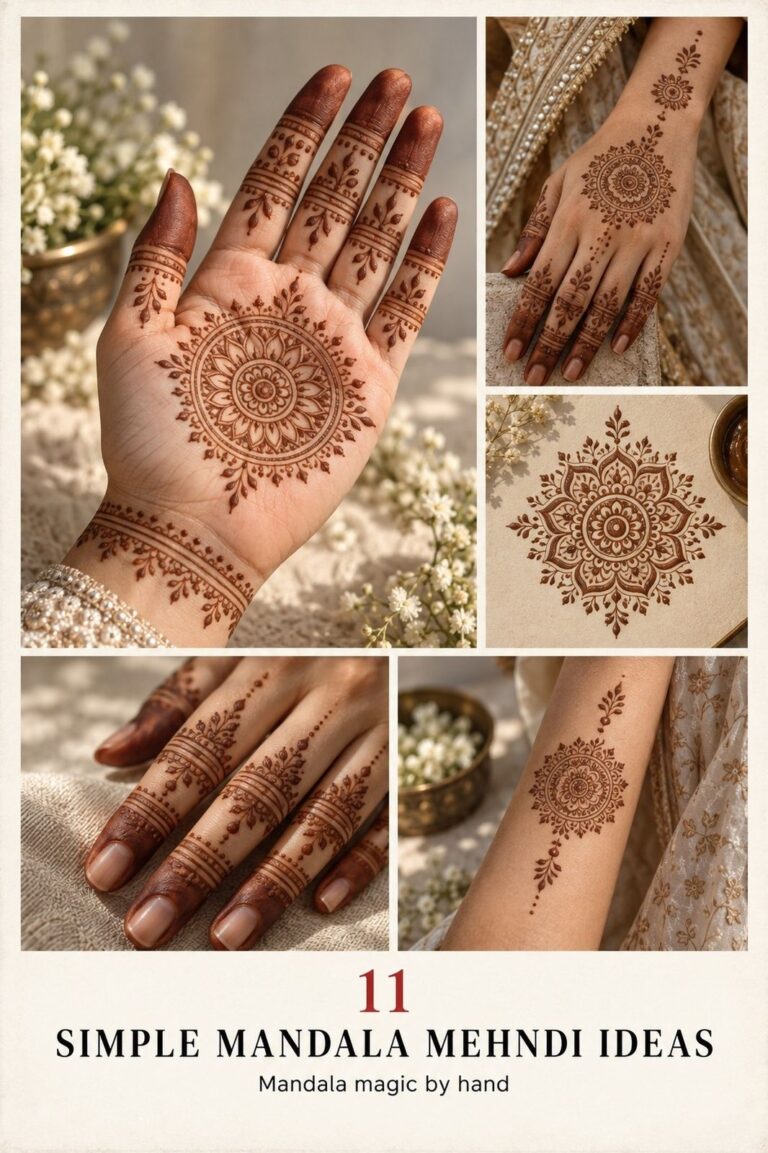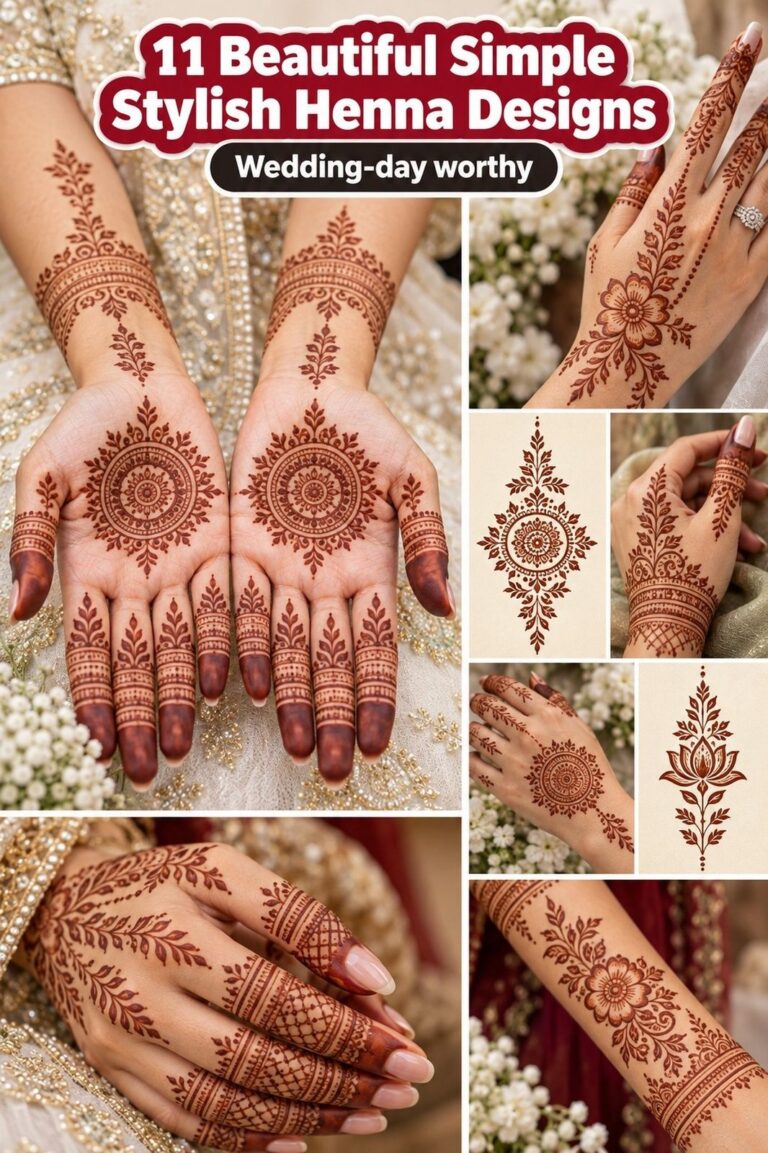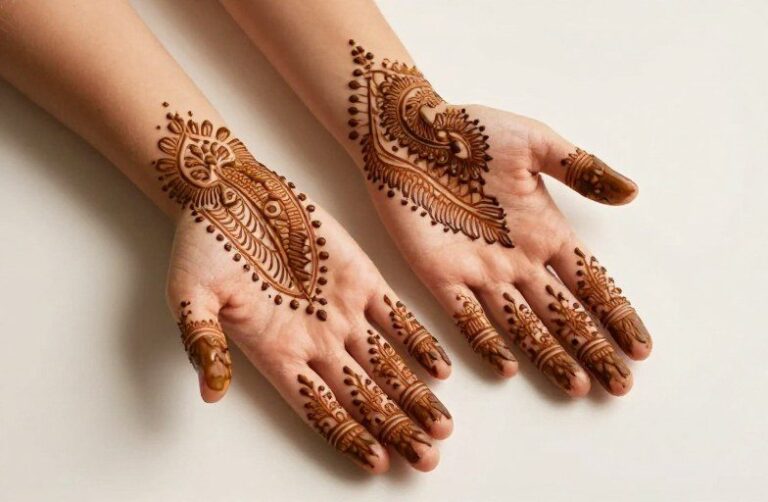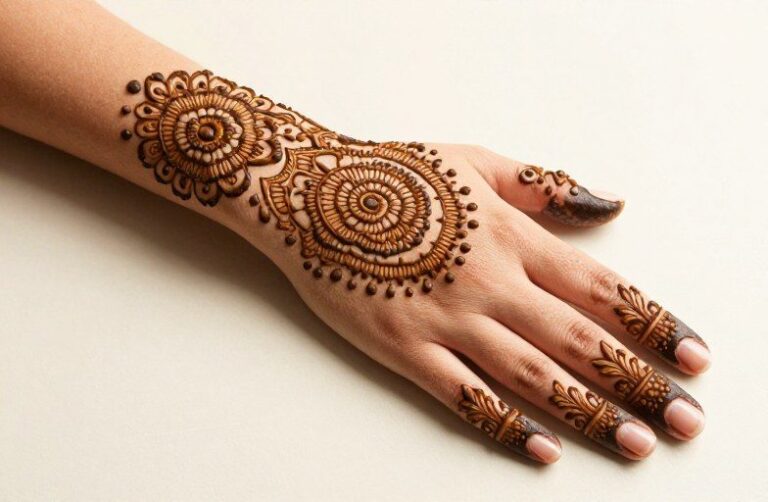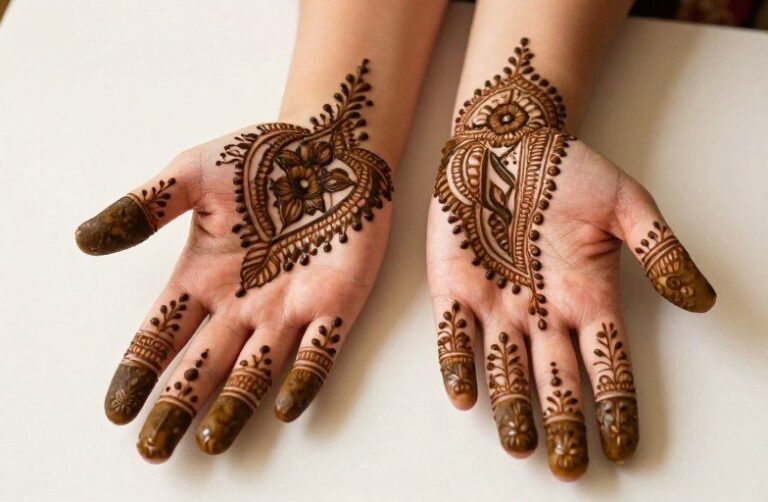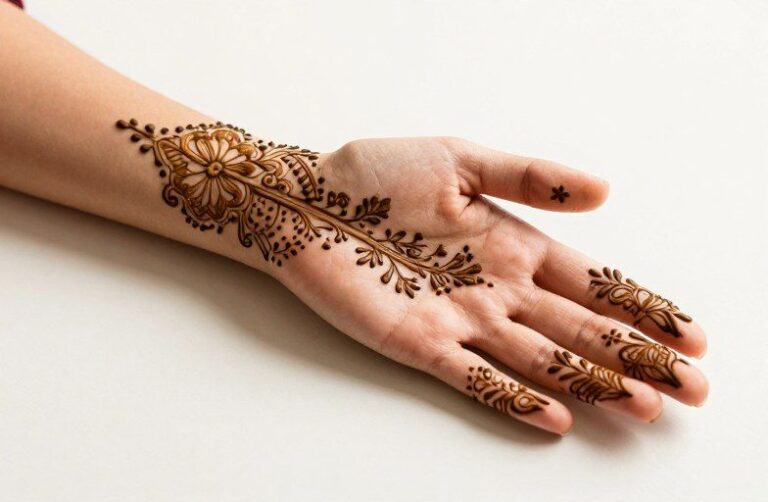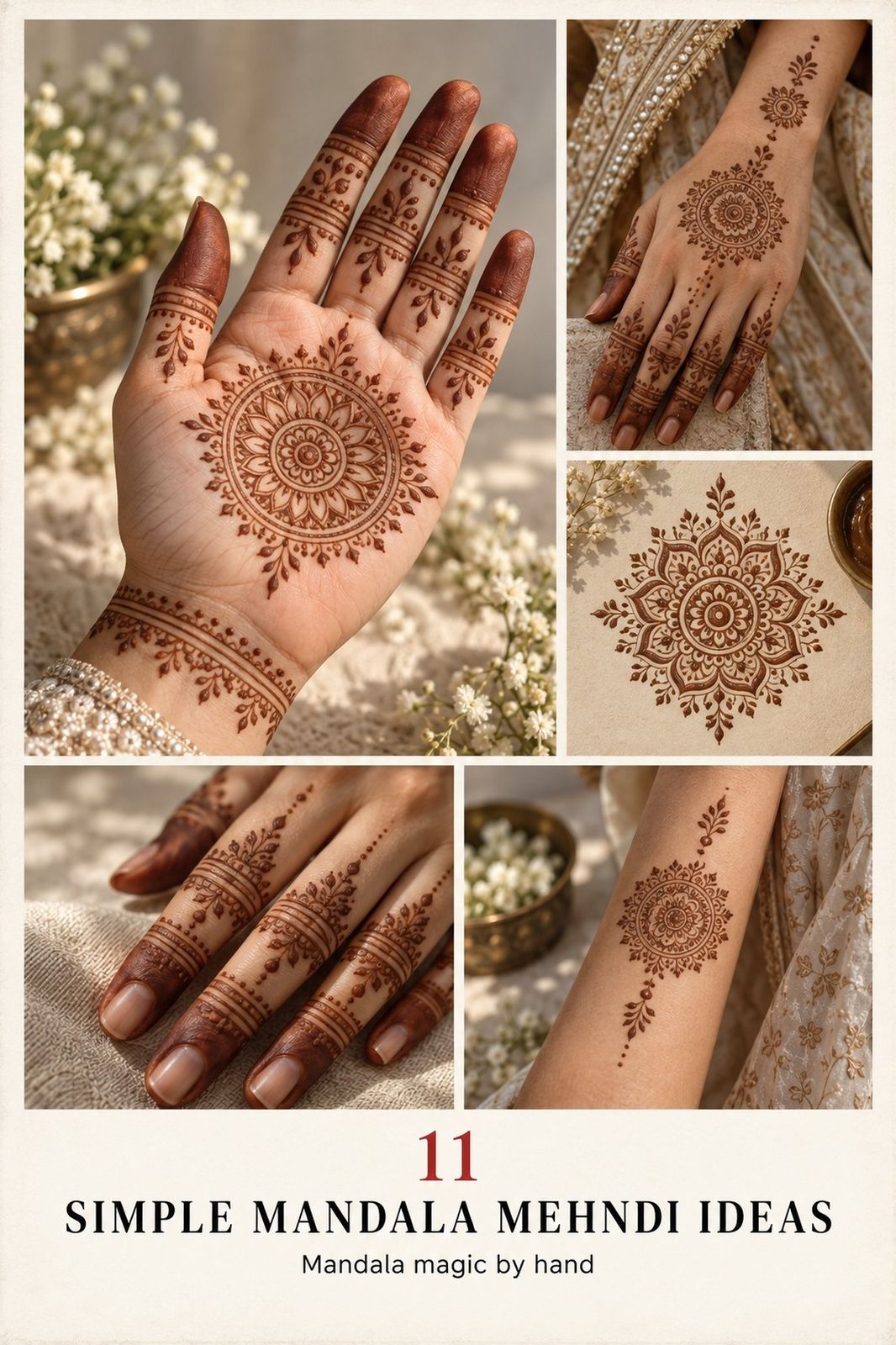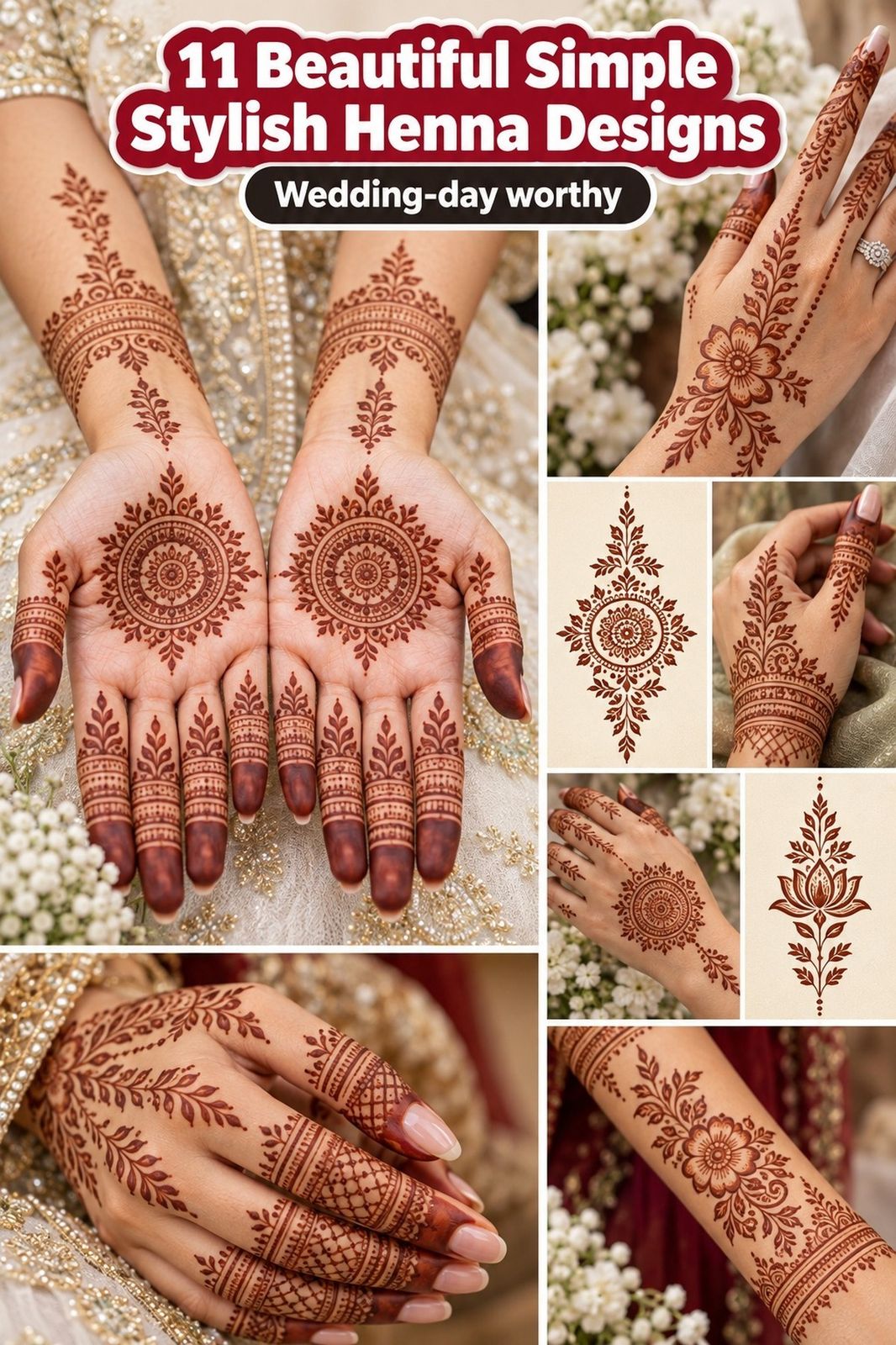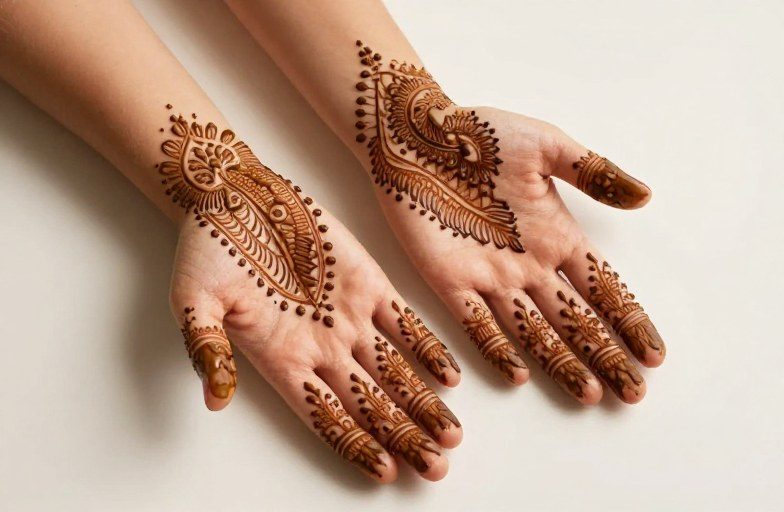
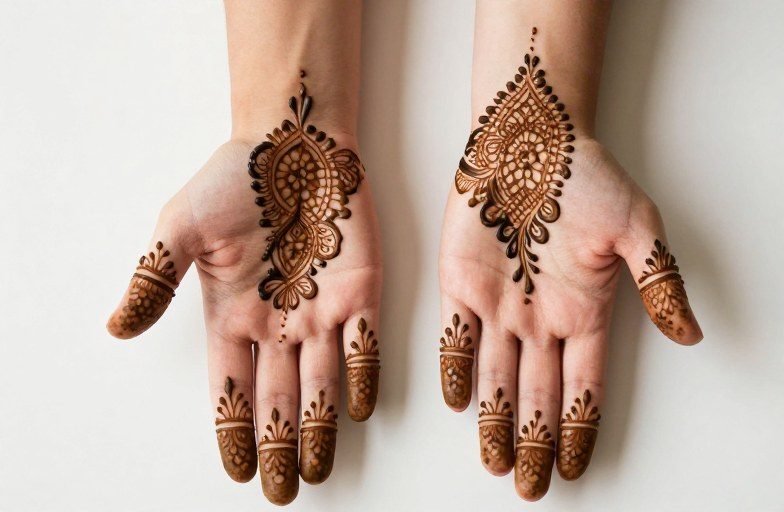
Minimalist henna keeps the parts that matter: the warmth of the stain, the quiet ritual of sitting still while someone draws on your skin. It strips away the dense bridal florals that can feel like wearing someone else’s occasion. What remains is thin line, open skin, and shapes that do not compete with your clothes or your movements. The challenge is not choosing something small; it is choosing something that holds up as the color shifts from orange to brown to faded gold, and knowing where on your body that process looks intentional rather than neglected.
What Minimalist Henna Actually Means
Traditional henna work, especially in South Asian and North African bridal contexts, prizes coverage and complexity. The minimalist approach borrows the same paste and application tools but applies a different visual logic. Every mark must justify its presence. Negative space is not leftover background; it is an active shape. A single line carries the weight that a dozen swirling vines would in conventional work.
This does not mean minimalist henna is a modern invention. Sparse geometric marks appear in historical Berber and Amazigh body art, often linked to protective symbolism. The contemporary minimalist trend draws from these precedents but usually strips away the specific cultural meanings, which is something to be aware of when choosing motifs. If a pattern carries significance in its original context, wearing it as pure decoration requires honest acknowledgment of that borrowing.
Related reading: minimalist henna designs | trendy minimalist mehndi tattoo | simple wrist mehndi tattoo | simple finger mehndi design
Why the Medium Favors Restraint
Henna paste stains the stratum corneum, the dead outer layer of skin. As that layer sheds, the design degrades. Dense packing blurs faster because adjacent stained cells flake at different rates. Sparse marks, separated by healthy unstained skin, keep their edges longer. A thin wrist band that starts crisp may still read as a band two weeks later, while a filled palm design becomes a rust-colored smear in half that time. The medium itself rewards minimalism if you want longevity.
Design Approaches That Work
The best minimalist henna shares a quality: it looks deliberate at every stage of fading. Here are approaches that hold up in practice, not just in fresh photos.
Single-Line Wrist and Ankle Bands
A continuous line circling the wrist reads as a bracelet without the clasp. Artists often vary the weight slightly, thicker where the line crosses the outer wrist bone, tapering toward the inner pulse. Some break the line at the pulse point itself, leaving a gap that prevents the design from feeling like a closed loop or a shackle. On the ankle, placement above the bone rather than around the narrowest part avoids the visual effect of a tracking collar and takes stain better on the relatively thinner skin.
These bands fade evenly because sleeves, watch straps, and socks provide gentle, consistent exfoliation. The stain diminishes in stages you can track, not in unpredictable patches.
Finger-Side and Knuckle Accents
The palm and fingertips reject henna quickly. The skin is thick, the contact constant, the shedding aggressive. Minimalist designs that avoid these areas last visibly longer. A short line running along the outer edge of the index finger, between the knuckles, catches light when you gesture without covering the palm. A single dot at the base of the middle finger, paired with a thin line trailing toward the wrist, creates an anchor that feels placed rather than accidental.
For those considering a permanent finger tattoo, this placement offers a partial test. You will not experience needle sensation or the specific healing process, but you will learn whether you want to look at that spot every day, whether it catches on your attention during typing or hand-washing, whether the visibility suits your work and social contexts.
Scattered Marks and Constellation Logic
Tiny dots placed across the forearm or shoulder in irregular patterns evoke star maps without literal representation. The key is randomness with spacing: too regular and the dots look like a skin condition or a failed medical test; too clustered and they blur together as they fade. A good artist maps these freehand, responding to your specific bone structure and freckle pattern so the marks look native to your skin rather than stamped on.
Botanical Reduction
One five-petal flower the size of a fingernail, placed at the wrist bone or behind the ear, carries the botanical reference without the weight of a bouquet. A single leaf on a short stem, angled to follow the natural curve of the body part, ages gracefully because there is no dense packing to blur. The silhouette reads even when the color softens to a faint sepia.
Pairing and Shared Marks
Minimalist henna works well in pairs or small groups because the simplicity prevents visual overcrowding. Two people can wear related designs without matching exactly.
Complementary Placements
One person wears a thin band on the left wrist, another on the right ankle. Same line weight, different location. The connection becomes a private reference rather than obvious twinning. For couples or close friends, a shared motif placed on the inner arm, hidden under most sleeves, keeps intimacy without public display. The crescent shape, common across multiple henna traditions, works well here: oriented to match an actual moon phase meaningful to both people, it carries specific personal significance without requiring explanation.
Group Variations on a Theme
Sibling or friend groups sometimes choose a shared element with individual variation. Everyone receives the same central dot; surrounding marks differ. One gets a short line, another two parallel ticks, a third a tiny circle. Photographed together, the family resemblance shows. Worn alone, each design stands independently. This approach respects individual identity within collective connection, which is harder to achieve with dense matching patterns that read as uniform.
Contemporary Directions
Some artists now push minimalist henna into visual territory borrowed from other traditions while keeping the medium recognizable. These approaches are not traditional but are valid explorations of what the paste can do.
Architectural and Abstract Lines
Strictly straight lines, right angles, and measured spacing feel almost blueprint-like. These designs often run vertically along the inner forearm or horizontally across the collarbone. The precision reads as modern and pairs with structured clothing. On darker skin tones, the warm henna stain against cool undertones creates a subtle glow that pure black ink cannot replicate. The contrast is more understated than on lighter skin but carries a warmth that feels integrated rather than applied.
Typography and Script
Single words or initials in clean sans-serif letterforms, applied with a fine-tipped cone, require steady hand and careful planning. The challenge is that henna lines spread slightly as the paste dries; what looks crisp at application may soften by day three. Short words, large letter spacing, and avoidance of thin horizontal strokes (which blur fastest) improve results. This is not a technique for every artist; ask to see healed photos, not just fresh work.
Geometric Simplification
Traditional Berber and Amazigh patterns, among others, include dense geometric fields. The minimalist adaptation reduces these to one or two elements: a single diamond, a partial triangle, parallel lines that suggest a larger pattern without completing it. This approach risks cultural reduction if treated purely as aesthetic resource. The honest path is to learn the source, credit it, and avoid claiming invented meanings.
Personalization Without Clutter
Minimalist henna offers less room to hide personal symbols inside dense pattern. Customization must happen through placement, scale, and the specific mark chosen.
Meaning Through Restraint
A single vertical line placed to align with a scar, a vein pattern, or an existing tattoo creates relationship to the body’s history. The number of dots can reference a date or count: three for a third child, seven for a significant year. Scale shifts meaning too. A two-inch design reads as delicate; the same motif at six inches across the upper back becomes declarative. Test size with a water-based marker before committing to paste. Live with the marker for a day. Notice when your eye goes to it, when you forget it exists.
Placement as Choice
Behind the ear, visible only when hair is tied up. The inner bicep, shown or hidden by a sleeve. The top of the foot, emerging from a shoe. These placements carry social meaning independent of the design itself. Minimalist henna lets you test that social dimension without permanence. You learn whether you enjoy the secret or tire of the explanation.
What to Know for Your First Application
If you have never worn henna, minimalist work is the most forgiving entry point. Less paste means less drying time, less risk of smudging, and less consequence if the placement annoys you.
During Application
Minimalist designs take ten to twenty minutes to apply, compared to hours for full bridal work. The paste sits on the skin surface and must dry undisturbed, usually thirty minutes to an hour. Thin lines are vulnerable to brushing against clothing; loose wrapping with medical tape or tissue helps protect them. The paste flakes off naturally. Do not scrub it away, and do not peel it prematurely. The initial stain looks orange and deepens to brown over twenty-four to forty-eight hours as the lawsone oxidizes.
Aftercare and Duration
On hands and feet, expect roughly five to seven days of strong color, fading gradually over the following week. On arms, legs, or back, the stain often lasts longer because the skin is thinner and less frequently washed, though individual variation is significant. Before application, avoid moisturizing for twenty-four hours; oils and lotions create barriers. After paste removal, keep the design dry for six hours if possible. Light oil application (coconut, olive) afterward protects from water exposure. Chlorine and salt water strip color faster; plan accordingly.
Scrubbing, exfoliating products, and retinoids accelerate fading. If you need the design gone sooner, these help; if you want longevity, avoid them.
What to Remember
Minimalist henna succeeds when it respects the medium’s limitations. The stain will never be as precise as a tattoo needle. It will always fade. Working with those truths, choosing placements that age well, lines that stay readable as color softens, and designs that do not depend on perfect symmetry produces results that feel intentional rather than compromised. The best minimalist henna looks like it could have been drawn with a fine pen, then warmed by the skin underneath. Start with one mark. One placement. Let the simplicity carry the weight, and let the fading teach you what you might want permanently, or what you are glad to let go.
Frequently Asked Questions
How long does minimalist henna last compared to traditional full-hand designs?
Minimalist henna often lasts longer in terms of readable design because sparse marks blur more slowly than dense packing. On forearms or ankles, you might see visible color for one to two weeks, sometimes longer with careful aftercare. Dense palm work typically fades faster due to thicker skin and constant use, though the initial stain on palms is often darker. Individual variation in skin chemistry and daily habits matters significantly.
Can I get a minimalist henna design if I have very dark skin?
Yes. Henna stains the outer skin layer and creates a warm reddish-brown tone on all skin tones. On darker skin, the contrast is more subtle but still visible, especially in good light. The stain tends to read as a warm glow rather than sharp contrast. Some artists offer jagua-based designs for darker results, but jagua is a different plant with different allergy profiles; ask specifically if you are offered this option.
Is minimalist henna appropriate if I am not from a culture with henna traditions?
This requires honest consideration. Henna has deep roots in South Asian, North African, Middle Eastern, and Somali cultures, among others. Wearing simple geometric or botanical marks is generally less fraught than wearing specific traditional bridal motifs. The minimalist trend does not erase these histories. Avoid treating henna as costume or temporary exotic decoration. If you admire the medium, support artists from the tradition, learn the history, and choose designs that do not misappropriate specific sacred or protective symbols.
Can I use minimalist henna to test a tattoo placement?
Partially. You will learn whether you like looking at the spot daily, whether the visibility suits your life, and whether the placement catches on your attention during routine tasks. You will not experience needle sensation, healing, or the specific texture of healed ink. For finger tattoos, which are prone to blowout and rapid fading, henna offers useful but incomplete information. Consider it a first filter, not a final decision.