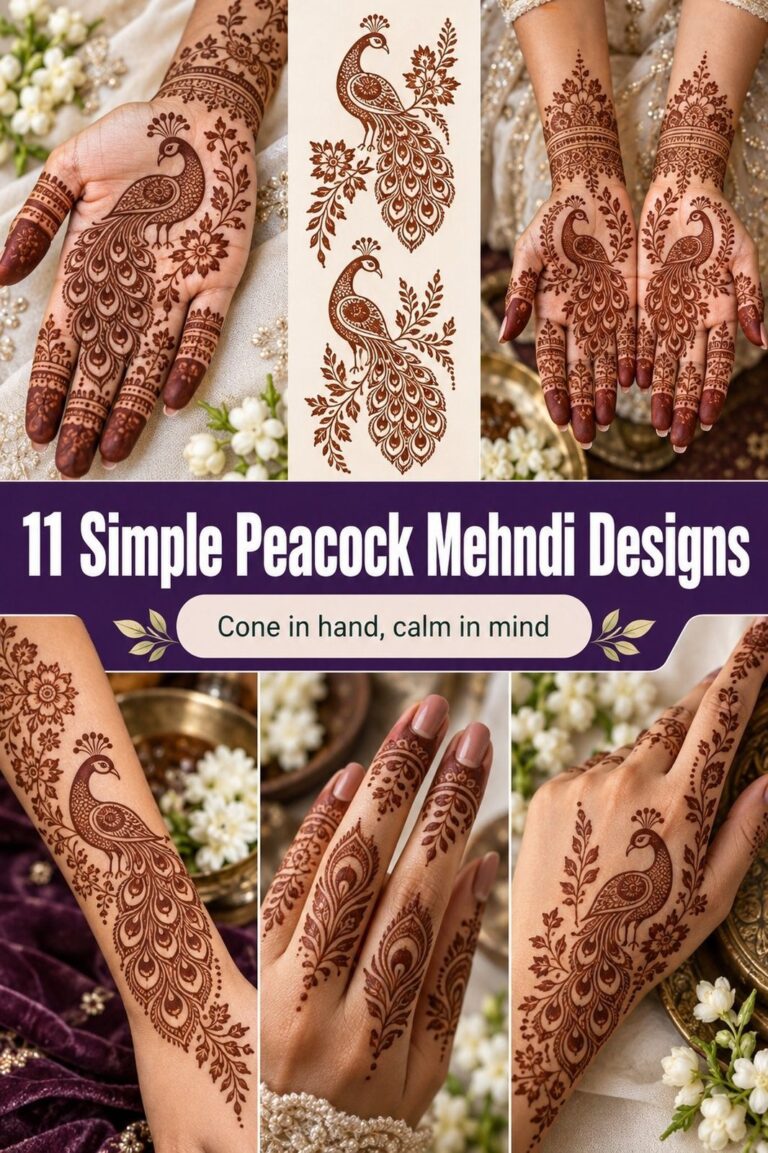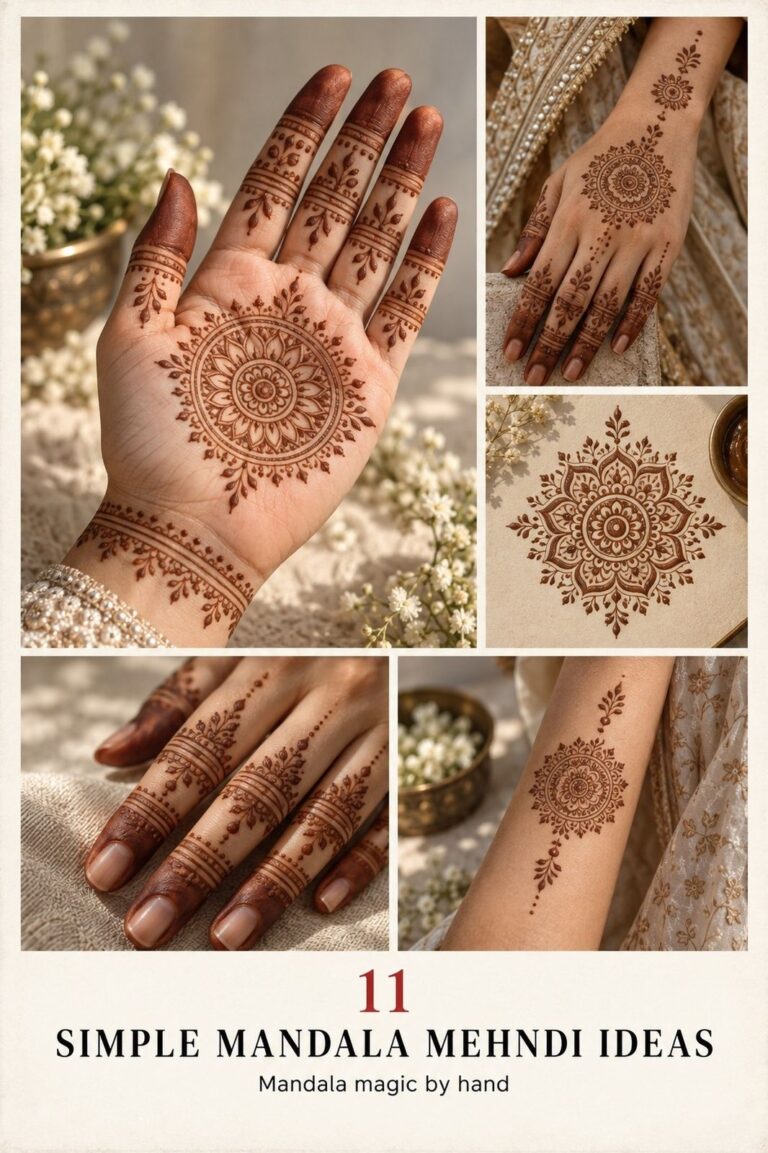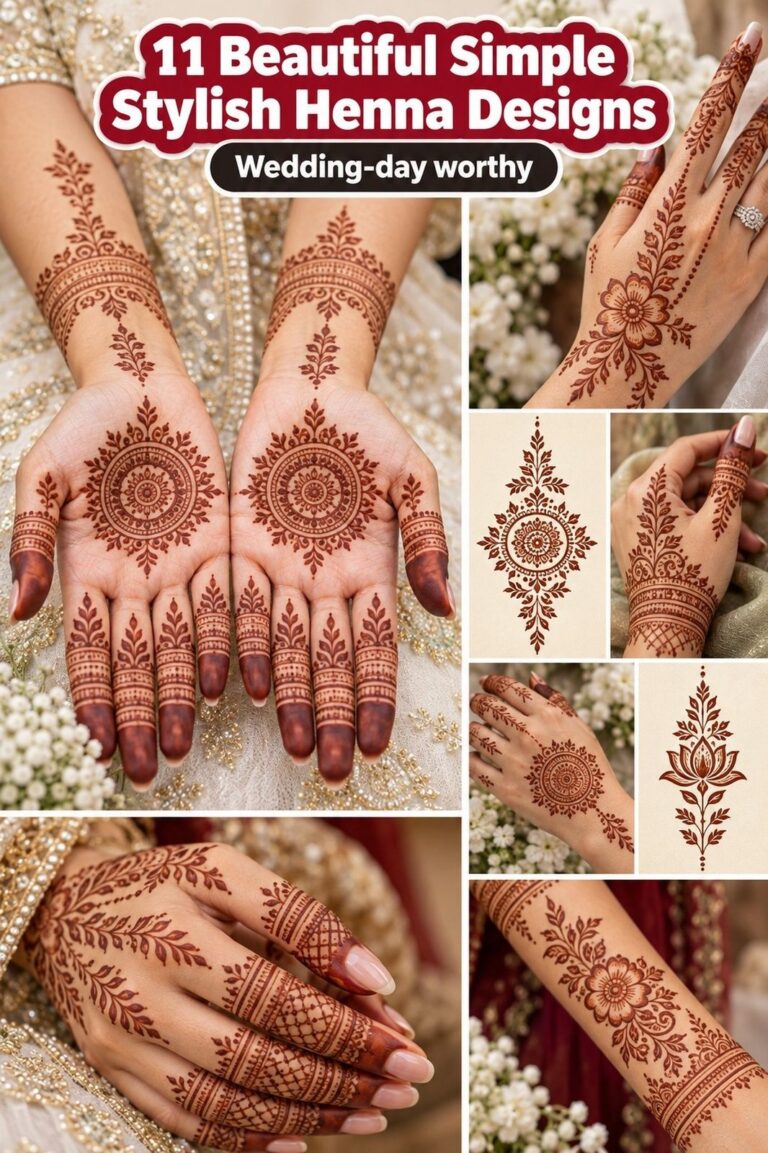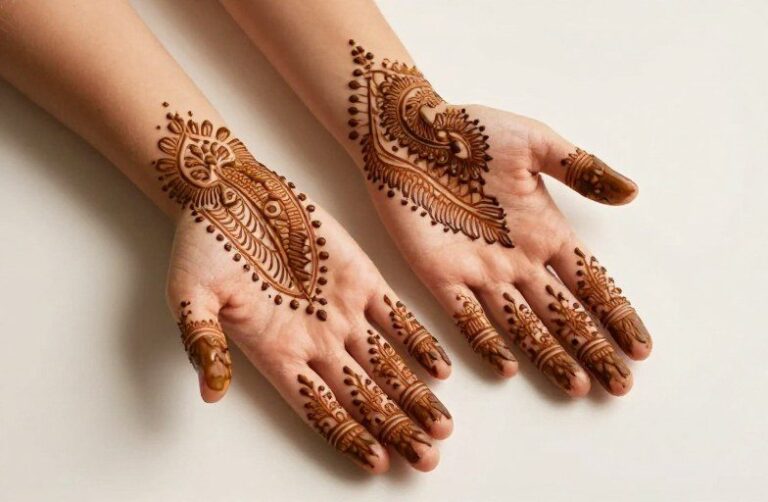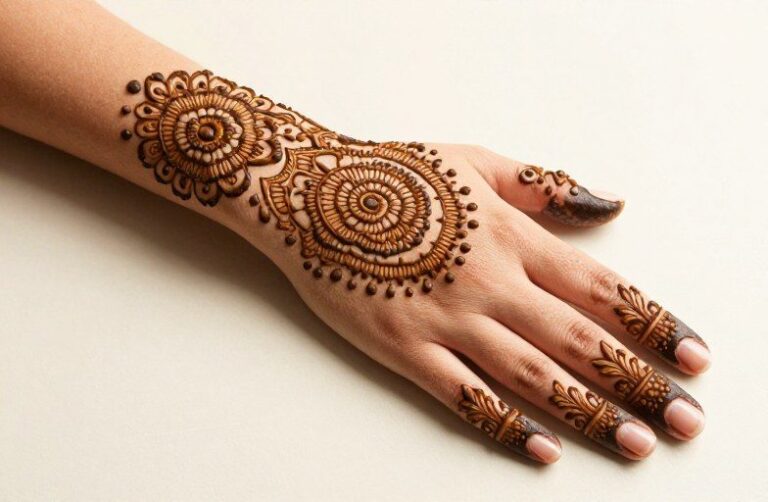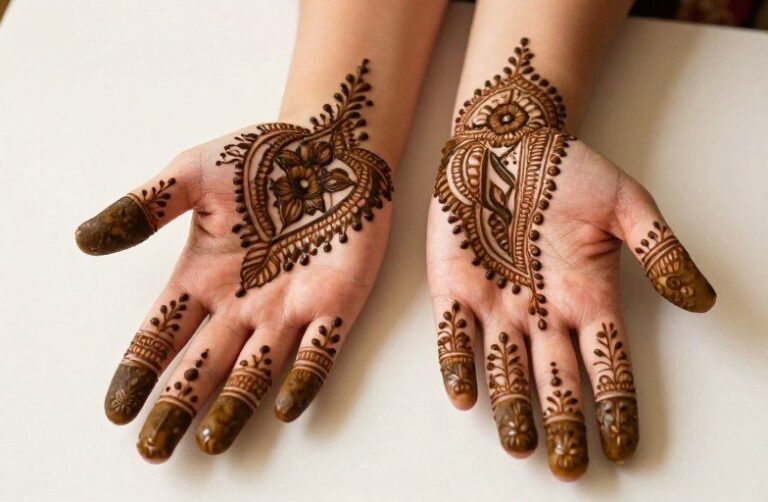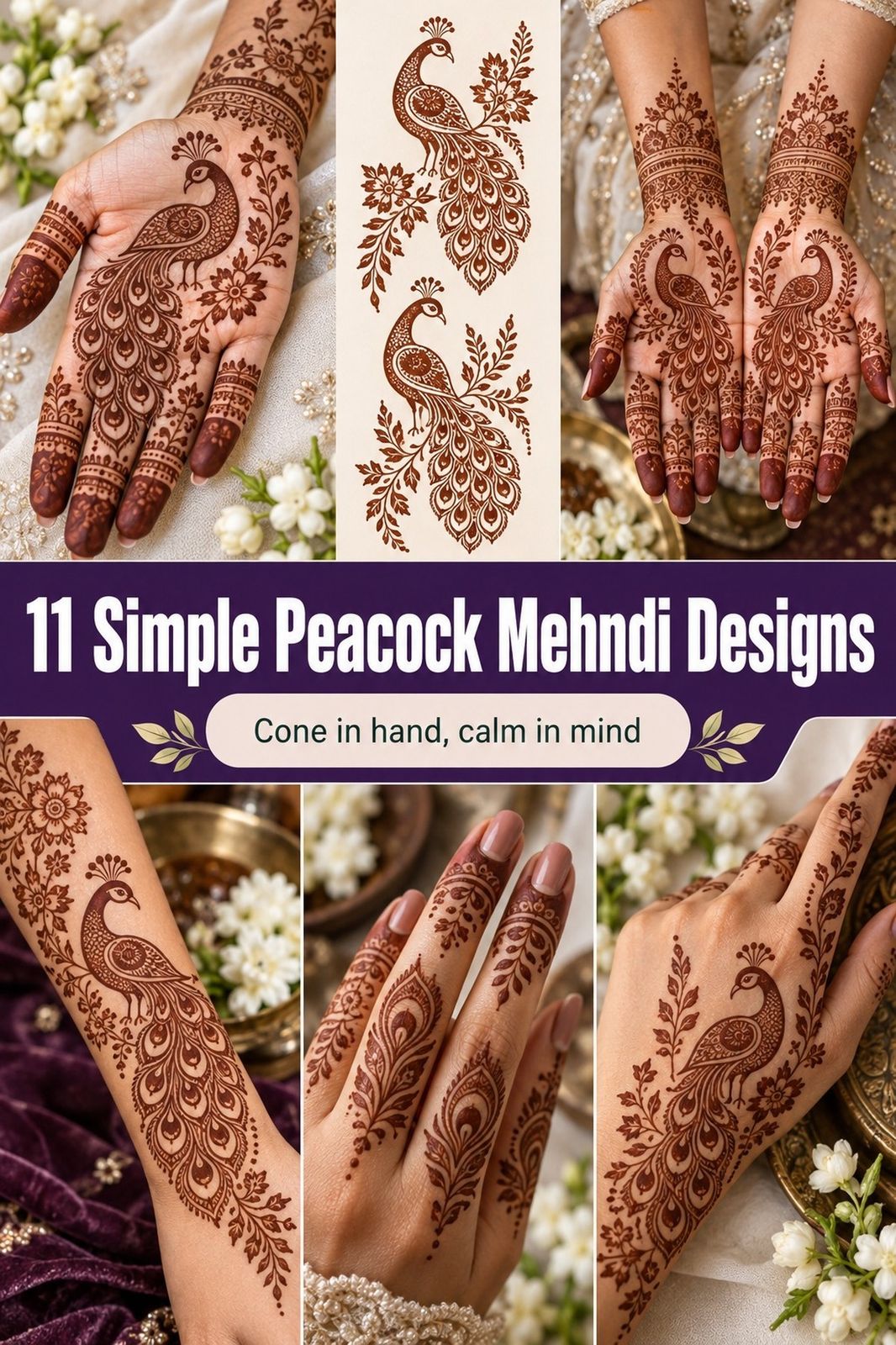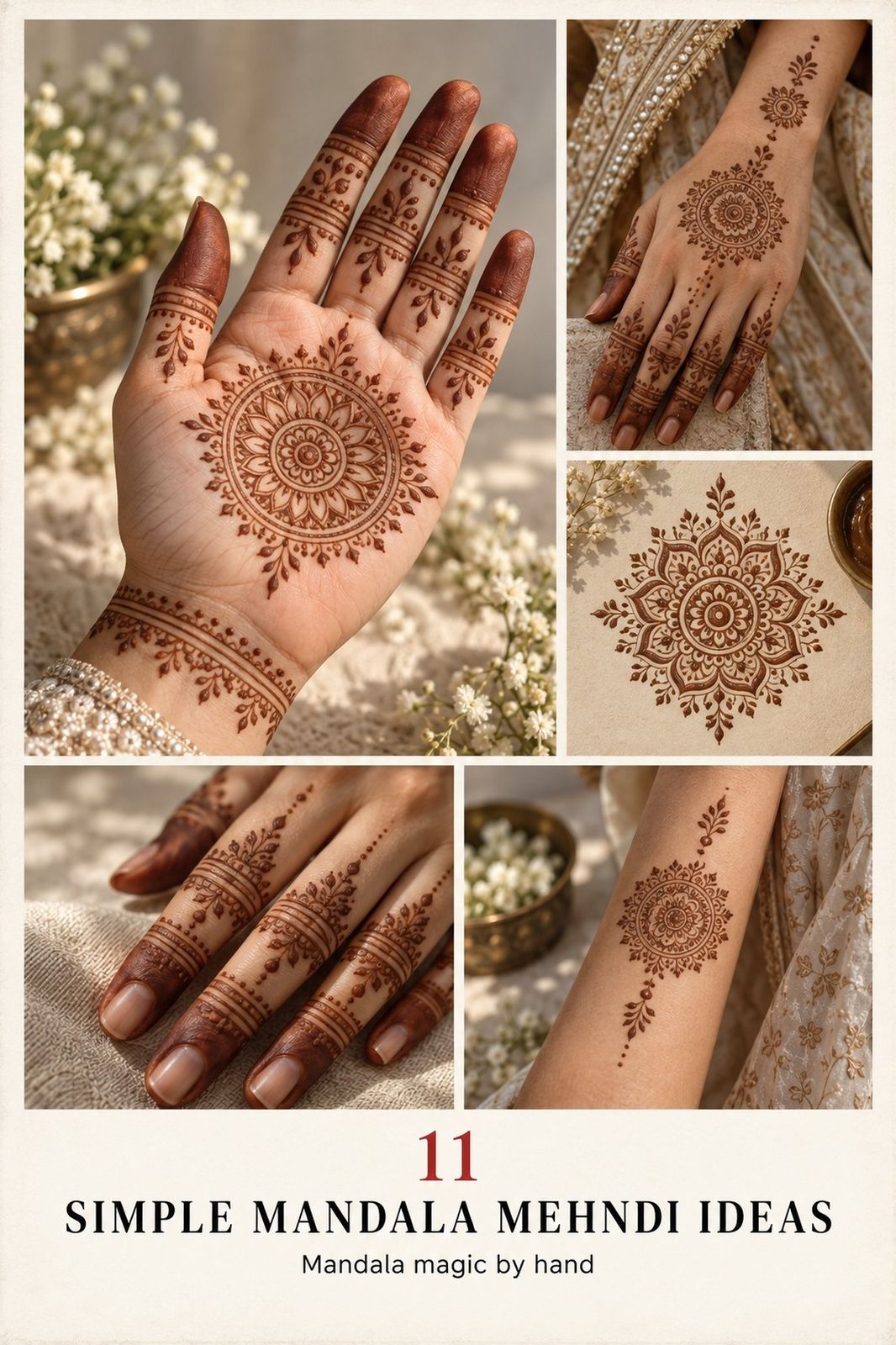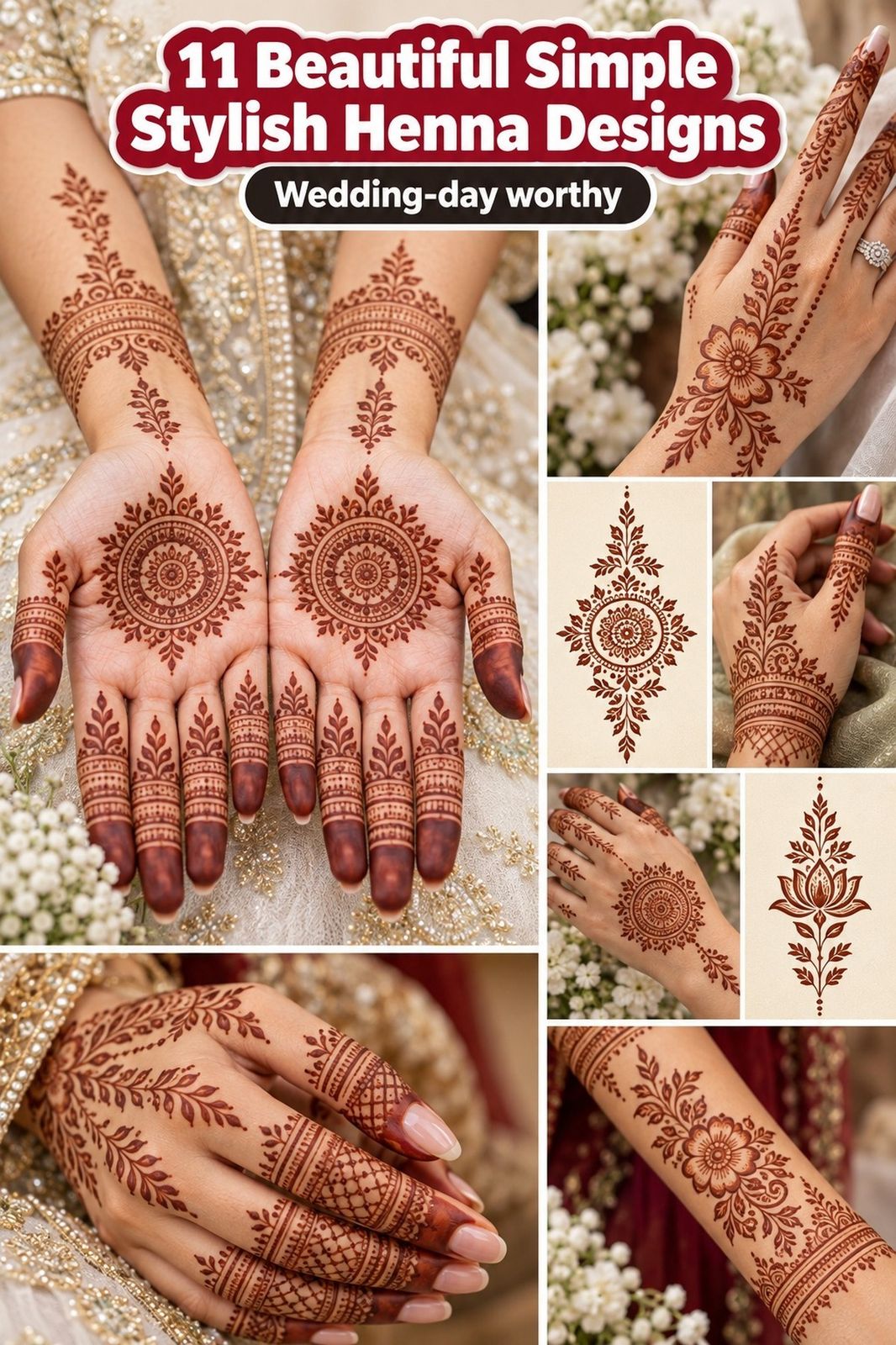
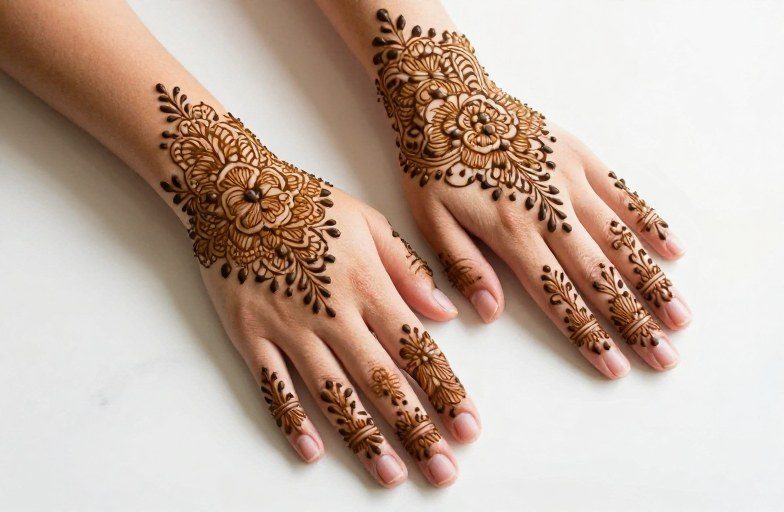
Floral henna sits at a crossing point between temporary ritual and lasting ink inspiration. The flowing, organic patterns that grew across North Africa, the Middle East, and South Asia give tattoo collectors a vocabulary of natural forms that translate to skin with unusual grace. Vines follow muscle structure, blossoms fill negative space, leaves frame joints. Understanding how henna’s traditional constraints and strengths shape floral work helps you get a tattoo that honors the form without looking like borrowed costume.
Best Placements
Where henna traditionally goes and where tattoo ink performs best are not identical, but the overlap is generous. Henna paste favors flat or gently curved surfaces where the cone keeps contact; tattoo machines handle dimension and bone proximity with more flexibility. The strongest floral henna tattoos respect both histories.
Hands and Fingers
Traditional bridal henna concentrates here for visibility and symbolism. As permanent tattoo placement, hands demand serious commitment. Finger tattoos of delicate floral vines blur fastest, knuckle movement sheds ink, and touch-ups become routine. Back-of-hand designs with fuller floral clusters age more gracefully than thin lines between fingers. Consider a dense henna-style mandala centered on the dorsum, with petals extending toward the wrist rather than isolating detail on individual digits. This gives the visual density henna is known for while clustering pigment where it holds.
Related reading: floral mehndi tattoo ideas | floral henna tattoo ideas | geometric mehndi tattoo designs | minimalist mehndi tattoos
Forearms and Calves
These cylinders offer the natural canvas henna artists have long exploited. A forearm floral piece can run wrist-to-elbow as a single vine narrative, or wrap as a cuff of layered blossoms. Calves accommodate larger mandala centers with radiating petals that distort minimally when the muscle flexes. Both locations let you hide or display easily, and the skin generally accepts and holds fine linework well.
- Inner forearm: Moderate sun exposure preserves detail; floral cuffs here read as jewelry alternatives
- Outer forearm: Slightly more weathering, but excellent for compositions viewed by others
- Back of calf: Flat plane ideal for symmetrical henna mandala adaptations
- Side of calf: Wraparound vine potential, follows the muscle’s natural grain
Size & Scale
Henna’s temporary nature encourages covering large areas densely; permanent ink requires more strategic planning. The same floral motif that reads as delicate at four inches becomes muddy at two, and sprawling at twelve. Scale decisions should hinge on viewing distance and how the piece will age.
Micro-Floral vs. Statement Pieces
Micro-floral henna details, single blossoms under an inch, hairline stems, work best in high-contrast black or very saturated color. The fine lines common in traditional henna application, individual stamen dots, thread-thin vine connectors, blur significantly over years. If you want that aesthetic permanently, scale up from the henna reference, or accept that the piece will soften into a more impressionistic version of itself. Statement pieces, six inches and up, preserve the negative space and line hierarchy that make henna recognizable. A palm-sized floral mandala on a shoulder or thigh maintains its architecture for decades with proper initial execution.
Color Choices
Natural henna yields one color: that distinctive burnt-orange to deep rust, darkening to brown. “Black henna” is typically PPD-laden chemical paste and unrelated to traditional practice. Permanent floral henna tattoos free you from this single palette, but the color choice should still serve the design’s logic.
Black and grey maintain the graphic clarity of line-dominated henna patterns. A full floral sleeve in blackwork reads as contemporary while nodding to henna’s structure. Warm browns and coppers approach the authentic stain most closely; some artists mix these as washes behind black linework to evoke the henna fade process. Color floral pieces, magenta, indigo, saffron, depart from tradition but can reference specific regional styles: Rajasthani work often incorporates bolder surrounding pigments in its cultural context.
One practical note: the warm undertones that make henna distinctive on skin, roughly Fitzpatrick III-V, differ from how those same values appear on lighter skin. A tattoo artist experienced with your specific skin tone can adjust warmth to prevent muddiness.
For First-Timers
Floral henna designs offer genuine advantages if you are new to tattooing. The organic forms forgive slight asymmetries that geometric patterns punish. The flowing lines follow body contours rather than fighting them. And the cultural association with celebration rather than rebellion makes the commitment feel approachable.
Testing with Actual Henna
Before needling, commission a traditional henna application of your intended design. Live with it for two weeks. Notice where it smudges first, high-friction areas, where you stop seeing it, your blind spots, and whether the scale feels right in mirrors versus direct viewing. This temporary trial reveals more than stencil transfers or marker drawings. Document it photographically from multiple angles for your tattoo artist.
Pain Expectations
Henna application is painless; tattooing varies by location. Floral henna designs often favor the thinner skin where henna stains darkest: tops of feet, inner wrists, areas adjacent to the sternum. These correlate with more sensitive tattoo zones. A first floral piece on the outer forearm or calf builds your pain reference before committing to traditionally henna-heavy but tattoo-intense placements.
Matching & Pairing Ideas
Floral henna motifs integrate with other tattoo vocabularies more naturally than their ornate reputation suggests. The key is respecting the line weight and negative space ratios.
Pairing with geometric work requires care: the organic irregularity of henna florals clashes with rigid symmetry unless a transitional element bridges them. A geometric mandala center with radiating henna-style petal extensions succeeds; alternating geometric and floral bands on the same limb usually does not. Script lettering alongside floral henna works when the text follows the vine’s curve rather than imposing straight lines across it. Animal forms, particularly birds, common in Persian miniature and henna-adjacent traditions, merge fluidly with trailing floral elements.
For couples or friends seeking matching elements, identical floral henna pieces rarely satisfy long-term. Better: complementary placements of the same vine species, or mirrored compositions that reference each other without replication. A jasmine vine ascending one person’s forearm and descending another’s creates connection without sameness.
How to Personalize It
Generic floral henna risks decorative emptiness, the pretty pattern without the personal anchor. Several avenues deepen the specificity without abandoning the form.
Botanical Specificity
Replace the generic “henna flower” with a species meaningful to you: marigold for Día de los Muertos connection, lotus for specific spiritual practice, wild roses from a particular landscape, olive branches from family heritage. A skilled artist can adapt henna’s stylized vocabulary to recognizable botanical accuracy while maintaining the flowing line quality.
Integrating Text or Symbol
Traditional henna often incorporates hidden elements: initials in the pattern’s negative space, symbolic counts of petals. Translate this: a birth flower with the corresponding number of leaves, a vine that traces a meaningful coordinate or date in its turns, or a specific color shift at a significant point in the composition. These remain invisible to casual viewers but present to you.
Placement personalization matters too. A floral henna piece following a scar’s contour, or positioned to frame an existing tattoo, creates narrative layering that pure aesthetics cannot.
What to Remember
Floral henna designs offer tattoo collectors a mature visual language developed through centuries of body-art practice. The temporary tradition’s constraints, organic flow, negative space balance, and celebration of natural form produce permanent tattoo work that ages with structural integrity. You might commit to the full ornate density of bridal-style compositions, or extract a single simplified blossom. Either way, the underlying grammar rewards understanding. Start with the actual henna experience if possible. Respect the scale and placement realities that separate paste from pigment. Choose botanical specifics that connect to your own history rather than defaulting to decorative generica. The result can be a tattoo that carries henna’s warmth and movement without pretending to be something it is not.
Frequently Asked Questions
How long does a floral henna tattoo last as a temporary test?
Natural henna typically lasts one to three weeks depending on body chemistry, placement, and aftercare. Palms and soles, where skin is thickest, often hold the darkest stain longest. This brief duration is actually useful for testing a permanent design concept.
Can any tattoo artist execute a floral henna style well?
Not necessarily. The style requires confidence with flowing, unforgiving lines and understanding of negative space. Ask to see healed examples of their ornamental or botanical work, not just fresh photos. Line weight variation and consistent curve quality matter more than in many other styles.
Is it culturally appropriative to get a permanent henna-style tattoo?
This depends on context and specificity. Borrowing generic “tribal” patterns without understanding carries weight. Researching the particular regional tradition you are drawn to, crediting its origins, working with artists from that tradition when possible, and avoiding sacred or specifically ceremonial motifs all help. The floral vocabulary itself is widely shared; bridal-specific patterns deserve more caution.
Why do my henna stain colors not match tattoo ink options?
Henna’s orange-brown comes from lawsone binding with keratin, a chemical reaction unique to the plant. Tattoo pigments sit differently in skin and reflect light another way. Warm browns and coppers in ink approach the visual effect most closely, but exact matching is impossible and usually not desirable.