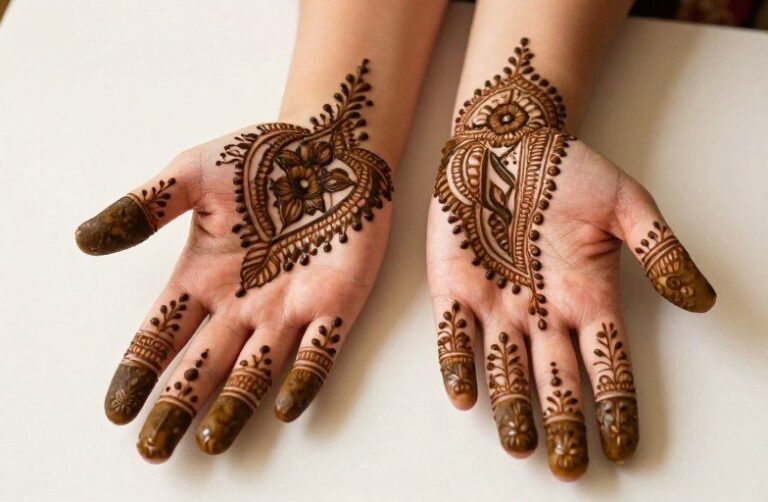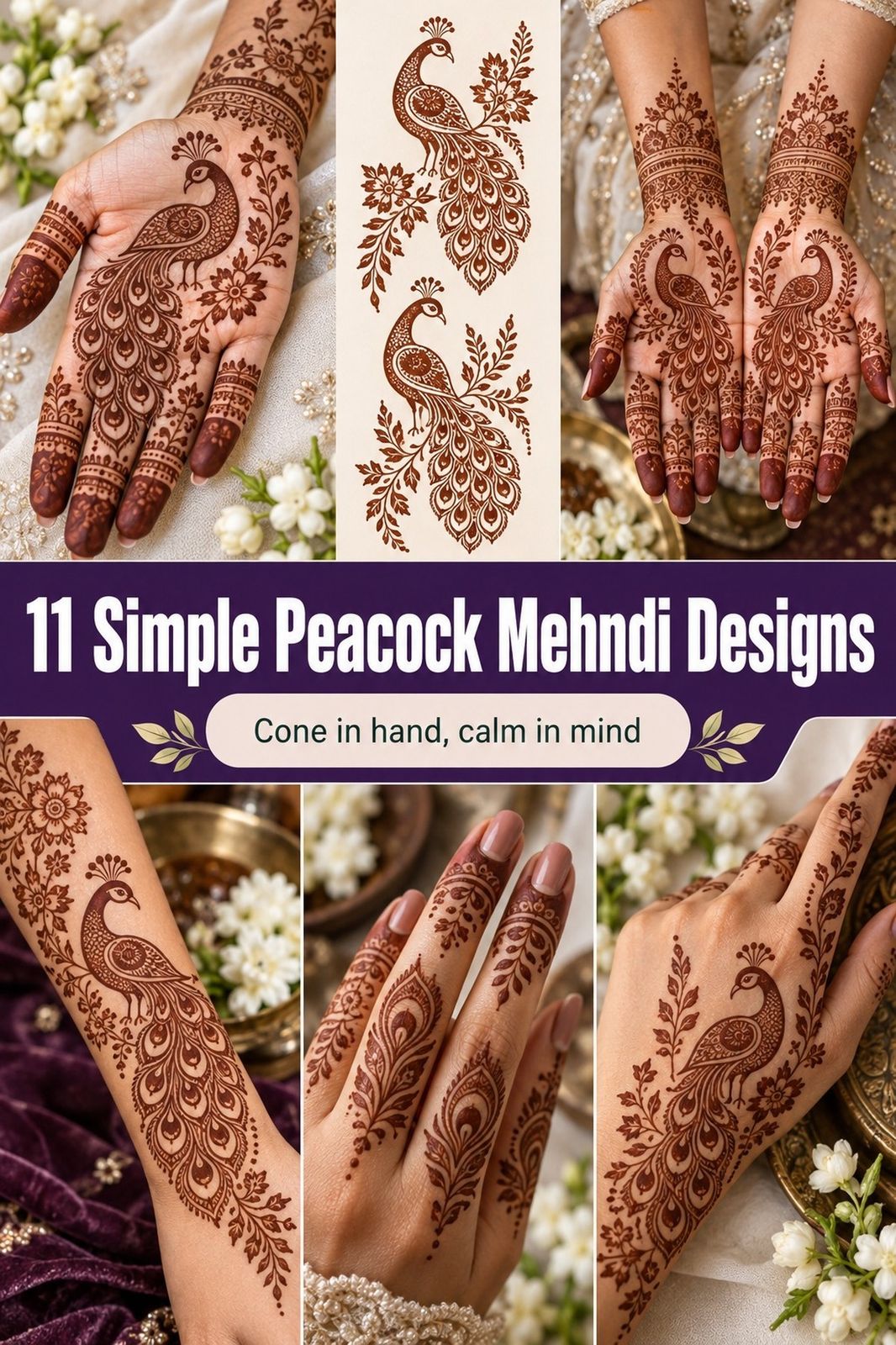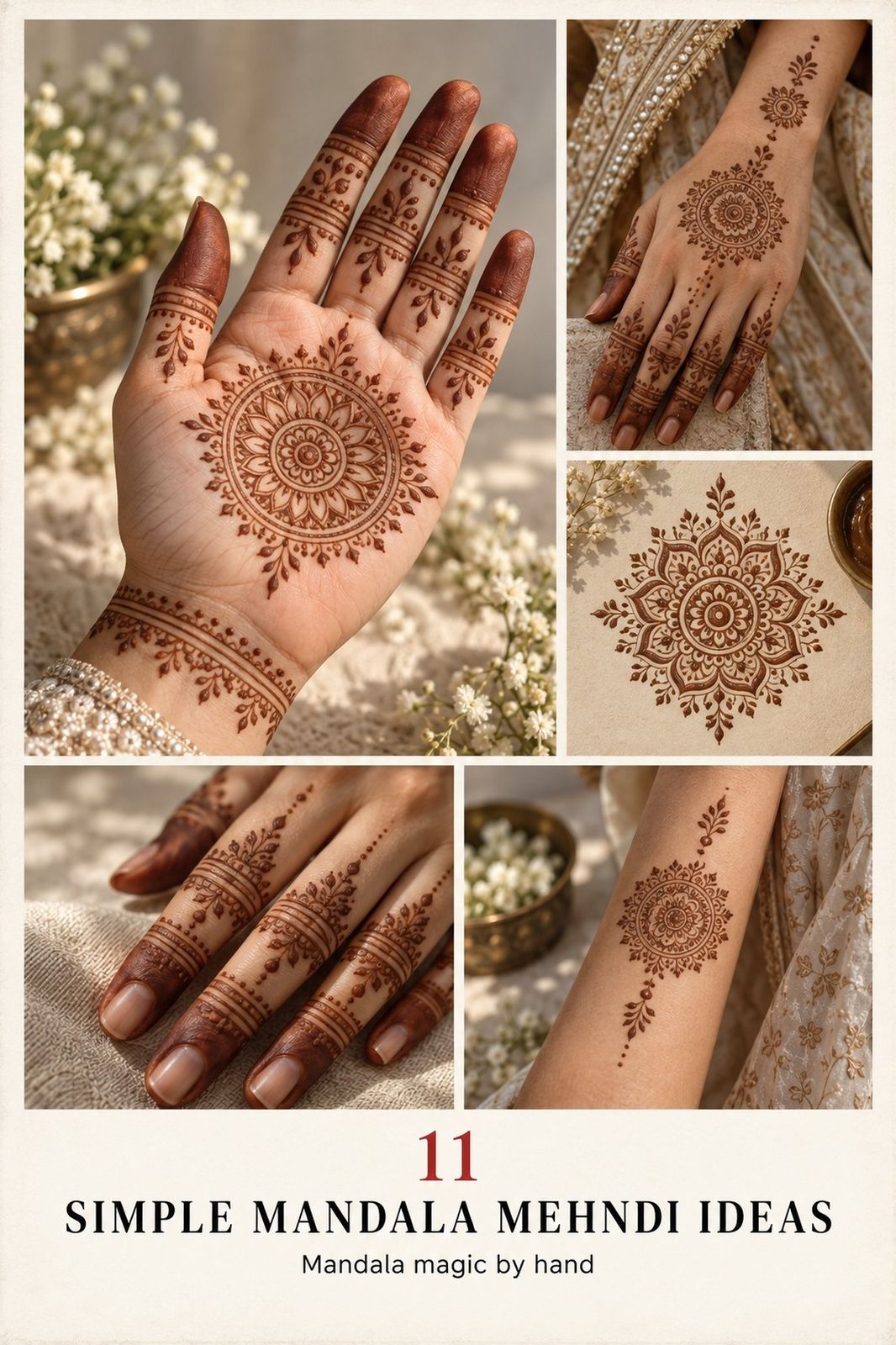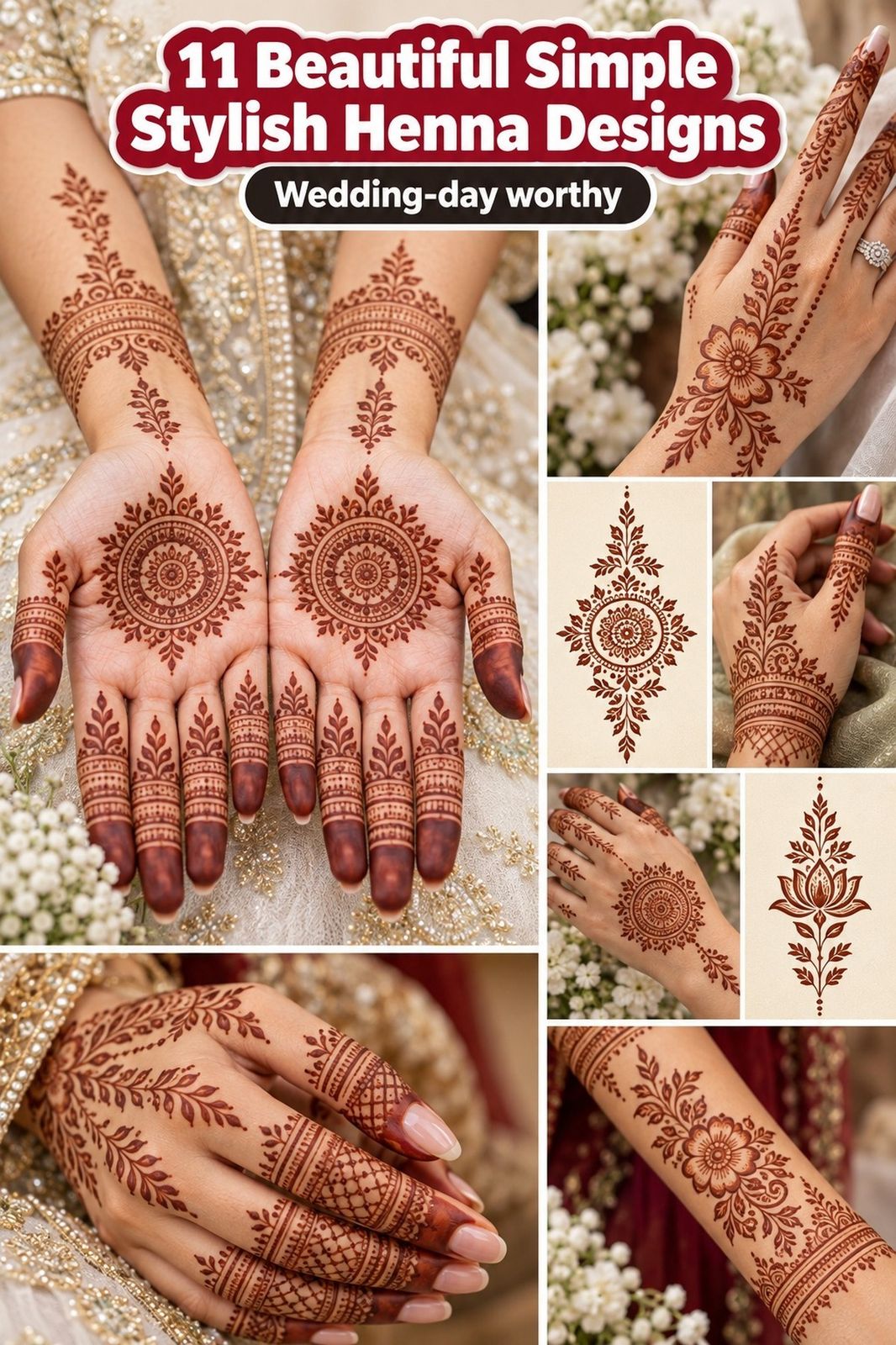
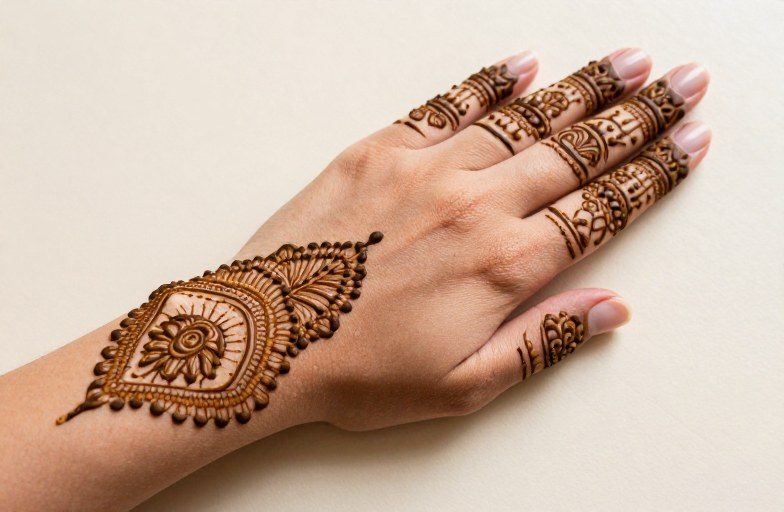
Henna tattoo kits let you create temporary body art at home by mixing powdered henna leaves into a paste, applying it through a cone or bottle, and letting it stain the skin’s outer layer. The process takes patience, mixing, resting the paste, drawing the design, and waiting hours for the stain to darken, but done right, you’ll get a design that lasts one to two weeks. Here’s how to do it without wasting product or ending up with a faint orange smudge.
Cost Factors
Home henna runs cheap compared to professional application, but the real cost is in your time and the learning curve. Most kits fall between $12 and $35 and include powder, essential oils, a mixing tool, and applicators. Higher-priced kits usually mean fresher powder and better oil quality, which directly affects stain depth.
What Drives Price Differences
Freshness matters more than brand name. Henna powder loses potency over months; older stock gives carrot-orange results instead of burgundy-brown. Kits with pre-mixed paste in tubes often contain chemical additives (PPD, specifically) that can cause reactions and don’t yield true henna color. Pure powder kits require more effort but stain better and carry fewer risks.
You’ll also need extras most kits don’t include: sugar (to help paste stick), lemon juice (for mixing instead of water), and tape or wrapping material for after-application. Budget $5 to $10 for these.
When Professional Application Costs Less in the Long Run
A single event or festival henna application runs $30 to $80 depending on design complexity and your location. If you want one detailed piece for a wedding or vacation, paying a professional often beats buying a kit, practicing, and possibly failing. For frequent use or covering multiple people, the kit pays for itself by the third or fourth application.
What to Expect Step by Step
Real henna work is slow. From mixing to final reveal, plan on six to twelve hours. The paste itself needs four to twelve hours of resting after mixing (called “dye release”) before it’s ready to use.
Mixing and Testing
Start with sifted henna powder in a non-metal bowl, metal can react with the plant compounds. Add lemon juice gradually until you reach yogurt consistency, then a spoonful of sugar. Cover the paste and let it sit in a warm spot. Test a dot on your inner wrist after four hours; when the surface turns orange-brown under the paste, you’re ready.
Load your applicator. Cones made from rolled cellophane or mylar give the finest line control, similar to a professional’s tool. Bottles with metal tips are easier for beginners but produce thicker lines that blur slightly.
Application and Drying
Work on clean, dry skin without lotion or sunscreen. Oils and creams block the stain. Draw your design with the paste raised slightly off the skin, flat paste dries faster and flakes off. Let the paste dry until hard to the touch, about thirty minutes to an hour depending on thickness.
Once dry, seal it. Dab a lemon-sugar mixture over the design (it will feel sticky) or use medical tape to keep the paste from crumbling. Leave everything in place for six to twelve hours. Sleep with it if you can; longer contact means deeper stain.
Removal and Reveal
Scrape off dried paste with a butter knife or credit card edge, don’t wash it off with water. The skin underneath looks bright orange at first, almost neon. This darkens to reddish-brown over twenty-four to forty-eight hours as the stain oxidizes. Avoid water, scrubbing, and chlorinated pools during this window.
When to See a Professional
Some situations call for experienced hands regardless of kit availability.
Complex Designs and Placement
Intricate bridal patterns, finger-to-wrist coverage, or designs wrapping around joints demand steady pressure and consistent line weight that takes months to develop. Professionals also know how to adapt designs for skin movement, what looks good flat on paper distorts when fingers bend or wrists rotate.
Uncertain Ingredients
If your kit lists “black henna,” “emergency cone,” or ingredients you can’t identify, don’t use it. “Black henna” typically contains PPD (paraphenylenediamine), the same chemical in hair dye, at concentrations unsafe for skin contact. Reactions can blister and scar. A professional working with natural henna can show you their powder source and mixing process.
Also seek professional help if you’ve had any skin reaction to hair dye, black clothing dye, or rubber, this suggests PPD sensitivity.
Common Mistakes
Most failed home henna comes from impatience or skipped steps, not lack of artistic skill.
Rushing the Process
- Not letting paste rest long enough for dye release: weak, pale stain
- Removing paste too early: orange color that fades in days
- Getting the design wet within twelve hours: halted oxidation, patchy result
- Applying to freshly exfoliated or sunburned skin: uneven absorption, possible irritation
Application Errors
Too-thin paste runs and bleeds into lines you didn’t draw. Too-thick paste clogs the applicator and lifts off the skin before staining. The right consistency holds its shape when you drag a spoon through it but slowly settles back flat.
Another frequent error: drawing on the palm’s center or sole of the foot for a first attempt. These areas stain darkest because skin is thickest there, but they’re also hardest to keep still and protected for hours. Start with the back of a hand or forearm.
The Direct Answer
Here’s the stripped-down process for actually using your kit:
- Mix powder with lemon juice to yogurt consistency, add sugar, cover, and wait four to twelve hours for dye release.
- Load your cone or bottle, test on inner wrist.
- Apply to clean, dry skin in raised lines; let dry completely.
- Seal with lemon-sugar or wrap; leave untouched six to twelve hours.
- Scrape off dry paste; avoid water for twelve hours.
- Watch color deepen over two days; moisturize lightly with natural oil after first day.
That’s the core. Everything else, design choice, placement, aftercare tweaks, builds from these steps.
Realistic Expectations
Henna stains the stratum corneum, the dead outer layer of skin. As that layer naturally exfoliates, your design fades. Typical lifespan is seven to fourteen days, shorter on hands (frequent washing) and longer on upper arms or back (less friction, less exfoliation).
Color Reality
Natural henna never produces true black. Fresh stain ranges from pumpkin orange (first day) through reddish-brown (peak at two to three days) to brownish tones as it fades. “Black henna” is chemically altered and risky. “White henna” isn’t henna at all, it’s body paint or adhesive with no staining properties.
Your individual skin chemistry affects color too. Warmer body temperatures, higher skin pH, and thicker skin all deepen stain. The same paste can look different on two people.
Aftercare That Actually Helps
After the first twelve hours, light application of olive oil, coconut oil, or shea butter slows exfoliation. Avoid petroleum jelly, it traps moisture and can blur edges. Keep the area out of hot tubs, swimming pools, and harsh soaps. Exfoliating scrubs, retinol products, and chemical peels will strip the stain faster.
Expect gradual fading, not crisp disappearance. The design softens at edges first, then lightens overall. There’s no safe way to remove henna quickly; it simply has to wear off.
Final Word
Home henna is meditative work that rewards preparation and punishes shortcuts. The kit gives you the materials; the technique comes from practice on paper or fruit skin first, then yourself. Start simple, respect the waiting times, and treat any “black” or instant-result product with suspicion. Done honestly, henna offers a temporary mark that feels permanent in its presence, a small, deliberate commitment without the needle.
Frequently Asked Questions
Can I shower with fresh henna paste on my skin?
Avoid direct water contact for the first twelve hours after application. Once you’ve scraped off the dry paste, brief showers are fine, but keep the design out of the stream and pat dry rather than rub.
Why did my henna turn orange instead of dark brown?
Orange is normal for the first day; color darkens through oxidation over twenty-four to forty-eight hours. If it stays orange, your paste may have been too old, didn’t rest long enough, or was removed too quickly.
Is henna safe for children to use?
Natural henna without additives is generally considered safe for older children, but younger kids struggle to sit still during the long drying and sealing process. Never use “black henna” products on anyone, especially children, due to PPD reaction risks.
How do I store leftover henna paste?
Fresh mixed paste keeps two to three days refrigerated or several months frozen in an airtight bag. Thaw completely before use; freezing and thawing won’t harm the staining ability if sealed properly.