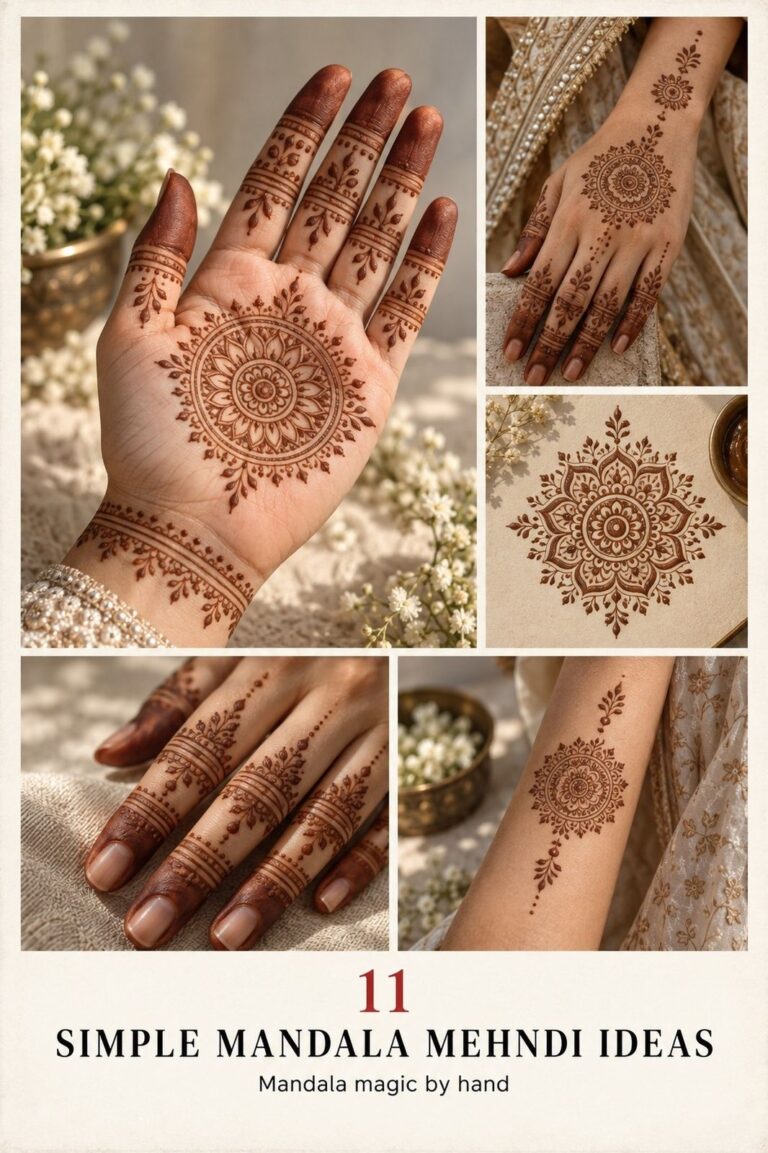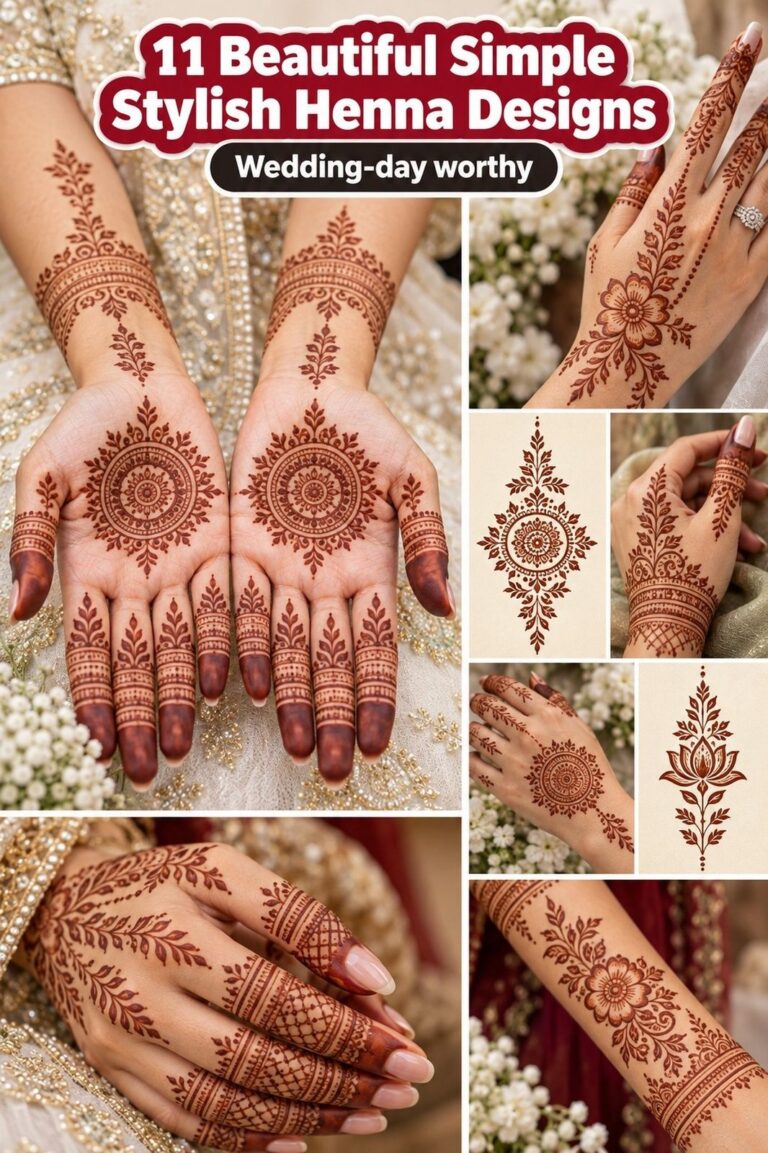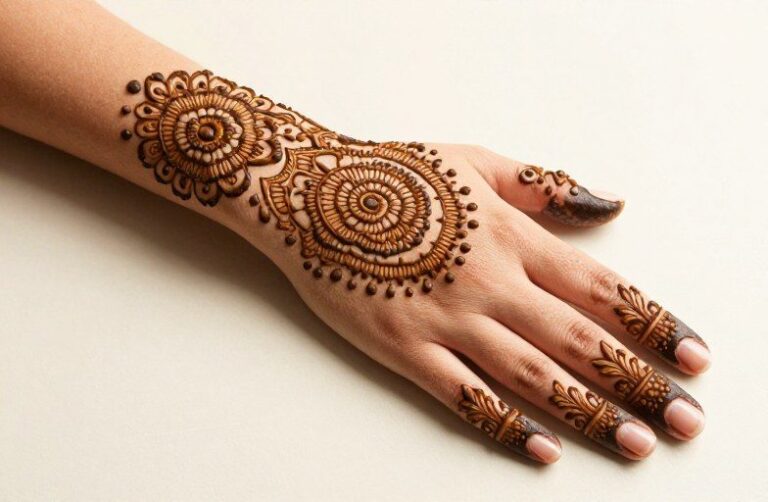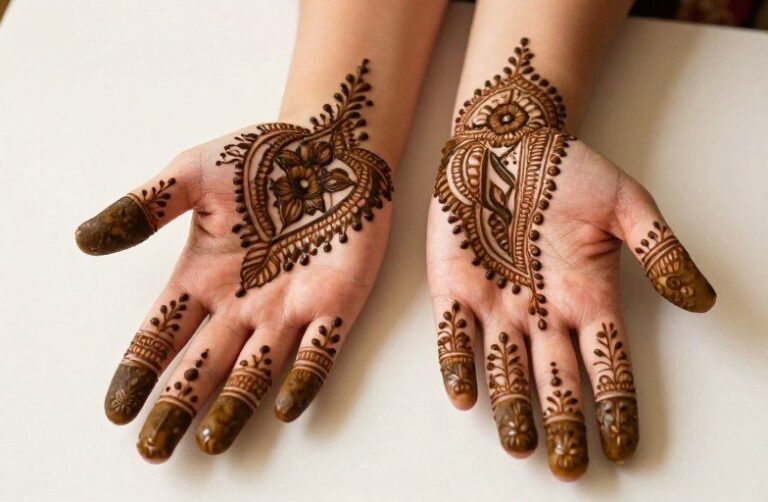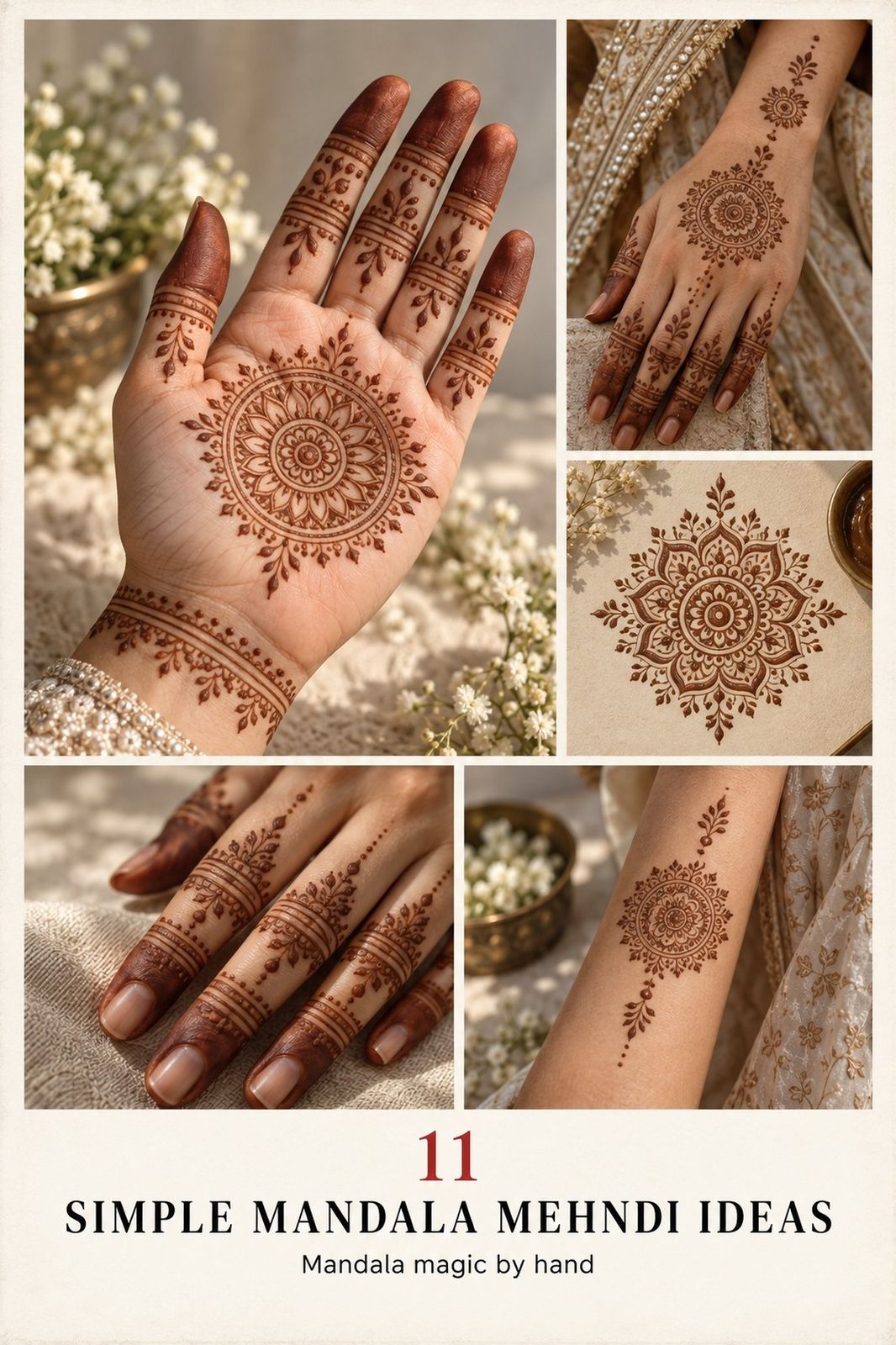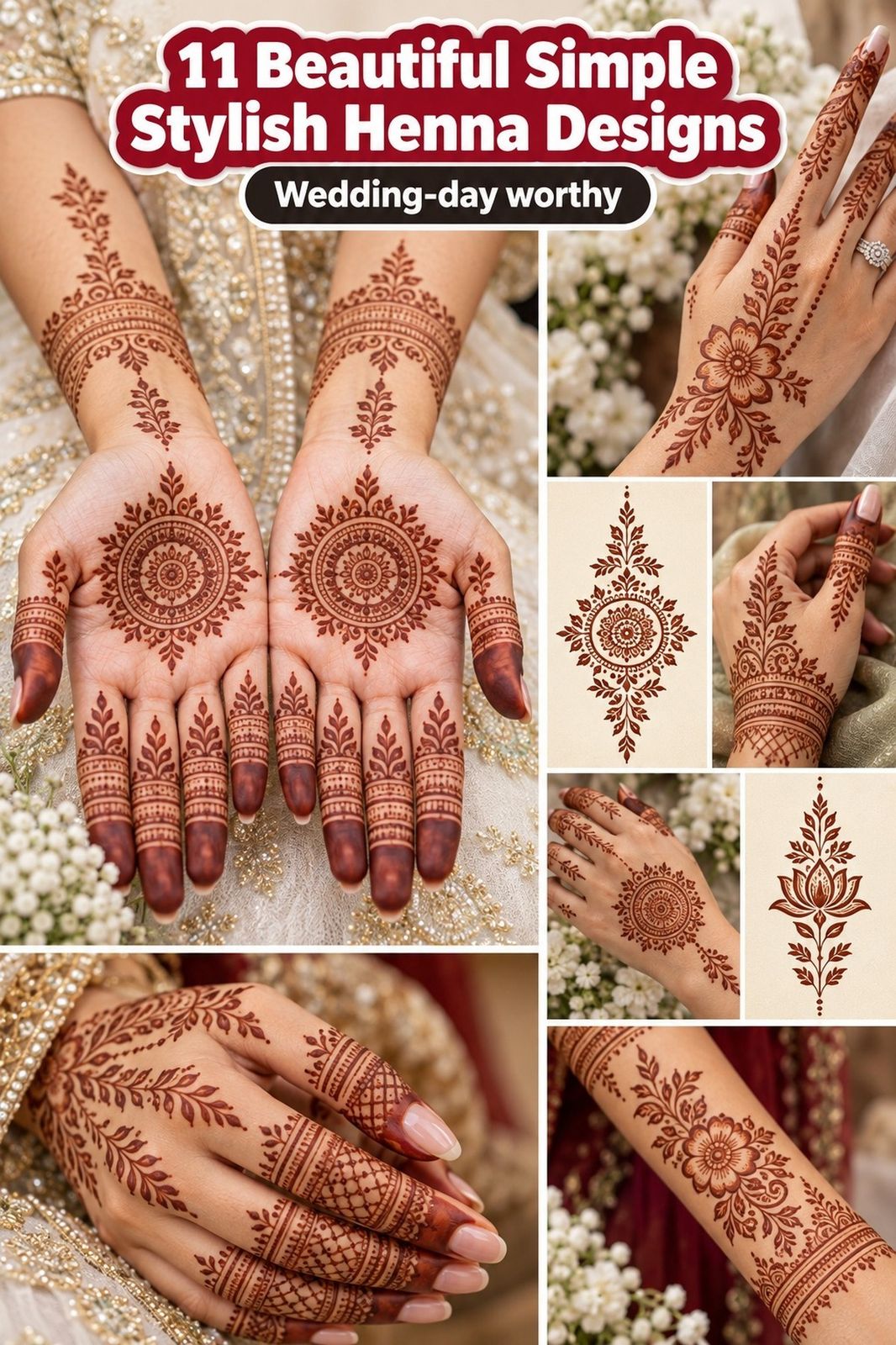
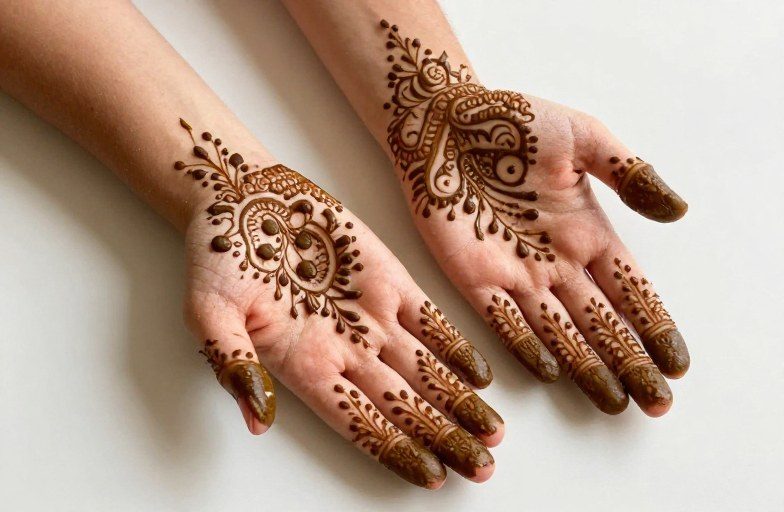
Natural henna, made from the Lawsonia inermis plant, is generally considered safe for pregnant women when applied to intact skin. The real risk comes from so-called “black henna” that contains paraphenylenediamine (PPD), a hair-dye chemical that can cause severe allergic reactions and is never safe, pregnant or not. If you’re craving some decorative body art while waiting for baby, stick to pure, plant-based henna from reputable sources and avoid anything promising a black stain.
The Direct Answer
What “Safe” Actually Means Here
Natural henna sits on the skin’s surface; it doesn’t penetrate into the bloodstream. The paste stains dead skin cells in the stratum corneum, which slough off naturally over one to three weeks. This superficial action is why traditional henna is widely used for prenatal belly art in many cultures, particularly in South Asian and Middle Eastern traditions. No credible evidence suggests that pure henna paste crosses the skin barrier or affects fetal development.
That said, pregnancy changes your skin. Increased sensitivity, heightened allergy responses, and conditions like cholestasis can make reactions more likely. A patch test 48 hours before any application is non-negotiable, even if you’ve used henna before without issue.
Why Black Henna Is Different
Black henna isn’t henna at all, it’s a cocktail of industrial dyes, often PPD, mixed with minimal actual henna to cut costs and speed up the darkening process. PPD concentrations in these mixtures can reach 10-20%, far exceeding the 1% legal limit for skin products in many countries. Reactions range from blistering and permanent scarring to lifelong sensitization that makes future hair dye use dangerous. During pregnancy, your immune system is already in flux; introducing a known sensitizer is genuinely reckless.
- Natural henna paste smells earthy, almost like wet hay or tea; black henna often smells chemical or acrid
- Natural henna stains orange-brown initially, darkening to reddish-brown over 24-48 hours; black henna turns jet-black immediately
- Natural henna requires 6-12 hours of paste-on time; black henna “develops” in under an hour
- Natural henna artists can usually list their ingredients; black henna sellers often dodge specifics
Pain & Comfort
What the Application Actually Feels Like
Unlike needle tattooing, henna application is entirely painless. The paste is piped or painted onto skin in a thick, cool layer that gradually dries and cracks. Some people find the drying sensation mildly itchy or tight, particularly on the belly where skin is already stretching. During pregnancy, that tightening can feel more pronounced, especially in the third trimester when the abdomen is fully distended.
Positioning matters more than you’d think. A belly henna session requires 30-60 minutes of stillness while the artist works, then several hours with the paste undisturbed. Side-lying with pillow support usually works better than flat-back positioning after the first trimester. Communicate with your artist about comfort needs; any competent practitioner has accommodated pregnant bodies before.
When Your Skin Might Object
Pregnancy can trigger new sensitivities to substances you’ve tolerated previously. The cooling sensation of henna paste, often enhanced with essential oils like eucalyptus or lavender in the mix, can read as soothing or irritating depending on your current skin state. If you have pregnancy-related eczema, PUPPP rash, or any broken skin, skip the application entirely. Henna on compromised skin increases absorption risk and can worsen existing inflammation.
Common Mistakes
Assuming “Natural” on the Label Means Safe
Regulatory oversight for cosmetic henna is minimal in the US. Products marketed as “natural” or “organic” can still contain undisclosed additives, metallic salts, or preservatives that extend shelf life. The only reliable approach: buy from suppliers who disclose full ingredient lists and have verifiable reputations in the henna community, not generic beauty retailers or tourist-market stalls.
Pre-mixed cones stored at room temperature are red flags. Natural henna paste requires refrigeration and has a shelf life of days, not months. Freeze-dried powder that you mix yourself with lemon juice and sugar is the gold standard for purity control.
Timing It Wrong in Your Pregnancy
First trimester fatigue and nausea can make extended sitting unpleasant. Third trimester skin is maximally stretched and sometimes marked with stretch marks, which henna can irritate. Many practitioners and pregnant clients find the second trimester sweet spot, energy returned, belly present but not yet at maximum tension, and the psychological boost of visible celebration before the intensity of late pregnancy and newborn care.
- Booking too late: henna reaches peak color at 48 hours, so schedule before any event you want it for
- Expecting belly henna to last as long as hand henna: abdominal skin turns over faster due to stretching and clothing friction
- Using petroleum-based products after: they lift the stain prematurely; stick to natural oils like coconut or olive
- Scraping off paste early: the stain needs 6-12 hours of contact time for depth; flick off dry paste, don’t wash
When to See a Professional
Red Flags During or After Application
Immediate burning, stinging, or rapid darkening within minutes suggests PPD or another chemical adulterant. Natural henna takes hours to develop color. Swelling, hives, or spreading redness beyond the design area warrants prompt medical attention, pregnancy doesn’t change the urgency of allergic reactions, though it may complicate medication choices your provider will navigate.
Post-application, monitor for signs of infection if the paste was applied over any micro-breaks in skin. Pregnancy doesn’t inherently increase infection risk from henna, but it does mean you’ll want any concerning symptoms evaluated rather than waiting them out.
Choosing a Practitioner With Actual Training
Professional henna artists distinguish between cosmetic and traditional practice. Look for someone who asks about allergies, discusses ingredient sourcing unprompted, and has clear aftercare instructions. The hobbyist who bought cones online and offers cheap backyard sessions is gambling with your skin. Pregnancy is precisely the wrong time to prioritize convenience over practitioner knowledge.
Healing Timeline
Henna doesn’t “heal” in the tattoo sense, there’s no wound, no scabbing, no dermal trauma. The timeline is about color development and natural fading. Understanding this prevents the anxiety of expecting needle-tattoo healing stages that simply don’t apply.
| 0-6 hours | Paste dries and begins to crack; color remains pale orange underneath |
| 6-24 hours | Paste removed; stain oxidizes and darkens from pumpkin to deeper tones |
| 24-48 hours | Peak color achieved, rich reddish-brown on most skin tones |
| Days 3-7 | Gradual lightening begins; exfoliation starts lifting stained cells |
| Weeks 1-3 | Progressive fading to nothing; faster on high-friction areas like palms |
During pregnancy, hormonal shifts can slightly alter how your skin takes stain, sometimes deeper, sometimes more patchy. Don’t interpret uneven color as a problem with the henna itself; your chemistry is temporarily rearranged.
What to Expect Step by Step
Preparing for Your Session
Exfoliate gently 24 hours beforehand, no harsh scrubs that leave micro-tears. Avoid lotions, oils, or sunscreen on the application area day-of; they create barriers. Wear clothing that provides easy access to the target area without requiring awkward undressing. For belly work, a loose dress that lifts works better than pants you’ll struggle to peel off.
The Day Of and After
Arrive hydrated and fed, pregnancy blood sugar drops can make long sits uncomfortable. The artist will clean your skin, apply the design, and likely wrap it in medical tape or tissue to protect the drying paste. You’ll leave with specific instructions, typically: keep paste on as long as tolerable (sleep with it if you can), scrape off dry material without water, avoid washing the area for 12-24 hours, and apply natural oil to protect the developing stain.
Expect some paste flakes in your bed, on your clothes, in your car. The mess is temporary and washes out of most fabrics. Darker initial stains on palms and soles are normal; thicker skin there absorbs more lawsone, the active dye molecule.
Before You Decide
Natural henna during pregnancy sits in a category of generally accepted, low-risk choices, like eating ripe mango or taking a warm bath. The caveats are specific and manageable: verify purity, patch test, respect your skin’s current condition, and choose timing that accommodates your changing body. The cultural practice of mehndi for blessing ceremonies around birth exists precisely because generations of practitioners found it benign.
Your comfort with uncertainty matters too. If any body modification during pregnancy feels intuitively wrong to you, that hesitation deserves respect regardless of objective risk data. Henna will still exist postpartum. The temporary nature that makes it appealing, no lifelong commitment, no needle trauma, also means there’s no urgency overriding your own sense of readiness.
For those who proceed, belly henna offers something rare in pregnancy: visible, celebratory art made by and for your changing body, with no recovery period and no permanence beyond the weeks it naturally takes to fade.
Frequently Asked Questions
Can I get henna on my belly in the third trimester?
Yes, if your skin is healthy and unbroken. However, stretched skin may stain unevenly and feel tighter during drying. Side-lying positioning helps with comfort, and many artists suggest the second trimester for optimal results.
Does henna stain differently when you’re pregnant?
Hormonal changes can affect how your skin absorbs lawsone, sometimes producing deeper or patchier color than usual. This is temporary and doesn’t indicate a problem with the henna quality or your health.
What should I do if a henna artist can’t tell me their ingredients?
Walk away. Any reputable practitioner knows exactly what’s in their paste and will disclose it. Vague answers or pre-mixed cones with unknown shelf life are significant warning signs, especially during pregnancy.
Can I use henna to cover stretch marks?
Henna can stain stretch marks, but results vary. Fresh, red stretch marks may absorb differently than older, silvery ones, and the skin there is more fragile. Test a small area first, and avoid if any marks are raised or irritated.