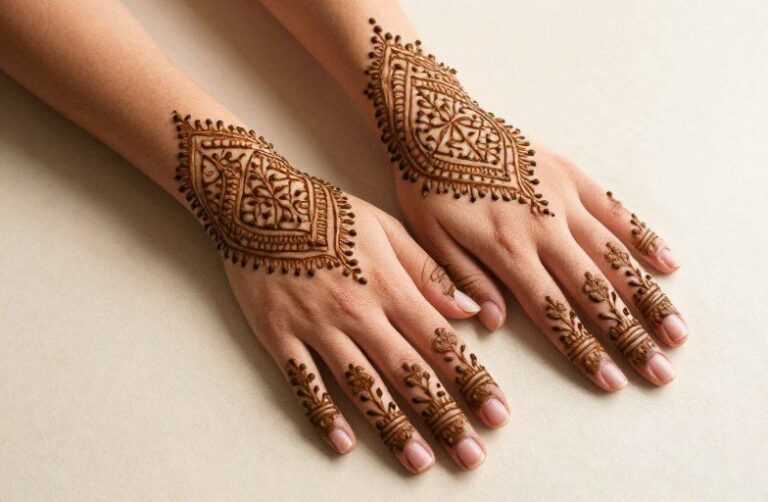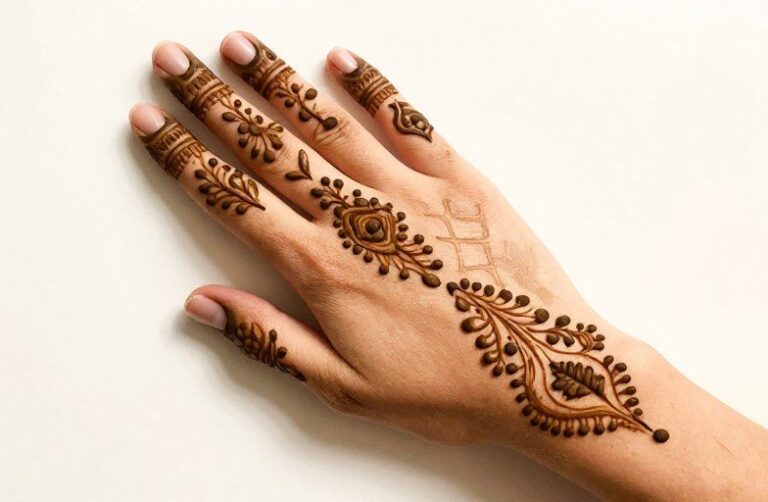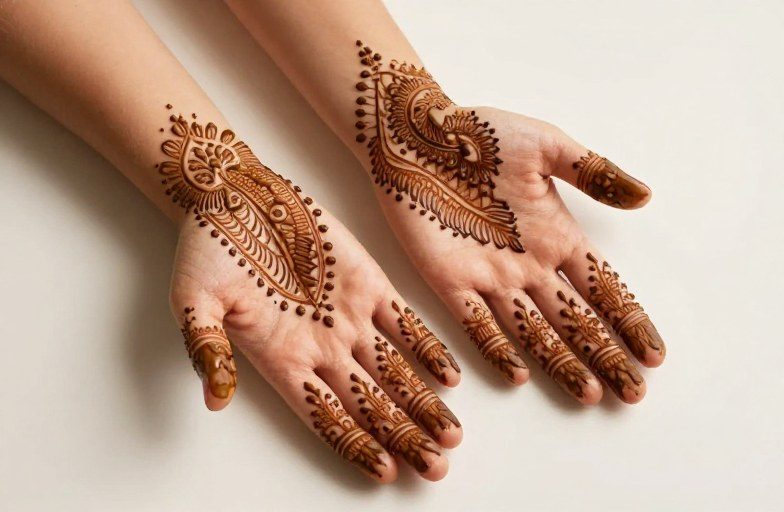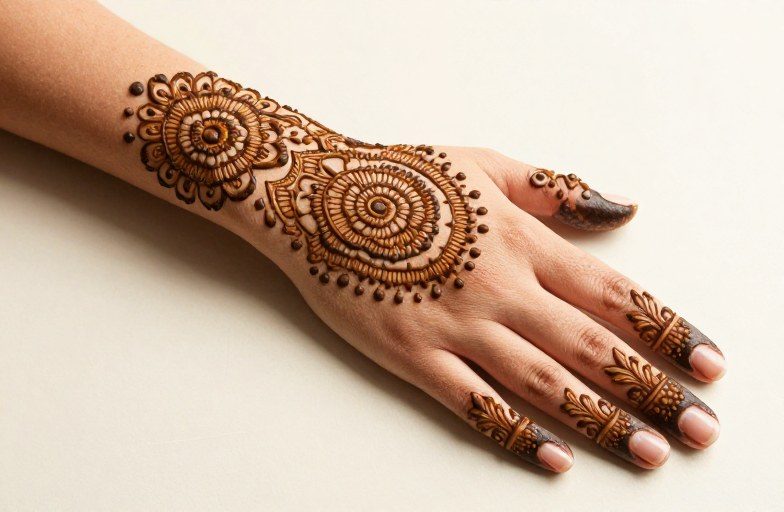
A cross henna tattoo carries layered meaning rooted in faith, protection, and cultural identity. Unlike permanent ink, henna offers a commitment-free way to wear this symbol, typically lasting one to three weeks as the paste stains the upper layers of skin. The cross itself draws primarily from Christian tradition, though henna’s origins across North Africa, the Middle East, and South Asia create a distinctive fusion when the two combine.
Best Placements
Where you place a cross henna design changes how it reads and how long it lasts. High-friction areas fade faster; low-friction spots keep the stain crisp.
Hands and Fingers
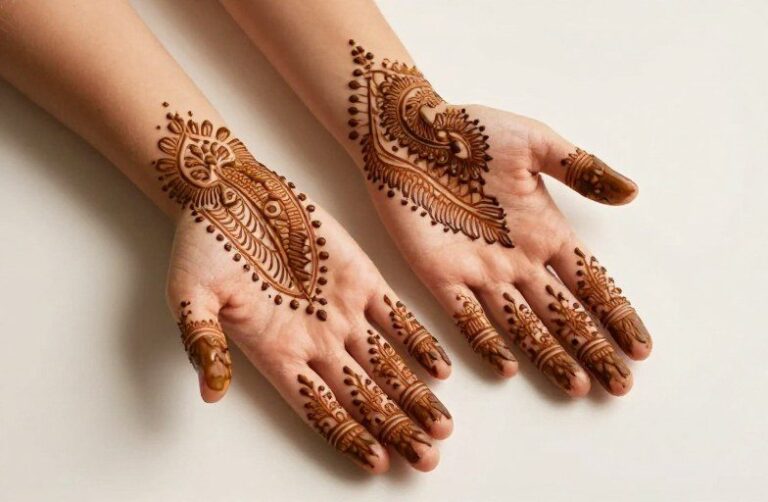
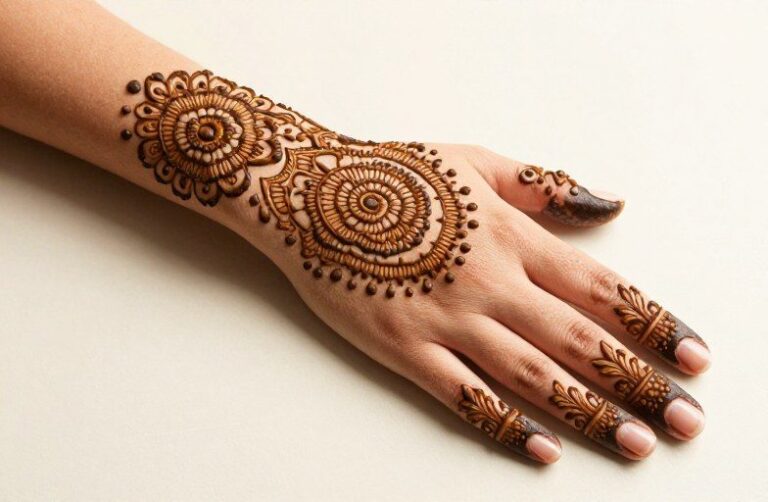
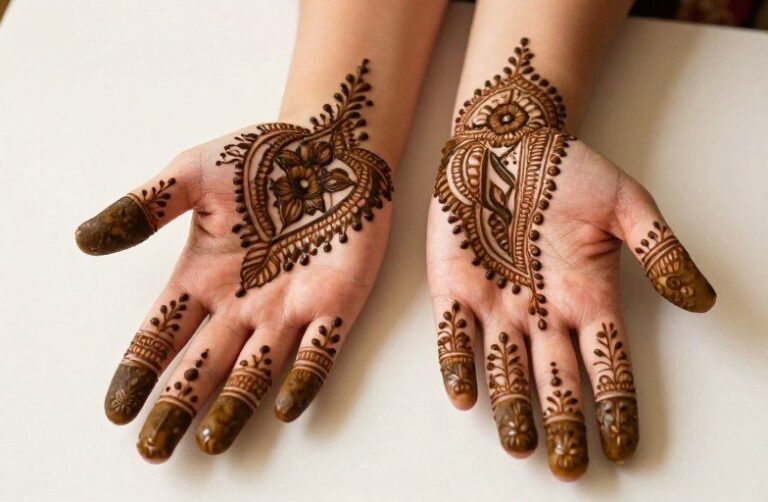
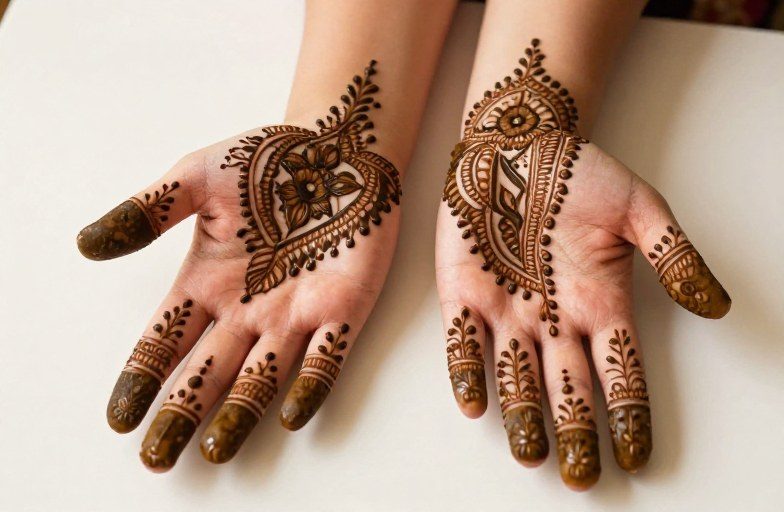
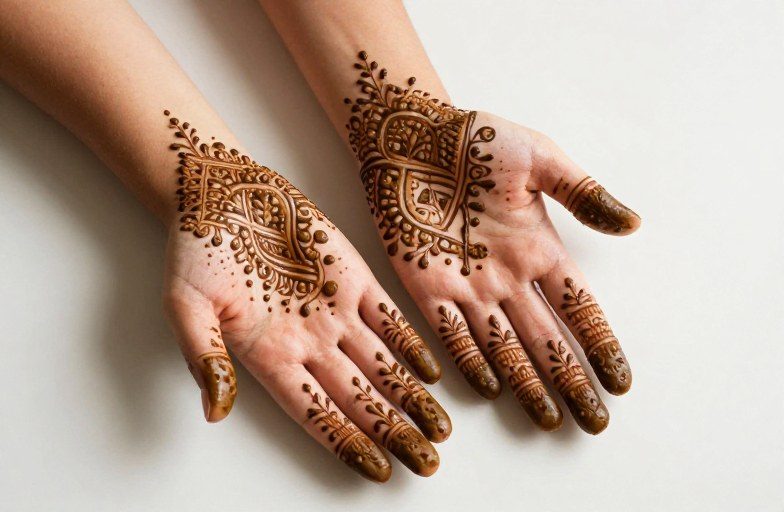
Palms and backs of hands take henna darkest because the skin is thicker and holds more keratin. A small cross on the side of the middle finger or centered on the back of the hand makes a quiet statement. Finger placements, though popular, blur quickest, constant washing and contact wear the stain down to a faint orange within a week. For events like weddings or religious gatherings, hands remain the classic choice.
Inner Wrist and Forearm
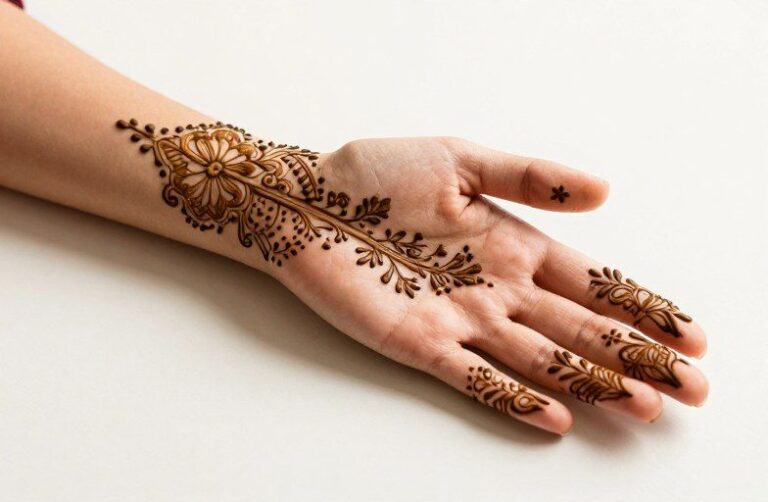
The inner wrist offers visibility without flashiness. A slim vertical cross here mimics the placement many choose for permanent cross tattoos, letting you test the look before committing to ink. Forearm designs can run larger, incorporating floral vines or geometric borders that frame the cross. These areas heal relatively evenly, though the wrist’s bend lines can cause slight cracking in the stain pattern.
- Feet and ankles: stain lasts longer but receives less sun, so oxidizes slower to full color
- Behind the ear: subtle, trendy, but tricky to apply cleanly without smudging
- Upper arm/shoulder: good for elaborate crosses with surrounding ornamentation
Mythology & Folklore
Henna itself predates recorded cross symbolism by millennia. In ancient Egyptian and Mesopotamian contexts, henna often linked to fertility, celebration, and protection from evil spirits. The plant’s cooling properties and red-orange dye made it a practical and symbolic tool across hot climates.
The cross shape, independent of Christianity, appears in older traditions as a solar symbol or cardinal-direction marker. Some trace the ankh, Egyptian hieroglyph for life, to cross-like forms. When Christian communities in Ethiopia, Egypt, and later India adopted henna for ceremonial use, the cross motif naturally entered the design vocabulary. No single culture owns this fusion; it evolved through trade routes and diaspora movements.
Protective Functions
In North African and Middle Eastern folk practice, henna applied before major life events, births, weddings, pilgrimages, was believed to ward off jinn or the evil eye. A cross within that henna could amplify protective intent for Christian practitioners, though this specific combination remains more common in Coptic, Ethiopian Orthodox, and Indian Christian communities than in Muslim-majority henna traditions.
Design Tips & Pairings
Cross henna succeeds when the artist balances the symbol’s weight with henna’s organic flow. Too rigid, and it looks stamped on; too loose, and the cross dissolves into abstract lines.
Line Weight and Structure
Thin, consistent lines suit small crosses on fingers or wrists. For larger pieces, varying line weight, thick downstrokes, delicate crossbar, creates visual hierarchy. Negative space matters: letting skin show through the cross’s interior, rather than filling it solid, reads cleaner and ages better as the stain matures from orange to deep brown.
Complementary Motifs
Floral vines wrapping the cross soften its severity without diluting meaning. Roses and lilies carry Christian associations; lotus or jasmine nod to henna’s South Asian roots. Geometric patterns, chevrons, dots, diamond grids, fill background space and frame the central symbol. Avoid overloading; the cross should remain the focal point, not compete with its surroundings.
- Scripture references in Arabic, Ge’ez, or Latin script alongside the cross
- Dates or initials worked into the crossbar for memorial pieces
- Crown of thorns or halo motifs integrated into the upper arm
Common Variations & Styles
Not all cross henna looks alike. The symbol adapts to regional aesthetics and personal taste.
Orthodox and Coptic Influences
Ethiopian and Eritrean cross designs feature intricate latticework and multiple crossbars, often worn during Timkat (Epiphany) or wedding celebrations. These patterns demand skilled application, the interlacing lines smudge easily if the paste consistency is off. Coptic crosses with flared arms, sometimes called “crux ansata” variants, appear in Egyptian Christian henna, though less frequently than in permanent tattoo or jewelry form.
Minimalist and Contemporary Styles
A single-line cross, drawn without lifting the cone, has gained traction through social media. It looks effortless but requires steady hand control. Watercolor-style henna, achieved by diluting paste for lighter tones, can create a faded, devotional look. Some artists experiment with white henna or “henna-inspired” body paint for events, though these lack the genuine stain and traditional cultural weight.
History & Cultural Roots
Henna’s use as body art stretches back roughly 5,000 years, with evidence from ancient Egypt, the Levant, and the Indian subcontinent. The cross motif entered this practice through Christian communities in regions where henna was already established.
In India, Saint Thomas Christians of Kerala have used henna for ceremonial purposes for centuries, though the cross specifically appears more in recent decades as global Christian iconography spread. Ethiopian Orthodox Christians have longer documented use, with henna appearing in religious art and manuscript illumination before migrating to skin. The colonial and missionary eras sometimes suppressed indigenous body art, making modern cross henna partly a revival and partly a new creation.
Today’s cross henna often circulates through Instagram and Pinterest divorced from specific cultural practice, which creates both accessibility and the risk of flattening meaning. Wearing it with awareness of at least one lineage, whether your own heritage or one you’ve studied respectfully, matters more than most casual wearers realize.
Religious & Spiritual Angles
For practicing Christians, henna’s temporary nature raises questions. Is a fading symbol less sacred? Many find the opposite: the stain’s brief life mirrors themes of mortality and resurrection, the cross’s central narrative. Others appreciate the ability to wear devotion during specific seasons, Lent, Holy Week, pilgrimage, without permanent marking.
Ecumenical and Interfaith Contexts
Cross henna sometimes appears in interfaith weddings, peace gatherings, or spiritual retreats where participants from varied backgrounds share body art practices. This can feel meaningful or appropriative depending on execution. Context matters: a cross henna applied by a Christian artist in a church workshop reads differently than the same design at a music festival booth. The symbol’s power comes from shared recognition; stripping that context leaves decorative lines without resonance.
Personal Devotion vs. Fashion
The line between religious practice and aesthetic choice blurs with any wearable symbol. Henna’s temporary status makes it lower-stakes than permanent tattoo, but not consequence-free. Wearing a cross henna while visibly living counter to the symbol’s ethics, however anyone defines that, reads as hollow to observers. The medium doesn’t resolve that tension; your consistency does.
The Takeaway
Cross henna tattoos occupy a specific niche: temporary enough to experiment, symbolically weighty enough to demand thought. They work best when the design suits the placement, the cultural mixing is acknowledged rather than erased, and the wearer understands why they’re choosing this symbol now. Whether for a single event or a recurring spiritual practice, the cross in henna paste offers a distinctive way to carry meaning on skin, briefly, visibly, and with intention.
Frequently Asked Questions
How long does a cross henna tattoo typically last?
Most cross henna tattoos last one to three weeks depending on placement, skin type, and aftercare. Areas with thicker skin like palms stain darkest and fade slowest, while fingers and high-friction spots blur within a week.
Can I get a cross henna tattoo if I’m not Christian?
The cross carries specific religious significance, so wearing it without Christian affiliation can read as appropriation or empty fashion. If you’re drawn to the form, consider researching your own heritage’s protective symbols or discussing your intentions with a knowledgeable artist.
What’s the best way to make the henna stain darker?
Leave the paste on for 6-8 hours minimum, avoid water for the first 24 hours after removal, and apply a natural oil like coconut or olive oil once the paste flakes off. Heat and time deepen the oxidation process that darkens the stain.
Are there specific cross styles that work better in henna than others?
Simpler crosses with clean lines and moderate negative space age best in henna. Highly detailed interlaced designs or very fine lettering can blur as the stain spreads slightly in skin’s upper layers. Test a small version before committing to an elaborate piece.