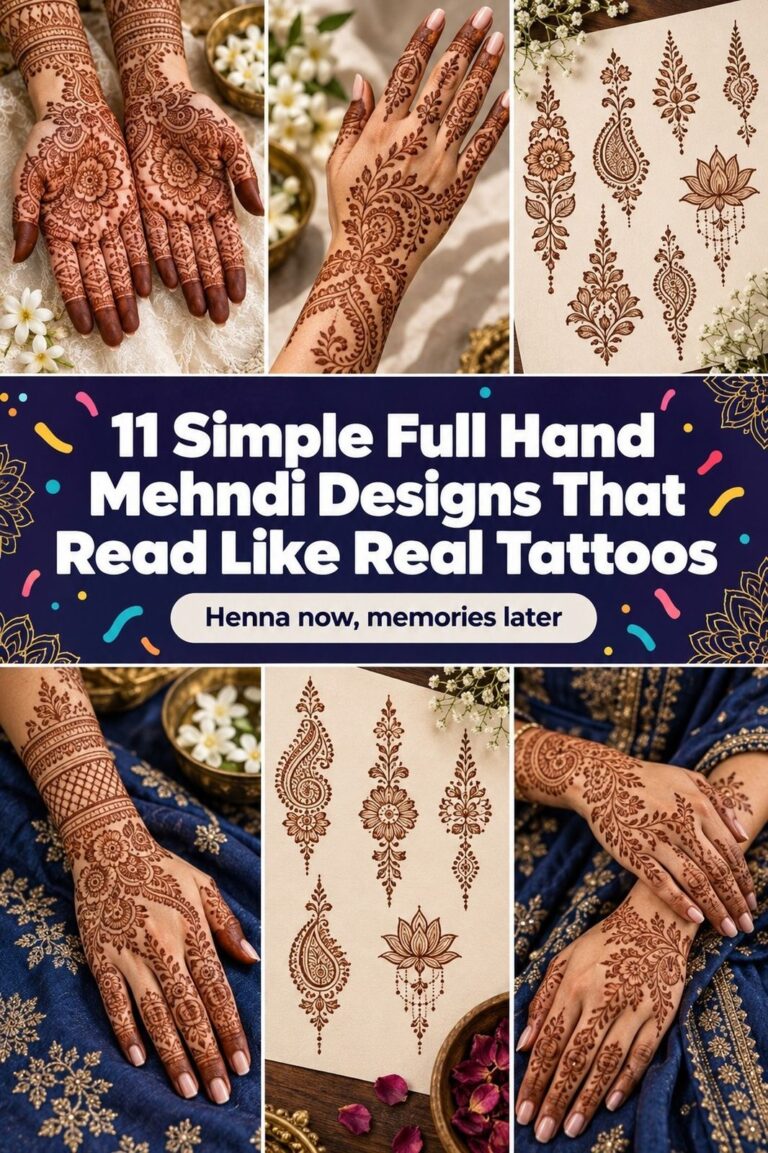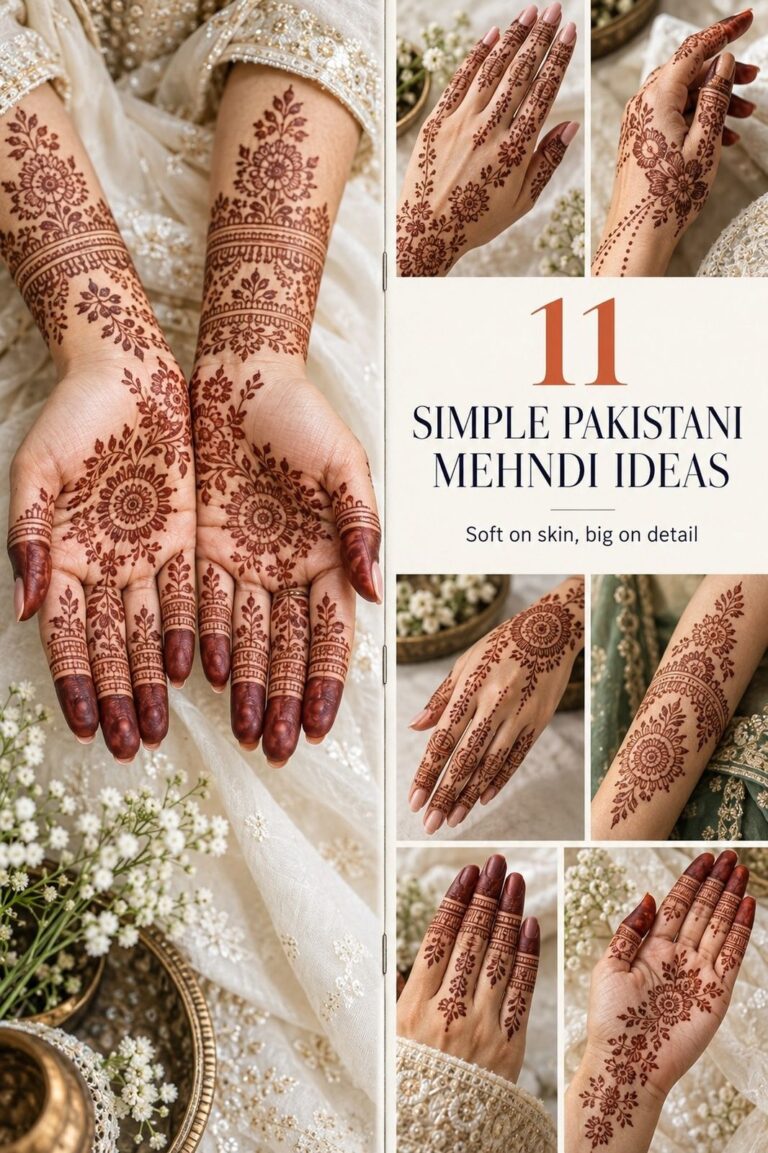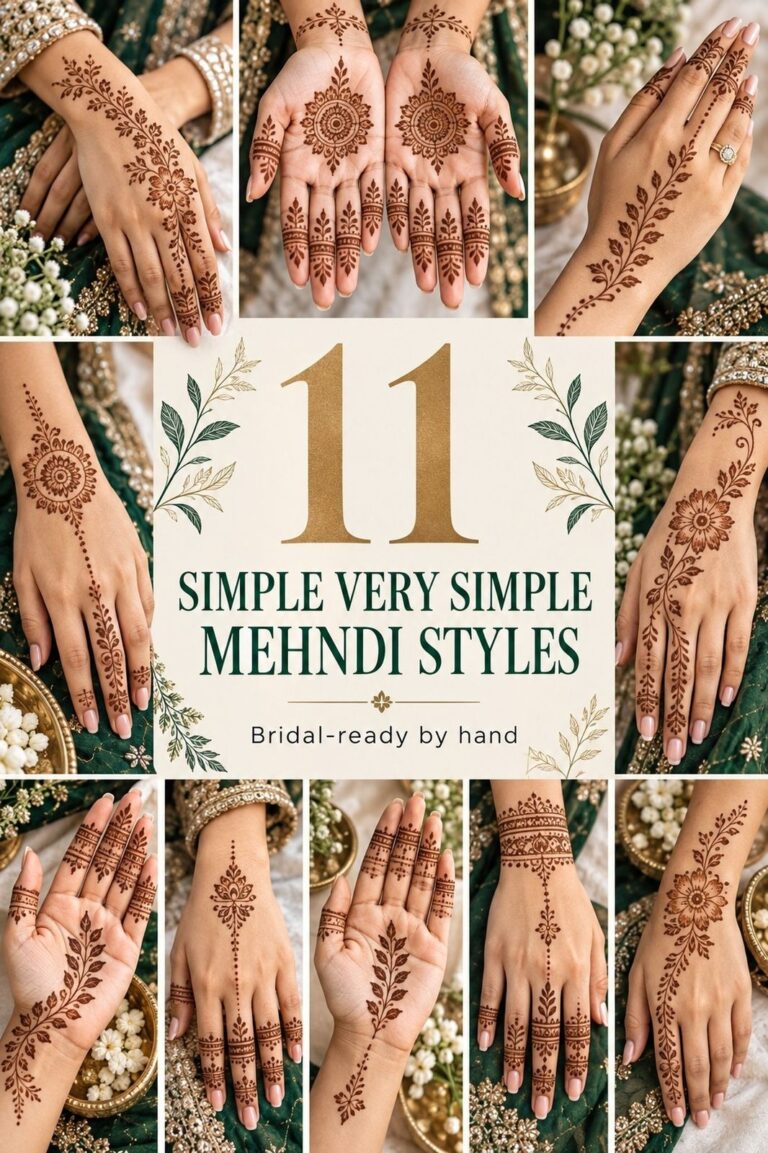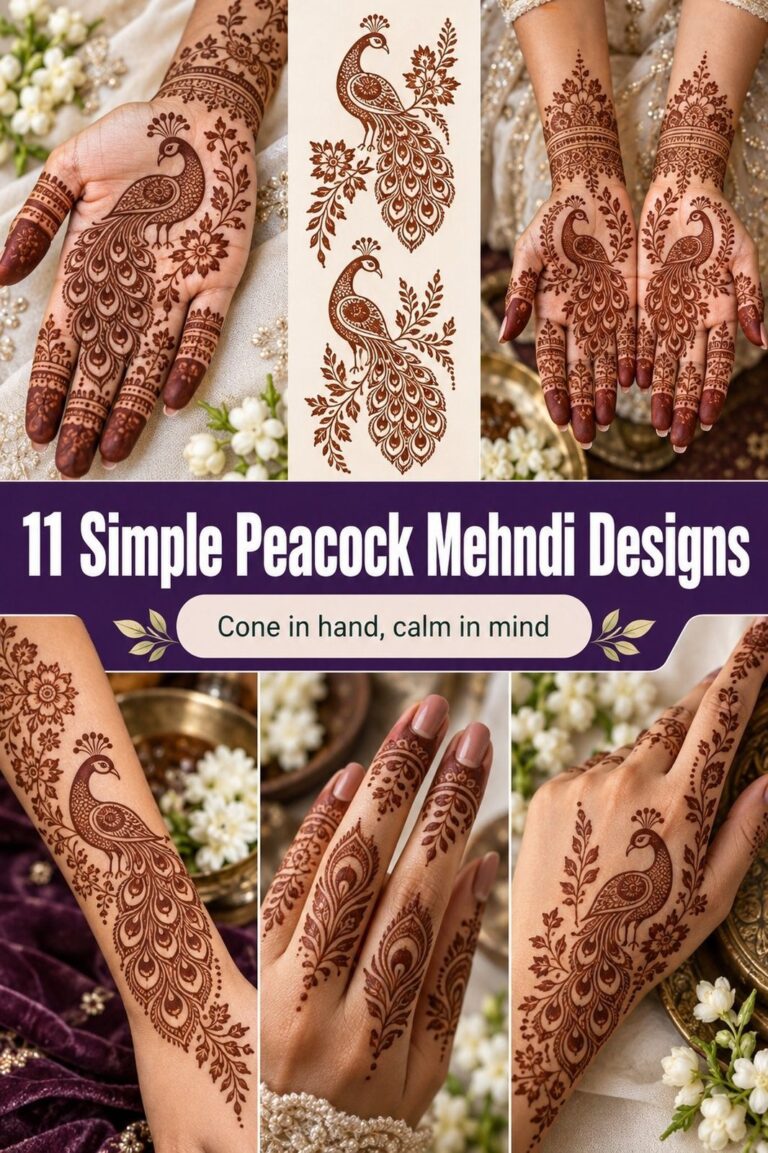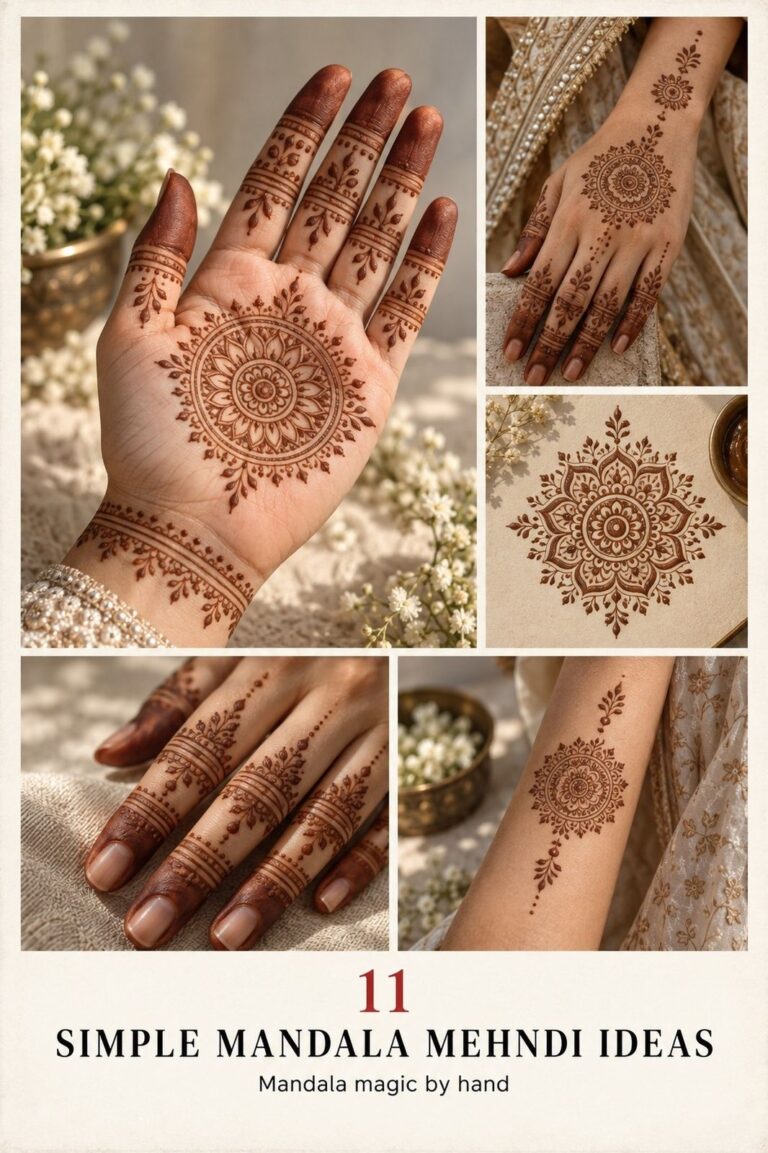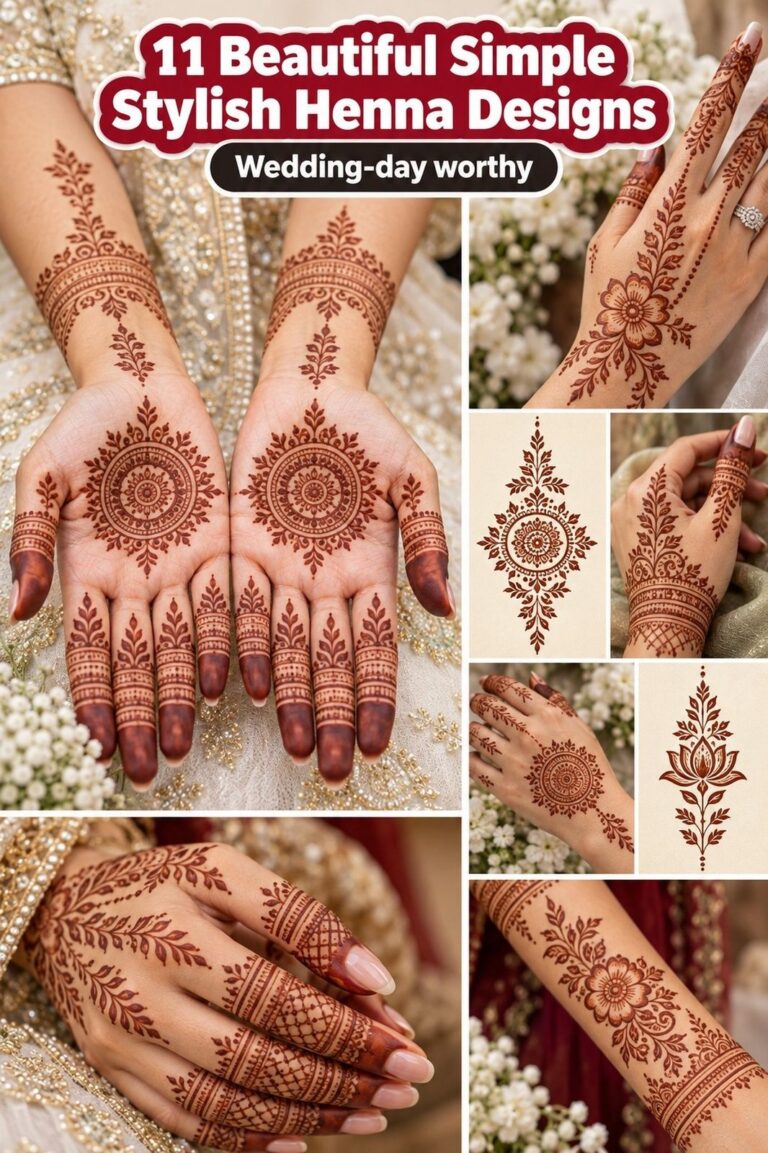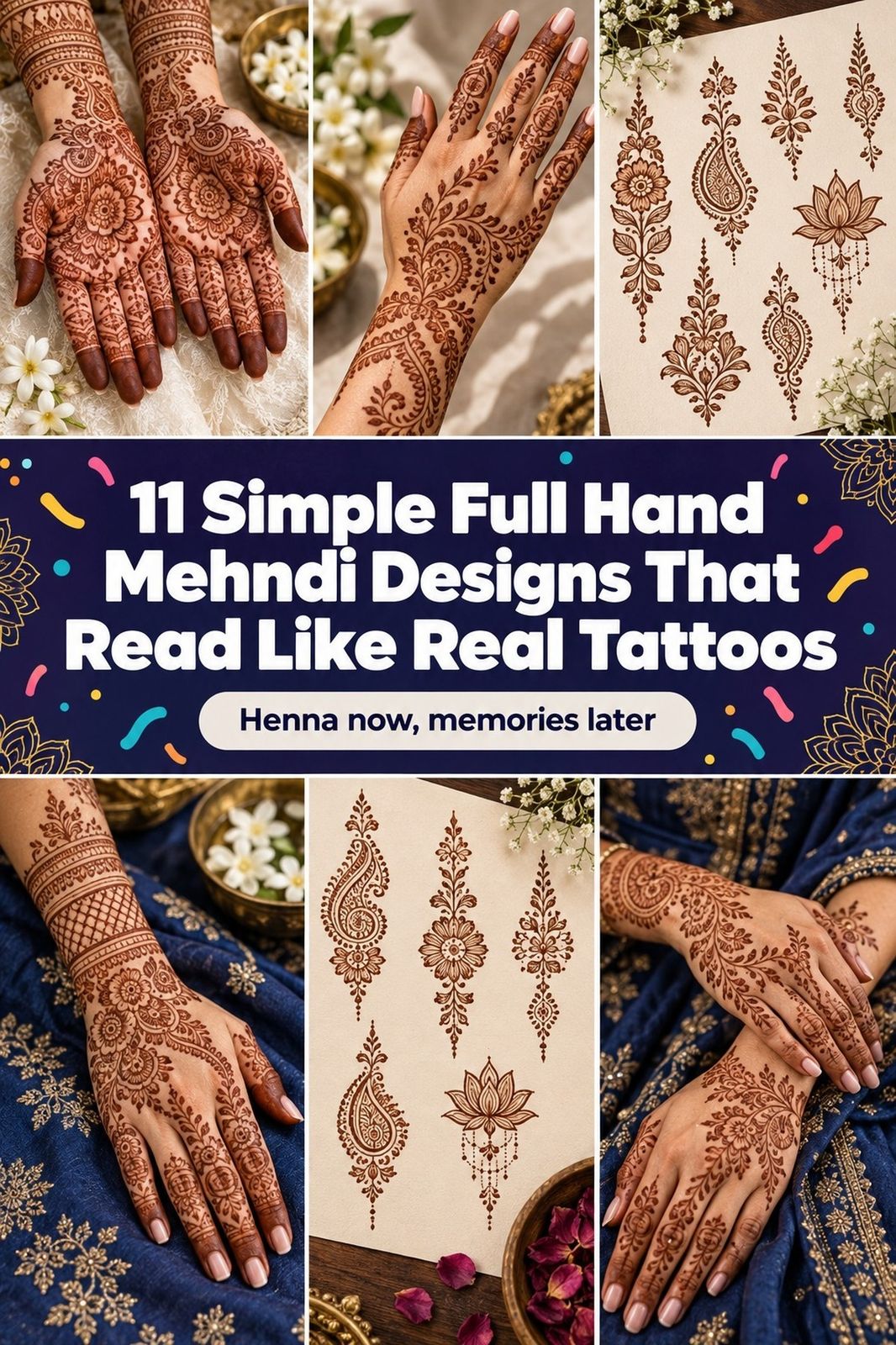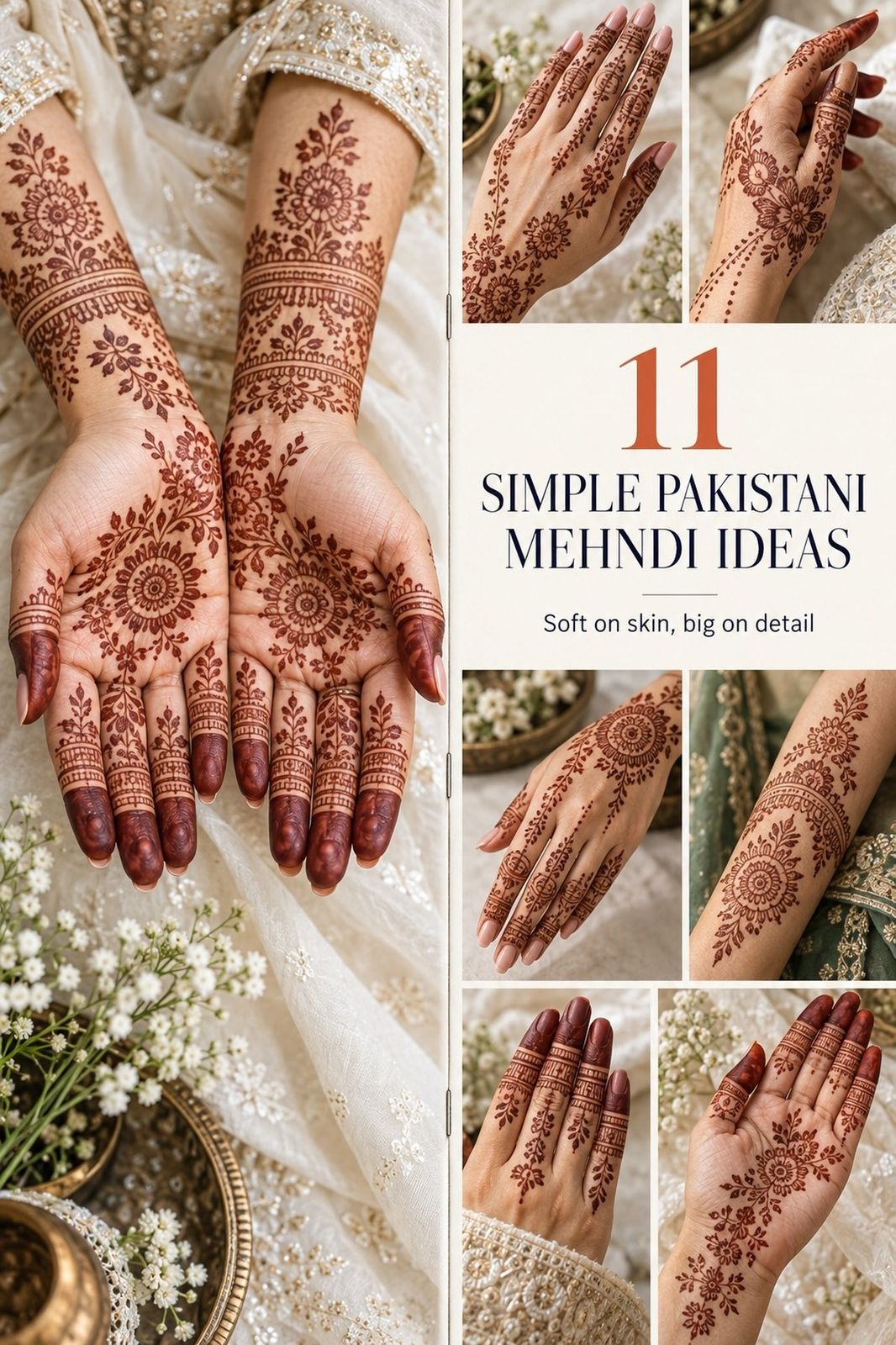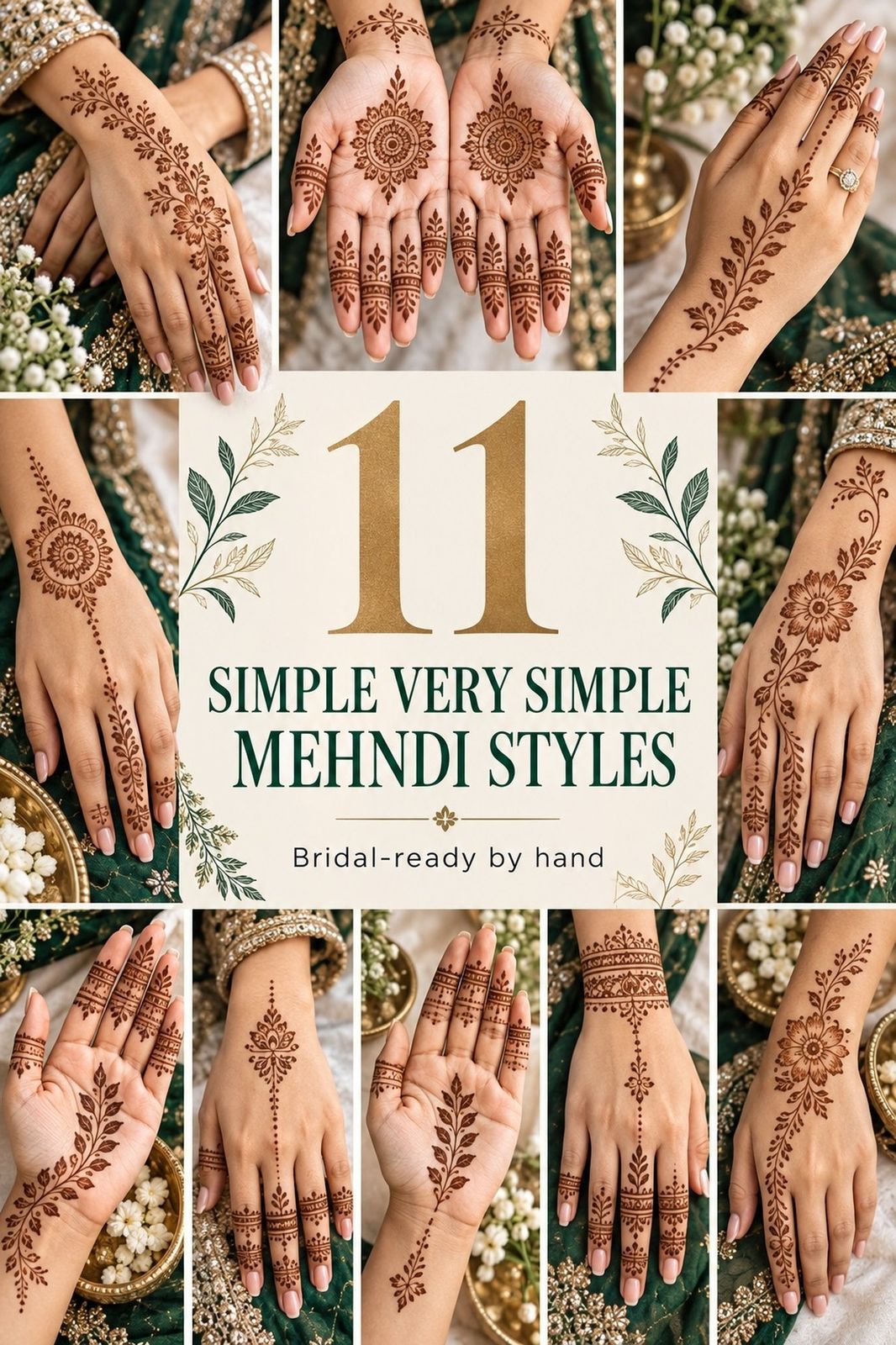
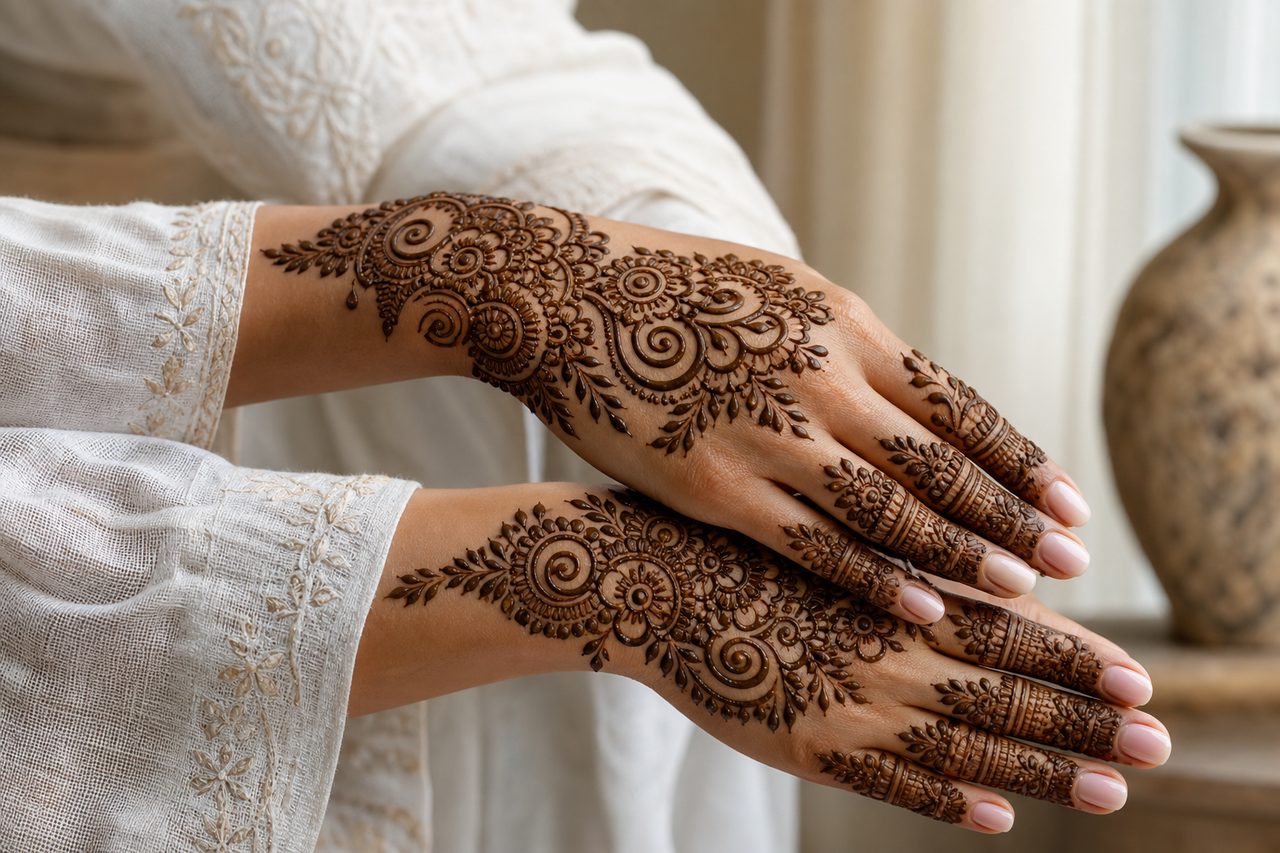
A do it yourself henna tattoo represents the intersection of ancient body art tradition and contemporary self-directed creativity. Unlike machine-applied permanent ink, this practice draws from Mehndi, henna body art with roots in South Asian, Middle Eastern, and North African cultures spanning roughly five thousand years. The DIY element specifically signals personal agency: you become both artist and canvas, transforming a ritual once performed by specialists into an intimate, accessible act of adornment.
Similar & Related Symbols
Understanding where DIY henna sits among related symbols helps clarify its distinct meaning. The practice carries different weight depending on which lineage it echoes.
Traditional Mehndi vs. Contemporary DIY
Professional Mehndi application for weddings and festivals, particularly in Indian, Pakistani, and Bangladeshi traditions, represents blessing, joy, and social bonding. The DIY version strips away ceremonial obligation while retaining the meditative quality of application. Where traditional Mehndi is received, DIY henna is claimed. Both share the symbolism of temporary beauty and the acceptance of impermanence, but the self-applied form adds layers of autonomy and experimentation without cultural gatekeeping.
Related Body Art Practices
- Jagua tattoos: A South American fruit-derived dye producing blue-black temporary marks, often confused with henna but carrying entirely different geographic associations
- White henna: Actually body paint or cosmetic adhesive, not true henna, symbolizing modern aesthetic departure from tradition
- Permanent henna-inspired machine tattoos: Commitment to the visual language without the ephemerality; often chosen by those who love the aesthetic but want permanence
- Stick-and-poke tattoos: Another DIY body modification form, but with permanent consequences and different risk profiles
The DIY henna tattoo occupies a unique position: less committed than permanent ink, more intentional than casual makeup, more accessible than traditional ritual.
Color vs Black and Grey
Henna’s natural color progression carries its own symbolic weight that differs dramatically from conventional tattoo pigments.
The Chemistry of Meaning
Natural henna (Lawsonia inermis) produces a staining range from pumpkin orange through deep burgundy-brown depending on skin chemistry, body temperature during application, and paste quality. This variability isn’t a flaw, it’s central to the symbolism. The color deepens over 24-72 hours, creating a living, changing mark. That transformation mirrors personal growth narratives: the design evolves rather than arriving fully formed.
“Black henna” deserves specific warning. This is typically natural henna adulterated with paraphenylenediamine (PPD), a hair dye chemical that can cause severe allergic reactions and permanent scarring. The symbolism of genuine impermanence becomes tragically ironic when toxic additives create lasting damage. True DIY henna practice means understanding and accepting the authentic color range.
Contrast with Permanent Ink
Machine tattoos in black and grey rely on carbon-based pigments suspended in skin. They heal to a stable tone, then slowly blur and fade over decades. Henna exists entirely in the epidermis, staining dead skin cells that slough away. The color sits on top of living tissue rather than within it. This superficial placement reinforces the symbolism of present-moment presence: visible, bold, and deliberately temporary.
Best Placements
Where you apply DIY henna dramatically affects both practical outcome and symbolic reading.
High-Stain Zones
Palms and soles contain the thickest epidermal layers, producing the darkest, longest-lasting marks, typically 7-14 days. These placements carry historical weight: hands are the traditional Mehndi focus, associated with giving, receiving, and creative capacity. The soles, less common in Western DIY practice, were historically protective in some Middle Eastern traditions. Self-application on palms requires ambidextrous skill or acceptance of simpler designs on the dominant hand.
Visible vs. Concealed
- Forearms and wrists: High visibility signals openness; easy self-application; moderate stain duration (5-10 days)
- Upper arms and shoulders: Less practical for self-work without mirrors; more private; fading accelerates where skin rubs against clothing
- Ankles and feet: Traditional feminine placement; stain longevity varies with footwear friction
- Back of neck/hairline: Intimate visibility; requires assistance for clean application; short duration due to hair product exposure
Placement choice reflects what you’re communicating: public declaration, private ritual, or something between.
Personal & Modern Meanings
Contemporary DIY henna practice has accumulated meanings far beyond its traditional ceremonial contexts.
Impermanence as Philosophy
In a culture saturated with permanent documentation, social media archives, digital footprints, permanent tattoos, the deliberately fading mark carries philosophical weight. Choosing something that will disappear in days or weeks asserts value in present experience over lasting record. The practice attracts those processing transitions, honoring temporary states, or simply resistant to permanent commitment.
Creative Autonomy
Machine tattoos require surrendering skin to another’s needle, trusting their skill, paying substantially, and accepting irreversible results. DIY henna inverts this power dynamic. The meaning here is competence and self-sufficiency: you research paste preparation, practice cone control, accept your own learning curve. The wobbly line or imperfect symmetry becomes evidence of authentic personal effort rather than professional failure.
Accessibility & Economic Meaning
Quality henna paste costs little compared to professional tattooing. The DIY form democratizes body modification, removing financial barriers that gatekeep permanent work. For younger practitioners, those between jobs, or anyone prioritizing spending elsewhere, this accessibility carries meaning about value and resourcefulness.
Who Chooses This Tattoo
Demographics and motivations cluster in identifiable patterns without being exclusive.
Cultural Practitioners & Heritage Explorers
Some choose DIY henna to maintain connection with South Asian, Middle Eastern, or North African heritage without ceremonial occasion. Others with mixed or adopted backgrounds use it as low-stakes cultural exploration, learning patterns, understanding significance, deciding what resonates before deeper commitment. The DIY format allows private experimentation without public performance or cultural appropriation concerns that arise with permanent adoption of culturally specific imagery.
Permanent Tattoo Curious
A significant group uses DIY henna as rehearsal: testing placements, living with designs, observing reactions. The temporary nature lets you discover that wrist visibility annoys you, or that you stop noticing back-of-neck placement entirely. This practical trial function is genuinely useful, more informative than paper templates or digital mockups.
Festival & Event Communities
Burning Man attendees, music festival regulars, and similar communities embrace DIY henna for its communal, participatory quality. Application becomes social ritual, designs shared and adapted, skill transmitted informally. The meaning here is collective creativity and temporary community identity.
Design Tips & Pairings
Specific technical choices shape both aesthetic outcome and symbolic communication.
Pattern Language
Traditional Mehndi motifs carry specific associations: paisleys represent fertility and luck; florals symbolize joy and natural beauty; vines suggest connection and growth; geometric patterns evoke the infinite. DIY practitioners often mix these freely, creating personal symbolic vocabulary. The mandala, circular, center-focused, translates particularly well to self-application, as symmetry is easier to maintain when working from a central point outward.
Pairing with Permanent Tattoos
Some collectors use henna to temporarily extend existing work, test additions, or create seasonal contrast. Henna over healed black ink creates interesting color interaction, orange-brown against black-grey produces warmth that disappears, leaving the permanent work refreshed by contrast. Others use henna in un-inked areas during periods between permanent pieces, maintaining visual interest without commitment.
Practical Application Reality
- Fresh paste should smell earthy, slightly grassy, chemical or ammonia scents indicate dangerous additives
- After paste removal, avoid water for 6-8 hours; stain develops through oxidation, not drying
- Heat accelerates stain development; cool showers preserve depth
- Exfoliation products, sunscreen, and chlorine all prematurely fade results
- Design clarity depends heavily on paste consistency, too thin bleeds, too thick cracks and falls
The Bottom Line
A do it yourself henna tattoo means something specific in contemporary practice: the choice to mark yourself temporarily, to value process over permanence, to claim creative control over your body’s appearance. It carries echoes of ancient tradition without being bound to it, offers accessibility without demanding commitment, and provides genuine creative satisfaction alongside its aesthetic result. The symbolism is ultimately pragmatic, this is body art you can learn, apply, enjoy, and release without lasting consequence. That freedom is itself the point.
Frequently Asked Questions
How long does a DIY henna tattoo actually last?
Natural henna typically lasts 1-3 weeks depending on placement, skin type, and aftercare. Palms and soles stain darkest and longest; areas with frequent friction or washing fade fastest. Avoiding exfoliation and prolonged water exposure preserves the design.
Can I make my own henna paste at home?
Yes, but quality varies significantly. Fresh henna powder mixed with lemon juice, sugar, and essential oils (tea tree, lavender) produces reliable paste. However, pre-made cones from reputable suppliers often yield more consistent results for beginners than homemade batches.
Is DIY henna culturally appropriative?
The practice itself has cross-cultural ancient roots, but specific traditional motifs and ceremonial contexts carry cultural weight. General floral or geometric designs are broadly acceptable; copying specific bridal patterns or religious symbols without understanding risks appropriation. Research and respect matter.
Why does my henna look orange instead of brown?
Henna oxidizes over time. Freshly removed paste reveals an orange stain that deepens to brown over 24-72 hours. If it stays bright orange, the paste may be weak or expired. True black results immediately indicate dangerous chemical additives, not genuine henna.