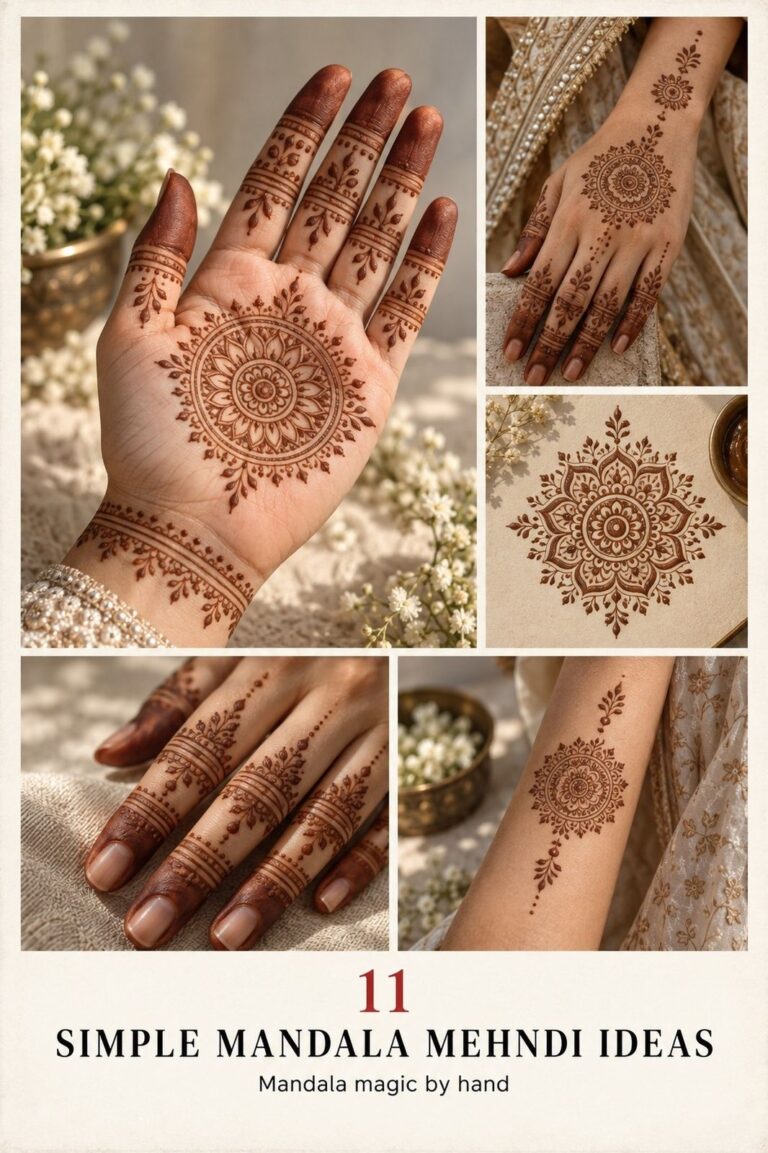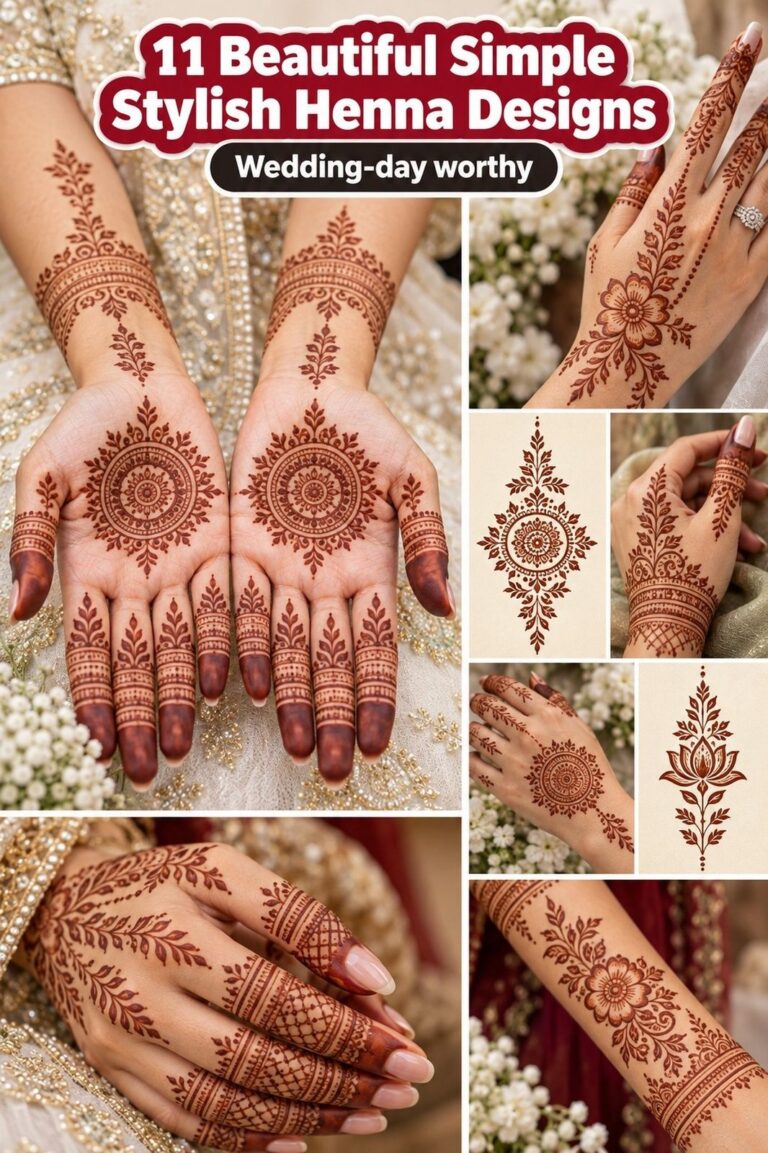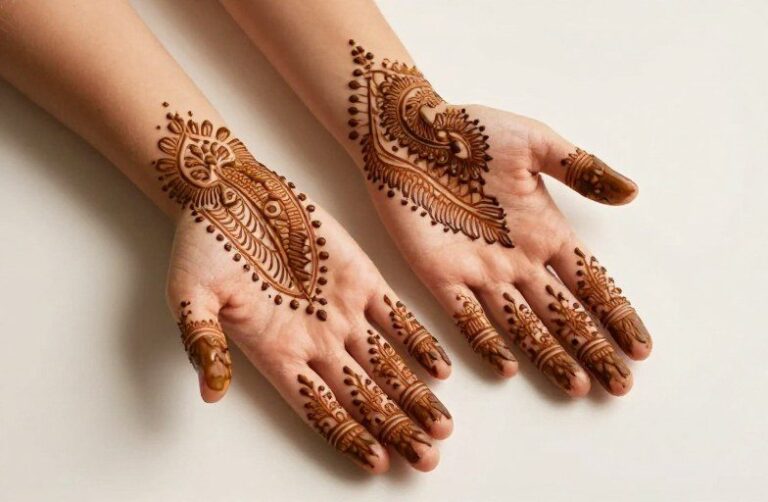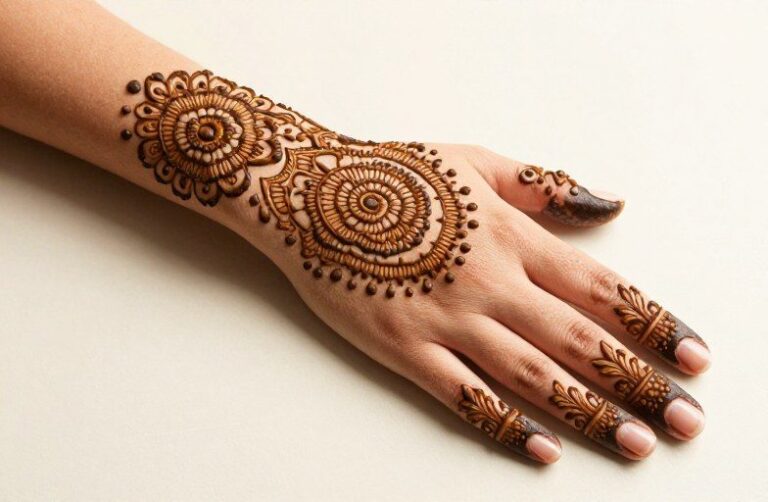
The question of whether henna gets darker has become a tattoo motif in its own right. People ink the phrase, or images that trace the color shift from bright orange paste to deep brown stain, as a way to mark patience in their own lives. The design works because the chemistry is visible: you watch something transform over days, not seconds, and that slowness carries weight.
What the Design Actually Shows
Visual Approaches
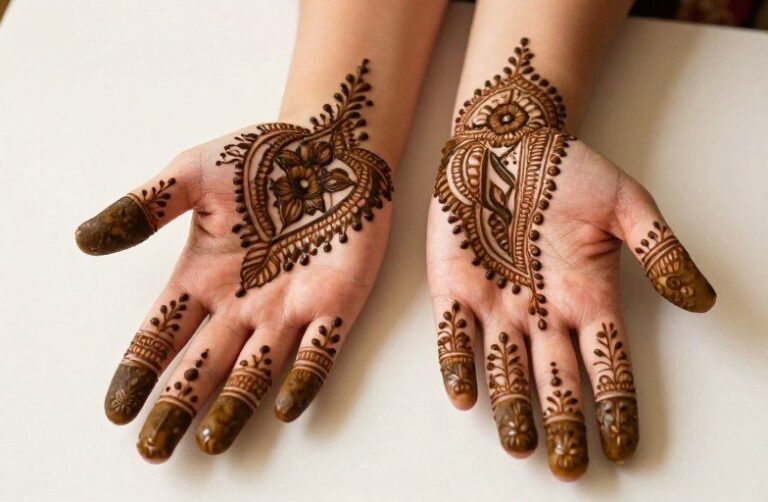
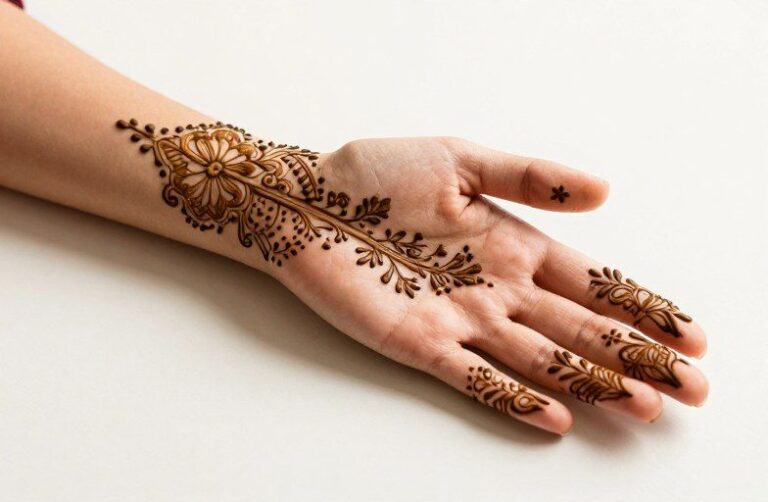
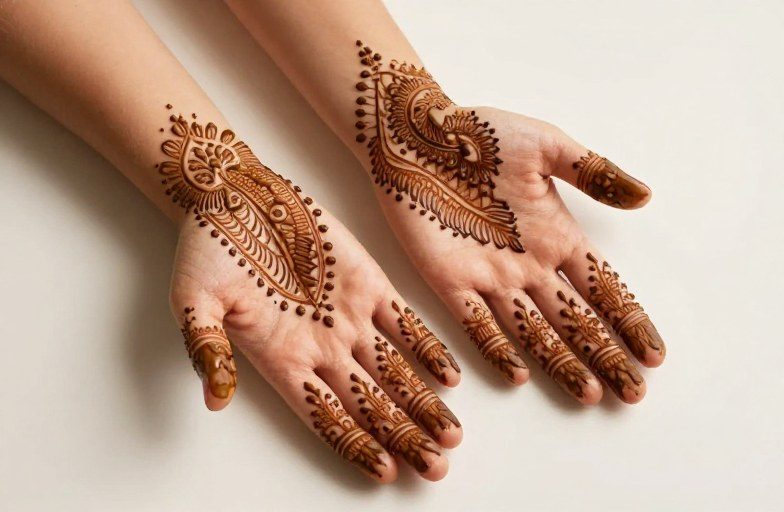
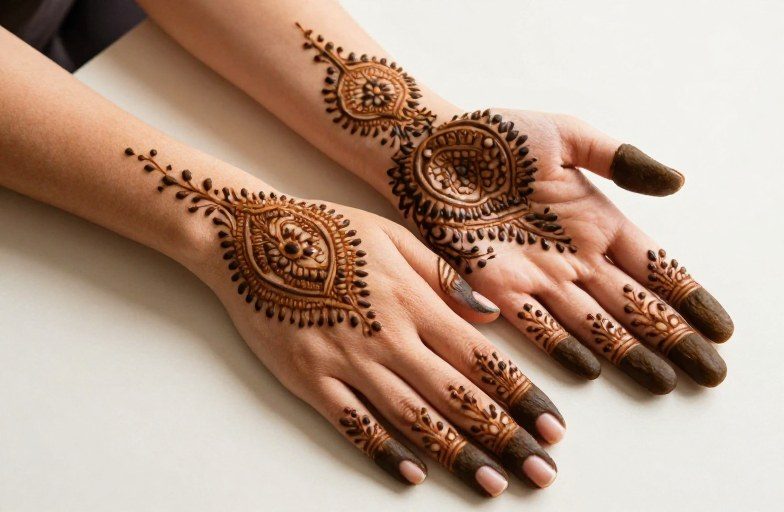
Most versions fall into two categories. Some show the literal progression: a hand or arm rendered at intervals, paste still wet and chartreuse, then rust-colored at twenty-four hours, then near-black by forty-eight. Others keep the question as text, surrounded by simplified botanical shapes that suggest henna without copying ceremonial mehndi patterns.
A smaller subset incorporates the chemistry itself. Lawsone, the molecule responsible for staining, binds to keratin in skin. Artists sometimes render this as abstract dot patterns or hexagonal structures nested among organic shapes. The science stays readable only to those who know to look; everyone else sees decoration.
The most effective designs avoid direct replication of bridal motifs, full-palm coverage, or religious symbols unless the wearer has genuine heritage connection. Abstract color fields, single-finger placements, or wrist bands read as personal meditation rather than cultural claim. Pairing the question with non-traditional imagery, geometric frames or Western botanicals, creates further distance from specific ritual context.
Text as Narrative Device
The interrogative format matters. Tattoos usually declare: names, dates, coordinates, affirmations. A question on skin admits uncertainty, invites conversation, resists closure. The henna-specific version has an actual answer, yes, it does darken, which creates a satisfaction that open-ended questions lack. The wearer moves from asking to knowing, from paste to stain, from doubt to result.
Where the Symbolism Comes From
Historical Practice
Henna body art carries centuries of practice across South Asia, the Middle East, and North Africa, often linked to wedding rituals. In many communities, the darkening process was read as auspicious. A deep, even stain brought pride and social approval, particularly for brides. The specifics varied enormously by region and family, some emphasized color intensity, others pattern complexity, others the ceremony of application itself.
The exact phrase “does henna get darker” appears to emerge from internet-era cross-cultural exchange. Non-South Asians encountering henna at festivals or through friends posted the question repeatedly on early forums and later social platforms. Tattooing the phrase represents a shift from ignorance to embodiment, from searching to knowing. The timeline is uncertain, but the pattern of discovery followed by permanent marking fits broader tattoo trends of the 2010s and 2020s.
From Cultural Practice to Personal Symbol
Appropriation concerns surface legitimately here. The most respectful versions, as noted, avoid direct replication of ceremonial patterns. Instead, thoughtful designs use the concept of darkening: abstract color fields, simplified botanical elements, or typographic treatments that reference henna without claiming its ceremonial weight.
- Single-finger or wrist placements read as personal meditation rather than cultural statement
- Pairing the question with non-traditional imagery (geometric frames, Western botanicals) creates distance from specific ritual context
- Including the answer visually, showing the darkened result, completes the narrative arc
Who Chooses This Design
People at Inflection Points
The wearers you encounter in shops tend to be at transitions: post-graduation, early career shifts, recovery milestones, first serious commitments. The design validates uncertainty without requiring disclosure. You do not need to explain what you are waiting for, only that you are waiting, and that you trust the process.
Placement choices reflect this quality. Inner forearm, visible to you during work, serves as private encouragement. Ribs or upper thigh, hidden and intimate, suits those processing transformation without public explanation. Behind the ear, a placement that requires mirror-checking to see, literalizes the theme: you cannot watch the darkening constantly; you must trust it is happening.
Heritage Reclaimers and Cross-Cultural Adopters
Two distinct groups surface in consultation. South Asian diaspora members, often second- or third-generation, use the motif to reclaim childhood mehndi memories: Eid celebrations, cousin’s weddings, mother’s kitchen-table applications. The question format, slightly awkward, internet-tinged, captures hybrid identity without pretending seamless belonging.
Those without South Asian heritage tend toward more abstracted versions. They are drawn to the universal process metaphor, not the specific cultural container. Their designs typically minimize decorative elements and maximize the conceptual: stark text, gradient color fields, timeline graphics. The respect lies in the abstraction, in not pretending to ceremonial knowledge they do not hold.
Related Symbols and Distinctions
Process-Oriented Counterparts
The chrysalis-to-butterfly motif shares the waiting theme but leans biological and individual. The henna design stays more communal; henna is applied by someone, often in social context. The kintsugi motif similarly honors damage-to-beauty transformation but emphasizes breakage and repair rather than gradual development.
Chemical process tattoos more broadly, fermentation, aging wine, patina on copper, appeal to similar sensibilities but lack henna’s bodily intimacy. The skin-to-skin application, the warmth of paste, the specific forty-eight-hour anticipation window: these create tighter narrative focus than generalized waiting symbols.
Question-Based Designs
The interrogative format connects to a broader tattoo trend of questions rather than answers. “Are we there yet?” “What comes next?” These resist the declarative confidence of traditional tattoo text. The henna-specific version benefits from having an actual, verifiable answer, which creates satisfying closure that more open-ended questions lack.
Technical Execution
Color Realism Challenges
Color execution faces genuine technical difficulty. Fresh henna’s greenish-orange is hard to render naturally in tattoo ink; without careful mixing, it reads as generic orange. Experienced artists layer yellow-green wash, burnt orange, and deep rust to capture authentic oxidation stages. The final dark brown approaches black coffee or dark chocolate, not true black, distinguishing this from generic dark fills.
Color aging concerns matter specifically here. Orange and yellow pigments fade fastest, sometimes within two to three years depending on sun exposure and skin type. A timeline design showing fresh to mature may lose its readable progression as the lightest stage disappears. Strategic placement on less sun-exposed skin extends clarity.
Black and Grey Alternatives
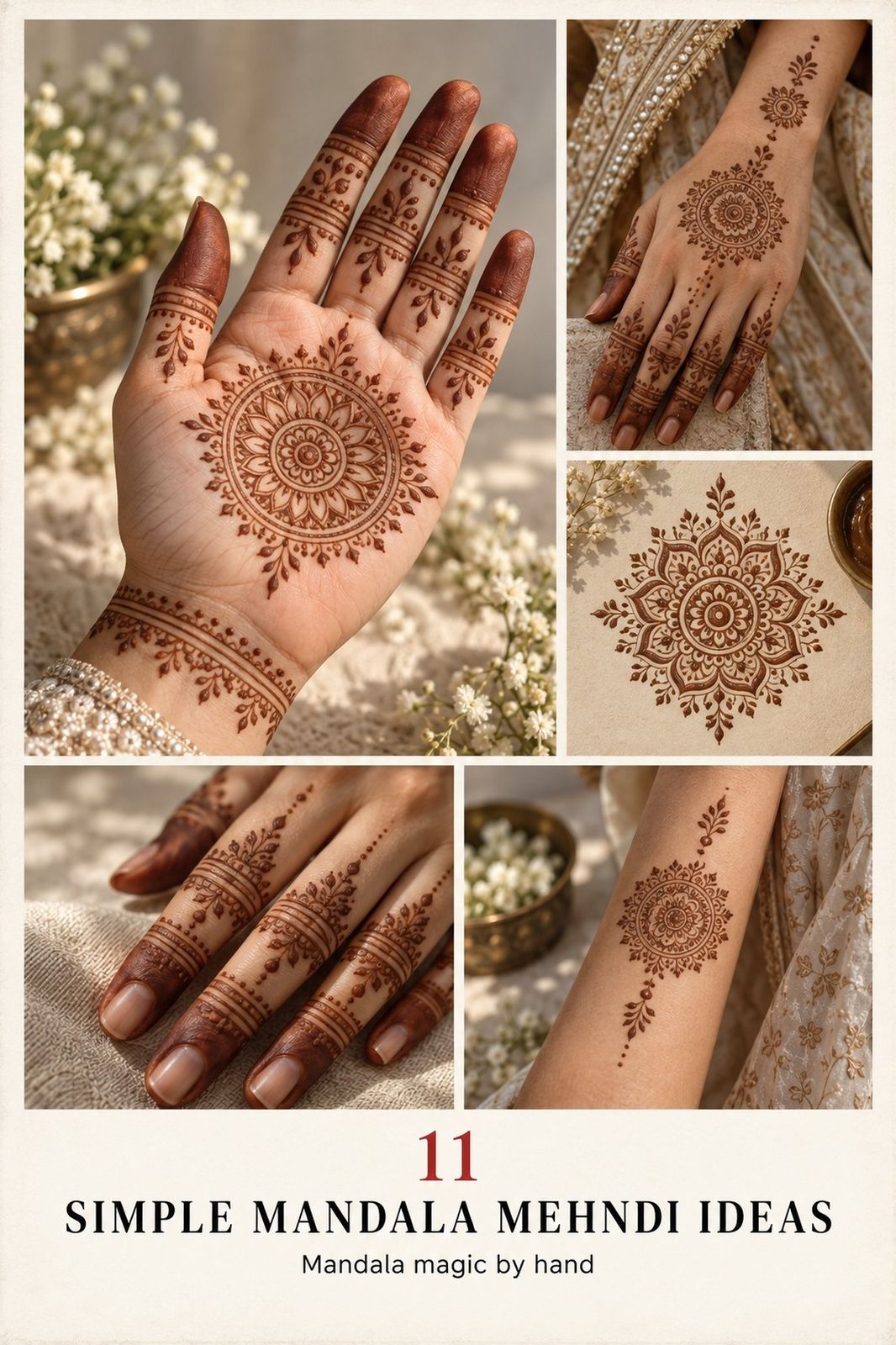
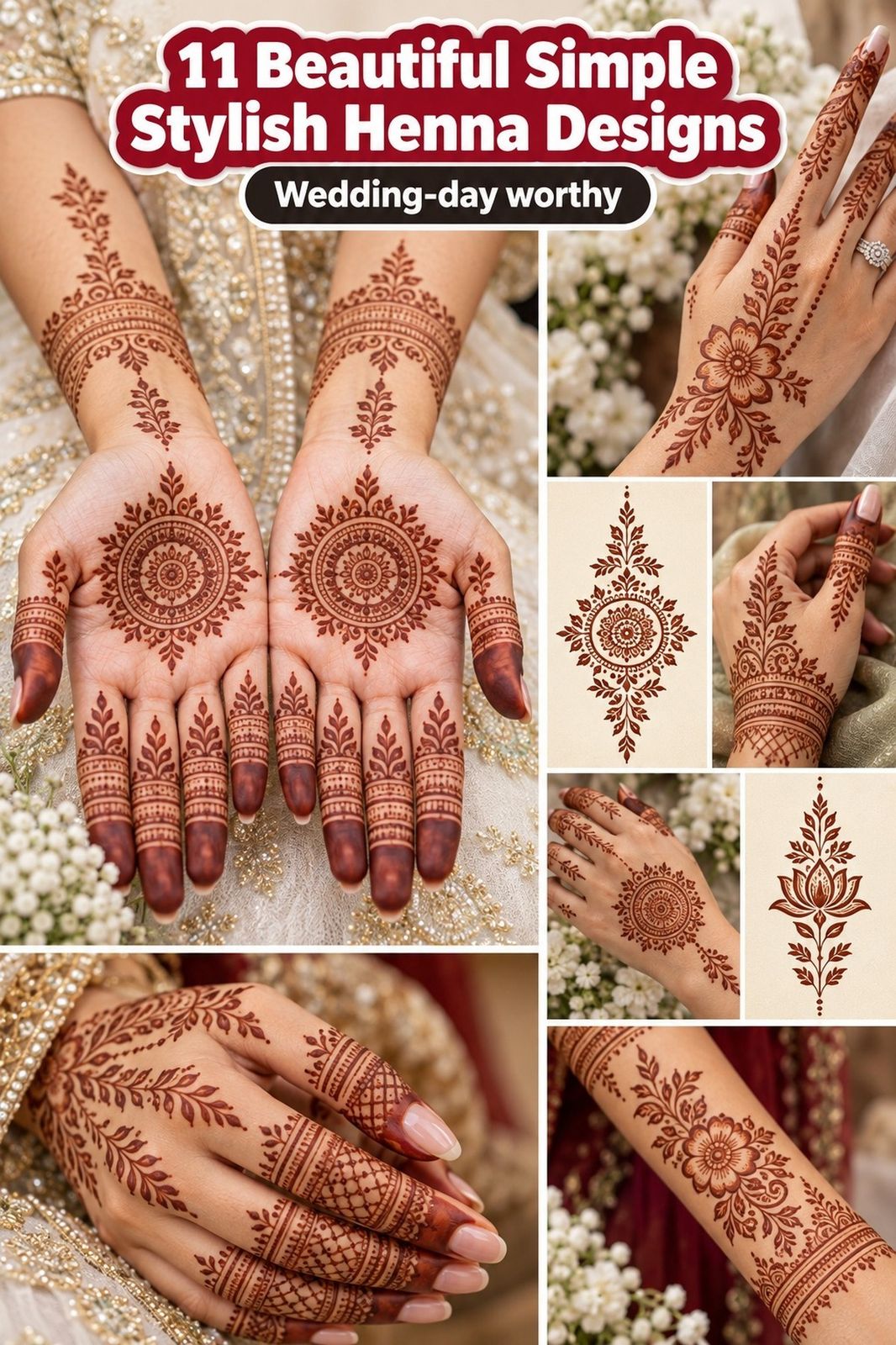
Black and grey treatments shift focus from color transformation to pattern itself. Henna’s characteristic linework, fine trailing vines, dot clusters, negative-space flowers, translates beautifully in single needle or tight three-needle groupings. The text, if included, becomes the sole narrative carrier; the visual darkening must be implied through value contrast rather than literal hue shift.
Black and grey ages more predictably. The question of whether it gets darker gains ironic layer: the tattoo itself will not darken, the ink will not oxidize like real henna. Some wearers embrace this tension. Others find it undercuts the hopeful message. Discussion with your artist on this specific point prevents later disappointment.
Contemporary Resonance
Social Media Context
The question’s origins in searchable internet culture cannot be separated from its contemporary meaning. People document henna’s darkening on Instagram and TikTok, creating public performance of patience. The tattoo inverts this: permanent record of temporary process, private skin replacing public feed. The gesture suggests that not all transformation needs documentation, that some darkening happens unseen.
Modern interpretations also touch on mental health recovery. The framing of getting darker before getting better, while not literally accurate for henna chemistry, resonates with those who have watched their own states shift gradually, without clear markers of progress until looking back.
Work and Skill Development
The motif extends to craft and career. Apprenticeships, early career building, creative practice: all involve periods where effort seems invisible, where the paste has not yet darkened. The tattoo marks commitment to showing up before evidence arrives. It is particularly common among people in fields with delayed feedback loops: research, therapy, writing, small business building.
What to Remember
The “does henna get darker” tattoo works because it grounds abstract virtue in specific, observable process. Patience becomes something you can almost measure, forty-eight hours, a color shift you can photograph. This specificity is its strength and its limitation. Not all transformations are visible. Not all waiting resolves. The design risks sentimentality if treated as universal solution rather than personal marker.
If you are considering this motif, the most successful versions share certain qualities. They avoid direct replication of ceremonial patterns without heritage connection. They choose placement with intention, whether visible self-reminder or hidden processing. They discuss with the artist whether color or black and grey better serves the specific narrative, and whether the irony of permanent ink representing temporary stain enhances or undermines the meaning for you personally.
The question itself, once inked, becomes answered. You carry the response on your skin: yes, with time, with protection, with resisting the urge to scrape too early. The metaphor holds as long as you need it to, then becomes simply pattern, simply text, simply part of the body you inhabit. That trajectory, from urgent question to settled answer to background texture, mirrors the very process it depicts.
Frequently Asked Questions
How long does real henna take to reach its darkest color?
Natural henna typically reaches peak color between 48 and 72 hours after paste removal. The stain begins orange, shifts to reddish-brown, and matures to deep brown or near-black depending on body chemistry, paste quality, and aftercare.
Is it cultural appropriation to get a henna-inspired tattoo if I am not South Asian?
Respectful approaches avoid direct replication of ceremonial bridal mehndi, religious symbols, or full-palm traditional patterns. Abstracted references to the darkening process, typographic treatments, or simplified botanical elements that do not claim ceremonial weight are generally considered acceptable by most voices in the discussion.
Will a color tattoo showing henna’s orange-to-brown stages fade unevenly?
Yes, this is a genuine concern. Orange and yellow pigments fade faster than darker tones, potentially disrupting the readable progression within two to three years. Less sun-exposed placement extends clarity. Black and grey alternatives avoid this issue but sacrifice literal color representation.