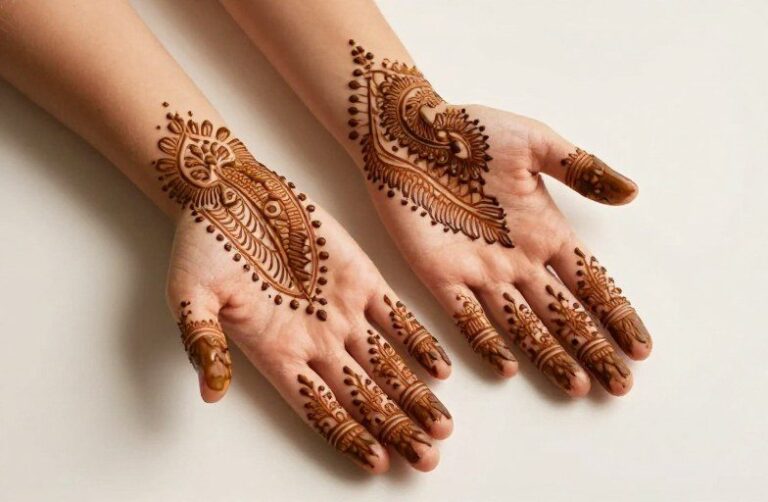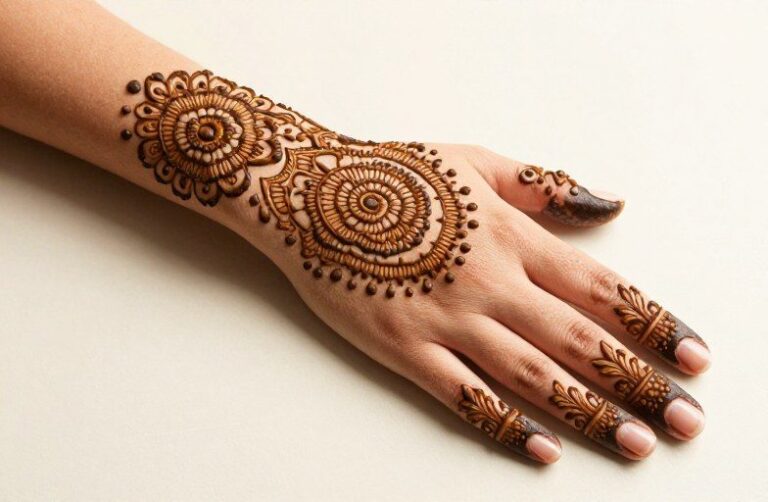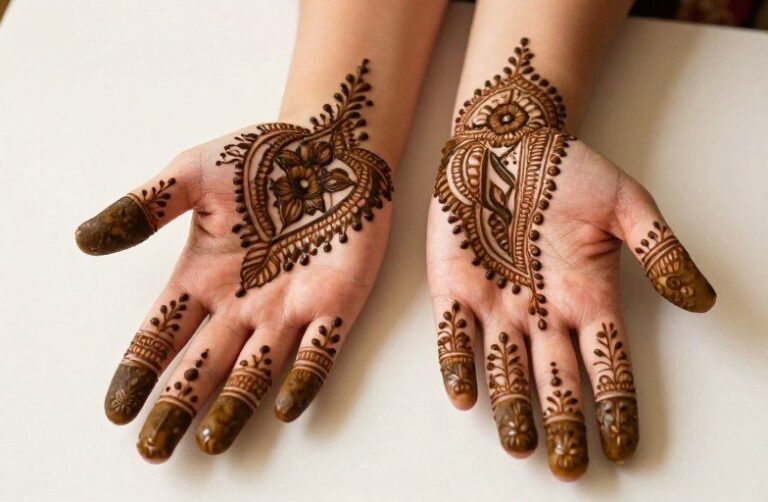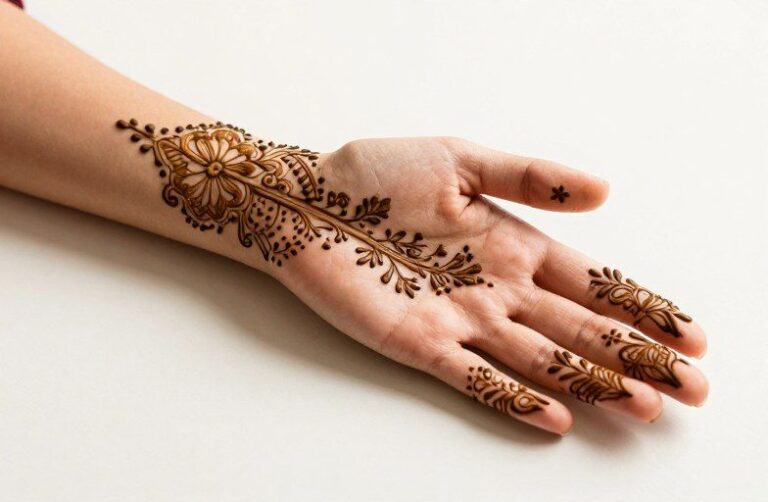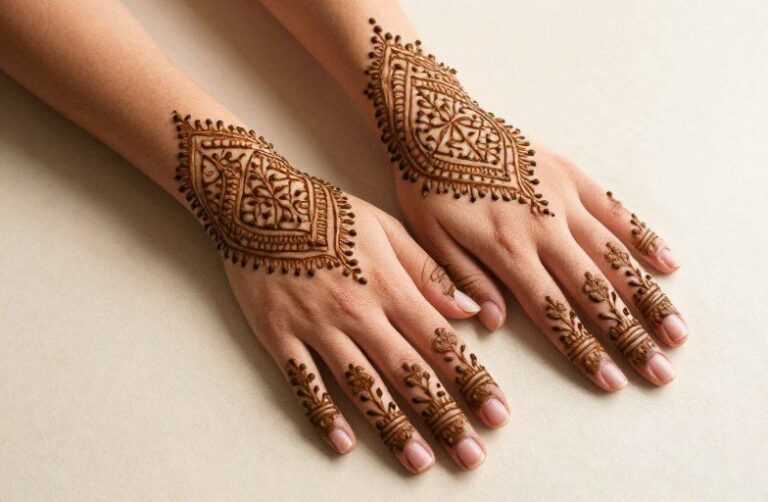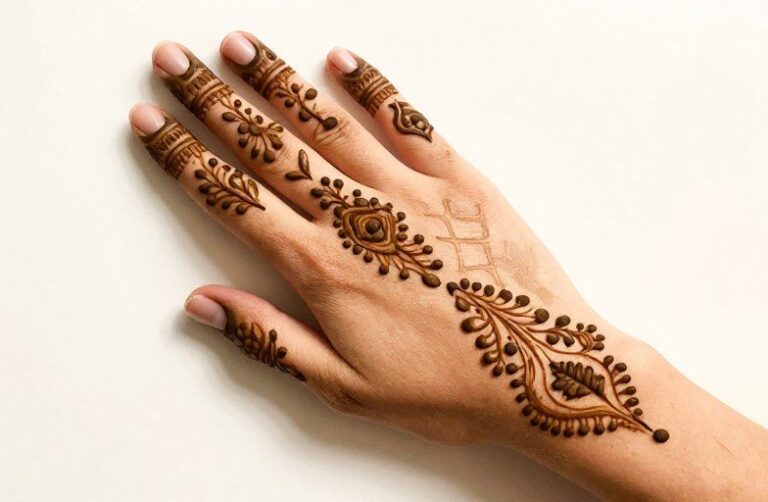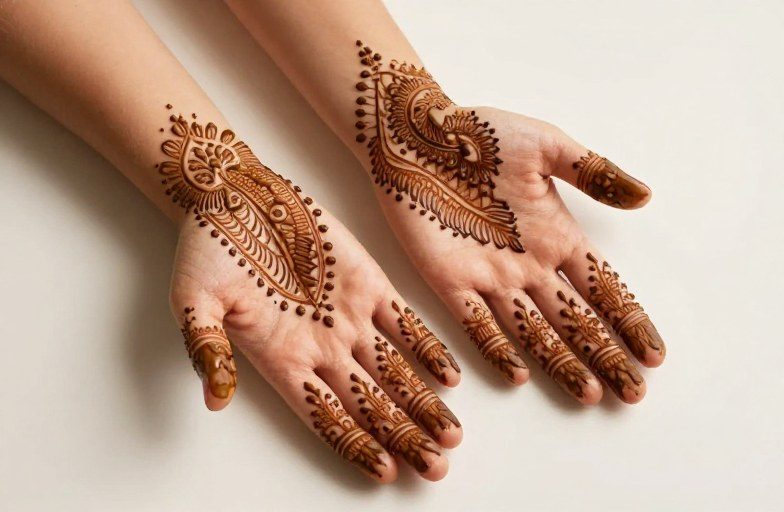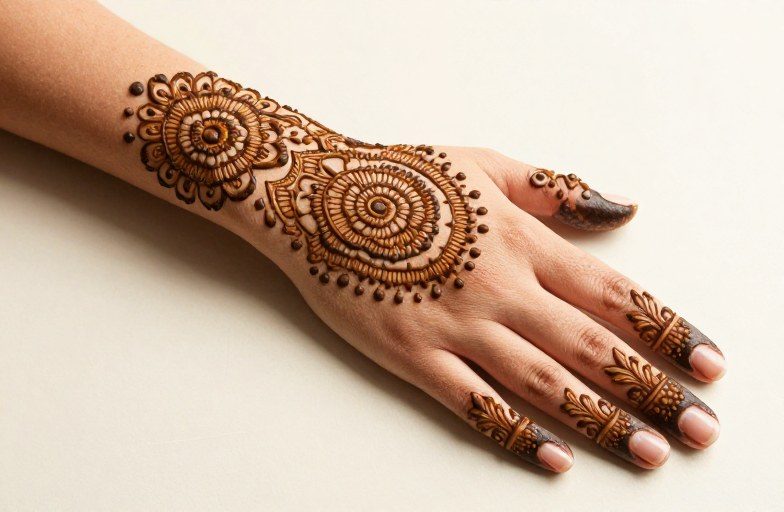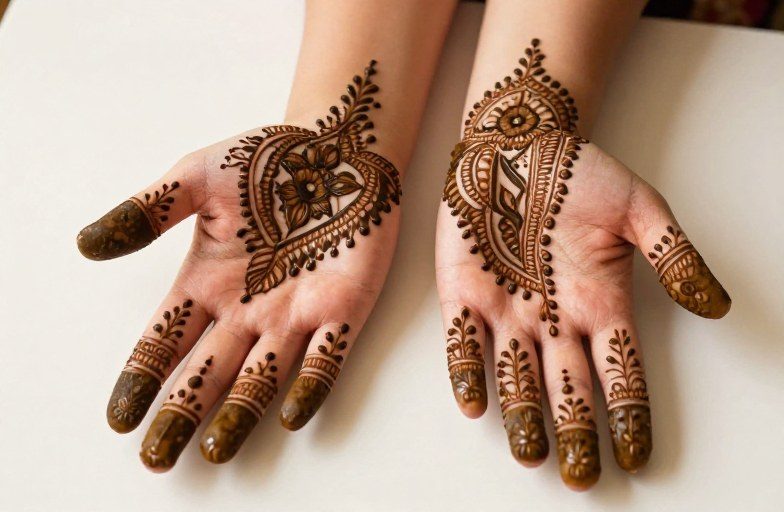
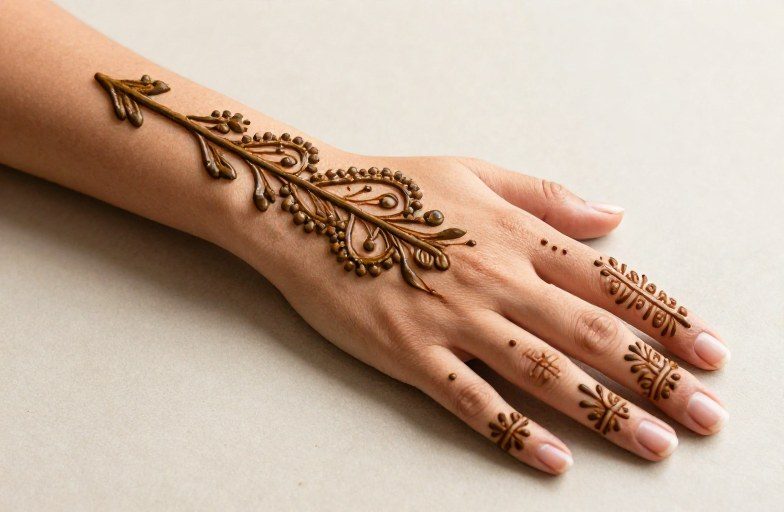
A henna arrow tattoo merges two visual languages: the flowing, organic patterns of mehndi body art and the straight, purposeful form of an arrow. Most people choose this design to represent forward movement, personal protection, or a connection to South Asian or Middle Eastern heritage. The arrow provides structure; the henna-style filigree fills it with warmth and intricacy that pure geometric arrow tattoos rarely achieve.
Symbolism & Core Meaning
The Arrow as Personal Direction
Arrows have carried consistent meaning across cultures. They point, they penetrate, they travel from one state to another. In tattoo form, an arrow typically signals intentionality, someone who knows where they are headed, or who wants to. The henna adaptation softens this aggression. Instead of a weapon, it reads more like a decorated path or a guided journey. The arrowhead still cuts forward, but the trailing henna vines and paisleys suggest the journey itself matters, not just the destination.
Henna’s Protective Roots
Mehndi application has long served protective functions in the cultures that developed it. Brides wear elaborate designs to ward off misfortune; specific motifs carry apotropaic purpose. When translated into permanent tattoo form, these patterns retain associative weight even without the temporary paste. The combination creates a symbol of guarded progress, moving forward while shielded by tradition.
- Single forward arrow: clarity of purpose, leaving the past behind
- Broken arrow with henna repair: overcoming conflict, mended strength
- Arrow with mandala-style henna head: focused spiritual intention
- Crossed arrows with mehndi detailing: friendship or alliance, softened by ornament
Who Chooses This Tattoo
Placement and Private Meaning
The forearm and ribcage are the most common locations, though the upper back and calf see regular placement too. Forearm versions tend toward visibility and daily reminder, something the wearer sees while working, driving, reaching. Ribcage placements sit closer to the heart, more private, often commemorating specific decisions or losses that redirected a life.
Heritage and Appreciation
There is a notable split in who pursues this design. Some have direct cultural heritage ties to mehndi traditions and want permanent acknowledgment of that lineage. Others lack that background but respond to the aesthetic warmth, the way henna patterns humanize an otherwise stark symbol. Both motivations are valid, though the former group sometimes seeks artists who genuinely understand the motifs rather than approximating them from reference images.
Common Variations & Styles
Linework vs. Shaded Approaches
The core decision shaping any henna arrow tattoo is whether the henna elements remain pure line or incorporate soft shading. Traditional mehndi is line-based, thin, confident strokes building dense patterns. Tattoo adaptations often stay faithful to this, using single-needle or tight three-needle work to replicate the paste’s fine consistency. Shaded versions, where henna flowers receive greywash or dotwork texture, read more like illustration and less like direct translation. They age differently too: pure linework holds crisper edges over five to ten years, while shaded areas blur and settle into softer, less defined shapes.
Integration with Realistic Arrow Elements
Some designs split the arrow literally, wood grain or fletching rendered in realistic tattoo style, the shaft blooming into henna pattern. Others keep the entire arrow stylized but vary line weight, with the arrow’s spine thick and bold while henna curls fill negative space around it. The most successful versions establish visual hierarchy so the eye reads arrow first, decoration second, rather than dissolving into abstract confusion.
- Minimalist: thin arrow outline, sparse henna accents at fletching
- Moderate: full shaft coverage with recognizable paisley and floral mehndi
- Elaborate: arrow form barely visible beneath dense henna layering, requiring close inspection
Religious & Spiritual Angles
Henna’s Sacred Associations
Henna carries religious significance in several traditions. In Hindu practice, it is often linked to Lakshmi and blessings of prosperity. In Islamic cultures, mehndi use is often linked to medieval and early modern periods, with some traditions referencing hadith about the Prophet Muhammad’s approval of its use for women, though scholarly attribution varies. The arrow appears across spiritual iconography, from Cupid’s romantic weapon to the Zen archer’s meditative focus to straight path imagery in various traditions.
Personal Rather Than Doctrinal Meaning
Combining these elements does not create a unified religious statement unless the wearer specifically intends one. More commonly, the design operates as spiritual shorthand: the arrow as straight path or righteous direction, the henna as blessing or consecrated journey. Some Christian wearers specifically reference Psalm 127, like arrows in the hands of a warrior, with the henna element representing God’s protective hand on that weapon. The meaning stays personal, not doctrinal.
Similar & Related Symbols
The compass arrow frequently pairs with henna styling, though the compass itself introduces navigation and travel rather than pure forward motion. The Sagittarius bow and arrow, similarly adaptable to henna ornament, shifts meaning toward astrology and personality archetype. A plain geometric arrow tattoo lacks the cultural warmth but gains universality and faster recognition.
Mandala tattoos share the henna arrow’s decorative density and spiritual suggestion, but without the directional imperative. They are static where the arrow moves. For people deciding between the two, a mandala-shaped arrowhead or a mandala bursting from the arrow’s point offers compromise, movement originating from centeredness.
Mythology & Folklore
Archery Figures Across Traditions
Arjuna, the peerless archer of the Mahabharata, often appears in discussions of this tattoo’s resonance, though direct depictions of Arjuna with henna elements are rare. The association is more about atmosphere: his moral struggle, his need for divine guidance, his eventual decisive action. The henna arrow becomes a modern person’s echo of that archetype, seeking clarity, acting with precision, blessed by tradition.
Norse mythology offers the arrow differently. Ullr, the winter archery god, skied and hunted with bow in hand, associated with oath-taking and single combat. There is no traditional henna connection here, but the pairing of northern and southern visual languages happens in tattooing regardless of historical precedent. The result blends traditions rather than belonging to any single lineage.
Mehndi Lore
Folk beliefs around mehndi include the darker-the-stain, deeper-the-love bridal tradition, and the use of specific protective symbols against the evil eye. These do not directly transfer to permanent ink. There is no stain to darken, no paste to crack and release dye. But the associative memory persists. Someone who grew up with henna application at family celebrations carries that sensory memory into the tattoo decision, even if the mechanics differ entirely.
Before You Decide
Finding the Right Artist
Consider the artist’s actual experience with mehndi-inspired work, not just their general portfolio. Fine-line henna replication requires different needle control than bold traditional American tattooing. Ask to see healed photos, not just fresh work. Henna-style lines blur faster than heavy outlines, and you want evidence the artist accounts for this in spacing and saturation. Look for artists who have studied mehndi patterns directly, not just copied from photographs. Ask how they adapt traditional motifs for skin aging and how they handle the tension between decorative density and long-term readability.
Scale and Longevity
Think about scale carefully. Intricate henna patterns demand sufficient real estate; crammed into a two-inch arrow on a wrist, they muddy and age poorly. Conversely, oversized simple arrows with minimal henna accent waste the design’s potential. The sweet spot usually falls between four and eight inches for the arrow’s total length, allowing pattern density without compression.
The Heritage Question
Finally, sit with the heritage question honestly. If you have no connection to mehndi traditions, the tattoo remains valid aesthetically, but be prepared for questions and do not perform false belonging. If you do carry that heritage, consider whether permanent ink aligns with the temporary, ceremonial nature of traditional application. Some find this evolution natural; others feel tension. Neither position is wrong, but clarity serves you better than afterthought.
Frequently Asked Questions
How well do fine henna lines hold up over years?
Fine linework blurs faster than bold traditional tattoos, typically showing noticeable softening within five to seven years. Strategic spacing between lines, slightly heavier saturation in key areas, and consistent sun protection all extend crispness. Expect touch-ups eventually, and plan initial design with aging in mind.
Can any tattoo artist do henna-style work well?
No. Mehndi-inspired tattooing requires specific skill in fine-line control, pattern flow, and understanding of traditional motif structure. A strong traditional American portfolio does not guarantee this. Ask specifically about healed henna-style work and how the artist adapts patterns for skin aging.
Is it cultural appropriation if I have no South Asian or Middle Eastern heritage?
This depends on execution and attitude. Choosing the design purely for aesthetic warmth is common and generally accepted if done respectfully. The problems arise when artists butcher traditional motifs without understanding, or when wearers claim false cultural connection. Research the patterns, credit the tradition, and avoid treating the design as mere exotic decoration.