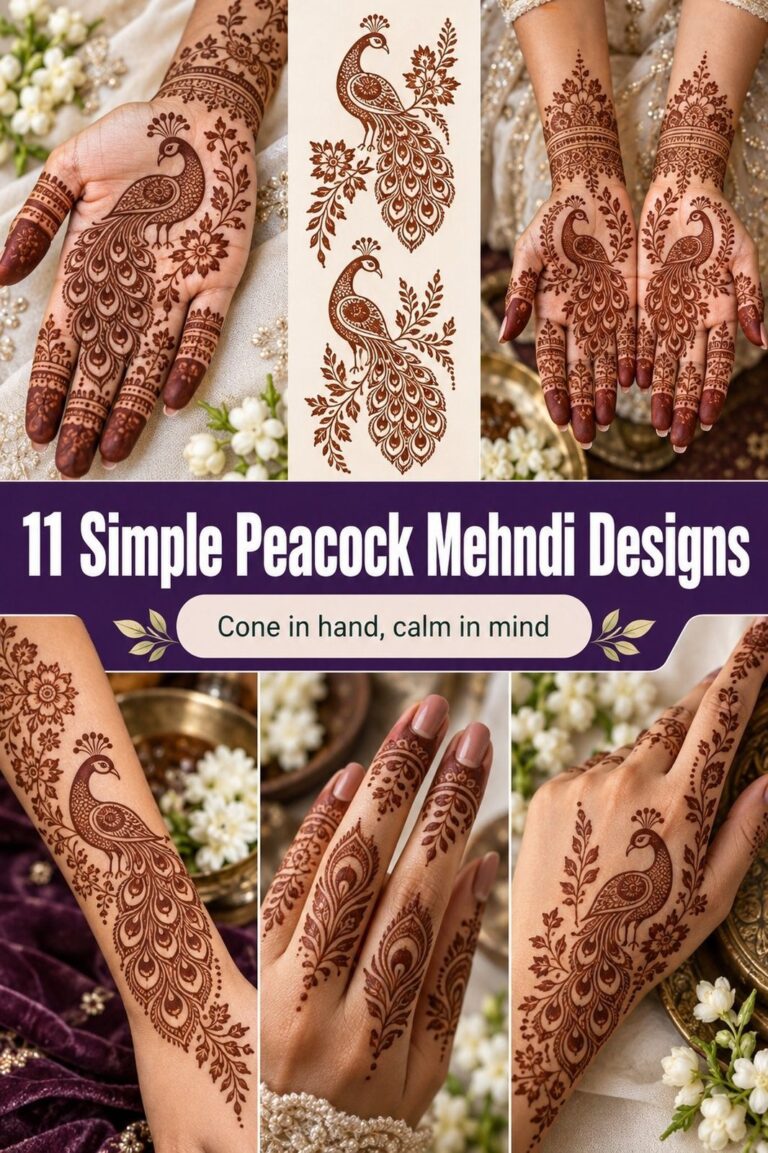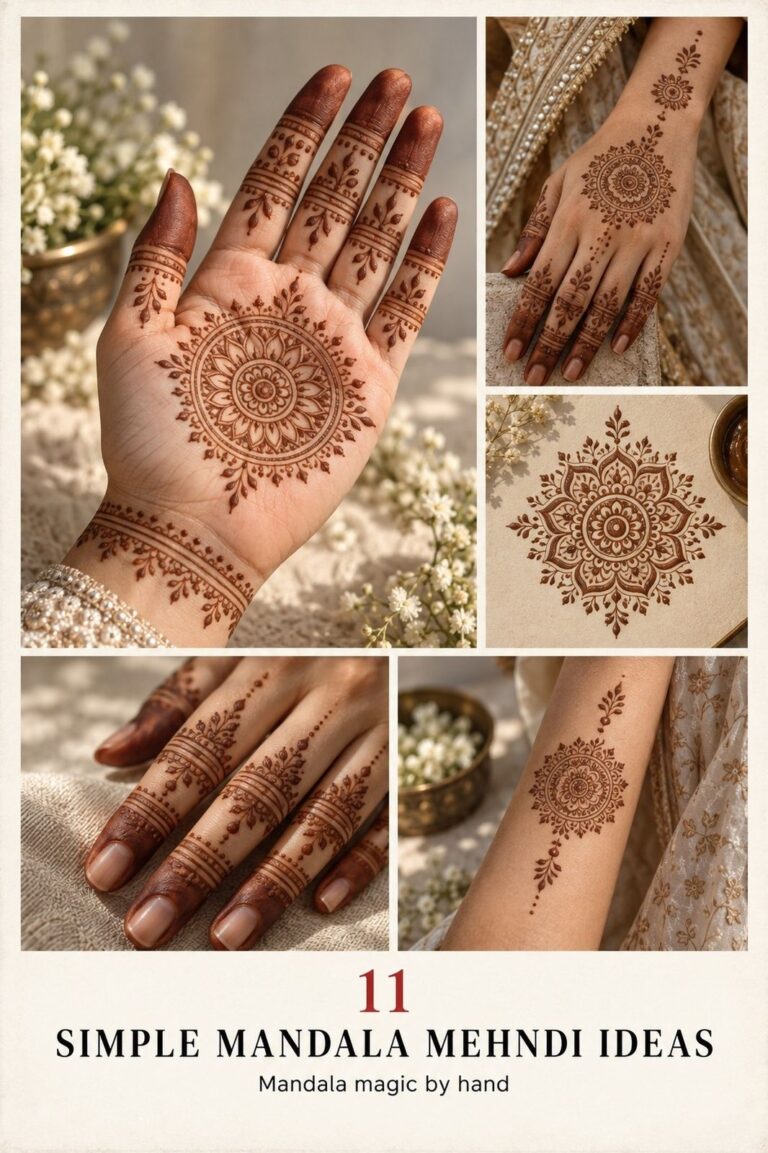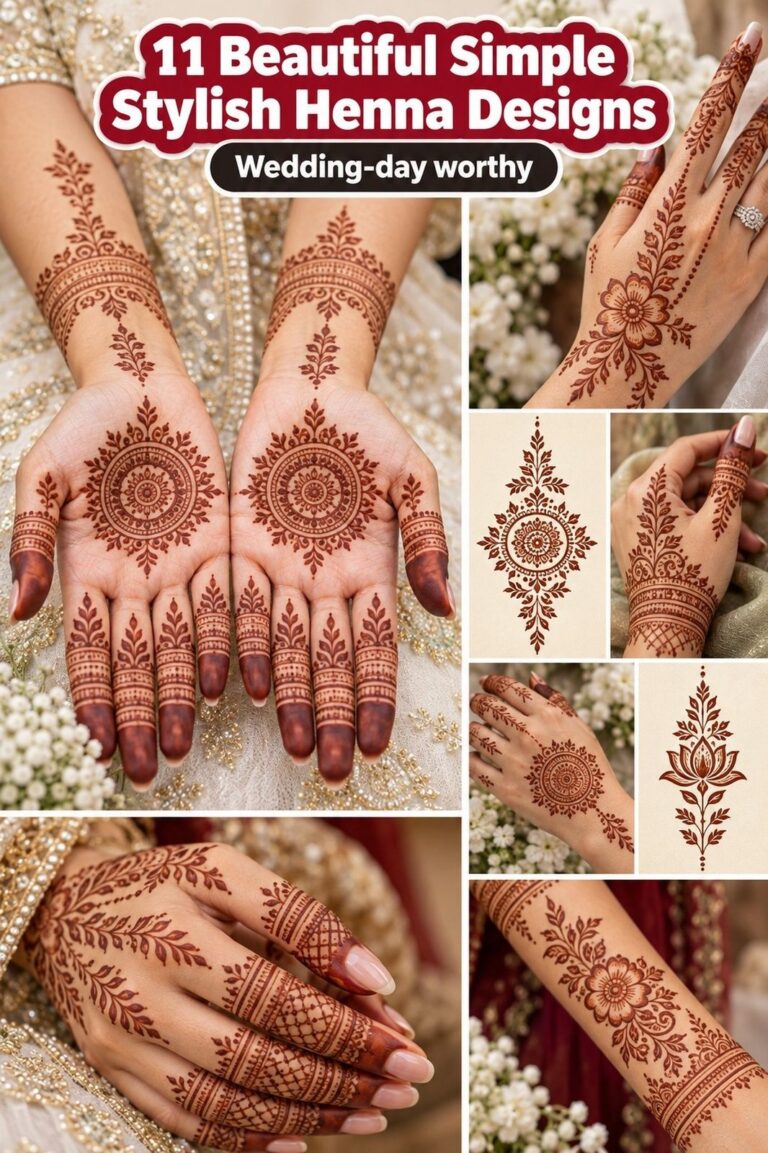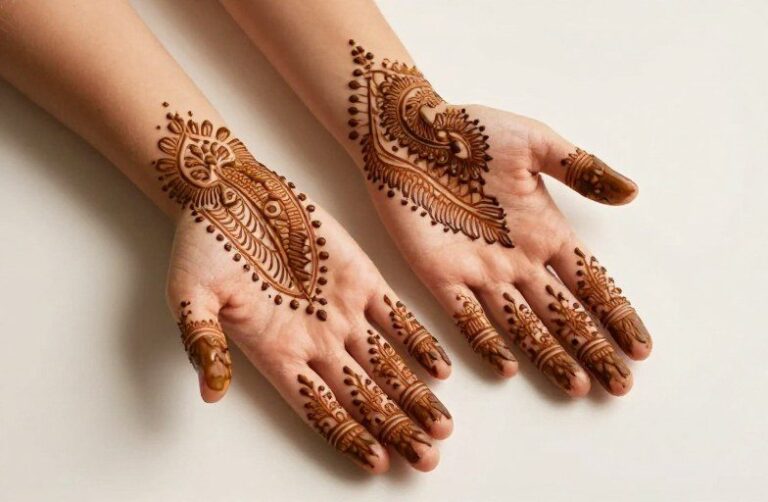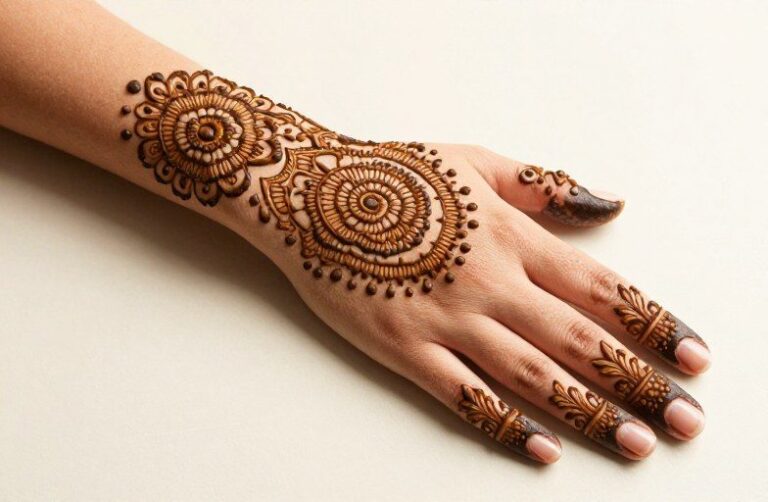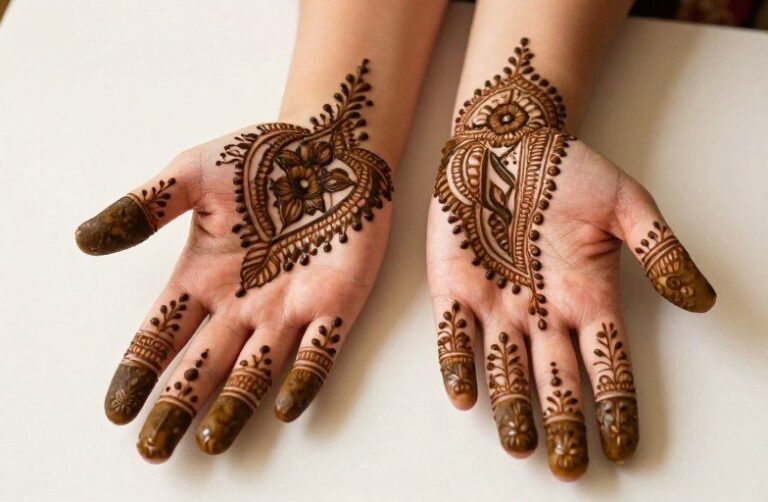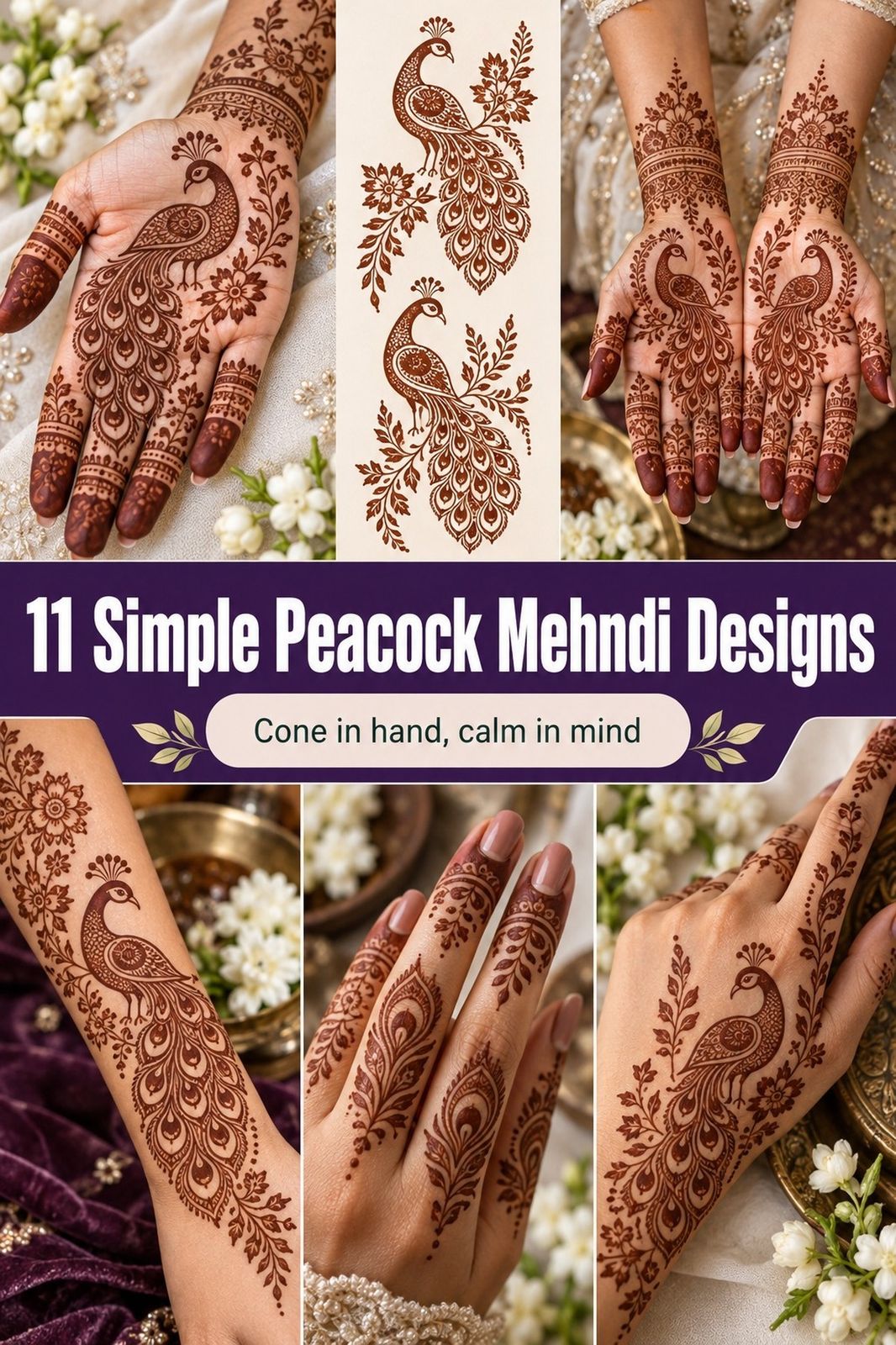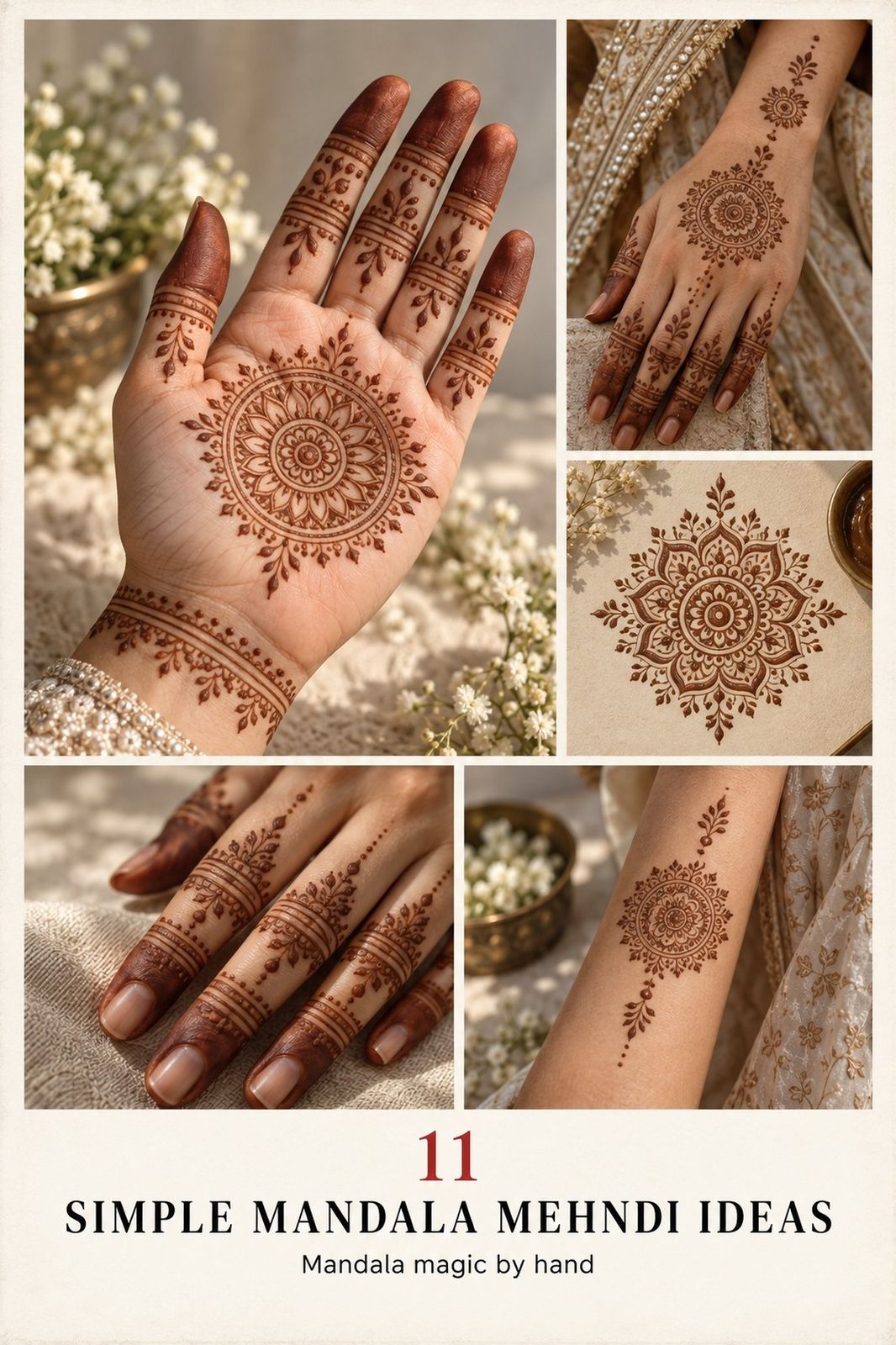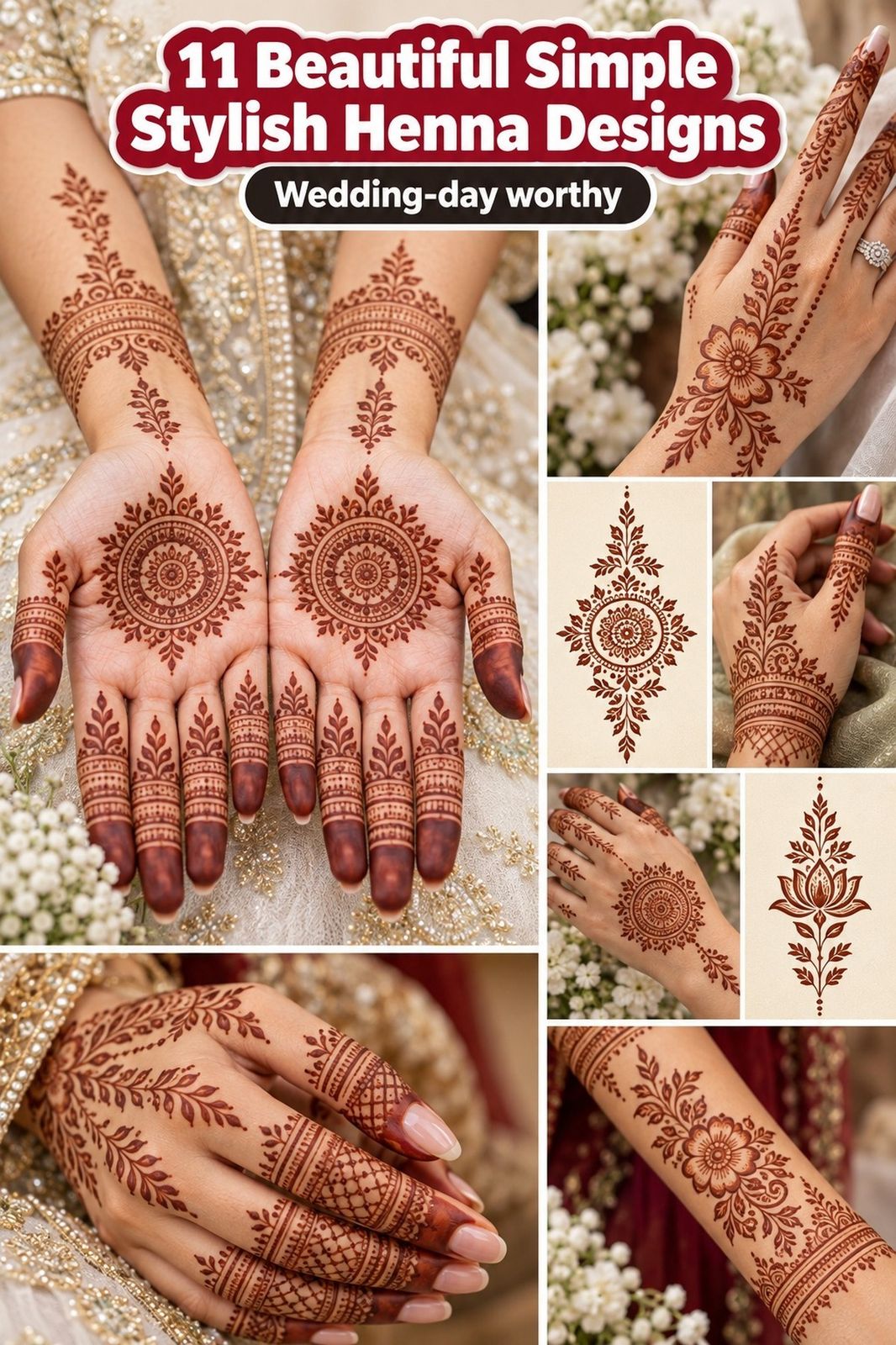
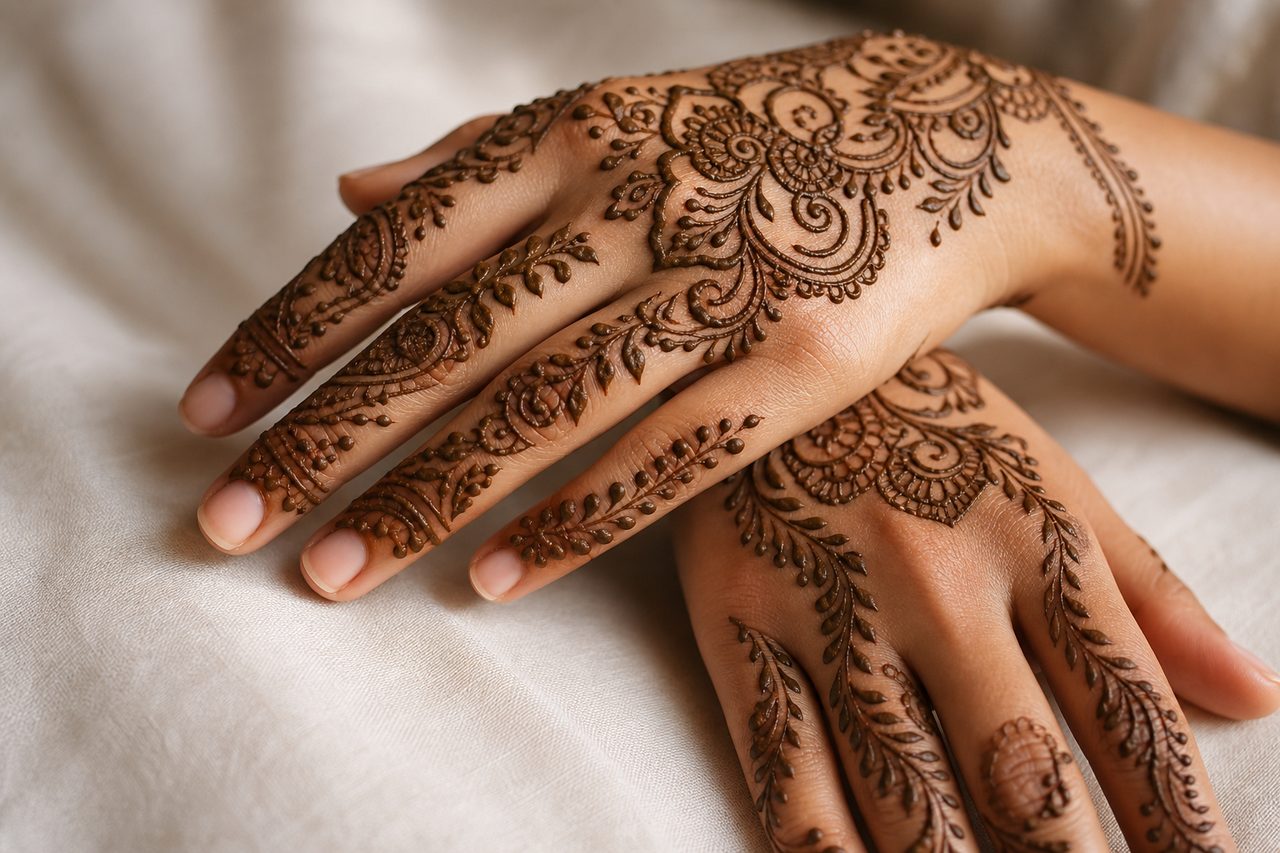
A “henna safe” tattoo refers to permanent ink designs that mimic the look of traditional henna body art, flowing floral patterns, paisley motifs, and mandala-like geometry, while avoiding the actual plant-based paste. The meaning centers on blessing, protection, and celebration, drawn from centuries of South Asian, North African, and Middle Eastern practice where henna application marks weddings, festivals, and significant life transitions.
Who Chooses This Tattoo
People drawn to henna-style permanent work usually fall into a few clear categories, and understanding the motivation helps clarify what the design actually signifies for the individual.
Cultural Connection vs. Aesthetic Appreciation
Some wearers have direct heritage ties to henna traditions, Indian, Pakistani, Moroccan, Yemeni, or Somali backgrounds, among others, and want a permanent marker of identity that won’t fade in two weeks. Others simply love the visual language: the dense, organic linework, the negative space, the way designs wrap around fingers or flow down forearms like lace. Both approaches are valid, though they carry different weight. Cultural adopters often incorporate specific regional motifs their grandmothers might recognize; aesthetic-focused clients tend toward stylized, hybrid designs that blend henna geometry with dotwork or fine-line tattooing techniques.
Commemorative and Protective Intent
Brides who had henna applied for their wedding sometimes return years later wanting those same patterns preserved after the paste has long washed away. The tattoo becomes a fixed memory object. Others seek the “evil eye” motifs common in henna, geometric eyes, hamsa hands, or specific knot patterns historically believed to deflect harm. In permanent form, these protective symbols function as daily, visible talismans rather than temporary ceremonial applications.
Symbolism & Core Meaning
The visual vocabulary of henna carries layered significance that transfers imperfectly but meaningfully into permanent ink.
Flowers, Vines, and Fertility
Intricate floral scrollwork dominates most henna design, and in traditional contexts, these blooms represent joy, abundance, and new beginnings. The vine structure itself, continuous, unbroken, winding, suggests connection and endurance. In permanent tattoo form, this translates to commitments: marriages, births, recoveries, or personal growth phases. The specific flower matters less than the overall density and flow; a design heavy with lotus-like petals reads differently than one built from rose-derived shapes, though most Western tattoo adaptations blend freely.
The Empty Space
Unlike many Western tattoo styles that fill solid, henna tradition relies heavily on negative space, skin showing through creates the pattern’s rhythm. This isn’t merely aesthetic. The gaps represent breath, pause, and the incomplete nature of mortal life. Permanent henna-style tattoos that preserve this quality (thin lines, scattered dots, deliberate skin breaks) honor that philosophical underpinning. Heavy black fills that obliterate negative space shift the piece toward a different visual tradition entirely, closer to Polynesian or ornamental blackwork than to henna’s specific character.
Similar & Related Symbols
Several adjacent design languages overlap with henna-style work, and distinguishing them clarifies what you’re actually asking for.
- Mehndi: The specific Indian/Pakistani practice; technically the same plant paste as “henna,” but the term signals regional style, finer lines, more paisley, finger-to-wrist coverage.
- Arabic henna: Generally bolder, more floral and less geometric, with larger negative spaces and less dense fingertip coverage.
- North African henna: Often incorporates Berber and Amazigh motifs, triangles, diamond grids, animal shapes less common in South Asian work.
- Mandala tattoos: Share the radial symmetry and spiritual mapping function, but derive from Buddhist/Hindu diagram traditions rather than henna’s applied-body-art lineage.
- Ornamental/dotwork: Contemporary tattoo styles that may borrow henna’s visual density but lack the cultural referent; purely aesthetic, no traditional symbolic loading.
Many quality pieces blend these categories. The key is knowing which tradition you’re pulling from and whether the symbolism matters to you or just the look.
Religious & Spiritual Angles
Henna’s spiritual dimensions are often overstated in Western tattoo contexts, but they’re not negligible.
Islamic Contexts
Prophet Muhammad is often linked to henna use in hadith, and the practice remains common in Muslim wedding and Eid celebrations across many cultures. However, permanent tattooing itself is considered haram by many Islamic scholars, the body is a trust from God, not to be permanently altered. A Muslim seeking henna-style permanent ink faces genuine theological tension that temporary henna avoids entirely. Some progressive interpreters distinguish between decorative modification and harmful alteration, but this remains contested. Non-Muslims adopting these designs should understand the religious landscape they’re walking through, not to be deterred necessarily, but to be informed.
Hindu and Jain Ceremonial Use
In South Asian Hindu contexts, henna application often accompanies Karva Chauth (a wives’ fasting festival), Teej, and weddings, with specific designs carrying auspicious meaning. The red-brown stain itself is considered lucky. Permanent versions remove the temporality that mirrors life’s impermanence in Hindu philosophy, arguably a meaningful shift, though practitioners themselves rarely frame it as problematic. For diaspora Hindus, the permanent tattoo can function as a fixed anchor in traditions that otherwise feel increasingly distant.
Best Placements
Henna-style tattoos work best where traditional henna actually goes, for both practical and symbolic reasons.
- Hands and fingers: The most authentic placement, but also the most challenging for longevity. Finger tattoos fade fastest due to constant use, regeneration, and sun exposure. Fine henna-style lines blur within 2-5 years on most people. Some artists refuse finger work for this reason; others specialize in it with realistic expectations set.
- Forearms and wrists: Excellent compromise. Visible, culturally resonant, and stable enough for fine detail to hold. Inner wrist faces more friction from desk work; outer forearm ages cleaner.
- Feet and ankles: Traditional for bridal henna, but tattooing here hurts more (bone proximity, thin skin) and fades faster from shoe friction and moisture.
- Upper back/shoulder blades: Allows large, flowing compositions with traditional density. Lower back pieces work but carry 2000s-era cultural baggage some wearers want to avoid.
- Behind the ear/side of neck: Small, delicate henna-inspired pieces work here, though the curve makes geometric precision harder.
Placement choice should factor in your actual daily life: keyboard use, sports, childcare, professional dress codes. A palm piece looks stunning in photos and requires constant touch-up.
Color vs Black and Grey
Traditional henna stains reddish-brown; jagua (a South American fruit paste sometimes marketed as “black henna”) stains blue-black. Permanent tattoos can approximate either, with important differences.
Black and Grey Realism
Most henna-style tattoos use black ink with grey wash shading to mimic the depth variation of a fresh stain. This ages most predictably, black holds, grey settles into a softer tone. The contrast between dense black and skin tone replicates henna’s natural look better than color attempts. Over decades, black lines spread slightly (called “blowout”), which actually can enhance the organic, slightly blurred quality of authentic henna, though excessive blowout ruins precision.
Actual Brown and Red Inks
Brown inks exist and can approximate henna’s natural color more literally, but they fade faster and sometimes shift unpredictably, reds can go pink or orange, browns can grey out. White ink highlights, sometimes added for “fresh henna” contrast, almost always yellow or disappear entirely. The safest approach for longevity is black and grey with the understanding that it reads as “henna-inspired” rather than “henna-colored.”
The “Black Henna” Warning
Actual black henna paste often contains paraphenylenediamine (PPD), a hair dye chemical that causes severe allergic reactions and permanent scarring. This is unrelated to permanent tattooing but worth knowing: if you’ve had a “black henna” temporary tattoo abroad and reacted badly, mention it to your tattoo artist. PPD sensitization can increase reaction risk to some tattoo inks, though this is rare.
Before You Decide
A few practical considerations specific to this style. First, find an artist who actually understands the difference between generic ornamental work and henna-specific visual language, ask to see healed photos, not just fresh work. The fine lines that look crisp on day one often blur; you want proof they hold. Second, consider the cultural weight if you’re not from a henna tradition. Appreciation and appropriation sit close here; learning the history, crediting sources, and avoiding sacred-specific motifs (certain religious symbols, tribal identifiers) demonstrates respect without requiring abstinence. Third, commit to the maintenance: sun protection is non-negotiable for fine-line work, and touch-ups every few years are likely, especially on hands. The meaning you carry is partially the meaning you bring, but the design itself carries centuries of accumulated significance, understanding that inheritance makes for a better, more intentional tattoo.
Frequently Asked Questions
Does a permanent henna tattoo have the same meaning as temporary henna?
The core symbolism, blessing, protection, celebration, transfers, but temporality itself matters in many traditions. Permanent ink removes the cycle of application and fading that mirrors life’s impermanence, which some view as a meaningful shift and others as irrelevant.
Can I get a henna-style tattoo if I’m not South Asian or Middle Eastern?
Yes, but with awareness. Avoid sacred or tribal-specific motifs you haven’t researched, credit the tradition in your thinking, and choose an artist who understands the visual language rather than just copying Pinterest images without context.
Why do finger henna tattoos fade so fast?
Finger skin regenerates rapidly, tattoos here experience constant friction and sun exposure, and the thin lines typical of henna-style work lack the density that helps larger tattoos age better. Expect significant fading within 2-5 years.
Is “black henna” the same as a black henna-style tattoo?
No. “Black henna” refers to temporary paste often containing dangerous PPD chemical additives. A black henna-style permanent tattoo uses standard tattoo ink and is unrelated to this health risk, though PPD sensitization from past temporary use can rarely affect tattoo reactions.