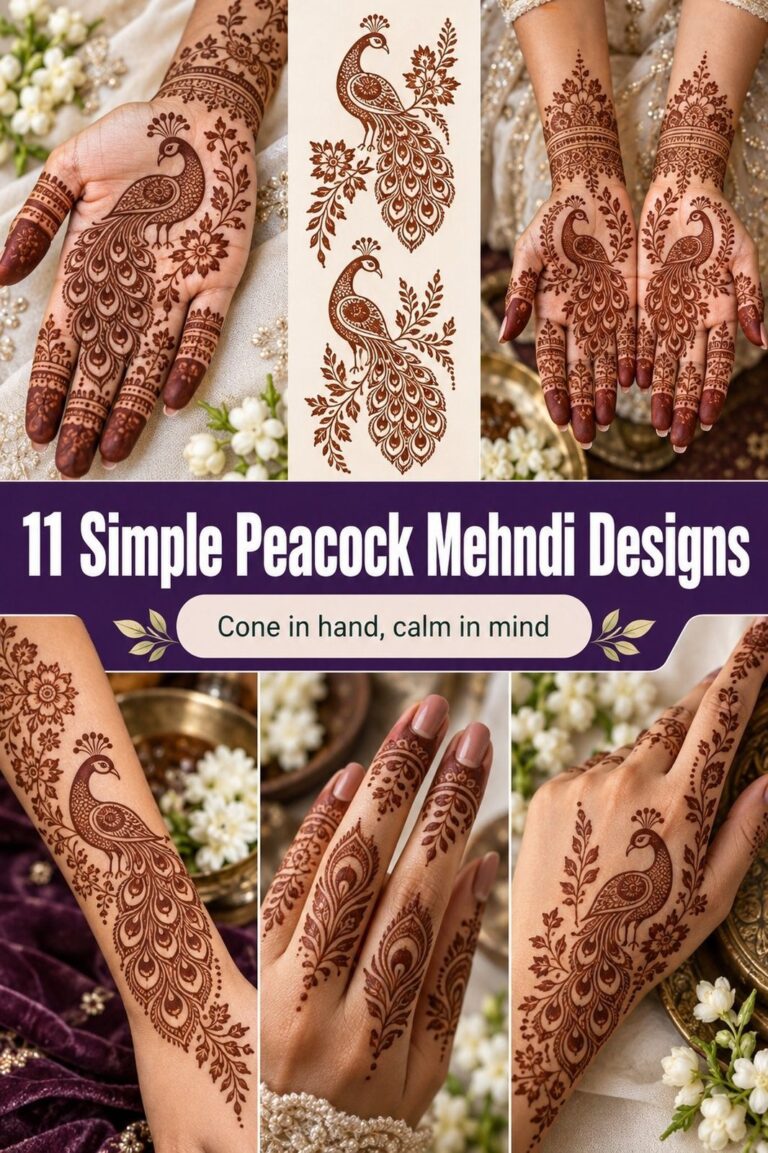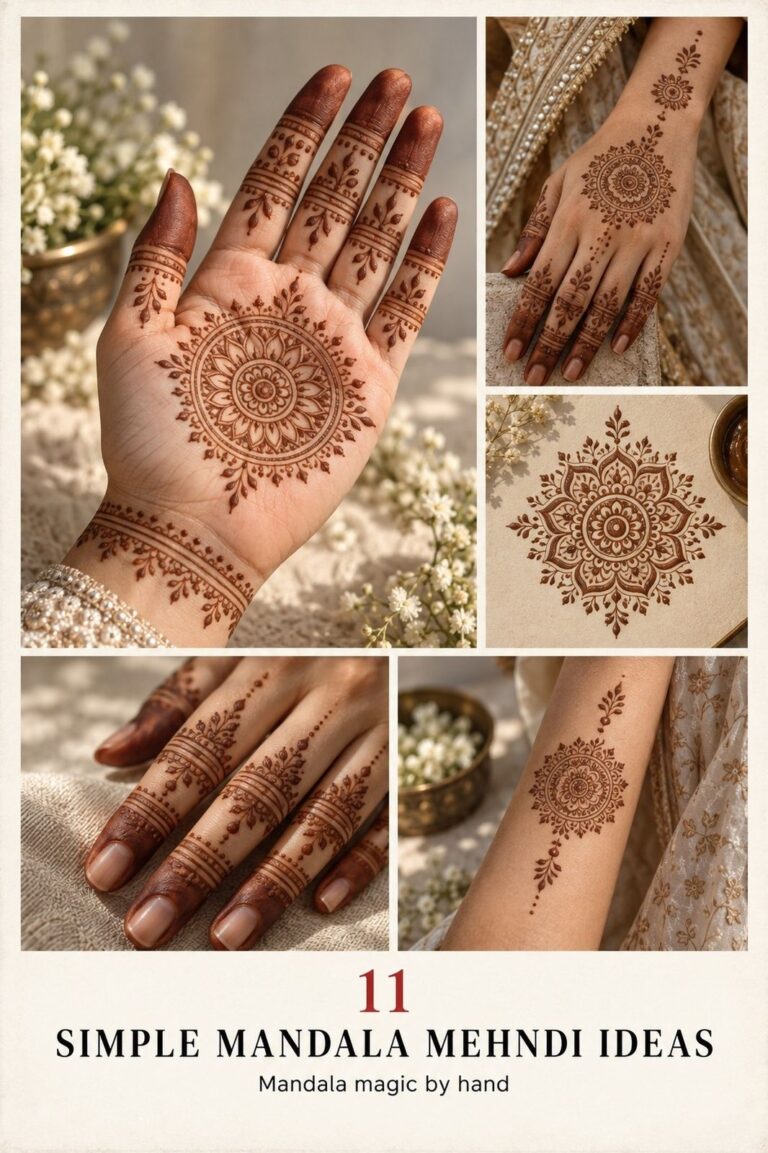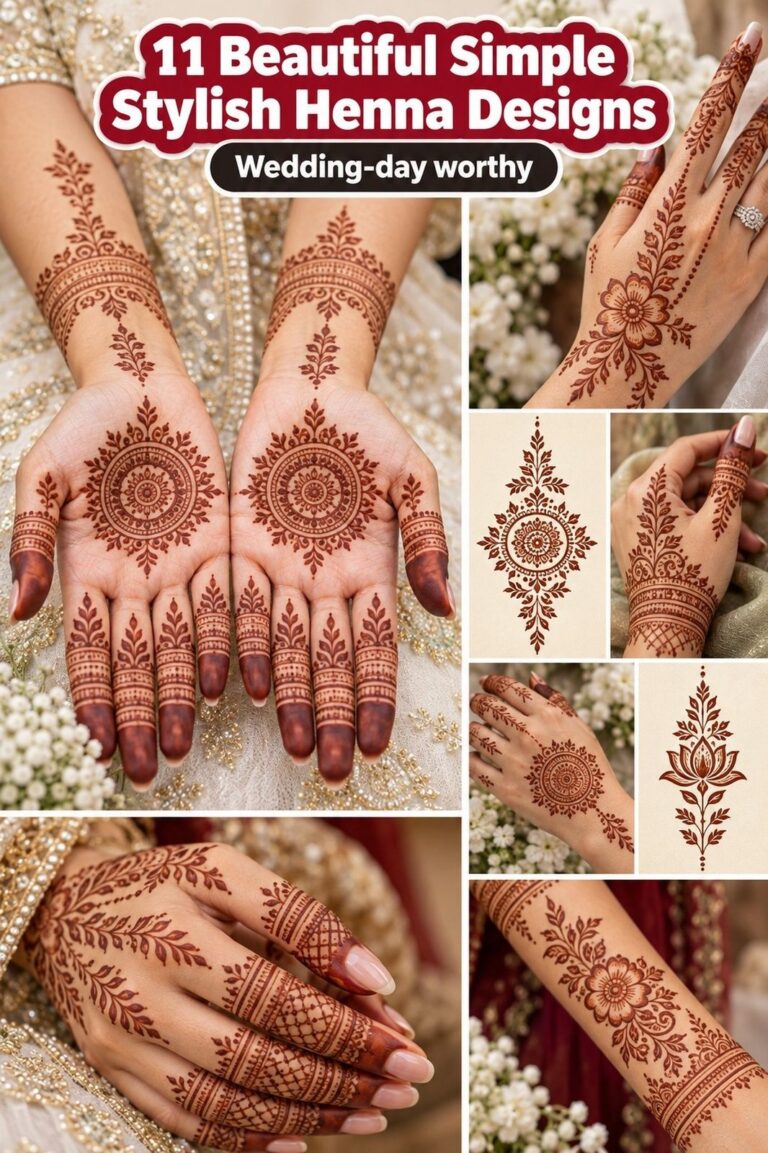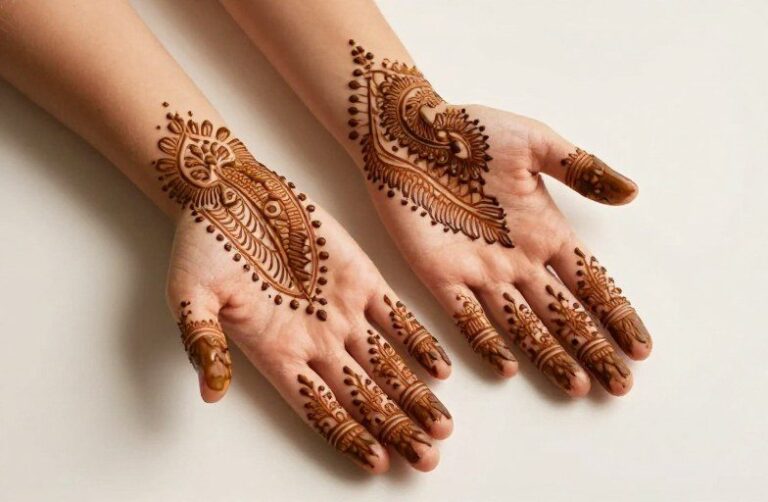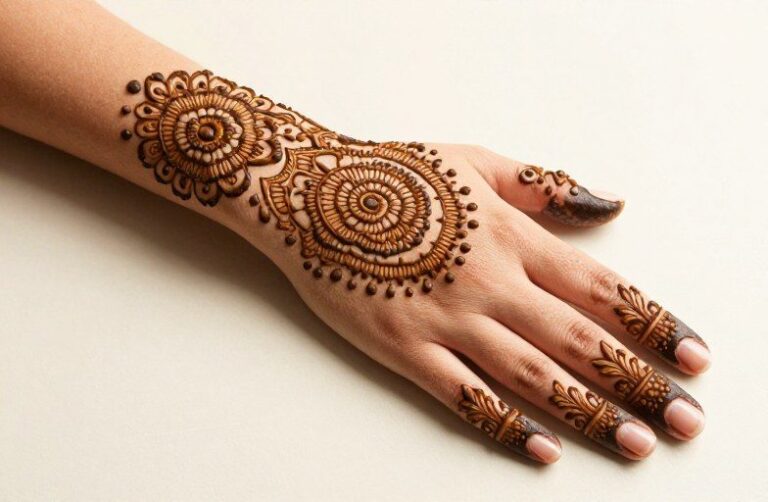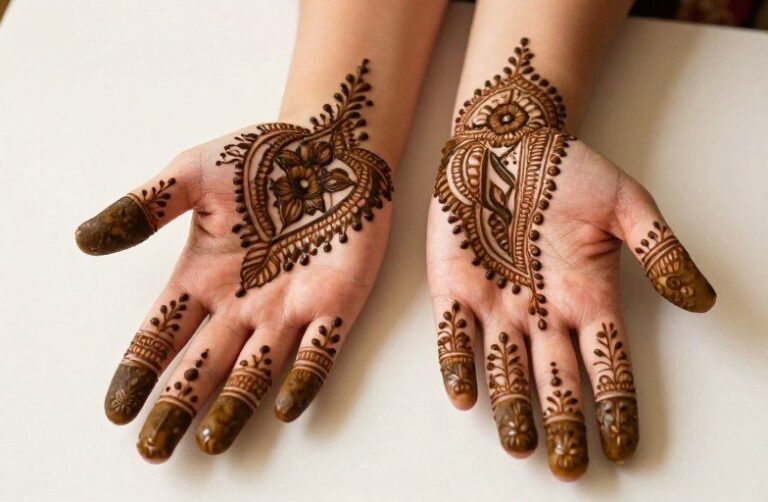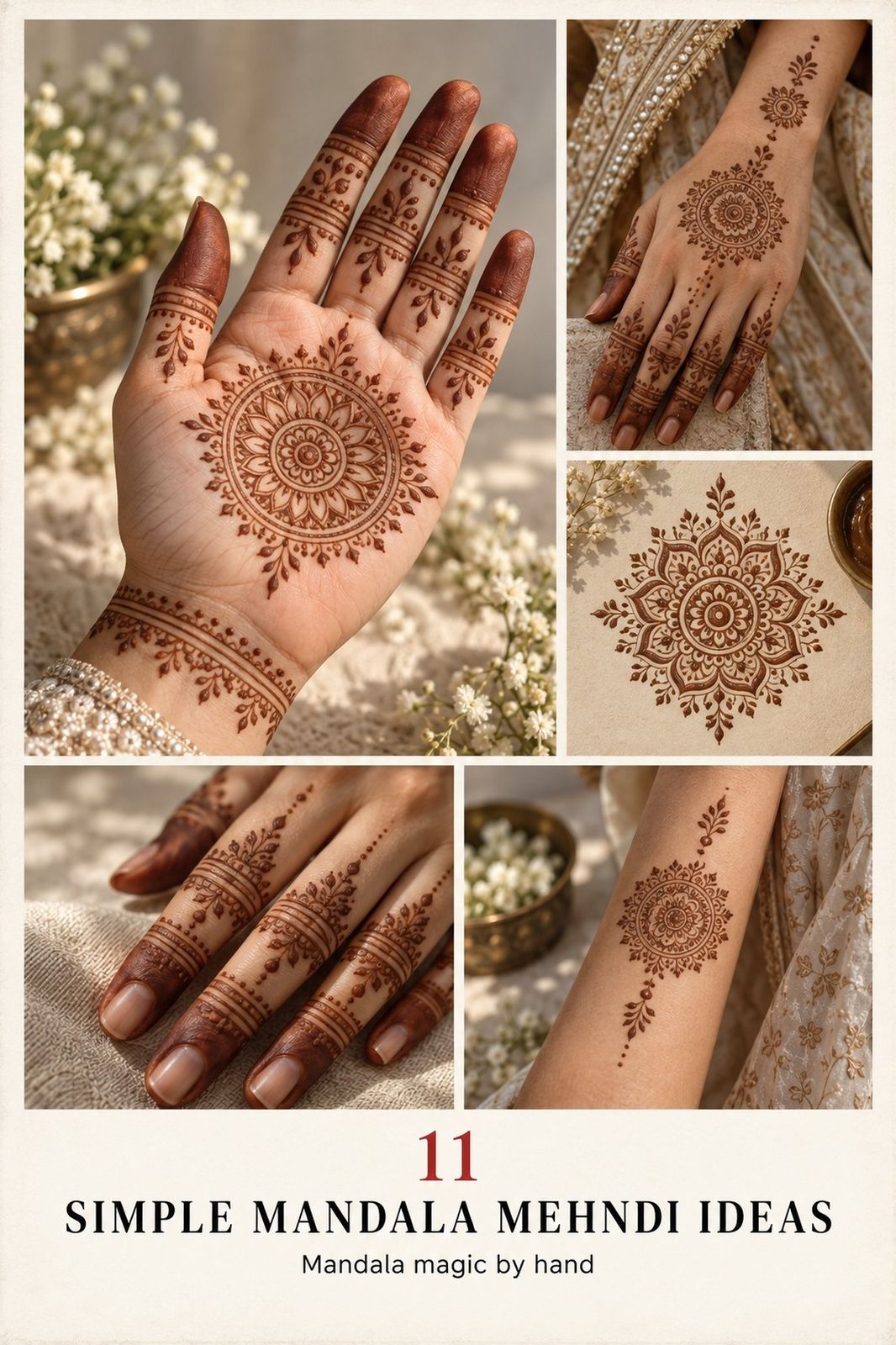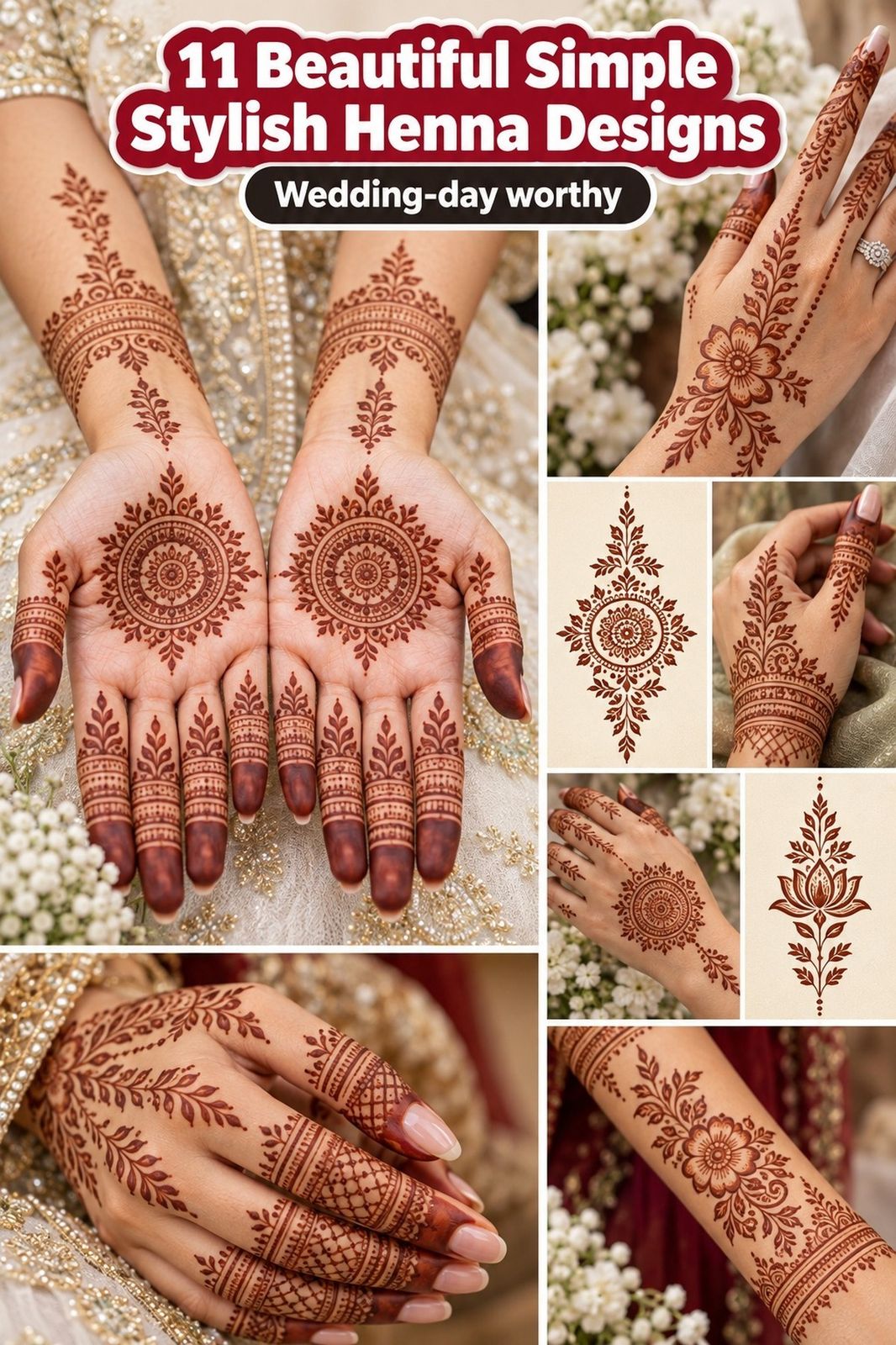
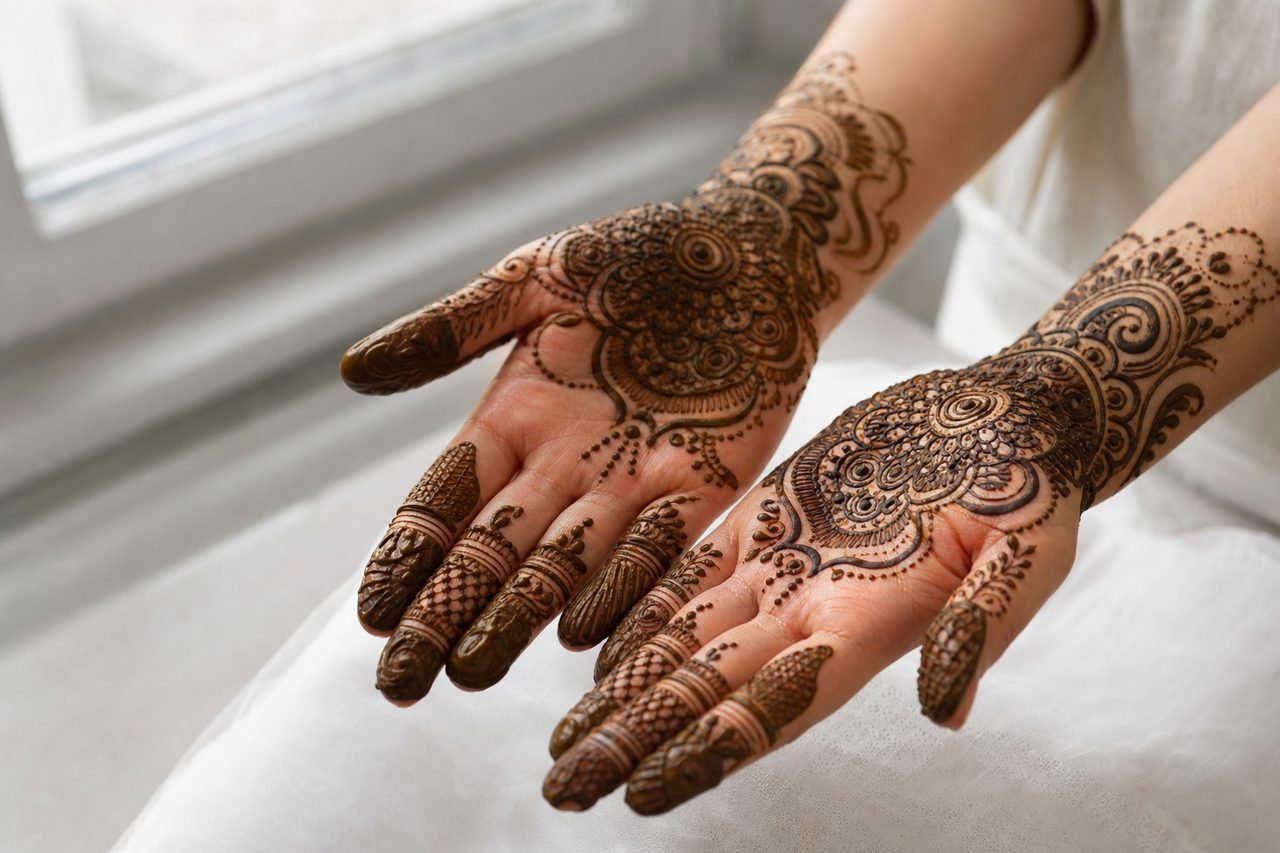
“Where can I buy henna tattoo” searches usually start with a practical need, but the real question underneath is what this temporary art actually means. Henna tattoos carry layered symbolism: celebration and joy in many South Asian and Middle Eastern traditions, protection against misfortune, and the marking of major life transitions. The paste itself, derived from the Lawsonia inermis plant, stains skin in shades of orange-brown to deep mahogany, creating a living image that fades as the moment passes.
Design Tips & Pairings
Working With Natural Chemistry
Fresh henna paste behaves differently than bottled commercial products. Real henna releases lawsone dye gradually, so the artist must balance paste consistency, too thick and lines crack; too thin and color bleeds. Traditional recipes mix lemon juice, sugar, and essential oils like tea tree or cajeput to improve stain depth and paste adhesion. The sugar keeps the paste stuck to skin longer; the acids help dye release. This matters for meaning because a faint, blurry design undermines the protective symbolism many cultures associate with sharp, intentional patterns.
Complementary Elements
Pairing henna with permanent tattoo work requires timing and placement awareness. Fresh henna over a healing tattoo can introduce bacteria, wait until the permanent piece is fully settled. Conversely, henna makes an excellent trial run for permanent designs. The hand and foot patterns that henna traditionally favors also happen to be some of the most painful and visible spots for needle work. Testing a mandala on the back of your hand for two weeks beats committing to something you regret.
- Floral vines and paisleys frame wrist and finger tattoos elegantly
- Geometric henna patterns pair well with dotwork permanent pieces
- Avoid mixing henna with “black henna” (PPD-laden chemical pastes), these can scar and complicate future tattooing
History & Cultural Roots
Geographic Spread
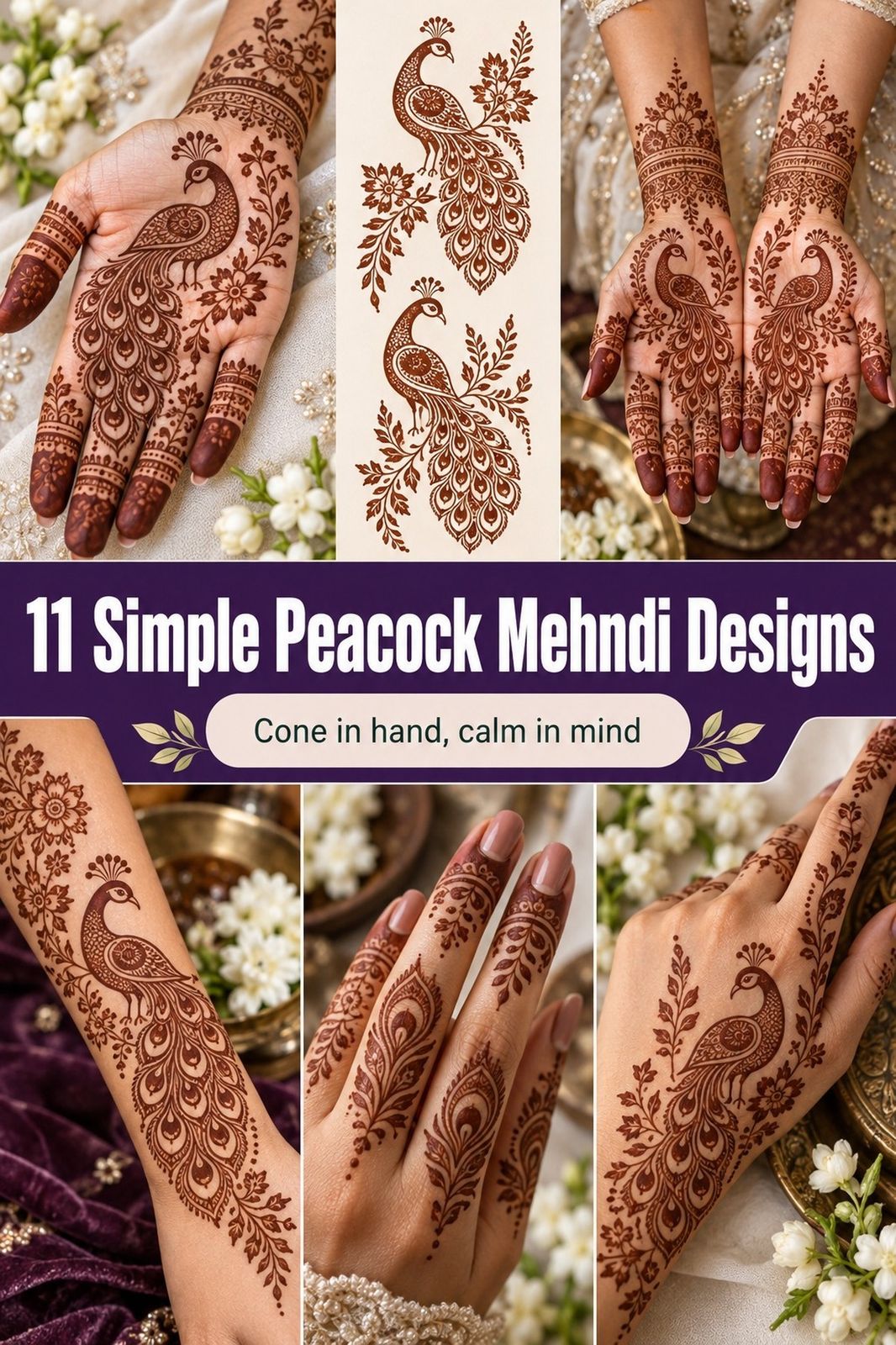
Henna’s use spans from North Africa through the Middle East to South Asia, with each region developing distinctive pattern vocabularies. Indian mehndi favors dense, all-over coverage with paisleys and peacocks. Arabic styles emphasize bold, flowing floral lines with more negative space. North African henna often incorporates geometric Berber motifs. The “where can I buy henna tattoo” phenomenon in Western countries is relatively recent, tied to diaspora communities and festival culture since the late 20th century.
Ritual Occasions
Weddings remain the most prominent context. In many South Asian traditions, the mehndi ceremony precedes the wedding by days, with intricate bridal designs sometimes including the groom’s initials hidden within patterns. The depth of color is often interpreted as a sign of marital blessing, though this is folk belief, not guaranteed chemistry. Postpartum ceremonies, Eid celebrations, and coming-of-age rituals also employ henna as a marker of communal participation.
Mythology & Folklore
Stories about henna’s origins often link it to cooling properties discovered in hot climates. One frequently repeated narrative traces the practice to ancient Egypt, where henna was used to cool the body and gradually became decorative. Some Islamic traditions associate henna with the Prophet Muhammad, who reportedly dyed his beard and recommended the practice. In Hindu contexts, henna is sometimes linked to the goddess Lakshmi and symbols of prosperity.
Protective Functions
Across multiple cultures, henna applied to specific body parts was believed to ward off the evil eye. The palms and soles, where stain takes darkest, received particular attention. Baraka, spiritual blessing, was thought to concentrate in the dye. Whether or not you subscribe to these beliefs, the psychological effect of ritual marking before major life events remains significant. The act of sitting still for hours while someone applies intricate patterns creates a meditative threshold state.
How It Ages on Skin
The Stain Timeline
Understanding henna’s aging process helps set realistic expectations. Fresh paste dries in 15-30 minutes, but the dye continues developing for 24-72 hours. The initial orange stain darkens to reddish-brown or near-black on palms and soles, where skin is thickest. On arms, backs, or legs, expect lighter caramel tones. Water exposure, friction, and natural exfoliation fade the design unevenly, palm-side fingers often go first, with the central design lingering longer.
Factors That Extend or Shorten Wear
- Leaving paste on 6-8 hours (or overnight) deepens initial stain
- Avoiding water for the first 24 hours helps color set
- Oil-based aftercare (coconut, olive) protects against premature fading
- Hands and feet stain darkest but fade fastest due to constant use
- Upper back or shoulder designs last longest with minimal friction
“Black henna” containing paraphenylenediamine (PPD) is a separate, dangerous category. It can cause chemical burns, permanent scarring, and lifelong sensitization. Real henna never stains black immediately, only dark brown after oxidization. If someone offers instant black results, walk away.
Best Placements
Traditional Zones
Palms and backs of hands, feet and ankles, and the forearms carry centuries of precedent. These areas stain well and display clearly. Bridal mehndi often extends to the elbows or knees, creating glove-like and stocking-like coverage. The visibility of these placements aligns with henna’s social function: it’s meant to be seen, admired, and discussed.
Modern Adaptations
Behind the ear, along the collarbone, or circling the upper arm (as a temporary armband) have gained traction in Western contexts. These spots work for professional settings where full hand coverage might draw unwanted attention. However, thinner skin in these areas yields lighter, shorter-lasting stains. The nape of the neck can produce elegant results but requires sleeping carefully to avoid smearing fresh paste.
Common Variations & Styles
White henna has exploded in popularity, particularly for weddings and photography. It contains no actual henna, typically cosmetic adhesive, body paint, or a mix of both. It sits on top of skin rather than staining it, lasting hours to a few days. The visual effect is striking but the symbolism differs: no traditional protective or celebratory associations attach to white versions.
Glitter and Embellished Styles
Adding glitter or gems to drying henna paste is common in festival and party contexts. These don’t affect the stain itself but create immediate visual impact. For traditional ceremonies, purists often skip embellishments, letting the pattern speak. The choice depends on context, photography favors sparkle; ritual favors simplicity.
Jagua as Alternative
Jagua gel, derived from a South American fruit, produces blue-black stains closer to permanent tattoo appearance. It works through similar skin-staining principles but belongs to entirely different botanical and cultural traditions. Marketed as “henna” in some contexts, it’s a distinct product with its own safety considerations and no shared historical symbolism.
What to Remember
Henna occupies a unique space between makeup, ritual, and tattoo art. Its temporary nature is the point, not a limitation, marking moments that pass, celebrations that end, seasons that change. If you’re searching “where can i buy henna tattoo,” prioritize paste quality over convenience. Fresh-mixed, natural henna from reputable artists or suppliers outperforms pre-made cones with uncertain ingredients. Ask about dye release time, ingredient lists, and whether the artist mixes their own paste.
The meaning of your henna design lives in its context: who applies it, the occasion it marks, the tradition it connects to. A geometric wrist cuff from a festival vendor carries different weight than bridal mehndi applied by a family member over hours of conversation. Both are valid, but they’re not interchangeable. Know what you’re participating in, respect the cultural frameworks that shaped this art, and enjoy the particular pleasure of a beautiful thing that will not last.
Frequently Asked Questions
How long does a natural henna tattoo typically last?
Natural henna lasts 1-3 weeks depending on placement, skin type, and aftercare. Palm and foot designs fade fastest due to constant friction and washing, while upper back or shoulder pieces often linger closer to three weeks.
Can I get a permanent tattoo over a henna stain?
Wait until the henna has completely faded and your skin has returned to normal color before tattooing. The dye can interfere with how the artist reads your skin tone for pigment selection, and residual botanical matter poses minor infection risks.
Why does my henna look orange instead of dark brown?
The orange stage is normal initially, lawsone dye oxidizes and darkens over 24-72 hours. If it stays pale, the paste may have been old, poorly mixed, or removed too soon. Deep staining requires adequate dye release time and keeping the paste on for several hours.
What’s the difference between henna and jagua tattoos?
Henna comes from the Lawsonia inermis plant and stains reddish-brown. Jagua is derived from Genipa americana fruit and stains blue-black. They originate from different continents, use different cultural traditions, and jagua has no historical connection to South Asian or Middle Eastern ceremonial practices.