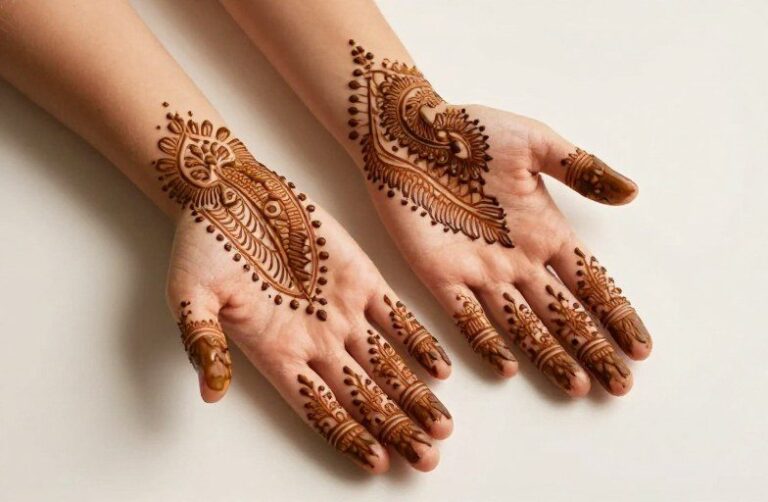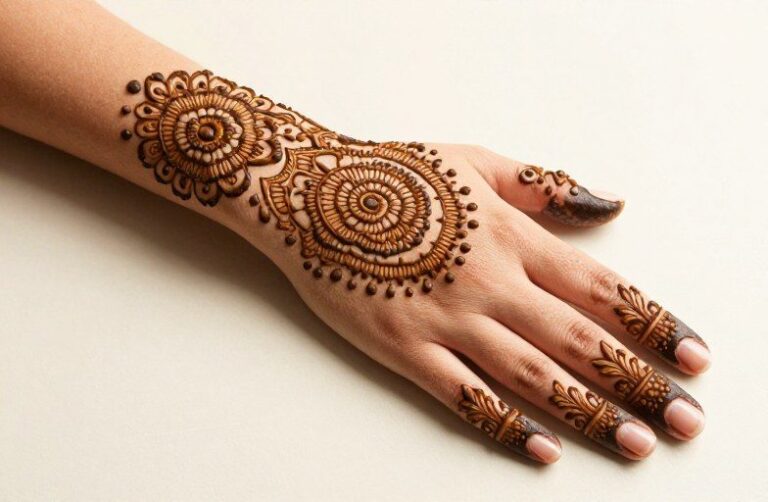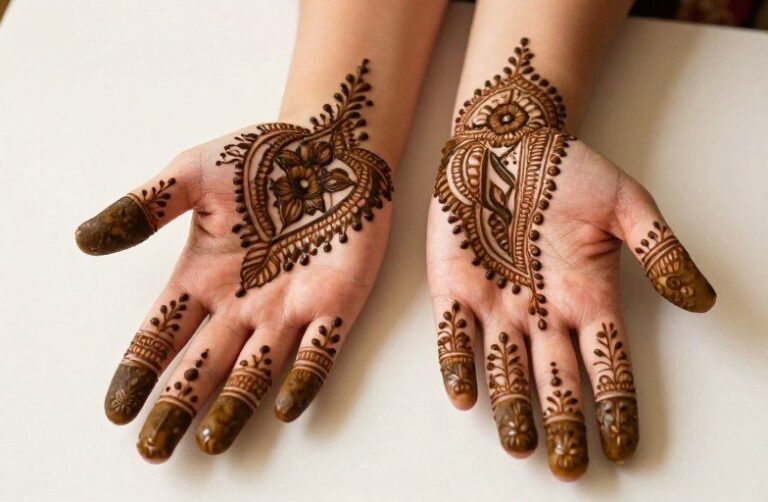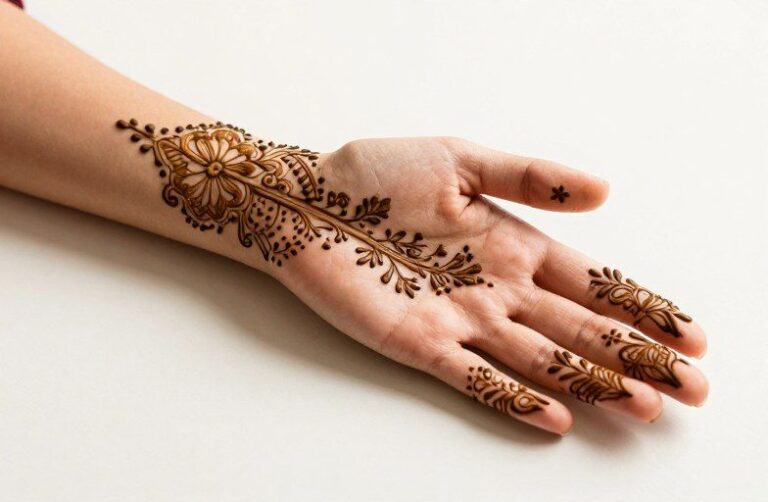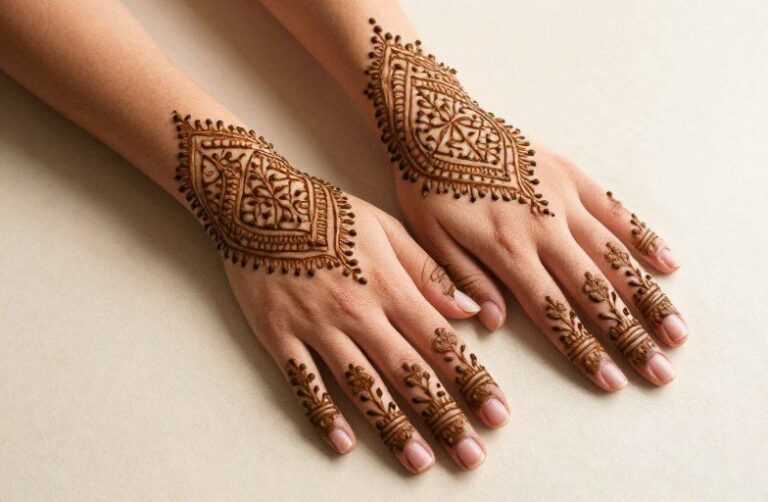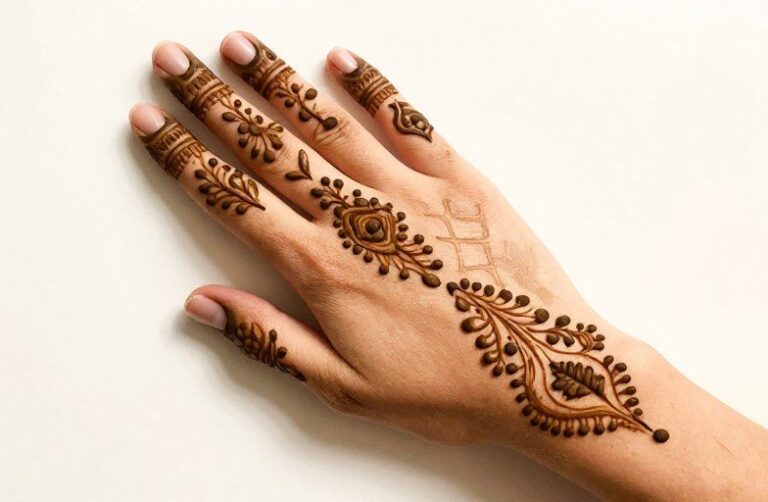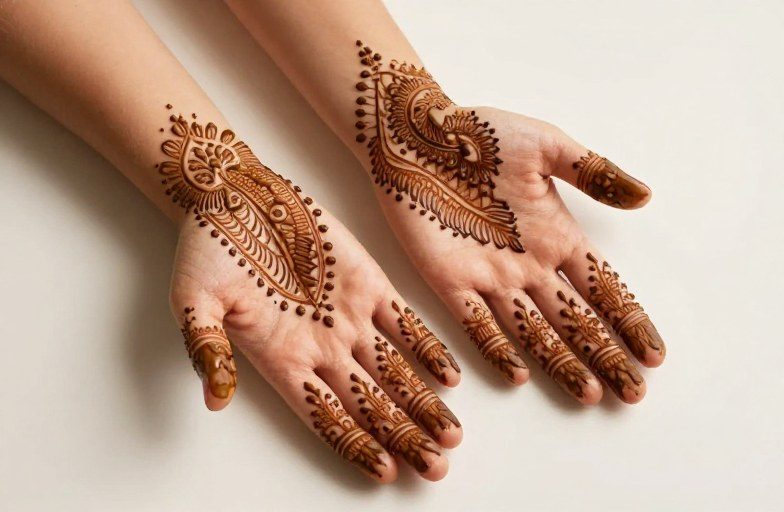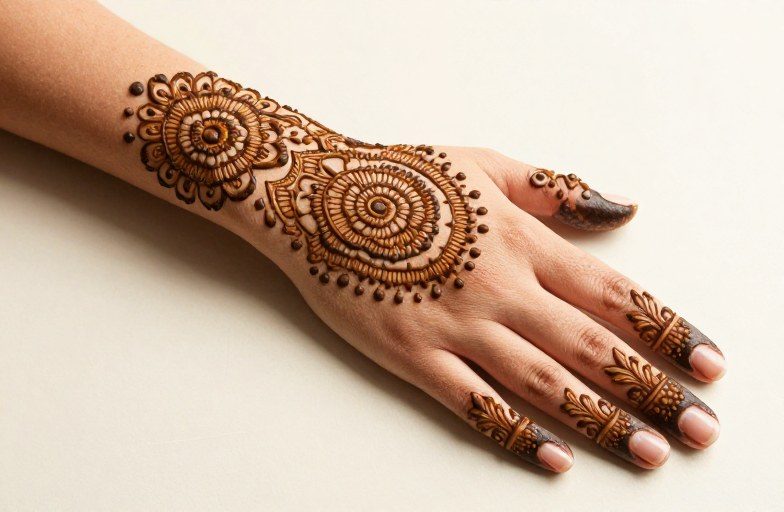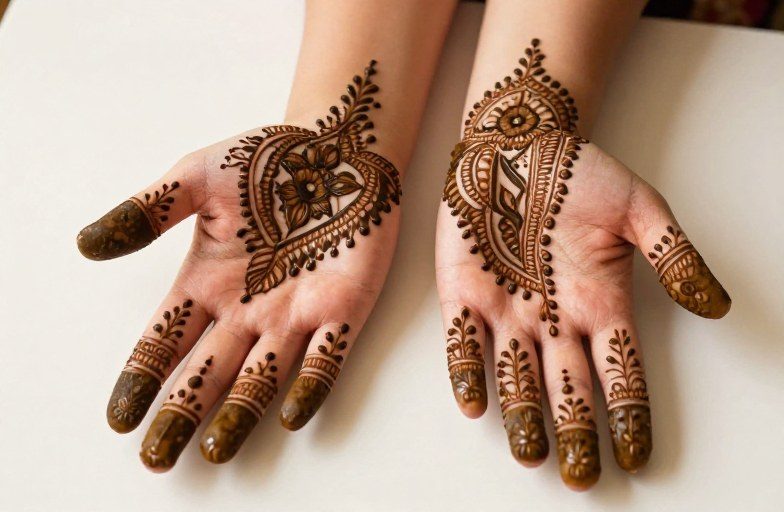
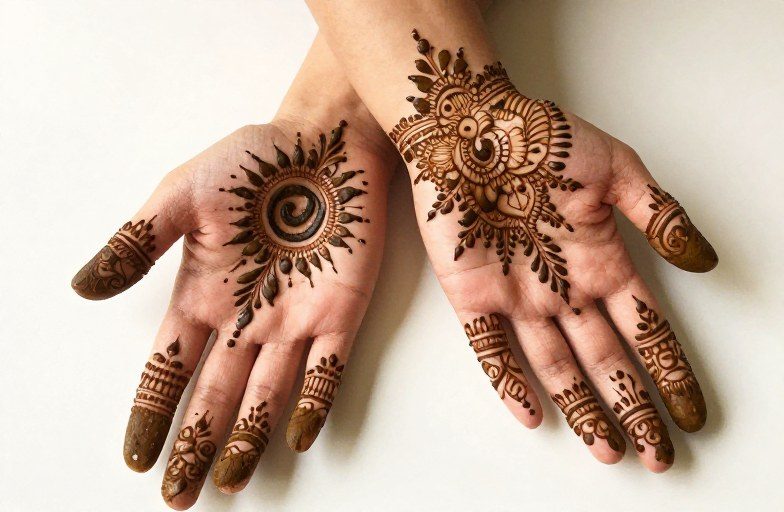
The henna sun tattoo merges two visual traditions: the flowing, organic patterns of henna body art and the universal solar symbol. In permanent ink, it typically represents vitality, cyclical renewal, and protective energy. Many choose this design to honor heritage, mark personal transformation, or capture the sun’s life-giving force through a decorative, culturally resonant lens.
What the Design Carries
Solar imagery threaded through henna-like patterns holds layered significance across multiple belief systems. The sun itself is rarely a simple symbol; it governs time, agriculture, and cosmic order in nearly every ancient culture.
Feminine Solar Traditions
In several South Asian and Middle Eastern contexts, henna application has long accompanied celebrations of female milestones: weddings, births, coming-of-age. The sun motif within these patterns often links to goddesses of light and fertility rather than masculine sky gods. This feminine association persists in tattoo adaptations, where the design frequently marks personal sovereignty or creative power.
Protective and Apotropaic Functions
Henna’s traditional use as a protective application, applied to ward off evil eye or bless thresholds, translates into tattoo form for some. The sun’s rays, rendered in henna’s characteristic paisley and floral infill, become a kind of visual amulet. Unlike purely geometric sun symbols, the henna style softens the image, making the protective intent feel personal rather than institutional.
Color vs Black and Grey
The choice between color and monochrome dramatically changes both appearance and longevity of this design.
Color Realism and Its Limits
True henna stains skin in orange-brown tones that oxidize and darken over days. Tattoo ink cannot replicate this living color shift. Artists attempting “henna color” usually work with warm yellows, oranges, and soft browns. These pigments fade faster than black, especially on high-exposure areas. Yellows and light oranges are notorious for disappearing into skin tones within years, sometimes leaving muddy residue where the sun’s face once glowed. On deeper skin tones, this effect is more pronounced; what reads as warm highlight on fair skin can vanish entirely or heal to an ashy cast.
Practical Pigment Choices
- Black and grey: sharper contrast, better aging, reads clearly from distance
- Color: immediate visual connection to actual henna, requires more frequent touch-ups
- Single-pass brown ink: compromises between tradition and longevity, but risks looking like faded black
Line weight matters enormously here. Henna’s delicate tendrils require needle groupings that hold; single needle work in color often falls out entirely, leaving a blurred suggestion rather than defined pattern.
History and Cultural Roots
Henna as a dye and decorative medium stretches back thousands of years, often linked to cooling properties in hot climates and ceremonial marking across North Africa, the Middle East, and South Asia. The specific combination of henna-style patterning with solar imagery is harder to pin to a single origin. Some trace it to Rajasthani bridal traditions where sun and moon motifs represent the couple’s cosmic balance. Others find parallel expressions in Berber tattooing of North Africa, where geometric suns protected against spiritual harm.
The contemporary tattoo form emerged as diaspora communities and travelers sought to permanentize temporary cultural practices, particularly from the 1990s onward as South Asian tattoo artists gained visibility in Western studios. This history matters because the design walks a line between appreciation and appropriation depending on execution and context. Working with an artist who understands the pattern’s origins, rather than treating it as generic ornament, gives you more respectful and visually coherent results.
Where to Place It
Henna sun tattoos suit locations where actual henna is traditionally applied: hands, feet, forearms, upper back. The design’s radial structure needs flat or gently curved surfaces to read properly.
Hands and Fingers
Finger placement channels henna’s most iconic application but presents serious technical challenges. Palm-side ink rarely holds; the skin exfoliates too rapidly. Dorsal hand tattoos fade unevenly, with knuckles and between-finger webbing blurring first. Artists often recommend scaling the sun larger and simplifying detail for hand placement, or accepting that touch-ups will be frequent.
Upper Back and Shoulder Blades
These areas offer the flat canvas henna-style patterns crave. The sun’s radiating lines can extend across scapular movement without distorting excessively. Upper back placement also protects the tattoo from sun exposure, which is ironic given the subject, but crucial for preventing premature fading of the fine linework that defines this style.
Other Considerations
- Forearm: highly visible, moderate aging, good for medium-sized designs
- Ankle/foot: traditional henna location, but tattoo ink holds poorly on foot soles and sides
- Ribcage: large canvas, painful application, excellent for elaborate solar mandalas
How It Ages on Skin
All tattoos blur and settle, but henna-style suns face particular challenges. The design’s beauty rests in negative space, thin lines separating intricate infill. As skin ages and ink spreads, these gaps close.
Line Spread and Detail Loss
Needle lines placed too close together will merge over a decade or more into solid blocks. A henna sun with realistic petal or paisley density can become an indistinct brown blob. Experienced artists compensate by exaggerating negative space in the original design, accepting that what looks slightly sparse fresh will settle into proper density.
Contrast Degradation
Black ink softens to charcoal grey; color warms or cools unpredictably depending on pigment chemistry. The sun’s “face” or central disc often uses heavier saturation than surrounding rays, creating differential fading that can look like a halo or shadow. Touch-ups every 7-12 years preserve readability, though some people prefer the softened, genuinely henna-like patina of aged work.
Common Variations and Styles
The henna sun hybridizes easily with related visual languages, producing distinct substyles.
Mandala Suns
These replace organic henna curves with stricter geometric radiations, blending Hindu-Buddhist sacred geometry with Islamic-influenced arabesque. They read more formally and suit larger scales.
Floral Suns
The solar disc sits within a larger garden of henna-style blossoms, common in Pakistani and Indian bridal pattern traditions. The sun becomes one element among many, less dominant but more integrated.
Minimalist and Dotwork Interpretations
Minimalist versions reduce the pattern to a simple circle with radiating teardrop lines. Recognizable, but losing the henna-specific texture that distinguishes this from generic sun tattoos. For those wanting the cultural reference without dense patterning, this works; for those seeking the full aesthetic, it disappoints.
Dotwork variations use stippled shading instead of solid black infill, creating a softer, more skin-like texture that ages gracefully but requires longer sessions and specialist skill.
Before You Decide
Research your artist’s portfolio for actual henna-inspired work, not just mandalas or geometric suns. The hand movement, line taper, and organic flow differ significantly from machine-perfect symmetry. Ask how they plan to handle negative space aging. Consider placement carefully; this style demands visibility to honor its origins, but high-wear areas sacrifice longevity.
If cultural connection matters, discuss the design’s significance with your artist rather than treating it as purely decorative. The henna sun tattoo works best when its two traditions, temporary body blessing and permanent skin marking, are both understood and respected.