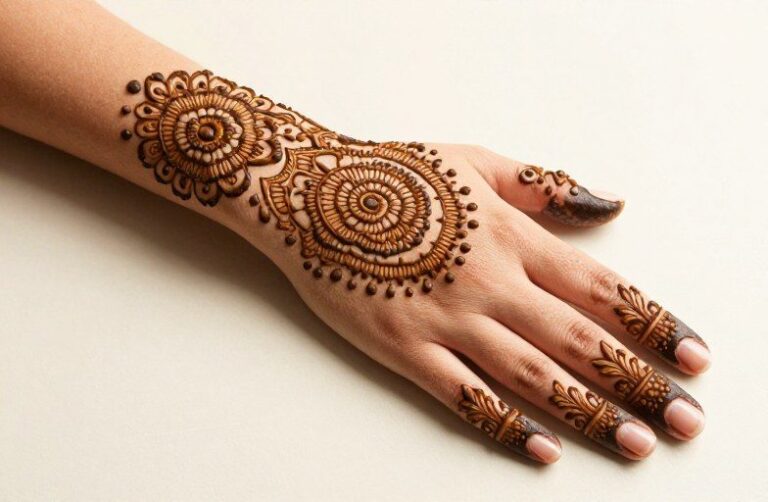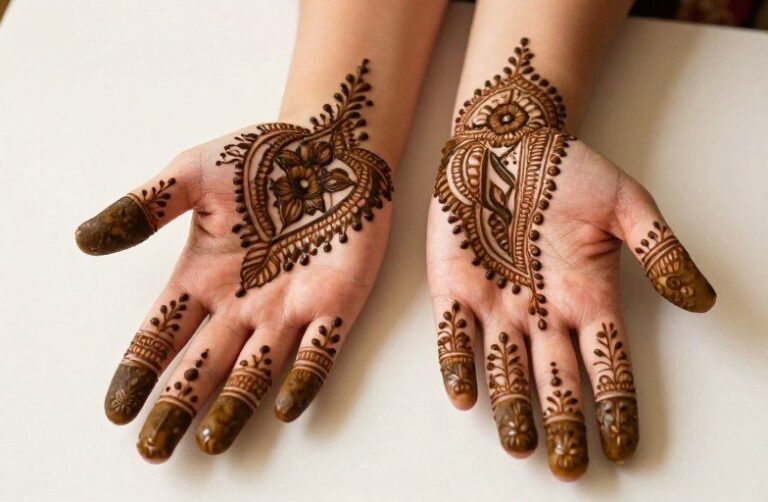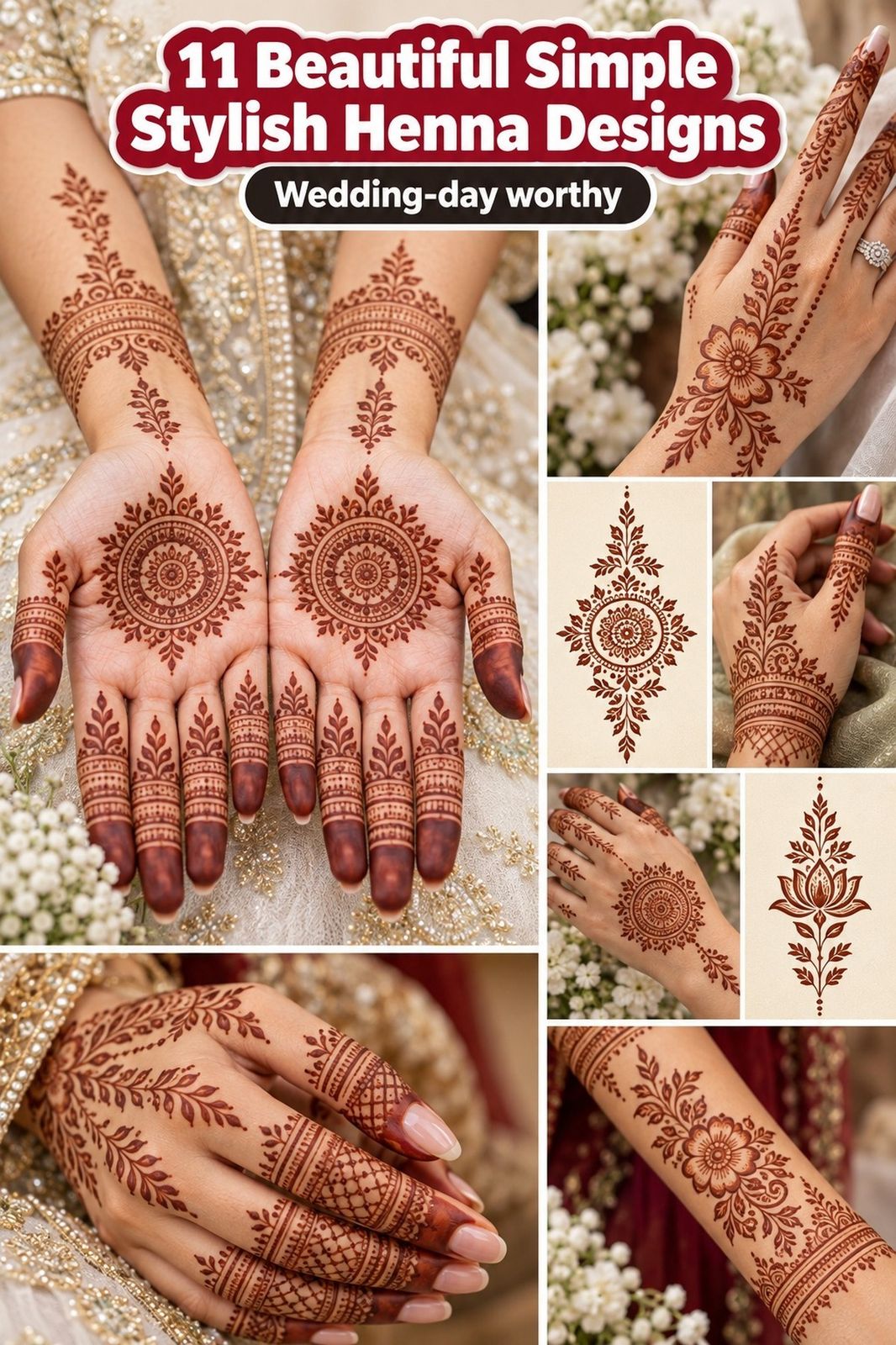
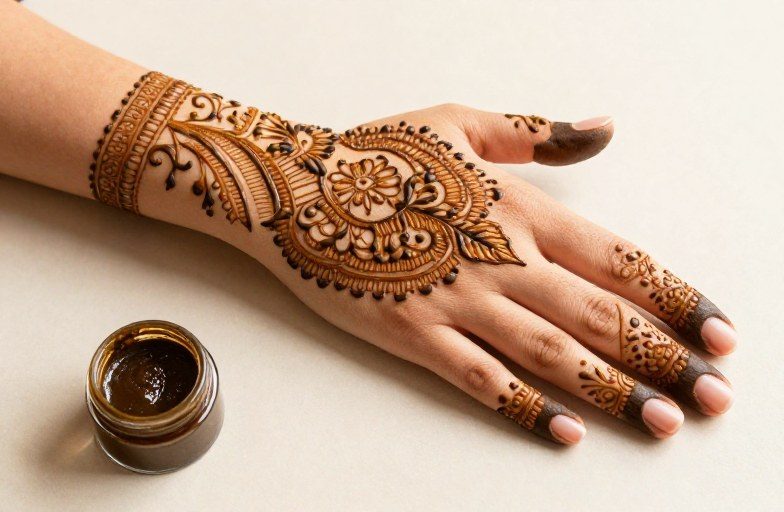
A henna tattoo isn’t actually ink at all, it’s a paste made from the powdered leaves of the Lawsonia inermis plant, sometimes mixed with lemon juice, sugar, and essential oils. What stains the skin is lawsone, a natural dye molecule that bonds with keratin. The meaning behind wearing it spans blessing ceremonies, bridal preparation, and personal adornment, with the temporary nature itself carrying symbolic weight: beauty that fades, moments that pass, change that arrives and departs.
Symbolism & Core Meaning
The central symbolism of henna application revolves around transition and protection. In many traditions, the paste acts as a protective barrier, both literal and spiritual, during liminal moments when a person crosses from one state to another. The darkening stain marks the body as blessed, watched over, set apart from ordinary time.
The Color Journey as Meaning
The paste goes through visible stages: wet and green-brown, cracking and flaking, then revealing an orange stain that deepens to reddish-brown over 48 hours. This progression mirrors how intentions settle, how commitments deepen, how the new normal replaces the raw moment of change. The initial bright orange, sometimes called “henna panic” among first-timers, settles into the mature color that carries the real symbolic weight.
Patterns and Their Specific Weight
Different motifs carry distinct meanings:
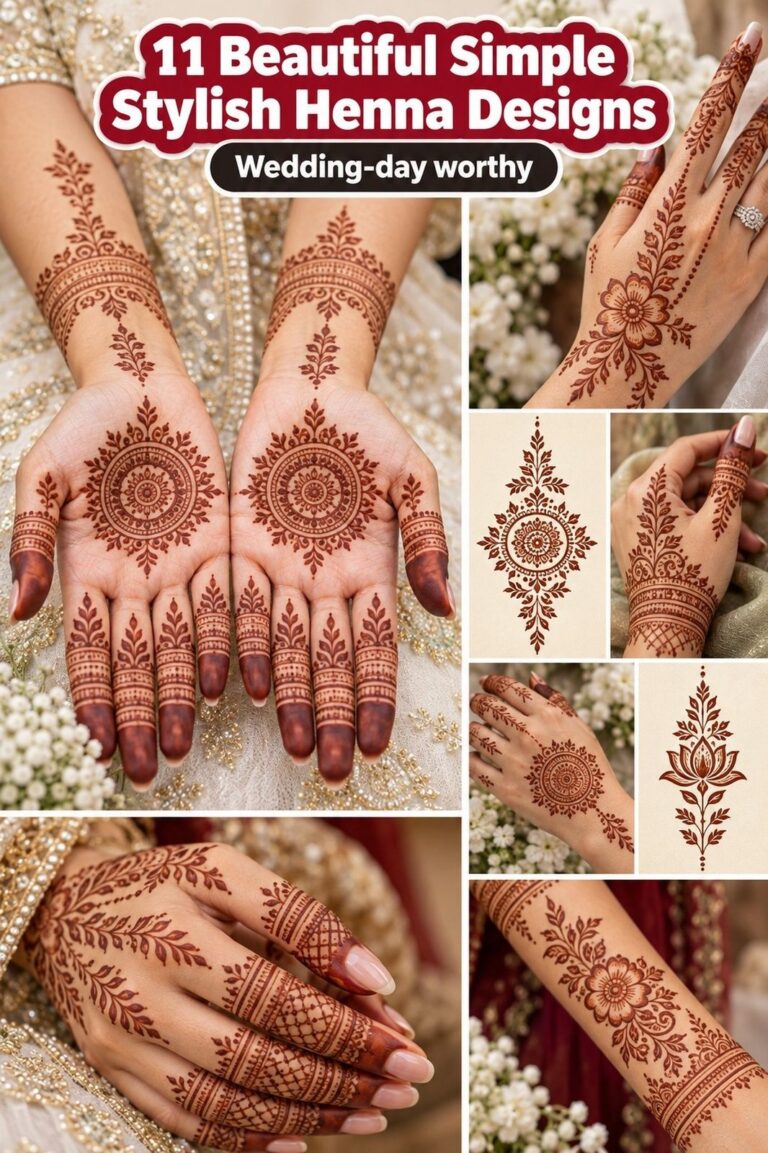
- Flowers and vines: joy, fertility, growth, often used for celebrations
- Eye motifs: protection against the evil eye, common in North African and Middle Eastern traditions
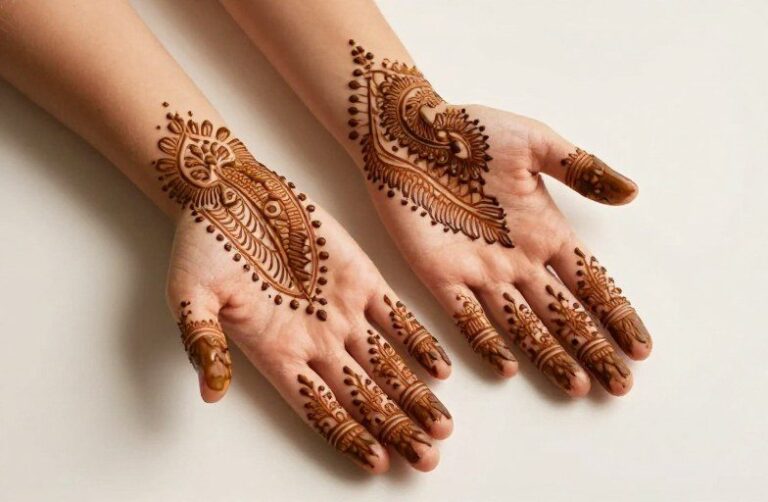
- Paisleys and teardrops: often linked to mango leaves, associated with sweetness and prosperity
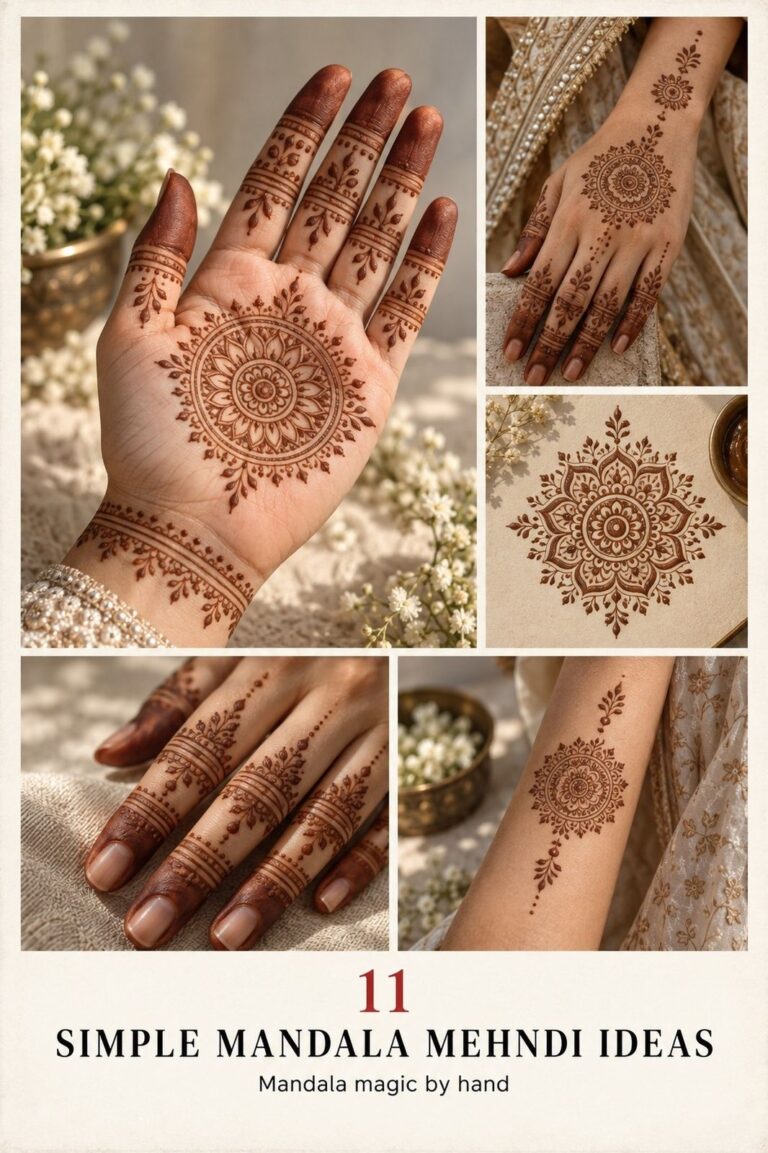
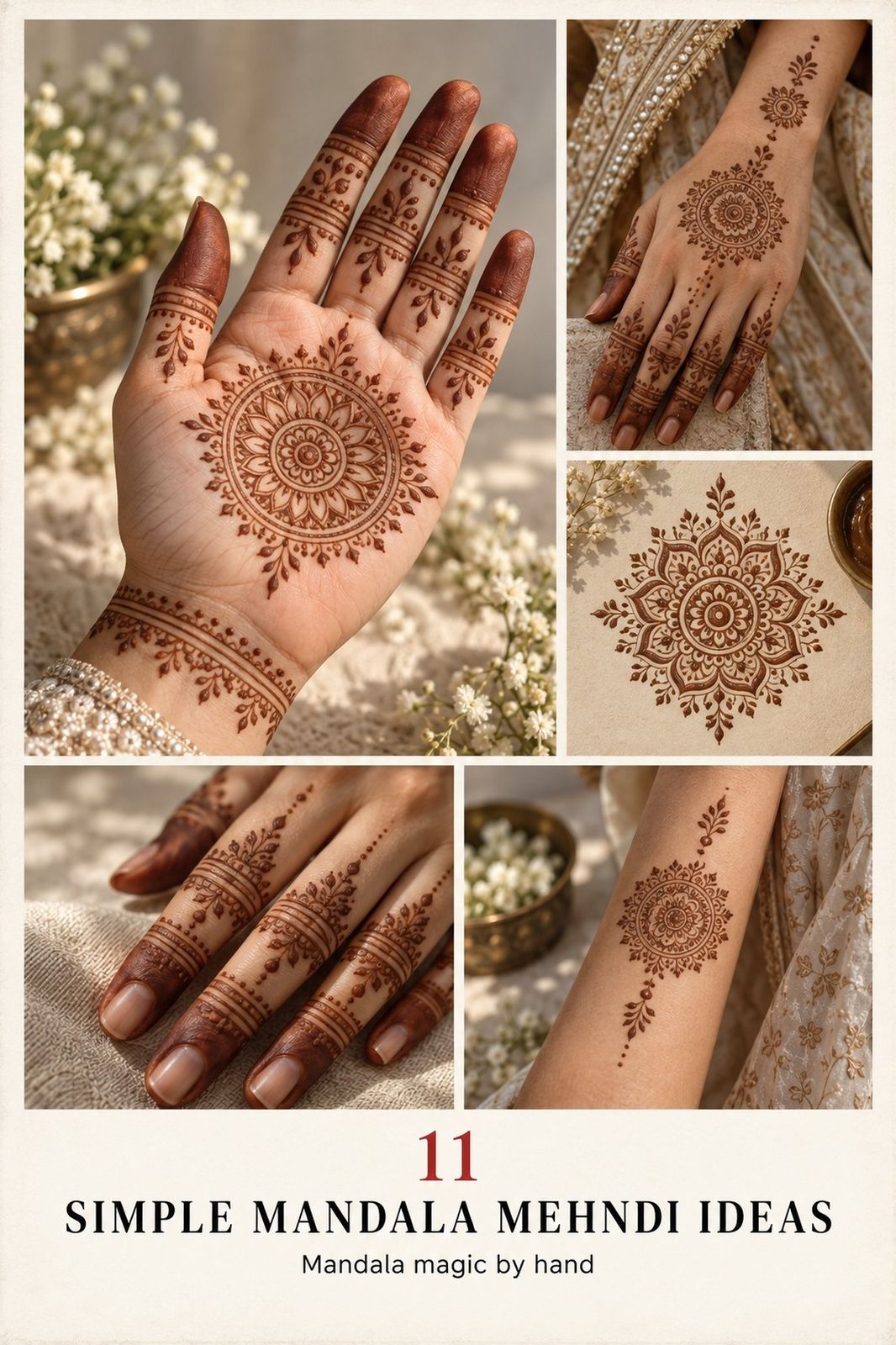
- Geometric bands on hands and feet: blessing and grounding, creating a complete circuit
- Empty space (negative space designs): breath, pause, the unspoken
The density of coverage matters too. Full bridal mehndi covering to the elbows and knees represents the completeness of the blessing; a single small motif on the wrist might mark a personal intention or quiet celebration.
History & Cultural Roots
Henna’s origins are often linked to ancient Egypt, where mummies show henna-dyed hair and fingernails. Some trace it to the Bronze Age Levant, others to the Indian subcontinent where the plant grows wild in arid regions. What remains clear: the practice spread through trade routes and migration, adapting to local symbolism while retaining core associations with cooling, protection, and celebration.
Regional Variations
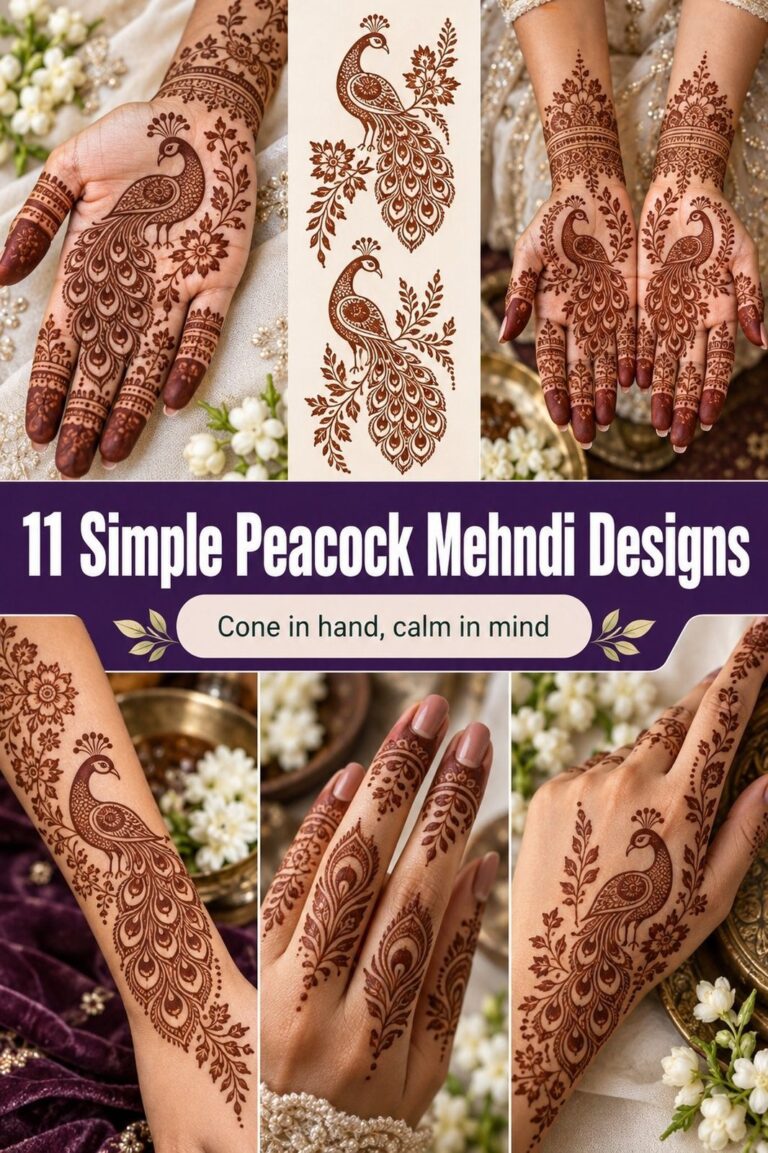
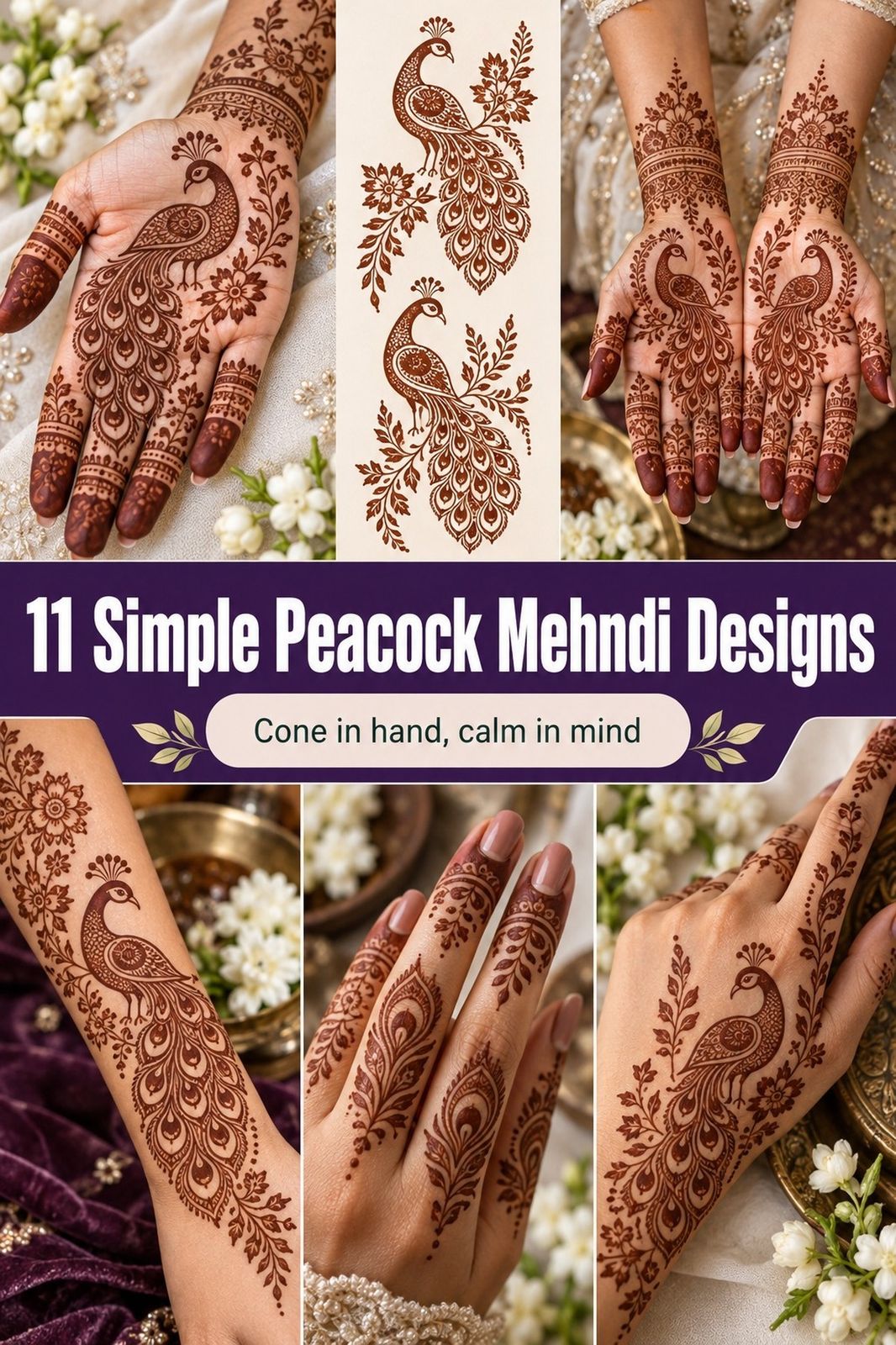
Arabic mehndi tends toward flowing, open patterns with bold floral elements. Indian bridal mehndi runs dense and intricate, sometimes incorporating peacocks, paisleys, and hidden initials. Moroccan henna favors geometric precision, Berber and Amazigh symbols. Sudanese and Somali traditions use bold, graphic patterns with specific protective functions. Each regional style carries its own symbolic vocabulary, though cross-pollination through diaspora communities has blurred some boundaries.
The Cooling Origin
Before symbolic meaning layered on, henna had practical use: the paste cools the skin significantly as it dries. In hot climates, this made it valuable for fever reduction and comfort. The cooling property likely became associated with calm, with soothing transition, with bringing the body into balance during stressful moments like childbirth or marriage preparation.
Personal & Modern Meanings
Contemporary wearers layer personal significance onto traditional frameworks. Some choose henna for major life transitions, graduations, recoveries, new beginnings, without religious framework. The temporary aspect appeals to those testing commitment, marking a season rather than a permanent identity claim.
Non-Traditional Adaptations
Modern designs incorporate:
- Western floral realism mixed with traditional motifs
- Text and lettering in henna style
- Minimalist single-line designs
- Placement on upper arms, collarbones, and ribs, areas less common in traditional application
These adaptations carry meaning through the wearer’s intention rather than inherited symbolism, though critics within originating cultures sometimes view casual adoption as dilution.
The Commitment Question
Some choose henna specifically because it fades. A relationship milestone, a personal victory, a period of growth, recorded on skin for weeks, not decades. The meaning lives in the choice to mark something temporary with something temporary, refusing the permanence that traditional tattooing demands.
How It Ages on Skin
Understanding henna’s aging process helps set realistic expectations and informs placement choices.
The Staining Timeline
Fresh paste, removed after 6-12 hours, yields the lightest stain. Keeping paste on longer, up to 24 hours with careful wrapping, allows deeper penetration. The stain peaks at 48 hours, then gradually fades through exfoliation. Palms and soles stain darkest due to thicker keratin layers; upper arms and backs stain lightest and fade fastest. A good stain on palms lasts 2-3 weeks; on arms, perhaps 7-10 days.
What Damages the Stain
- Water exposure in the first 24 hours after paste removal
- Chlorine and salt water
- Exfoliating products and scrubbing
- Friction from clothing and sleeping positions
- Individual skin chemistry, oily skin often stains lighter
“Black henna” containing PPD (paraphenylenediamine) is a separate, dangerous product that can cause chemical burns and permanent scarring. Natural henna never produces true black; the darkest natural color is deep reddish-brown.
Best Placements
Traditional placement carries symbolic weight, but modern application follows personal preference and practical considerations.
High-Stain, High-Visibility Areas
Palms and soles offer the deepest, longest-lasting color but present practical challenges, daily hand washing accelerates fading, and soles require staying off feet during the drying period. The backs of hands and tops of feet stain well and show easily, making them popular for events and photography. These placements traditionally display the adornment to community and family.
Subtle and Contemporary Placement
Inner wrists, forearms, and ankles allow personal meaning without public declaration. The nape of the neck, behind the ear, and along the collarbone have gained popularity for intimate, decorative application. Ribs and upper arms work for larger designs but stain lighter and fade faster due to thinner skin and movement friction.
Consider your daily routine: keyboard use, gym habits, sleep position. A palm design looks stunning but requires planning around the 6-12 hour drying period when the hand is essentially unusable.
Similar & Related Symbols
Understanding adjacent practices clarifies henna’s specific place in body marking traditions.
Permanent tattooing with similar motifs, floral sleeves, mandalas, ornamental bands, shares visual language but differs fundamentally in commitment and context. Jagua, a South American fruit-derived temporary stain, produces blue-black color and has been marketed as a “henna alternative” though it carries distinct cultural origins and less established symbolic tradition.
Mehndi-inspired permanent tattoos sometimes replicate the flowing, unlined quality of henna paste, but the translation to needle and ink changes the meaning. Permanent ornamental tattooing draws from multiple traditions, Polynesian, Japanese, European, while henna specifically anchors to South Asian, Middle Eastern, and North African cultural contexts.
White henna (actually body paint or adhesive with white pigment) carries no traditional meaning; it’s purely aesthetic, developed for photography and events where brown stain would read as too casual or mismatched with clothing.
What to Remember
Henna’s meaning operates on multiple registers: the inherited symbolism of specific patterns and placements, the cultural context of application ceremonies, and the personal intention of the wearer. The temporary nature isn’t a deficiency to overcome but a core feature, this is adornment for moments, not monuments.
If you’re drawn to henna, source natural paste from reputable suppliers or experienced practitioners. The staining process demands patience: proper aftercare in the first 48 hours determines whether you get a rich, lasting stain or a faint disappointment. Respect the cultural origins without claiming authority over them, appreciation differs from appropriation when you acknowledge what you’re borrowing and why.
Most importantly, let the fading be part of the meaning. Not every mark on skin needs to outlast the season it commemorates.
Frequently Asked Questions
How long does natural henna paste need to stay on for a dark stain?
Keep the paste on at least 6 hours, ideally 8-12. Some wrap it overnight for deeper color. The longer the paste contacts skin, the more lawsone transfers to keratin. Don’t remove with water, scrape off dry paste and avoid washing the area for 24 hours.
Why did my henna turn orange instead of brown?
Orange is normal initially. The stain oxidizes and darkens over 24-48 hours, deepening from bright orange to reddish-brown. If it stays pale, the paste may be old, the skin oily, or aftercare too wet too soon.
Can I get a permanent tattoo that looks like henna?
Yes, but the aesthetic differs. Needle work creates defined lines; henna flows organically. Permanent ornamental tattoos can mimic motifs, but the temporary, evolving nature of actual henna, its color shift, its fade, can’t be replicated in ink.
Is it appropriate to get henna if I’m not from a culture that traditionally uses it?
Context matters. Attending a cultural event where henna is offered, or visiting a practitioner within that tradition who consents to apply it, differs from treating it as costume. Research the specific tradition, avoid sacred ceremonial patterns, and support practitioners from originating communities.