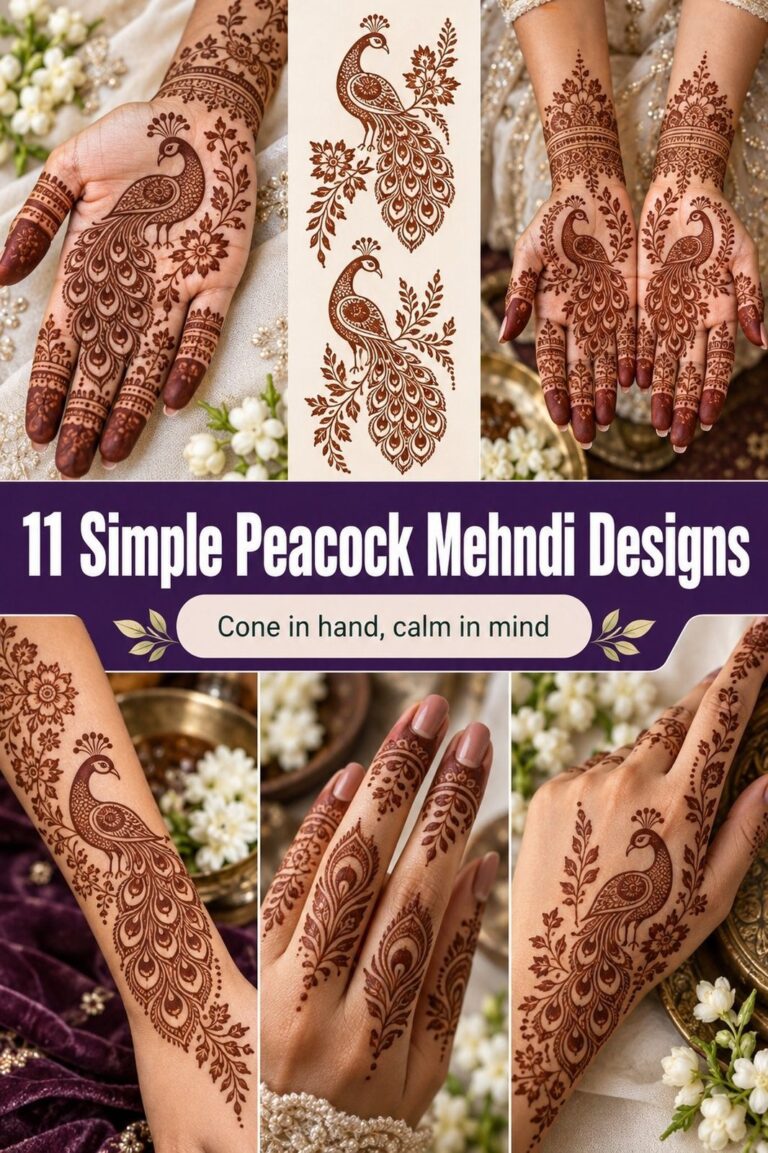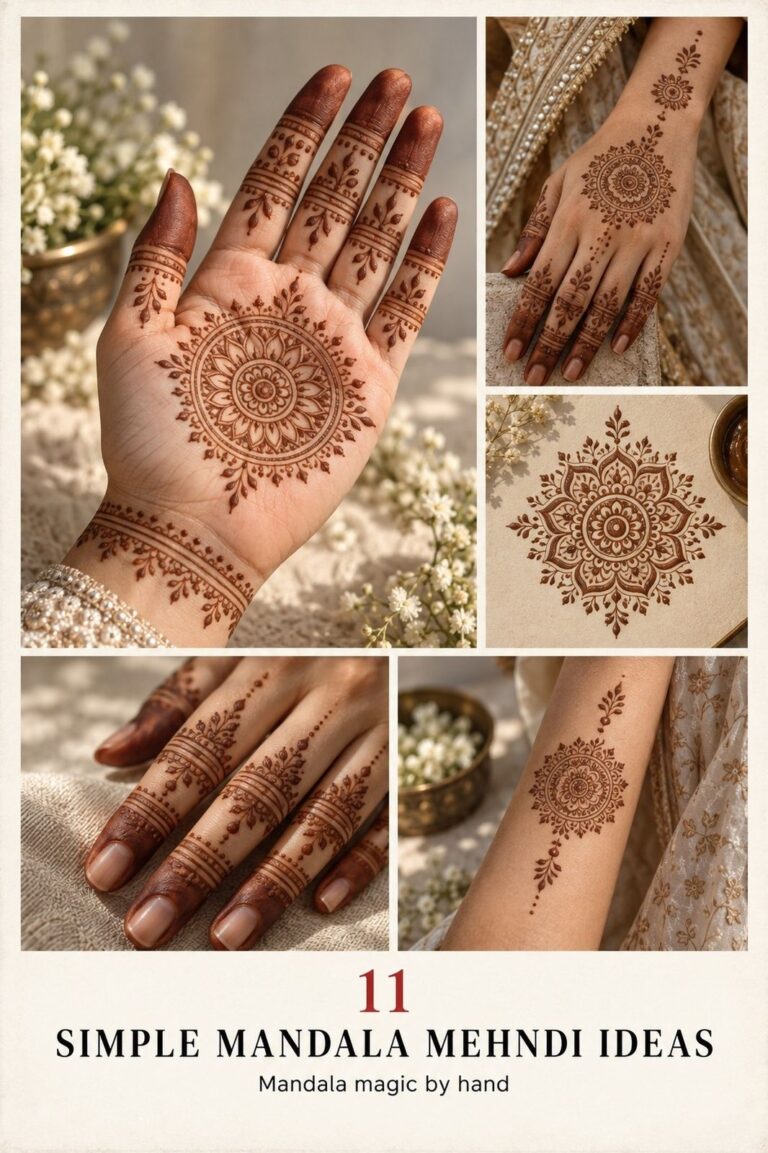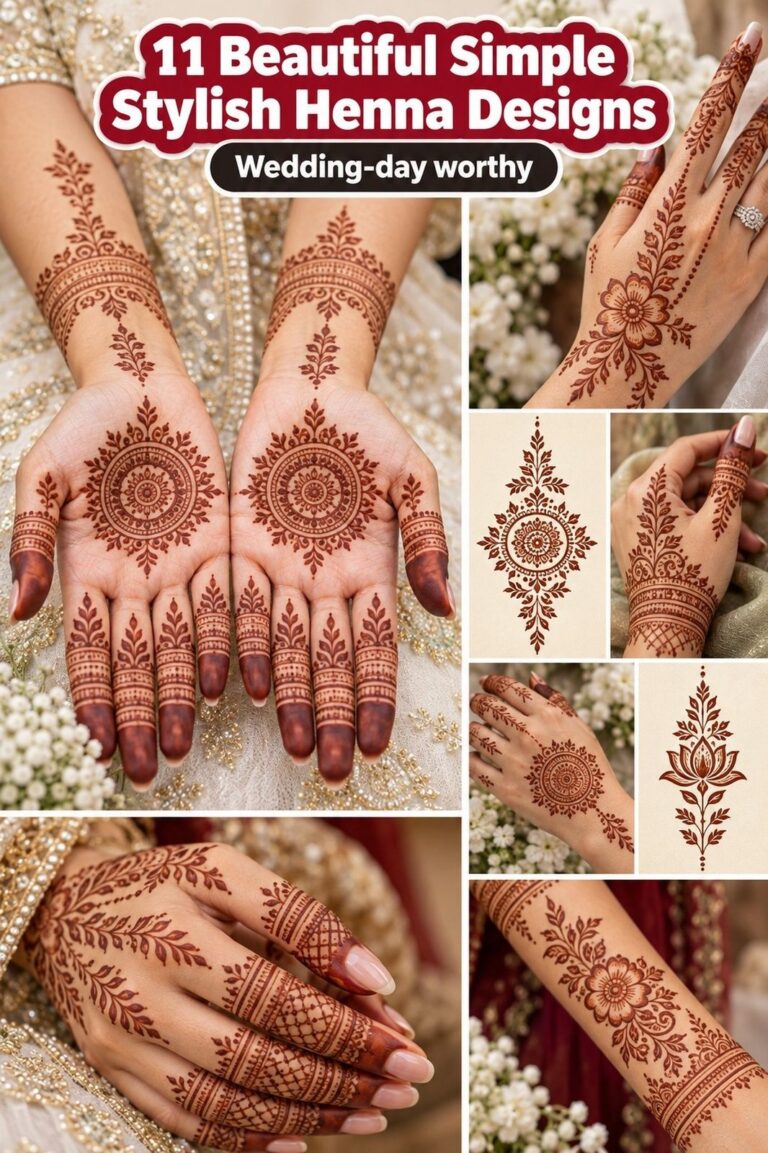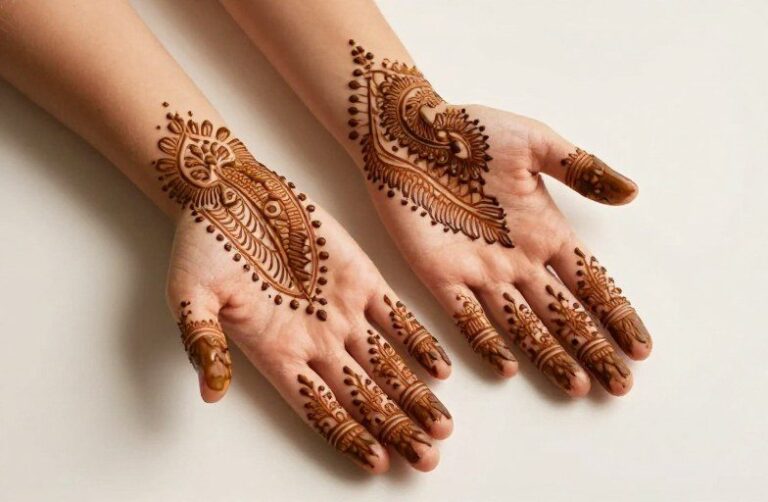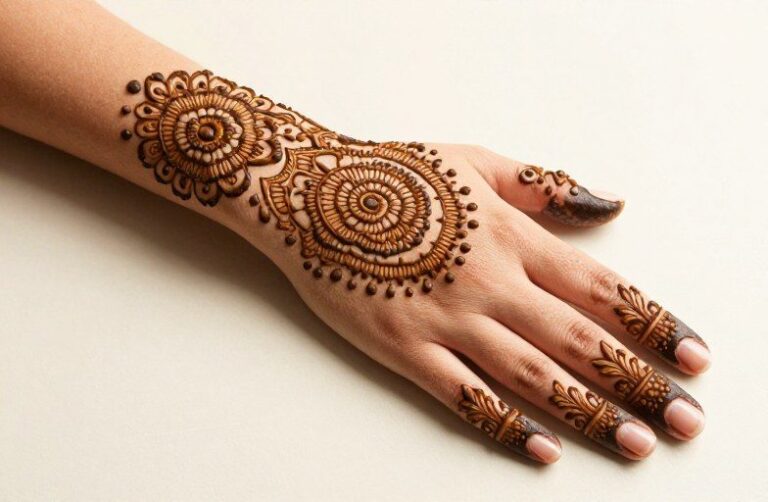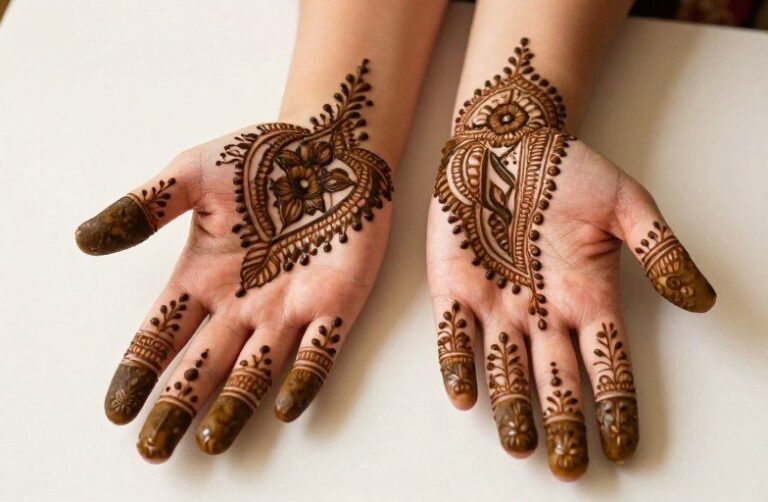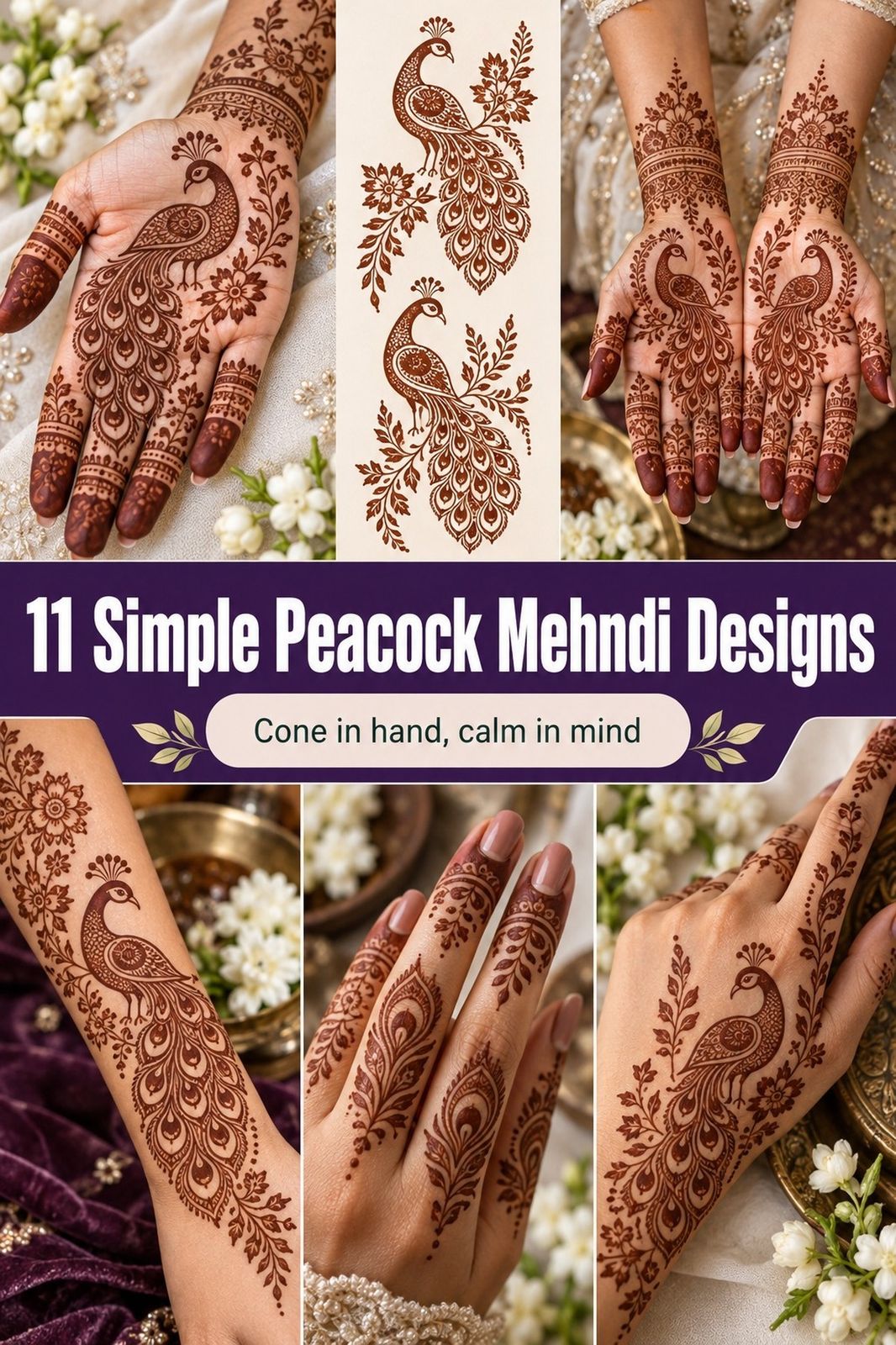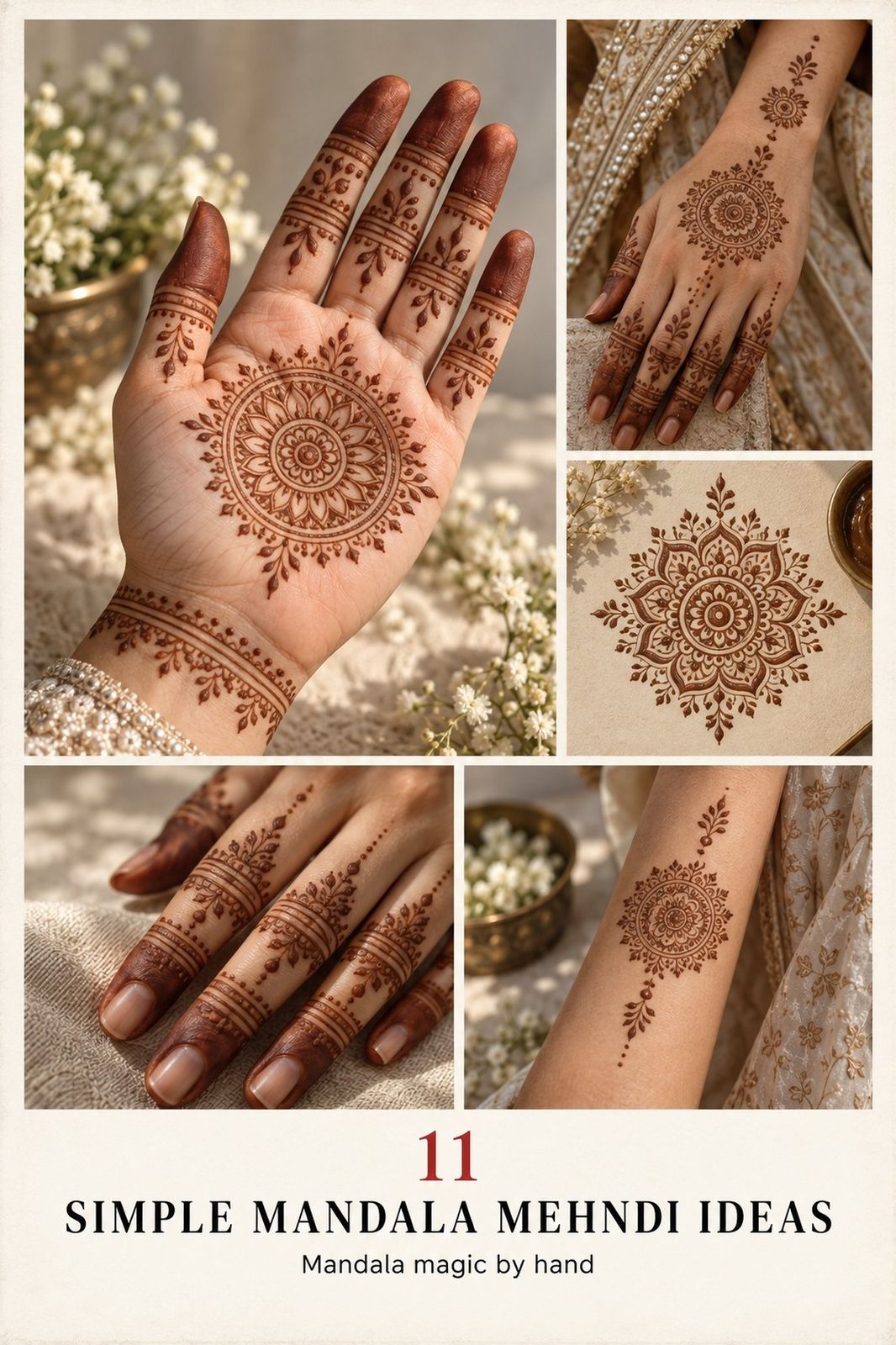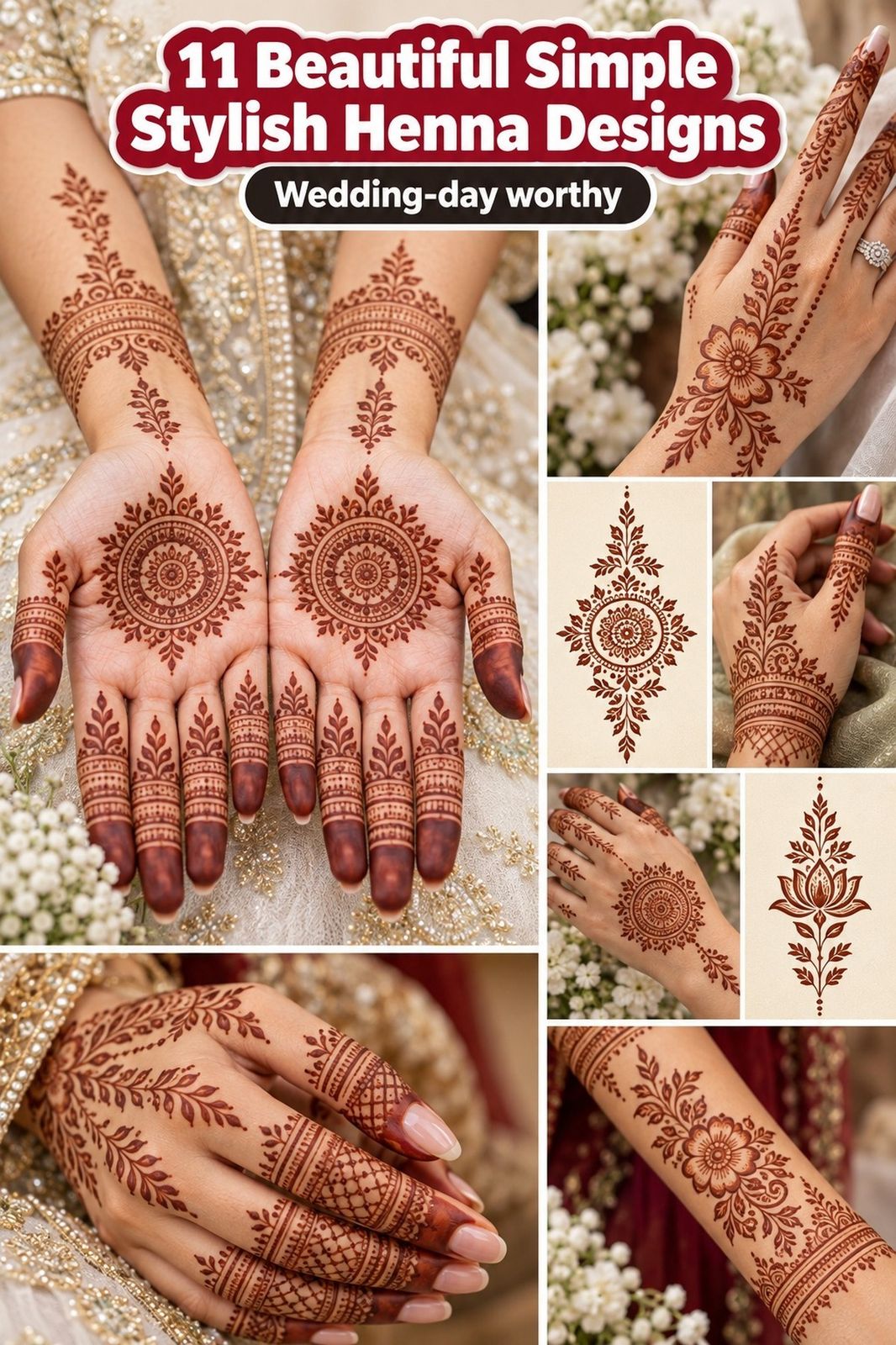
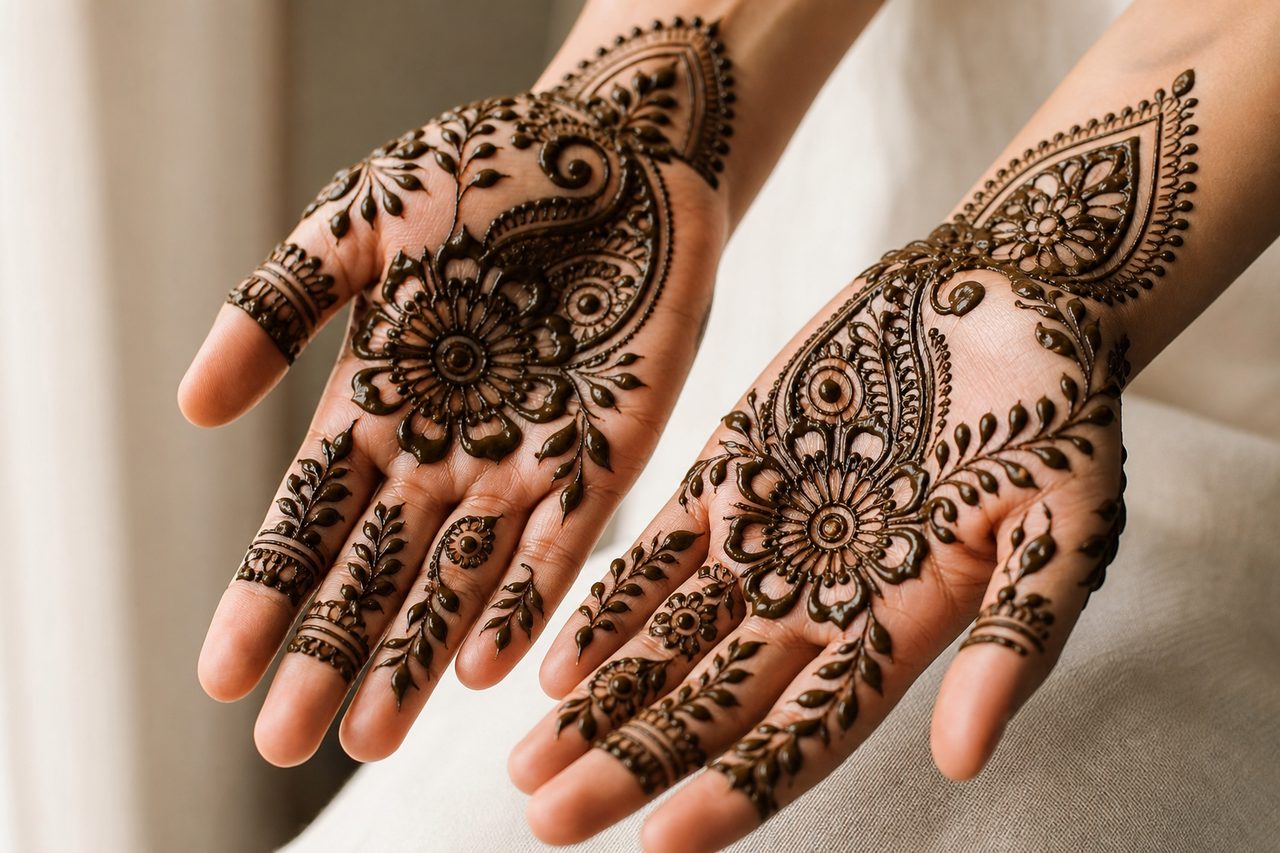
A henna tattoo, properly called mehndi, is temporary body art made from powdered henna plant leaves mixed into a paste. Unlike permanent tattoos, it stains the skin’s top layers for one to three weeks, carrying meanings of celebration, protection, blessing, and transition across cultures that have used it for millennia. The darkness and longevity of the stain depend heavily on aftercare, how you treat those first 48 hours determines whether you get a rich brown design or a faint orange smudge.
Personal & Modern Meanings
Today, people choose henna for reasons that range from honoring heritage to simply loving the aesthetic. The temporary nature lets you experiment with placement and scale without lifelong commitment. For many, it marks specific life moments, graduations, travel, recovery from illness, or personal reinvention.
What the Darkness Signifies
In traditions where henna has deep roots, a dark stain carries social weight. Brides with particularly dark mehndi are said to be deeply loved by their partners and mothers-in-law. This isn’t universal superstition, it’s cultural shorthand that persists in South Asian and Middle Eastern communities. The darkness itself results from proper aftercare: keeping the paste on for hours, avoiding water, and applying sugar-lemon sealant. A pale stain often signals rushed removal or premature washing, which carries its own unintentional message.
Non-Cultural Wearers & Respect
People outside originating cultures increasingly wear henna, which raises questions about appropriation versus appreciation. The line sits in context and intent. Wearing henna to a South Asian friend’s wedding, with their encouragement, differs from treating it as a costume accessory or “boho” festival trend. If you’re drawn to the art, learn its origins, credit the tradition, and seek artists from within the culture when possible. The meaning you carry includes your awareness of where this practice comes from.
History & Cultural Roots
Henna’s use spans North Africa, the Middle East, and South Asia, with each region developing distinct patterns and rituals. Some trace it to ancient Egypt, where mummies show henna-dyed hair and fingernails. Others link it to the cooling properties of the plant in hot climates, desert peoples originally painted palms and soles to lower body temperature, and the decorative patterns evolved from there.
- India: Elaborate bridal mehndi covering hands and feet, with hidden initials of the groom in the design
- Morocco: Geometric Berber patterns, often on fingertips for protection against the evil eye
- Sudan: Bold, heavy staining for brides, with specific motifs for fertility and prosperity
- Yemen: Jewish communities used henna in pre-wedding ceremonies before displacement
The “Night of the Henna” remains a pre-wedding ritual in many communities, where female relatives gather to apply designs, sing, and bless the bride. This isn’t merely decorative, it’s social bonding with spiritual undertones.
Color vs Black and Grey
Traditional henna yields orange-brown to deep mahogany tones depending on skin chemistry, henna quality, and aftercare duration. “Black henna” is a misnomer that deserves warning: it’s often henna mixed with paraphenylenediamine (PPD), a hair dye chemical that can cause blistering, permanent scarring, and lifelong sensitization. The FDA has not approved PPD for skin contact. Real henna artists work in brown-red ranges; anything jet-black on skin should raise immediate suspicion.
Natural Variations
Some artists mix henna with indigo, coffee, or beetroot for subtle shifts, but these don’t produce true black. Jagua, a South American fruit extract, creates blue-black temporary stains and is sometimes marketed alongside henna, though it’s a different plant entirely. White henna doesn’t stain skin at all, it’s body paint sitting atop the surface, washing away with the first shower.
Common Variations & Styles
Henna styles cluster geographically but have cross-pollinated through migration and social media. Understanding these helps you choose meaningfully.
- Arabic/Emirati: Bold floral vines, large open spaces, flowing lines across hands and feet
- Indian/Pakistani: Dense, intricate patterns covering entire surfaces with paisleys, peacocks, and fine meshwork
- African/Moroccan: Geometric shapes, angular lines, symbolic rather than floral imagery
- Indo-Arabic fusion: Dense Indian filling with Arabic-style negative space
Modern Western adaptations include minimalist finger bands, single mandalas on wrists, and tiny hidden designs behind ears. These borrow the medium but strip much of the traditional symbolism, which isn’t inherently wrong, just different in meaning.
Design Tips & Pairings
Placement affects both symbolism and practical longevity. Palms and soles stain darkest due to thicker skin with more keratin, but these areas also wear fastest from daily use. The back of hands and tops of feet offer compromise, decent color retention with slower fading. Inner wrists and forearms work well for visibility and moderate wear.
What to Request
Freshly mixed henna paste from sifted, body-art quality powder beats pre-made cones from craft stores, which often contain undisclosed additives. Ask your artist when they mixed the batch, henna paste loses potency after a few days refrigerated, or hours at room temperature. The paste should smell earthy, slightly grassy, never chemical or ammonia-like.
For aftercare that honors the meaning: keep paste on 6-12 hours minimum, scrape off rather than wash, avoid water for 24 hours, and apply a sugar-lemon dab to seal. The stain darkens over 48 hours from orange to brown. Picking at flaking paste pulls color from developing layers.
Religious & Spiritual Angles
Henna holds specific religious significance in several traditions. In Hindu practice, it’s associated with Lakshmi, goddess of wealth and fortune, and applied during Diwali and Karva Chauth. Muslim traditions vary, some consider it sunnah (blessed practice) based on hadith mentioning the Prophet Muhammad using henna, while more conservative interpretations discourage visible adornment. Jewish communities in Yemen and Morocco historically used henna in lifecycle ceremonies, though this has diminished with diaspora and assimilation.
Protection & Blessing
Across traditions, henna often marks thresholds, weddings, births, circumcisions, returns from pilgrimage. The act of application itself, particularly by elders or multiple community members, carries blessing. Specific motifs carry protective intent: eyes against the evil eye, hands against harm, plants for growth and fertility. Even secular wearers participate in this lineage, whether they recognize it or not.
The Bottom Line
Henna’s meaning layers personal intention over cultural inheritance. The temporary stain makes it accessible, but that accessibility doesn’t erase its roots. Wear it with knowledge: of proper aftercare for a dark, lasting design, of the difference between real henna and dangerous chemical imitations, and of the communities who developed this art form. The meaning lives in the wearing, the learning, and the respect you bring to something older than the nations that now claim it.
Frequently Asked Questions
How long should I leave henna paste on for the darkest stain?
Keep paste on 6-12 hours minimum, ideally overnight. Scrape it off with a card or dull edge rather than washing. The longer the paste stays in contact with skin, the deeper the stain penetrates the keratin layers.
Why did my henna turn orange instead of brown?
Freshly removed henna always starts orange. The color oxidizes and darkens to brown over 24-48 hours. If it stays pale, the paste was old, washed off too soon, or your skin chemistry simply doesn’t take henna deeply.
Is black henna safe if I want a darker design?
No. So-called black henna usually contains PPD, a hair dye chemical that can cause severe blistering, permanent scarring, and lifelong chemical sensitization. Real henna never produces true black on skin.
Can I get a henna tattoo if I’m going swimming?
Avoid water for the first 24 hours after paste removal, chlorine and salt water especially fade developing stains. After the stain has fully darkened (48 hours), swimming will accelerate fading but won’t ruin it immediately.