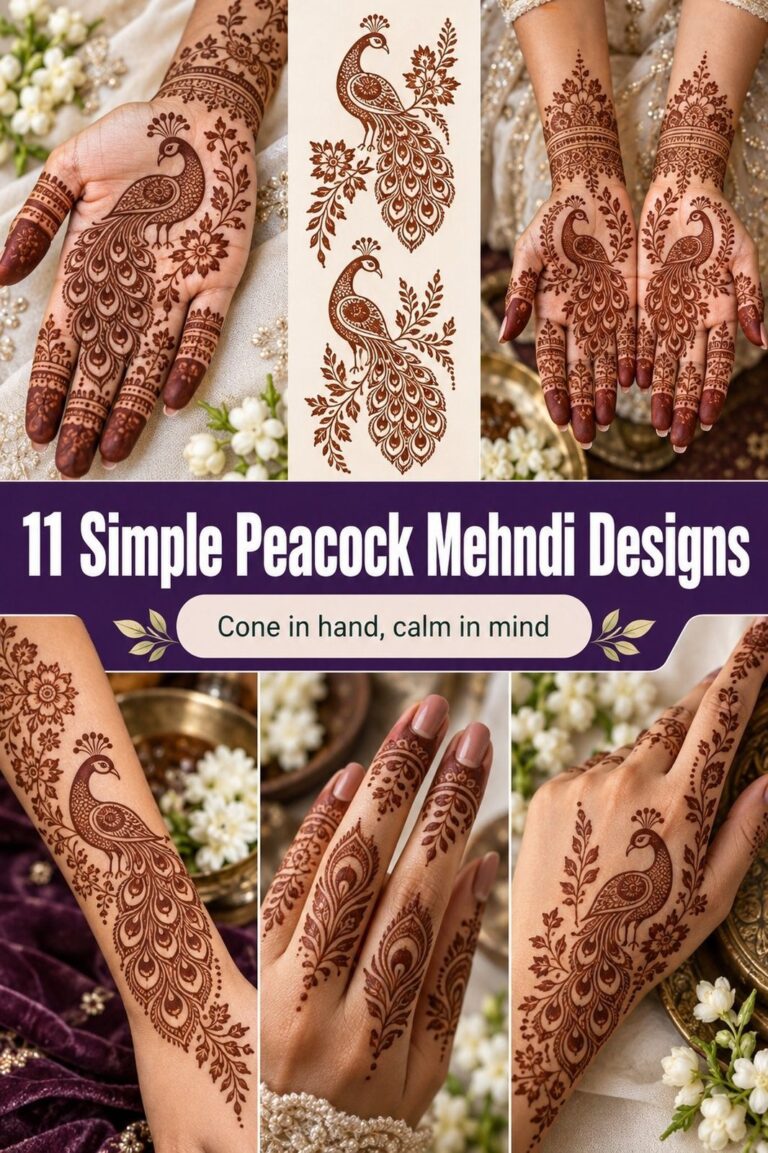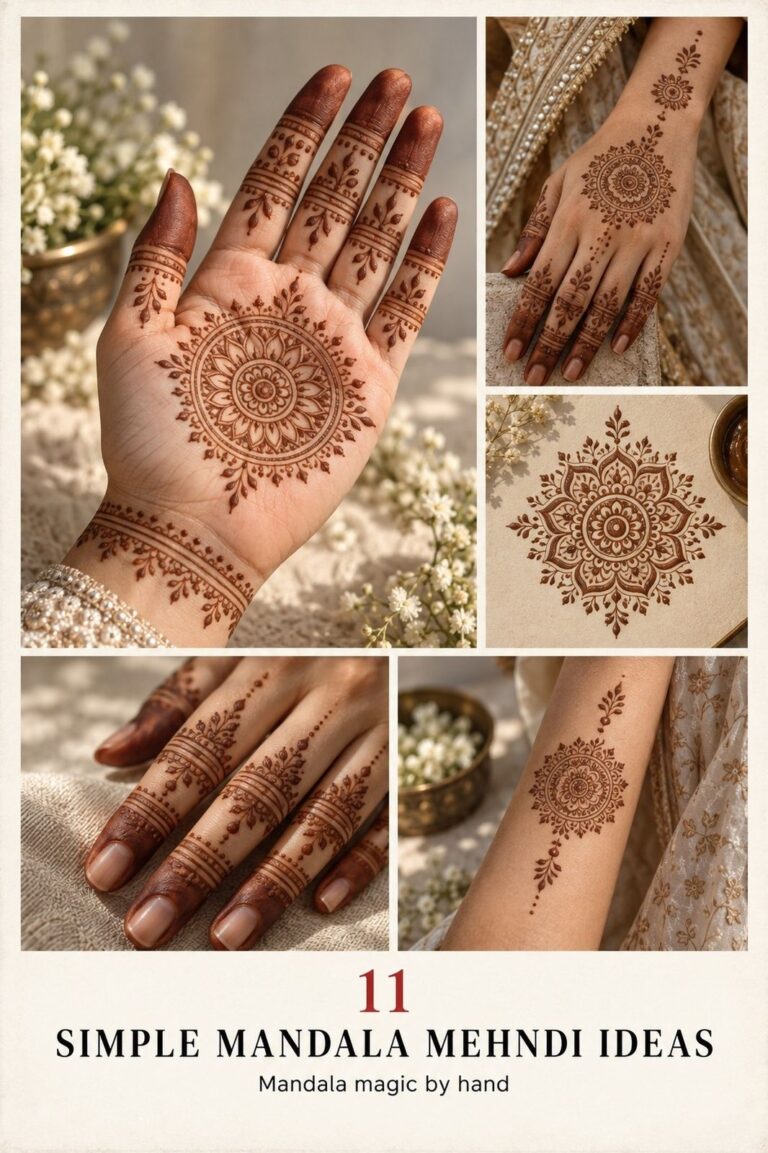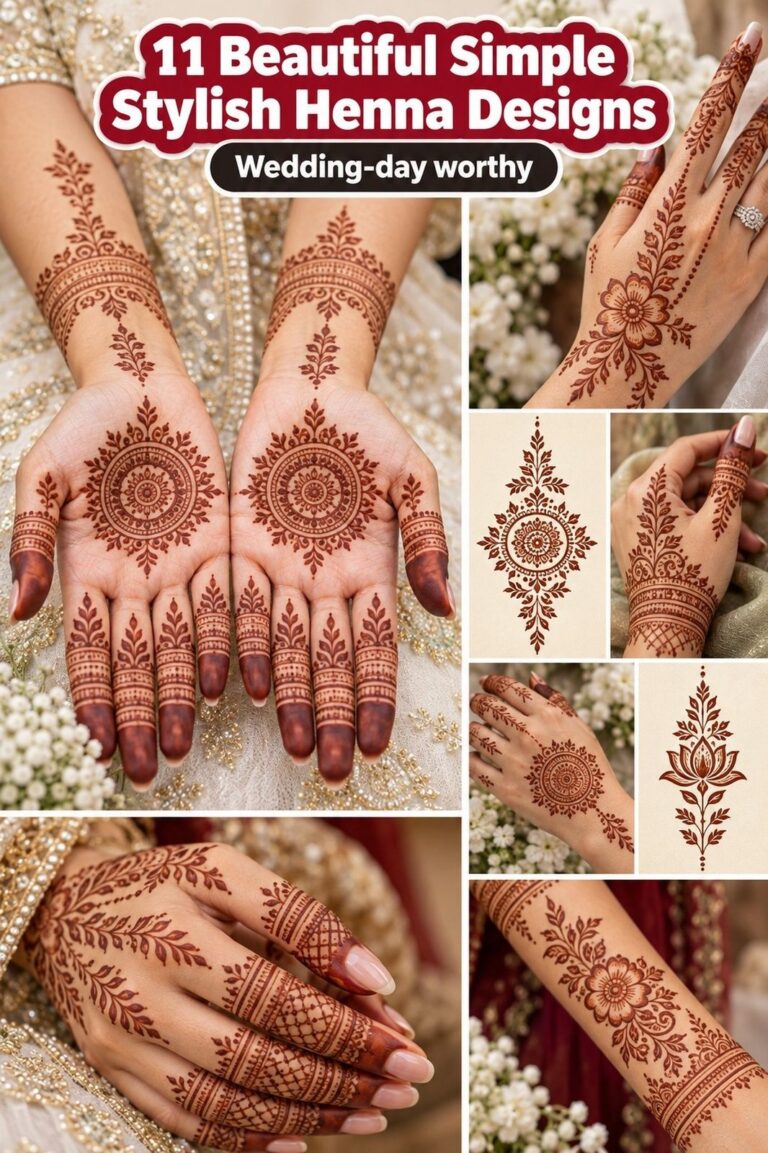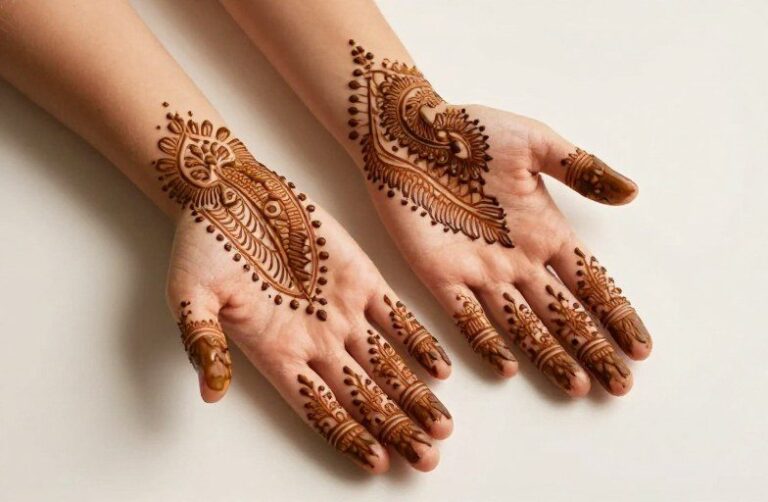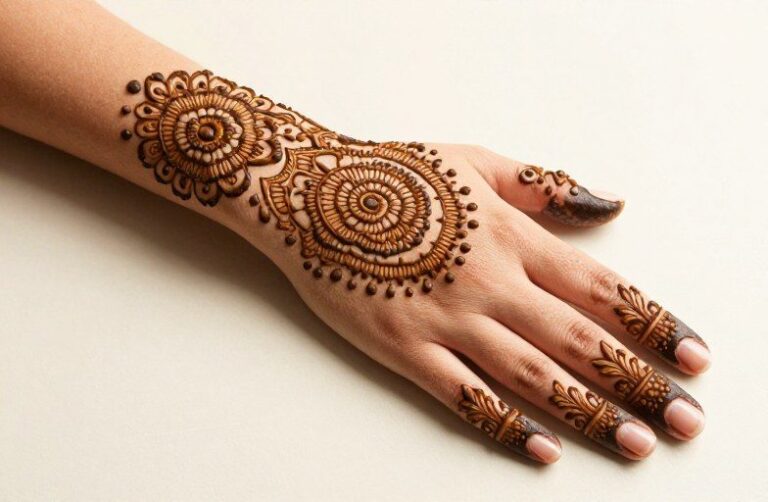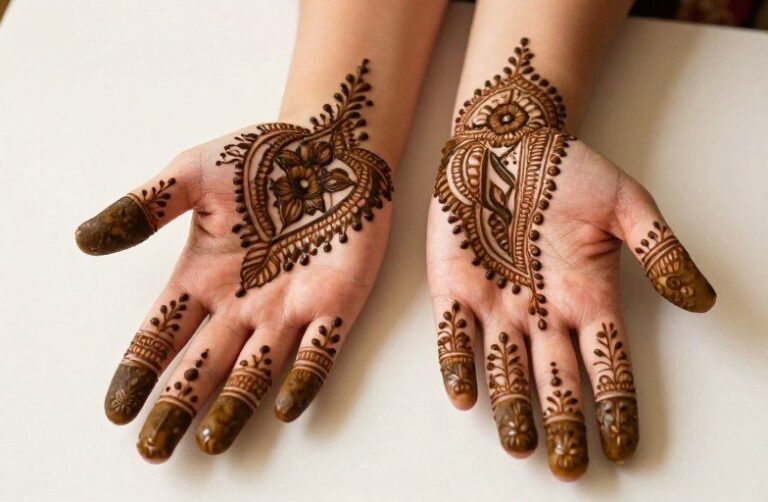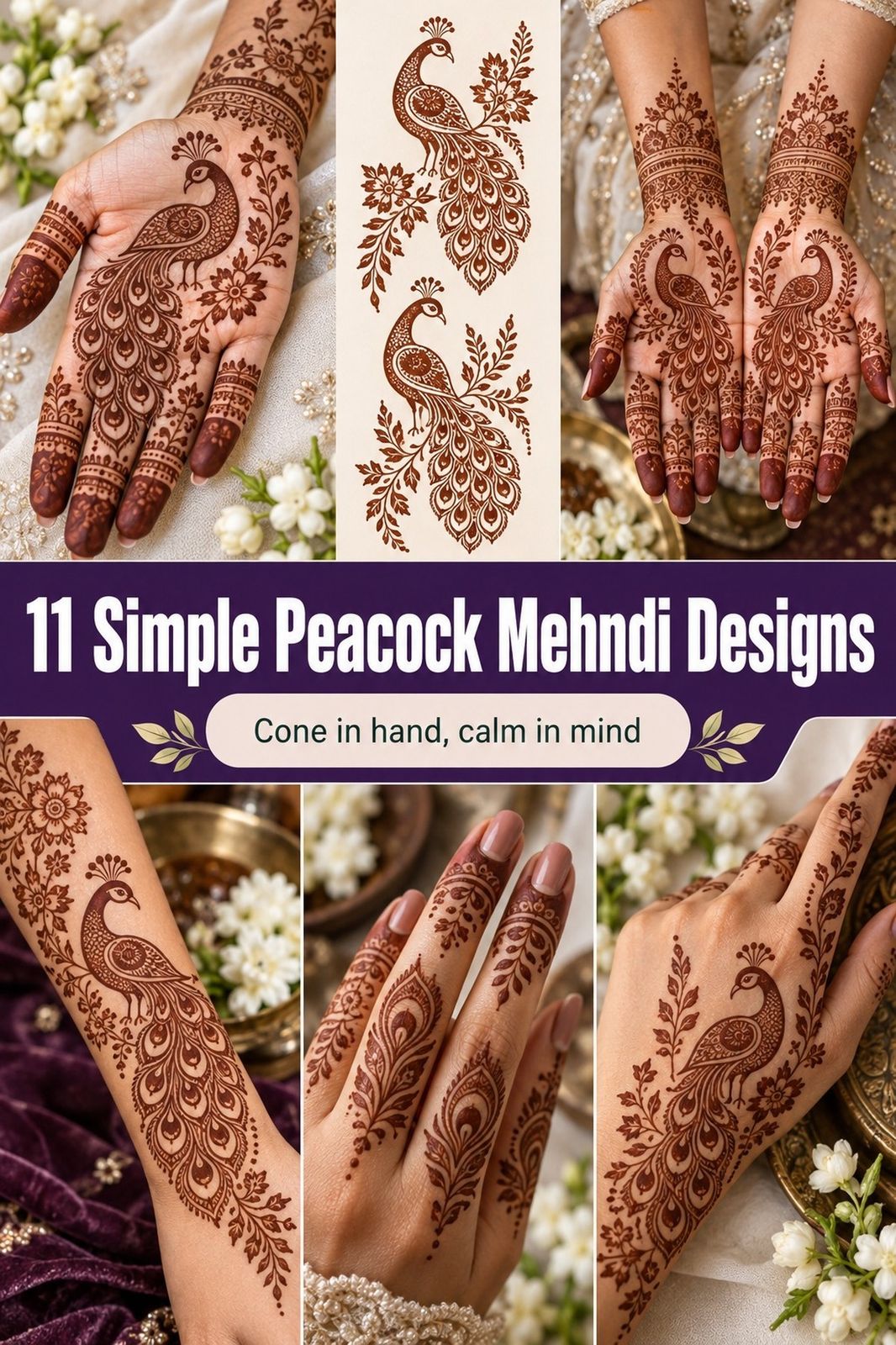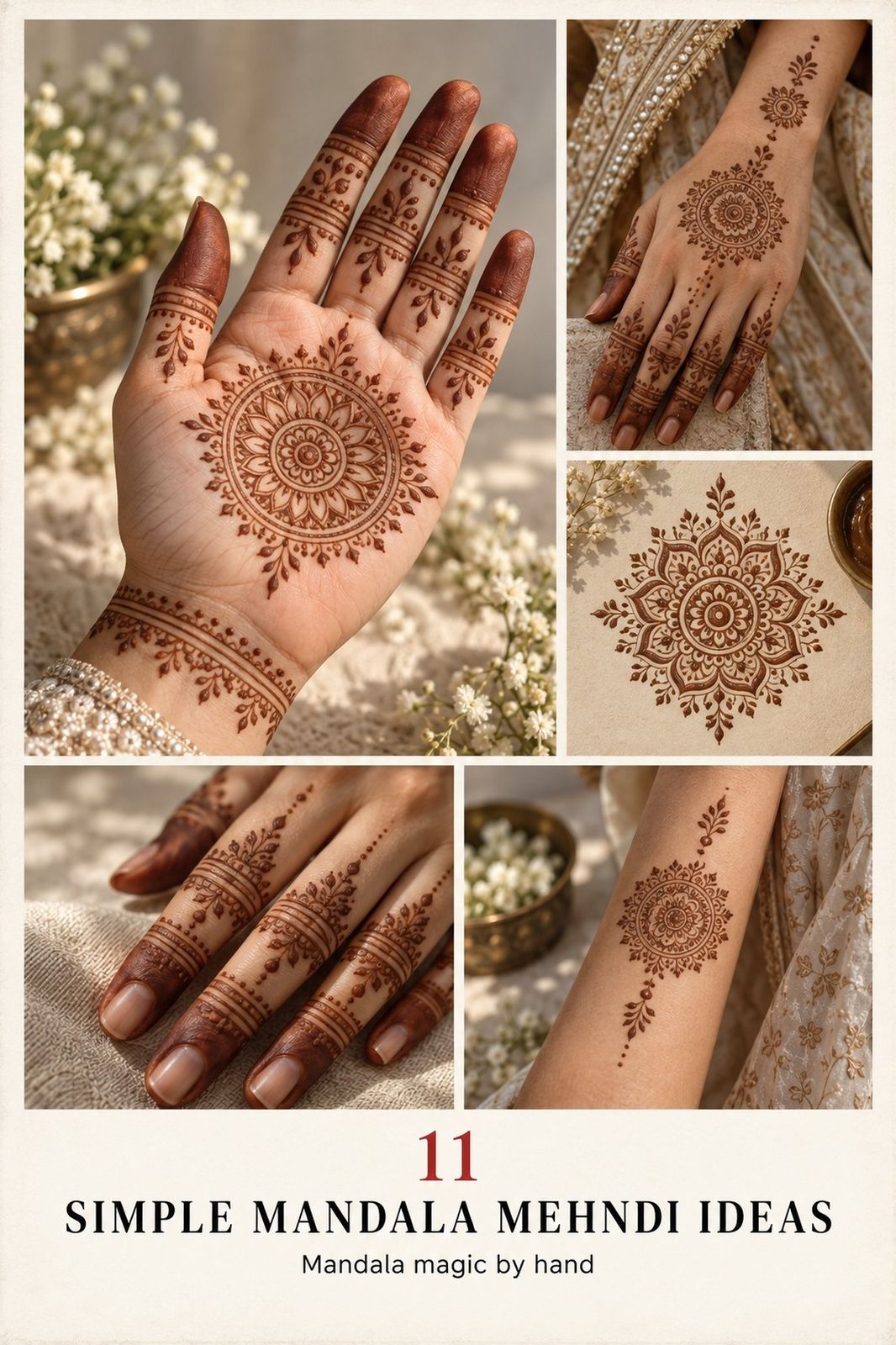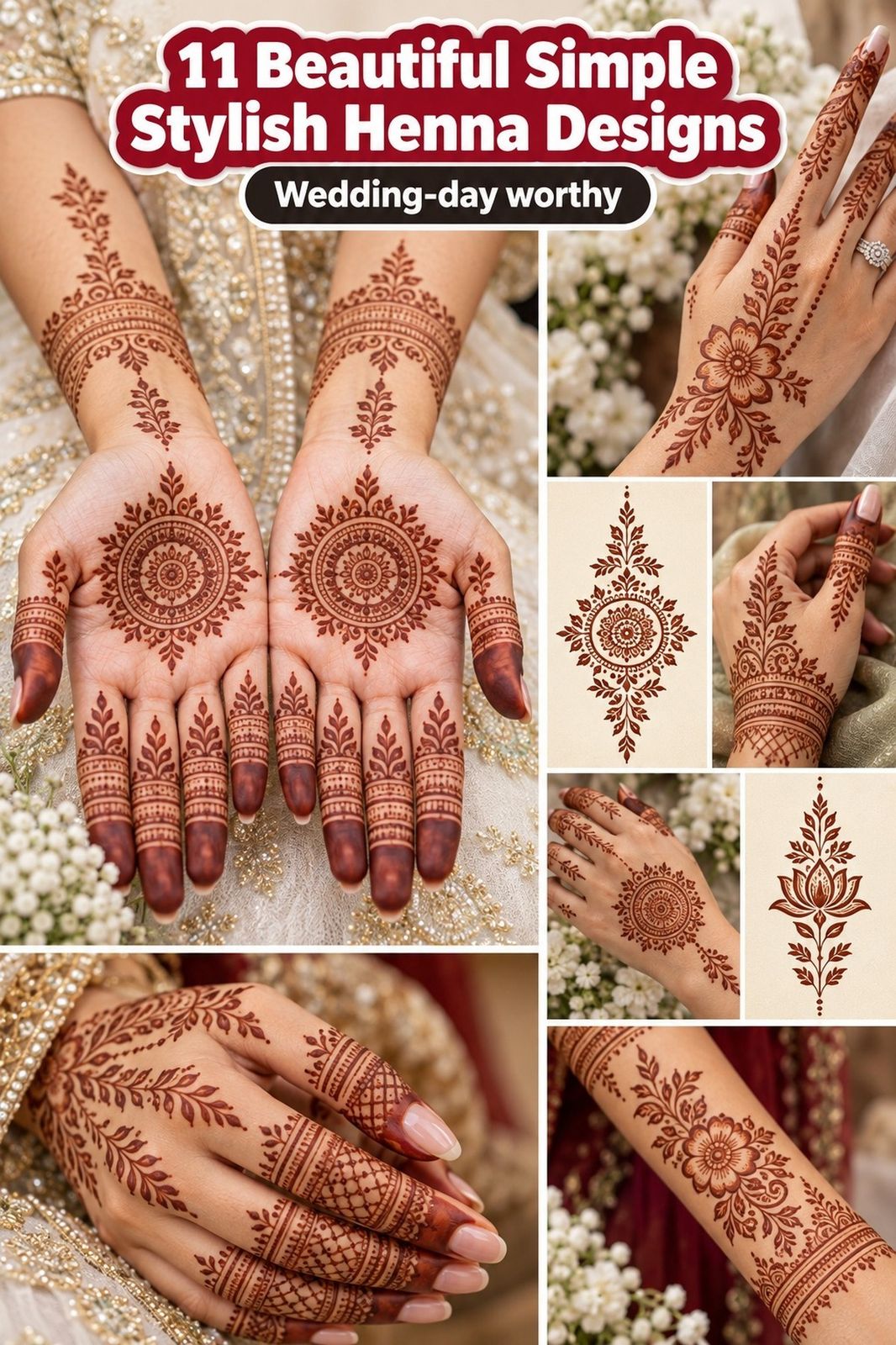
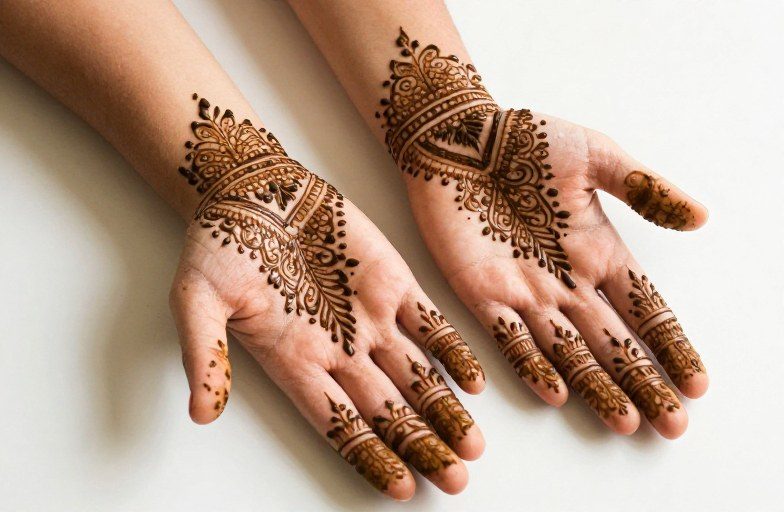
A henna tattoo meaning prosperity channels centuries of visual language built around abundance, fertility, and material wellbeing. Dense, flowing patterns fill space completely, mirroring the concept of a full, overflowing life. Unlike permanent ink, henna’s temporary nature (fading over 1-3 weeks) suits rituals of hope and renewal, making prosperity designs especially popular before weddings, new business ventures, or harvest celebrations.
Symbolism & Core Meaning
Prosperity in henna operates through visual density rather than single icons. The more intricate and space-filling the design, the stronger the association with abundance. This differs from Western tattoo traditions that might isolate a four-leaf clover or dollar sign; henna builds meaning through accumulation and repetition.
Key Motifs and Their Significance
- Paisley (mango/keri): The curved teardrop shape, often linked to mango fruit, represents fertility and the fullness of harvest. Multiple paisleys clustered together amplify the prosperity reading.
- Coins and roundels: Circular elements with dotwork centers read as currency or protective eye motifs doubled with wealth attraction.
- Flowing vines and filler: The negative-space technique, where skin shows through as highlights within dark henna, creates visual richness without heaviness.
- Lotus and floral bursts: Opening flowers suggest unfolding potential and the blooming of fortunate circumstances.
Color Stages as Metaphor
Fresh henna paste appears dark green-black, dries to a crusty brown, and flakes away to reveal an orange stain that deepens to burgundy over 48 hours. This transformation mirrors the patience required for prosperity, immediate results are impossible, but the reward intensifies with time. A design that looks faint at first can become dramatically darker, a visual parallel to growing success.
History & Cultural Roots
Henna’s association with prosperity predates recorded history in several regions. Archaeological evidence places henna use in the Levant and North Africa at least 5,000 years ago, with prosperity rituals forming a consistent thread across cultures that adopted the practice.
Regional Traditions
In South Asian wedding customs, bridal mehndi often hides the groom’s initials among dense patterns, a playful prosperity ritual where finding the letters predicts marital success and household abundance. The bride’s hands and feet receive the heaviest application, with designs extending to the elbows and knees, literally covering her in symbols of plenty.
North African henna ceremonies, particularly for Eid and circumcision celebrations, feature geometric prosperity patterns distinct from the floral South Asian style. Straight-line grids and diamond shapes dominate, often traced to Berber and Amazigh visual traditions. Some trace the coin motif specifically to trade-route intersections where henna and metal currency circulated together.
From Ritual to Commercial Art
The shift from community-applied ceremonial henna to professional mehndi artists for hire began accelerating in the 1980s and 1990s with South Asian diaspora communities. Prosperity designs became standardized motifs that traveling artists could execute efficiently, sometimes losing specific family or village symbolism in the process. Contemporary artists now blend regional styles deliberately, creating hybrid prosperity patterns that no single tradition owns exclusively.
Who Chooses This Tattoo
The demographic for prosperity henna spans wider than most assume. Beyond brides and festival attendees, entrepreneurs frequently request coin-heavy designs before product launches or funding rounds. Students approaching graduation sometimes choose paisley-dense patterns for job interviews. The temporary commitment appeals to those testing whether prosperity iconography resonates before considering permanent ink.
Cross-Cultural Adoption Tensions
Non-South Asian wearers of prosperity henna sometimes receive scrutiny, particularly for events like Coachella where the spiritual context drops away. The design itself isn’t proprietary, geometric abundance patterns appear across cultures, but the paste application method and specific motif combinations carry weight. Those drawn to the aesthetic without cultural connection often minimize this by choosing generic floral density over clearly religious or ceremonial symbols like the kalash (sacred pot) or specific deity representations.
Personal & Modern Meanings
Contemporary wearers layer personal significance onto traditional prosperity frameworks. A freelancer might interpret abundance as client flow rather than literal cash. Someone recovering from financial hardship may choose the design to mark a turning point, not a current state. The meaning stays flexible because henna itself is temporary, you’re not locked into one declaration.
Prosperity Beyond Money
- Time abundance: Designs with open, breathing negative space rather than maximal density
- Creative prosperity: Unusual motif combinations, geometric paisley, abstracted coin shapes, signal non-traditional success
- Relational wealth: Paired designs on two people, where the patterns connect when hands touch
Social media has compressed the cycle further. Instagram-ready henna often prioritizes visual impact over symbolic precision, with prosperity becoming a loose aesthetic category rather than specific coded meaning. Artists report clients requesting “that abundance look” without caring which motifs create it.
Design Tips & Pairings
Prosperity henna succeeds or fails on placement-scale relationship. Small, isolated prosperity symbols read as stickers rather than integrated abundance. The visual logic requires either substantial coverage or deliberate framing that suggests continuation beyond the visible edge.
Effective Combinations
Pairing prosperity motifs with protective elements (evil eye, hand of Fatima) creates layered intention, guarding what you’ve attracted. This mirrors real financial behavior: insurance and investment as parallel concerns. For visual balance, place dense prosperity patterns on dominant display areas (dorsal hand, top of foot) with protective borders at the edges.
Color pairing matters if combining with permanent tattoos. Henna’s orange-brown stage clashes with cool black ink; burgundy-stage henna harmonizes better. Plan timing so the henna reaches full color development before any adjacent permanent work needs display.
Line Weight and Aging
Thin lines in henna fade faster than thick deposits, creating natural variation over the wear period. For prosperity designs, this means fine vine details disappear first, leaving heavier coin and paisley shapes longer, arguably reinforcing the core message as decorative frills drop away. Artists can exploit this by building prosperity symbols with heavier paste application and surrounding them with lighter filler.
Best Placements
Traditional prosperity placement follows visibility logic: hands for social display, feet for grounding the abundance in movement through the world. The palms stain darkest due to thicker skin and higher protein content, making them technically superior for impact but socially more conspicuous.
Contemporary Placement Shifts
- Upper arm bands: Allows sleeve coverage for professional environments, revealed selectively
- Back of neck/hairline: Intimate prosperity, private reminder rather than public declaration
- Calf and ankle: Extends wear time (less hand-washing friction), with sandal visibility in warm months
Forearm placement risks rapid fading from desk contact, keyboard use, and sleeve friction, ironic for a prosperity design worn by office workers. Consider this practical tension when choosing location.
What to Remember
Henna prosperity tattoos carry genuine cultural weight that temporary status doesn’t erase. The paste, the application method, and specific motifs connect to living traditions still practiced for religious and life-cycle events. Wearing these designs casually isn’t inherently wrong, but it benefits from basic awareness of context.
The temporary nature is feature, not limitation. Prosperity rituals repeat, monthly, annually, at life transitions. Henna’s fade accommodates this cyclical approach better than permanent ink’s one-time statement. A design that washes away invites re-creation, revision, renewed intention.
Quality paste matters for both color and safety. “Black henna” containing PPD (para-phenylenediamine) produces dangerous allergic reactions and should be refused regardless of promised darkness. Natural henna mixed with lemon juice, sugar, and essential oils achieves deep color safely over 48 hours. The patience required mirrors the prosperity theme itself, rushed processes yield poor results.
Finally, the abundance these designs invoke isn’t passive. Traditional wearers prepared for prosperity through accompanying actions: the bride’s family gathering, the entrepreneur’s business plan, the student’s interview preparation. The henna marks readiness, not replacement for effort. Treat it as amplification of existing momentum rather than magical attraction of unearned reward.
Frequently Asked Questions
How long does a prosperity henna design typically last?
Natural henna fades over 1-3 weeks depending on body placement, skin type, and aftercare. Palms and soles stain darkest and last longest due to thicker skin; back of hands and wrists fade faster from frequent washing. Avoiding exfoliation and chlorine extends wear time.
Can I get a prosperity henna design if I’m not from a culture that traditionally uses it?
Yes, with thoughtful approach. Avoid specific religious symbols (deity representations, sacred objects) and ceremonial combinations tied to particular rituals. Generic abundance motifs, paisley, coins, floral density, carry less specific cultural weight. Consider learning about the tradition from practitioners rather than treating it as purely aesthetic.
Why does my henna look orange at first instead of dark brown?
The orange stage is normal and expected. Henna stain oxidizes over 24-48 hours, deepening from bright orange through red to burgundy or dark brown. The final color depends on your skin chemistry, paste quality, and how long the dried paste remained on skin before flaking.
What’s the difference between bridal mehndi and casual prosperity henna?
Bridal mehndi follows strict conventions: extensive coverage (often to elbows and knees), hidden initials, specific lucky symbols, and application timing tied to wedding rituals. Casual prosperity henna borrows individual motifs without the ceremonial framework, allowing smaller scale, mixed styles, and personal interpretation of abundance symbols.