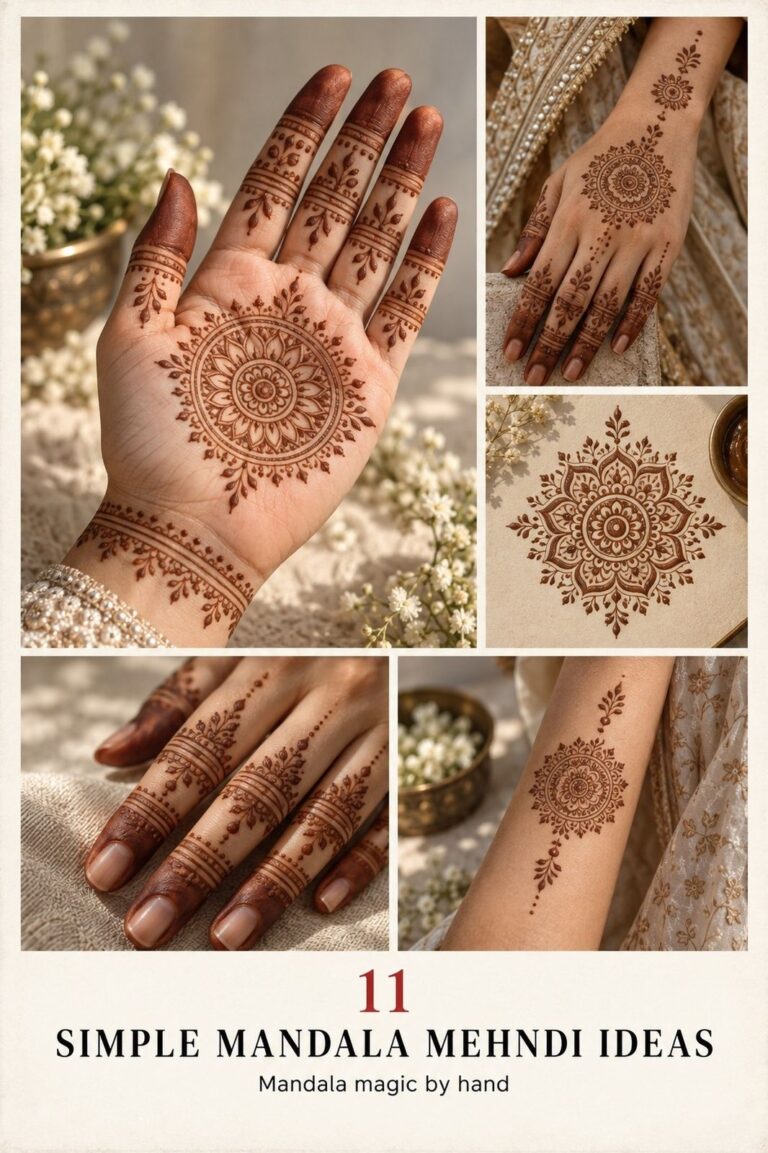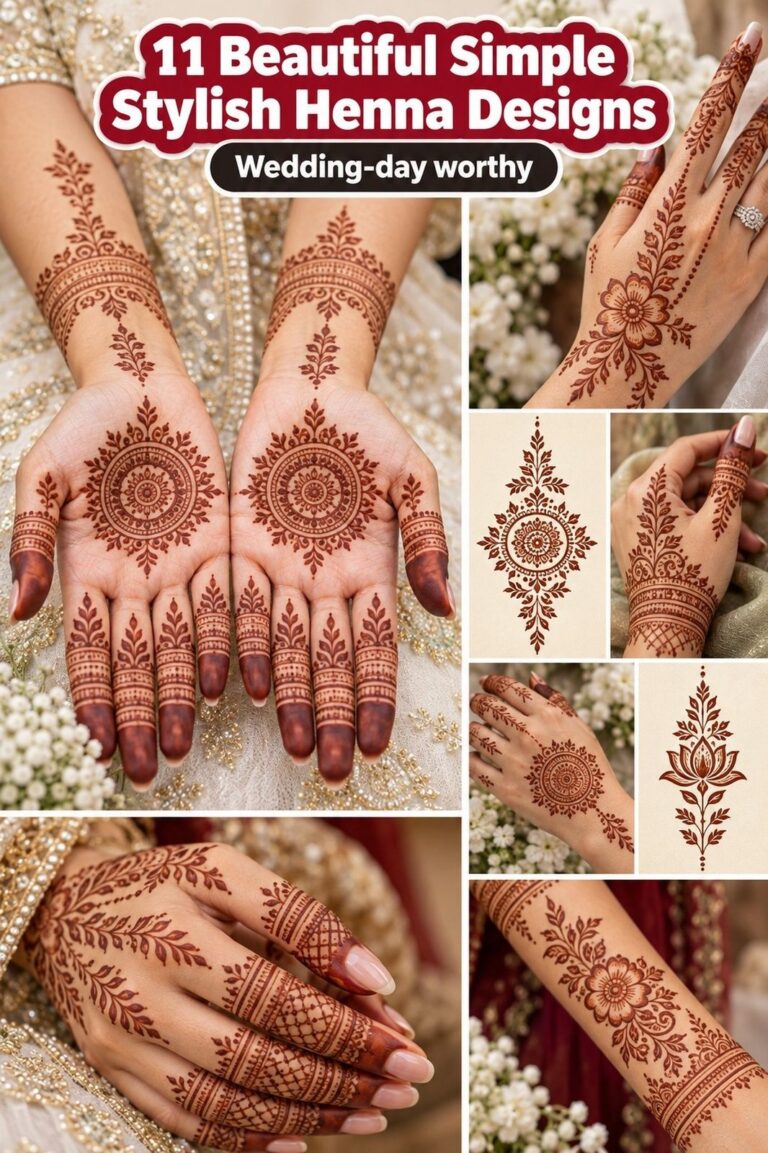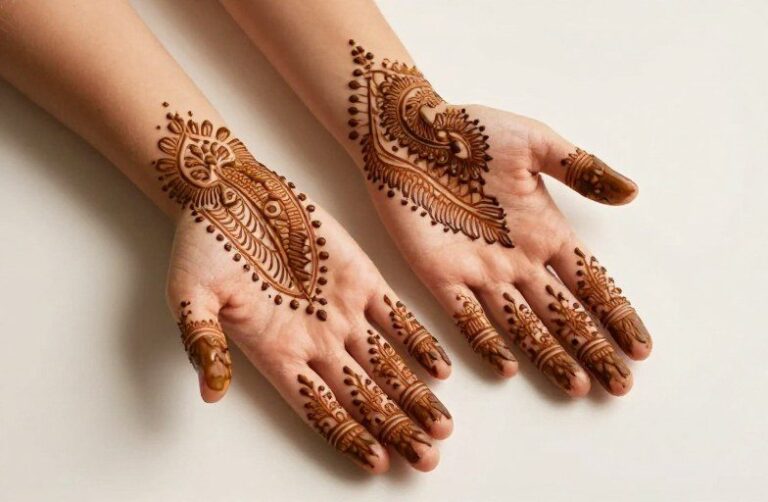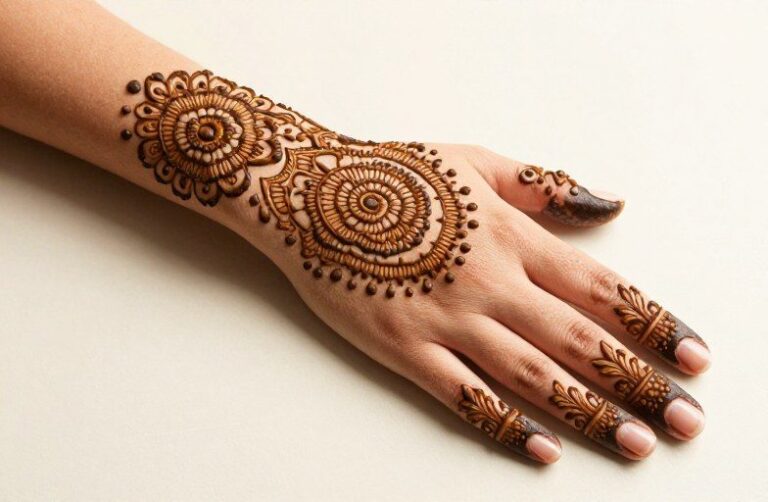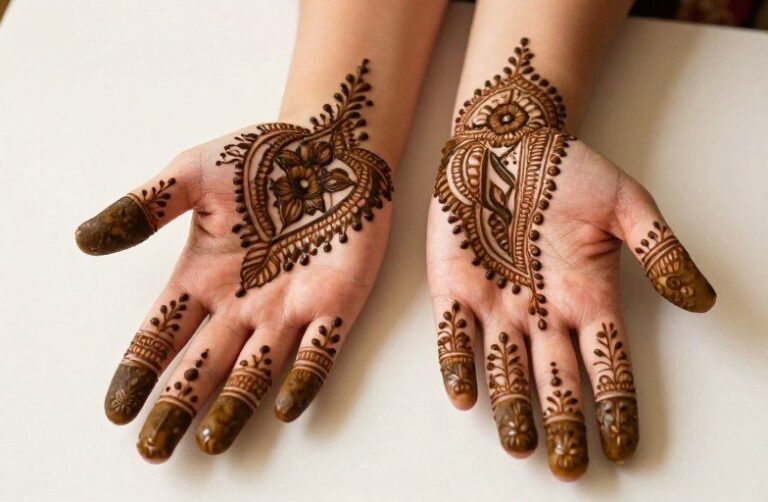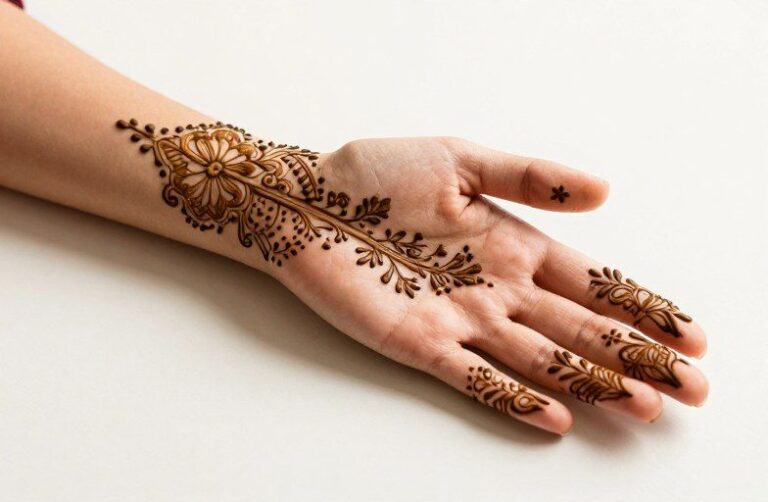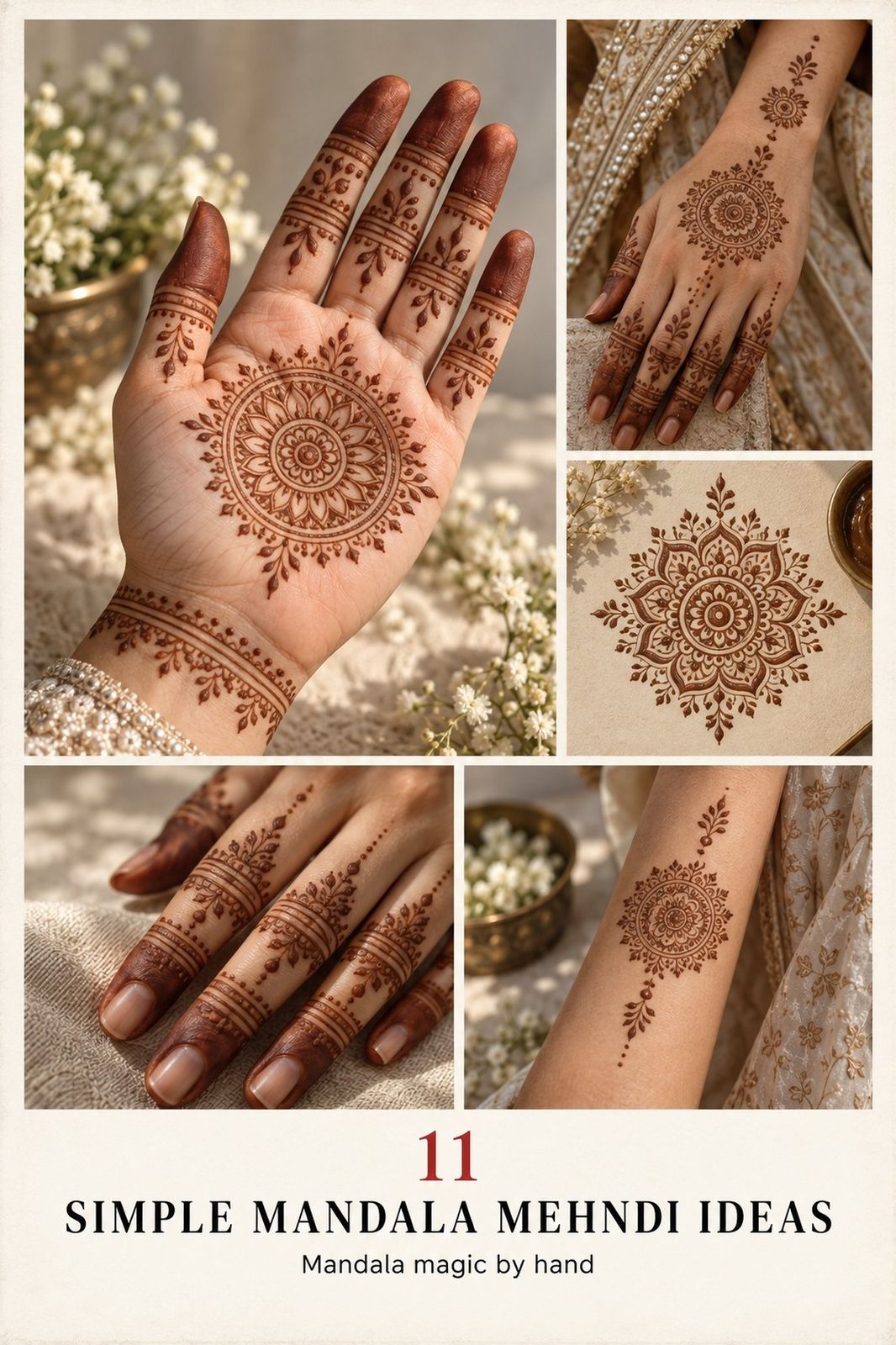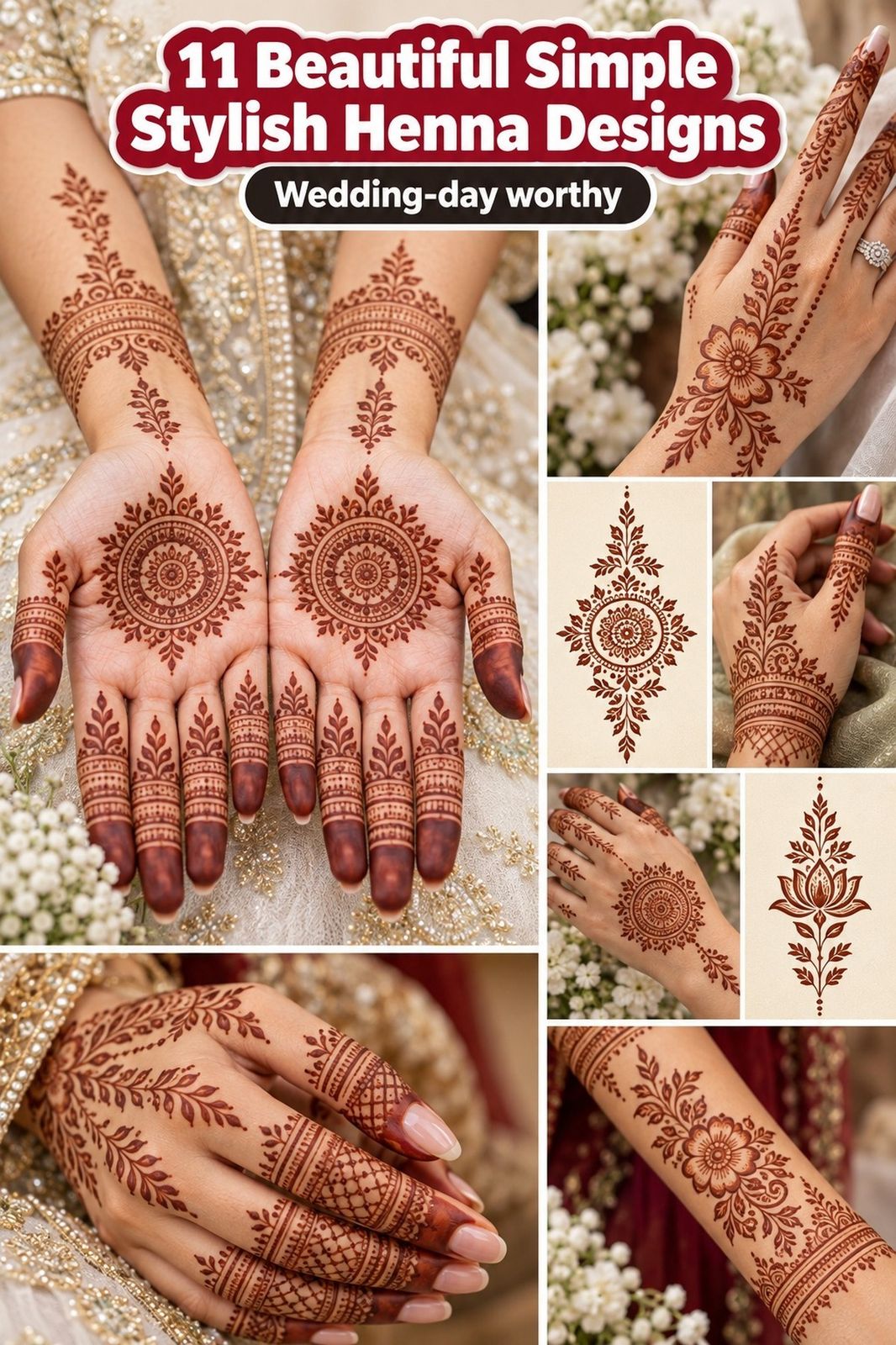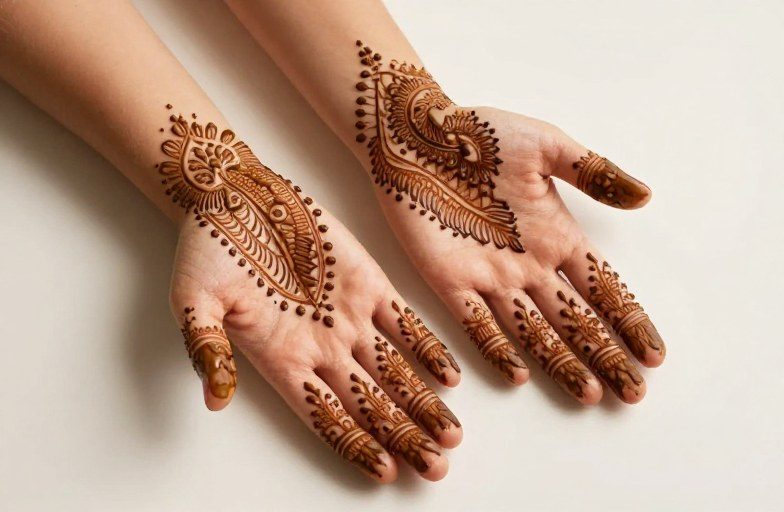
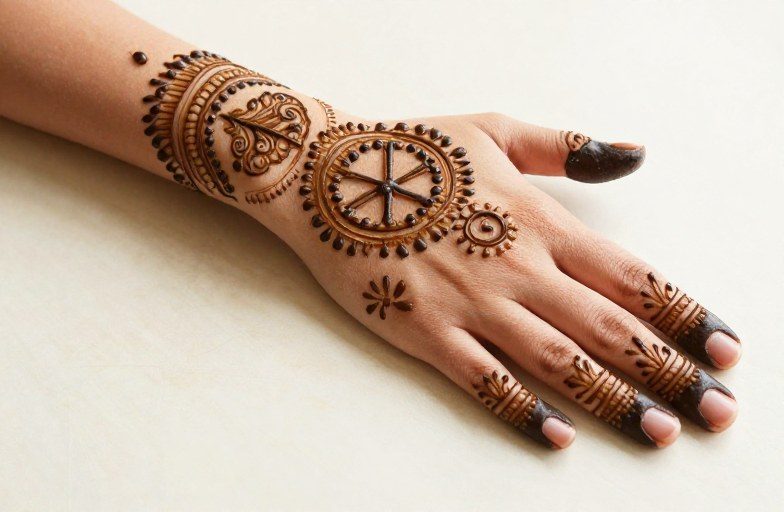
A henna tattoo meaning peace draws from the ancient art of mehndi to represent inner calm, harmony, and the temporary nature of conflict. Unlike permanent ink, henna’s fading quality mirrors the Buddhist and Hindu concept of impermanence, peace as something cultivated, not possessed. Today, people choose permanent henna-style tattoos to capture that same ethos: flowing botanical lines that suggest tranquility without rigidity.
Religious & Spiritual Angles
Hindu and Buddhist Foundations
In Hindu practice, mehndi application before weddings and festivals invokes auspiciousness and spiritual protection. The elaborate patterns aren’t merely decorative; they function as temporary mandalas, focusing intention during meditation or ritual. Peace enters through the act itself, the slow, deliberate tracing of patterns that demands stillness from both artist and recipient.
Buddhist interpretations lean into anicca, or impermanence. Henna fades in one to three weeks, making it a visceral reminder that peace, like all states, arises and passes. Permanent henna-style tattoos adapt this by freezing the visual language while losing the temporal teaching. Some practitioners offset this by choosing placements that age and blur naturally, letting the design itself become impermanent through skin change.
Islamic and Sufi Connections
Mehndi carries deep roots in Muslim wedding traditions across South Asia, North Africa, and the Middle East. The patterns often incorporate the hamsa, floral geometry, and calligraphic elements that suggest divine order. Peace here intertwines with submission to something larger, salaam in its root sense of surrendering to harmony. Henna-style peace tattoos sometimes borrow this geometric precision, favoring symmetrical compositions over the looser botanical swirls of Hindu-inspired designs.
Common Variations & Styles
Not all henna peace tattoos look alike. The style you choose signals which tradition you’re engaging and how literally you treat the “henna” element.
- Pure replication: Fine-line brown or reddish ink mimicking actual henna paste, often with the characteristic fingertip staining and palm-center mandala placement
- Blackwork adaptation: Bold black lines in henna’s flowing vocabulary, sometimes with dotwork shading, reads as tattoo first, henna reference second
- Fusion pieces: Henna patterns framing Western peace symbols (dove, olive branch, broken rifle) or integrating the word “peace” in Arabic, Sanskrit, or English script
- Minimalist extraction: Single henna motifs, paisley, lotus, or trailing vine, stripped of density, placed as small standalone pieces on wrist, ankle, or behind ear
Line weight matters enormously. Authentic henna lines vary from hair-fine to moderately thick, never achieving the heavy saturation of traditional American tattooing. Artists specializing in this style typically use single needles or tight three-round liners, building tone through repetition rather than packing.
Design Tips & Pairings
Placement and Aging
Henna patterns rely on continuous flow. Broken by joints or high-friction areas, they age poorly. The forearm’s inner surface preserves detail longest; backs of hands and fingers blur fastest. For peace symbolism specifically, the wrist carries obvious resonance, pulse point, gesture of offering, but requires accepting faster degradation. Upper arm and calf offer compromise: visible enough for meaning, sheltered enough for longevity.
Complementary Elements
Pairing henna motifs with other symbols demands restraint. The style’s strength is its density and rhythm; crowding it with unrelated imagery dilutes both. Effective combinations include:
- Lotus emerging from henna waves, peace as arising from, not separate from, difficulty
- Om or unalome integrated into the pattern’s center, not floating above it
- Small script in negative space within the design, not bannered across
- Geometric frames (Islamic star patterns, simple circles) containing organic henna flow
Color choices significantly alter reception. Brown ink reads as literal henna homage; black reads as tattoo craft with henna influence; red or orange risks looking like a faded attempt at brown.
Mythology & Folklore
Henna’s protective function appears across multiple folklore traditions. In North African and Middle Eastern practice, mehndi applied to the hands and feet was believed to ward off the evil eye, with the dye’s staining strength indicating the strength of protection offered. Peace, in this context, meant safety from external harm rather than internal stillness.
Indian folklore often links henna to Lakshmi, goddess of prosperity, and to the cooling properties of the plant itself. Before air conditioning, henna paste literally lowered body temperature; the metaphor of “cooling” heated emotions or conflict situations follows naturally. Some trace henna’s peace association to this physical cooling effect translated into emotional register.
The night before a wedding, mehndi ceremonies create structured social peace, female gathering, storytelling, deliberate slowing of ordinary time. Henna peace tattoos sometimes reference this specifically, choosing wedding-motif density (full palm coverage, fingertip caps) rather than the sparser festival styles.
Color vs Black and Grey
The Brown Ink Question
Actual henna ranges from orange-brown to deep burgundy depending on body chemistry, paste quality, and duration left on skin. Tattoo ink can’t replicate this variability, but specialized brown pigments approach it. The problem: brown ink fades unpredictably, sometimes shifting toward orange or grey, and lacks the depth range of black. Most artists recommend black for longevity, accepting the visual shift from “henna-colored” to “henna-designed.”
Black and Grey Execution
Black and grey henna-style work requires exceptional technical control. Without color to separate elements, line quality and spacing carry the entire design. Shading, when present, typically uses dotwork or whip-shading rather than smooth gradients, the latter reads as realism, not henna. White ink highlights occasionally appear but heal inconsistently and often yellow; many artists avoid them entirely.
Some clients choose black for the tattoo, then apply actual henna over it periodically. This creates living variation, the permanent structure constant, the temporary color shifting with seasons or occasions. The combination honors both traditions without conflating them.
History & Cultural Roots
Henna’s origins are often linked to the Bronze Age, with archaeological evidence from Egypt, the Levant, and the Indian subcontinent. The plant, Lawsonia inermis, thrives in hot, dry climates; its use spread along trade routes rather than through single cultural invention. This matters for peace symbolism because henna’s history is inherently cross-cultural, negotiated between regions rather than owned by any.
Colonial and orientalist fascination with “the exotic East” distorted Western understanding of mehndi, sometimes reducing it to tourist spectacle or fashion trend. Contemporary henna-style tattooing walks this line, appreciation versus appropriation depends heavily on context, specific design choices, and the wearer’s relationship to the traditions referenced. Choosing a design rooted in geometric Islamic tradition carries different weight than choosing a wedding-specific motif if you have no connection to either.
The shift from temporary paste to permanent ink, from ritual application to commercial tattooing, represents genuine transformation, not mere continuation. Acknowledging this honestly, rather than claiming ancient lineage for modern practice, allows the peace symbolism to function without false pretense.
Before You Decide
Henna peace tattoos succeed when the design’s visual qualities match the intended meaning. Flowing, unbroken lines suggest peace as process; rigid, symmetrical patterns suggest peace as structure. Neither is superior, but mismatching form and intention creates dissonance you may not consciously notice but will feel.
Research your artist’s specific experience with fine-line botanical work. Portfolio matters more than years in the industry, henna-style tattooing demands a hand discipline distinct from bold traditional or soft realism. Ask to see healed photos, not just fresh work; the style’s delicacy makes it particularly vulnerable to blowout and premature fading.
Consider whether you want the henna reference to be immediately readable. Some designs announce their source; others read as abstract pattern until explained. The peace meaning operates similarly, visible symbol (dove, word, olive branch) versus private resonance in pattern alone. Your comfort with explanation, or with mystery, should guide the choice.
Frequently Asked Questions
Do henna peace tattoos have to use brown ink to look authentic?
No. Black ink is more common for permanent tattoos because it ages more predictably and maintains contrast. Brown ink can approximate henna’s color but often shifts unpredictably over time. The “henna” quality comes from line style and pattern, not strictly from color.
How long does a fine-line henna-style tattoo last before needing touch-ups?
Fine-line work generally needs refreshment sooner than bold traditional tattoos, often five to eight years for crisp detail, depending on placement, sun exposure, and individual skin. Areas with frequent movement or friction blur faster.
Is it culturally appropriate for someone without South Asian or Middle Eastern heritage to get a henna-style tattoo?
Context and specific design matter. Geometric patterns and general botanical flow carry less specific cultural weight than religious symbols or wedding-specific motifs. Research your chosen design’s origins, credit the tradition, and avoid treating the style as mere aesthetic without acknowledgment.
Can you combine actual henna application with a permanent henna-style tattoo?
Yes, and some people do this deliberately. The permanent tattoo provides a constant structure while temporary henna applications add color variation and seasonal change. Ensure the henna paste is fully removed and the skin healed before tattooing over or near existing work.