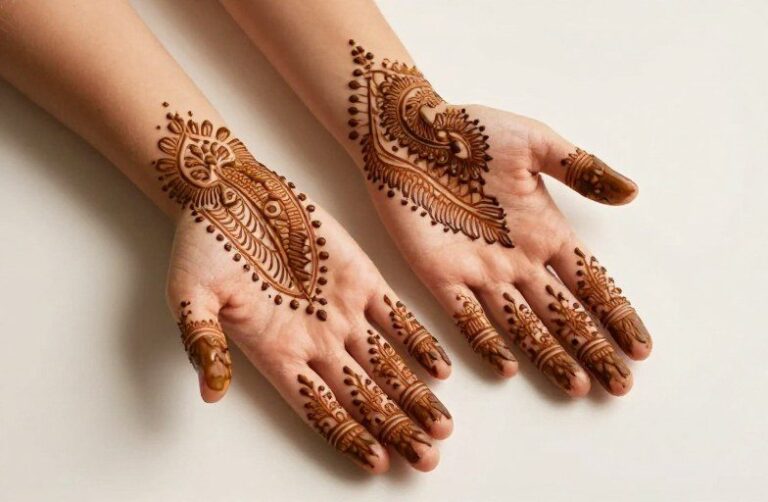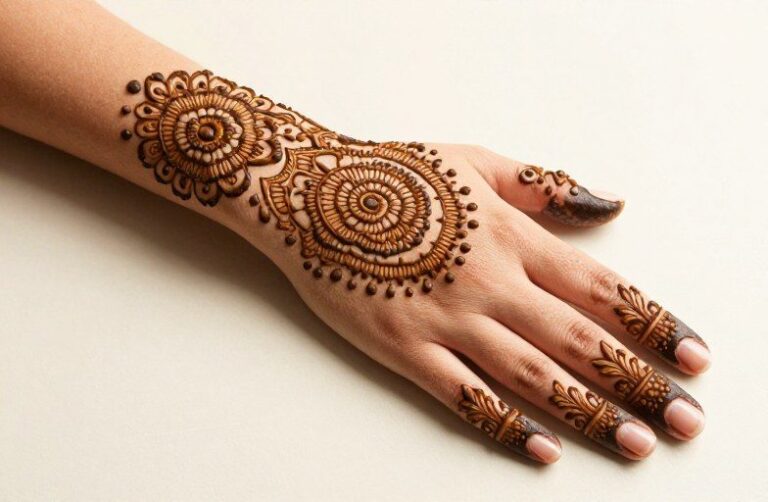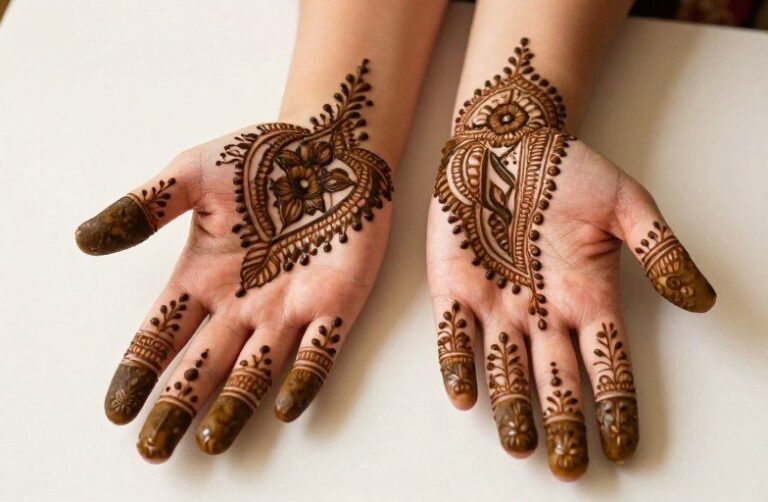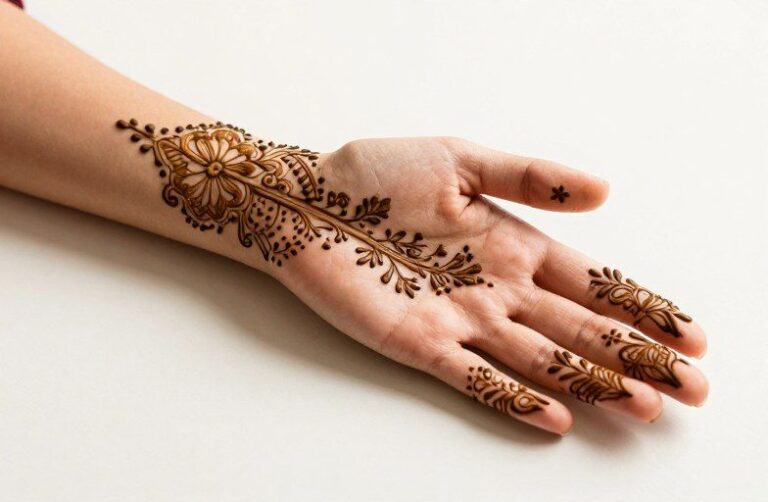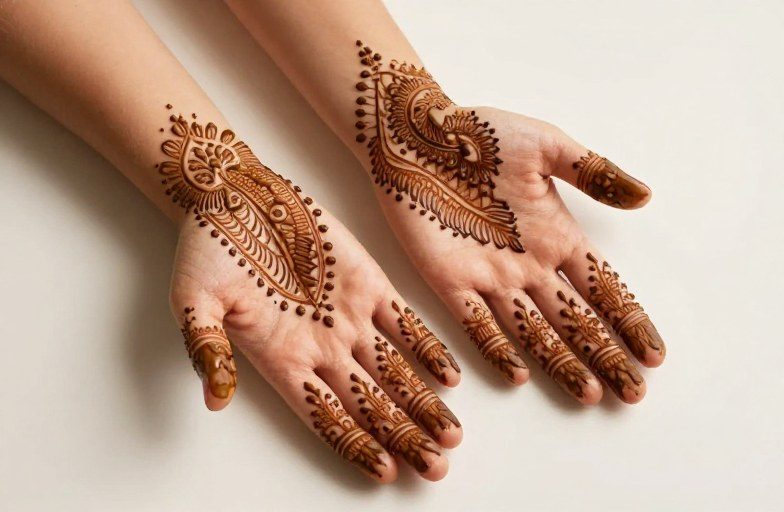
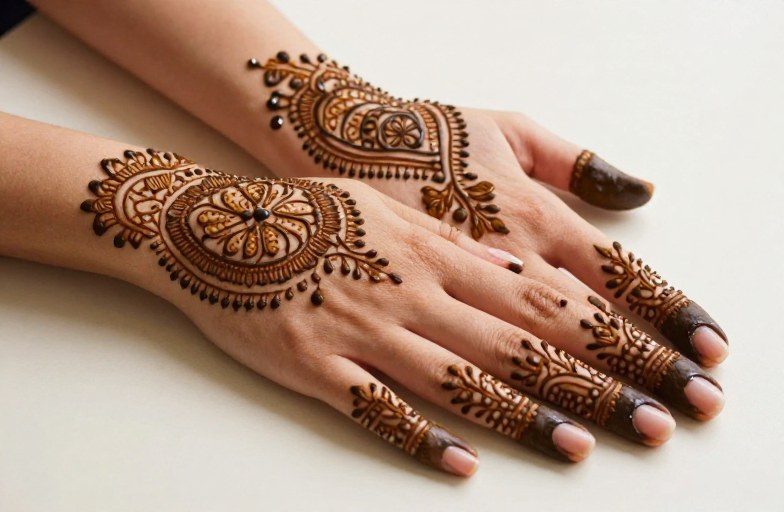
Henna stains the top layers of your skin and fades naturally as those cells shed. Most stains lighten significantly within a week and disappear entirely in two to four weeks. If you need faster removal, gentle exfoliation and oil-based methods can speed the process without damaging your skin.
Healing Timeline
Understanding how henna actually works helps set realistic goals for removal. The paste sits on your skin’s surface, and lawsone, the dye molecule, binds to the keratin in your dead skin cells. It never penetrates to the dermis like a needle tattoo, which means it also never truly “heals”, it simply fades as you naturally exfoliate.
The First 48 Hours
Fresh henna paste flakes off to reveal an orange stain that darkens over 24, 48 hours as the dye oxidizes. During this window, the color isn’t fully set. Washing with soap, swimming, or scrubbing can pull significant pigment away before it reaches its deepest shade. If you regret the design immediately, this is your easiest removal window, gentle soap and a washcloth can remove much of the potential color.
Peak Color to Fade
Days two through five show the darkest, most stubborn stain. By day seven, you’ll typically see noticeable lightening on high-friction areas like palms and fingers. Thicker skin on hands and feet holds color longest, sometimes three weeks or more, while thinner areas like the back of the hand or forearm fade faster. The stain doesn’t disappear uniformly; it breaks apart in patches as individual skin cells shed at different rates.
The Direct Answer
Here’s what actually removes henna, ranked from gentlest to most aggressive:
- Oil soaking: Olive oil, coconut oil, or baby oil softens the stained skin and lifts dye. Apply generously, let sit 10, 15 minutes, then wipe with a warm cloth. Repeat daily.
- Salt or sugar scrubs: Mix with oil to create a gentle abrasive. Rub in circles for two minutes, rinse, moisturize. Do not use on broken or irritated skin.
- Exfoliating acids: Products with glycolic acid, lactic acid, or salicylic acid accelerate cell turnover. Apply to the stained area as directed on the product label.
- Chlorine exposure: Swimming pools noticeably speed fading on hands and feet. The combination of chlorine and water immersion softens and strips the stained layer.
- Antibacterial soap: Harsher than regular soap, it strips more oil and can pull some extra dye with repeated use. Follow with moisturizer to prevent cracking.
What doesn’t work: bleach, nail polish remover, lemon juice left to burn, or aggressive scrubbing with pumice until you bleed. These damage living skin beneath the stain and can cause scarring, infection, or post-inflammatory hyperpigmentation that outlasts the henna itself.
When to See a Professional
Most henna removal happens at home, but certain situations warrant professional input.
Allergic Reactions
Black henna often contains paraphenylenediamine (PPD), a hair dye chemical that causes severe allergic reactions in many people. If you experience blistering, spreading redness, intense itching, or pain, not just normal tingling from the paste, consult a dermatologist. They can prescribe topical steroids to control inflammation and help prevent scarring. Do not attempt aggressive removal methods on reactive skin; you’ll compound the damage.
Stubborn Stains in Sensitive Areas
Face and neck henna presents unique challenges. These areas have thinner skin, more sun exposure, and higher visibility. A dermatologist or experienced esthetician can perform controlled chemical exfoliation or light peels that would be risky to attempt yourself. The cost typically runs $75, $200 per session, but on visible areas, professional management prevents the uneven fading and skin damage that DIY methods often leave behind.
What to Expect Step by Step
Removing henna properly takes patience and consistency. Here’s a practical daily approach:
Day 1, 2 of removal: Start with oil soaks twice daily. Warm the oil slightly, apply a thick layer, cover with cotton gloves or plastic wrap for 15 minutes, then gently rub with a soft cloth in circular motions. The warm oil penetrates and lifts surface dye without stripping healthy skin.
Day 3, 5: Introduce gentle mechanical exfoliation. A salt or sugar scrub every other day, followed immediately by moisturizer, helps slough the stained layer faster. Watch for redness or rawness, back off if skin feels tender.
Day 6 onward: Alternate between acid exfoliation (if your skin tolerates it) and oil treatments. Continue daily moisturizing to prevent the dry, cracked skin that actually traps pigment longer.
Throughout the process, avoid hot showers immediately before or after removal sessions, heat increases blood flow and can temporarily darken the stain’s appearance. Lukewarm water preserves your progress.
Realistic Expectations
Henna on palms and soles rarely disappears in under ten days, even with aggressive removal. The thick stratum corneum in these areas absorbs more dye and sheds more slowly. Conversely, a light forearm stain might be nearly gone in five days with consistent oil and exfoliation.
What Affects Removal Speed
- Original stain quality: Professional-grade henna with high lawsone content and long paste-on time (four-plus hours) creates deeper stains that resist removal.
- Skin type and age: Younger skin and oilier skin types exfoliate faster naturally. Dry skin holds stains longer but also damages more easily under scrubbing.
- Aftercare during application: Keeping paste warm and moist, avoiding water for 12+ hours, and using lemon-sugar sealant all deepen the original stain and extend removal time.
- Sun exposure: UV exposure darkens henna initially through oxidation, then speeds fading as damaged skin sheds faster. The net effect varies by individual.
Complete removal in under a week is unusual for quality henna on hands or feet. Anyone promising instant results is selling something that will likely harm your skin.
Cost Factors
Home removal runs essentially free, oil, salt, and moisturizer you already own. If you purchase dedicated products, expect minimal expense: a basic glycolic acid body lotion costs $10, $25, quality oils run $8, $15, and scrubs range from DIY pennies to $15 retail.
Professional removal or consultation costs more but makes sense for visible areas, sensitive skin, or reactions. Dermatologist visits typically involve a copay ($25, $75 with insurance) or full fee ($150, $400 without). Cosmetic estheticians charge $75, $200 per session for controlled exfoliation treatments, often requiring two to three sessions for significant stain reduction.
One hidden cost: damaged skin from aggressive DIY removal may require dermatological treatment later, plus the social cost of visible irritation or scarring. Patience is cheaper than repair.
Key Takeaways
Henna removal rewards gentle persistence over aggressive stripping. Oil soaks and consistent exfoliation work with your skin’s natural shedding cycle rather than fighting it. The stain resides in dead cells; your goal is to help those cells depart evenly, not to punish living tissue beneath.
Hands and feet need two to three weeks even with effort. Thinner skin areas fade faster. Black henna containing PPD demands medical attention if reactive, not home removal attempts. Professional help costs more upfront but prevents the uneven, damaged results that impatient methods often produce.
Most importantly, remember that henna is temporary by design. The same quality that makes it attractive, its impermanence, means time alone will solve your problem if removal methods feel too burdensome or risky for your skin type.
Frequently Asked Questions
Does lemon juice actually remove henna faster?
Lemon juice can lighten henna slightly due to its acidic nature, but leaving it on long enough to matter often causes chemical burns, especially with sun exposure. The irritation and potential scarring aren’t worth marginal gains over oil and gentle exfoliation.
Can I tattoo over faded henna?
Wait until the henna is completely gone and your skin has returned to normal texture. Residual stain or irritated skin can affect how the tattoo artist sees their stencil and how ink settles in the dermis. Most artists recommend two to four weeks after complete fading.
Why does my henna look darker after showering?
Water and heat temporarily swell the skin and oxidize remaining lawsone molecules, deepening the visible color for hours. This is normal and doesn’t mean your removal efforts failed. The stain will return to its fading baseline as skin dries and calms.
Is black henna harder to remove than natural henna?
PPD-based black henna often penetrates deeper and creates more persistent staining, plus it carries significant health risks. The removal process is similar, but any reaction symptoms require immediate medical attention rather than continued home treatment.