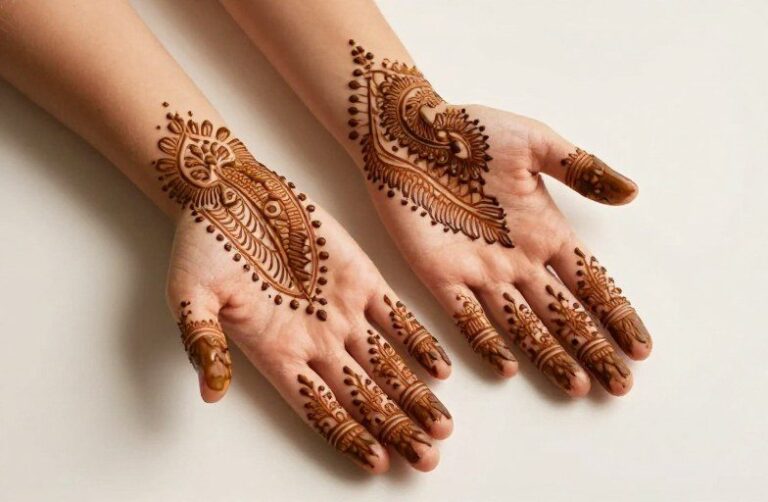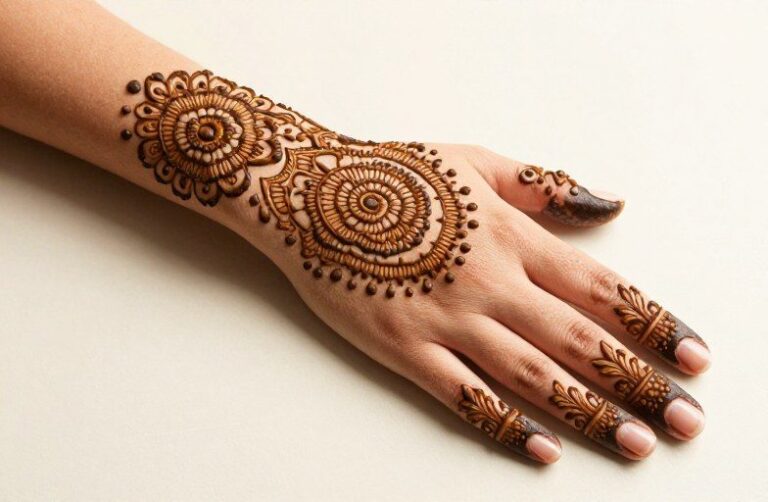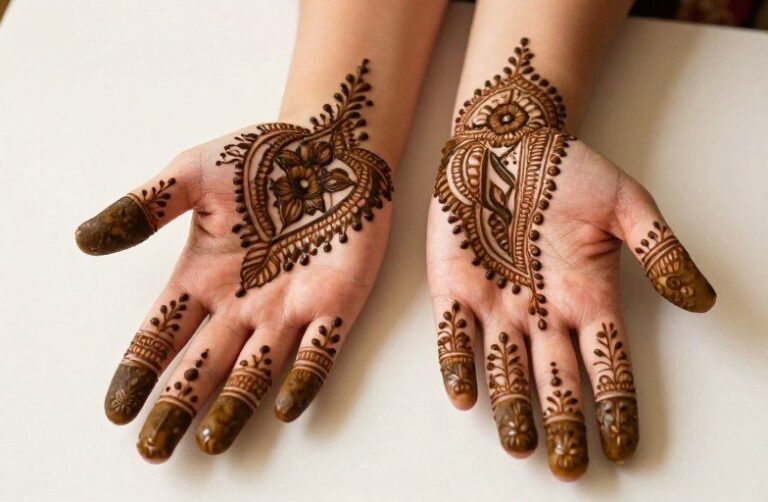
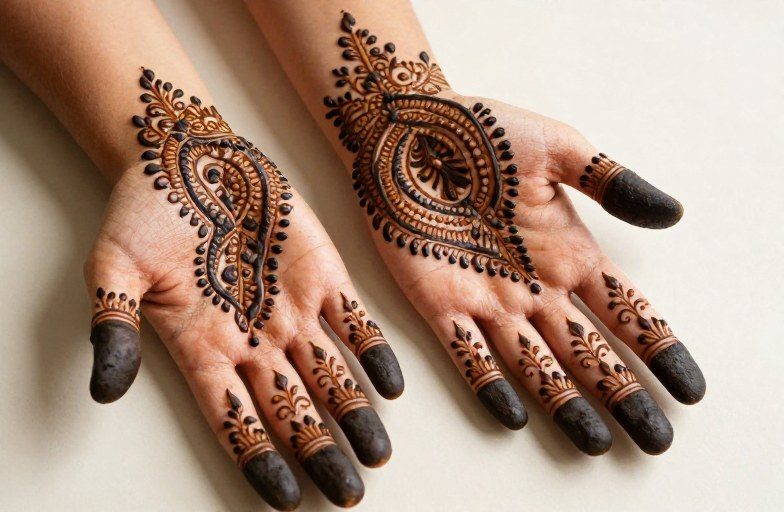
Black henna tattoos fade on their own in 1, 3 weeks, but you can speed removal with gentle exfoliation, oil-based softening, and time. The key is patience, aggressive scrubbing damages skin and won’t strip the stain faster. If you react with blistering, spreading redness, or intense burning, stop home treatment and seek medical care immediately.
The Direct Answer
Black henna sits in the top layers of your epidermis, not deep like a needle tattoo. That makes it removable, but also fragile to misuse. Most “black henna” contains paraphenylenediamine (PPD), a hair-dye chemical that darkens the stain and often triggers stronger skin reactions than traditional henna. Removing it means lifting stained dead skin cells without destroying living tissue underneath.
What Actually Works
- Oil soaking: Olive oil, coconut oil, or baby oil break down the stain binder. Apply generously, cover with plastic wrap for 15, 20 minutes, then wipe away with a warm washcloth.
- Gentle exfoliation: A soft washcloth or mild sugar scrub removes loosened skin cells. Do this every other day, not twice daily, irritated skin holds stain deeper.
- Salt water: Swimming in the ocean or a warm salt bath accelerates fading. Chlorine pools work too, though they dry skin more.
- Time: Your body sheds its entire epidermis roughly every 27 days. The stain goes with it.
What Doesn’t Work
Bleach, nail polish remover, lemon juice on broken skin, and sandpaper scrubbing all damage living tissue without significantly speeding removal. These create open wounds that scar, get infected, and, ironically, can trap pigment deeper as the skin heals over trauma. Skip the desperation tactics.
What to Expect Step by Step
Day one through three, the stain looks darkest. This is normal. By day four, you’ll notice slight lightening at edges where skin naturally exfoliates faster from friction. Full removal typically takes 10, 21 days depending on body location, your skin’s turnover rate, and how long the paste sat on originally.
First 48 Hours
- Avoid water immersion, showers are fine, but skip baths, hot tubs, and swimming if you want the stain to last. (Reverse this if you’re trying to remove it.)
- Don’t moisturize yet. Dry skin exfoliates faster.
- If any itching, burning, or swelling appears, note the exact time. PPD reactions often delay 24, 72 hours.
Days 3, 10: Active Removal
Start oil soaks every other day. Apply oil, wrap in warm cloth for 20 minutes, then use a washcloth in gentle circular motions. Follow with a basic, fragrance-free moisturizer to prevent cracking. If the area feels raw or looks shiny, you’re overdoing it, back off for two days.
On alternate days, just moisturize normally and let your skin rest. The stain fades in waves, not steadily. Some mornings it’ll look dramatically lighter; other days, barely changed. This uneven fading frustrates people, but it’s completely ordinary.
When to See a Professional
Most black henna removal happens at home. Certain situations warrant professional intervention, though, not necessarily a tattoo removal clinic, but sometimes a dermatologist or urgent care.
Signs of PPD Reaction
- Blistering or oozing within 48, 72 hours of application
- Redness spreading beyond the tattoo’s original borders
- Intense burning that doesn’t subside with cool water
- Swelling that restricts movement (common on hands, feet, around joints)
These indicate contact dermatitis, sometimes severe. A dermatologist can prescribe topical steroids to control inflammation. Don’t wait for it to “clear up on its own”, PPD sensitization can worsen with repeated exposure and may affect future hair dye use too.
Stubborn Stains
If the design persists beyond six weeks or darkens rather than fades, the paste may have penetrated deeper than typical henna staining, sometimes into the upper dermis through compromised skin. Laser removal, the same Q-switched devices used for permanent tattoos, can target these residual pigments. Expect 2, 4 sessions at roughly $200, $400 each, depending on size and location. This is rarely necessary for true henna, but black henna with PPD or added inks behaves differently.
Common Mistakes
People panic when they realize black henna isn’t the temporary, harmless fun they expected. Panic leads to poor decisions.
Over-Exfoliation
Scrubbing twice daily with harsh products doesn’t remove the stain faster, it removes your protective skin barrier. This causes weeping, crusting, and potential infection. Once the skin breaks, healing takes priority over stain removal. You’ll actually slow the process by weeks.
Ignoring Early Reaction Signs
That tight, itchy feeling on day two isn’t “just healing.” Traditional henna doesn’t itch significantly. PPD reactions build slowly. Catching them early prevents the blistering stage entirely. If you wouldn’t ignore a spreading rash from poison ivy, don’t ignore this.
Assuming All Henna Is Equal
Traditional henna (reddish-brown, from the Lawsonia plant) rarely causes problems and fades predictably. “Black henna” is a different product entirely, often with unlisted additives. The removal advice differs because the risk profile differs. Treating black henna like safe, traditional henna leads to delayed care.
Aftercare Essentials
If you’re removing the stain or just riding out natural fading, skin health determines how clean the final result looks. Damaged skin heals with texture changes and sometimes lingering discoloration.
Moisture Balance
During active removal, alternate between oil soaks and light, non-comedogenic moisturizers. Heavy petroleum jelly can trap heat and sweat, potentially worsening any low-grade reaction. Look for simple ingredients: glycerin, ceramides, hyaluronic acid. Avoid fragrance, essential oils, and “cooling” menthol products, these irritate sensitized skin.
Sun Protection
Freshly exfoliated skin burns faster. The stain itself offers no UV protection, and sun exposure can darken residual pigment temporarily, making the tattoo appear to return. Use SPF 30+ on exposed areas during removal. This matters especially on hands, forearms, and feet, common henna placements that see daily sun.
Clothing and Friction
Tight clothing over the tattooed area creates friction that both fades the stain and irritates skin. Loose, breathable fabrics work better. On hands and feet, where black henna often goes, normal daily use provides enough mechanical exfoliation without adding deliberate scrubbing.
Realistic Expectations
Black henna removal isn’t dramatic. There’s no wipe-it-away solution, no miraculous home remedy that erases it overnight. The process mirrors healing a light sunburn: gradual, slightly annoying, ultimately self-resolving.
Location Matters
Palm tattoos fade fastest due to constant skin turnover and friction. Upper back or inner arm? Slower, those areas exfoliate less aggressively. Ankles and feet occupy middle ground. Wherever you got it, the timeline stretches longer than most people want but shorter than permanent tattoo removal by months or years.
What “Gone” Looks Like
Complete removal means zero visible pigment. Sometimes a faint yellowish or gray shadow lingers for weeks after the main stain disappears, this is normal, not residual henna. It reflects temporary post-inflammatory pigment change from the skin’s response to the PPD or scrubbing. This shadow fades independently and shouldn’t be aggressively treated.
Key Takeaways
- Black henna fades naturally in 1, 3 weeks; oil soaks and gentle exfoliation can modestly accelerate this.
- Never use bleach, solvents, or abrasive scrubbing, these damage skin without improving removal speed.
- Watch for delayed reactions: blistering, spreading redness, or intense burning need medical attention, not home treatment.
- Moisturize sensibly, protect from sun, and let your skin’s natural turnover do the heavy lifting.
- Professional laser removal exists for stubborn cases but is rarely necessary for standard black henna fading.
Patience protects your skin more than any product. The stain will leave; your skin stays.
Frequently Asked Questions
Can I use lemon juice to fade black henna faster?
Lemon juice offers mild natural exfoliation but stings broken or irritated skin and increases sun sensitivity. It’s not significantly more effective than oil soaks and carries more risk of chemical irritation, especially on PPD-reactive skin.
Why is my black henna tattoo getting darker instead of lighter?
PPD-based stains sometimes oxidize and darken over the first 48, 72 hours before fading begins. This is normal chemical behavior, not a sign of deeper penetration. If darkening continues past day four with other symptoms, consider a reaction.
Will black henna leave a permanent scar or stain?
True henna doesn’t scar, but PPD reactions can cause post-inflammatory hyperpigmentation or hypopigmentation lasting months. Aggressive removal attempts cause more scarring risk than the henna itself. Gentle treatment nearly always resolves cleanly.
How do I know if a henna artist is using safe, traditional paste?
Ask to see the paste ingredients. Traditional henna is brownish-reddish, never true black when wet. Black paste, quick 20-minute stains, or artists who can’t explain their ingredients all signal PPD risk. Walk away from any artist who dismisses your questions.