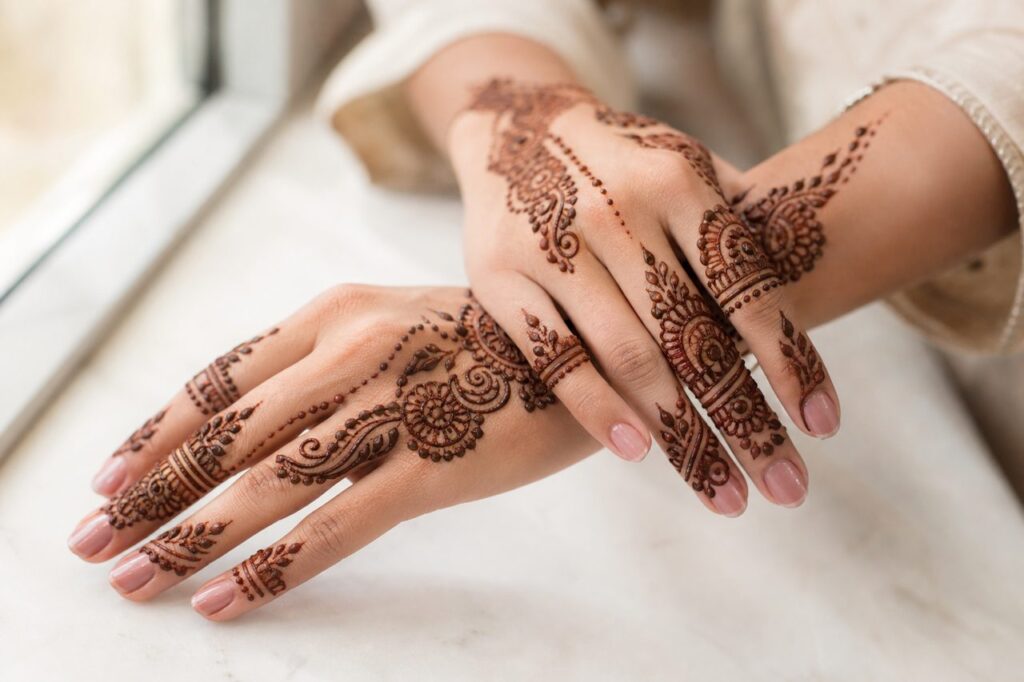
The phrase “how to make henna” as a mehndi concept represents the desire to create, participate in cultural tradition, and embrace beauty that is intentional yet temporary. People drawn to this practice often value the process as much as the final result, seeing their own hands as instruments of art rather than passive canvases. It speaks to transformation through skill, patience, and the willingness to learn something ancient and apply it personally.
History & Cultural Roots
Henna body art stretches back thousands of years, with evidence of its use found across North Africa, the Middle East, and South Asia. The plant itself, Lawsonia inermis, produces a dye that stains skin in shades from orange to deep burgundy, depending on skin chemistry and processing time. What we call “henna tattooing” is often linked to ceremonial practices, weddings, births, religious festivals, where the application itself becomes a communal event.
From Ritual to Modern Practice
Traditional henna application requires grinding dried leaves into powder, mixing with acidic liquid like lemon juice, and letting the paste rest for dye release. The skill lies in cone control: steady pressure, consistent line weight, and understanding how the paste dries on skin. Someone applying “how to make henna” carries this lineage of practiced handwork, acknowledging that the method matters as much as the motif.
- Bridal mehndi in Indian and Pakistani traditions can take 6-8 hours to apply
- Night of the Henna celebrations in Middle Eastern cultures precede weddings by days
- Berber and Amazigh communities use specific geometric patterns as protective symbols
Colonial and Commercial Distortions
The modern “henna” booth at tourist beaches and festivals bears little resemblance to these roots. Black henna containing PPD (a hair dye chemical) causes severe allergic reactions and scarring. Choosing authentic henna-making often serves as deliberate distance from this commercialized version, an insistence on doing it right, with respect for the plant and the process.
Religious & Spiritual Angles
Many faith traditions incorporate henna into sacred observance. Some trace its use to pre-Islamic Arabian customs later adopted into Muslim wedding practices. In Hindu traditions, mehndi accompanies Karva Chauth and other fasts where married women pray for their husbands’ wellbeing. The application itself can become meditative, the slow, repetitive motion focusing intention.
Impermanence as Spiritual Practice
Unlike permanent body art, henna fades in one to three weeks. This transience carries weight in Buddhist-influenced interpretations: attachment to permanence causes suffering. Someone who practices “how to make henna” may embrace this philosophy literally, celebrating creation without clinging to the result. The design fades, but the skill remains, ready for next time.
Protection and Blessing
Specific patterns carry protective associations: the hamsa hand, evil eye motifs, floral vines representing growth and fertility. Applying these to the body was believed to ward off misfortune. A temporary henna design can hold this protective intention beautifully, allowing the blessing to remain meaningful even after the stain fades.
Common Variations & Styles
Mehndi artists interpret “how to make henna” through several visual approaches. Some replicate the actual tools: the rolled cellulose cone, the mixing bowl, and the dried henna leaf. Others depict hands in the act of application, fingers stained orange, perhaps working on another’s palm. The style chosen significantly affects how the design develops as the stain darkens and fades.
Line-Heavy vs. Shaded Approaches
Fine cone linework in brown-red paste mimics henna’s crisp initial application without the blowout risk of permanent pigment. The lines may soften as the stain develops and fades, especially on fingers and palms where washing and friction are frequent. Layered motifs and varied line weights add depth while the color deepens on the second day. On the inner forearm or upper arm, where the design is less exposed, finer detail can remain clearer throughout its one-to-three-week life.
- Fine cone stippling can replicate henna’s organic texture
- White ink highlights (on darker skin) or negative space (on lighter skin) suggest paste still drying
- Color realism, actual orange and brown tones, requires experienced artists; these pigments fade faster than black
Integration with Traditional Henna Patterns
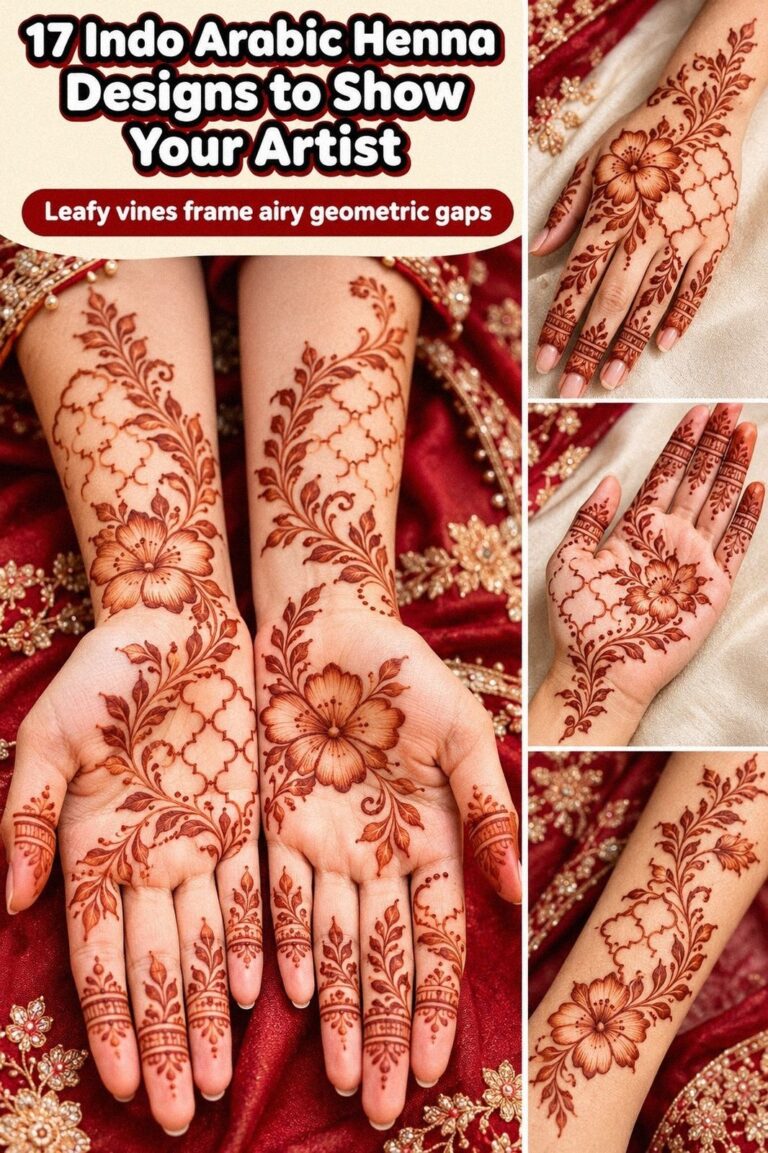
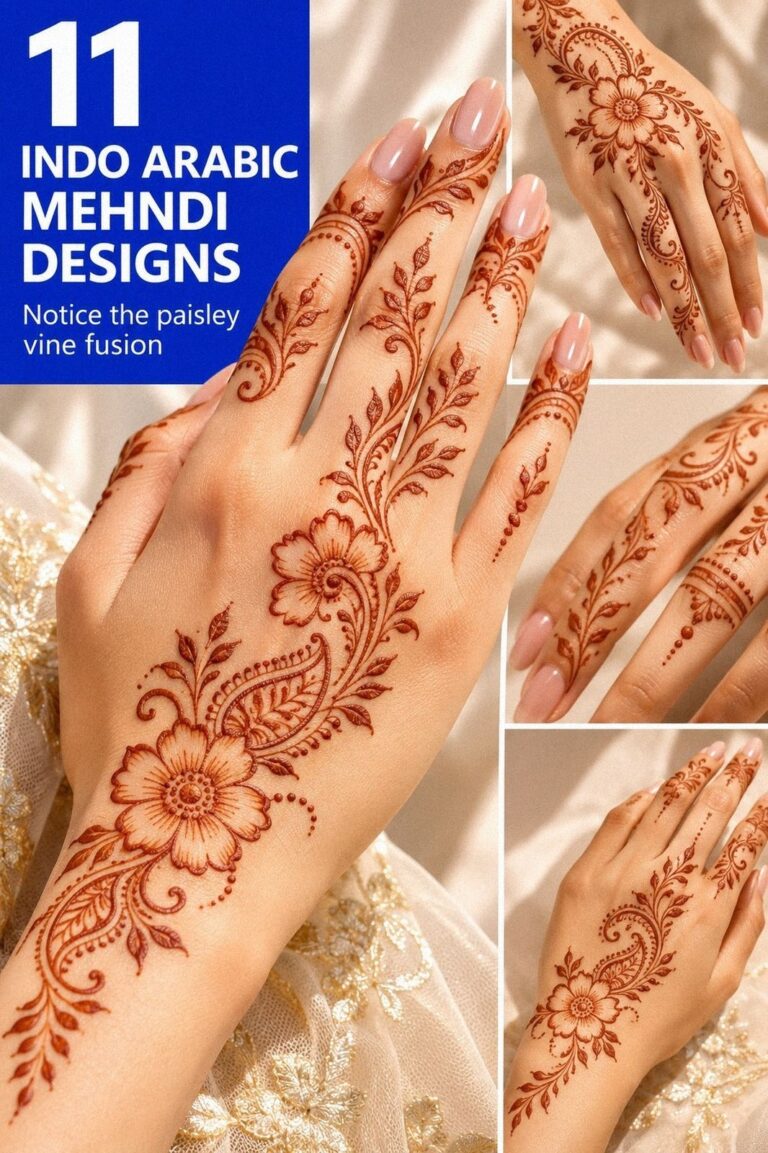
Some designs incorporate actual mehndi motifs, paisleys, florals, geometric fills, surrounding the central making imagery. This creates visual density that ages well; as individual elements soften, the overall composition remains coherent. Placement matters: flowing patterns work around the shoulder or hip, while compact designs suit the wrist or behind the ear.
Personal & Modern Meanings
Beyond cultural and spiritual dimensions, this practice resonates with contemporary values. The maker movement, DIY culture, and resistance to mass production all find expression in celebrating handcraft. Someone might choose this after learning to mix their own paste, after traveling where they received traditional application, or after leaving a corporate career for creative work.
Connection to Heritage
For people of South Asian, North African, or Middle Eastern descent raised outside those cultures, making henna can mark reclamation. Learning the process becomes research, reconnection, and resistance against assimilation. The fading stain documents that labor for a time, while the knowledge and commitment stay visible through practice. It’s common to see this combined with specific regional patterns that family members recognize.
Creativity as Identity
Artists of all backgrounds identify with the hands-on process. Henna acknowledges that making things, whether with paste, paint, or code, shapes who you are. It’s less about the specific medium and more about the stance: active rather than passive, engaged rather than consuming. This interpretation opens the design to stylized tools, abstracted hands, or even chemical structure diagrams of the lawsone molecule that creates the stain.
Similar & Related Symbols
Related imagery often appears alongside or instead of henna-making motifs. Understanding these helps clarify what specifically draws someone to the henna version.
- Henna cones and traditional hand tools: A direct celebration of craft, cultural specificity, and impermanence
- Potter’s wheel, loom, or chef’s knife: Other making tools, but henna uniquely combines body art with body adornment
- Mandala or sacred geometry: Overlaps with henna’s visual language but lacks the temporal dimension, henna is process, not just pattern
- Mehndi hands without tools: Focuses on result rather than creation; popular but different emphasis
The distinction matters for placement and composition. Someone wanting to emphasize learning and growth might pair the henna cone with sprouting botanical elements. Someone honoring a grandmother might show aged hands working on young ones. These narrative choices separate generic “exotic” appropriation from personal, situated meaning.
Who Chooses This Design
There’s no single demographic, but patterns emerge among those who select this design. Professional henna artists sometimes mark their dedication, though many prefer the irony of permanent ink celebrating temporary stain. Crafters and makers across disciplines find kinship. People in transition, career changes, spiritual seeking, cultural reconnection, use it to mark a threshold.
Placement and Lifestyle Considerations
Henna commonly appears on the backs and palms of hands, fingers, feet, and forearms, especially for weddings, sangeet, Eid, and Diwali. The forearm placement can echo where the practice is applied, creating a visual layer where the temporary art occupies the same space as the creative work it represents. Placement also depends on how visible you want the stain to be during its one-to-three-week life.
Stain reality: hand-adjacent henna experiences more friction, sun exposure, and washing than sheltered areas. The color may fade sooner there, while palms and fingertips often develop differently from the backs of hands. The person choosing this motif should plan for a shorter stain life in busy areas, understanding that the ritual includes caring for the paste while it dries and deepens.
Key Takeaways
“How to make henna” as a mehndi concept layers multiple meanings: cultural respect or reclamation, celebration of impermanence and process, identification with handcraft, and personal transformation through learning. The specific visual treatment, tools, hands, patterns, or molecular structures shapes which aspects dominate. Cone pressure, paste quality, drying time, and placement determine how the stain develops. Whether honoring heritage, marking creative identity, or embracing the philosophy of making over having, this practice rewards thoughtful design that respects both the tradition referenced and the temporary nature of henna.
Frequently Asked Questions
Does a henna design need to include actual henna tools, or can it be more abstract?
Both approaches work. Literal cones and stained hands read immediately recognizable; abstracted patterns or molecular structures offer subtler reference. The choice depends on whether you want viewers to understand the specific connection or keep personal meaning private.
How does orange ink hold up compared to black for a realistic henna look?
Orange and brown pigments fade faster than black, often developing a yellowish cast before needing refresh. Many artists recommend black linework with subtle warm shading, or planning for periodic touch-ups if you want sustained color realism.
Is it appropriate to use this henna design if I’m not from a culture that traditionally uses henna?
Respectful engagement differs from appropriation. Learning the actual history, crediting sources, avoiding sacred motifs you don’t understand, and supporting traditional practitioners all help. The design should reflect genuine relationship, not aesthetic tourism.
What’s the best way to make sure the fine lines don’t blur over time?
Choose a placement suited to the occasion, such as the back of the hand, palm, forearm, or feet, and work with a mehndi artist experienced in your chosen style, or use a carefully prepared cone at home. Let the paste dry for one to two hours, seal it with lemon-sugar if appropriate, and avoid washing it off early. Expect the color to deepen on day two before fading naturally over one to three weeks.

Leave a Reply