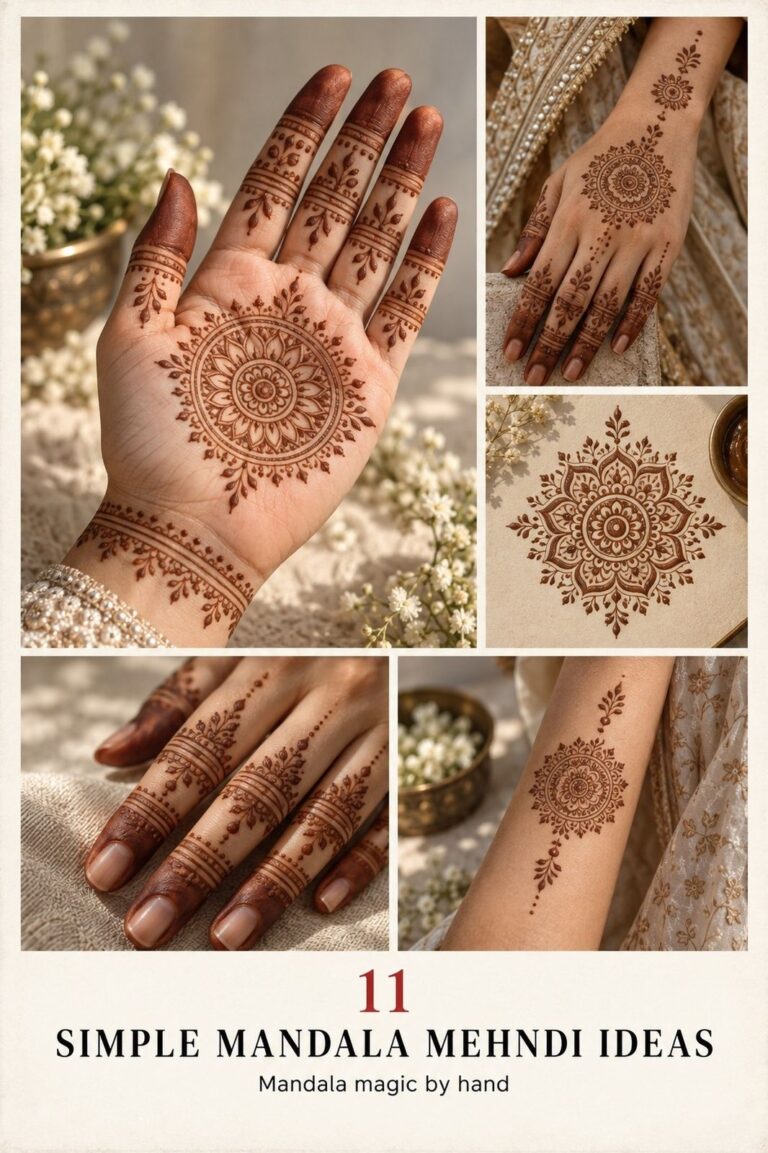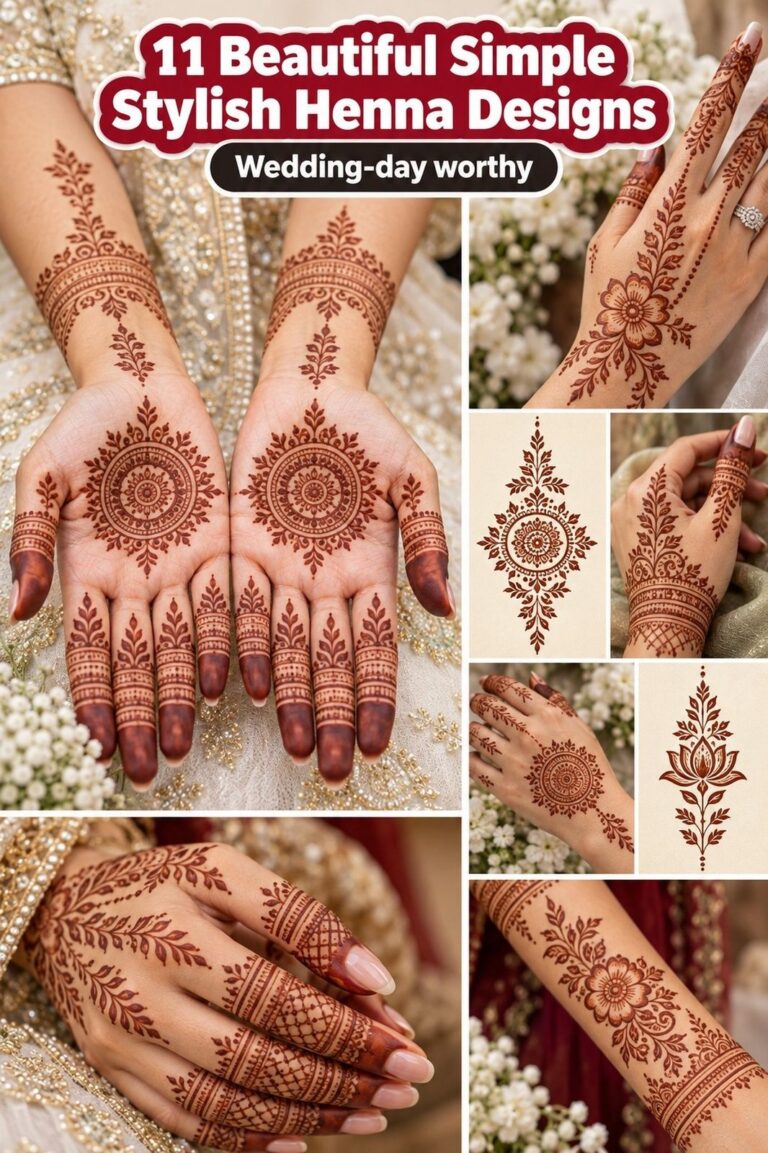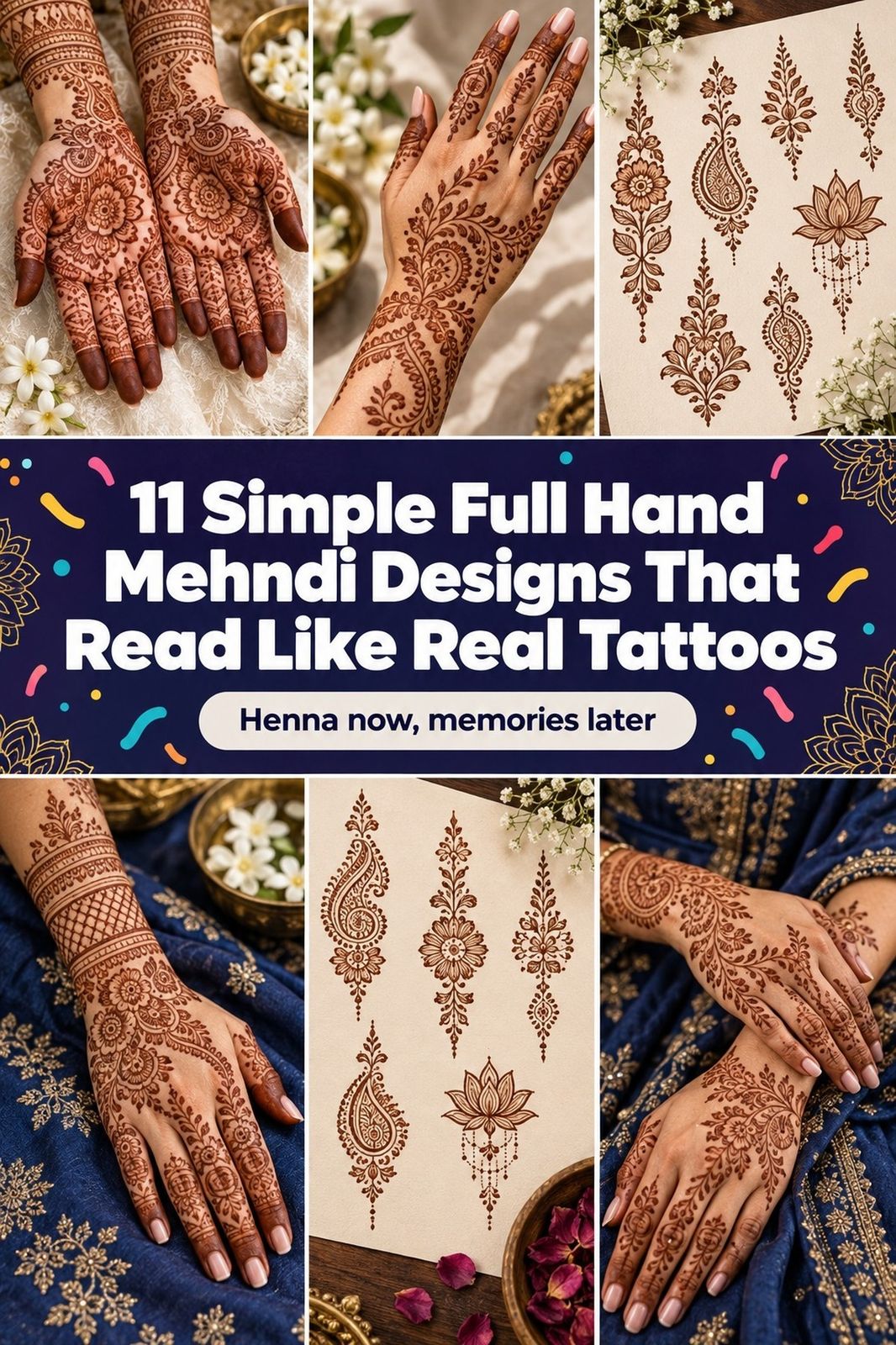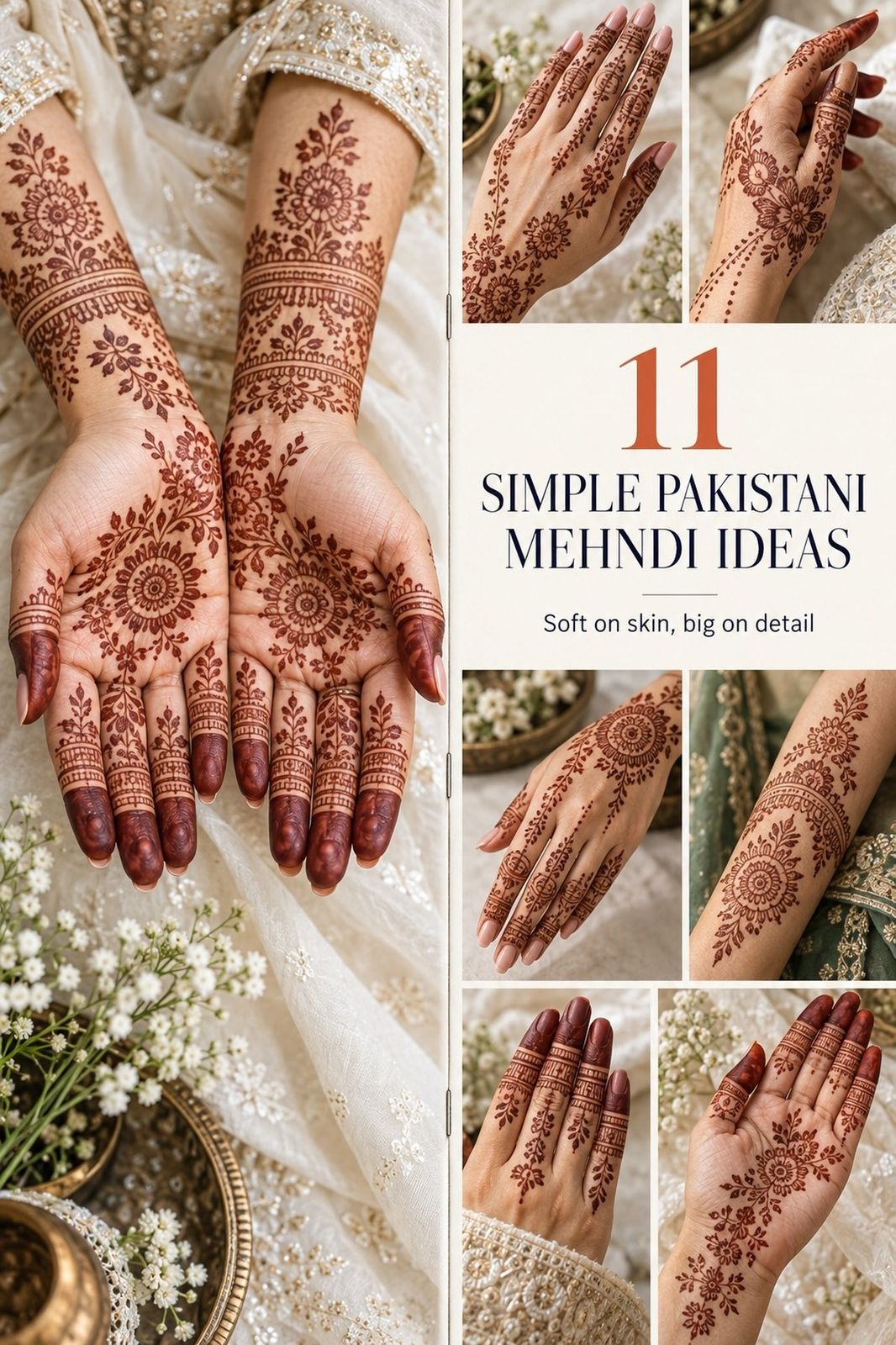
A henna eyebrow tattoo means the permanent or semi-permanent inking of eyebrow shapes inspired by henna dye traditions. Unlike actual henna, which stains skin temporarily, this tattoo style borrows the aesthetic, soft, powdered, filled-in brows, and commits it to ink. The meaning layers cultural beauty practice onto personal identity, marking a bridge between ritual adornment and everyday self-presentation.
Symbolism & Core Meaning
The eyebrow holds unusual symbolic weight across cultures. Framing the eyes, it governs expression and perceived intent. Henna-dyed brows in South Asian and Middle Eastern traditions prepared women for weddings, festivals, and rites of passage. Translating that into tattoo form locks in the symbolism of readiness, celebration, and transformation.
From Temporary to Permanent
Actual henna fades in one to three weeks. The tattoo version removes that impermanence, which shifts the meaning significantly. Where henna marks a moment, a wedding, Eid, a milestone, the tattoo claims that state of being as ongoing. This appeals to people who want the visual of perpetual preparation, the look of someone always stepping into something important.
The Powder Brow Aesthetic
Most henna eyebrow tattoos reference “ombre powder brow” techniques rather than literal henna paste. The style mimics henna’s soft, gradient saturation: darker at the tail, lighter toward the inner brow. Symbolically, this gradient suggests emergence, clarity building toward definition. It is less about bold statement than about cultivated, deliberate appearance.
Personal & Modern Meanings
Contemporary wearers attach meanings that depart from traditional roots. For some, the tattoo corrects overplucked or sparse brows, carrying meaning about restoration or reclaiming one’s face after years of damage. For others, it is purely aesthetic shorthand: the tattoo signals attention to grooming, an alignment with beauty standards that value full, shaped brows.
Gender and Presentation
Brow tattoos carry particular resonance in transgender and nonbinary communities. For those undergoing facial feminization or simply adjusting how the world reads their gender, defined brows alter facial structure perception. The henna style specifically, with its softness, avoids the harshness of some microblading, offering a gender presentation that reads as natural rather than constructed.
Chronic Illness and Hair Loss
People with alopecia, trichotillomania, or chemotherapy-related hair loss sometimes choose this style. The meaning here is practical and emotional: restoring facial symmetry, reducing the daily labor of drawing brows, removing a source of self-consciousness. The henna reference adds a layer of organic, traditional legitimacy to what might otherwise feel like a purely cosmetic intervention.
Who Chooses This Tattoo
The demographic is broader than typical cosmetic tattooing. Younger clients in their twenties and thirties often select henna-style brows over older microblading techniques, preferring the diffused, makeup-like finish. Older clients sometimes choose it for the same reason, the softness flatters aging skin better than crisp hair strokes.
- Beauty professionals: Makeup artists, aestheticians, and hairstylists who want their face to reflect their craft even without daily effort
- Busy professionals: People in demanding fields who’ve eliminated morning routines as a sanity preservation strategy
- Cultural reconnectors: Second- and third-generation immigrants drawing literal connection to henna traditions their families practice
- Minimalists: Those reducing possessions and routines; permanent brows replace multiple products and tools
What unites them is a preference for the effect of effort over the performance of it. The henna brow tattoo looks like you did something, without requiring that you actually did.
Similar & Related Symbols
Several tattoo traditions and practices orbit near henna eyebrow work, and understanding them clarifies what this specific style means by contrast.
Microblading vs. Henna Style
Microblading creates individual hair strokes with a blade; henna style uses machine or manual shading for a powdered effect. Symbolically, microblading claims naturalness, “these are my brows, just enhanced.” Henna style makes no such claim. It reads as deliberate adornment, closer to makeup than to hair. The meaning is more honest about artifice, which some find liberating.
Traditional Henna Patterns
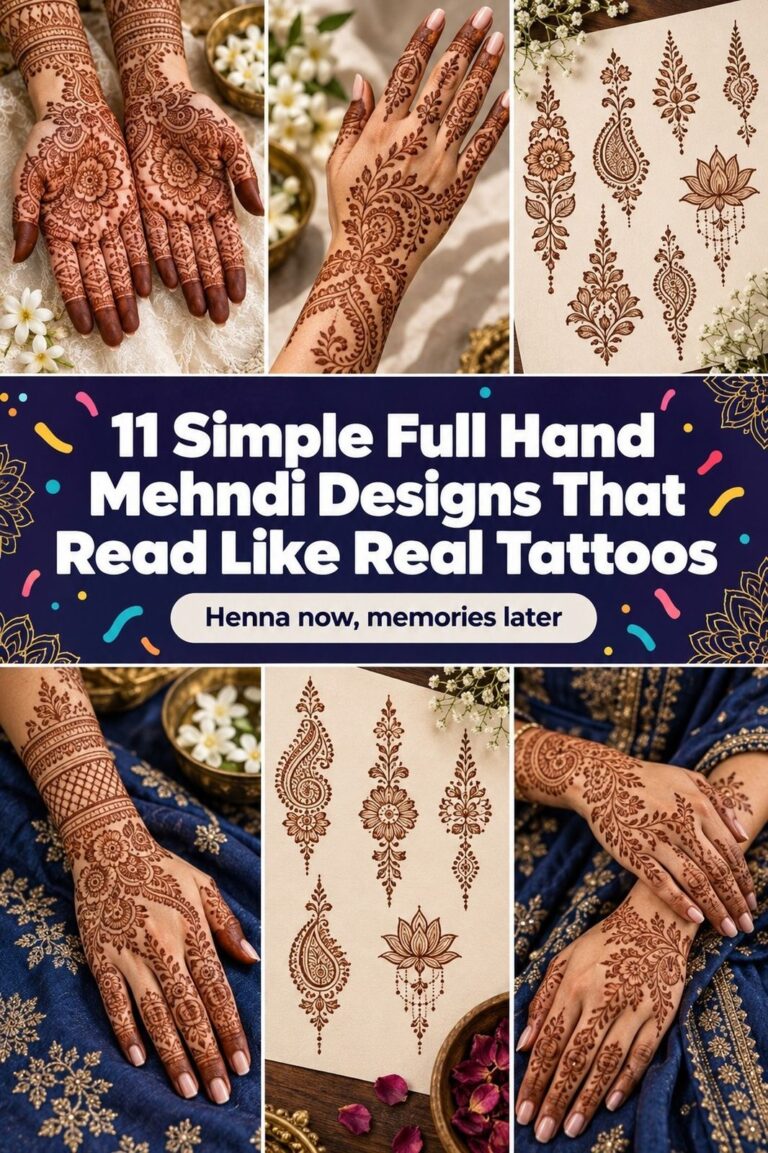
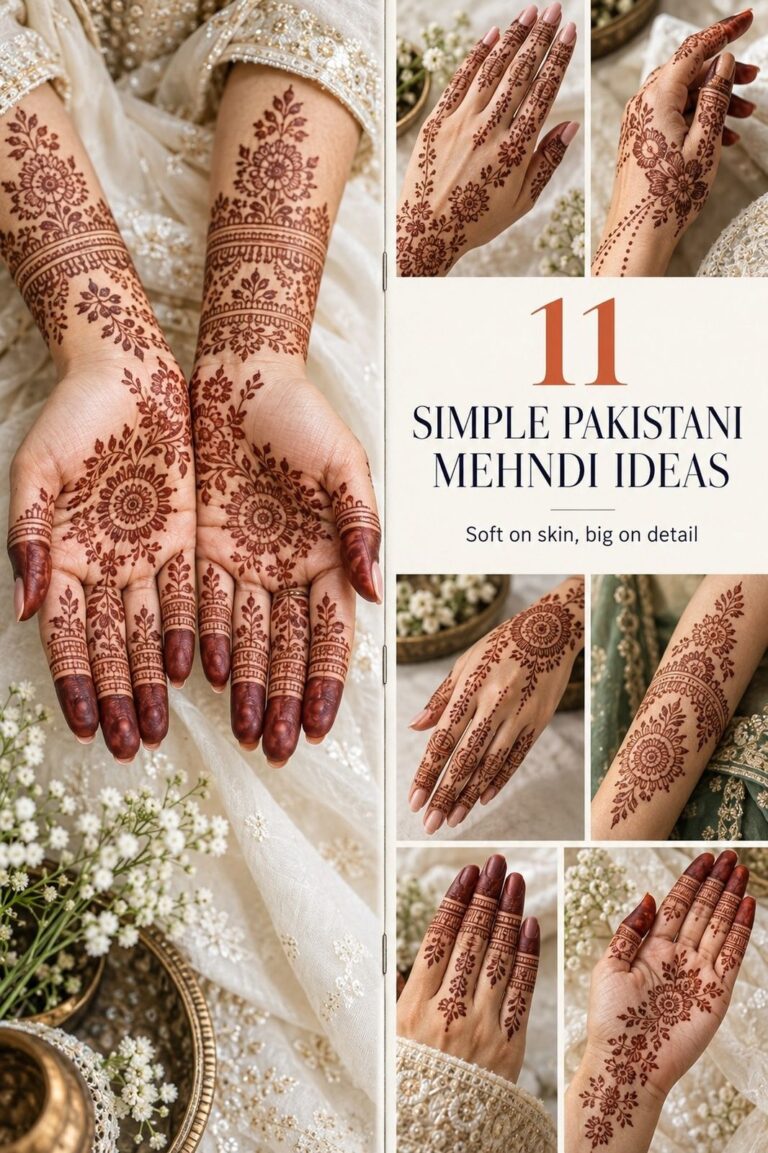
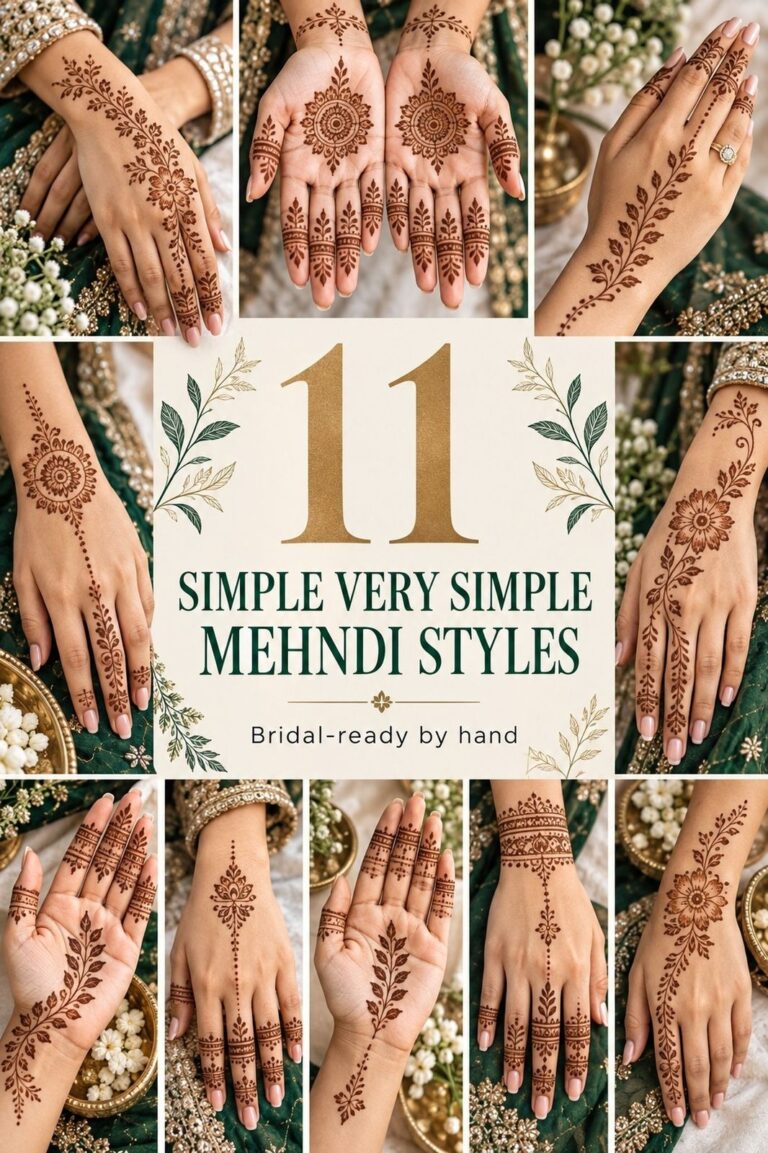
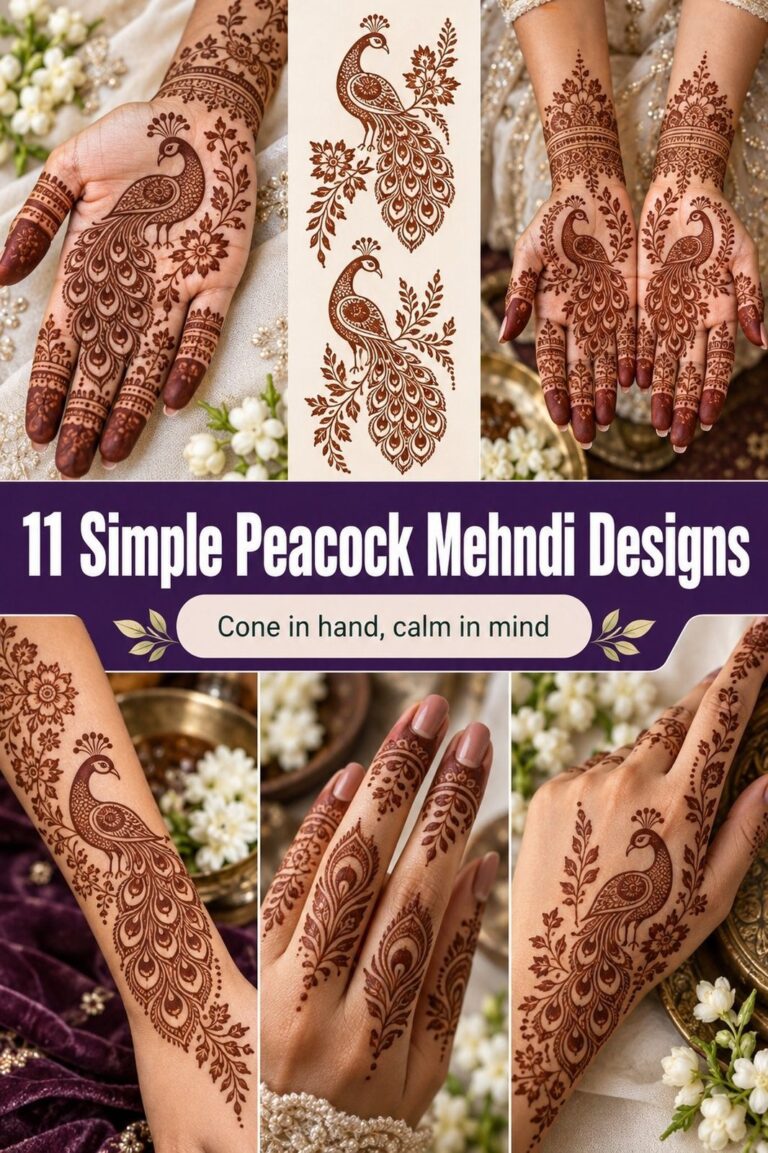
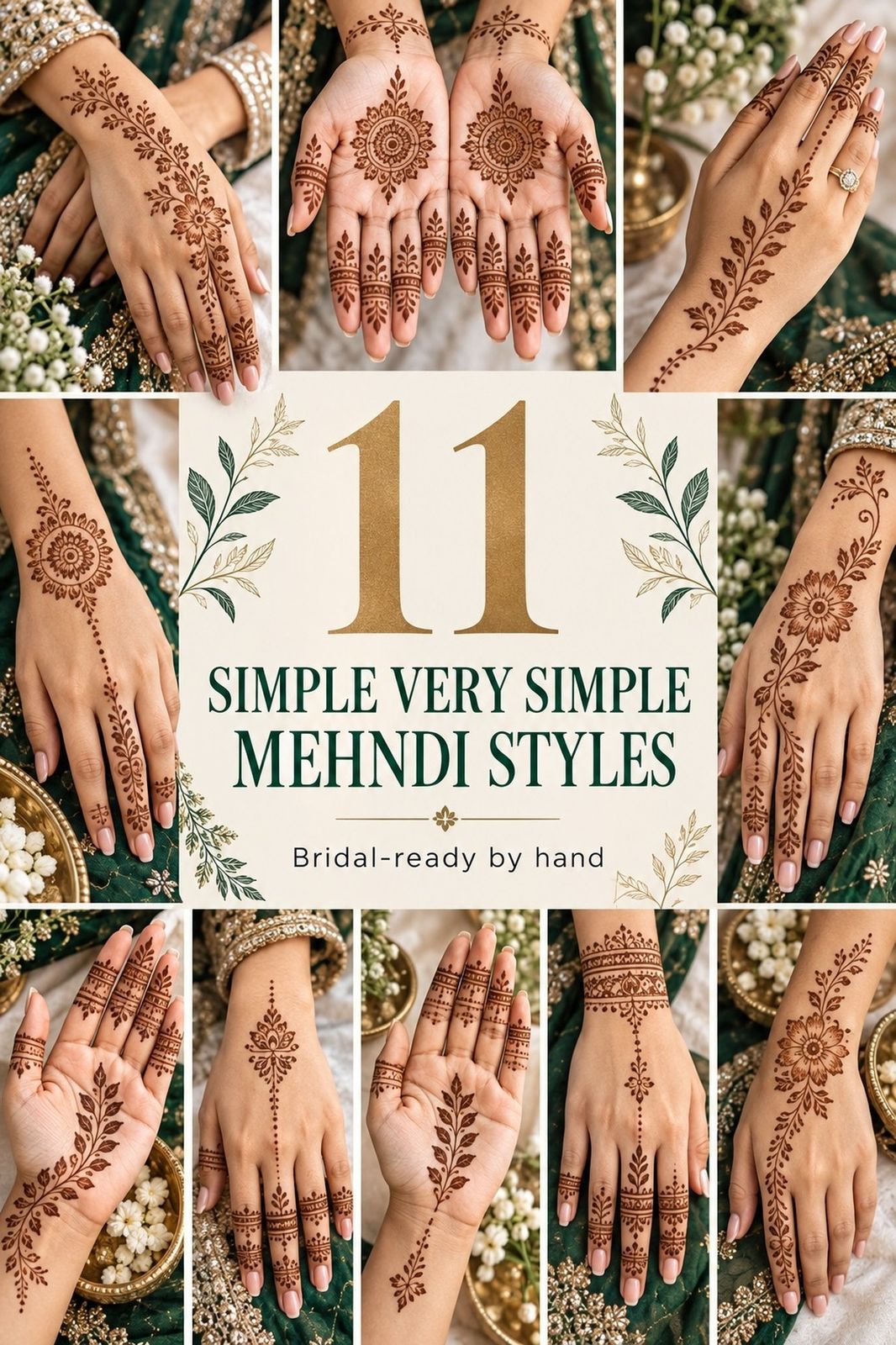
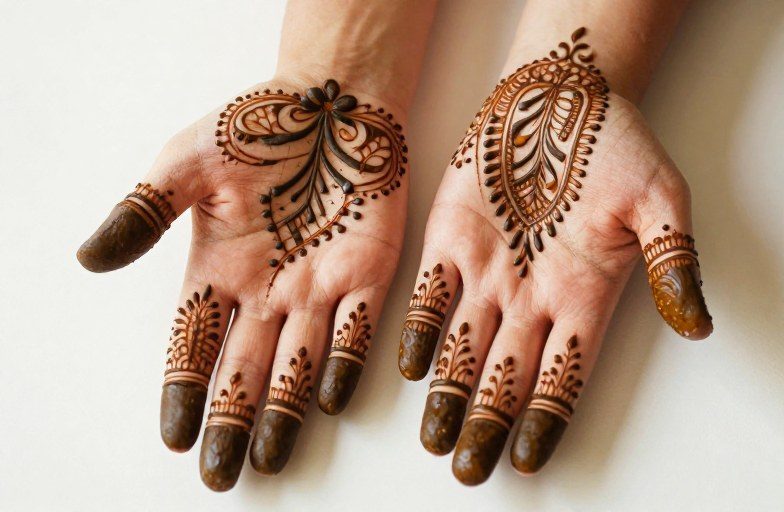
Full henna tattoos, mehndi on hands, feet, arms, carry extensive symbolic vocabulary. Floral motifs mean joy, vines suggest growth, specific patterns protect or bless. Henna eyebrow tattoos strip away this vocabulary, keeping only the medium’s association with feminine ritual and celebration. It is a reduction that some find respectful minimalism, others cultural dilution.
Permanent Makeup’s Cousins
Lip blushing, eyeliner tattooing, and beauty marks share the henna brow’s territory: cosmetic tattooing that replaces daily application. Each carries slightly different meaning. Lip color suggests vitality and health; eyeliner, intensity and definition. The brow sits between, neither as sensual as lips nor as piercing as eyes, but governing the expression of both. It means approachability, structure, intention.
Best Placements
This is necessarily constrained: the eyebrow, or near it. But within that narrow zone, choices matter.
Direct brow replacement: The standard placement, following natural brow bone. Healing here is tricky, skin moves constantly with expression, and the face sheds and regenerates faster than most body skin. Color retention varies; touch-ups are standard, not failure.
Extended tail: Some extend the brow slightly beyond natural growth, creating a lifted eye effect. This placement carries meaning about aspiration, alertness, a slight upward emotional tilt to the face. It is subtle but readable.
Combined with temple work: Occasionally, henna brow shading continues into subtle temple stippling. This is advanced work, and the meaning shifts toward holistic framing of the face rather than isolated feature enhancement.
Placement reality: brows exist in high-movement, high-exposure, high-sun zone. Ink here fades faster than on a shoulder or thigh. The commitment to maintenance is part of the meaning, you are choosing ongoing care, not one-time transformation.
Color vs. Black and Grey
Henna eyebrow tattoos are almost exclusively color work, but the specific pigments carry nuanced meaning.
Warm Browns and Auburns
The most common palette, mimicking actual henna’s natural orange-brown oxidation. These read as warm, approachable, organic. On darker skin tones, they can appear more natural; on lighter skin, they may read as obviously tinted, which some clients want and others do not.
Ash Browns and Taupes
Cooler tones that avoid the orange cast. These align more with contemporary makeup trends than with literal henna. The meaning shifts toward modernity, precision, editorial aesthetic. They can also read as more “professional” in conservative environments where warmth might be misread as casualness.
Black and Grey Limitations
True black in brows often ages poorly, cooling to blue-grey, or blurring at edges. Few reputable artists recommend it. When chosen, it usually means stark contrast, dramatic framing, a rejection of the henna softness in favor of graphic power. It is the exception that proves the style’s rule.
Color aging reality: all brow pigments oxidize and fade. Warm tones may shift orange before fading; cool tones can go ashy or green. The meaning of the tattoo evolves with this color journey, what began as soft henna warmth may become something else entirely, requiring either embrace or correction.
Final Word
The henna eyebrow tattoo sits at an intersection: temporary ritual made permanent, cultural practice made individual, makeup made anatomy. Its meaning depends heavily on which of those tensions the wearer feels most acutely. For some, it is about heritage and continuity. For others, efficiency and self-presentation. For many, both, in proportions that shift over time.
What remains consistent is the brow’s role as facial architecture. We read expression, intent, and identity there before a word is spoken. Choosing to tattoo that space is choosing to fix how you are read, to remove variability, to claim a single face among the many you might present. The henna style specifically softens that claim, less declaration than suggestion, less permanence than persistent possibility. It is, appropriately, the most ambiguous of commitments: there every morning, yet never quite the same as it was.
Frequently Asked Questions
How long does a henna-style eyebrow tattoo actually last?
Most cosmetic brow tattoos fade significantly within one to three years, faster than body tattoos due to facial skin’s rapid cell turnover and sun exposure. Touch-ups are standard maintenance, not a sign of poor work.
Does a henna eyebrow tattoo look like real henna paste?
No, it mimics henna’s soft, powdered appearance through tattoo shading techniques, but uses cosmetic pigments rather than actual henna plant dye, which would be unsafe and impermanent for this purpose.
Can I get this style if I have no natural brow hair at all?
Yes, though results vary. Some hair provides texture reference and helps anchor the visual; completely bare skin requires more careful pigment selection to avoid a “floating” or artificial look.
Is this considered cultural appropriation if I’m not from a henna tradition?
The style borrows an aesthetic rather than sacred patterns, but context matters. Some artists distinguish between “henna-inspired” powder brows and explicit cultural reference; researching your artist’s approach and being specific about your intentions helps navigate this respectfully.