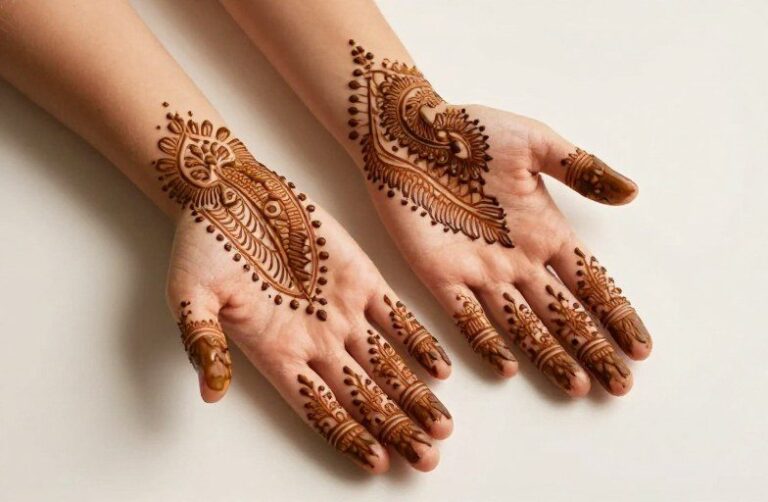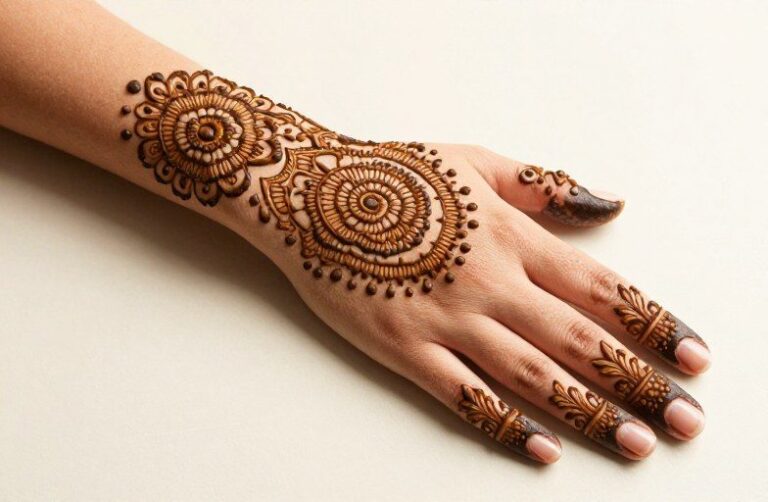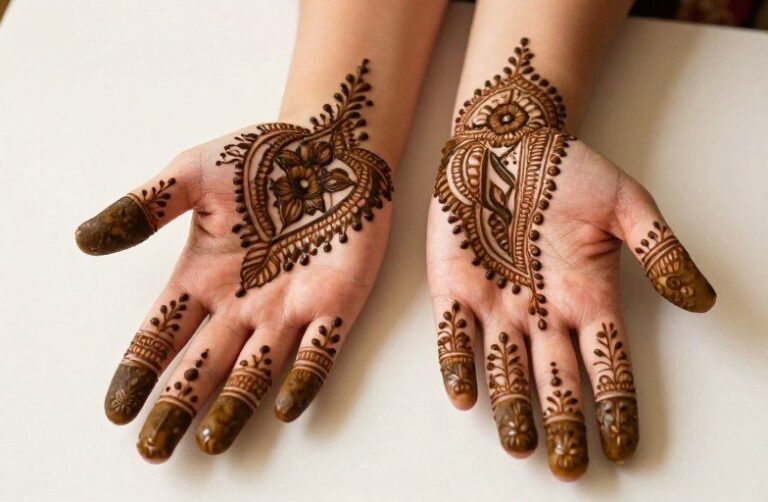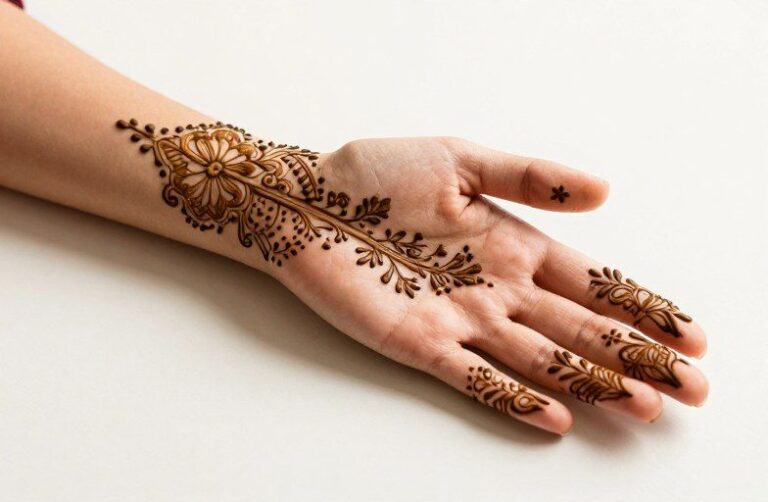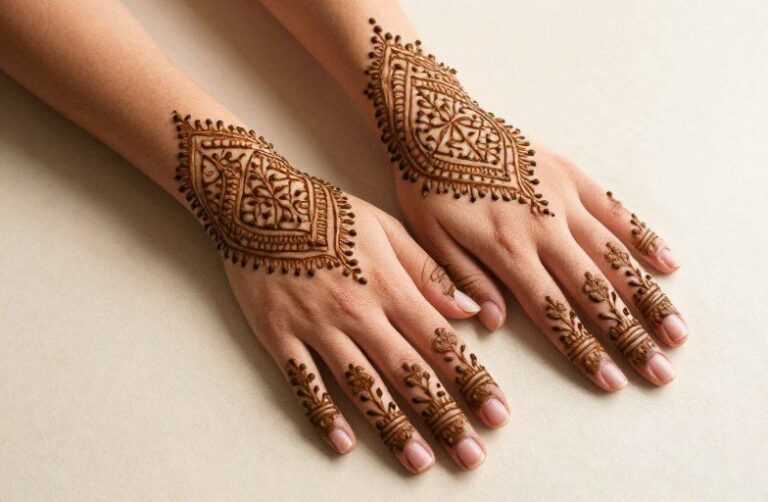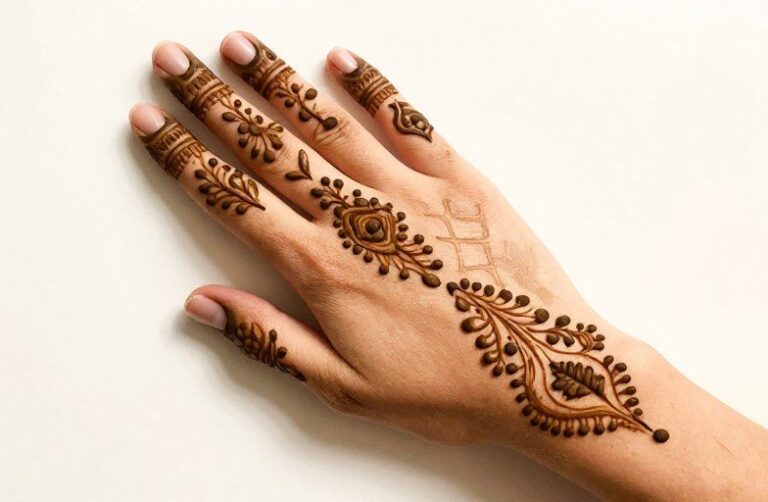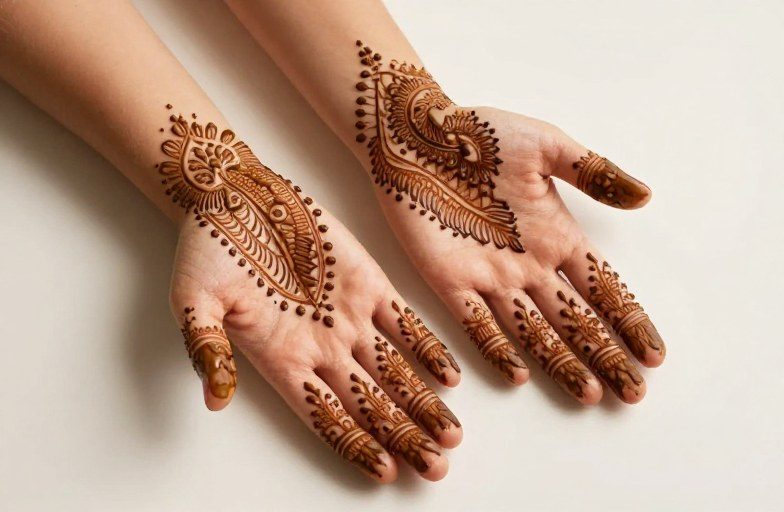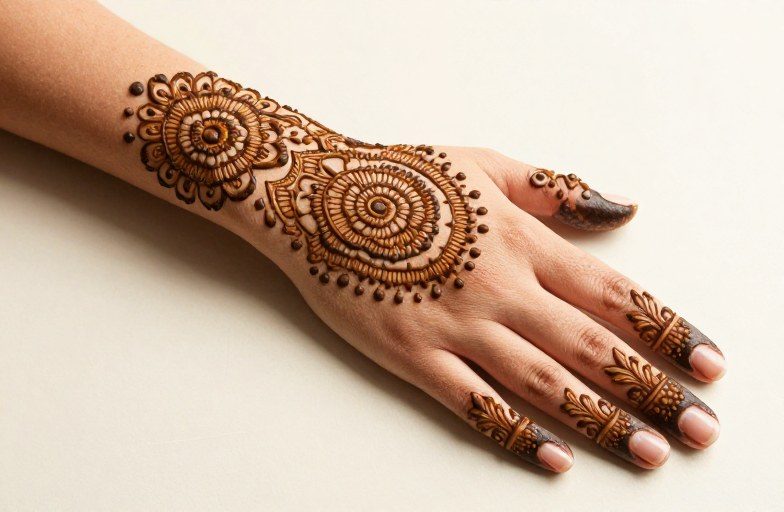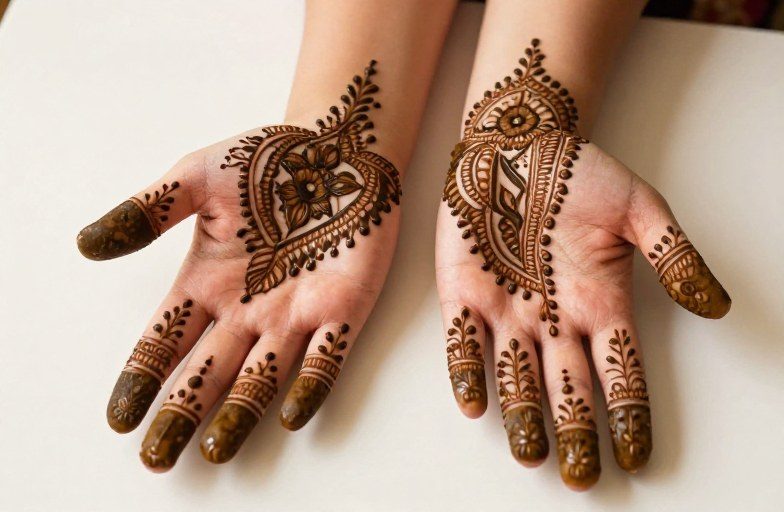
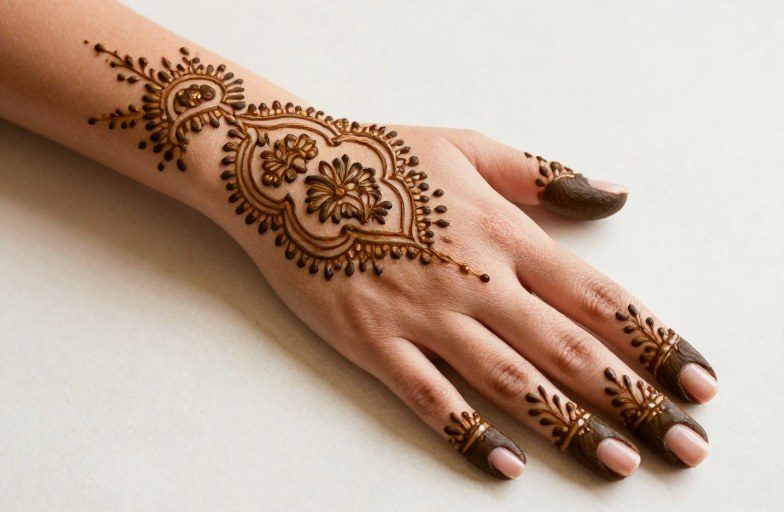
If you need a henna tattoo gone fast, the honest truth is you can’t erase it overnight, henna stains the top layers of skin, not just sitting on top like a sticker. But you can speed up fading significantly with the right combination of exfoliation, oil-based treatments, and patience over 2-7 days. This guide covers what actually works, what risks damaging your skin, and how to tell when you should stop trying home methods.
Healing Timeline
Henna isn’t a real tattoo, no needles, no broken skin, but the stain follows a similar fade pattern because it penetrates the stratum corneum, that dead outer layer of skin. Understanding this timeline helps set realistic expectations for removal.
How the Stain Develops and Fades
Fresh henna paste comes off wet and orange, then darkens to reddish-brown over 24-48 hours as lawsone oxidizes. Peak color sits around day two or three. From there, natural cell turnover sloughs the stained skin away over one to three weeks. Palm and sole stains last longest because those areas have thicker skin and more keratin. Finger stains fade faster; ankle or wrist designs somewhere in between. Your goal with removal is accelerating that natural turnover without wrecking the living skin underneath.
What Affects Fade Speed
- Skin type: Oily skin tends to shed faster; very dry skin holds stain longer.
- Henna quality: Pure henna fades predictably. “Black henna” with PPD (para-phenylenediamine) penetrates deeper and can cause scarring, more on that danger below.
- Aftercare during application: Keeping the paste moist and warm initially creates a darker, more persistent stain.
- Body location: Hands and feet hold color longest; inner arm or back fades quickest.
Aftercare Essentials
Ironically, the standard advice for making henna last becomes your roadmap for removal: do the opposite. Every technique here trades some skin comfort for faster fading, so stop if you see broken skin or significant irritation.
Oil Soaks and Gentle Abrasion
Oil breaks down henna’s binding to skin cells. Warm olive oil, coconut oil, or baby oil applied generously and left under wrap for 20-30 minutes softens the stained layer. Follow with a soft washcloth or loofah in circular motions, gentle pressure, not scrubbing raw. Repeat daily. Salt scrubs work similarly but can be harsher; mix with oil rather than water to buffer the abrasion. Swimming in chlorinated pools or salt water also speeds fading, though that’s situational.
Exfoliating Acids and Enzymes
Glycolic acid, lactic acid, or salicylic acid products accelerate cell turnover. A 5-10% glycolic acid toner or a BHA liquid applied once daily to the stained area helps lift color without physical scrubbing. Enzyme masks from papaya or pineapple work more gently for sensitive skin. Avoid layering multiple strong actives simultaneously, pick one method and give it 24 hours between applications.
Common Mistakes
Desperation leads to damage. These approaches either don’t work or actively harm skin:
- Bleach or hydrogen peroxide: Chemical burns, no faster fading. The stain is in dead skin; bleaching live tissue beneath accomplishes nothing useful.
- Scrubbing with harsh materials: Steel wool, pumice stones on tender skin, or sandpaper-adjacent methods break skin and risk infection.
- “Black henna” panic scrubbing: If your design turned black and itchy, that’s likely PPD reaction. Scrubbing inflames it further. See the professional section below.
- Expecting lemon juice miracles: Lemon lightens hair, not skin stains effectively. It also photosensitizes, increasing sunburn risk.
- Layering every method at once: Oil scrub plus acid plus bleach in one day destroys your moisture barrier, making skin red, peeling, and more noticeable, not less.
Patience with consistent gentle methods beats aggressive one-day assaults.
When to See a Professional
Most henna fades fine on its own, but certain situations warrant professional help:
Allergic Reactions to PPD
“Black henna” containing PPD can trigger severe contact dermatitis: blistering, swelling, spreading redness, or pain that worsens after day two. This isn’t a normal henna reaction. A dermatologist can prescribe topical corticosteroids and assess for chemical burns or scarring risk. Don’t try to scrub through this, treat the reaction first, address staining later.
Laser Removal Considerations
Standard Q-switched lasers for permanent tattoos don’t target henna effectively because the chromophore differs from carbon-based tattoo inks. Some dermatologists have experimented with specific wavelengths, but this is off-label and variable. Laser on PPD-containing henna can also trigger worse reactions. Generally, waiting it out beats expensive, uncertain laser treatment for a temporary stain.
Cost Factors
Home removal costs little: oil you likely own, a $5-15 exfoliating product, time. Professional help runs higher:
- Dermatologist visit: $100-300+ without insurance for reaction assessment.
- Prescription creams: Variable by insurance; hydrocortisone OTC runs $5-10 but weaker than prescription options.
- Cosmetic cover: High-coverage concealers or airbrush makeup for events cost $15-50, a temporary fix while natural fading continues.
- Laser (rarely appropriate): $200-500 per session, often multiple sessions, with no guaranteed result.
Compared to permanent tattoo removal, henna’s bargain is its temporariness, sometimes worth accepting a slightly stained week over aggressive intervention costs.
The Direct Answer
Here’s the practical sequence for fastest safe removal:
- Soak the area in warm oil (olive, coconut, or baby oil) for 20-30 minutes.
- Gently exfoliate with a soft washcloth or mild salt-in-oil scrub.
- Rinse, pat dry, apply a glycolic or lactic acid product if skin tolerates it.
- Repeat daily, keeping skin moisturized between treatments to prevent cracking.
- Avoid re-staining behaviors: no fresh henna, minimize heat/sweat that opens pores.
Expect 50-70% fading in 3-5 days, near-gone in a week for most body locations. Palms and soles may need 10-14 days. If you need it gone for a specific event, start removal immediately and have concealer backup.
The Bottom Line
Henna removal rewards consistency over intensity. The stain lives in dead skin; your job is helping that skin shed faster without creating damage that draws more attention than the original design. Oil, gentle exfoliation, and time work. Bleach, frantic scrubbing, and miracle cures don’t. For reactions involving black henna or PPD, prioritize medical assessment over cosmetic concerns. The temporary nature that makes henna appealing also means it’ll pass, sometimes the best removal strategy is simply not panicking while the fade runs its course.
Frequently Asked Questions
Does lemon juice actually remove henna faster?
Not effectively. Lemon has mild bleaching properties for hair but doesn’t penetrate skin deeply enough to break down henna stains. It can cause photosensitivity and irritation, making the area more noticeable, not less.
Can I use a tattoo removal cream on henna?
No, and don’t waste your money. Tattoo removal creams target permanent ink in the dermis; henna sits in the epidermis and sheds naturally. These creams won’t speed that process and often contain harsh chemicals that irritate skin.
Why is my henna tattoo turning green or blue when I try to remove it?
That color shift usually indicates “black henna” with PPD or other additives, not pure henna. The chemical reaction with water or scrubbing can alter the color. Stop removal attempts and monitor for itching, blistering, or swelling.
How long should I wait between exfoliation attempts?
Give your skin 24 hours between sessions. Over-exfoliating damages the moisture barrier, causing redness and peeling that looks worse than the henna itself. Gentle daily oil soaks with light cloth abrasion are safer than aggressive scrubbing.