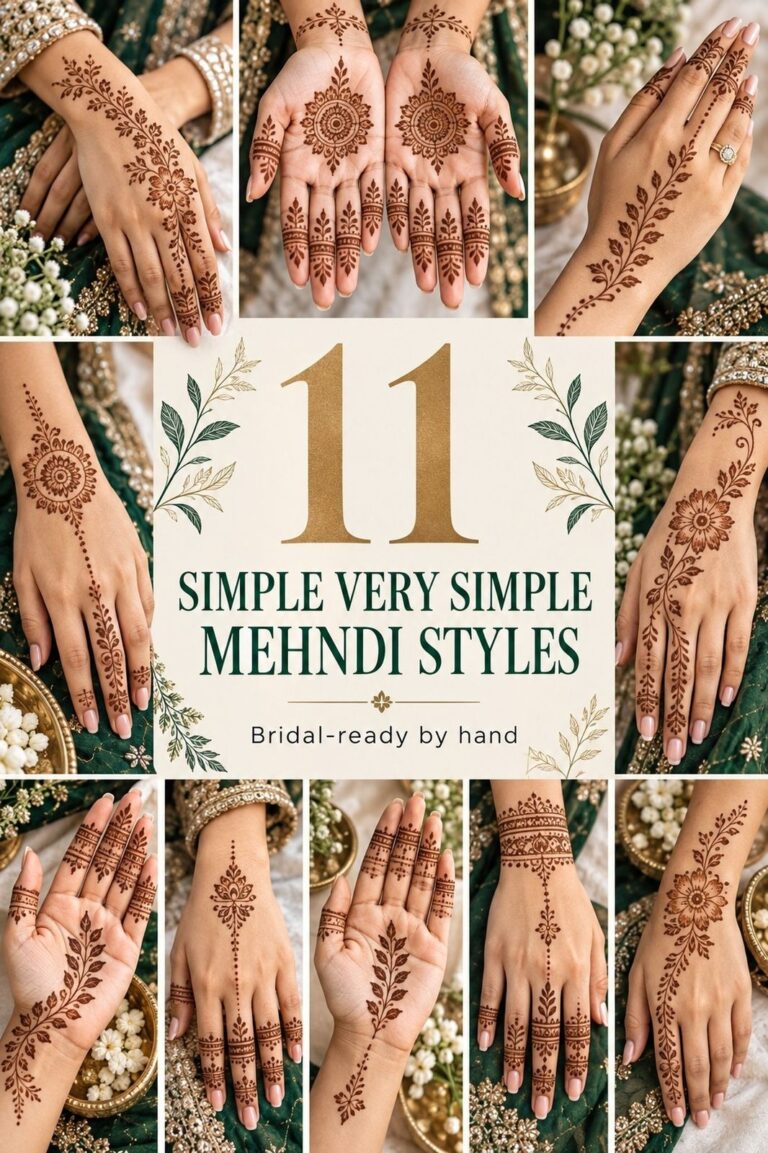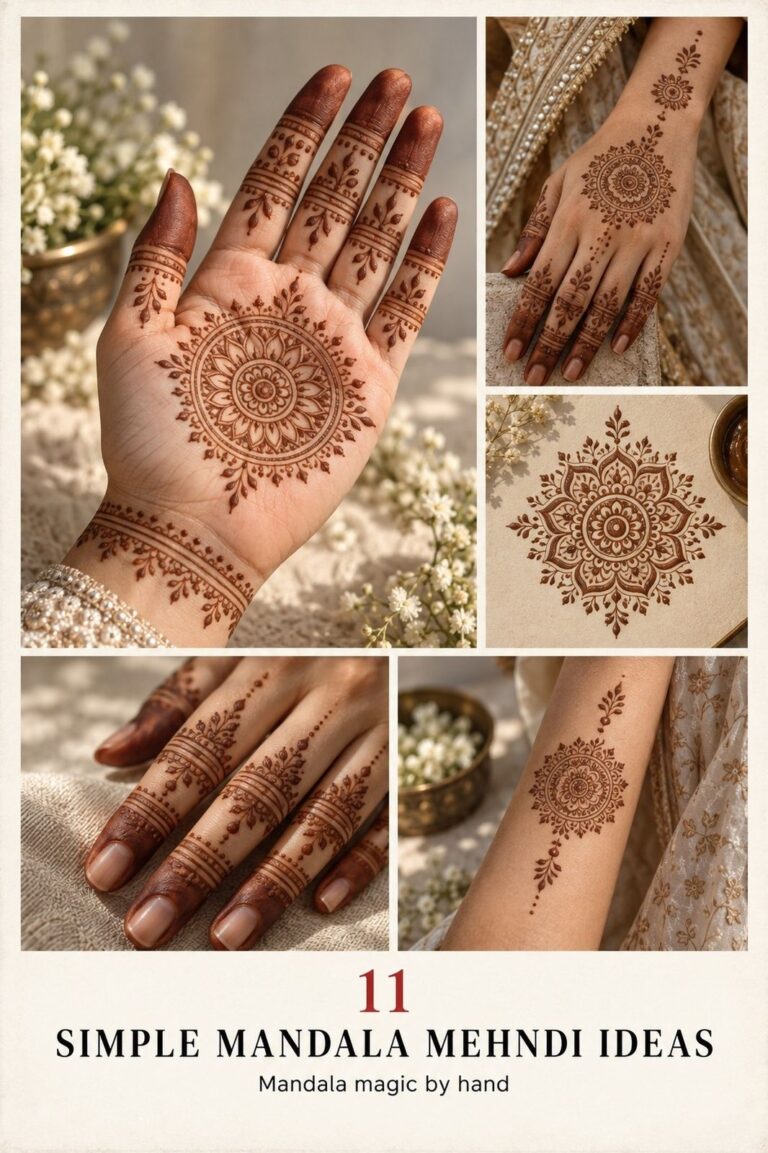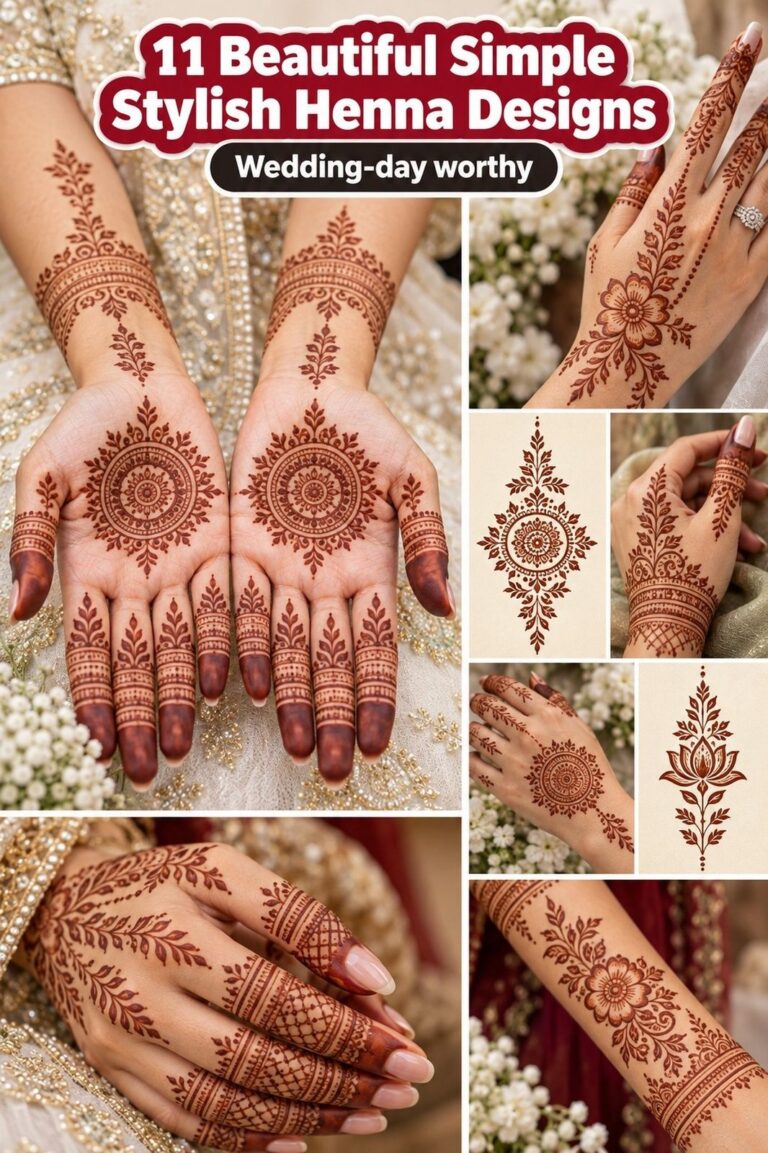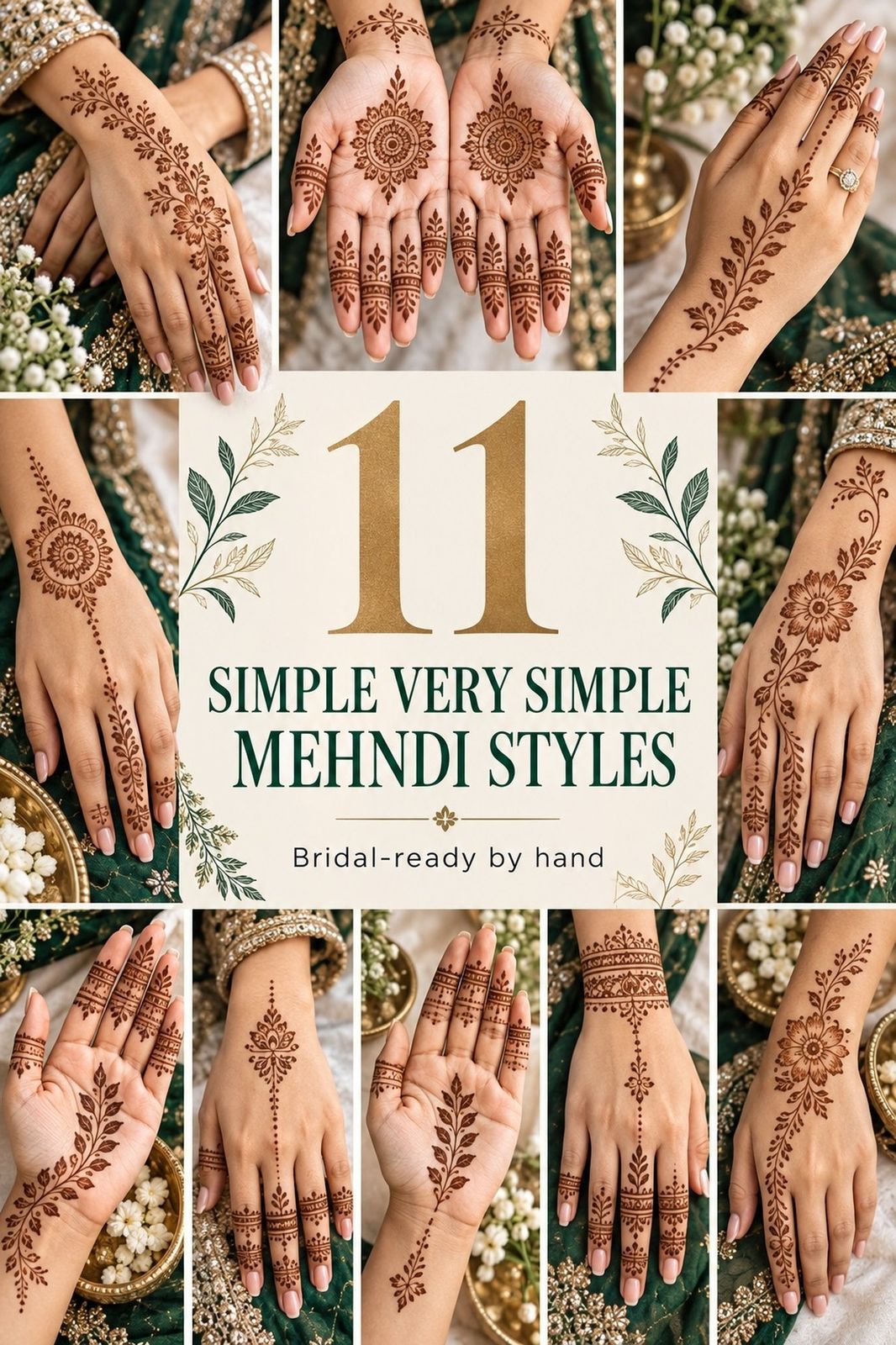
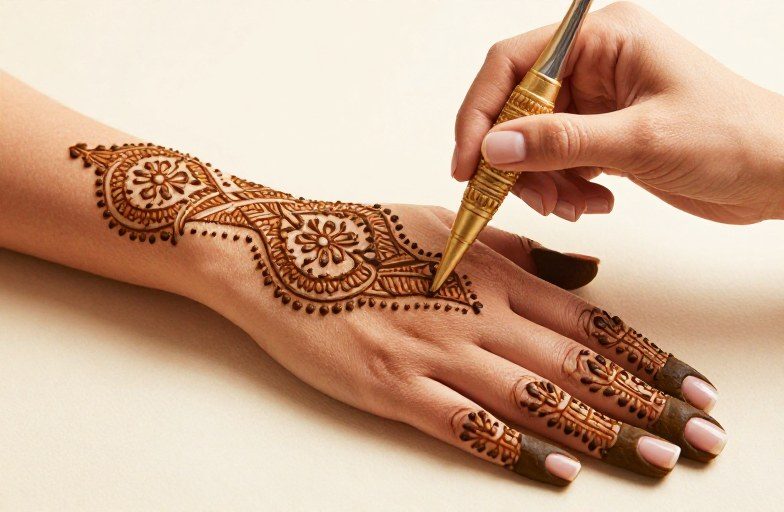
Henna cones put intricate body art within anyone’s reach. Roll the cone gently, squeeze from the top with steady pressure, and draw slowly on clean, dry skin. Let the paste dry completely, then seal it with a lemon-sugar dab or medical tape if needed. Scrape off after 4-12 hours without water, and avoid washing the stain for another day to deepen the color.
Realistic Expectations
Henna is not a permanent tattoo. The stain sits in the dead skin layer above your living epidermis, which means it fades as your skin naturally exfoliates. Most designs last one to three weeks, with palms and soles holding color longest due to thicker skin and higher keratin content. Arms, backs, and legs typically fade faster.
Color Development and Variation
Fresh henna paste goes on dark brown or greenish-black. The stain itself starts orange and matures to a reddish-brown over 24-48 hours. “Black henna” containing PPD (para-phenylenediamine) is not real henna and can cause chemical burns or lifelong sensitization. Natural henna smells earthy, almost like wet hay or tea. If the cone smells like ammonia or hair dye, do not use it.
- Natural stain colors: pumpkin orange to deep rust to dark brown
- Palms/soles: darkest and longest-lasting
- Fingers, wrists, ankles: moderate fade within 7-10 days
- Upper arms, back, chest: lighter stain, faster fade
What the Cone Actually Does
A well-made cone functions like a pastry piping bag. The fine tip lets you lay lines as thin as a thread or fill broader shapes. The paste consistency determines your control: too thick and it won’t flow; too thin and it bleeds into skin creases. Quality cones feel like toothpaste squeezing out, not water.
Aftercare Essentials
Aftercare makes the difference between a faint orange ghost and a rich, dark stain. The goal is keeping the paste on your skin as long as possible without smearing it.
The First Few Hours
Let the paste dry until it hardens to a crust, usually 15-30 minutes. Dab a lemon juice and sugar mixture over the design with a cotton ball, this creates a sticky seal that keeps the paste intact. Alternatively, wrap loosely with medical tape or tissue, avoiding plastic wrap which traps too much moisture and can cause smudging.
- Keep the area warm; body heat helps the dye release
- Avoid bending joints where the design sits, cracking the paste weakens the stain
- Sleep with loose cloth protection if the design is on a hand or foot
Removing the Paste
Scrape off dried paste with a butter knife edge or old credit card. Do not wash with water for at least 12 hours, ideally 24. The stain continues to darken through oxidation even after the paste is gone. Oil-based removal (olive oil, coconut oil) works but can slightly lighten the final result compared to dry scraping.
Common Mistakes
Most failed henna comes from fixable errors in preparation or impatience during aftercare.
Application Errors
Cutting the cone tip too wide produces blobby lines. Start with a pinhole opening and enlarge gradually. Drawing on skin that’s been recently moisturized creates a barrier that repels the dye. Freshly washed hands are fine; hands coated in lotion are not. Moving the cone too fast breaks line continuity; too slow creates puddles that crack and fall off.
- Cut tip too large: thick, messy lines that smear
- Oily skin or recent lotion: weak or patchy stain
- Rushing the design: shaky, inconsistent patterns
- Not testing cone flow first: unexpected splatters on actual skin
Aftercare Missteps
Washing the design within the first day is the most common ruin. Chlorine pools, hot tubs, and long baths all strip stain prematurely. Exfoliating scrubs, retinol products, and chemical peels near the design accelerate fading. Sun exposure also bleaches henna faster than covered skin.
Cost Factors
Henna sits at the accessible end of body art pricing. Pre-made cones run $3-8 each, with organic or freshly mixed options at the higher end. A single cone covers multiple small designs or one substantial piece. Professional application varies by region and artist skill: simple hand flowers might start at $20-40, while full bridal coverage reaching the elbows can run $150-400.
DIY vs. Professional
Doing your own henna costs less but demands practice. The learning curve for clean lines resembles teaching yourself to write with your non-dominant hand. Professional artists bring consistent paste mixing, design fluency, and the ability to adapt patterns to your specific hand shape or body contour. For events or special occasions, the premium often pays for reliability.
- Pre-made cones: $3-8
- DIY henna powder (makes multiple batches): $10-20
- Small professional design: $20-50
- Large professional design: $75-200+
Tips From the Chair
Technique separates clumsy attempts from fluid results. These specifics come from watching hundreds of applications across different skin types and skill levels.
Body Position and Tension
Rest your working hand on a stable surface, not floating in air. Stretch the skin slightly with your non-working hand, taut skin receives cleaner lines than loose skin. For hand designs, have the client (or yourself) hold the wrist at a comfortable angle rather than flat on a table, which bunches palm skin.
Cone Control
Hold the cone like a pencil at first, then shift to a full-hand grip for longer lines. Squeeze from the top, not the middle, to maintain even pressure. If the paste stops flowing, pinch the cone upward to remove air pockets rather than squeezing harder. Keep a damp cloth nearby for immediate cleanup of stray dots.
- Practice on paper or glass before skin
- Start with simple geometric shapes, not complex florals
- Lift the cone cleanly at line ends, dragging creates tails
- Let each element dry slightly before adding adjacent details
Healing Timeline
Henna doesn’t heal like a needle tattoo because there’s no wound. The timeline tracks color development and fade instead.
Day by Day
Hour 0: Paste removed, stain appears pale orange. Day 1: Color deepens to reddish-brown. Days 2-3: Peak darkness, especially on palms. Days 4-7: Gradual lightening, subtle at first. Days 8-14: Noticeable fade, pattern still visible. Days 15+: Continued erosion until gone. Individual variation depends on skin chemistry, body location, and how aggressively you exfoliate.
- 0-6 hours: orange stain emerges
- 24-48 hours: maximum color depth
- Days 3-7: stable, rich tone
- Week 2+: progressive lightening
Extending Your Stain
Minimize friction on the area. Glove hands for dishwashing. Apply light oil or petroleum jelly before showering to create a water barrier. Pat, don’t rub, when drying. These small habits can stretch a 10-day stain toward three weeks.
The Bottom Line
Henna cones reward patience and preparation. Clean skin, proper paste consistency, slow deliberate drawing, and protective aftercare produce the darkest, longest-lasting results. Start small, expect variation, and remember that imperfection is part of the medium’s organic charm. If you’re decorating your own hands or learning to apply on others, the fundamentals remain: roll well, squeeze steady, wait longer than you want to, and keep the water away.
Frequently Asked Questions
How long should I leave henna paste on my skin?
Leave it on for at least 4 hours, ideally 8-12 hours for the darkest stain. The longer the paste stays in contact with your skin, the deeper the color penetration. Overnight application works well if you can protect the design from crumbling in bed.
Can I shower with fresh henna on?
Avoid water completely for the first 12-24 hours after removing the paste. Once the stain has set, keep showers brief and apply oil to the area beforehand to repel water. Never soak the design in baths, pools, or hot tubs during the first week.
Why did my henna turn out orange instead of dark brown?
The orange stage is normal and temporary. The stain oxidizes and darkens over 24-48 hours. If it stays pale, the paste may have been old, the skin was too oily, or it was washed too soon. Palms and soles always develop darker than other body areas.
How do I keep henna from cracking and falling off before it’s ready?
Seal the dried paste with a lemon-sugar mixture to create a flexible, sticky coating. Keep the area warm and avoid bending the joint underneath. Some people wrap loosely with medical tape or tissue for extra protection during sleep or activity.