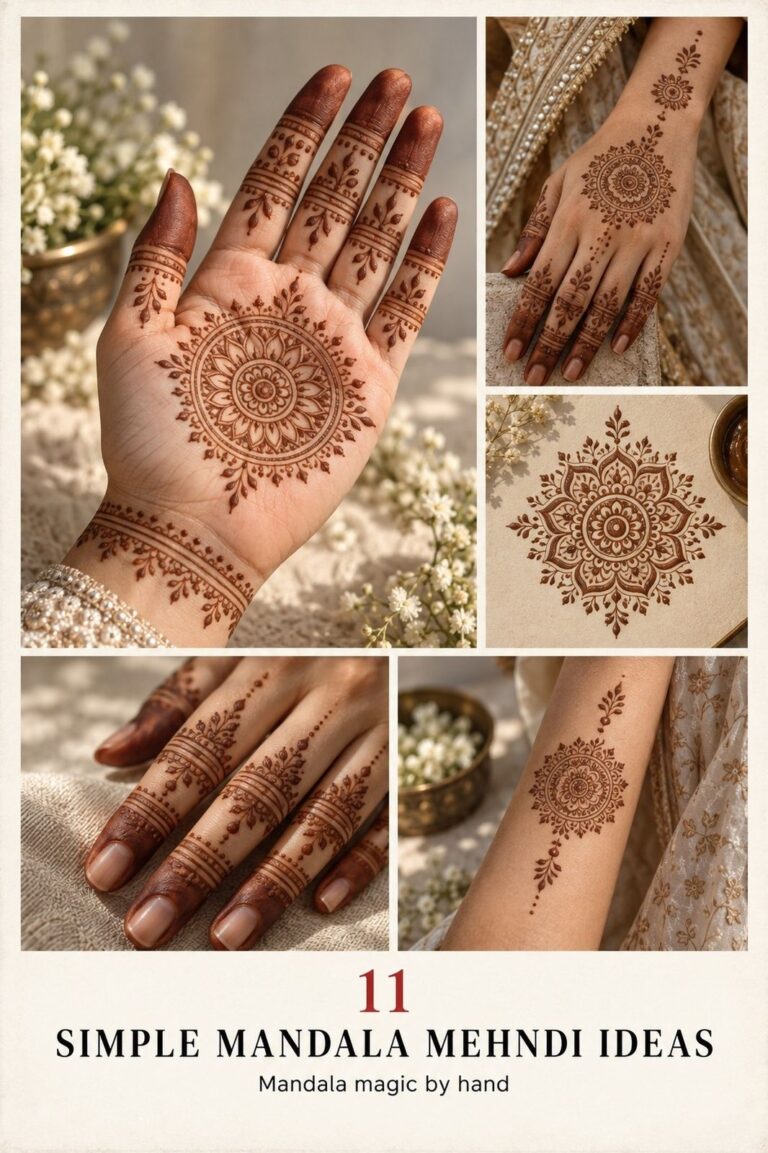
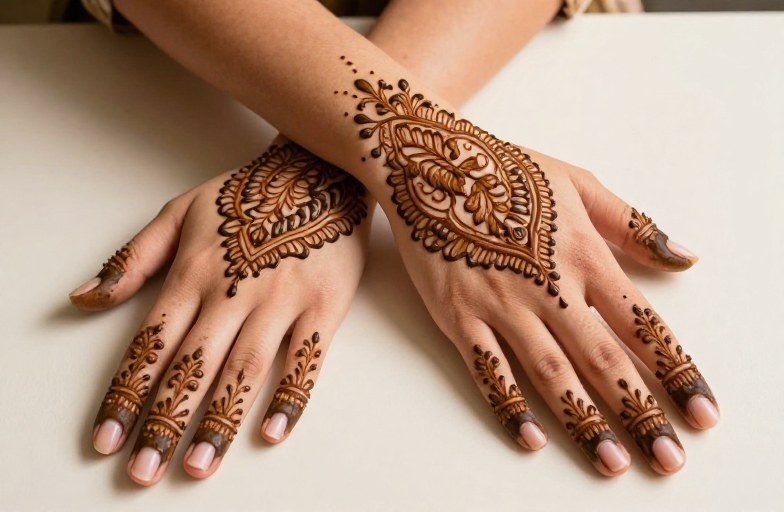
Henna aftercare is simple but specific. Leave the paste on as long as possible, ideally 6 to 12 hours, then scrape it off without water. Keep the area dry for the first 24 hours, and expect the stain to darken from orange to deep reddish-brown over 48 hours. What you do in the first two days determines how rich and long-lasting your design becomes.
Tips From the Chair
Working in shops alongside henna artists, the patterns are clear: clients who follow aftercare get stains that last two to three weeks; those who rush it get faded results in days. The paste itself is a dye release from the Lawsonia inermis plant, and the lawsone molecule needs sustained skin contact to bind properly.
Keeping the Paste Intact
Fresh henna paste crumbles as it dries. A loose wrap of medical tape or tissue paper over the design prevents flaking off during sleep. Some artists apply a lemon-sugar sealant after the paste sets, this tacky layer keeps the henna moist and in place longer. Avoid plastic wrap directly on skin; trapped sweat can blur lines and cause uneven staining.
- Apply a light sealant (lemon juice + sugar) once the paste surface dries
- Wrap loosely with breathable fabric or paper for overnight wear
- Sleep on your back or with the design raised to prevent smudging
- Scrape off dried paste with a butter knife or credit card edge, never rinse immediately
The First 24 Hours After Paste Removal
Water is your enemy during this window. The lawsone-keratin bond is still forming. Skip dishes, showers over the area, gym sessions, and swimming. If you must wash, coat the design with a thin layer of coconut oil or beeswax salve first, this creates a temporary barrier. Pat, never rub, if the area gets damp accidentally.
Realistic Expectations
Henna stains skin, not fabric. The color you get depends on your individual skin chemistry, the specific henna mix, and where the design sits. Palms and soles stain darkest due to thicker stratum corneum; upper arms and backs often yield lighter, shorter-lasting results. This is biology, not failure of the artist or the paste.
Color Progression and Fade
Immediately after paste removal, the stain appears bright orange. Panic sets in, clients think it failed. Within 12 to 24 hours, oxidation deepens it to reddish-brown. Peak color hits around 48 hours. From there, the stain fades as skin naturally exfoliates. Two weeks is typical for body areas; palm designs sometimes stretch to three or four weeks due to slower cell turnover.
- Day 0-1: Bright orange (normal, not the final color)
- Day 2: Deep reddish-brown peak
- Week 1-2: Gradual lightening
- Week 3+: Fades to faint residue unless on palms/soles
What “Black Henna” Actually Means
Natural henna is never black. Products labeled “black henna” often contain paraphenylenediamine (PPD), a hair dye chemical that can cause blistering, scarring, and lifelong sensitization. Real henna artists refuse these mixes. If someone offers you a black stain that develops in under an hour, walk away. The traditional darkening comes from time and oxidation, not additives.
The Direct Answer
Here is the aftercare sequence that produces the best results: leave paste on 6-12 hours; scrape off dry paste without water; keep area completely dry for 24 hours; avoid scrubbing, exfoliating, and chlorine exposure for 72 hours; moisturize lightly with natural oils after the first day. Heat helps, holding the design near a warm lamp or sitting in indirect sunlight accelerates the darkening reaction. Cold suppresses it.
Products That Help and Harm
Natural oils, coconut, olive, argan, maintain skin hydration without accelerating exfoliation. Petroleum jelly creates a moisture barrier but can feel heavy. Avoid alpha-hydroxy acids, retinoids, and chemical sunscreens directly on the stain; these speed cell turnover and strip color. Physical exfoliants like loofahs and salt scrubs are equally destructive to longevity.
Healing Timeline
Unlike needle tattoos, henna does not wound skin. There is no plasma, no scabbing, no peeling phase. The “healing” here is purely chemical: the lawsone molecule migrates into keratinized cells and locks in. This process completes within 48 hours of paste removal. After that, preservation becomes the goal, minimizing anything that speeds skin renewal.
Activities to Time Carefully
Plan your henna application around your schedule, not the reverse. Book before a rest day, not before a beach trip or deep-cleaning session. Swimming pools, hot tubs, and long baths submerge and soften the stained layer. Weightlifting with fresh palm henna blisters the design against barbell knurling. Cooking with acidic ingredients, tomatoes, citrus, can spot-fade the stain if splashed repeatedly.
- Wait 48 hours before swimming or hot tub use
- Delay heavy manual labor with the stained area if possible
- Wear gloves for dishwashing during the first week
- Apply oil before brief water exposure as a protective measure
When to See a Professional
Adverse reactions to natural henna are rare but possible. Plant allergies exist. PPD-adulterated “black henna” reactions are more common and more severe. Know the difference between normal tingling during application (the astringent quality of lemon juice and essential oils) and warning signs of chemical injury.
Recognizing Problem Symptoms
Normal: mild cooling or tingling during paste drying, slight skin tightening, temporary orange stain that deepens. Abnormal: burning pain, blistering within hours, spreading redness, swelling that extends beyond the design, or a stain that turns blue-black immediately and then erupts. These symptoms after “black henna” demand medical attention, not your artist, not home remedies, urgent care or dermatology.
Consulting a Reputable Artist
If your stain fades unevenly or disappears within days, a skilled henna artist can diagnose the cause. Often it is paste quality, old henna loses lawsone potency, or insufficient dye release time. Artists who mix their own fresh paste from raw powder, rather than using pre-made cones of uncertain age, consistently produce better results. Ask about their mixing process before booking.
Common Mistakes
Most henna disappointment stems from impatience or misinformation. Clients wash the paste off too early, expecting instant dark color. They submerge the design, confusing “natural” with “waterproof.” They apply “black henna” at tourist spots, chasing dramatic contrast, and pay with allergic reactions.
Aftercare Errors That Waste Money
Scrubbing the paste off with soap and hot water, common sense for cleanliness, disastrous for staining. Applying lotion immediately after removal, trapping water against the skin. Picking at flaking paste instead of letting it fall naturally. Sleeping face-down on a fresh hand design. These small choices compound into weak, short-lived results that blame the artist unfairly.
- Never use soap on the design area during the first 48 hours
- Do not exfoliate to “even out” a developing stain, wait for full oxidation
- Avoid tight clothing that rubs and abrades the stained skin
- Do not reapply henna over a faded spot without waiting for full skin renewal
Before You Decide
Henna sits in a unique space: temporary enough for commitment-phobes, traditional enough for cultural significance, artistic enough for pure aesthetic choice. Understand what you are buying. Fresh-mixed natural henna costs more than tourist-cone mystery paste because it requires same-day preparation and skilled technique. The stain will not match a needle tattoo’s permanence or precision. It offers something else, organic variation, skin-specific color, and a timeframe that lets you change your mind.
Choose your artist by their ingredients, not just their Instagram portfolio. Ask when they mixed the paste. Request ingredient lists if you have sensitivities. Budget for quality: in most US markets, skilled henna runs $50-150+ depending on design complexity and coverage, with palm-to-elbow bridal work reaching higher. The aftercare is free, but only your discipline makes it work.
Frequently Asked Questions
Can I shower with a fresh henna tattoo?
Keep the area completely dry for the first 24 hours after paste removal. After that, brief showers are fine, but avoid direct water pressure on the design and pat dry immediately. Apply a thin oil layer before showering for extra protection during the first week.
Why did my henna turn out orange instead of brown?
Orange immediately after paste removal is normal. The stain oxidizes and darkens to reddish-brown over 24 to 48 hours. If it stays orange, the paste may have been old or removed too early, or your skin chemistry may produce lighter results.
How do I make my henna tattoo last longer?
Avoid water, exfoliation, and harsh chemicals for the first 72 hours. After that, moisturize with natural oils, skip retinoids and acids on the area, and minimize friction from clothing or manual work. Palm designs naturally outlast arm or back placement.
Is henna safe for everyone?
Natural henna is generally safe, but some people have plant allergies. “Black henna” containing PPD is not safe and can cause severe reactions. Do a small patch test if you have sensitive skin, and always ask about ingredients before application.