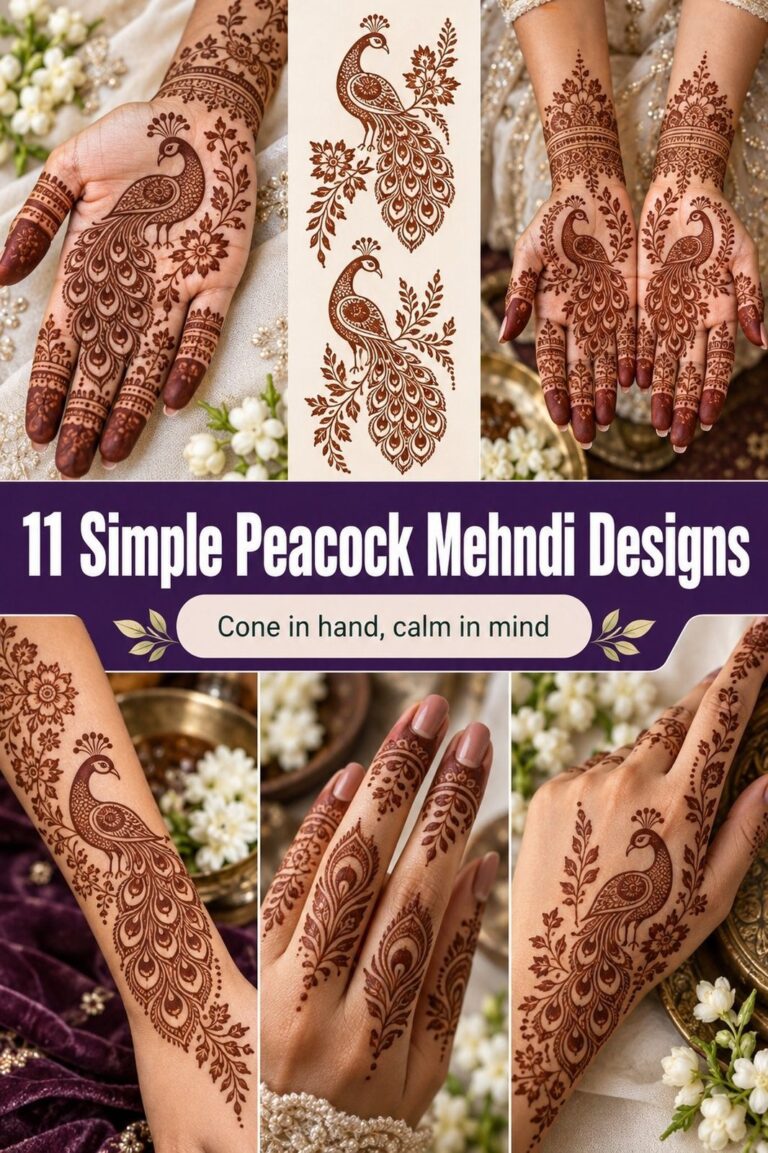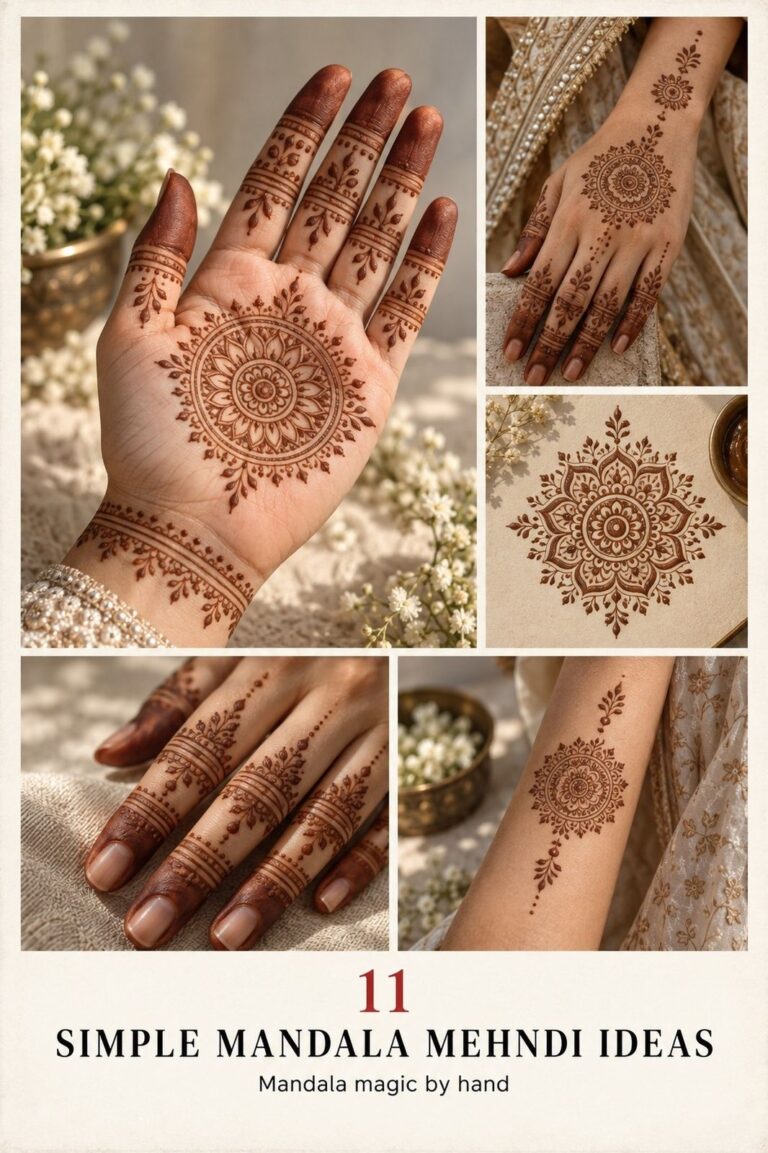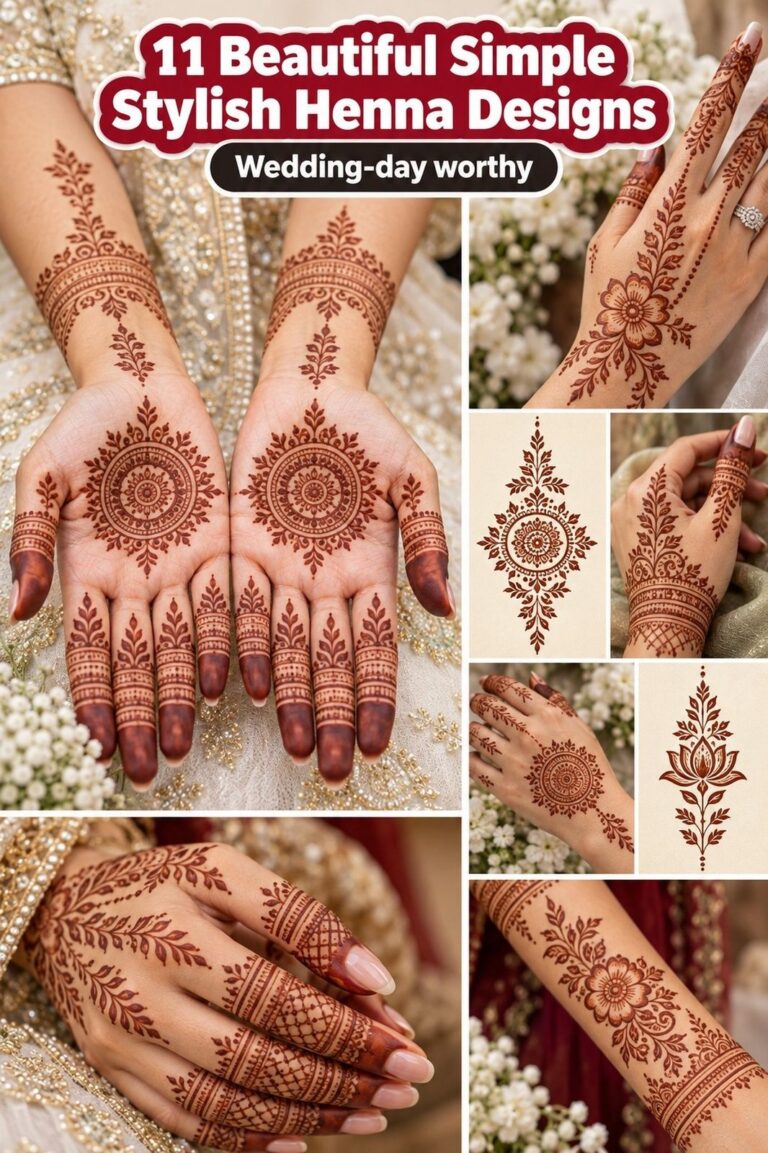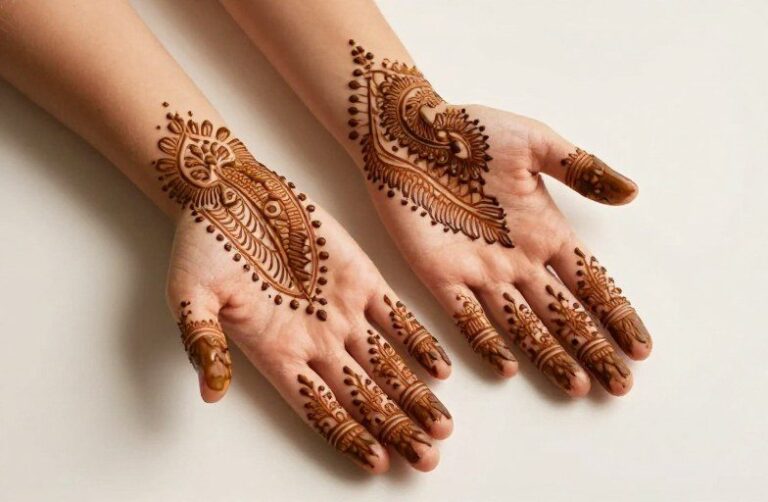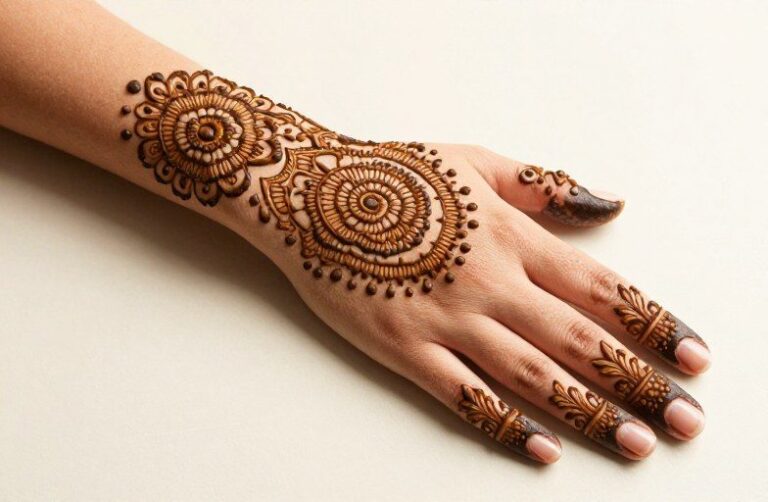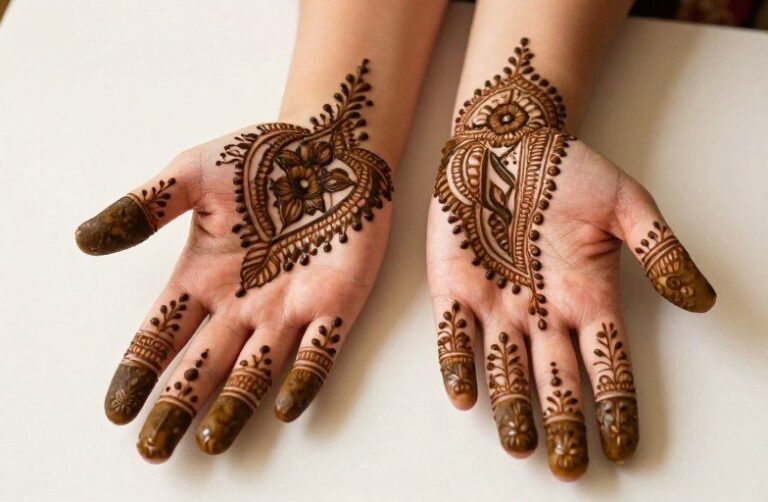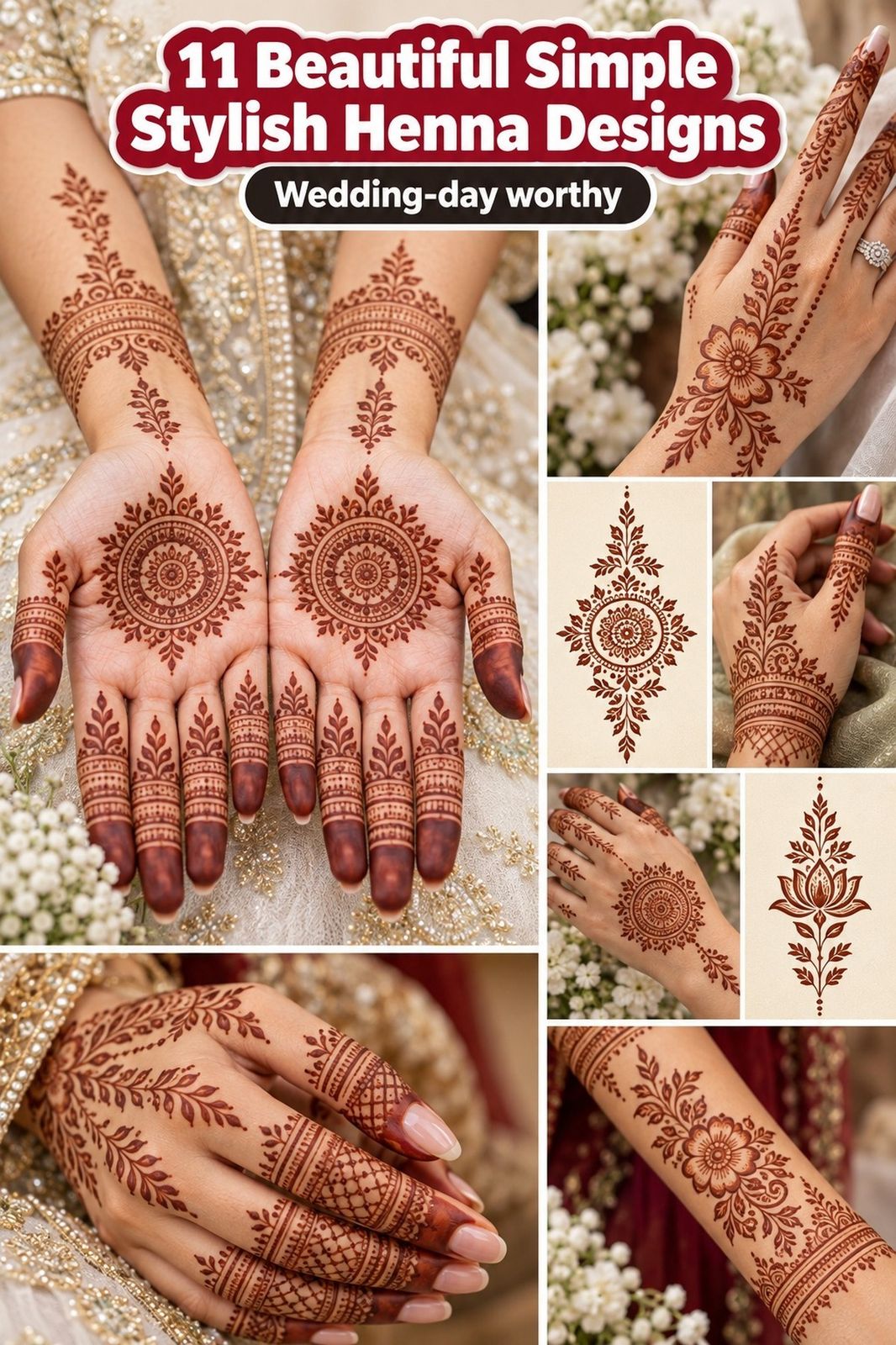

No, a henna tattoo is not demonic. The term usually refers to temporary body art created with henna paste, a plant-based dye with centuries of use in celebratory and spiritual contexts across Middle Eastern, South Asian, and North African cultures. Confusion sometimes arises from religious objections to body modification, from misinformation about “black henna” containing harmful additives, or from cultural appropriation debates, not from any inherent demonic symbolism in the natural dye itself.
Symbolism & Core Meaning
What Henna Actually Represents
Henna application, called mehndi in South Asia, carries overwhelmingly positive associations. The stain itself symbolizes joy, prosperity, and protection. Darker henna color on a bride’s hands is traditionally considered auspicious, suggesting a strong marriage bond. The temporary nature matters too, unlike permanent ink, henna fades, marking a specific moment rather than claiming lifelong identity.
The designs themselves carry layered meaning. Floral patterns reference fertility and natural cycles. Paisley motifs, often called mango designs, symbolize sweetness and abundance. Intricate geometric borders create a protective frame around the wearer. These aren’t decorative afterthoughts; they’re a visual language developed across generations.
Spiritual vs. Superstitious Associations
Some traditions link henna to the barakah concept, blessing or divine favor, rather than any dark force. In Moroccan Jewish communities, henna nights before weddings invoke protection for the couple. In Islamic contexts, some hadith mention henna use positively, though interpretations vary. The “demonic” label typically comes from outside observers unfamiliar with these frameworks, or from specific religious groups that oppose all body marking regardless of content.
History & Cultural Roots
Geographic Spread and Ancient Use
The henna plant, Lawsonia inermis, thrives in hot, dry climates. Evidence of henna use often linked to ancient Egypt includes mummies with henna-dyed hair and nails. Some trace it to the Bronze Age Levant and Mesopotamia. The practice spread along trade routes, adapting to local customs rather than remaining static.
In South Asia, henna arrival is commonly associated with Mughal influence, though some scholars argue for earlier indigenous use. The elaborate bridal mehndi tradition developed significantly during the Mughal period, with increasingly complex designs becoming status markers. Today’s Pakistani and Indian bridal henna, covering hands and feet in dense patterning, represents a relatively recent evolution, not ancient unchanged practice.
Colonial and Modern Misunderstandings
European colonial observers frequently misread henna as primitive or suspect, part of broader Orientalist frameworks. That legacy persists in casual assumptions about “exotic” or potentially threatening body practices. The “demonic” question itself reflects this history, framing a commonplace cultural practice through an outsider’s anxious lens rather than understanding its actual social function.
Who Chooses This Tattoo
People seek henna for genuinely varied reasons. South Asian and Middle Eastern communities maintain it for weddings, Eid celebrations, and other life events. Others with heritage connections use it to mark cultural identity without permanent commitment. Tourists in Morocco, India, or Dubai often get temporary designs as experience markers.
A smaller but notable group chooses henna specifically to test tattoo concepts. The two-week lifespan lets you live with a design, observe placement, and notice how it interacts with your daily movements before committing to needle and ink. This practical use has grown significantly as tattoo culture mainstreamed.
Some people simply prefer temporary body art for professional or personal reasons. The choice isn’t always about rejecting permanence, sometimes it’s about embracing change, marking seasons, or enjoying the application ritual itself.
Similar & Related Symbols
Other Temporary Body Markings
Jagua, derived from a South American fruit, produces blue-black temporary tattoos that mimic permanent ink more closely than henna’s reddish-brown. It lacks henna’s cultural depth but serves similar testing purposes. White henna, actually adhesive body paint rather than true henna, creates raised patterns popular for photography and events, no staining, no longevity, purely visual.
Stick-and-poke without ink, sometimes called “dry tattooing,” creates temporary scar patterns. This sits far from henna in technique and cultural context but shares the temporary-mark category. Japanese tebori practice historically included sumi ink applications that faded over years, though modern practitioners typically use permanent pigments.
Permanent Tattoos with Comparable Motifs
Permanent henna-inspired designs, intricate linework mimicking mehndi patterns, present interesting translation challenges. Henna flows organically across hand contours, adapting to finger movement and joint flexion. Tattooed versions must anticipate how ink settles and spreads differently. Fine lines that hold in henna paste often blur slightly in skin over years. Artists specializing in this style typically build in slightly bolder linework than original henna designs, sacrificing some delicacy for longevity.
How It Ages on Skin
The Fading Process
Natural henna progresses through distinct stages. The paste goes on as wet mud, darkens as it dries, and flakes away over 6-12 hours. The initial stain appears pale orange, deepening to reddish-brown over 24-48 hours as lawsone molecules oxidize. Peak color lasts 3-5 days, then gradually fades through lighter orange tones. Complete disappearance typically takes 10-14 days, though residual staining on palms or soles may persist longer due to thicker skin.
Several factors accelerate fading: frequent hand-washing, swimming in chlorinated pools, exfoliating products, and sun exposure. Conversely, keeping the area dry initially, avoiding harsh soaps, and applying natural oils can extend the stain slightly.
The “Black Henna” Danger
So-called black henna isn’t henna at all, it’s typically henna paste adulterated with paraphenylenediamine (PPD), a hair dye chemical. PPD causes blistering, scarring, and lifelong chemical sensitivities in many users. The dark color and quick results appeal to tourists and impatient clients. This dangerous variant, not natural henna, generates some of the “demonic” association through its genuinely harmful effects. Always verify ingredients; real henna smells earthy and stains brown-orange, never black immediately.
Best Placements
Traditional vs. Contemporary Placement
Classic mehndi concentrates on hands and feet, where henna stains darkest due to thicker stratum corneum. Palms and soles produce the most intense color; backs of hands and tops of feet yield lighter results. Traditional bridal application extends to just above elbows and mid-calf, creating glove and stocking effects.
Modern casual henna appears anywhere: forearms for visibility, ankles for subtlety, upper back for larger compositions. Neck and face placement occurs occasionally but stains poorly and risks irritation on sensitive skin. The upper arm offers good color retention and easy concealment when desired.
Design Scale and Body Contours
Henna’s temporary nature allows experimental placement impossible with permanent ink. Fingers, where tattoo ink notoriously ages poorly due to constant use and regeneration, work beautifully for henna’s two-week lifespan. The natural curve of the wrist and flow into the hand provides ideal canvas for vine and floral trailing designs. For testing permanent tattoo placement, apply henna exactly where you’re considering ink, then observe how it interacts with clothing, work tasks, and sleep positions for two weeks.
Final Thoughts
The “demonic” question about henna reveals more about cultural distance than about the practice itself. Henna is dye, ritual, social bonding, and aesthetic choice, nothing more inherently sinister than a wedding cake or decorated Easter egg. The plant has no supernatural properties, positive or negative.
That said, context matters. Applying henna without understanding its cultural significance, particularly for profit or exotic aesthetic, draws legitimate criticism. Using “black henna” with dangerous chemicals is genuinely harmful. And individuals within any religious tradition may personally reject body marking based on their own convictions. But these are separate issues from henna itself carrying demonic meaning.
If you’re drawn to henna, approach it with the same respect you’d bring to any meaningful cultural practice: learn its origins, support practitioners from the tradition when possible, use safe natural materials, and appreciate it for what it actually is, a beautiful, temporary, human art form with deep roots and genuine craft.
Frequently Asked Questions
Can henna tattoos cause permanent skin damage?
Natural henna rarely causes harm, but “black henna” containing PPD can produce severe blistering, scarring, and lifelong chemical allergies. Always verify that paste contains only henna powder, lemon juice, sugar, and essential oils.
How long should I leave henna paste on for the darkest stain?
Keep the paste on for 6-12 hours minimum; longer contact produces deeper color. Avoid water for the first 24 hours after paste removal to allow the stain to fully oxidize.
Do henna tattoos have religious restrictions in any faiths?
Some interpretations within Judaism, Christianity, and Islam discourage or prohibit body marking, though many branches accept temporary henna. Individual believers should consult their own religious authorities rather than assuming universal rules.
Why does henna stain darker on palms and soles than elsewhere?
Thicker outer skin layers on palms and soles contain more keratin, which binds more effectively with lawsone molecules from henna. This same principle makes these areas challenging for permanent tattoo ink saturation.