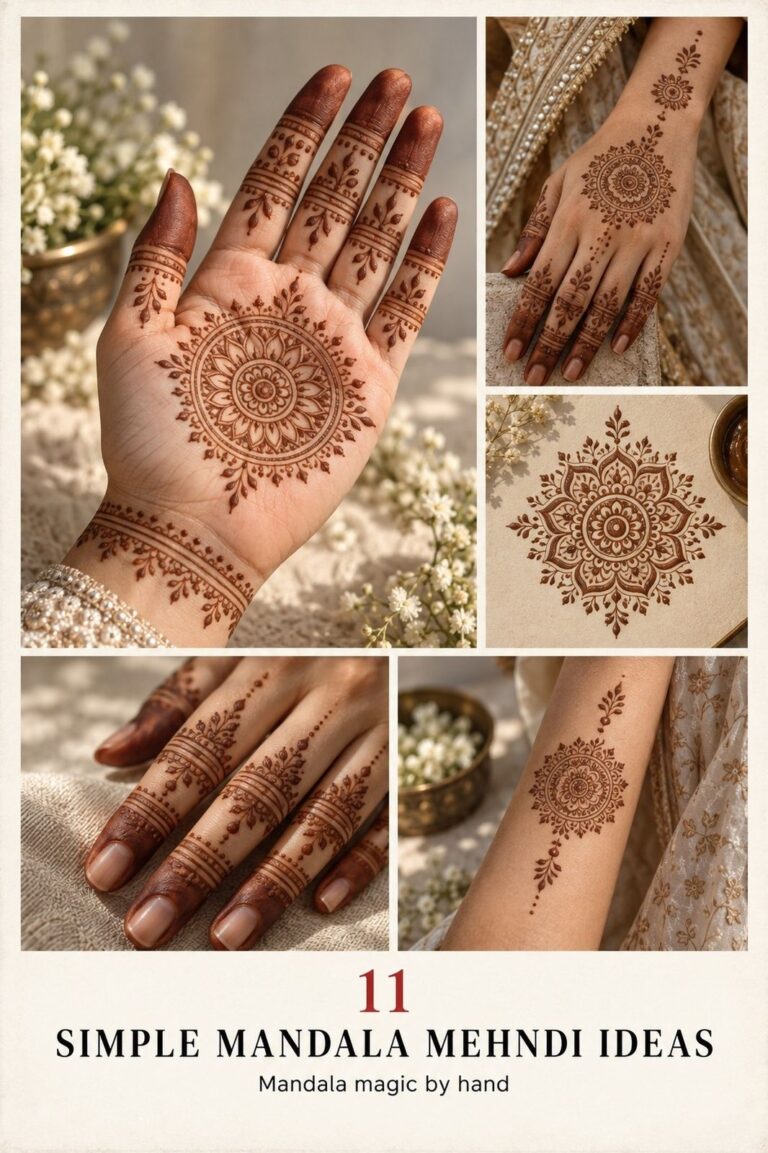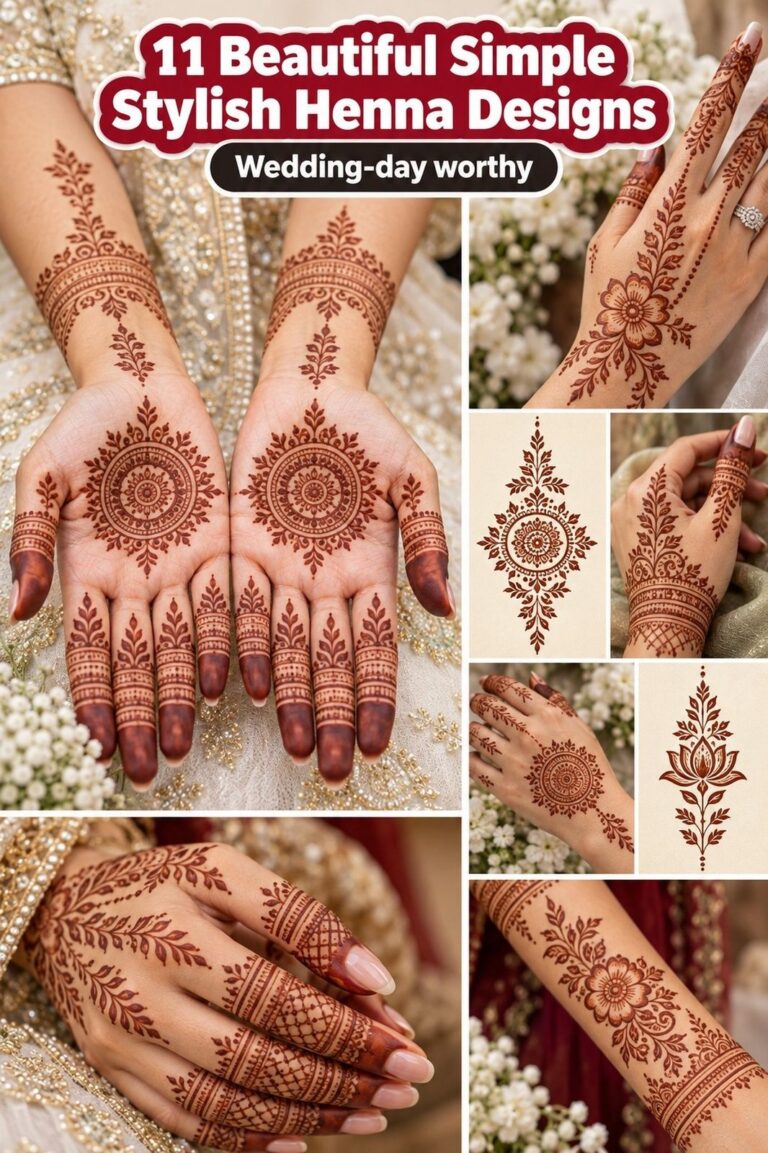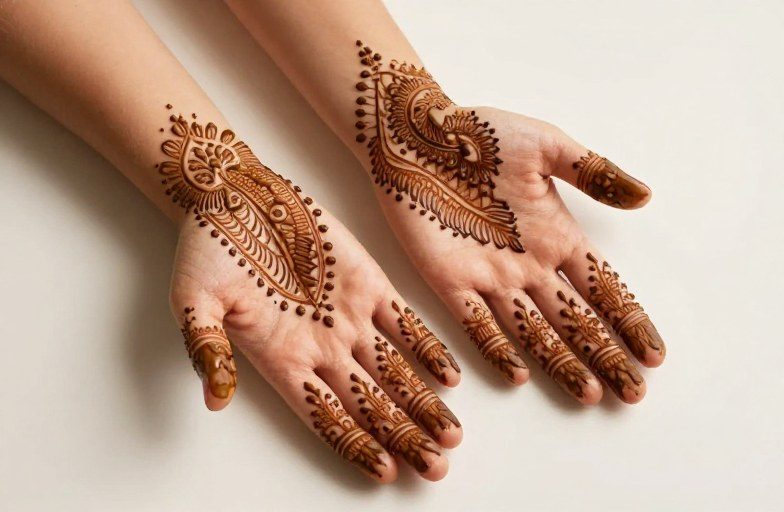
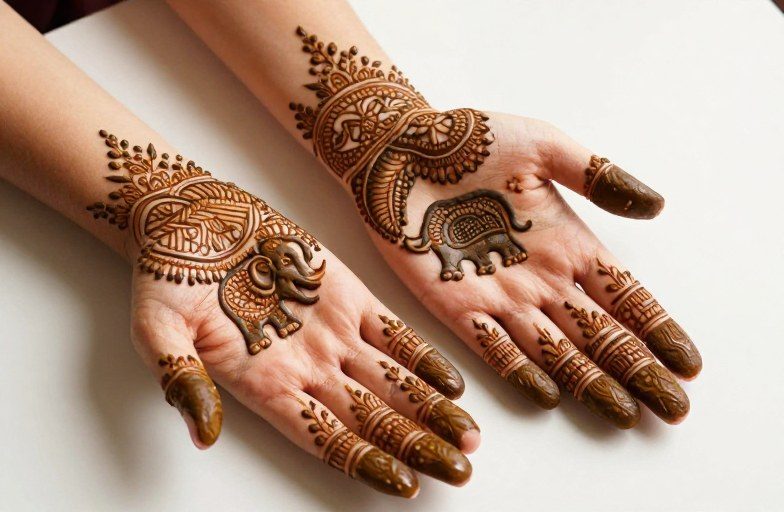
A mehndi elephant tattoo holds two traditions in tension: the elephant as a figure of memory, strength, and spiritual presence across South Asian cultures, and mehndi itself as temporary adornment for celebration and threshold moments. Permanent ink changes both. The result is a tattoo that carries weight but requires honest conversation with yourself about what you are claiming, what you are honoring, and what will remain on your skin decades from now.
What the Symbolism Actually Means
The elephant in South Asian iconography is most often linked to Ganesha, the Hindu deity who removes obstacles and presides over beginnings. A tattooed elephant with trunk raised upward loosely echoes Ganesha’s posture, though without the modak sweet, the broken tusk, or the mouse vehicle, it remains a reference rather than a depiction. Some practitioners find this respectful ambiguity preferable to wearing explicit religious imagery without full observance. Others feel it borrows sacred power without committing to the tradition. Neither position is wrong, but you should know which one you hold before the needle starts.
Outside Hindu contexts, the elephant carries more universal associations: documented memory capacity, matriarchal family structures, grief rituals that resemble human mourning. These qualities draw people marking survival, loyalty to chosen family, or the determination not to repeat past mistakes. The mehndi style adds another layer. Henna application in South Asian cultures traditionally accompanies weddings, births, and festivals. It is inherently celebratory, social, and temporary. Making it permanent creates a tension some find meaningful and others find contradictory.
If you are not from South Asian heritage, this tattoo requires additional care. The mehndi style is not merely decorative; it carries specific cultural locations. Respectful engagement usually means some combination of: direct experience with the tradition (travel, study, practice), avoidance of sacred symbols you do not understand, and selection of an artist who knows the difference between mehndi pattern structure and generic “tribal” filler. The aesthetic alone is not enough justification.
How This Tattoo Ages
Mehndi-style linework is among the most technically demanding to keep legible over time. The qualities that make it striking fresh, hair-thin lines, dense dotwork, negative space creating lace-like effects, are exactly what deteriorate fastest.
Why Fine Lines Fail
Lines below approximately one millimeter spread as skin ages and ink particles migrate. The tiny gaps between mehndi patterns, the negative space that creates the filigree effect, tend to close up as ink bleeds slightly into surrounding tissue. What begins as crisp, readable ornamentation softens into something more like a textured wash. This happens faster on high-motion areas: wrists, ankles, fingers, anywhere the skin flexes constantly. It happens slower on the upper back, outer upper arm, and other relatively stable surfaces with less sun exposure.
Elephant faces with elaborate headdresses are particularly vulnerable. The spiral details on the trunk, the forehead decoration, the tiny jewel elements, all high-risk for blurring into indistinct grey. Experienced artists often compensate by building slightly thicker outlines around the elephant’s silhouette while keeping interior mehndi details finer. This anchors the overall shape even when interior ornamentation softens. Ask to see healed photos from five-plus years ago, not just fresh work, before committing to an artist.
Skin Tone and Ink Choices
On darker skin, mehndi-style work can age more gracefully than heavy saturated blackwork because there is less risk of ink blowout creating muddy, indistinct patches. However, the contrast question matters. Actual henna stains skin in reddish-brown tones. Permanent tattoo ink in black or grey changes the visual temperature entirely. Some artists offer softer greywash to approximate the organic feel of fading henna. Others argue that committing to bold black acknowledges the permanent nature of the medium rather than pretending to be something it is not. This is a preference conversation, not a technical right answer.
- Upper back and outer upper arm preserve fine detail longest
- Wrists, ankles, and fingers degrade mehndi patterns fastest
- Annual touch-ups every three to five years keep intricate pieces readable
- Consistent sun protection, clothing or SPF, dramatically slows fading
Placement and Practicality
The mehndi elephant’s typical vertical orientation, trunk rising, legs planted, suits certain body contours naturally. Where you place it affects both how it reads to others and how well it survives.
Spaces That Work
The outer forearm offers flat, stable canvas for the full headdress-and-trunk composition, plus visibility that keeps the meaning personal rather than hidden. Thighs and outer calves provide similar space with less daily sun exposure. Ribs and side torso can accommodate larger pieces where the elephant’s curve follows the body’s natural line, though healing is more uncomfortable and detail harder to execute on soft, stretchable skin during the weeks after application.
The upper back and shoulder blade work well for medium-to-large pieces with symmetrical headdress elements. The inner bicep protects from sun but will stretch with significant muscle growth, something to consider if you are young and your body is still changing.
Spaces That Require Compromise
Behind the ear, on the wrist bone, or as a small ankle piece demands severe simplification. Often this means just the elephant head with minimal headdress, or a silhouette filled with mehndi pattern rather than full body rendering. These function better as decorative accents than as carriers of heavy symbolic narrative. Finger placement, while fashionable, almost guarantees rapid degradation of fine mehndi elements. If you are committed to finger work, consider bold, simplified versions with thicker lines and less interior detail.
The foot top holds traditional significance for actual mehndi application, but tattoo healing there is difficult and ink retention poor. The skin is thin, the area receives constant friction from footwear, and the risk of infection during healing is higher. Most artists who specialize in this style will counsel against it.
- Outer forearm: excellent visibility, moderate aging
- Thigh or outer calf: large canvas, protected from sun
- Upper back/shoulder blade: stable, good for symmetrical compositions
- Foot top: traditional for henna, poor for tattoo healing and retention
Color Choices and Their Consequences
The decision between color and monochrome changes both the cultural resonance and the maintenance burden of a mehndi elephant tattoo.
Approximating Henna Tones
Some artists mix warm brown inks with slight red undertones to approximate actual mehndi stain color. This reads as most culturally connected to the henna tradition but fades faster than black, and brown ink lines blur more noticeably over time. A common compromise uses brown for the mehndi filigree with black for the elephant outline, creating depth and cultural reference without full color commitment. Ask your artist specifically about their brown ink formulations; some brands hold better than others.
Black and Grey Realities
Black and grey mehndi elephants are more common in Western tattooing, easier to execute well, and age more predictably. The contrast reads more definitively as tattoo and less as henna reference, which some prefer. Greywash can create the soft, organic feel of a fading henna stain. Solid black emphasizes the graphic, permanent nature of the commitment. Whip-shading offers softness; bold blacks offer longevity. Most experienced artists will have a clear opinion based on your specific skin and the placement you are considering.
Color additions, gold accents, jewel tones in the headdress, pop when fresh but require more maintenance and more frequent touch-ups. White ink highlights in mehndi patterns rarely last; most artists who understand this style will avoid them or warn you explicitly. Black-only designs touch up most successfully over decades.
- Warm brown tones: culturally resonant, faster fading
- Black and grey: predictable aging, less specific henna reference
- Color accents: high maintenance, vivid initially
- White highlights: generally discouraged for longevity
Finding the Right Artist
This is not a style every tattooer can execute. Mehndi pattern work requires understanding of negative space rhythm, the difference between authentic South Asian motif structure and generic “ethnic” filler, and the technical discipline to place lines that will hold at extremely fine weights.
Ask specifically for healed photos from two to five years prior. Fresh mehndi-style tattoos are deceptive; the swelling and redness make fine lines look crisper than they will settle. Ask how they handle stencil versus freehand for the ornamental elements. Some artists stencil the elephant structure and freehand the mehndi patterns to maintain organic flow. Others stencil everything, which can look rigid. Neither is automatically superior, but you should know your artist’s reasoning.
Ask also about their experience with your skin tone if you are not light-skinned. Fine-line visibility and aging patterns vary significantly, and an artist who only shows healed work on fair skin may not have relevant experience for your situation.
What to Remember
A mehndi elephant tattoo asks you to hold several truths at once. It is beautiful and it will blur. It is personal and it carries cultural weight that precedes you. It celebrates permanence through the language of something traditionally temporary. The people who live best with this tattoo are those who entered the process with honest assessment of all three: what they wanted to carry, what they were willing to maintain, and what they had genuine standing to claim.
Start with the artist conversation, not the design board. The right practitioner for this work will ask you harder questions than you ask them, about your connection to the imagery, your expectations for aging, and your willingness to return for touch-ups. If they do not, keep looking. This tattoo deserves the patience it depicts.
Frequently Asked Questions
How long does a fine-line mehndi elephant tattoo last before needing touch-up?
Most intricate mehndi-style work benefits from touch-up within three to five years, though this varies enormously by placement, sun exposure, individual skin, and artist technique. High-motion areas like wrists may need attention sooner; protected areas like the upper back can hold longer.
Is a mehndi elephant tattoo cultural appropriation?
There is no universal answer. Respectful engagement typically involves genuine connection to the tradition through study, travel, or practice; avoidance of sacred symbols you do not understand; and support of artists with authentic knowledge. The aesthetic alone is generally considered insufficient justification.
Can a mehndi elephant tattoo look like actual brown henna?
Tattoo artists can approximate henna’s reddish-brown tones with specific ink mixtures, but these fade faster than black and blur more noticeably. Most long-term successful pieces use black or greywash with the understanding that permanent ink carries different visual qualities than temporary stain.
What is the best placement for preserving fine detail?
The upper back, outer upper arm, and outer forearm generally preserve fine mehndi detail longest due to stable skin and reduced sun exposure. Avoid fingers, feet, and high-motion joints if intricate pattern legibility matters to you.
Should I get an explicit Ganesha tattoo instead of an elephant reference?
This depends on your practice and intentions. An elephant reference offers respectful ambiguity for those drawn to the symbolism without full Hindu observance. Explicit Ganesha imagery carries stronger religious claims and obligations; some practitioners find insufficiently respectful depiction more problematic than reverent reference.