
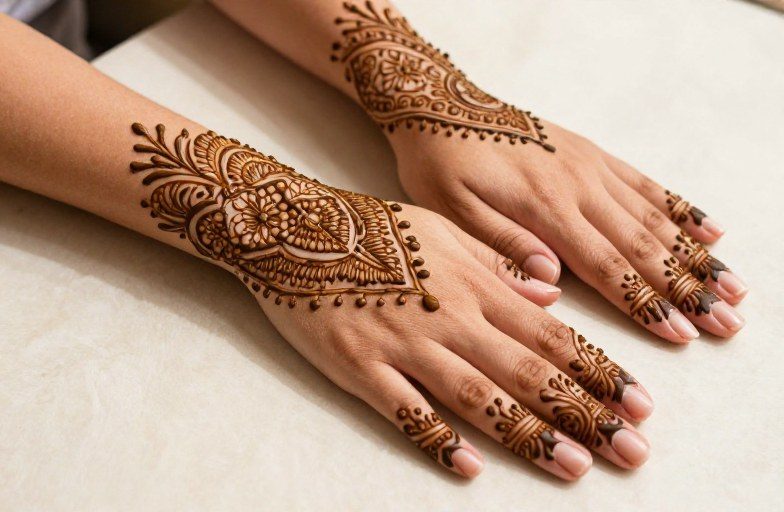
Henna fades on its own in one to three weeks, but you can speed it along with gentle, skin-safe methods. Oil-based removal, exfoliation, and proper aftercare are your best tools. Avoid harsh chemicals that damage skin or cause scarring.
Tips From the Chair
Working with skin day in and day out teaches you to respect the canvas. Henna sits on the outermost layer of skin, not deep like a machine tattoo, so removal is fundamentally about lifting stained dead cells without wrecking what’s beneath.
What Actually Works
Start with oil. Olive oil, coconut oil, or any body oil you have on hand will begin breaking down the henna paste residue and loosening stained skin cells. Soak a cotton pad, press it to the design for ten minutes, then gently rub in small circles. Repeat daily. This is slow but genuinely effective, and it conditions the skin rather than stripping it.
For faster results, follow oil with mild exfoliation. A paste of baking soda and lemon juice applied for a few minutes lifts dead skin aggressively, but use this sparingly, once every two days at most. Over-exfoliation leaves skin raw, which actually traps pigment deeper as the area scabs and heals.
- Warm salt water soaks soften the stain and promote natural cell turnover
- Swimming in chlorinated pools noticeably fades henna within days
- Antibacterial soap with warm water removes surface oils and some pigment
- Steam from a hot shower before scrubbing opens pores and loosens cells
What to Avoid
Never use bleach, nail polish remover, or concentrated acids on henna. These cause chemical burns, permanent scarring, and hyperpigmentation that lasts far longer than any temporary tattoo. The internet is full of bad advice on this, ignore it. Your skin is not a surface to be conquered.
Similarly, skip the “scrub until it hurts” approach. Pain indicates barrier damage, and damaged skin heals darker in many cases, leaving you with a worse mark than the original henna.
Realistic Expectations
Henna is not a sticker you peel off. The lawsone pigment binds to keratin in the skin, and that binding takes time to break down naturally. Even aggressive removal methods won’t erase a dark henna stain overnight.
Timeline Reality
A fresh, dark henna stain on thick skin like palms or soles might take two to three weeks to disappear completely with no intervention. With consistent oil and gentle exfoliation, you can cut that roughly in half. On thinner skin areas, wrists, ankles, upper arms, natural fading happens faster anyway, and removal techniques show results in three to seven days.
Black “henna” containing PPD (para-phenylenediamine) is a different substance entirely. It stains deeper, lasts longer, and carries genuine health risks. If you suspect your tattoo was done with black henna, removal becomes more about managing skin reaction than fading pigment. Patchy, blistered, or rapidly darkening skin needs professional attention, not home remedies.
What Determines Fading Speed
- How long the paste was left on initially, longer contact means deeper staining
- Skin thickness and oiliness at the placement site
- How dark the original stain developed, orange stains fade faster than deep mahogany
- Your personal cell turnover rate, which varies with age and metabolism
Pain & Comfort
Proper henna removal should not hurt. A mild tingling from lemon juice or slight abrasion from salt is normal. Sharp pain, burning, or visible skin breakage means you’ve crossed into damage territory.
Recognizing Your Limits
Redness that fades within an hour of treatment is acceptable. Redness that persists, swells, or develops into welts indicates contact dermatitis or mechanical irritation. Stop all removal attempts and let the skin rest. A compromised skin barrier will hold onto pigment longer anyway, so pushing through pain works against your goal.
For sensitive skin areas, inner wrist, throat, face, stick to oil-only methods. These regions have thinner dermis and more nerve endings, making them both more painful to treat and more prone to lasting damage from harsh methods.
Aftercare Essentials
Removal is only half the task. How you treat skin afterward determines whether you end up with healthy, clear skin or a blotchy, irritated mess that draws more attention than the henna did.
Healing the Canvas
After any removal session, rinse with cool water and apply a plain, fragrance-free moisturizer. Aquaphor, plain shea butter, or simple petroleum jelly work well. Avoid scented lotions, essential oils, or active ingredients like retinol or AHAs on freshly exfoliated skin for at least 48 hours.
Keep the area out of sun. UV exposure on sensitized skin causes hyperpigmentation that can last months. If the removal site must be exposed, use mineral sunscreen with zinc oxide, chemical sunscreens sting on compromised skin.
- Moisturize morning and night for three days after any exfoliation
- Wear loose clothing over treated areas to prevent friction
- Don’t pick at flaking skin, which causes uneven pigment and scarring
- Pause removal if skin shows signs of overwork, let it recover for 48 hours
When to Stop and Wait
Skin needs recovery time between removal sessions. Daily aggressive treatment destroys the barrier you’re trying to clear. Alternate active removal days with pure moisturizing and protection. This rhythm actually produces faster overall fading because healthy skin sheds stained cells more efficiently than damaged skin does.
The Direct Answer
Here’s the straightforward protocol: apply warm oil for 10-15 minutes, gently exfoliate with a soft washcloth or mild baking soda paste, rinse with warm water, moisturize thoroughly. Repeat every other day. Supplement with salt water soaks and normal shower steam. Expect visible lightening in 3-5 days, significant fading in 7-10, near-complete removal in 14-21 depending on original darkness and skin location.
For emergency situations, job interview, formal event, family conflict, covering henna professionally with high-coverage concealer designed for tattoos is faster and safer than rushed removal. Brands like Dermablend and Kat Von D’s tattoo concealer exist specifically for this need. Set with powder and setting spray for durability.
Cost Factors
Home removal costs essentially nothing if you have basic household items. A bottle of coconut oil, baking soda, and lemon juice totals under ten dollars and treats multiple sessions. Compare this to professional laser removal, which runs several hundred dollars per session and is rarely used for henna since the pigment is superficial and temporary.
When Professional Help Makes Sense
If you suspect PPD reaction from black henna, blistering, spreading redness, intense itching, dermatologist visit costs apply, but they’re necessary. Attempting to treat chemical burns at home worsens outcomes and can lead to permanent scarring or sensitization. Insurance typically covers this as urgent dermatology.
Some medspas offer exfoliating treatments like microdermabrasion for cosmetic fading. These run $75-200 per session and work faster than home methods, but for a temporary stain, the value proposition is questionable unless time is critical.
Final Thoughts
Henna is meant to be temporary, and treating it that way keeps removal in perspective. Gentle persistence beats aggressive intervention every time. Respect the skin you’re working with, accept the timeline reality, and avoid the internet’s worst advice. The stain will go. Your skin stays.
If you’re considering henna again, remember that pre-treatment matters too. Applying thick lotion or barrier cream before paste application makes future removal dramatically easier. Forethought saves effort later. That’s as true for henna as it is for any mark you put on your body.
Frequently Asked Questions
Does toothpaste actually remove henna?
Toothpaste can slightly fade henna due to mild abrasives and baking soda content, but it’s not particularly effective and often irritates skin. Plain baking soda paste or oil methods work better with less risk of reaction from mint oils and other additives.
Will a hot shower remove henna faster?
Steam and warm water soften the skin and help loosen stained cells, but very hot water damages the skin barrier and can cause the stain to set deeper as the area heals. Warm, not scalding, is the right approach.
Can I swim to fade my henna tattoo?
Chlorinated pool water noticeably accelerates henna fading through chemical and mechanical action. Ocean salt water works too. Just moisturize afterward, since prolonged water exposure dries skin and can paradoxically slow cell shedding.
Why is my henna tattoo getting darker instead of fading?
Henna oxidizes and darkens over the first 48 hours after paste removal, that’s normal. If darkening happens after a week, you may be experiencing irritation or post-inflammatory hyperpigmentation from over-aggressive removal attempts. Stop treatment and moisturize.