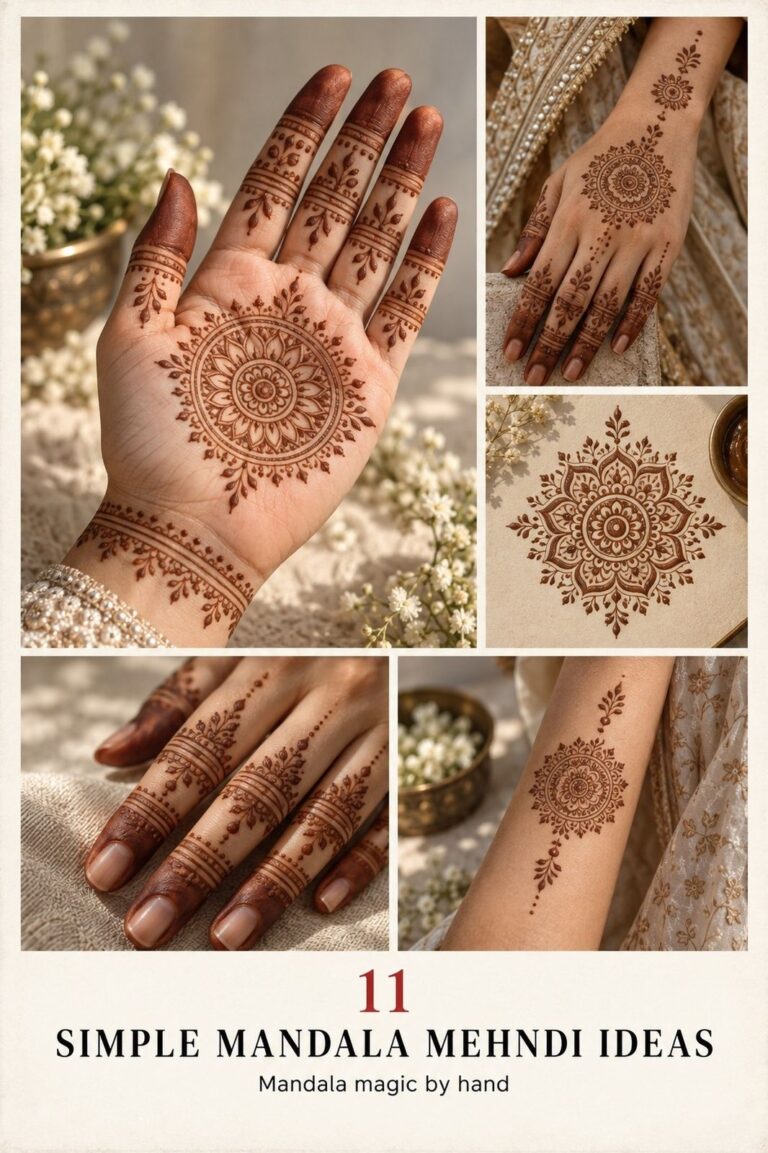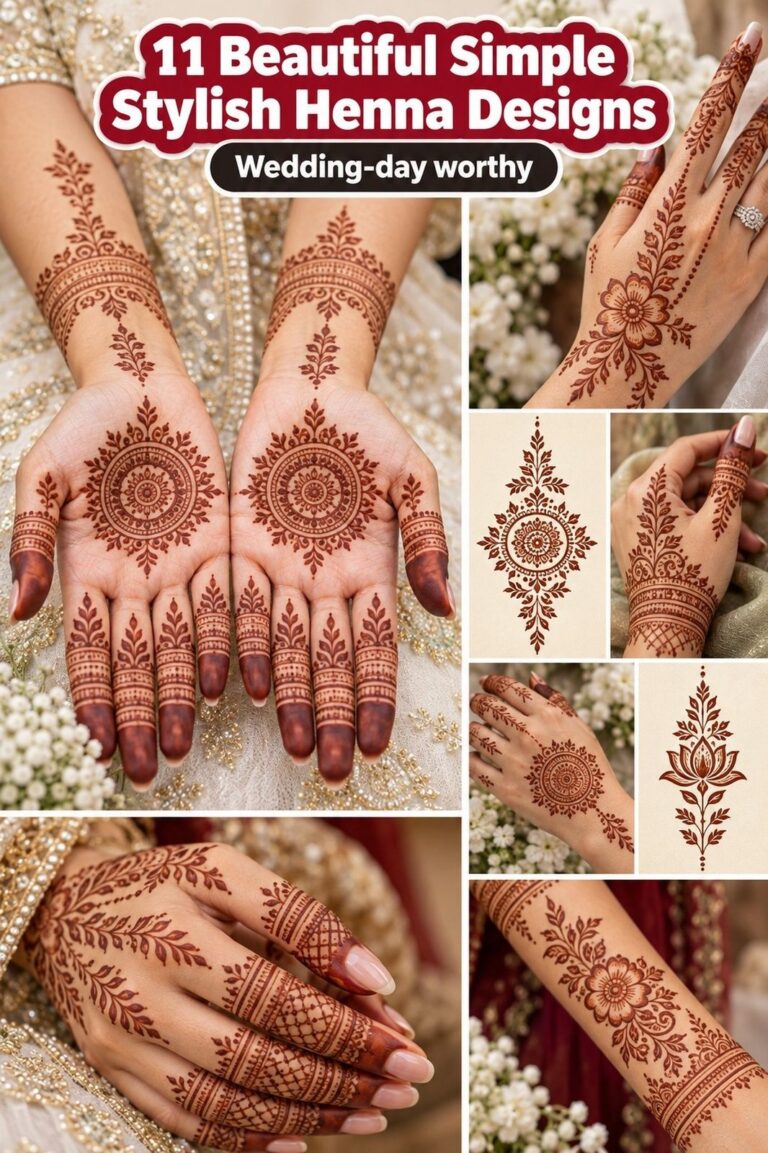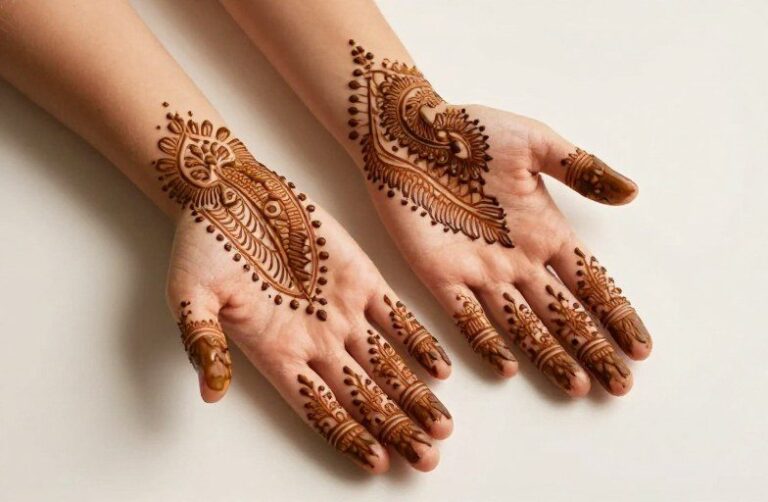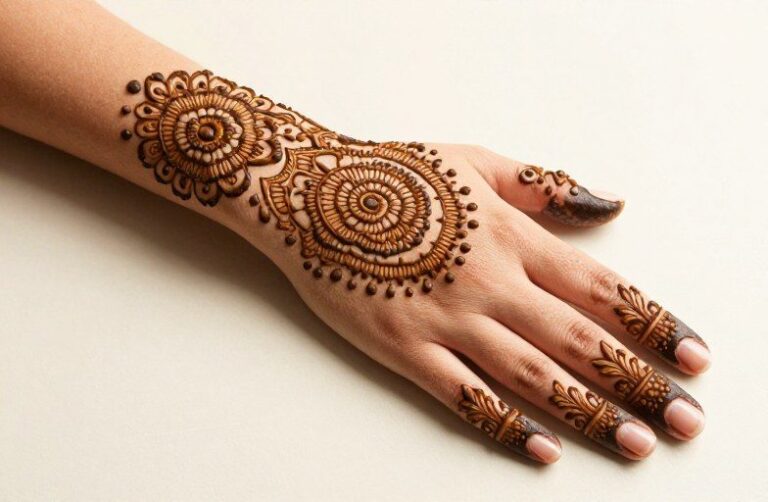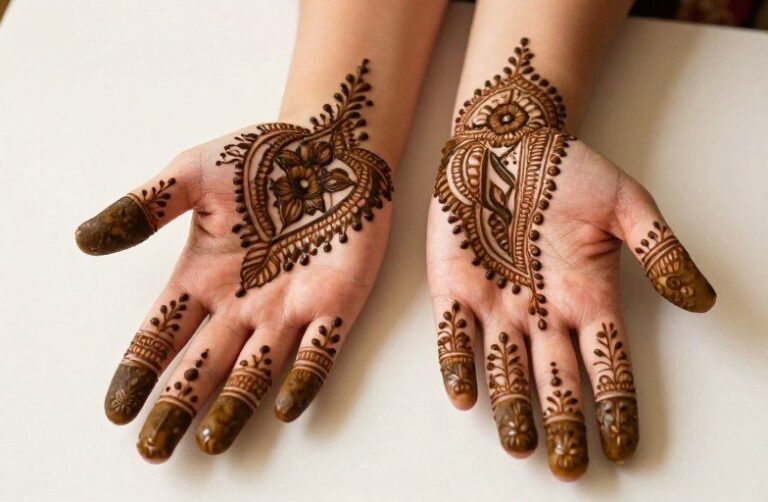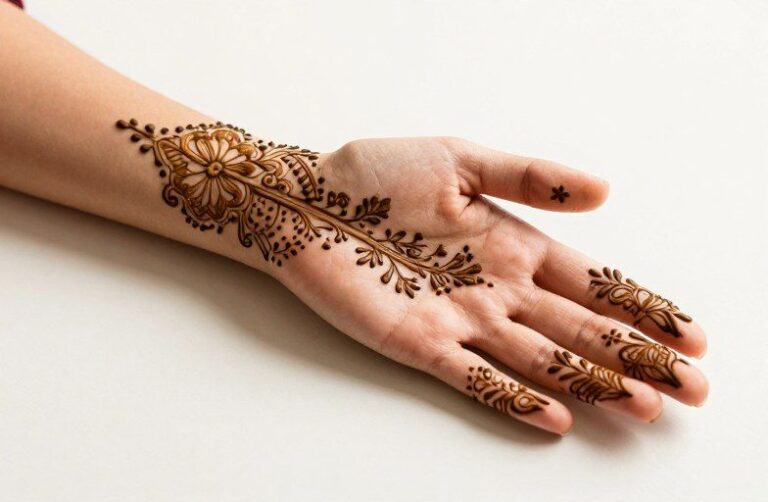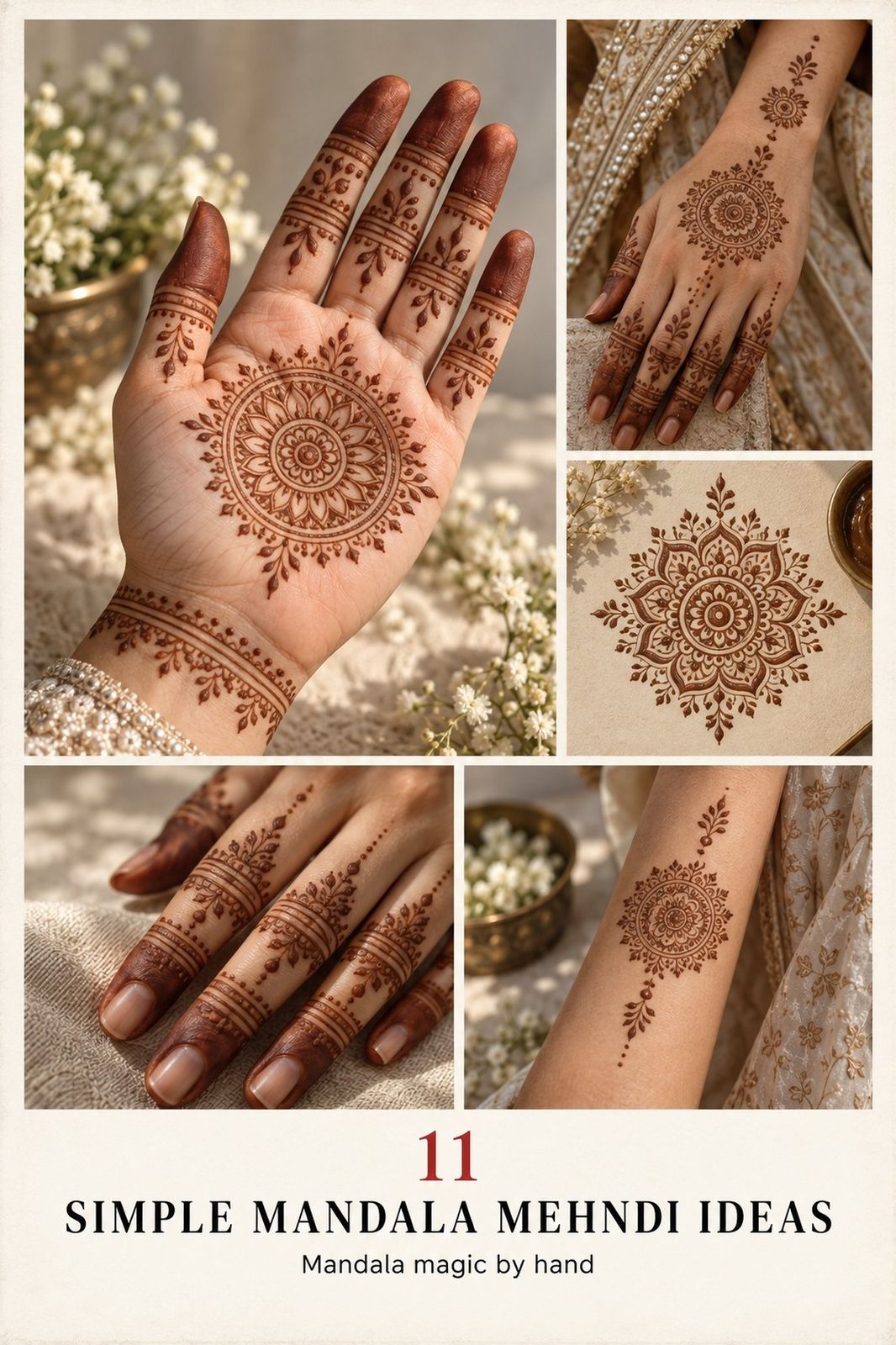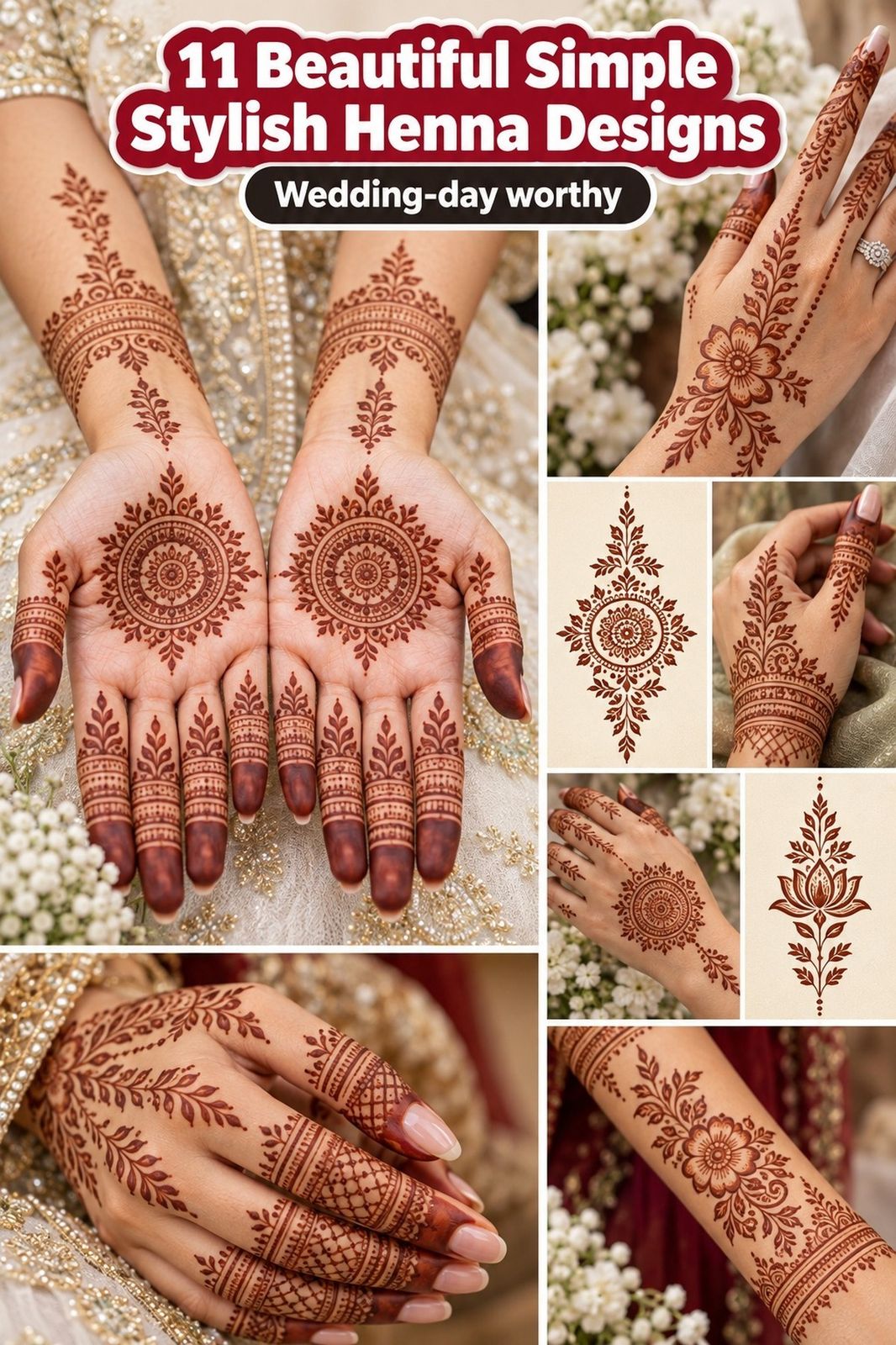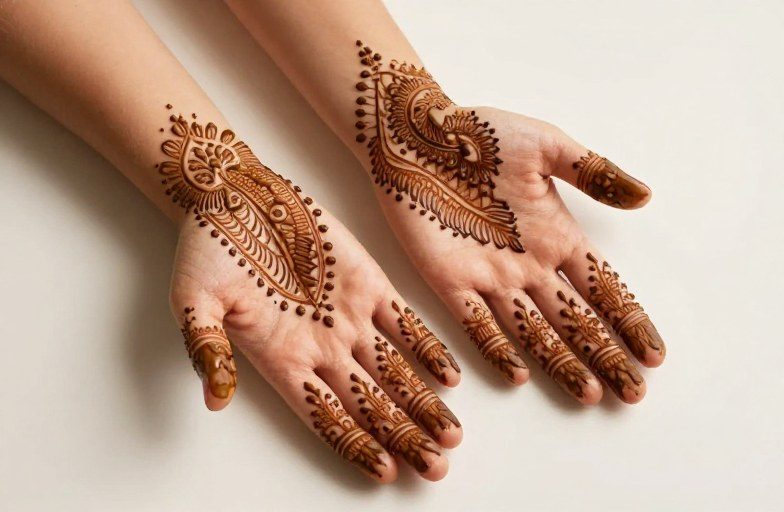
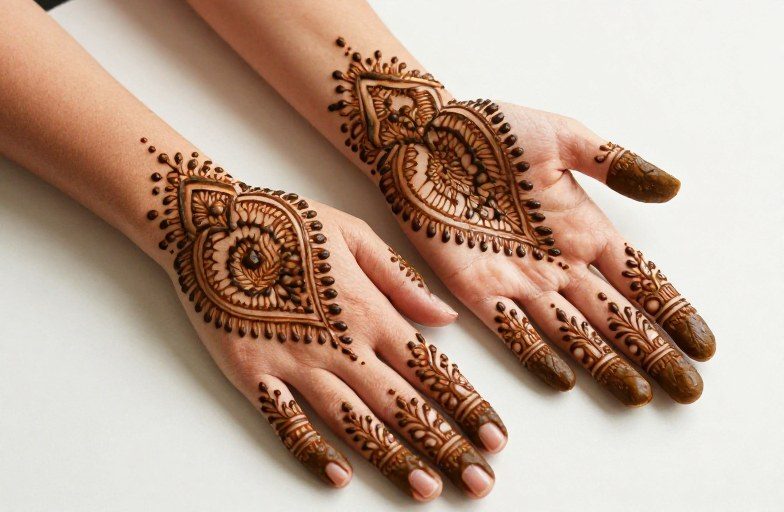
Henna tattoos are temporary body art made from powdered Lawsonia inermis leaves mixed into a paste. You can apply them at home with patience, the right materials, and realistic expectations about color development and longevity. This guide covers the practical steps from mixing to aftercare, plus honest guidance on when DIY makes sense versus booking an artist.
Realistic Expectations
What Henna Actually Does
Natural henna stains the top layers of skin through a chemical reaction with the lawsone molecule. The paste sits on the surface, darkens over 24-48 hours, then flakes away leaving an orange-brown stain that fades as skin exfoliates. On hands and feet, where skin is thickest, color lasts one to three weeks. On thinner areas like wrists or collarbones, five to ten days is typical. The final color ranges from burnt orange to deep rust-brown depending on your skin chemistry, body temperature, and how long you keep the paste on.
Black “henna” is a different substance entirely. It typically contains paraphenylenediamine (PPD), the same chemical in dark hair dyes, and can cause blistering, permanent scarring, and lifelong sensitization to common products. Real henna paste is greenish-brown, smells earthy or like tea, and never appears jet black in its wet state. If someone offers you black henna at a beach boardwalk or festival, decline.
Skill Level Required
Your first attempt will look like a first attempt. The cone control, pressure consistency, and line confidence that make professional henna look effortless take dozens of hours to develop. Start with simple geometric patterns, vines, or small floral elements rather than intricate bridal-style coverage. Symmetry is harder than it looks on curved body surfaces.
The Direct Answer
Materials You Actually Need
- Body-art quality henna powder (fresh, sifted fine, stored refrigerated)
- Lemon juice or strong brewed black tea for mixing
- Sugar (1-2 teaspoons per 100g powder, helps paste adhere)
- Essential oils with high terpinolene content: cajeput, tea tree, or lavender
- Plastic squeeze bottles or rolled cellophane cones
- Cotton balls, paper towels, and a mild soap
- Scotch tape or medical tape for securing the paste during drying
Mix your powder with lemon juice to a toothpaste consistency, add sugar and a few drops of essential oil, then let it sit for dye release, typically 3-12 hours at room temperature, or overnight in the refrigerator. The paste is ready when a dot on your palm turns orange within five minutes. Strain through nylon stocking if the mixture feels gritty.
Setting Up Your Workspace
Work somewhere you won’t be disturbed for at least two hours after application. Henna paste needs to stay undisturbed while drying and remain on the skin for 4-12 hours for optimal stain development. Have entertainment ready that doesn’t require the hand you’re decorating. Temperature matters: paste dries faster in warm rooms, which can crack the design and reduce color depth.
What to Expect Step by Step
Skin Prep and Application
Wash the area with soap to remove oils, lotions, and dead skin. Do not exfoliate aggressively beforehand, that fresh skin will stain darker but fade faster. Dry completely. If you’re hairy, trim (don’t shave) the area; henna grabs hair and makes paste removal messy.
Load your cone or bottle with a small opening, pencil-lead width for beginners. Practice on paper first: steady pressure, consistent speed, lifting cleanly at line ends. On skin, work from the center of your design outward to avoid smudging with your drawing hand. Let lines sit slightly raised; don’t scrape them flat. Thicker lines and filled areas stain darker than hair-thin details.
The Waiting Game
Once applied, the paste will crust and darken over 30-60 minutes. For maximum color, leave it on as long as possible. Traditional practice keeps paste on 6-8 hours or overnight. Wrap loosely with toilet paper, then medical tape or an old sock to protect the design during sleep. Avoid water entirely during this phase. The paste will flake off naturally; don’t pick at it.
After removal, the stain appears bright orange. It darkens to brown over 24-48 hours as oxidation continues. This delayed development surprises first-timers who expect immediate results. Avoid water for the first 24 hours after paste removal when possible.
Cost Factors
DIY henna is inexpensive once you have basic supplies. Quality body-art henna powder runs $8-15 for 100 grams, enough for dozens of small designs or several full-hand pieces. Essential oils add $10-20 but last years. Cones and tools are negligible cost. Your primary investment is time: mixing, waiting for dye release, application, and the long setting period.
Professional henna artists charge $15-50 for simple hand designs, $50-150 for bridal-style full hand and forearm coverage. Festival booth pricing is often per design ($10-30) with faster, simpler work. The cost difference reflects skill development, material quality, and the convenience of not sitting still with drying paste yourself.
Aftercare Essentials
First 48 Hours
Heat and time deepen the stain. After paste removal, apply a thin layer of natural oil (coconut, olive, or shea butter) to protect from water exposure. Skip long baths, swimming, and dishwashing without gloves. Pat dry rather than rubbing after any necessary water contact. The stain is most vulnerable in its first two days of development.
Extending the Life
- Avoid exfoliating products on the area: scrubs, retinols, alpha-hydroxy acids
- Apply oil before swimming or showering to create a barrier
- Hands stain deeper but fade faster due to constant washing and use
- Backs of hands last longer than palms; outer forearms longer than inner wrists
There’s no safe way to remove henna faster if you dislike the result. It fades with natural skin turnover. Lemon juice, salt, and baking soda scrubs are commonly suggested online but damage skin without significantly accelerating fading.
When to See a Professional
Skill Gaps Worth Paying For
Complex bridal patterns, symmetrical mandalas on both hands, or designs wrapping around fingers require cone control that takes years to develop. Professionals also understand how different body areas stain differently, what reads beautifully on paper may blur or fade unevenly on actual skin. For events where photography matters (weddings, performances), the consistent quality justifies the cost.
Safety Concerns
Consult a professional if you have known plant allergies, sensitive skin conditions, or if you’re considering henna for a child under six. Some artists specialize in natural, additive-free pastes and can discuss ingredient transparency. Professional studios also carry liability insurance and maintain hygiene protocols that casual home application may lack.
Before You Decide
DIY henna is genuinely accessible, but the gap between “possible” and “good” is wider than social media suggests. Your first cone will feel awkward. Your lines will wobble. The stain will be patchy in places you didn’t expect. This is normal, not failure.
Consider what you want from the experience. If you enjoy the ritual, the learning curve, and the imperfect charm of handmade work, home henna is deeply satisfying. If you need reliable results for an event, want complex imagery, or simply don’t have the patience for multi-hour setting times, professional application is the practical choice.
Either way, insist on natural, body-art quality materials. The temporary nature of henna doesn’t mean the consequences of bad products are temporary. PPD reactions can cause permanent scarring and lifelong chemical sensitivities. The paste’s earthy smell and brown-green color are your simplest quality checks. Everything else, skill, design, longevity, is negotiable. Safety isn’t.
Frequently Asked Questions
Can I use henna from an Indian grocery store for body art?
Grocery store henna is often for hair dye, coarsely sifted, and may contain additives. Body-art quality henna is finely sifted, fresh, and specifically labeled for skin application. The difference in stain quality and safety is significant.
Why did my henna turn out orange instead of dark brown?
Color depends on lawsone content, skin chemistry, body temperature, and how long the paste stayed on. Fresh paste on warm hands left for 8+ hours typically yields the darkest results. Some skin types simply develop lighter orange tones regardless of technique.
Is it safe to do henna during pregnancy?
Natural henna is generally considered low-risk, but pregnancy can alter skin sensitivity and scent tolerance. The essential oils used for mixing may be irritating to some. Many artists avoid application during the first trimester as a precaution.
How do I keep the cone from clogging or exploding?
Cut the opening smaller than you think, about 1mm, and test flow before touching skin. If the paste is too thick, add a few drops of lemon juice. Hold the cone like a pencil with consistent gentle pressure, not a squeezed tube of toothpaste.