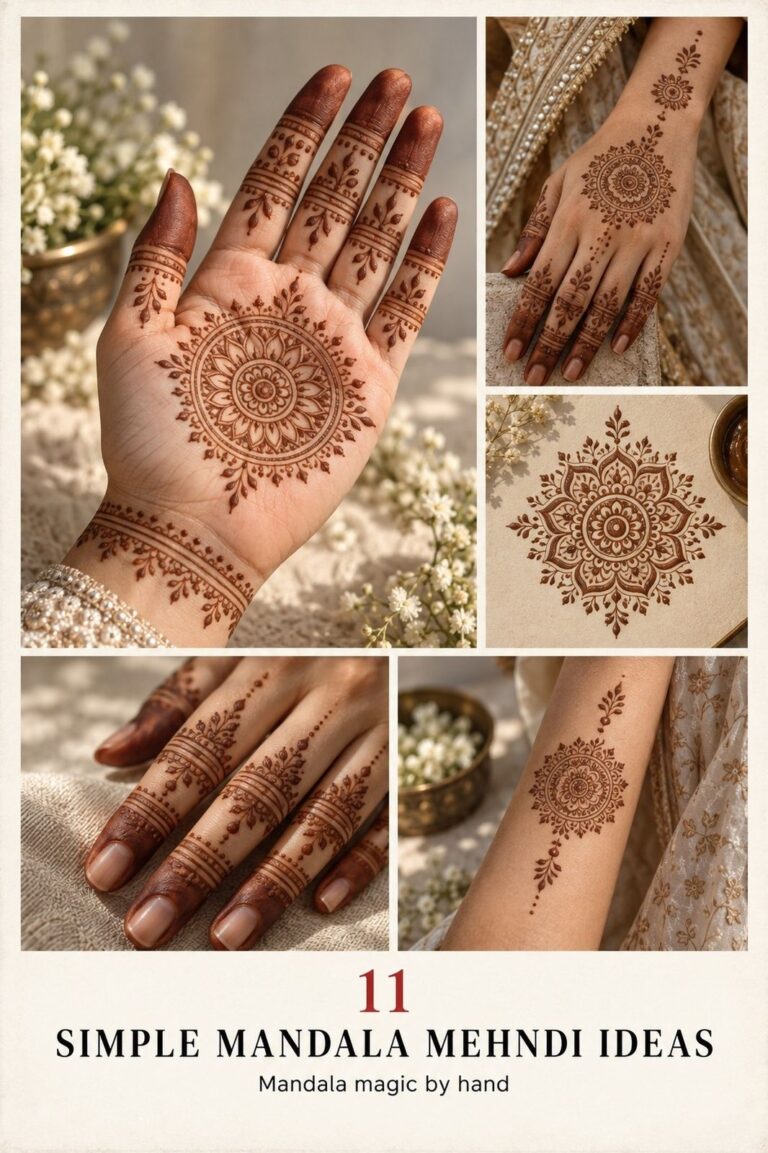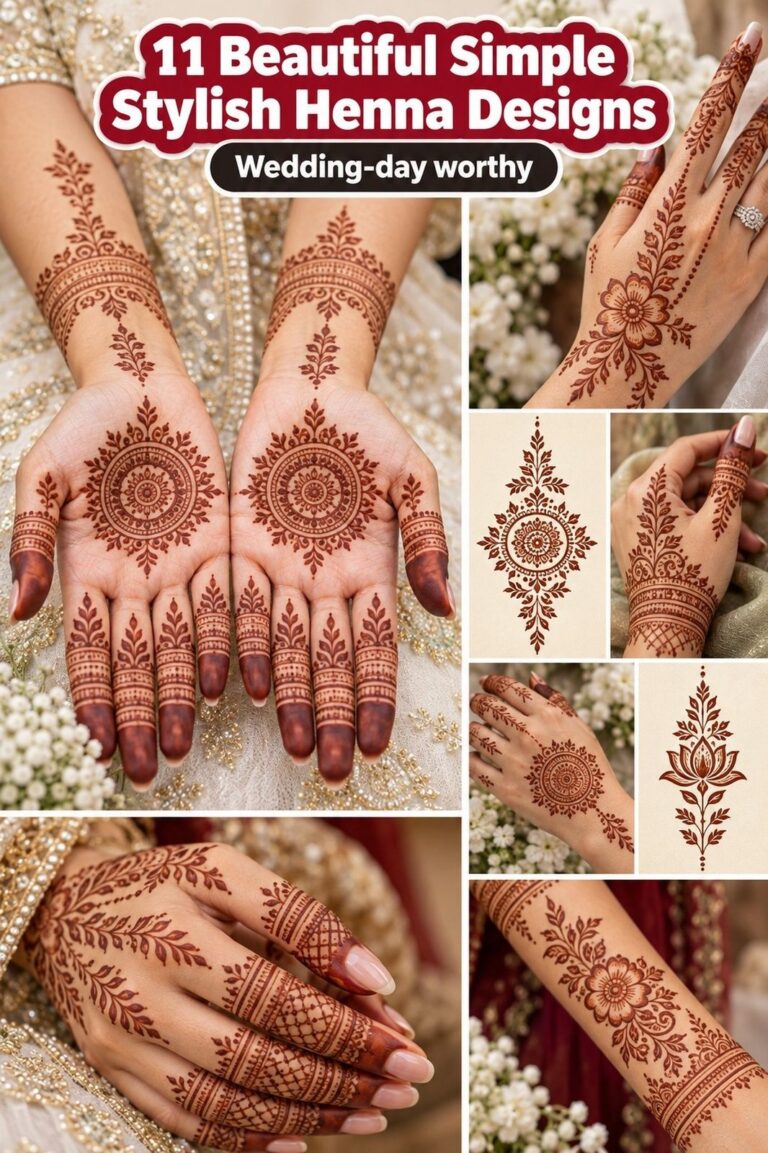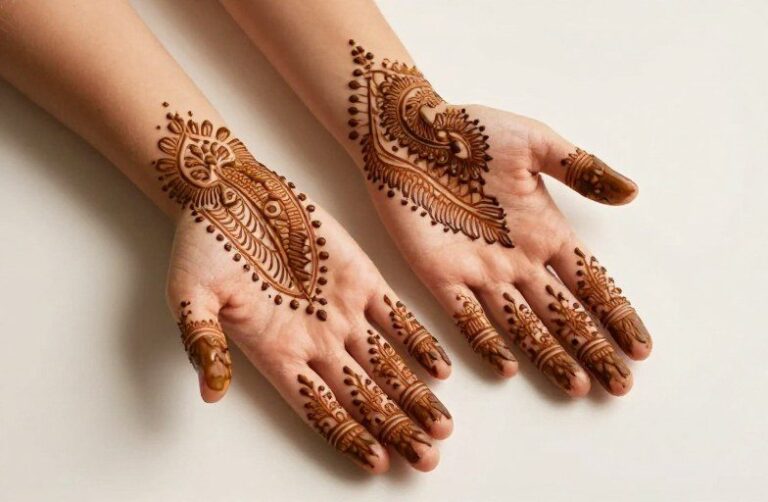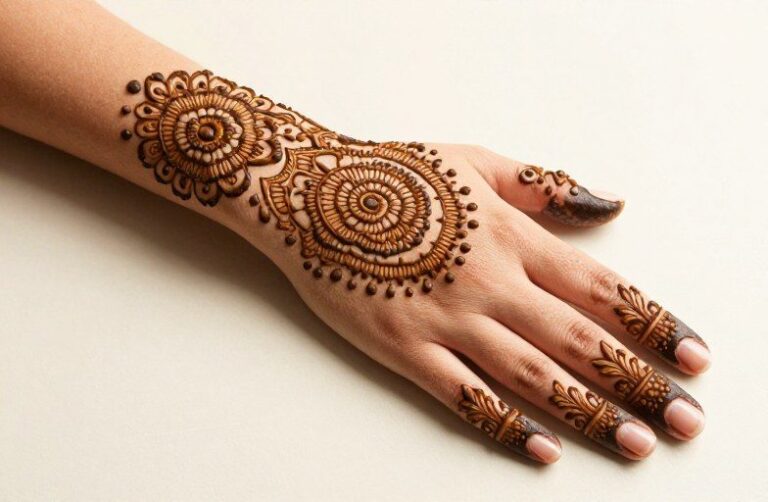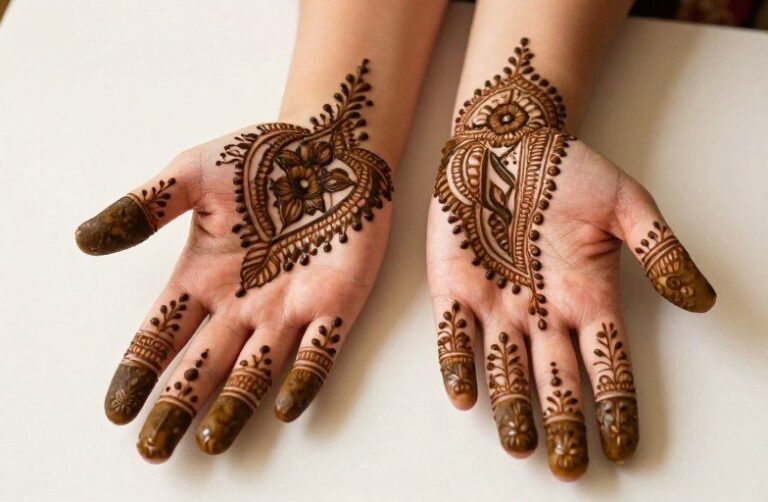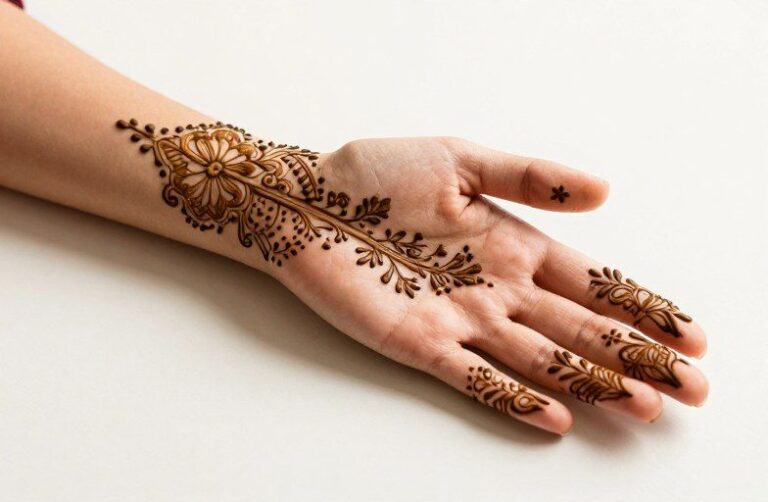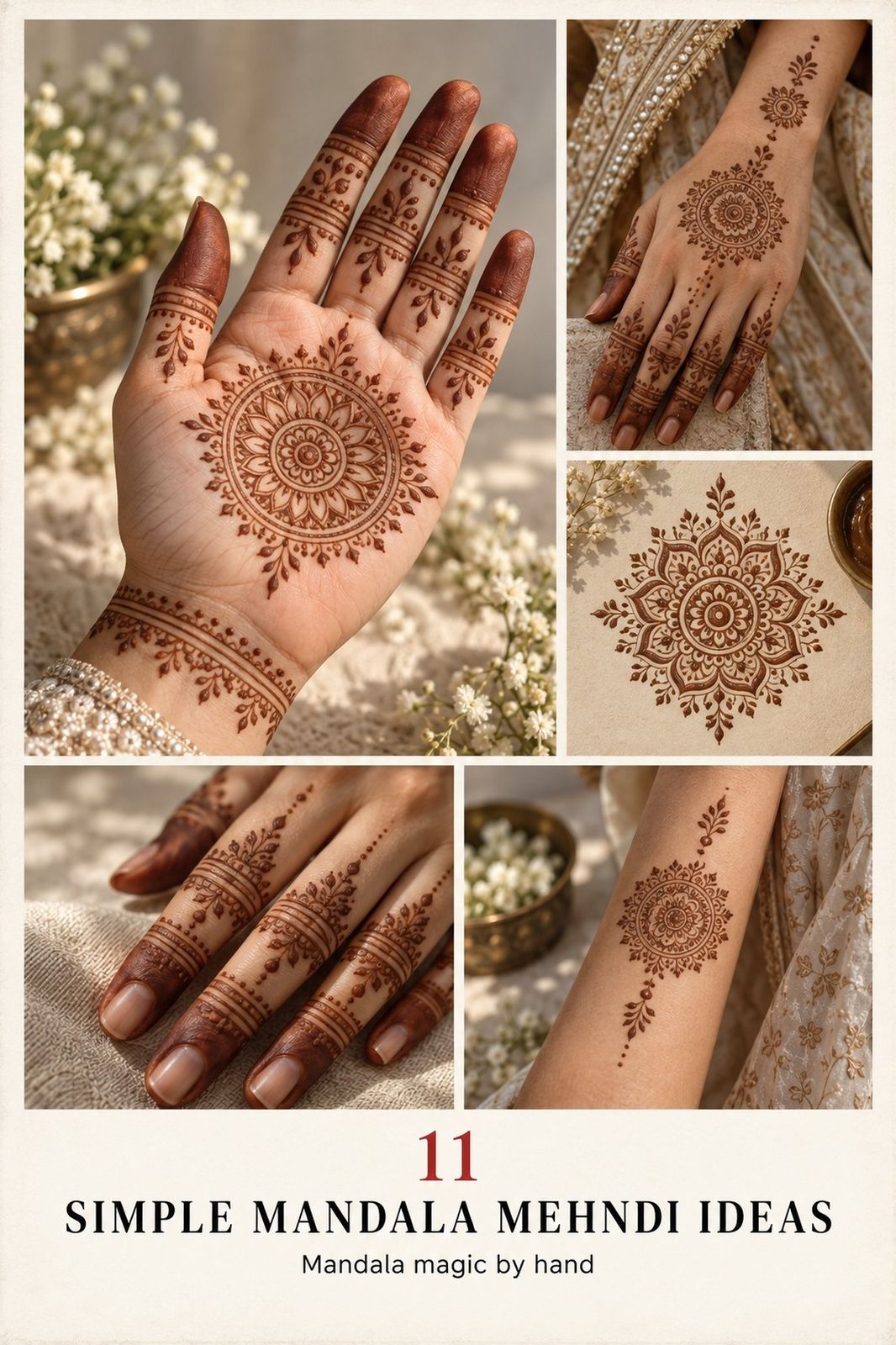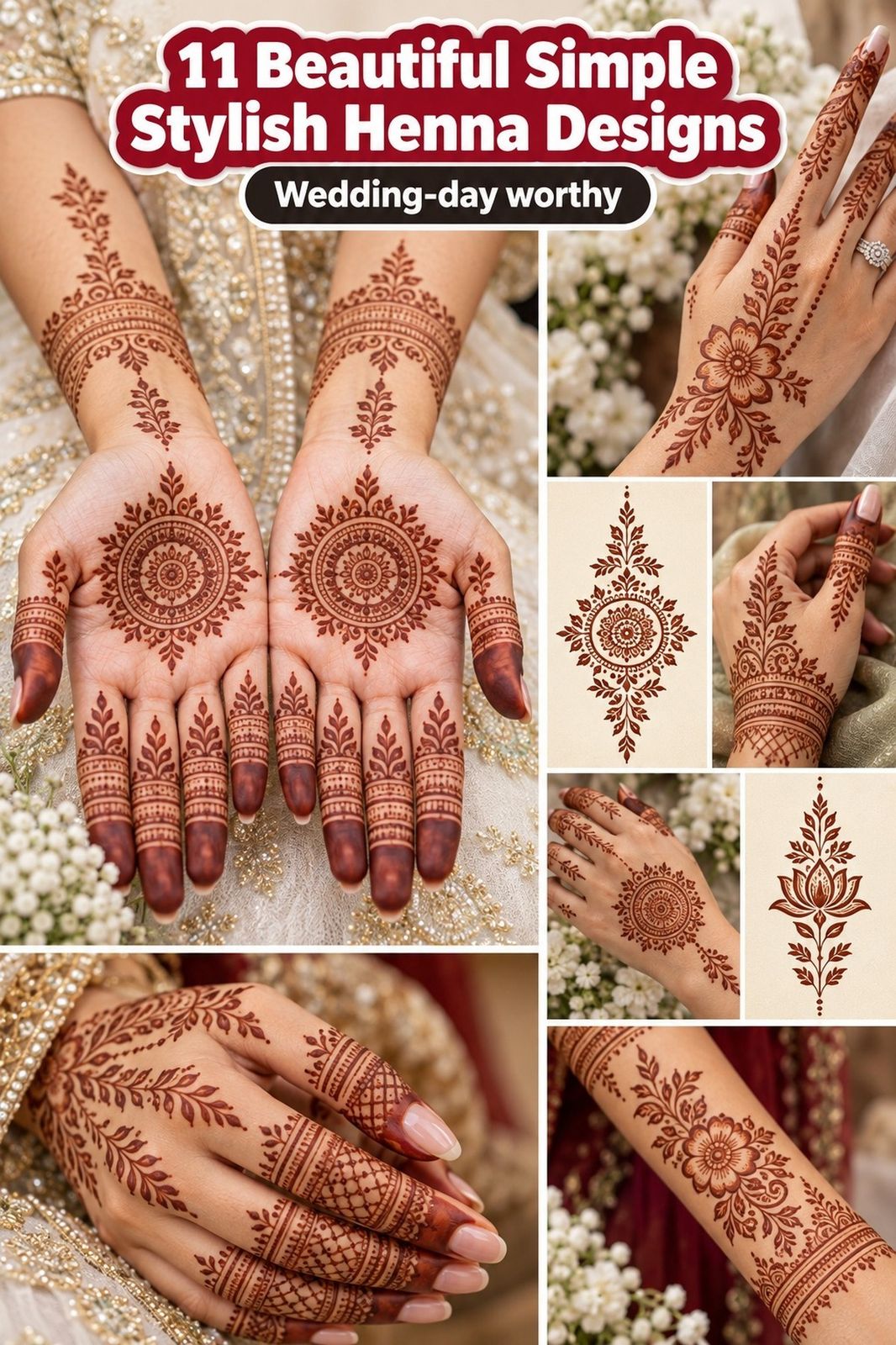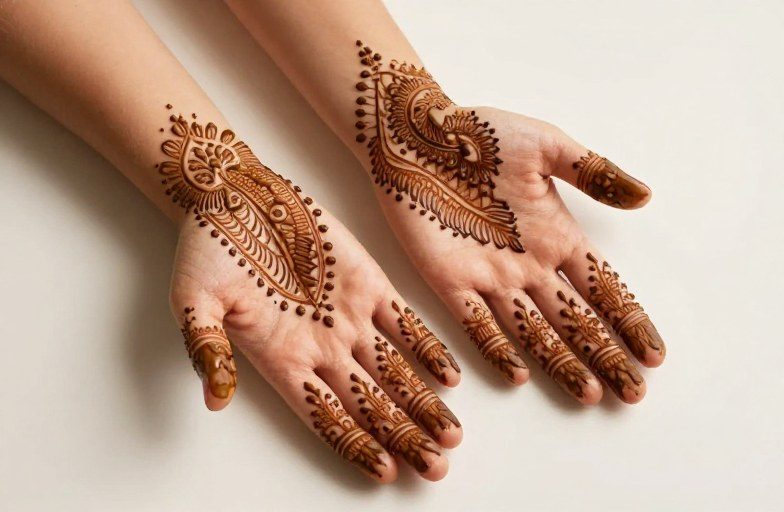
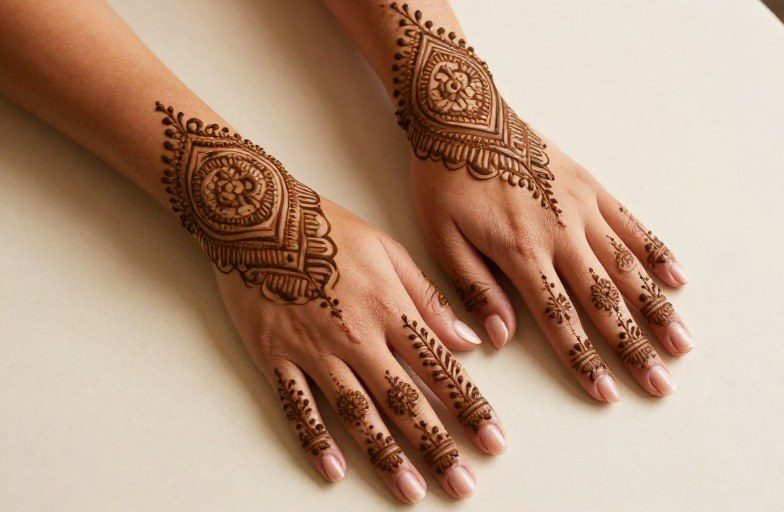
Rihanna’s henna-style tattoo, inked along her right hand and wrist, merges traditional mehndi patterns with permanent body art. The design draws heavily from Hindu bridal henna ceremonies, where elaborate hand decorations symbolize joy, spiritual awakening, and the bond of marriage. For Rihanna specifically, the piece carries personal spiritual weight tied to her exploration of Hindu and Buddhist practices during her time in India and Sri Lanka.
How It Ages on Skin
Hand tattoos are notorious for fading fast, and henna-style designs face extra challenges. The dense patterning that makes these pieces visually striking also creates more surface area for ink loss. Understanding how this specific style breaks down helps set realistic expectations before committing.
Why Hands Are Unforgiving
Constant washing, sun exposure, and natural skin regeneration on the hands accelerate fading significantly. The fine lines typical of henna-inspired work, often executed at single-needle or tight three-needle groupings, blur faster than bold traditional work. Within two to three years, what started as crisp geometric flourishes can soften into a more atmospheric, shadowy effect. Some collectors embrace this; others plan for touch-ups every eighteen to twenty-four months.
Line Weight and Longevity
Henna designs traditionally rely on extremely thin, flowing lines. Translating this to permanent tattooing requires strategic adaptation. Experienced artists will slightly beef up line weight in areas of highest friction, the palm-side wrist, finger creases, while keeping the visual delicacy intact. Shading, when used, tends to hold up marginally better than linework but can also muddle the intricate negative space that defines authentic mehndi aesthetics. Black and grey versions generally age cleaner than attempts at colored henna simulation.
Religious & Spiritual Angles
The spiritual dimensions of this tattoo are layered and sometimes contested. Rihanna’s own spiritual journey, documented through her visits to Indian temples and her practice of meditation, contextualizes the piece beyond mere aesthetic borrowing.
From Bridal Ritual to Personal Devotion
In Hindu wedding traditions, mehndi application is a ceremonial event. The darkness of the henna stain is sometimes interpreted as indicating the strength of marital love, while specific motifs, peacocks for beauty, lotus flowers for spiritual awakening, carry established symbolic weight. Transferring these symbols to permanent ink outside their ritual context raises questions about appropriation versus appreciation. Rihanna’s tattoo notably omits the fully traditional bridal coverage, instead selecting flowing patterns that reference rather than replicate ceremonial mehndi.
Contemporary Spiritual Eclecticism
Many people drawn to this style aren’t practicing Hindus but resonate with the symbolism on a personal level. The lotus emerging from mud, the mandala’s representation of cosmic order, these translate across belief systems. What matters is whether the wearer understands the source tradition or treats the imagery as decorative texture. Rihanna’s public engagement with the source culture, however imperfect, at least demonstrates some relationship to the symbols beyond surface aesthetics.
Color vs Black and Grey
Actual henna paste produces a reddish-brown stain that darkens over days. Replicating this in permanent ink presents distinct technical choices with different visual and practical outcomes.
The Brown Ink Problem
Brown tattoo inks exist but behave unpredictably. Some heal toward a muddy olive or greyish cast depending on skin undertone. Iron oxide-based browns, while closer to true henna color, have historically carried higher risk of allergic reaction. Most artists steering clients toward longevity and safety will recommend black and grey with stippled shading to suggest henna’s tonal variation rather than attempt literal color matching.
Black and Grey Adaptations
- Stipple shading: Creates the soft gradient of natural henna darkening without solid blocks of black
- Dotwork density: Varying dot concentration mimics how henna paste deposits differently on skin ridges versus valleys
- Negative space preservation: Critical for maintaining the lace-like quality; too much solid black destroys the illusion
The best black and grey henna-style tattoos read as elegant shadows rather than failed color attempts. They acknowledge the reference without pretending to be something they aren’t.
Common Variations & Styles
Rihanna’s specific placement, wrapping from wrist across the back of the hand toward the fingers, establishes one template, but the henna-to-permanent adaptation appears in several distinct configurations.
Placement Options
Full hand coverage extending to fingertips creates the most dramatic visual impact but heals poorest and carries professional visibility concerns. The “hand bracelet” approach, concentrating pattern around the wrist with a single accent finger, offers compromise. Some collectors choose the top of the foot, directly referencing where bridal mehndi often concentrates, though this placement shares the hand’s healing challenges. Upper arm or shoulder placements allow for larger, more detailed patterning with significantly better longevity.
Style Hybridization
Artists increasingly blend henna-inspired linework with other traditions. Dotwork mandala centers with radiating henna-style filigree. Geometric sacred geometry framing flowing organic mehndi patterns. These hybrids can feel fresh rather than derivative, though they require an artist genuinely fluent in both visual languages rather than superficially combining Pinterest references.
History & Cultural Roots
Mehndi as body decoration stretches back thousands of years across North Africa, the Middle East, and South Asia. The specific Hindu bridal tradition Rihanna’s tattoo references, however, has more localized origins often linked to Rajasthan and Gujarat regions of India, where mehndi ceremonies became elaborately formalized. Some trace it to even older practices in Egypt and Mesopotamia, though the continuity isn’t definitively established.
The colonial and post-colonial spread of South Asian diaspora communities carried mehndi practice globally. By the 1990s, Western popular culture began appropriating henna as temporary festival decoration, frequently stripped of ceremonial context. Permanent tattoo adaptations emerged more recently, accelerating after celebrity visibility including Rihanna’s 2011 ink. The shift from temporary ritual marking to permanent body modification fundamentally changes the relationship between wearer and symbol, something worth sitting with before getting this specific style.
Who Chooses This Tattoo
The demographic for henna-style permanent tattoos skews heavily female, though not exclusively. What unites most collectors isn’t cultural background but a specific aesthetic preference: the desire for organic, flowing patterning that reads as decorative rather than figurative, spiritual rather than explicitly religious.
Some are drawn after experiencing temporary henna at weddings or travel, wanting permanence from a positive memory. Others come from mixed heritage backgrounds seeking to reclaim or visibly honor South Asian ancestry through body art. A smaller subset genuinely practices Hinduism or Buddhism and wants permanent devotional marking. The tattoo’s meaning shifts substantially across these motivations, what reads as personal spirituality for one wearer registers as cultural tourism for another, depending on relationship to the source tradition.
Rihanna’s visibility normalized this style for mainstream Western audiences, for better and worse. The upside: access to artists who’ve developed genuine technical fluency in the aesthetic. The downside: proliferation of poorly executed, culturally disconnected copies that treat sacred patterning as mere ornament.
Final Word
Rihanna’s henna tattoo works as a case study in how celebrity ink drives trends while rarely translating cleanly to ordinary lives. The hand placement that photographs dramatically on tour stages heals poorly for people who wash dishes, type eight hours, or simply don’t have a tattooer’s maintenance budget. The spiritual symbolism that felt authentic to her specific journey becomes hollow when copied without equivalent depth.
If this style genuinely calls to you, the path to something meaningful runs through education, about mehndi tradition, about how the specific patterns function symbolically, about which artists have done the technical work to adapt flowing organic design to permanent skin. The best henna-inspired tattoos don’t pretend to be henna. They acknowledge the reference, respect the source, and function as something new: permanent body art in conversation with temporary ritual practice, not attempting to replace it.
Frequently Asked Questions
Does Rihanna’s henna tattoo have actual henna paste in it?
No, it’s permanent tattoo ink applied with a machine, not actual henna paste. Real henna is temporary and stains only the top skin layers for one to three weeks. Her design permanently replicates the visual style of mehndi using standard tattoo pigments.
Can I get a henna-style tattoo that looks exactly like real bridal mehndi?
You can approximate the visual effect, but permanent ink behaves differently than henna paste. The color won’t match henna’s reddish-brown tone reliably, and the fine lines required for authentic detail will blur over time on hands and feet where most bridal mehndi appears.
Is it cultural appropriation for non-South Asian people to get this tattoo?
This depends heavily on your relationship to the symbols. Learning the specific meanings of patterns you choose, acknowledging the source tradition, and avoiding sacred motifs reserved for specific ceremonies helps. Many artists from South Asian backgrounds now offer these tattoos as cultural sharing; seeking them out shows more respect than random selection.
How much should I expect to pay for quality henna-style tattoo work?
Experienced artists specializing in this intricate linework typically charge premium rates, often $200-400 per hour with multi-hour sessions for hand coverage. The detail density means even a relatively small area requires significant time. Bargain pricing usually indicates an artist without specific technical preparation for this style’s demands.