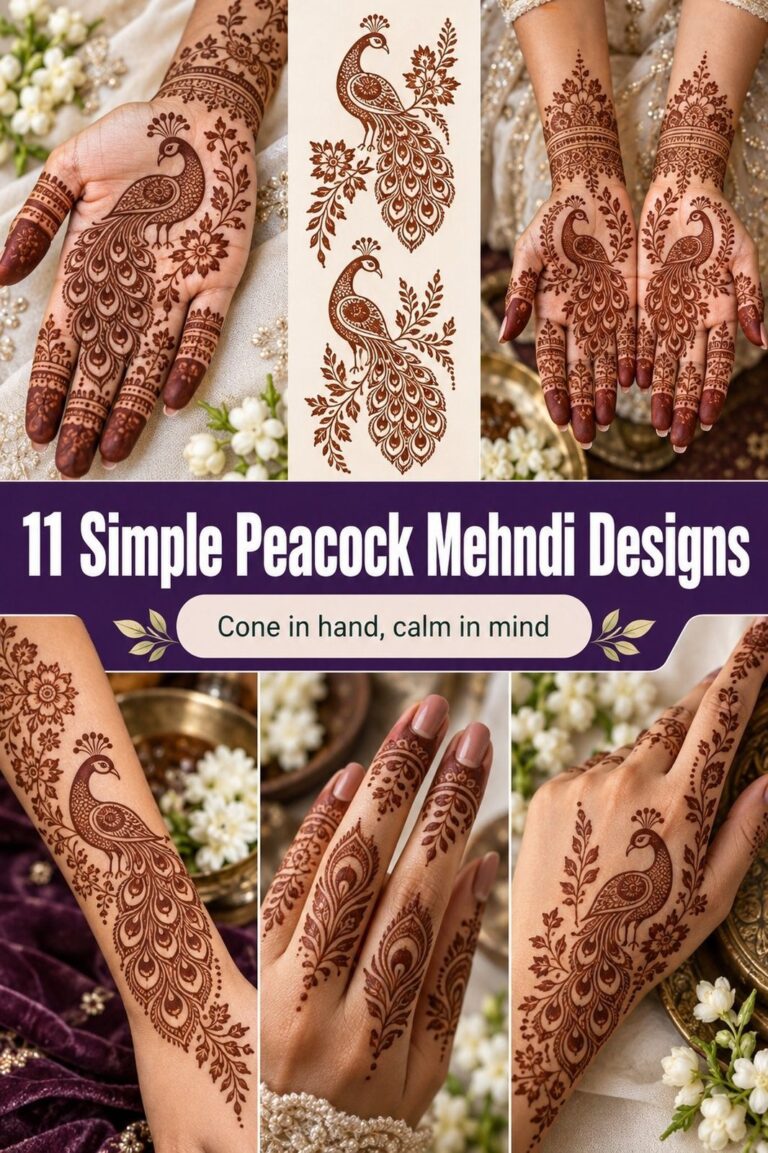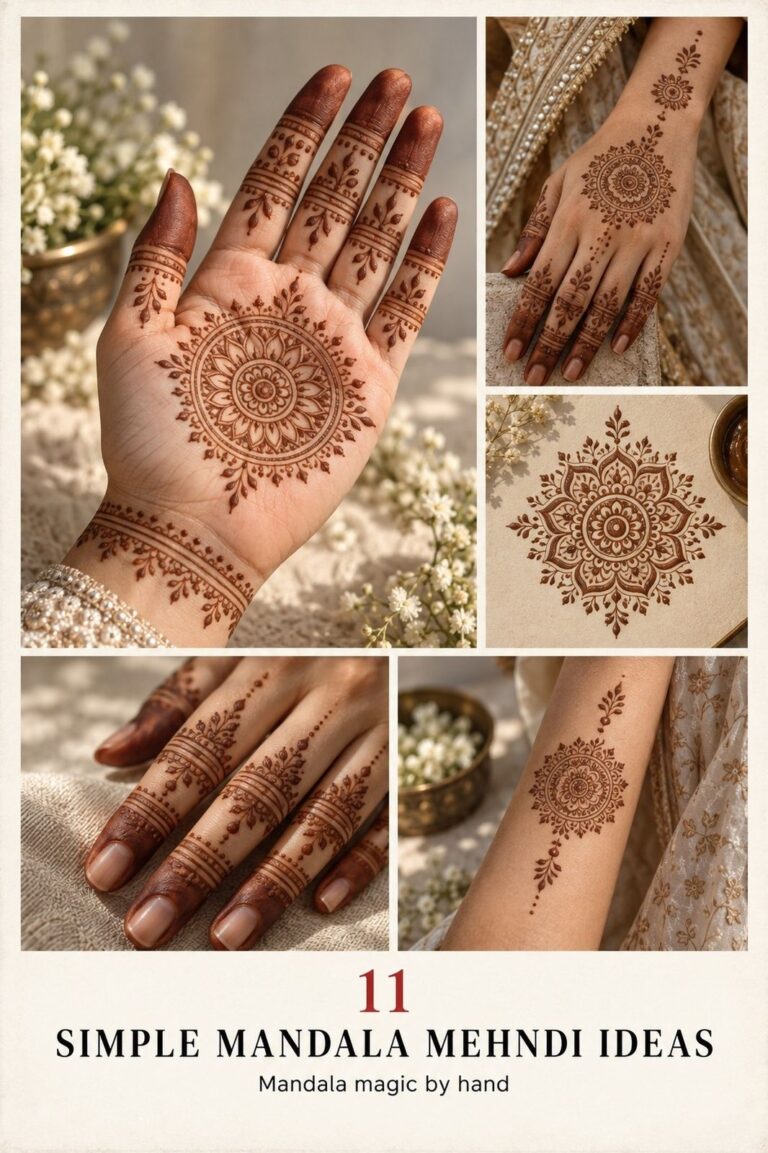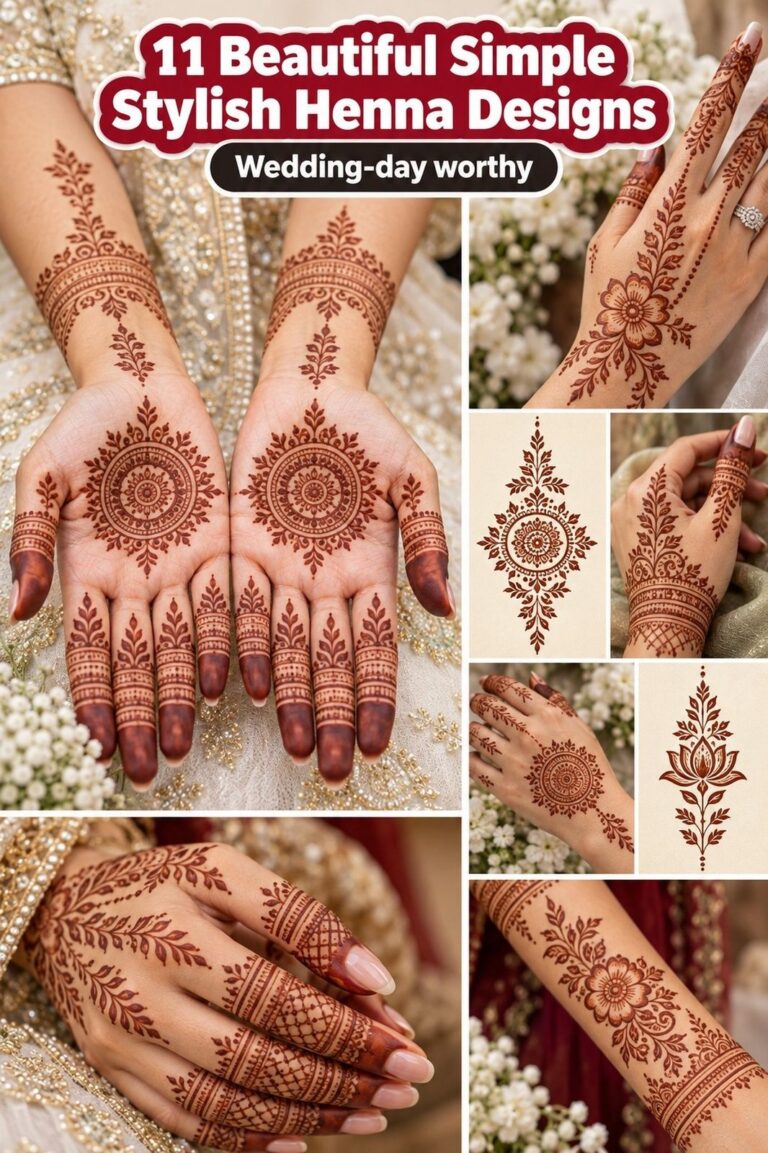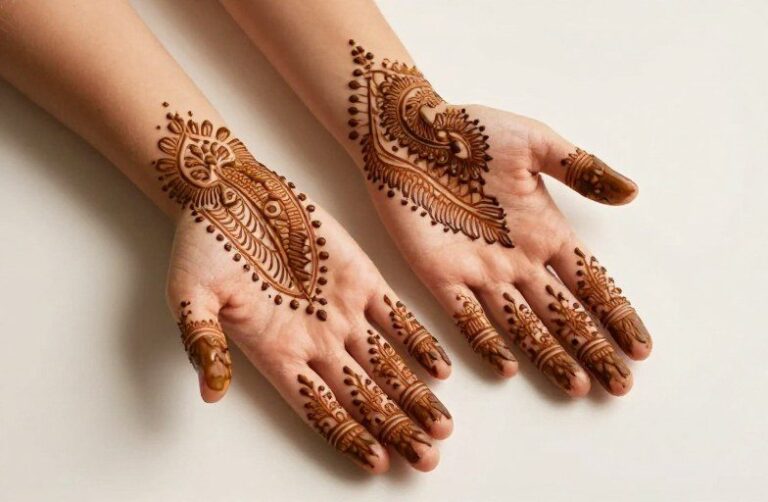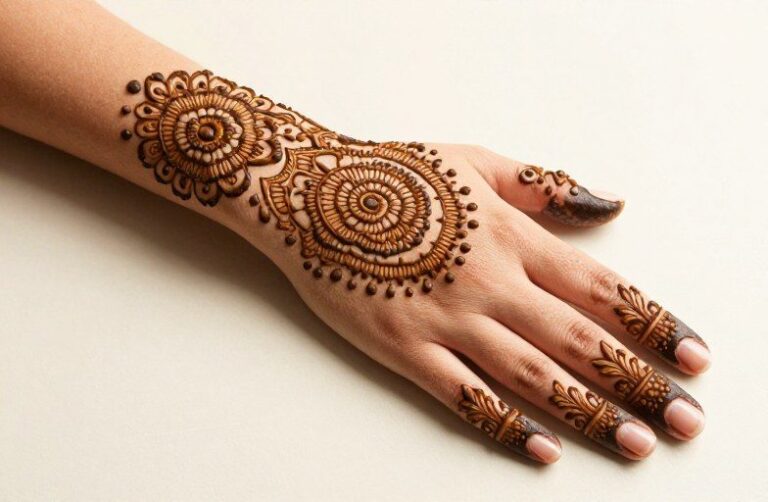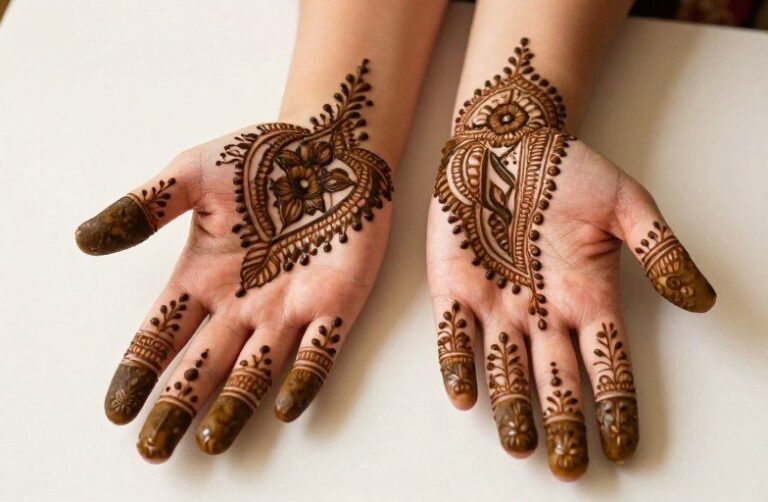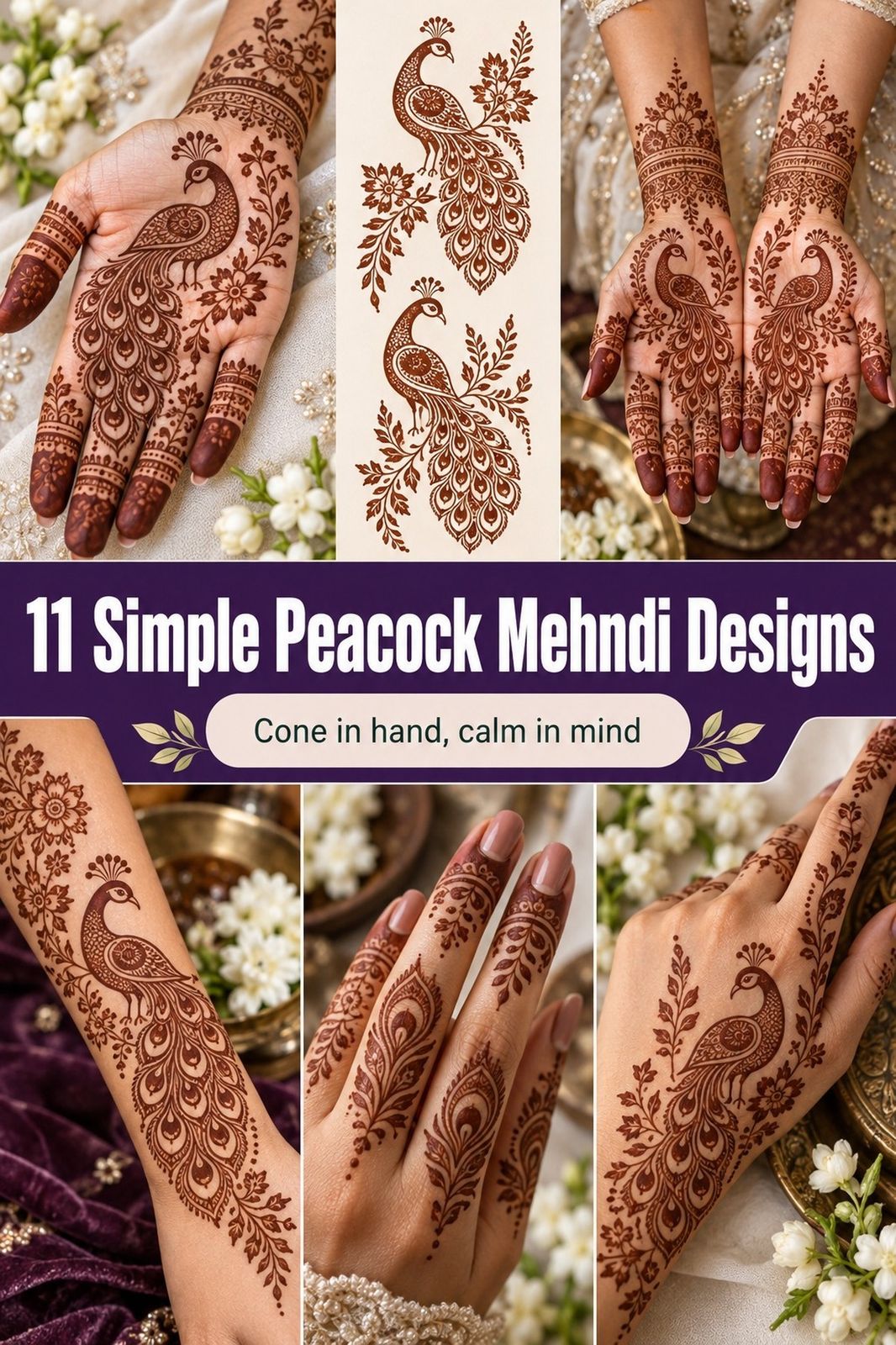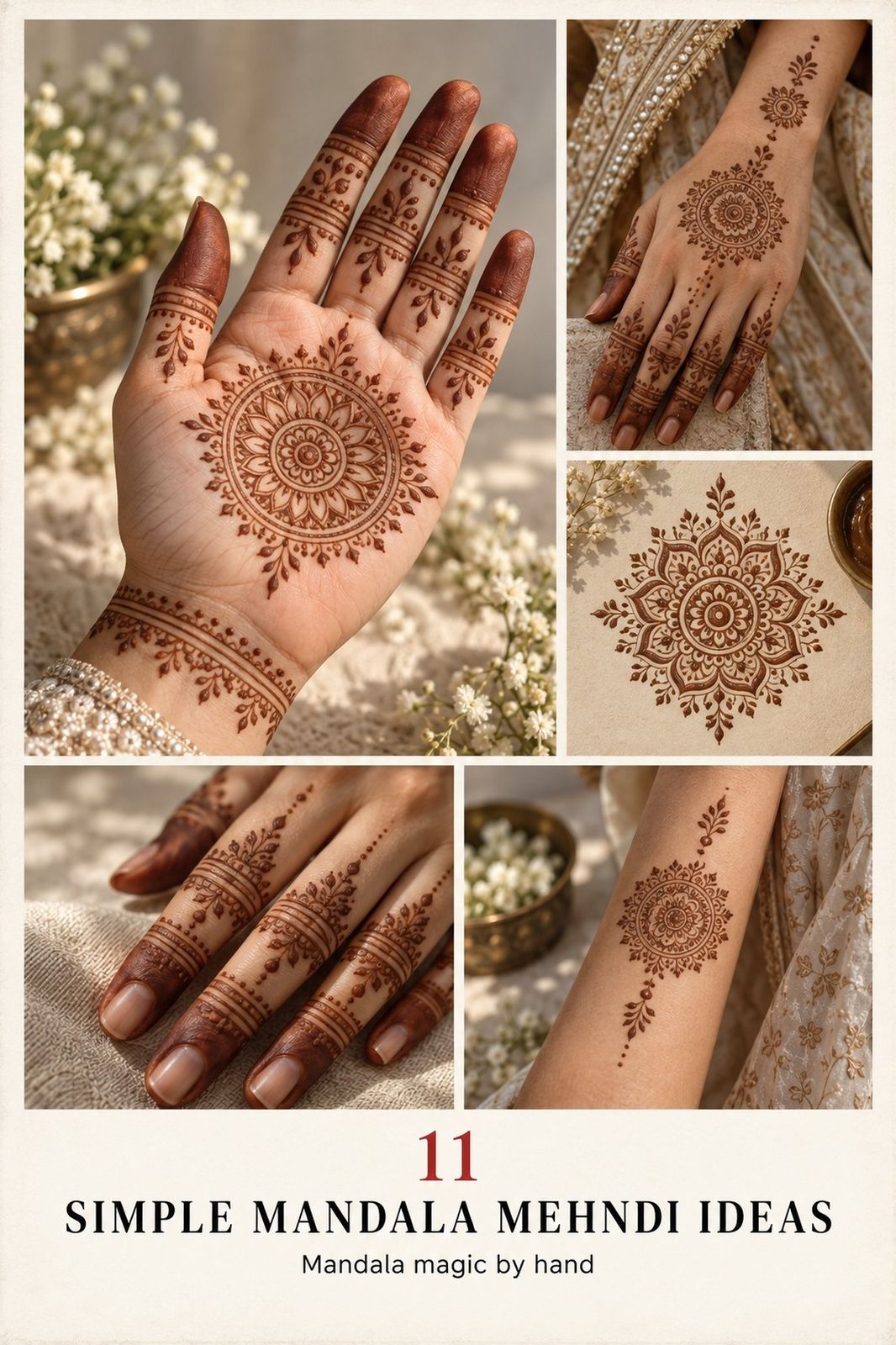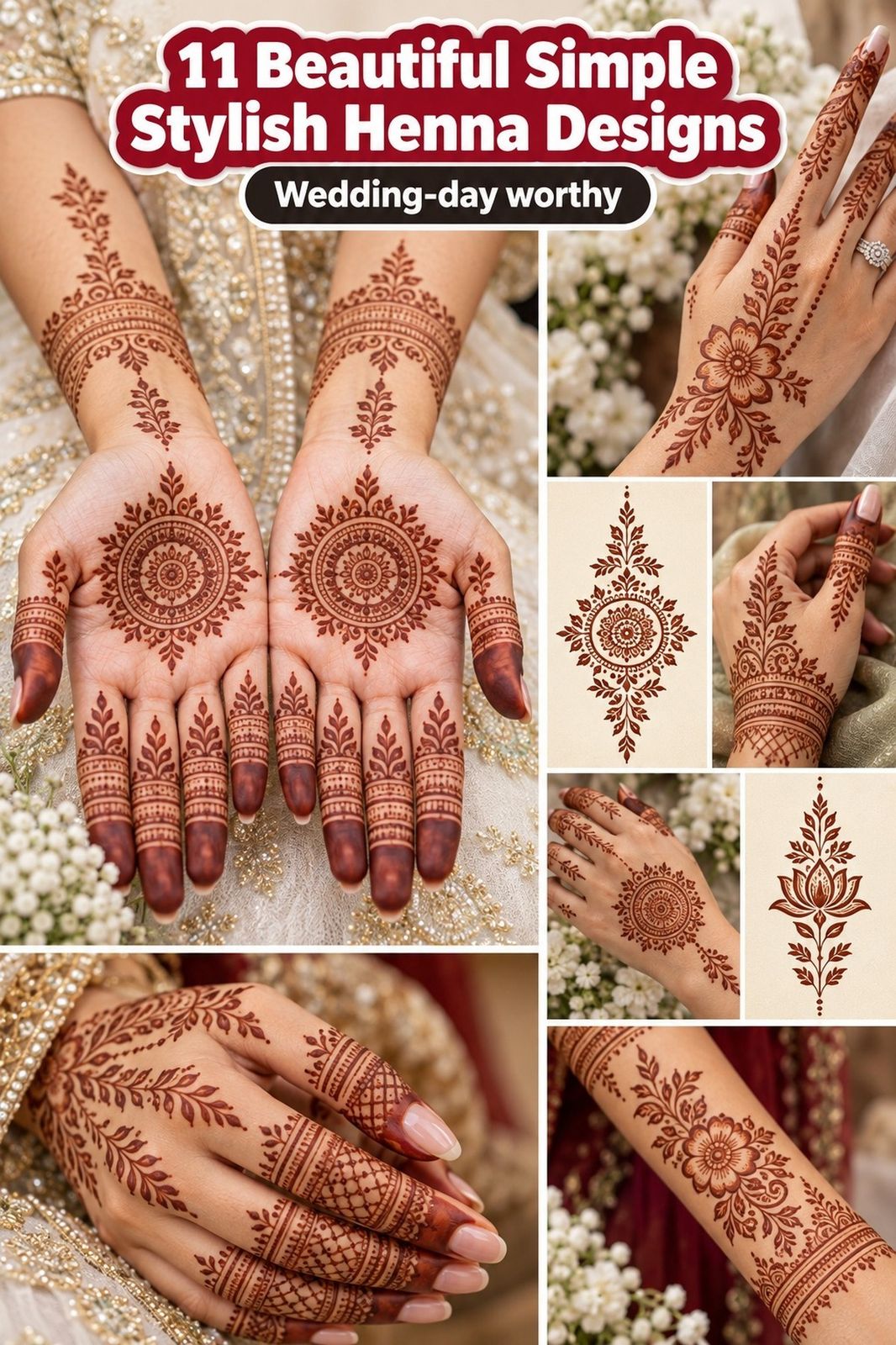
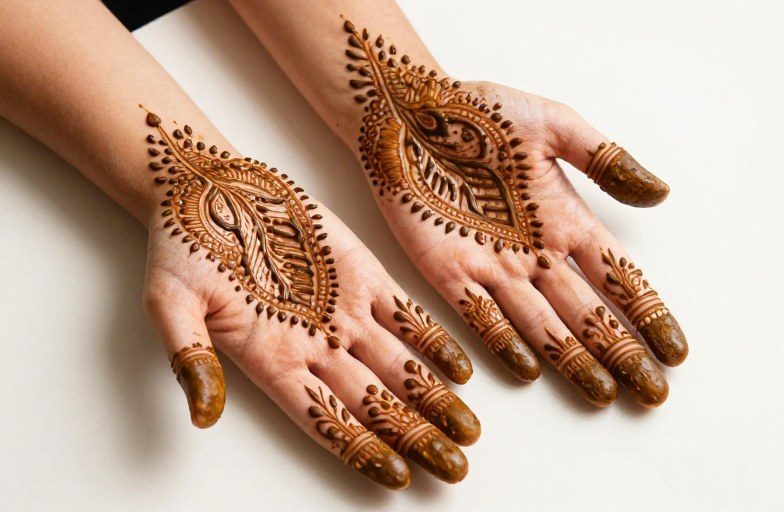
A henna look-alike tattoo translates the flowing, organic patterns of natural henna paste into permanent ink. These designs carry layered meanings: the temporary nature of real henna traditionally marks rites of passage and blessings, so permanent versions often symbolize capturing a fleeting moment of joy, honoring heritage, or committing to personal transformation that you refuse to let fade.
How It Ages on Skin
Permanent henna-style tattoos age differently than the real thing. Natural henna sits on the skin’s surface and fades uniformly over two to three weeks. Ink embedded in the dermis shifts, blurs, and settles over years. Understanding this distinction shapes how you design for longevity.
Line Weight and Blur Tolerance
Fine lines that mimic henna’s delicate tendrils will spread. A line drawn at needle grouping 3 or 5 today may read as a soft ribbon in five years. Build in slightly thicker foundations for main stems, think 7 or 9 needle work, while keeping the wispy ends acceptable for blur. Avoid hair-thin details below the wrist or on fingers where skin movement accelerates distortion.
Shading vs. Pure Linework
Real henna achieves depth through density: packed patterns read darker, open areas read lighter. In permanent ink, stippled dotwork or whip-shading replicates this effect better than solid black fills. Solid saturation tends to age into muddy pools, especially on medium or darker skin tones where black ink can blue-shift. Dotwork disperses more gracefully, maintaining the lace-like quality that defines henna aesthetics.
- High-friction areas (palms, soles, fingers) blur fastest; reserve these for bolder simplified shapes
- Upper back and outer forearms preserve fine detail longest
- White highlights over blackwork turn yellow-gray within months; skip them for authentic henna look
- Negative space is your ally, let skin breathe between patterns
Similar & Related Symbols
Henna patterns don’t exist in isolation. They share visual DNA with several established tattoo traditions, and understanding these overlaps helps you avoid unintended messages or find complementary additions.
Mehndi and Mandala Overlap
Both radiate from a center point, but mandalas typically hold geometric precision while henna flows asymmetrically. A mandala-henna hybrid works as a sternum or back piece, merging structure with organic growth. The mandala’s spiritual centering pairs naturally with henna’s celebratory associations.
Paisley and Botanical Kinship
The teardrop paisley shape, called boteh or buta, appears constantly in henna and carries its own history, often linked to fertility and life. Vines, lotus buds, and mango leaves thread through henna compositions. These botanical elements connect to broader tattoo traditions: Japanese maple leaves, Art Nouveau tendrils, even traditional rose vines. Pairing henna with a single realistic flower creates compelling contrast between stylized and naturalistic.
Design Tips & Pairings
Placement dictates pattern flow. Henna traditionally adorns hands, feet, and wraps limbs, areas where the body becomes canvas through movement. Permanent versions need to respect how these areas function in daily life.
Hand tattoos remain visible and carry social weight. A henna-inspired hand piece reads as decorative rather than aggressively symbolic, which some find advantageous. However, finger sides and palms shed ink rapidly; the “henna” look becomes unreadable without touch-ups. Consider the dorsal hand (back) with a partial wrap toward the wrist, leaving fingers clean for professional flexibility.
Color Strategy
Authentic henna stains orange-brown to deep burgundy. Permanent ink can replicate this warmth through reddish-brown or copper tones, though these fade faster than black. A two-tone approach, black structural lines with brown fill, creates dimension but requires an artist comfortable with color packing. On darker skin, deep red-purples often show richer than orange-based browns.
Scaling the Pattern
Small henna tattoos fail. The pattern density needs room to breathe. A minimum palm-sized area allows the characteristic repetition: a central motif, border elements, and filler dots or teardrops. Scaling down to wrist-cuff size works only if you simplify drastically, one paisley, one vine, done.
History & Cultural Roots
Henna paste itself derives from the Lawsonia inermis plant, with use often linked to ancient Egypt, the Levant, and the Indian subcontinent. The art form called mehndi holds particular significance in South Asian wedding traditions, where elaborate bridal application can take hours and carries blessings for the marriage.
From Temporary to Permanent
The shift to permanent ink representations emerged largely from diaspora communities seeking lasting connection to cultural practice, combined with broader Western adoption of henna as festival and vacation body art. This dual origin creates tension: some view permanent henna as respectful homage, others as appropriation stripping context. The meaning you carry depends partly on your relationship to these histories, whether inherited, studied, or adopted through appreciation.
Regional Pattern Variation
Arabic henna tends toward large floral sprays with open space. Indian mehndi packs intricate detail fingertip to wrist. Moroccan patterns often feature bold geometric blocks. North African styles sometimes include protective symbols against the evil eye. These aren’t rigid categories, artists blend them, but knowing the visual lineage helps you choose patterns aligned with your intent.
Common Variations & Styles
Beyond traditional replication, several contemporary approaches reinterpret henna aesthetics.
Minimalist henna reduces the vocabulary to three or four elements: a single vine, scattered dots, one paisley. This suits behind-the-ear placement or ankle wraps where full density would overwhelm. The meaning shifts toward quiet adornment rather than ceremonial weight.
Blackwork and Neo-Traditional Fusion
Some artists push contrast dramatically, using heavy black fills where henna would remain light. The silhouette reads as henna from distance, but up close resembles graphic illustration. This approach sacrifices traditional delicacy for bold visibility. It works for larger pieces, thighs, ribs, full sleeves, where the original density would blur into gray wash.
White Ink and “Invisible” Henna
White ink tattoos marketed as “subtle henna” rarely satisfy. White ink yellows, raises, and often disappears into scar-like texture. On very pale skin, it may achieve the desired ghostly pattern for months before becoming indecipherable. If you want the look of fresh henna on pale skin, reddish, slightly raised, ephemeral, actual henna paste outperforms any permanent attempt.
Religious & Spiritual Angles
Mehndi carries spiritual weight in several traditions, though the permanent ink version enters complicated territory. In Hindu wedding practice, henna application is a sacred ritual (the Mehndi ceremony) with specific songs and blessings. The darkness of the stain is sometimes interpreted as indicating the depth of marital love, a folk belief, not doctrine, but meaningful to practitioners.
Islamic Context and Adaptation
Some trace henna use to pre-Islamic Arabian practice later incorporated into Muslim cultures, particularly for Eid celebrations and as a sunnah (tradition) associated with the Prophet. Permanent representation removes the ritual purification aspect, henna on nails doesn’t block wudu (ablution), but permanent ink raises different jurisprudential questions depending on interpretation. Muslim clients sometimes choose henna-inspired designs specifically because the aesthetic feels culturally resonant while avoiding the permanence debates surrounding figurative tattooing.
Secular and Personal Spirituality
Many wearers simply respond to the visual language: the mandala-like focus, the organic growth patterns, the meditative repetition. Henna-style tattoos can mark personal thresholds, recovery, relocation, creative commitment, without claiming religious affiliation. The symbolism becomes private: the pattern as map of intention, the permanence as refusal to forget a transient state of becoming.
The Bottom Line
A henna look-alike tattoo means what you build it to mean, but it carries unavoidable cultural resonance. The aesthetic offers unique advantages, decorative without aggressive symbolism, gender-neutral in practice, adaptable to any scale, while demanding technical respect for how fine patterns age. Choose an artist who understands the difference between copying a Google image of mehndi and constructing a tattoo that honors the form’s logic. Prioritize placement that preserves the lace-like quality, line weights that survive blur, and enough negative space that your skin still participates in the design. The best permanent henna doesn’t freeze a temporary art; it translates a language of blessing into a vocabulary of lasting commitment.
Frequently Asked Questions
How do I find an artist who actually understands henna-inspired design?
Look for portfolios showing flowing linework, not just geometric mandalas. Ask if they’ve studied mehndi patterns or worked with South Asian clients. The ability to draw freehand vines and paisleys matters more than machine precision alone.
Will a henna-style tattoo look fake compared to real henna?
From close range, yes, ink sits in the skin differently than surface stain. But well-executed permanent henna captures the visual rhythm and pattern density. The goal isn’t perfect replication but respectful translation.
Can I get a henna-style tattoo if I’m not from a culture that practices mehndi?
This varies by personal stance and community context. Some practitioners welcome appreciation; others find permanent adoption extractive. Research the specific tradition you’re drawn to, consider consulting henna artists from that culture, and avoid sacred symbols like specific bridal motifs.
Why does my henna tattoo idea get rejected for fingers or palms?
These areas shed ink rapidly due to thick skin and constant friction. What starts as fine pattern becomes blurred gray within months. Most ethical artists will redirect you to dorsal hand, wrist, or forearm placements where the design survives.