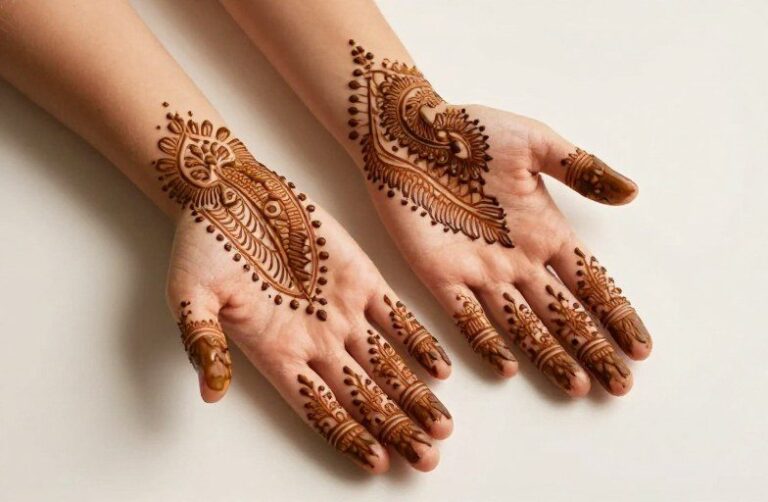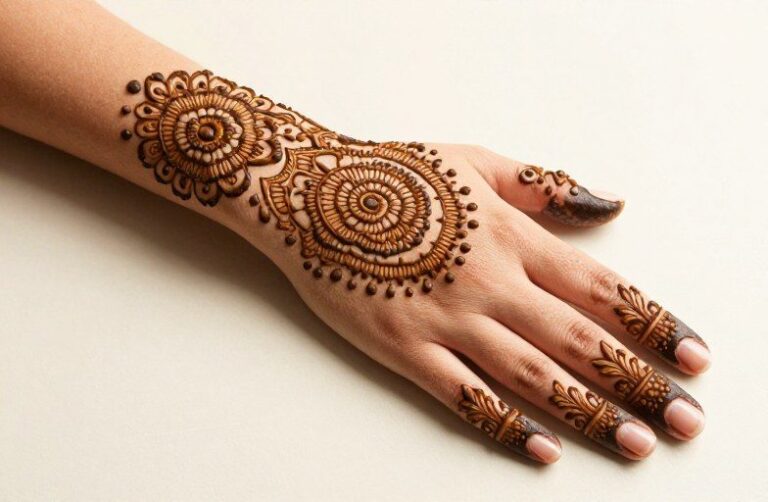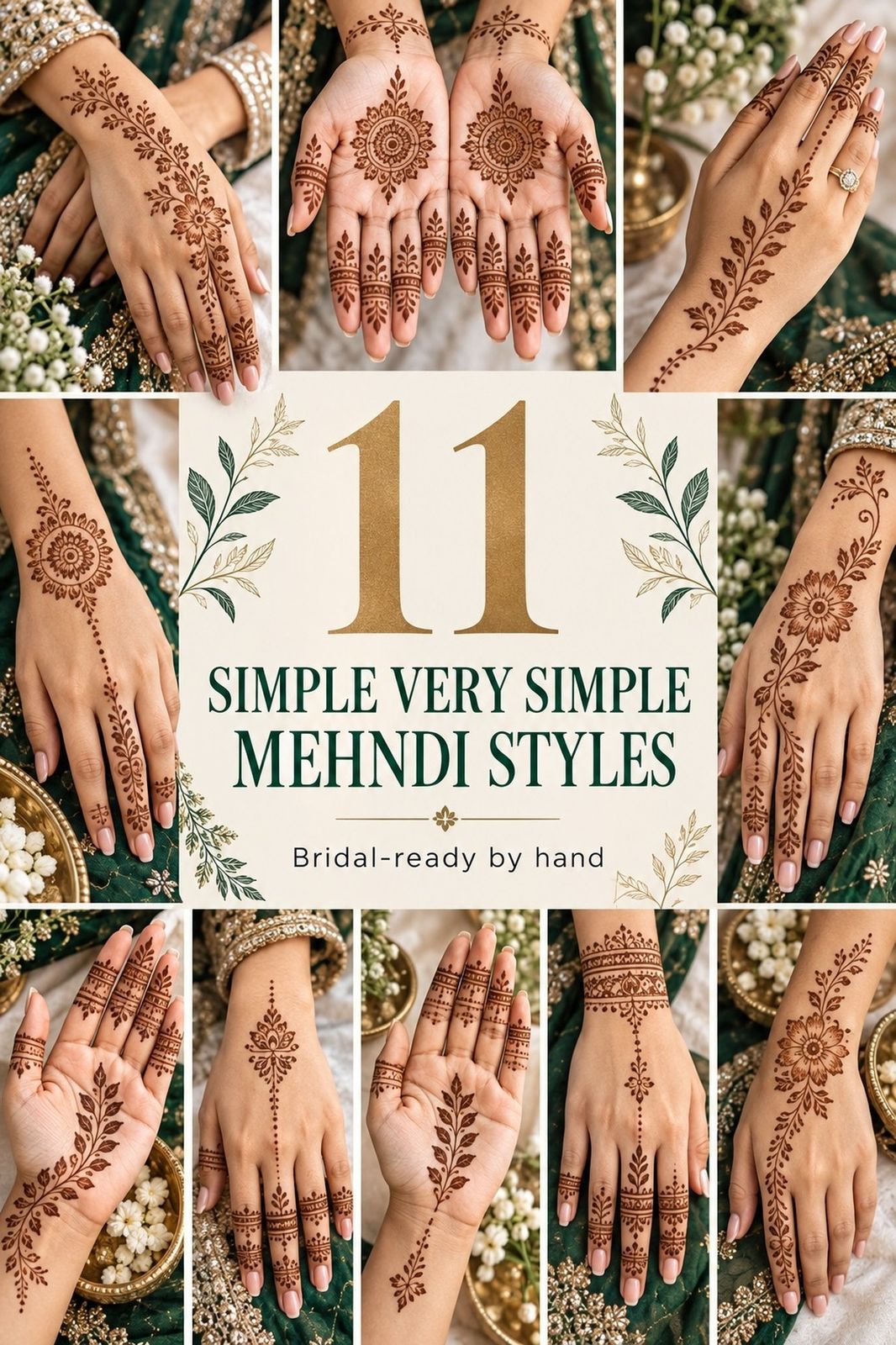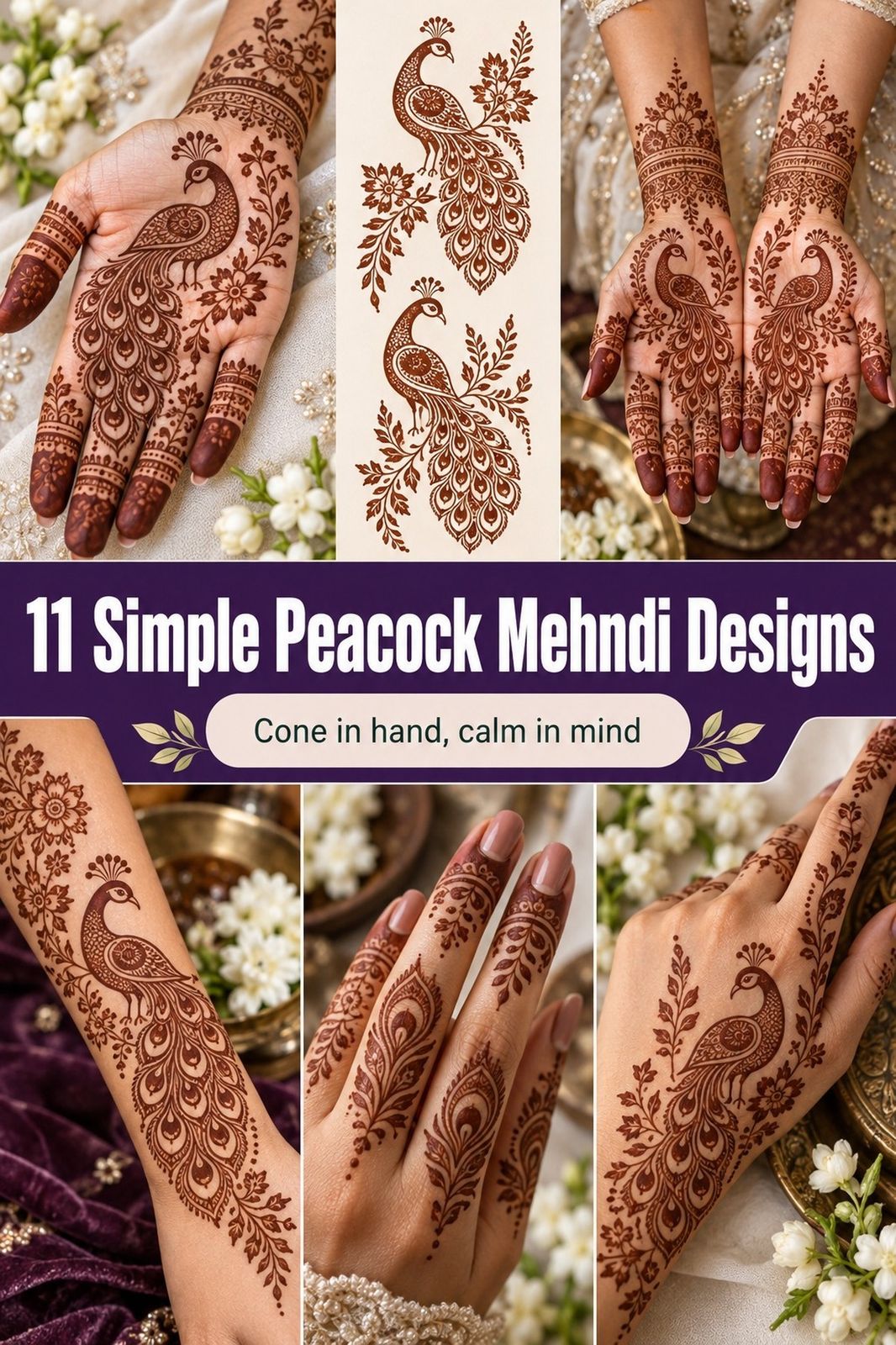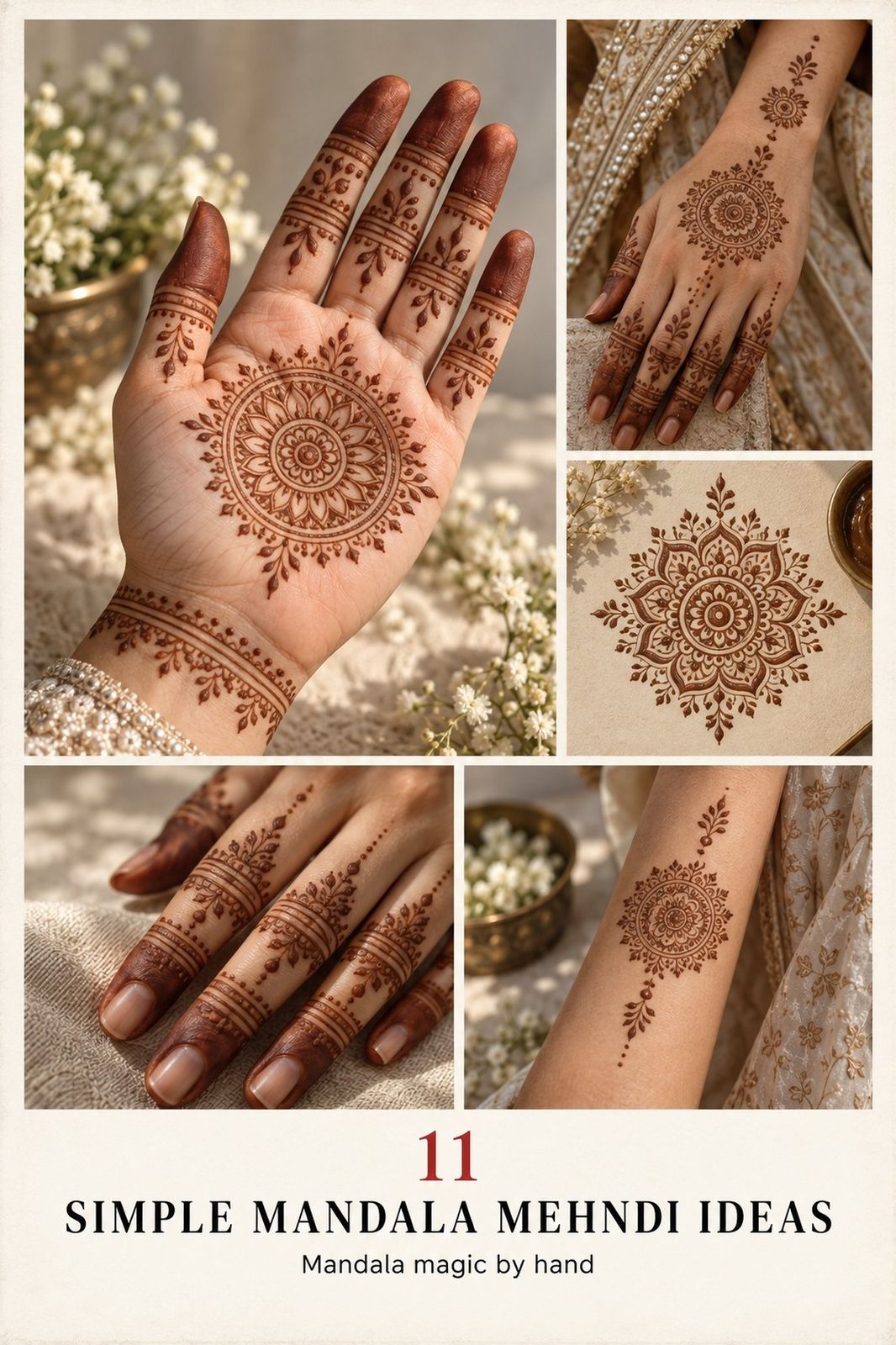

A mehndi moon tattoo fuses the crescent or full moon with the flowing, ornamental patterns of traditional henna art. It typically carries meanings of feminine energy, cycles and renewal, spiritual protection, and cultural connection to South Asian or Middle Eastern heritage. The moon itself represents change and intuition, while the mehndi-style filigree adds layers of decoration that can feel personal, ancestral, or simply aesthetically rooted in a specific craft tradition.
Symbolism & Core Meaning
The moon has been a universal symbol across cultures, but pairing it with mehndi-style design narrows and deepens the meaning in specific ways. This isn’t just a celestial tattoo with extra swirls, the henna connection matters.
The Lunar Element
Crescent moons in tattooing usually signal change, growth, and the passage of time. A waxing crescent suggests beginnings and intention; a waning crescent can mark release or completion. Full moons wrapped in mehndi patterns tend to read as wholeness, culmination, or cyclical return. The moon’s phases mirror menstrual cycles, agricultural seasons, and emotional tides, reasons this design appeals strongly to people who think in terms of natural rhythms rather than linear progress.
The Mehndi Layer
Traditional henna application is itself ceremonial: pre-wedding celebrations, Eid festivals, childbirth blessings. Translating those patterns into permanent ink borrows some of that ritual weight. The paisleys, floral vines, dotwork, and mandala-like symmetry common in mehndi aren’t random decoration, they’re a visual language with regional variations. Someone choosing this style might be honoring family heritage, marking a significant life transition, or simply drawn to the aesthetic tradition’s emphasis on impermanence made permanent.
- Crescent + single floral vine: often read as personal growth or new beginnings
- Full moon + enclosed mandala patterns: sometimes chosen for protection or spiritual centering
- Moon phase sequence in mehndi style: represents life stages, family members, or personal evolution
- Moon with hanging “jewel” elements: connects to South Asian bridal henna traditions
Best Placements
Mehndi moon tattoos demand space for the linework to breathe. The intricate negative space and fine detail that make the style distinctive also make it vulnerable to blurring and blowout in areas with thin skin or high movement.
Where the Detail Holds
The upper arm, outer forearm, calf, and shoulder blade offer flat, stable surfaces where fine lines stay crisp longer. These placements also echo where actual henna is traditionally applied, hands, feet, arms, without the functional problems of palm or sole tattoos, which fade rapidly and heal poorly. The sternum and upper back can work for larger, symmetrical moon pieces, though the spine’s movement and the chest’s stretching during healing require careful afterthought.
Placements to Approach Cautiously
Finger and hand tattoos continue the henna placement tradition visually, but the constant use, thin skin, and frequent sun exposure mean mehndi-style detail will blur within a few years. Ribs and stomach shift significantly with breathing and body changes; the moon’s curved outline can distort. Behind the ear is popular for small crescents, but the mehndi filigree often gets lost at that scale. If you want the hand connection, consider the wrist or forearm as a compromise between symbolism and longevity.
Color vs Black and Grey
This choice fundamentally changes how the tattoo reads and how it ages.
Black and grey mehndi moons dominate the style for good reason. The high contrast between saturated black linework and negative space mimics actual henna’s dark stain against skin. Grey wash can soften the moon’s body or create background depth, but the core ornamental lines need to stay black to maintain definition. Over time, black ink settles slightly and softens, but the structural patterns remain readable.
Color introduces complexity. Deep reds and burgundies reference henna’s natural dye, but red pigment fades fastest and can shift to orange or pink within a few years. Blues and purples for the moon’s “night sky” element often age to muddy grey-blues. If color matters to you, consider limited accents, a few red dots, subtle gold highlights, rather than full color saturation throughout the ornamental work. The exception is brown ink, which some artists use specifically to emulate henna’s natural tone; it ages more predictably than brighter colors but still softens faster than black.
Common Variations & Styles
The mehndi moon isn’t one fixed image. Artists and clients push the concept in several recognizable directions, each with different technical demands.
Geometric vs Organic Interpretations
Some artists structure the moon’s body with strict geometric divisions, triangles, hexagons, sacred geometry patterns, then fill each section with traditional mehndi motifs. This reads more contemporary and graphic. Others let the paisleys and vines flow organically across the moon’s curve, sometimes extending beyond the boundary into surrounding skin. The organic approach feels closer to actual henna application, where designs grow intuitively across the hand or foot. Geometric versions tend to age better because the hard edges provide structural anchors even as fine interior detail softens.
Combined Imagery
Lotus flowers, elephants, peacocks, and eyes frequently appear alongside or within mehndi moon designs. The lotus specifically pairs well: it shares the moon’s associations with cycles (growing from mud, blooming, closing) and fits naturally into the ornamental vocabulary. Celestial additions, stars, constellations, small planets, can feel cohesive or cluttered depending on scale. A single small star near a crescent tip often suffices; crowding the moon’s negative space with too many elements destroys the mehndi-style balance between pattern and breathing room.
Who Chooses This Tattoo
There’s no single demographic, but patterns emerge in consultation conversations. People with South Asian, North African, or Middle Eastern heritage sometimes choose this design as a permanent connection to cultural practices they grew up with, Eid henna nights, wedding celebrations, family rituals. The tattoo becomes a way to carry something that was traditionally temporary and communal into individual, permanent form.
Others come to it through yoga or spiritual communities where moon symbolism and henna-inspired aesthetics circulate widely. For these clients, the design often marks a specific transformation: sobriety, recovery from illness, divorce, spiritual awakening. The moon’s phases mirror their experience of non-linear change.
A third group simply responds to the visual language. They may have no cultural connection to henna traditions but appreciate the craftsmanship, the density of detail, the way the style occupies skin differently than bold American traditional or fine-line minimalist work. This isn’t appropriation if done respectfully, mehndi as decorative art has crossed cultural boundaries for centuries, but good artists will discuss whether the specific motifs chosen carry religious or cultural significance that might warrant research or modification.
Religious & Spiritual Angles
The moon holds significance across multiple faiths, and the mehndi connection adds specific cultural-religious layers.
In Islam, the crescent moon is often linked to the lunar calendar and Ramadan, though its use as a religious symbol developed more recently than commonly assumed, some trace it to Ottoman military and political iconography rather than early Islamic practice. A mehndi moon with Arabic calligraphy or geometric patterns associated with Islamic art can read as explicitly religious, while a standalone crescent with floral mehndi might simply evoke cultural atmosphere.
Hindu and Buddhist contexts connect the moon to deities and concepts: Chandra, Soma, the bodhisattva Kuan Yin’s association with lunar compassion. Mehndi itself is often linked to Hindu wedding traditions, though it’s practiced across religious communities in South Asia. The combination can feel spiritually layered or purely aesthetic depending on surrounding imagery.
Neopagan and witchcraft practitioners frequently gravitate toward moon tattoos generally, and the mehndi style’s emphasis on pattern, repetition, and hand-drawn quality can appeal to those who value craft-based spiritual practice. Here the meaning is less about cultural heritage and more about the moon as a focus for ritual, energy work, or seasonal observance.
Before You Decide
Mehndi moon tattoos reward patience in design and artist selection. The style requires steady, confident linework, shaky ornamental detail looks amateurish immediately and worse as it ages. Look at an artist’s portfolio specifically for healed photos of fine-line ornamental work, not just fresh tattoos. Fresh mehndi-style pieces look deceptively sharp; the test is how those hair-thin vines and dot clusters hold up at two years, five years, ten.
Consider scale carefully. The moon’s curvature needs enough diameter for the interior patterns to develop, too small, and the mehndi influence becomes indistinguishable from generic tribal swirls. Most successful pieces start around palm-sized or larger. If you want something tiny and discreet, a simple crescent without interior detail will serve you better than cramped ornamental work.
Finally, think about the cultural weight you’re carrying. This isn’t a neutral aesthetic choice for everyone who wears it. If you’re borrowing from traditions outside your own, research matters: specific motifs can carry meanings you don’t intend, and some communities have complicated relationships with seeing sacred or ceremonial patterns made permanent. The conversation with your artist should include this, not just placement and price.
Frequently Asked Questions
Does a mehndi moon tattoo have to be done in black ink?
No, but black holds the detail best. Brown ink can mimic natural henna, and limited color accents work, but full color saturation often muddies the fine linework as it ages.
How well does fine mehndi-style detail age on the wrist?
Wrist tattoos see constant movement and sun exposure. The detail will soften faster than on the upper arm or calf. Expect touch-ups within 3-5 years to keep lines crisp.
Can I combine a mehndi moon with text or a name?
It’s possible but tricky. The ornamental density competes with letterforms. Most artists recommend keeping text separate or integrating it into the moon’s body as stylized calligraphy rather than contrasting fonts.
Is it appropriate to get this tattoo if I don’t have South Asian heritage?
The style itself isn’t off-limits, but specific motifs may carry cultural or religious significance. Research the patterns you want, avoid sacred symbols used in worship, and credit the tradition rather than treating it as generic “exotic” decoration.