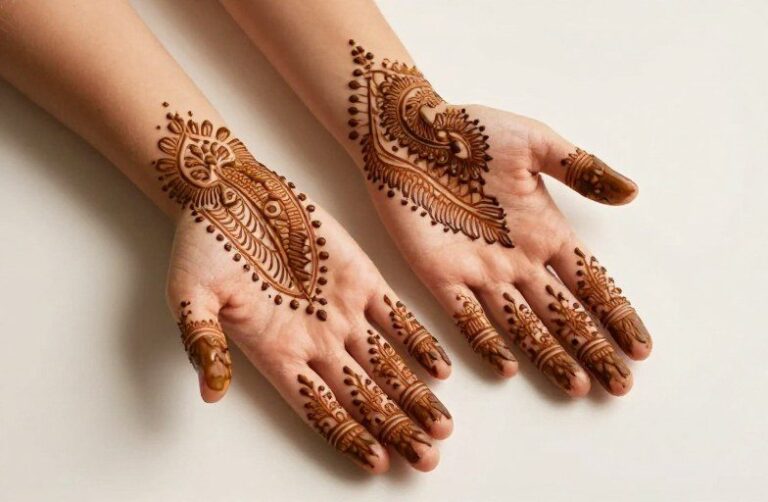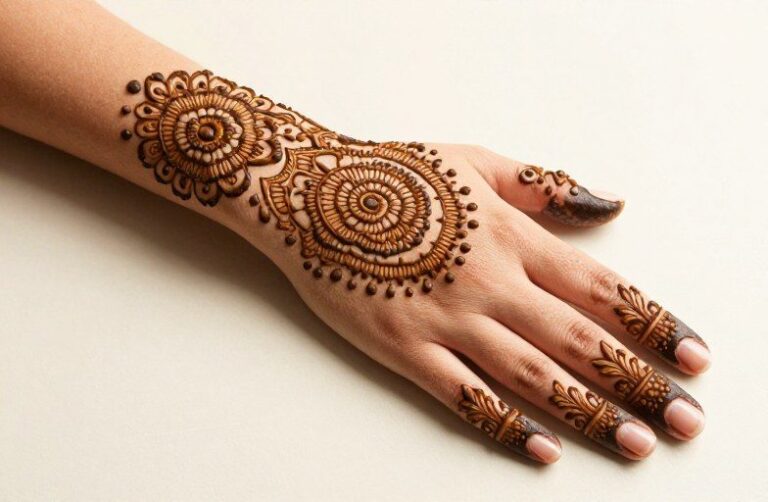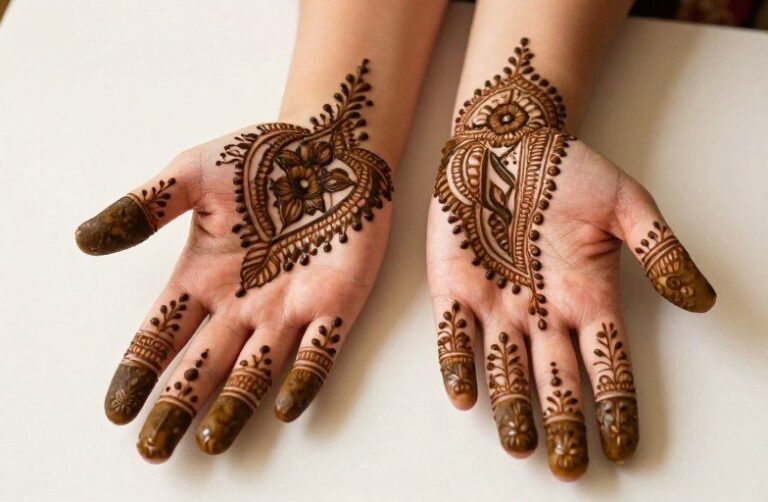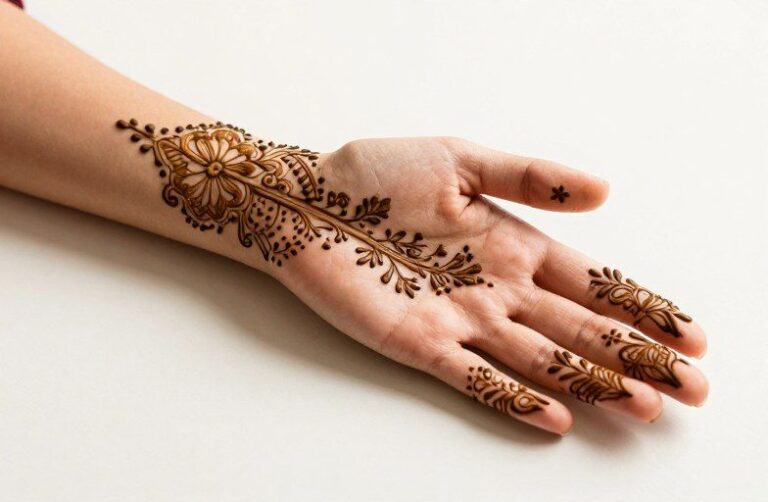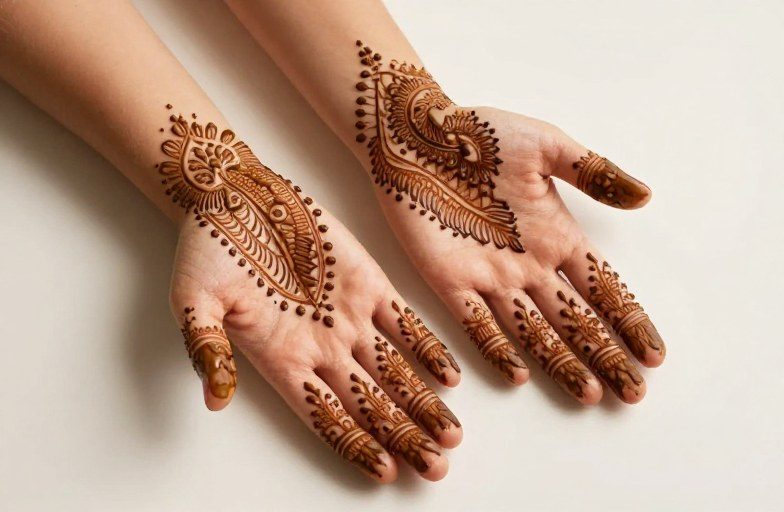
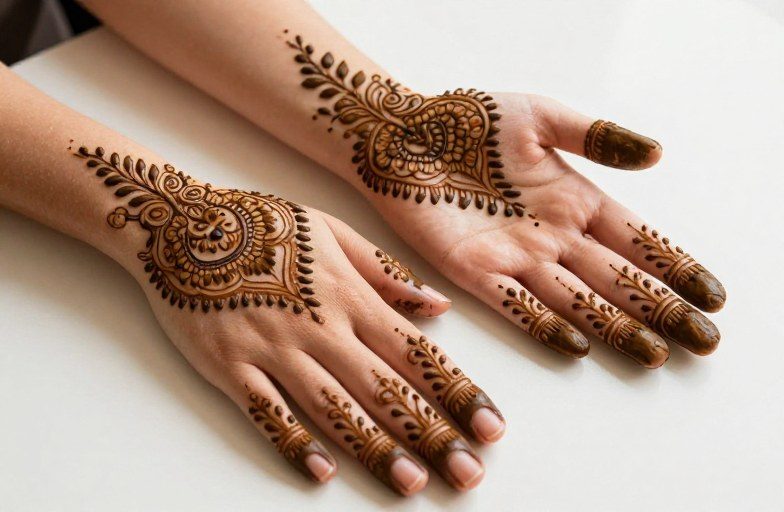
Natural henna stains the top layers of your skin and cannot be instantly erased. Most stains fade in one to three weeks, but you can speed this up to a few days with the right methods. The key is breaking down the stained dead skin cells faster than your body naturally sheds them.
Healing Timeline
Henna works differently than a needle tattoo. The lawsone pigment in henna paste binds to keratin in your epidermis, creating a stain that rises to the surface as your skin renews itself. Understanding this process helps set realistic expectations for removal.
How the Stain Actually Fades
Fresh henna appears orange at first, darkening to deep brown over 48 hours as the pigment oxidizes. The color then gradually lightens as your stratum corneum, the outermost skin layer, sloughs off. This natural turnover takes 14 to 21 days for most people. Areas with thicker skin (palms, soles) hold color longer because the epidermis is denser. Thin-skinned spots like the tops of hands fade faster.
- Days 1-3: Peak darkness, hardest to remove
- Days 4-7: Surface drying begins, optimal window for active removal
- Days 8-14: Significant lightening with consistent effort
- Days 15-21: Usually gone naturally, or nearly so
What “Quick” Really Means
Anyone promising same-day removal is selling something. The fastest realistic timeline with aggressive home methods is three to five days. That requires multiple daily treatments and some skin irritation as trade-off. Gentle methods stretch to seven to ten days but keep your skin healthier.
Tips From the Chair
Working around skin for years means seeing what actually accelerates fading versus what people wish worked. These methods come from observation of how different skin treatments affect pigmented areas.
The Oil Method
Olive oil, coconut oil, or baby oil create the gentlest approach. Soak the stained area in warm oil for 15-20 minutes, then rub firmly with a washcloth or soft-bristled brush. The oil penetrates and loosens the dead skin layer while the friction lifts it away. Repeat twice daily. This won’t remove henna in one session, but consistent application noticeably shortens the timeline.
Salt and Lemon Scrub
Mix coarse salt with lemon juice to form a paste. Scrub the stained area for two to three minutes, then rinse. The salt provides physical abrasion; lemon’s mild acidity helps break pigment bonds. This stings on broken skin, so skip it if the henna application caused any cracking or irritation. Limit to once daily to avoid rawness.
- Exfoliating gloves: More effective than washcloths for daily use
- Baking soda paste: Mild alkali that lifts surface pigment
- Whitening toothpaste: Contains mild abrasives and peroxides, surprisingly decent for small areas
- Swimming in chlorinated pools: Chlorine accelerates fading, though it’s hard to control exposure
Pain & Comfort
Removing henna faster than nature intends involves some discomfort. The question is how much you’re willing to tolerate for speed.
What to Expect
Gentle oil methods feel like a firm massage. Salt scrubs sting, especially on sensitive skin or thin areas like wrists. Over-scrubbing leaves skin pink, tender, and occasionally slightly swollen. This isn’t damage that requires intervention, but it means you pushed too hard. Back off and let skin recover before the next session.
Needle tattoos hurt far more than any henna removal method. If you’ve handled a real tattoo session, henna removal discomfort is minor. If you have low pain tolerance, stick with oil soaks and accept the slower timeline.
Warning Signs to Stop
Bleeding, oozing, or persistent burning mean you’ve broken the skin barrier. Stop all removal attempts and treat the area like any minor wound, keep it clean and dry until healed. Continuing to scrub broken skin risks infection and will actually slow overall fading while your skin repairs.
Aftercare Essentials
Treating your skin well during removal prevents setbacks and keeps the area looking normal rather than irritated.
Between Sessions
Moisturize after every removal attempt. Unscented lotion or plain shea butter restores the lipid barrier that scrubbing strips away. Well-hydrated skin actually sheds faster than dry, cracked skin, so this isn’t counterproductive, it’s part of the process.
Avoid hot showers immediately after aggressive scrubbing. Lukewarm water prevents additional irritation. Skip harsh soaps on the area; they dry skin further and can darken the stain temporarily by dehydrating the surface layer.
What to Avoid
- Bleach or household chemicals: Dangerous, ineffective, causes chemical burns
- Acetone or nail polish remover: Dissolves skin oils, causes cracking, minimal pigment removal
- Excessive sun exposure: Can darken henna stain temporarily before it fades
- Tight clothing or jewelry over the area: Friction irritates already sensitized skin
The Direct Answer
Here’s the practical sequence for fastest safe removal:
Start with a 20-minute warm oil soak. Use olive or coconut oil, heated slightly above body temperature. This softens the stratum corneum and begins loosening pigment. Follow with two to three minutes of firm scrubbing using an exfoliating glove or coarse washcloth. Apply salt-lemon scrub once daily if your skin tolerates it. Moisturize immediately after. Repeat the oil soak and scrub twice daily.
Expect visible lightening after 48 hours of consistent effort. Most people achieve near-complete removal in four to seven days with this combined approach. Dark, fresh henna on thick skin (palms, fingertips) may need the full two weeks regardless of method.
Black henna is a separate problem. The PPD (paraphenylenediamine) in black henna penetrates deeper and can cause allergic reactions. It fades differently and sometimes requires professional help if skin reacts badly. Natural brown henna is far easier to remove.
When to See a Professional
Most henna removal is a DIY situation. Certain circumstances warrant outside help.
Skin Reactions
Blistering, spreading redness, or intense itching after henna application suggest allergic reaction, especially with black henna. A dermatologist can provide topical treatments that calm inflammation and may help lift pigment faster than home methods alone. Don’t try aggressive removal on reactive skin, it worsens the situation.
Stubborn Professional Cases
Some cosmetic tattoo artists offer saline removal or gentle chemical exfoliation for unwanted temporary tattoos. These aren’t standard services everywhere, but worth calling about if home methods fail and the stain affects work or personal situations. Costs vary widely, usually $50-150 per session depending on area size. Compare that to zero cost for home methods and decide if speed is worth the price.
Laser removal doesn’t work on henna. The pigment type and epidermal location make laser ineffective and potentially harmful for this purpose. Anyone offering laser henna removal lacks understanding of both the technology and the stain.
The Takeaway
Henna removal requires patience and consistent effort, not magic solutions. The fastest safe approach combines oil soaks, physical exfoliation, and proper skin care between sessions. Expect days, not hours. Respect your skin’s limits, damaged skin heals slower and holds pigment longer. Natural brown henna responds well to these methods; black henna with PPD is a different challenge that may need professional assessment. Most of all, remember that even doing nothing, the stain disappears on its own within three weeks. Sometimes the best approach is simply covering it with clothing or makeup if the timeline matters less than your skin’s health.
Frequently Asked Questions
Does hydrogen peroxide remove henna faster?
Hydrogen peroxide has minimal effect on henna stain removal. It bleaches hair by penetrating the shaft, but henna sits in dead skin layers that peroxide doesn’t effectively reach. It may slightly lighten surface color but causes dryness and irritation without meaningful speed improvement over oil and salt methods.
Can I swim in the ocean to fade henna quickly?
Salt water and sand provide natural exfoliation that can accelerate fading, but it’s unpredictable and hard to control. Extended swimming may help, though sun exposure during beach time can temporarily darken the stain. Rinse thoroughly afterward and moisturize, as salt dehydrates skin.
Why did my henna get darker when I tried to remove it?
Dry skin and heat exposure can oxidize remaining henna pigment, making it appear darker temporarily. Aggressive scrubbing without moisturizing sometimes dehydrates the surface layer, creating this effect. Consistent oil soaks prevent this by keeping the stained layer supple and lifting it steadily.
Is black henna harder to remove than natural henna?
Yes, significantly. Black henna often contains PPD, a hair dye chemical that penetrates deeper and bonds more stubbornly. It also carries higher risk of allergic reactions and scarring. Natural henna stays in the upper epidermis and fades predictably; black henna may require professional dermatological help if skin reacts.