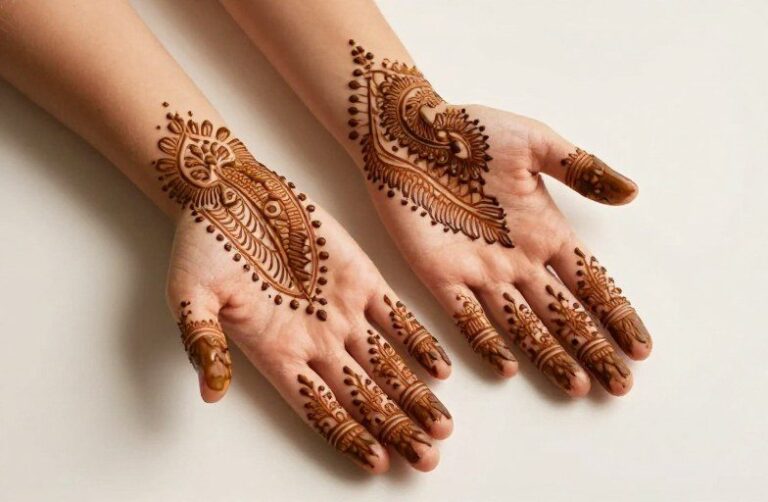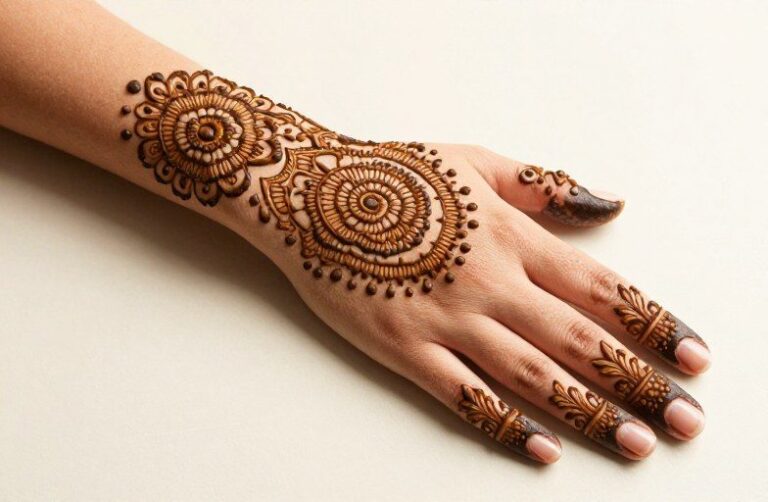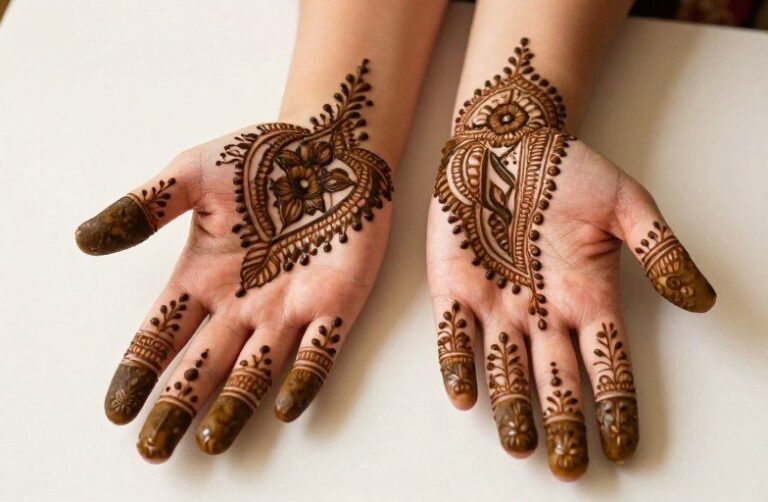
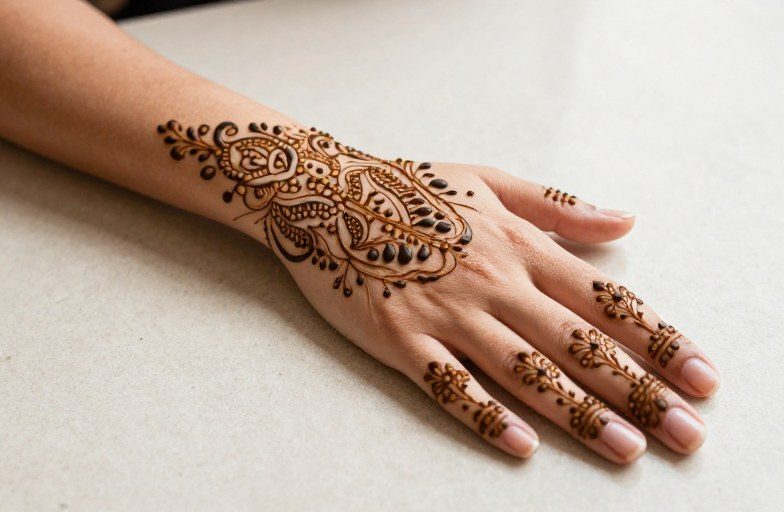
Yes, it’s safe to tattoo over henna once the stain has completely faded and the skin has returned to its normal state. The real concern isn’t the henna itself, it’s tattooing over skin that still carries dye residue or hasn’t fully settled after the henna application process. Most artists recommend waiting at least two to four weeks after the henna has visibly disappeared before getting tattooed, though the exact timing depends on your skin’s reaction and the depth of the original stain.
The Direct Answer
Why Fresh Henna Causes Problems
Henna sits in the uppermost layers of skin, creating a temporary stain that gradually exfoliates away. During this fading period, the skin’s surface is essentially occupied by foreign pigment. Needling through this zone can push henna particles deeper alongside tattoo ink, creating muddy color shifts, especially problematic with lighter tones like yellow, white, or soft pink. The resulting tattoo may heal patchy or with unexpected undertones that weren’t visible during the session.
Some henna formulations, particularly “black henna” mixes, contain paraphenylenediamine (PPD) or other additives that can sensitize skin. Tattooing over sensitized or recently irritated skin increases the risk of adverse reactions during the healing process, including prolonged redness, swelling, or compromised healing. Natural henna (reddish-brown, from the Lawsonia inermis plant) carries lower risk than chemical-laden variants, but caution still applies.
When You’re Actually Clear to Proceed
The safest signal is visual: when your skin shows zero trace of the original design and feels completely normal to touch, no lingering dryness, no slight discoloration in bright light, no texture change. For most people, this takes two to four weeks after the henna was applied. Darker, longer-lasting stains or henna applied to thick-skinned areas like palms and soles may need additional time. If you used henna frequently over the same area, residual buildup in the skin can persist longer than a single application would suggest.
Healing Timeline
How Henna Fades Versus How Tattoos Heal
Henna fades through natural exfoliation. The stained keratinocytes migrate upward and shed, typically showing noticeable fading within five to seven days and near-complete disappearance by two weeks, though a faint ghost can linger longer. Tattoo healing, by contrast, involves deliberate trauma: the needle breaches the epidermis to deposit ink in the dermis, triggering an immune response that walls off pigment particles in fibroblasts.
These processes don’t mesh well when overlapping. Skin still cycling through henna exfoliation hasn’t stabilized; its barrier function and cell turnover rate differ from baseline. Tattooing during this window means working with skin in an active transitional state, which can extend healing time and increase the chance of ink dropout or uneven saturation.
- Days 1-3 after henna: stain darkens, paste flakes off
- Days 4-10: visible fading begins, skin may feel dry
- Days 11-21: stain becomes faint, subtle discoloration may persist
- Week 4+: skin should appear and feel completely normal
What Artists Look For Before Starting
Experienced artists examine the area under bright light and may palpate the skin to check for texture irregularities. They’ll ask when the henna was applied and what type was used. Some may refuse to tattoo if any uncertainty exists, not from lack of skill, but because the outcome reflects on their work regardless of the cause. A reputable shop prioritizes the tattoo’s long-term appearance over booking the appointment.
Aftercare Essentials
Pre-Session Prep
Exfoliate gently in the days leading up to your tattoo appointment, once the henna is fully gone, of course. This isn’t about scrubbing aggressively; it’s removing dead skin buildup so the needle meets viable tissue. Moisturize regularly to restore barrier function if the henna left any dryness. Avoid retinoids, acids, or other exfoliating products on the area for a week before tattooing, as these thin the epidermis and can increase sensitivity.
Post-Tattoo Care Over Former Henna Spots
Standard aftercare applies, but watch slightly more carefully for signs of irritation. The skin has been through two processes in close succession, even with proper timing. Keep the area clean and lightly moisturized, avoiding submersion until the initial healing phase completes, typically two to three weeks. If you notice healing deviations from previous tattoos, mention them to your artist during the follow-up check.
One practical note: henna often goes on hands, feet, or other high-use areas. These placements already challenge tattoo healing due to constant motion, friction, and exposure. The combination of recent henna plus a naturally difficult placement demands extra diligence in aftercare adherence.
Realistic Expectations
Color and Clarity Concerns
Even with perfect timing, tattooing where henna once sat can yield subtle differences. The skin’s history of foreign pigment deposition may affect how certain inks settle. This is more theoretical than dramatic, most people see no issue, but it’s worth acknowledging. Dark, saturated tattoo designs cover this possibility entirely. Light, delicate work over former henna zones carries slightly more unpredictability.
Cover-up situations present the clearest risk. If you’re trying to obscure a faded henna stain with tattoo pigment, the residual henna tone can influence the new colors. A skilled artist accounts for this by adjusting the palette, perhaps leaning warmer or deeper to neutralize any underlying warmth from lingering henna components.
Long-Term Appearance
Tattoo ink resides deeper than henna ever reached, so the tattoo’s aging trajectory shouldn’t differ from work on never-hennaed skin. Over years, sun exposure and skin changes affect all tattoos uniformly. The henna history doesn’t create a separate zone of faster degradation. What matters more is the quality of the original tattoo work and ongoing protection habits.
Pain & Comfort
Does Former Henna Change Sensation?
Generally, no. Pain during tattooing depends on placement, nerve density, individual threshold, and session length, not whether the skin hosted henna weeks prior. One exception: if the henna application caused any reaction or lingering sensitivity, that specific spot might register sharper during needling. Communicate with your artist about any unusual sensations; they can adjust technique or take breaks as needed.
Managing Session Comfort
For areas that held henna recently, arriving well-hydrated and rested matters more than usual. Your skin’s resilience helps it handle the session smoothly. Avoid alcohol beforehand, eat a solid meal, and consider numbing options if your artist offers them. Hands and feet, common henna locations, rank among the more painful tattoo placements regardless of henna history, so prepare accordingly.
Common Mistakes
Rushing the Timeline
Impatience dominates here. People book tattoo appointments while henna still looks presentable, assuming the stain is “faded enough.” It’s not. Another frequent error: assuming all henna is natural and benign. “Black henna” with PPD has caused chemical burns and permanent scarring in some cases; tattooing over such damaged skin is genuinely inadvisable and may be refused by ethical artists.
Miscommunication With Your Artist
Failing to disclose recent henna wastes everyone’s time. Some clients worry it’ll seem trivial or irrelevant. It isn’t. Artists need this information to assess skin readiness and possibly adjust the design approach. Similarly, don’t rely on your own judgment that the skin is “fine.” Let the professional evaluate. They’ve seen how hidden residue affects outcomes that clients miss until weeks later.
- Booking before henna has fully faded
- Using “black henna” with chemical additives
- Not informing the artist about recent henna
- Assuming palm/sole henna fades at the same rate as arm henna
- Tattooing over any skin reaction the henna may have caused
The Bottom Line
Tattooing over henna is straightforward with patience and honesty. Wait until every trace has disappeared and the skin feels completely normal, typically two to four weeks, sometimes longer. Tell your artist the full timeline. Choose natural henna over chemical-laden alternatives if you know you’ll want tattoo work later. The combination of henna and tattooing isn’t inherently problematic; the problems arise from overlapping the processes too closely or withholding information that affects technical decisions.
Your skin has history, and good tattoo artists respect that history by working with it rather than through it. The result is worth the wait.
Frequently Asked Questions
Can I get a tattoo right after my henna fades if I used black henna?
Wait longer, possibly several weeks more. Black henna often contains PPD or other chemicals that can sensitize skin or cause reactions. Even if the stain is gone, the skin may need additional recovery time before it can handle tattooing safely.
Will tattoo ink cover a faint henna stain that hasn’t fully disappeared?
It can physically cover it, but the residual henna pigment may alter how the tattoo ink appears, especially with light colors. The result often heals unevenly or with muddy tones that weren’t intended. Full fading produces cleaner, more predictable results.
Does henna permanently change the skin in a way that affects tattooing years later?
No. Natural henna stains only the upper epidermis and sheds completely. Once fully faded, the skin returns to normal and can be tattooed with standard expectations. Only chemical reactions or scarring from problematic henna mixes would create lasting changes.
Should I avoid getting henna if I know I want a tattoo in the same area soon?
Consider timing. If your tattoo appointment is within a month, skip the henna or choose a different location. If the tattoo is further out, henna poses no lasting issue. Communicate both plans to your artist so they can advise on optimal spacing.