
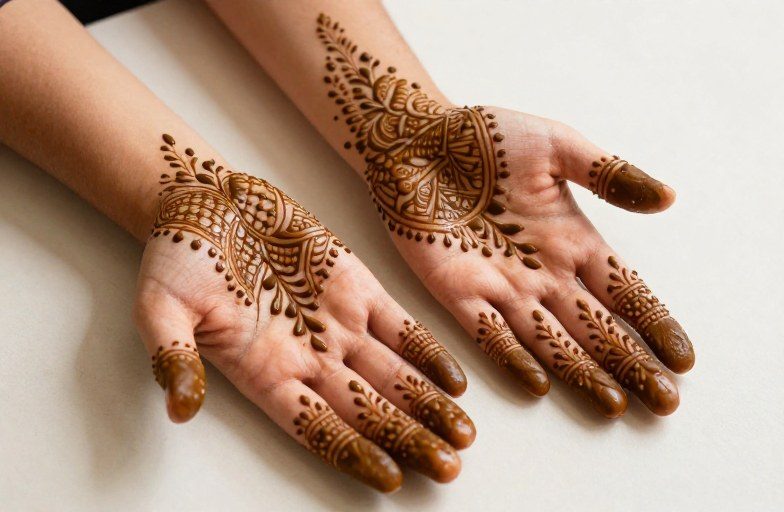
A real henna stain sits in the top layers of your skin, not on top like paint, so you can’t just wipe it off. The fastest safe methods combine gentle exfoliation with oil-based softening to lift the pigment faster than waiting for natural cell turnover. Most stains fade noticeably within a week of active effort, though full clearance depends on how dark the original application was and where it sits on your body.
Cost Factors
Getting rid of henna costs nothing if you use household items, but some people spend money on products that promise faster fading. Knowing what actually works saves you from wasting cash on gimmicks.
DIY Methods vs. Store-Bought Products
Olive oil, coconut oil, sugar scrubs, and lemon juice cost a few dollars at most and often outperform commercial “henna removers.” Those branded products usually contain the same exfoliating acids or oils you already own, just packaged with inflated claims. Microdermabrasion cloths or soft pumice stones run $5-15 and give you reusable physical exfoliation for stubborn areas like palms or feet.
Professional Help
Salons offering henna removal typically use chemical exfoliants or light chemical peels at $50-150 per session. For a temporary stain, this rarely makes sense. The exception: if you had a severe reaction to PPD-laced “black henna” and need a dermatologist’s guidance, which falls under medical care, not cosmetic service.
The Direct Answer
Here’s the breakdown of what actually accelerates henna fading, ranked by effectiveness and skin safety.
- Oil soaking: Coat the stain in coconut, olive, or baby oil. Let it sit 10-15 minutes, then gently rub with a washcloth. Oil dissolves the henna’s binding and softens skin for easier exfoliation. Repeat daily.
- Salt or sugar scrub: Mix coarse salt or sugar with oil into a paste. Massage in circular motions for 2-3 minutes, then rinse. This physically lifts stained dead skin cells. Best for arms, legs, torso, avoid on thin or sensitive skin like the neck or face.
- Warm water and chlorine: Swimming pools and hot tubs speed fading through chlorine exposure and prolonged water contact. Hot showers help too. Don’t overdo it, dry skin cracks and holds pigment longer.
- Lemon juice: Natural acids in lemon lighten henna but can irritate skin, especially after exfoliation. Dilute with water if you use it, and never apply to freshly scrubbed or broken skin.
- Time: Your body replaces epidermal cells every 27-30 days. Henna on thick-skinned areas like palms or soles fades slowest because those cells turn over more slowly. Most body stains clear in 1-3 weeks naturally.
What Doesn’t Work
Bleach, nail polish remover, abrasive sanding, and scraping with knives or razors damage skin without reliably removing stain. These create open wounds that scar and can trap ink-like pigment permanently. Toothpaste and baking soda pastes dry skin excessively, causing cracking that actually preserves the stain in fissures.
Aftercare Essentials
How you treat the skin during removal determines whether the stain fades evenly or leaves patchy ghosts.
Moisture Balance
Exfoliation strips natural oils. Without replacement moisture, skin flakes unevenly and the stain looks worse before it looks better. Apply plain, unscented lotion after every removal session. Aquaphor or similar occlusive ointments work overnight to prevent the cracking that locks pigment in place. Avoid scented products, freshly exfoliated skin absorbs irritants deeper.
Sun Protection
UV exposure darkens some henna stains temporarily through oxidation, making them appear more orange or brown before they fade. A simple SPF 30 on the area prevents this setback. This matters most on arms, hands, and anywhere exposed during daily activity.
Pain & Comfort
Henna removal shouldn’t hurt. Discomfort signals you’re pushing too hard.
Recognizing Your Limits
Skin redness that fades within an hour is normal. Persistent stinging, raw patches, or bleeding means you’ve compromised the barrier. Stop and let skin recover 48 hours before resuming gentle methods. The stain will still be there; damaged skin heals slower and holds pigment longer, so aggression backfires.
Sensitive Area Adjustments
Face, neck, inner wrists, and anywhere with thin skin need milder treatment. Skip scrubs entirely on these spots. Use only oil soaks and soft washcloth rubbing. The stain will take longer to fade, but you avoid irritation that leads to hyperpigmentation, especially a concern for darker skin tones.
Healing Timeline
Understanding normal progression prevents panic and over-treatment.
Day-by-Day Expectations
Days 1-3 after application: the stain is darkest, often orange-brown before oxidizing to deeper brown. This is the worst time to judge final color or start aggressive removal, let the initial oxidation complete.
Days 4-7: natural fading begins at edges. Oil soaks and gentle scrubbing show visible lightening on body skin. Palms and soles lag behind.
Week 2-3: most body stains are faint ghosts unless you applied thick paste or left it on for hours. Continued exfoliation clears residue. Hand and foot stains may need the full 3-4 weeks.
When to Worry
Blistering, spreading redness, pus, or intense itching indicate reaction to low-quality henna containing paraphenylenediamine (PPD), a hair dye chemical sometimes mixed into “black henna.” This isn’t normal fading, it’s dermatitis needing professional evaluation. Scarring from PPD reactions can be permanent, so early attention matters more than stain removal.
Tips From the Chair
Tattoo artists see a lot of temporary body art, and the overlap with henna gives some practical perspective.
Placement Awareness
Where you put henna determines how fast it leaves. Palms and soles stain darkest and longest because the stratum corneum is thickest there. If you know you’ll want it gone quickly, choose forearms, shoulders, or upper back, areas with normal cell turnover and easy concealment if fading goes patchy.
Ink Interactions
Getting a permanent tattoo over recently henna’d skin is poor timing. The stain can obscure stencil transfer, and any residual skin irritation affects how fresh tattoo ink settles. Wait until skin is fully clear and calm, usually 3-4 weeks minimum. Tattoo artists sometimes turn away clients with fresh henna in the planned area because accurate work requires predictable skin.
What to Remember
Henna is a surface stain, not a commitment, but your skin deserves the same respect you’d give a permanent tattoo. Gentle, consistent methods beat aggressive scrubbing every time. Oil softens, exfoliation lifts, moisture heals, and time finishes the job. Avoid black henna entirely, PPD reactions aren’t worth the darker initial result. If a stain matters enough to remove urgently, it was worth questioning before application. Most people find that accepting a week or two of visible fading beats skin damage that lasts far longer than any henna ever would.
Frequently Asked Questions
Will exfoliating every day speed up removal or just irritate my skin?
Daily gentle exfoliation helps, but twice daily or harsh scrubbing causes irritation that actually preserves the stain in damaged skin. Once daily with oil-softer skin is the sweet spot. Give your skin rest days if redness persists.
Can I get a real tattoo over a fading henna stain?
Wait until the stain is completely gone and skin feels normal, usually 3-4 weeks. Residual pigment interferes with stencil placement, and any lingering irritation affects how tattoo ink settles during healing.
Why is my henna stain darker on my hands than my arm?
Thicker skin on palms and soles absorbs more lawsone dye and sheds cells more slowly. This is normal, hand stains simply take longer to fade than body stains, sometimes double the time.
Is “black henna” harder to remove than natural brown henna?
PPD-based black henna often causes skin reactions that create scabbing and inflammation, which can trap pigment and leave scars. The stain itself isn’t necessarily deeper, but the skin damage makes fading unpredictable and sometimes permanent.