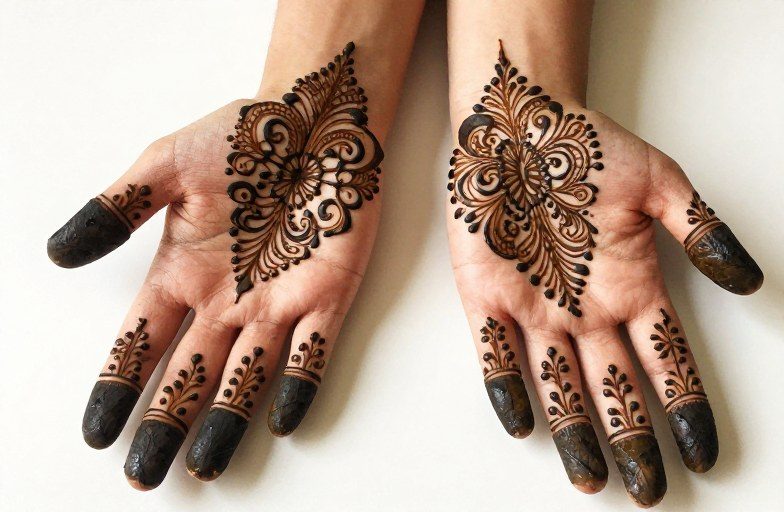
Black henna tattoos are not traditional henna at all, they’re typically made with PPD (para-phenylenediamine), a hair dye chemical that can blister and scar. If you’ve got one and want it gone, the honest truth is: you mostly wait it out while treating any skin reaction. Most black henna stains fade in 2-4 weeks on their own, but PPD reactions can leave lasting skin damage that needs medical attention.
Realistic Expectations
Unlike genuine brown henna, which fades naturally as skin exfoliates, black henna deposits PPD deep enough that scrubbing won’t touch it. The stain sits in the dead skin layers, and your body has to shed those cells on its own schedule.
What Actually Works for Fading
Gentle exfoliation can speed the process slightly. Think warm showers, soft washcloths, and mild scrubs, not sandpaper or bleach. Harsh scrubbing damages living skin and can push pigment deeper or trigger a worse reaction if PPD sensitivity is present. Avoid lemon juice, salt, and any “home removal” hacks involving chemicals. Your skin’s already been through enough.
What to Expect from “Fading” Products
Over-the-counter fade creams for cosmetic tattoos exist, but they’re designed for eyebrow or lip pigment, not PPD stains. Results on black henna are unpredictable and often minimal. Laser removal targets true tattoo ink, not henna stain, and can actually react badly with PPD compounds. Most dermatologists advise against laser on suspected black henna reactions.
When to See a Professional
PPD reactions don’t always show immediately. Some people blister within hours; others develop swelling, weeping, or intense itching days later. Red flags that need a dermatologist or urgent care visit include:
- Blistering, oozing, or open wounds in the tattooed area
- Swelling that spreads beyond the design’s edges
- Red streaks, fever, or increasing pain after 48 hours
- Any reaction on the face, genitals, or near the eyes
- Darkening or hardening of the skin weeks later (possible scarring)
Allergic Reactions vs. Normal Staining
Normal henna leaves a brown-orange stain that simply fades. Black henna often causes a raised, shiny, or leathery texture even before obvious blistering. If the area feels tight, burns, or itches intensely, that’s not typical staining, it’s your immune system reacting to PPD. Document photos daily; dermatologists need this timeline for treatment decisions.
Healing Timeline
Understanding the phases helps you know what’s normal and what’s not. Black henna reactions evolve differently than genuine henna fading.
First 72 Hours
The stain appears jet black and crisp. Mild tingling or warmth can occur even without allergy. If blistering starts here, that’s a chemical burn, not normal healing. Keep the area clean, dry, and uncovered unless clothing rubs against it, then use a loose, breathable cotton layer.
Weeks 1-4
Genuine henna darkens to brown and fades evenly. Black henna often turns purplish, then gray, while the skin underneath may stay irritated. Peeling and flaking happen as stained skin sheds; don’t pick. Picking extends healing and increases scar risk. The stain typically looks gone by week 3-4, but skin texture changes can persist for months.
Long-Term Skin Changes
PPD sensitization is permanent. Future exposure to hair dye, dark fabric dyes, even some printer inks can trigger reactions. Some people develop a lasting dark patch where the black henna sat, post-inflammatory hyperpigmentation that fades slowly over months. Sun protection (SPF 30+) on the area prevents this from darkening further.
Cost Factors
Removing or treating black henna damage isn’t like pricing a tattoo removal package. Costs depend entirely on if you’re managing a fading stain or treating a medical reaction.
At-Home Fading Costs
Gentle exfoliants, quality moisturizers, and sun protection run $20-50 total. Don’t spend heavily on “miracle” removal products. The stain will fade on schedule regardless; your money’s better spent on skin health than desperation fixes.
Professional Treatment Costs
Dermatologist visits for PPD reactions range widely by insurance coverage and severity. Uninsured, expect $150-400 per visit for evaluation and topical prescriptions. Severe blistering requiring wound care or steroid treatment costs more. Cosmetic tattoo removal lasers run $200-500 per session but, again, are generally inappropriate for black henna reactions.
The real cost of black henna is often the PPD sensitization itself, future hair coloring complications, potential reactions to black clothing dyes, and the need for lifelong vigilance about product ingredients.
The Direct Answer
There’s no quick removal method for black henna. The stain resides in dead skin cells that must shed naturally. Your practical options are:
- Wait 2-4 weeks while supporting healthy skin turnover
- Gentle daily exfoliation in warm showers
- Heavy moisturization to keep skin supple and shedding evenly
- Strict sun protection to prevent darkening of any lingering pigment
- Medical care for any blistering, spreading redness, or signs of infection
If the stain persists beyond a month or the skin texture seems permanently altered, a dermatologist can assess for scarring or embedded pigment changes. They won’t “remove” the henna at that point, they’ll treat the skin damage it caused.
Aftercare Essentials
While you wait for the stain to fade, protecting the skin barrier matters more than attacking the pigment. Damaged skin holds stain longer and scars more easily.
What to Apply
Fragrance-free moisturizers with ceramides or simple petrolatum jelly support barrier repair. For irritated areas, cool compresses (not ice directly) reduce itch and heat. Oral antihistamines help with itching if a mild reaction is present, standard allergy meds, not topical creams that might introduce more irritants.
What to Avoid
Skip antibiotic ointments unless a clinician prescribes them; neomycin and similar ingredients are common allergens. Avoid hydrogen peroxide, rubbing alcohol, and any “drawing salve” or black salve products, these damage tissue further. No swimming pools (chlorine irritation), no hot tubs (infection risk on compromised skin), and no tanning beds or intentional sun exposure.
What to Remember
Black henna is a tourist trap and festival hazard, not a cultural practice. The prettiness of the dark stain isn’t worth the PPD exposure. If you’re reading this with a fresh black henna tattoo, start documenting your skin now, photos help clinicians and support any consumer complaint you might file with the venue or health department.
For future temporary body art, seek out genuine henna artists who mix their own paste from henna powder, lemon juice, and essential oils. The stain will be brown, not black, and it will fade in a week or two without chemical risk. Jagua, a fruit-based blue-black temporary tattoo alternative, exists but carries its own allergy potential, patch test everything.
The stain will go. Your skin’s job is to protect you; let it do that work without interference. Patience, moisture, and knowing when to get professional eyes on a reaction are the real tools here.
Frequently Asked Questions
How can I tell if my henna tattoo is black henna or real henna?
Real henna paste is brown or greenish-brown and stains skin orange-brown at first, darkening to reddish-brown over 24-48 hours. Black henna paste is jet black or very dark, and the stain appears black immediately. If the artist applied something that looked like black paint or hair dye, it’s likely PPD-based black henna.
Can I get a real tattoo over a black henna reaction once it heals?
Tattooing over skin that had a PPD reaction is risky. The skin may be sensitized, scarred, or have altered texture that affects ink retention. Most reputable tattoo artists will want the area fully healed for at least 6-12 months and may refuse if scarring is significant. A dermatologist’s clearance helps.
Why does my black henna tattoo itch so much even without visible blisters?
PPD is a potent sensitizer that triggers immune responses at levels below visible blistering. The itching, tightness, or mild swelling you’re feeling is likely allergic contact dermatitis. An oral antihistamine can help, but persistent or worsening symptoms warrant a dermatologist visit to prevent progression.
Will the black henna stain come off faster on certain body parts?
Yes. Areas with thinner skin and faster cell turnover, palms, soles, inner wrists, shed stained cells quicker than thicker-skinned areas like the back or outer arms. However, these same sensitive areas also react more severely to PPD, so faster fading may come with worse irritation.