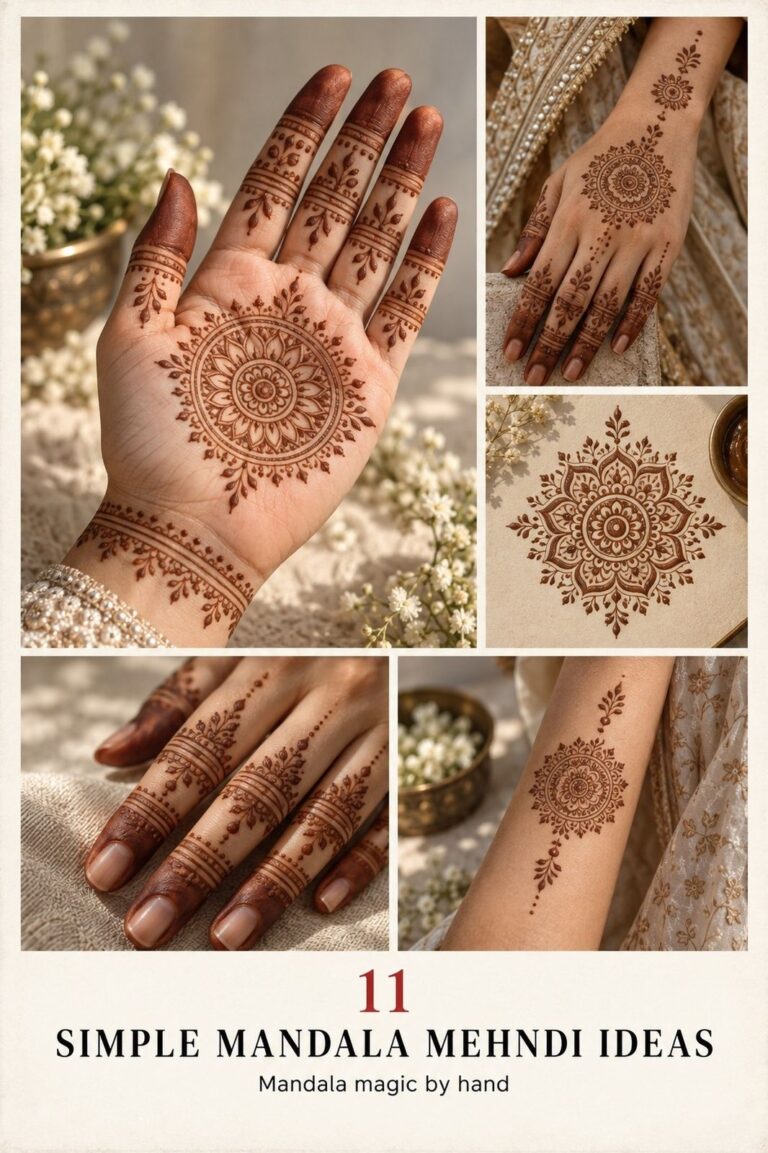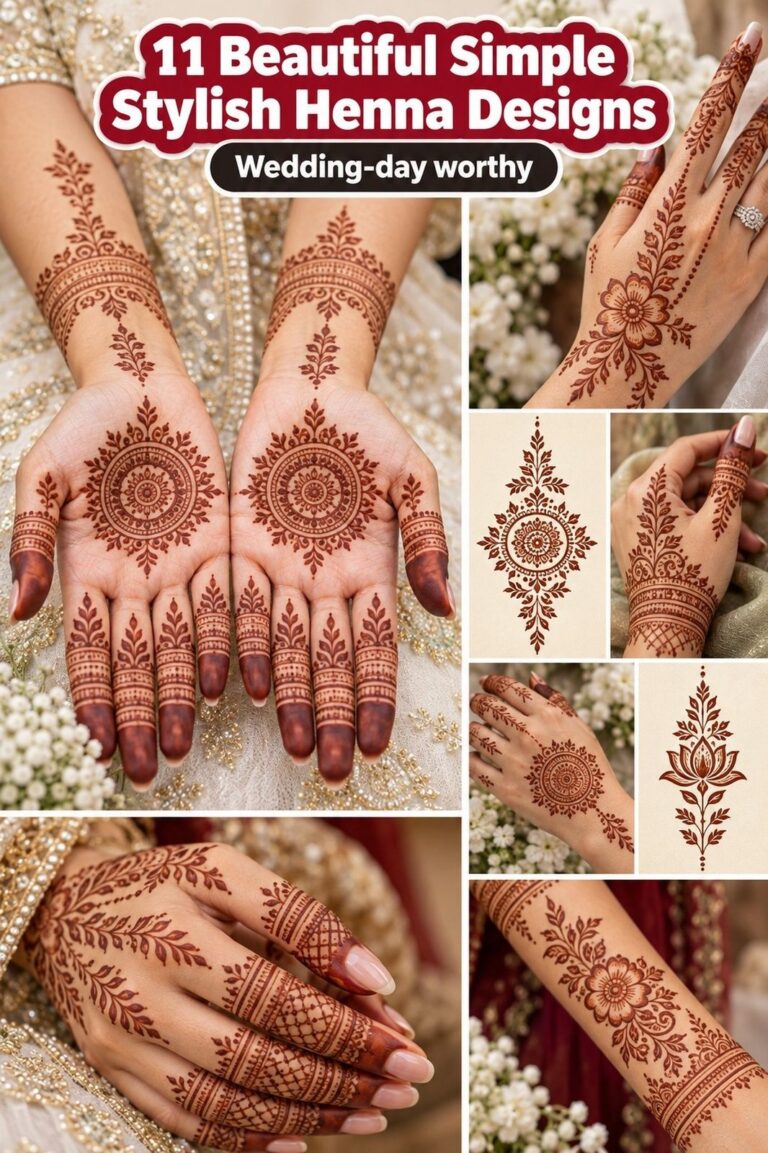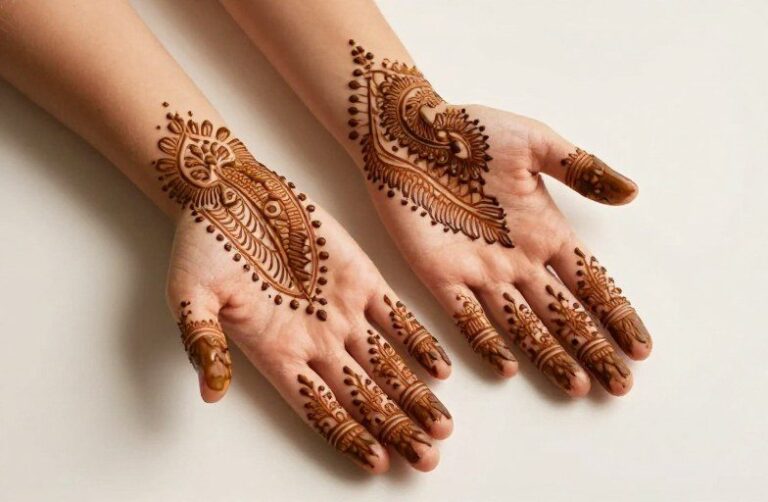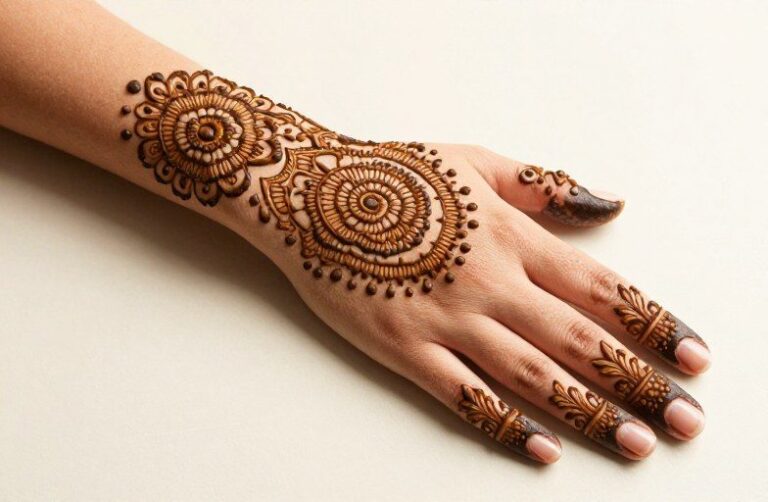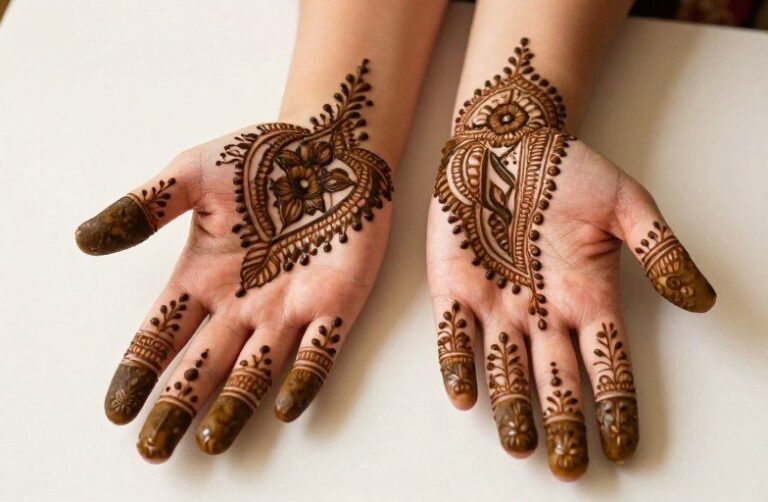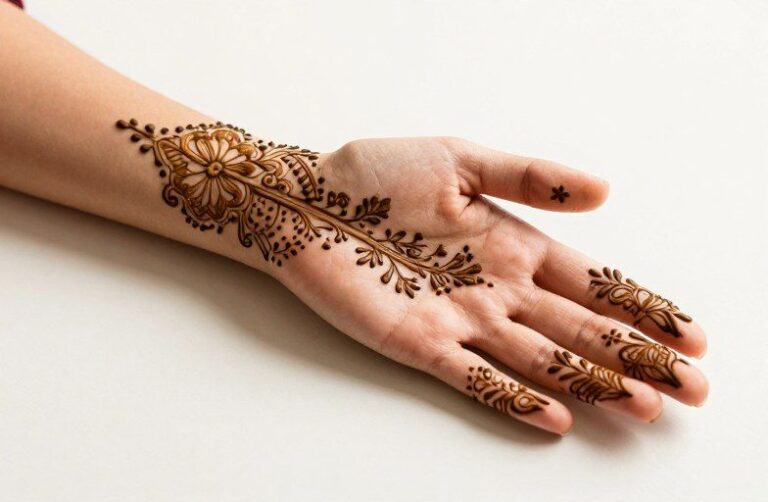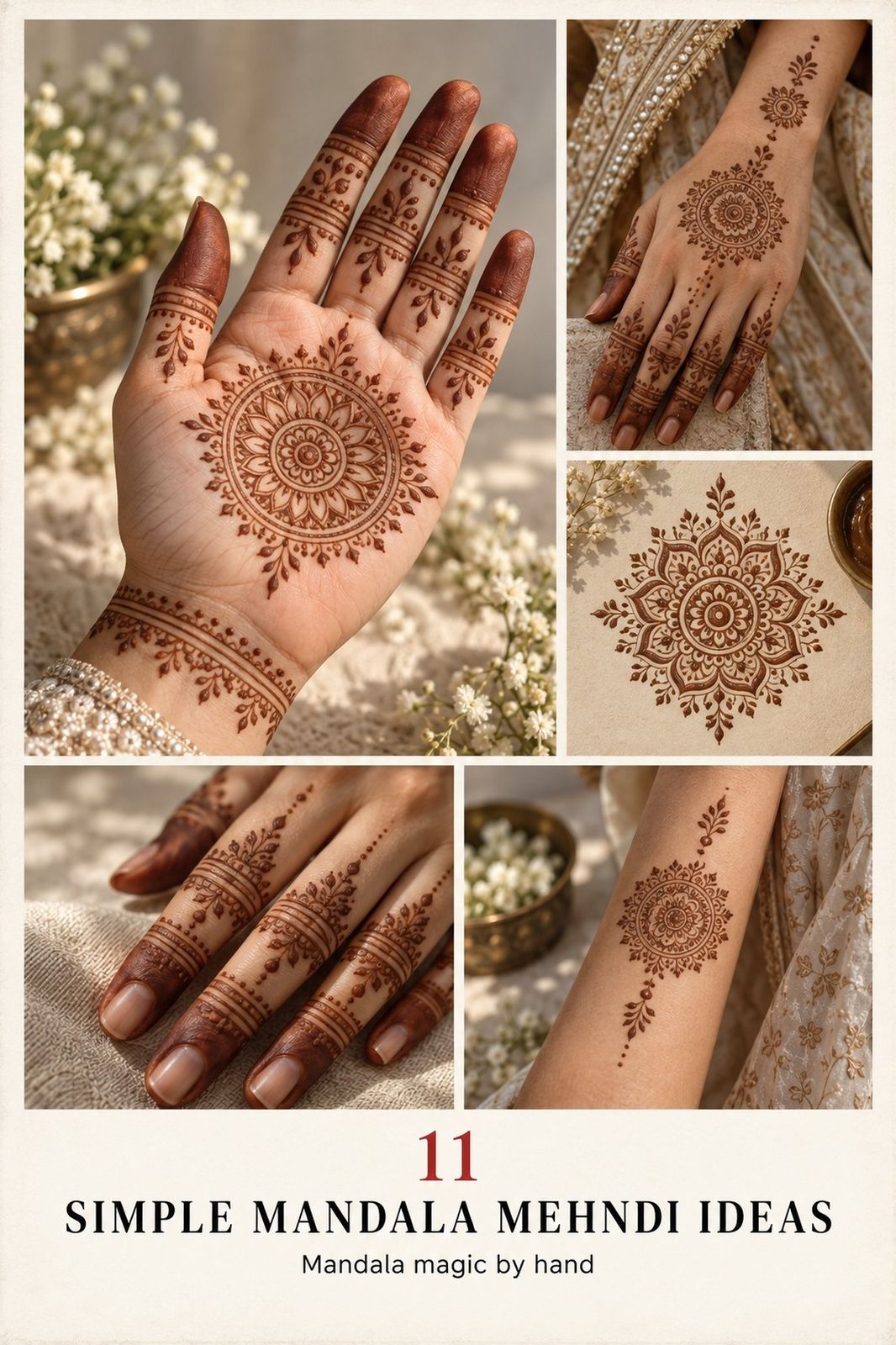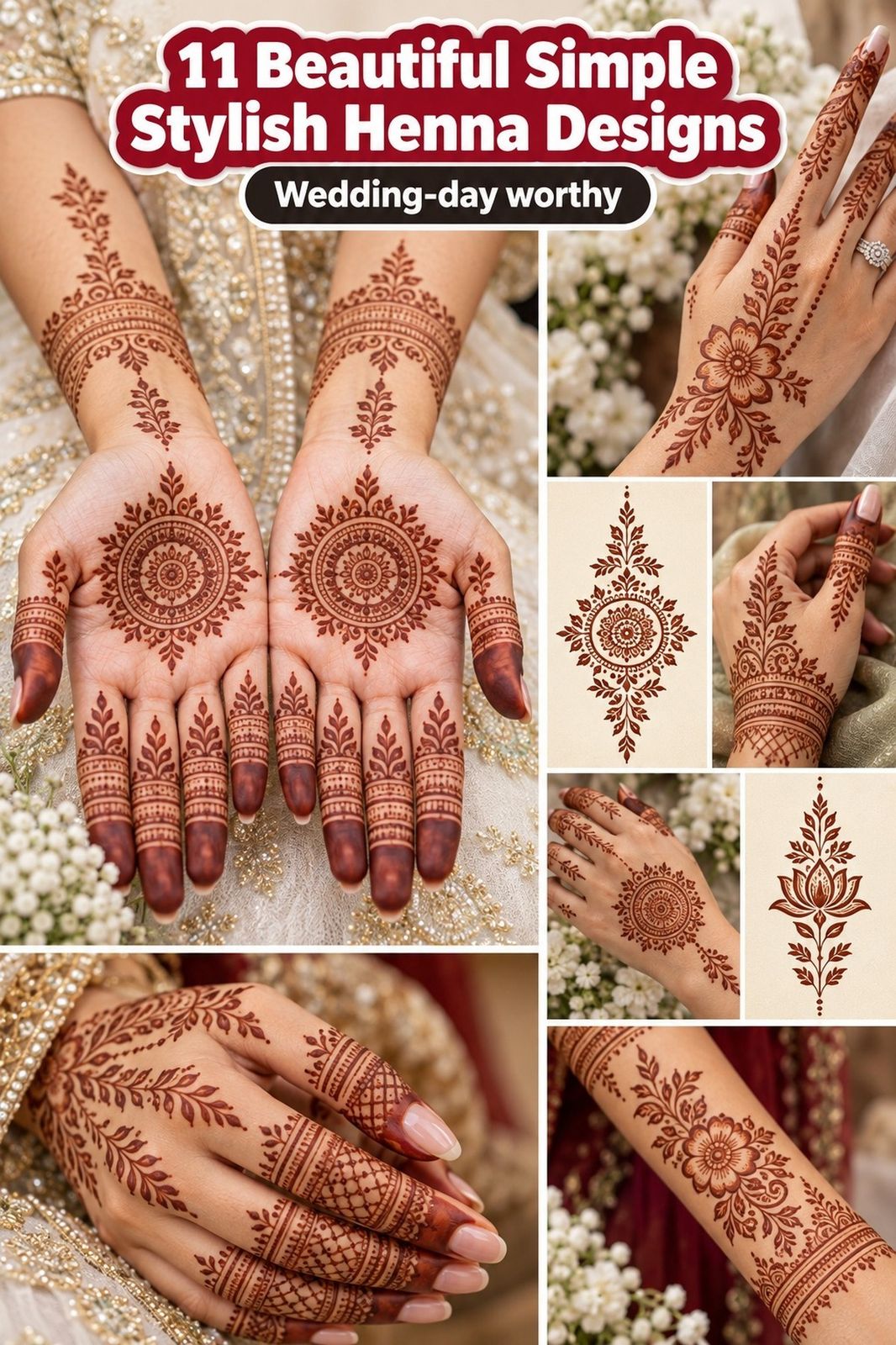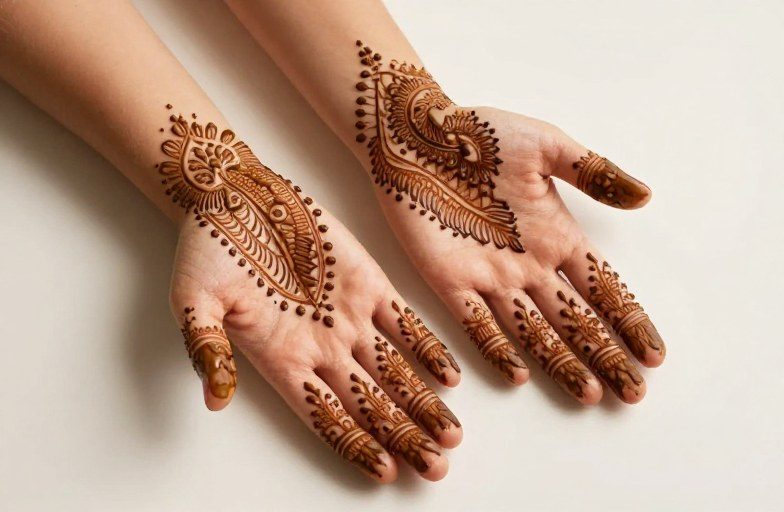
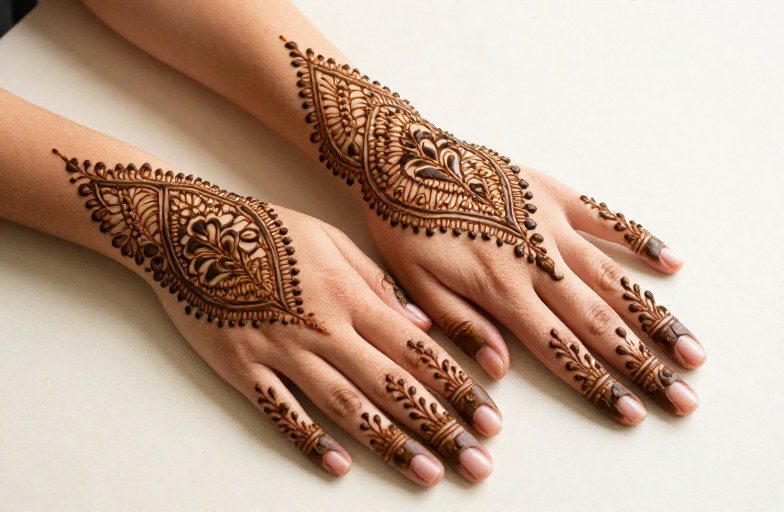
Doing your own henna tattoo at home requires mixing quality henna powder with lemon juice and essential oils into a smooth paste, piping it through a cone or applicator bottle onto clean, dry skin, then letting the paste dry and flake off naturally over 6-12 hours. The stain darkens from orange to deep brown over 24-48 hours and lasts one to three weeks depending on body placement and aftercare. This guide covers everything from paste preparation to realistic results, written from a tattoo perspective on what actually works.
Pain & Comfort
Henna is fundamentally different from needle tattooing. There is no piercing of the skin, no vibration, no blood. The sensation ranges from cool and wet to mildly tingly if your paste contains tea tree or eucalyptus oil. Some people feel slight warmth as the paste dries and the lawsone pigment begins binding to the keratin in your skin cells.
Skin Sensitivity Checks
Before covering your hands in elaborate patterns, test a dot of paste on your inner wrist or behind your ear. Wait thirty minutes, wash it off, and monitor for twenty-four hours. True henna allergies are rare but chemical additives in some “black henna” products can cause severe reactions. Red flags include burning, blistering, or spreading redness. Pure henna paste is brown or greenish-brown when wet and never truly black in its natural state.
- Natural henna smells earthy, like wet hay or spinach
- “Black henna” often contains PPD (hair dye chemical) and can scar
- Store-bought cones with no ingredient list should be avoided
- Freezing fresh paste preserves it for months without chemical preservatives
Physical Comfort During Application
Sitting still for detailed work strains your body. Set up at a table where your working hand can rest flat and your application hand moves freely. A rolled towel under the wrist helps. The paste stays wet for twenty to forty minutes depending on humidity; plan bathroom breaks before starting. If doing your own feet, a mirror on the floor angled upward lets you see without hunching. Work in sections rather than attempting full palm coverage in one session.
The Direct Answer
Here’s the practical sequence for home henna application from start to finish.
Mixing Your Paste
Start with body-art quality henna powder, sifted fine. Mix roughly twenty-five grams of powder with enough lemon juice to achieve thick mashed-potato consistency. Add one to two teaspoons of sugar (helps the paste stick to skin longer) and ten to fifteen drops of cajeput, tea tree, or lavender essential oil (releases the dye molecule). Cover and let it rest at room temperature for twelve to twenty-four hours for dye release. The surface will show a thin dark crust when ready. Adjust with more lemon juice or sugar until the paste flows smoothly from your applicator but holds its shape on skin.
Application Technique
Transfer paste to a mylar cone or squeeze bottle with a fine metal tip. Clean the skin with plain soap, no lotion residue. Work from the center of your design outward to avoid smearing wet lines. Henna lines should be slightly thicker than you want the final stain, thin lines often flake off before developing good color. Let the paste dry until it no longer transfers when lightly touched. For maximum darkness, leave paste on six to twelve hours; sleeping with it wrapped in toilet paper and loose socks or gloves works well. Scrape off, don’t wash off, with a butter knife or card edge. Avoid water for the first twenty-four hours if possible.
- Warm skin stains darker than cold skin, apply after a shower
- Designs on palms and soles develop darkest due to thick keratin layers
- Backs of hands, arms, and legs get lighter, more orange-brown results
- Clipping the cone tip smaller than a pencil point gives fine detail control
Healing Timeline
Henna doesn’t heal in the tattoo sense because it doesn’t wound you. Instead, it develops. Understanding this timeline prevents the common mistake of washing too soon or judging color too early.
The First Forty-Eight Hours
Immediately after paste removal, the stain appears bright orange. This alarms first-timers who expect instant brown. Within twenty-four hours, oxidation deepens it to reddish-brown. By forty-eight hours, you reach peak color, usually a rich mahogany on palms, lighter caramel on arms. The color sits in the uppermost dead skin layers, so anything that accelerates skin turnover fades it faster.
Longevity Factors
Palm and sole tattoos last longest because those areas regenerate skin slowly and the thick stratum corneum holds more dye. Finger tattoos fade fastest with constant washing and abrasion. Chlorine pools, exfoliating scrubs, and dish soap without gloves all shorten lifespan. A light application of natural oil (coconut, olive) after the initial water-avoidance period creates a barrier against premature fading. Expect one to two weeks for most placements, three weeks for well-cared-for palms.
- Water is the primary enemy, gloves for dishes, avoid long baths
- Exfoliation from gym work, manual labor, or loofahs strips stain quickly
- Sun exposure lightens henna over time; sunscreen helps preserve it
- Moisturizing prevents the stained skin from flaking off unevenly
Cost Factors
Home henna runs cheap compared to professional tattooing, but quality varies enormously with what you buy.
Initial Setup
A hundred grams of good henna powder costs fifteen to thirty-five dollars and yields dozens of applications. Essential oils add another ten to fifteen dollars but last years. Cones, bottles, and tips run under ten dollars. Your first batch might total forty to sixty dollars, but per-application cost drops to under two dollars for a full hand design. Compare that to professional henna artists charging fifty to two hundred dollars for event work, or needle tattoo artists at one hundred fifty to three hundred dollars per hour for permanent pieces.
Where Money Gets Wasted
Pre-made cones from import stores or beach vendors often contain old, weak paste with chemical additives. They seem convenient but frequently disappoint with faint stains or skin reactions. Cheap “henna kits” with stencils and low-grade powder teach bad habits. Investing in quality powder and learning to mix your own pays off in color depth and safety. The real cost is time, learning to control the cone, understanding your skin’s response, accepting that early attempts will be messy.
When to See a Professional
Home henna suits experimental decoration, practice, and casual personal use. Certain situations warrant professional help.
Complex Designs and Special Events
Bridal mehndi, with its dense coverage of palms and forearms, takes professionals years to execute cleanly. The symmetrical precision, fine filigree, and negative space management require muscle memory you won’t develop in a weekend. For weddings or photography where the result matters permanently in memories, hire someone. Professional henna artists also carry liability insurance and use tested products, relevant for corporate events or clients with sensitive skin.
Skin Concerns and Uncertainty
If you have eczema, psoriasis, or a history of contact dermatitis, professional patch testing and application reduces risk. If your home attempt shows no color development after twenty-four hours, a pro can diagnose whether your powder was stale, your oil insufficient, or your skin chemistry unusual. Persistent reactions, even to “natural” products, deserve medical attention, not tattoo artist diagnosis.
Realistic Expectations
Henna occupies a specific niche: temporary, organic, culturally significant in many traditions, but technically limited. It cannot produce the fine lines, color gradients, or permanence of machine tattooing. The stain follows skin topography, so wrinkled areas (knuckles, elbows) absorb unevenly. Dark brown is the realistic maximum; claims of burgundy or black from pure henna are false. Your non-dominant hand will always look shakier than your dominant one when self-applying. These aren’t failures, they’re the medium’s honest characteristics.
Home henna rewards patience and repetition. Early cones drip, lines wobble, paste cracks too soon. Within ten to twenty applications, control emerges. The practice itself becomes meditative, and the temporary nature means mistakes fade. That impermanence is either the point or the problem, depending on what you seek.
What to Remember
Quality powder, fresh lemon juice, and proper dye release time matter more than artistic talent starting out. Leave paste on as long as your life allows, sleeping with it is the single biggest factor in dark stains. Avoid water initially, then protect from exfoliation. Test for reactions. Accept the orange-to-brown development timeline rather than panicking at first color. Henna connects you to a tradition spanning millennia across North Africa, the Middle East, and South Asia; approach it with respect for that lineage while enjoying its accessibility. The best home henna results come from treating the process seriously, good paste, clean skin, stillness, and time, rather than rushing for instant decoration.
Frequently Asked Questions
Can I use regular kitchen henna powder from an import store?
Body-art quality henna is sifted finer and contains no additives like dyes or solvents. Kitchen henna for hair often has lower dye content and coarser texture that clogs applicators and stains poorly. Look for suppliers specializing in body art with fresh harvest dates.
Why did my henna turn out orange instead of dark brown?
Orange is normal at first, oxidation darkens stain over 24-48 hours. If it stays orange, your paste may have had insufficient dye release time, low-quality powder, or was washed off too early. Palm and sole placement also develops darker than arms or legs.
How do I keep the paste from cracking and falling off too soon?
Sugar in your mix increases flexibility. Apply paste thick enough to form a crust rather than a thin paint layer. Avoid moving the skin until partially dry. A light mist of lemon juice and sugar syrup can re-moisten edges that start lifting.
Is it safe to do henna on children?
Children’s skin is more permeable and reactive. Pure henna is generally considered safe for older children with patch testing, but avoid any child under six. Never use so-called black henna on anyone, especially children, due to PPD chemical risks.