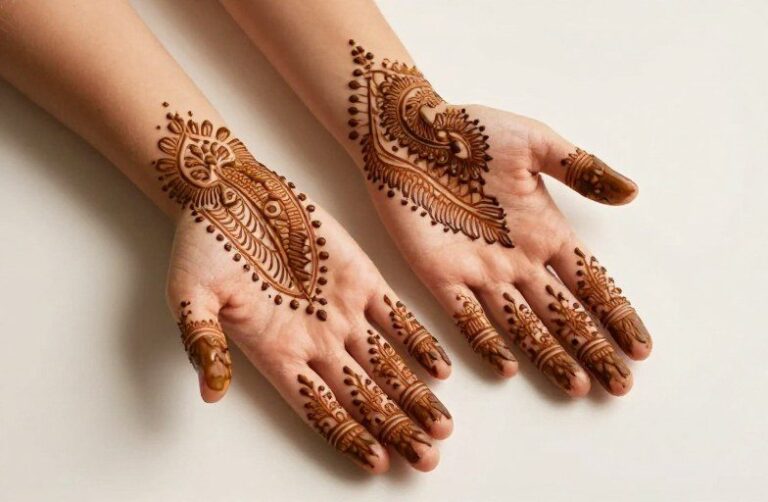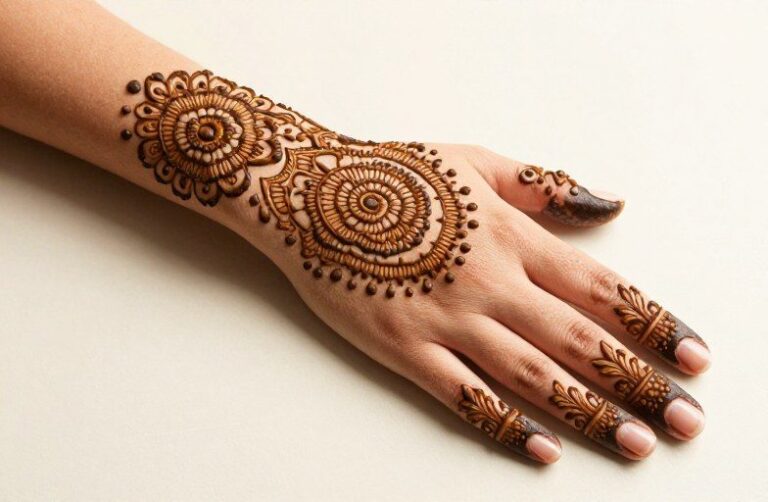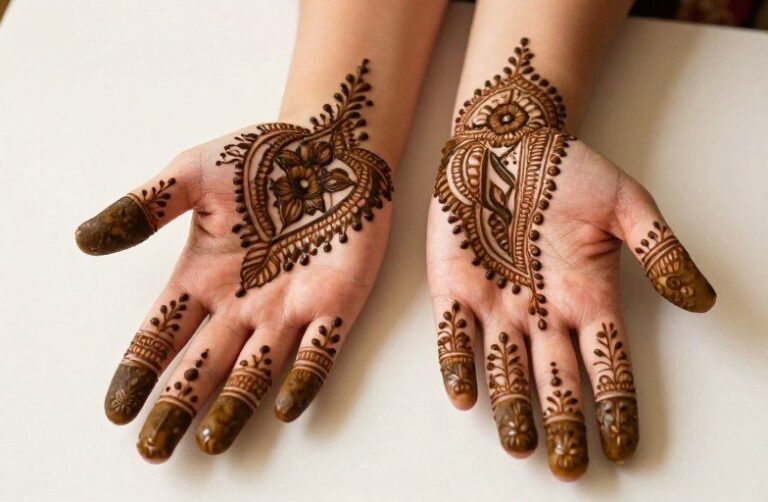
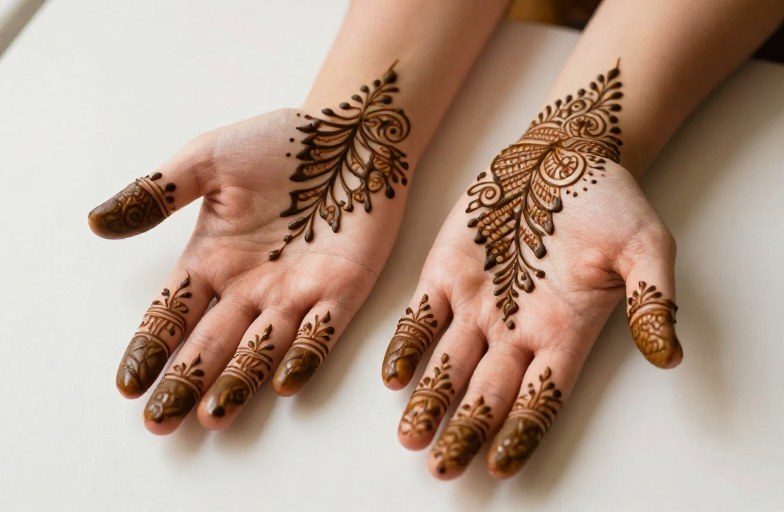
Here’s the straight answer: you cannot fully remove a henna tattoo in one night. The lawsone pigment in henna binds to the keratin in your upper epidermis, and that stained skin needs to shed naturally. What you can do is accelerate fading dramatically, often reducing a dark stain to a faint shadow by morning with aggressive but safe methods. This guide covers what actually works, what damages your skin, and how to set honest expectations.
Common Mistakes
Most panic-fading attempts backfire. The internet is full of bad advice that either does nothing or leaves you with chemical burns, abrasions, or an infection risk.
Scrubbing Too Hard
Steel wool, sandpaper, salt scrubs with aggressive pressure, these don’t reach the stained living cells. They just strip the protective stratum corneum, creating raw, weeping skin that scabs darker than the henna was. A gentle chemical exfoliant paired with warm water works faster and safer than brute-force abrasion.
Harsh Chemicals
Bleach, acetone, undiluted hydrogen peroxide, and straight lemon juice with salt are all over Reddit. Bleach and acetone can cause full-thickness chemical burns. Peroxide at high concentrations creates blistering. Lemon juice is photosensitizing, use it aggressively and then step into sun, and you get a worse problem than brown henna.
- Whitening toothpaste: Mostly drying agent and mild abrasive; marginally effective, not worth the irritation
- Baking soda pastes: High pH disrupts skin barrier; use only briefly, well-diluted
- Household cleaners: Never. Full stop.
Realistic Expectations
Fresh henna (first 24-48 hours) is at its darkest and most stubborn. The stain hasn’t oxidized fully, and the top stained layer is still intact. Older henna (day 5+) has already begun its natural fade cycle and responds faster to removal attempts.
What “Overnight” Actually Means
With optimal methods, expect 40-70% lightening in 8-12 hours. A dark mahogany stain might become a pale orange ghost. A light stain might nearly vanish. Black henna (which often contains PPD hair dye) is a different substance entirely, it’s more reactive, more allergenic, and sometimes penetrates deeper. PPD stains can darken before they fade and may require dermatological intervention if there’s any reaction.
Factors that slow removal: thick application that saturated deep, oily skin type (henna bonds well to sebum-rich areas), palms and soles where skin is thickest, and recent application with full oxidation.
Cost Factors
Most henna removal is DIY and nearly free. But know where money actually goes if you’re considering professional help.
At-Home Supplies
A bottle of 10% glycolic acid ($12-18), micellar water ($6-10), and a gentle konjac sponge ($8) covers your bases. Salt and oil you already own. Total investment under $30, and these products have ongoing use.
Professional Options
Medical spas offering laser tattoo removal sometimes treat cosmetic tattooing, but laser targets carbon-based pigments differently than lawsone. Results are unpredictable and sessions run $100-400. Dermatologists can prescribe stronger retinoids ($50-150 with visit) that accelerate cell turnover over weeks, not hours. For genuine overnight need (wedding, job interview), professional help isn’t the practical path, aggressive home fading is.
Aftercare Essentials
Whatever removal method you use, the skin barrier takes a beating. Treat it like a fresh tattoo in reverse: you’re accelerating damage, so you must control the aftermath.
Immediate Post-Removal
Rinse with cool water, not hot. Hot water increases inflammation and can drive residual pigment deeper. Pat dry, never rub. Apply a thin layer of plain, fragrance-free moisturizer or a simple occlusive like Aquaphor. Heavy petroleum jelly traps heat, so use sparingly.
- First 24 hours after fading attempt: No sun exposure on treated area
- 48 hours: No swimming, hot tubs, or saunas
- 72 hours: Avoid retinol, acids, or additional exfoliation on that skin
Healing Timeline
Properly treated, mild redness resolves in 12-24 hours. Micro-tears from aggressive scrubbing heal in 3-5 days. If you see blistering, oozing, or spreading redness beyond the henna boundary, that’s not normal healing, get medical evaluation.
Tips From the Chair
Working around skin daily teaches you what responds to manipulation and what resists. These methods come from understanding how pigment sits in epidermis, not from miracle cures.
The Oil-Salt Method
Warm olive or coconut oil softens the stratum corneum. Apply generously, let sit 10 minutes. Add fine sea salt and gently circle with fingertips for 2 minutes, no tools, no pressure beyond what you’d use washing your face. Rinse. Repeat up to three times in a session. The oil lifts surface pigment; the salt provides mild mechanical exfoliation. This works best on arms, legs, and back where skin is resilient.
Acid Boost
After oil-salt, apply a 5-10% glycolic or lactic acid toner on a cotton pad. These alpha-hydroxy acids dissolve the desmosomes holding stained cells together. Leave 5-10 minutes, rinse thoroughly. Follow with moisturizer. Do not stack acids, no salicylic on top of glycolic. One acid, one session.
For hands and feet where skin is thick and henna lingers longest: soak in warm water with mild dish soap (cuts oil, allows water penetration) for 15 minutes, then pumice very gently on callused areas only. The stain on palms often lives in the thinner skin between creases, pumice won’t reach there, so focus fading efforts on those areas with cotton-swab acid application.
Pain & Comfort
Legitimate henna removal discomfort sits at mild sunburn level, tender, tight, slightly stinging. Anything sharper means you’ve crossed into damage.
Recognizing Your Limit
Skin that turns glossy and weeps clear fluid has lost its barrier. That’s not “working”, that’s wounded. Stop all treatment, apply plain moisturizer, and let it recover 48 hours before any further attempt. Pushing through pain extends total removal time because you’re healing injuries instead of fading stain.
- Normal: Warmth, mild pinkness, slight tightness after acid use
- Stop immediately: Sharp burning, white or gray skin (possible chemical burn), hives, blistering
- Black henna warning: PPD reactions can be delayed 2-10 days. Itching, swelling, or pus requires medical care, not more removal
On sensitive areas, inner wrist, neck, face, skip acids entirely. Use only oil, gentle salt, and time. The skin there is thin, highly visible, and slow to recover from irritation.
Final Thoughts
Henna’s impermanence is its whole point, but sometimes the timing goes wrong. A job starts Monday, a design disappoints, the color oxidizes darker than expected. The overnight sprint to fade it is possible to a degree, and the methods above represent the safest, most effective path through that sprint.
What matters most: protecting the skin beneath the stain. A faint henna ghost disappears in days. A scar or chemical burn from desperate removal lasts years. Be patient with the process, aggressive but not violent with your methods, and honest about what one night can achieve. The stain will leave. Your skin stays.
Frequently Asked Questions
Does black henna fade the same way as natural henna?
No, black henna usually contains PPD, a hair dye chemical that penetrates deeper and bonds differently than lawsone. It often leaves a blue-gray shadow and carries higher allergy risk. Natural fading methods help less, and any skin reaction needs prompt medical attention.
Can I cover henna with makeup instead of removing it?
Yes, and it’s often smarter for overnight needs. Heavy-coverage concealer or stage makeup (like Dermacol or Kat Von D Lock-It) handles dark henna on most body areas. Set with powder and setting spray. This avoids skin damage entirely and works instantly.
Why did my henna get darker after I tried to remove it?
Heat and moisture can temporarily intensify oxidation, making stain appear darker for hours before it fades. Also, mild irritation increases blood flow to the area, creating contrast that makes residual pigment pop visually. The actual amount of pigment usually decreases even when it looks worse initially.
Will a tanning bed or sun exposure fade henna faster?
UV exposure does accelerate natural fading by increasing cell turnover, but it’s a poor trade-off. The same exposure deepens surrounding tan, making the henna contrast more obvious short-term. Plus, post-exfoliation skin is photosensitive and burns easily. Not worth the skin cancer and damage risk.