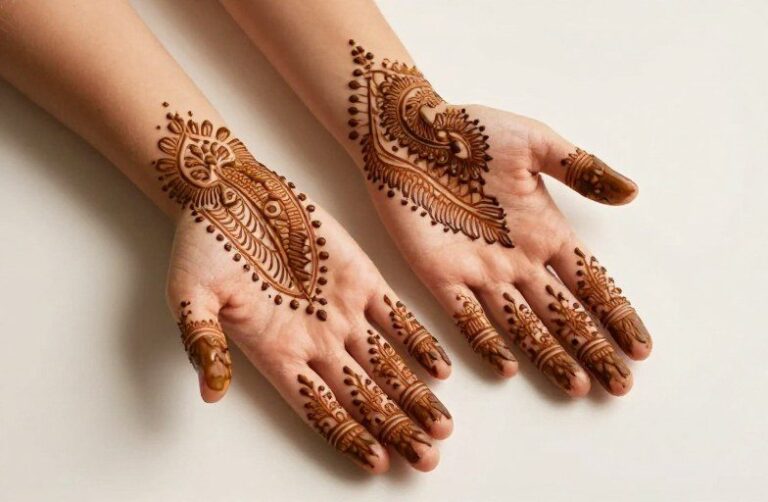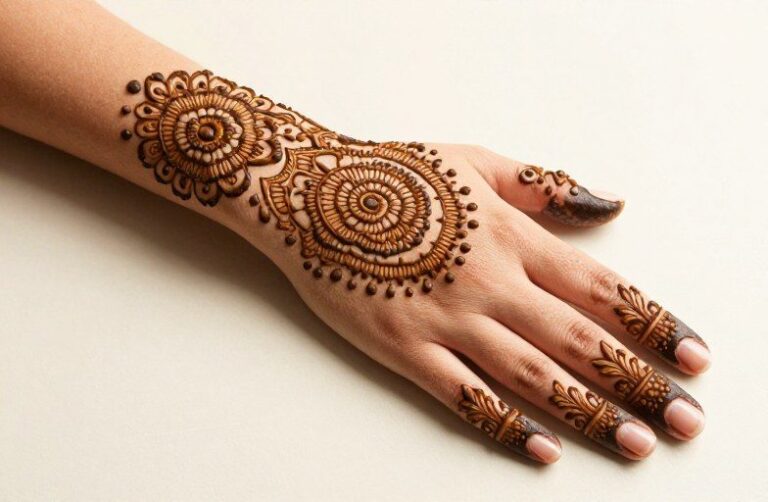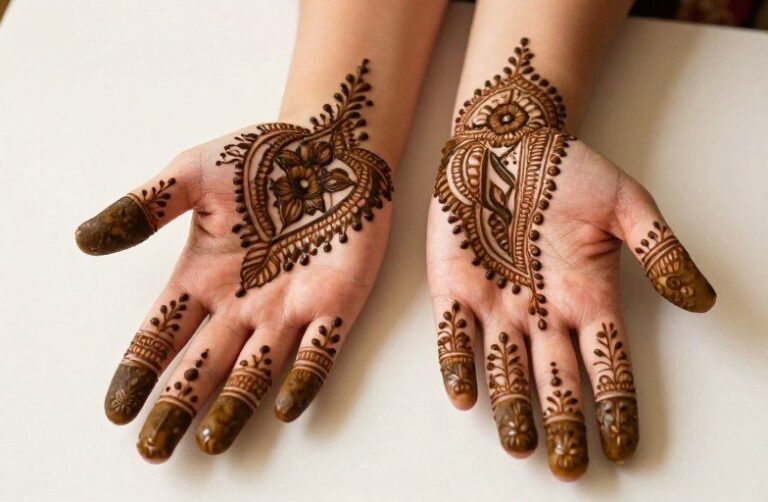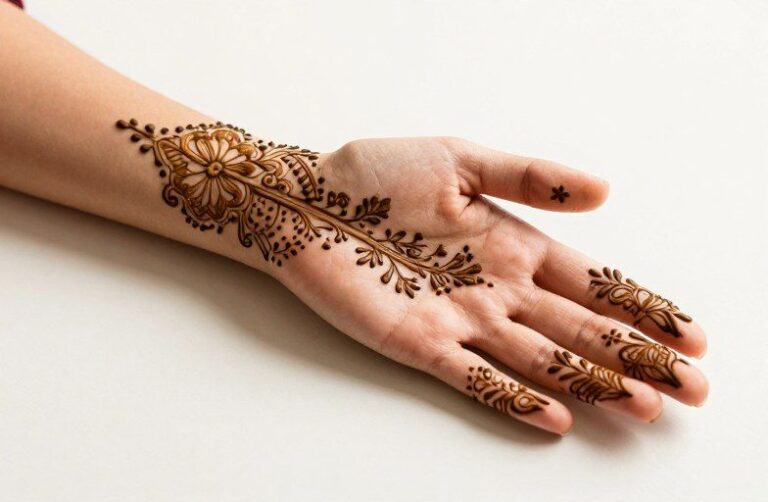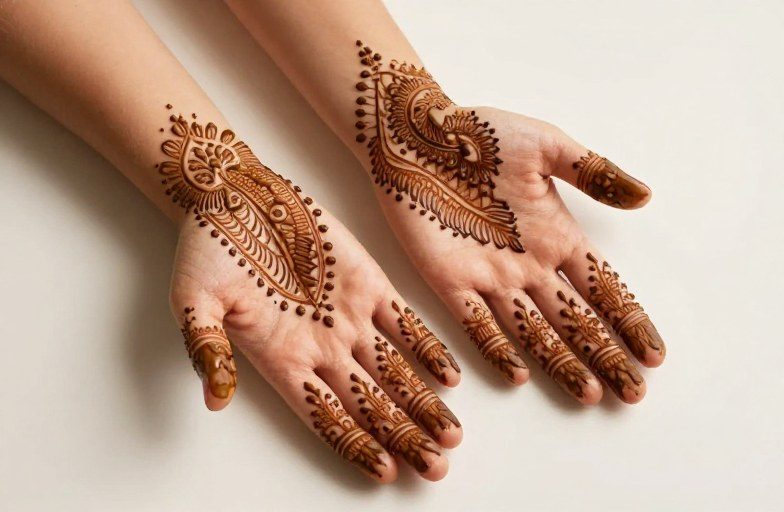
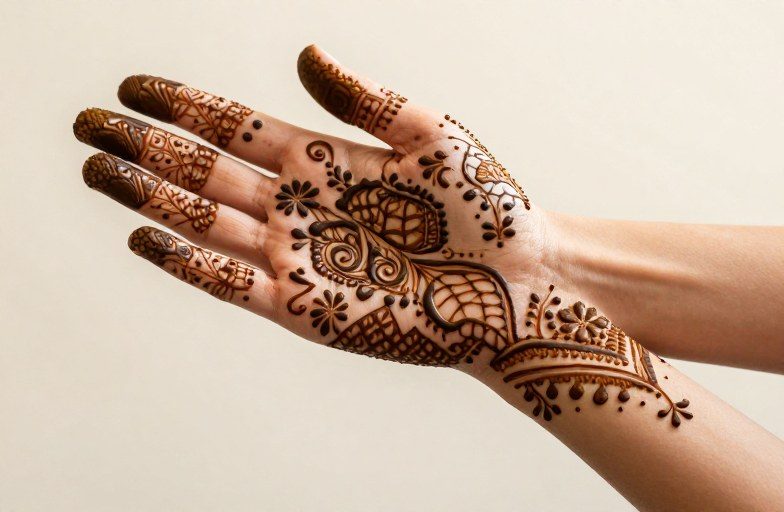
Henna stains the top layer of skin and fades naturally over 1, 3 weeks, but facial skin, thinner, more oily, and constantly exposed, often holds color unevenly and longer than you want. Most “removal” methods actually just speed up exfoliation; none erase henna instantly without risking skin damage. The safest approach combines gentle mechanical exfoliation, mild acids, and time.
Cost Factors
Removing henna isn’t a professional service with a menu price. The real costs are products, time, and potential skin irritation that could affect existing or future tattoos.
What You’ll Actually Spend
- Oil-based removers (coconut, olive, baby oil): $5, $12, already in most homes
- Micellar water or gentle facial cleanser: $8, $15
- Exfoliating products with lactic or glycolic acid: $12, $30
- Professional help if you damage the skin: significantly more
Facial skin repairs slowly. Aggressive removal that causes scabbing or post-inflammatory hyperpigmentation can complicate future tattooing in that area, something to weigh if you’re considering permanent ink nearby.
When “Free” Methods Cost More
Baking soda scrubs, lemon juice with salt, and undiluted essential oils circulate online as cheap fixes. These can disrupt your skin barrier, cause chemical burns around eyes or lips, and create texture issues that make tattooing harder later. The hidden cost is weeks of recovery and potentially compromised canvas for future work.
Tips From the Chair
Working around faces long enough, you learn that skin there behaves differently than arms or legs. Henna artists who do bridal work often seal with sugar-lemon mixtures that penetrate deeper on facial skin precisely because it’s thinner and more permeable.
The Oil Method First
Start with warm oil, coconut, olive, or baby oil, massaged gently for 10, 15 minutes. Oil dissolves the waxy sebum and some henna binding. Follow with a warm, damp cloth pressed against the skin, then light circular wiping. Repeat daily. This is the least traumatic approach and works gradually.
Acid Exfoliation Second
After 48 hours of oil treatment, introduce mild chemical exfoliation. Lactic acid (found in yogurt, or 5, 10% in products) or low-percentage glycolic acid speeds cell turnover without the abrasiveness of scrubs. Apply for brief periods, 5 minutes initially, rinse thoroughly, moisturize after. Never stack multiple acids; never use on broken or freshly shaved skin.
Around the Eyes and Lips
These areas have no oil glands and the thinnest skin on the face. Oil only here, no acids, no scrubs. A cotton swab with warm oil, gentle rolling motion, patience over days. The stain will fade; forcing it risks corneal irritation or lip line damage that affects how future cosmetic tattooing sits.
Common Mistakes
Desperation drives bad decisions. The face is the worst place to experiment with aggressive removal.
Scrubbing Too Hard
Physical exfoliants with walnut shells, salt, or sugar feel satisfying but create micro-tears. On facial skin, this triggers inflammation that can darken the surrounding skin temporarily, making the henna appear more prominent, not less. The stain is in dead cells; you cannot scrub past them without bleeding.
Using Harsh Chemicals
- Chlorine bleach or pool water: dries, burns, no proven henna removal
- Acetone or nail polish remover: lipids dissolve, barrier destroyed
- Undiluted tea tree or eucalyptus oil: chemical burns on sensitive facial areas
- Hair removal creams (depilatories): thioglycolates react unpredictably with stained skin
These also risk eye exposure with permanent damage. The margin for error on the face is essentially zero.
Healing Timeline
Henna follows a predictable fading pattern, but facial skin accelerates some phases and extends others.
Days 1, 3: Peak Color
The stain oxidizes and darkens. Any removal attempt now is largely futile, the dye is actively binding to keratin. Focus on not deepening it: avoid hot showers on the face, steam, or additional henna sealant exposure.
Days 4, 10: Natural Fading Begins
Cell turnover on the face runs roughly 28 days compared to 40+ on the body, so fading starts faster here. You’ll see patchiness, normal, as oilier areas (T-zone) shed differently than drier cheeks. This is when oil and gentle acid methods show progress.
Days 11, 21: Residual Stain
The last traces cling to the most slowly shedding cells, often along hairlines or jaw edges where skin is thickest. Continued oil massage and normal cleansing finish the job. If stain persists beyond three weeks, it may have penetrated deeper or you may have reacted to PPD (para-phenylenediamine) in “black henna”, a different problem requiring different attention.
Aftercare Essentials
Treating the skin well during removal prevents complications and preserves tattoo readiness if you’re planning permanent work nearby.
Barrier Repair
Every removal session strips some protection. Follow with fragrance-free moisturizer, ceramides, hyaluronic acid, squalane. Avoid retinoids, vitamin C serums, or other actives until the henna is fully gone and skin feels normal for 48 hours. Layering irritation sources compounds the problem.
Sun Protection
Fading henna leaves skin photosensitive. The residual stain can also darken with UV exposure, creating a reverse effect where the “removed” area becomes more visible. SPF 30+ daily, physical blockers (zinc, titanium) less irritating than chemical filters during this period.
When to See a Professional
Most henna removal is self-managed, but certain situations warrant a dermatologist or experienced tattoo artist’s input.
Signs of PPD Reaction
“Black henna” contains PPD for darker, faster results. On the face, reactions include blistering, spreading redness, intense itching, or skin hardening. This isn’t normal henna behavior, it’s allergic contact dermatitis. Self-treatment worsens it; professional evaluation needed promptly.
Texture Changes or Scarring
If removal attempts leave raised areas, persistent redness, or skin that feels tighter or thinner, stop all home methods. A dermatologist can assess; a tattoo artist can advise whether the area is still viable for future work. Facial tattooing over compromised skin yields poor, unpredictable results.
Before You Decide
Consider whether removal urgency outweighs patience. Henna is temporary by design. Facial application often comes from cultural or celebratory contexts, weddings, festivals, personal experimentation, where the mark carries significance beyond aesthetics.
If you’re removing henna because of workplace concerns or unexpected darkness, the methods above work gradually. If you’re removing it to prepare for permanent tattooing, most artists prefer waiting until the stain is fully gone and skin has normalized for at least two weeks. Tattooing over stained or irritated facial skin makes line placement harder and healing less predictable.
The skin on your face is your most visible canvas. Treating it gently during henna removal preserves options, whether that’s future tattoos, professional appearance, or simply healthy skin that ages well. Speed is rarely worth the trade.
Frequently Asked Questions
Can I use makeup to cover henna while it fades?
Yes, but wait until any open texture or irritation from removal attempts has fully resolved. Color-correct with orange or peach tones under foundation for darker henna stains, then set well to avoid transfer.
Will henna removal methods affect my existing facial tattoos?
Gentle oil and mild acid exfoliation won’t disturb healed tattoo ink, which sits deeper in the dermis. However, aggressive scrubbing or chemical burns could damage the skin texture and make the tattoo appear uneven.
Why is my henna darker on my face than it was on my hands?
Facial skin is thinner and more permeable, plus sebum and warmth can cause deeper stain penetration. The face also lacks the thick stratum corneum of palms, so color appears more saturated initially.
How do I know if the henna I used contains PPD?
True henna is reddish-brown and takes hours to darken. If your stain turned black quickly or the artist promised instant dark results, PPD was likely used. Any blistering, severe itching, or spreading redness confirms a reaction requiring medical attention.