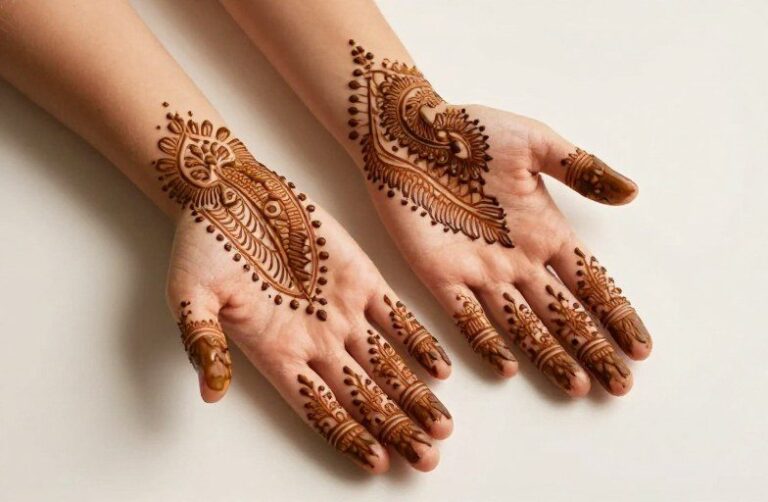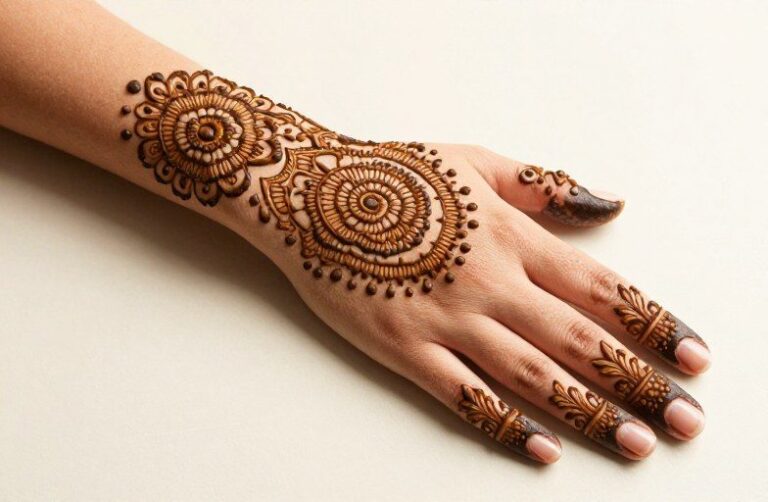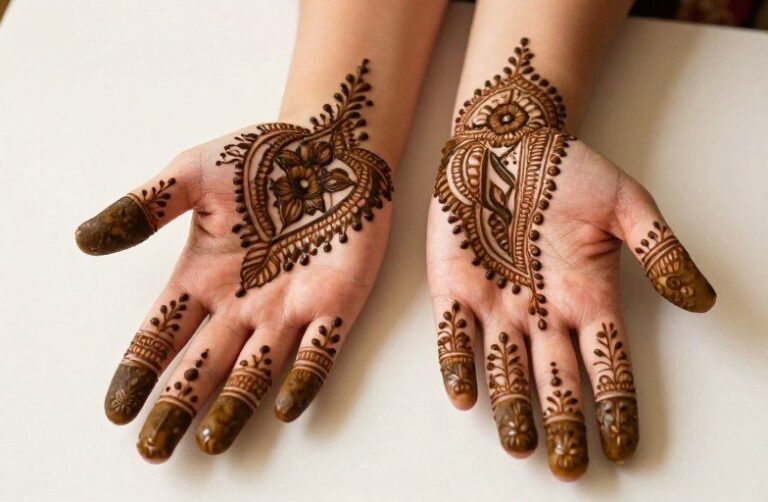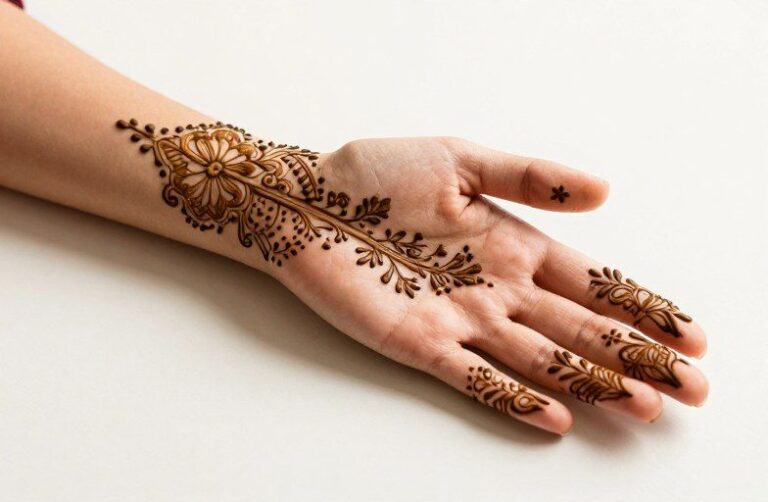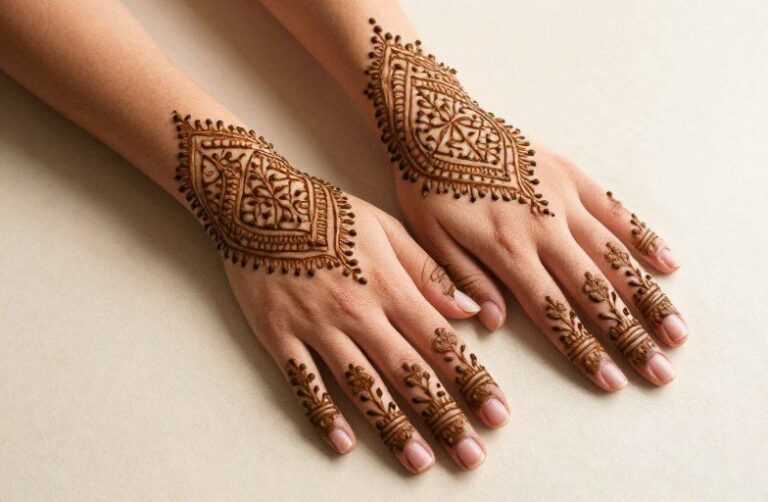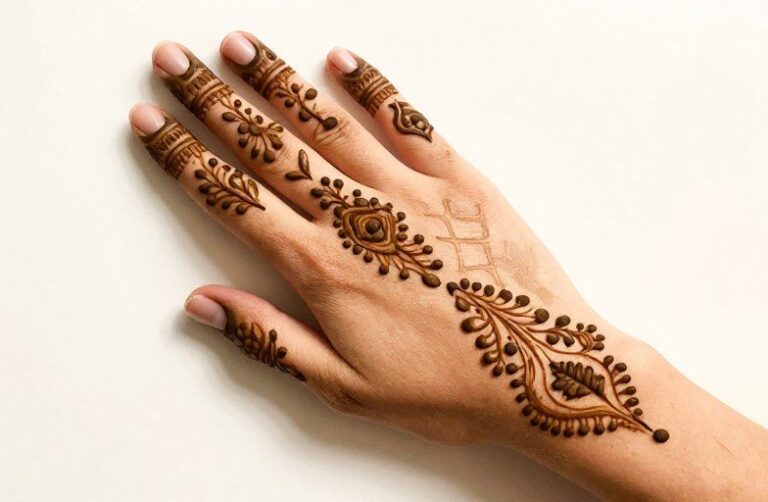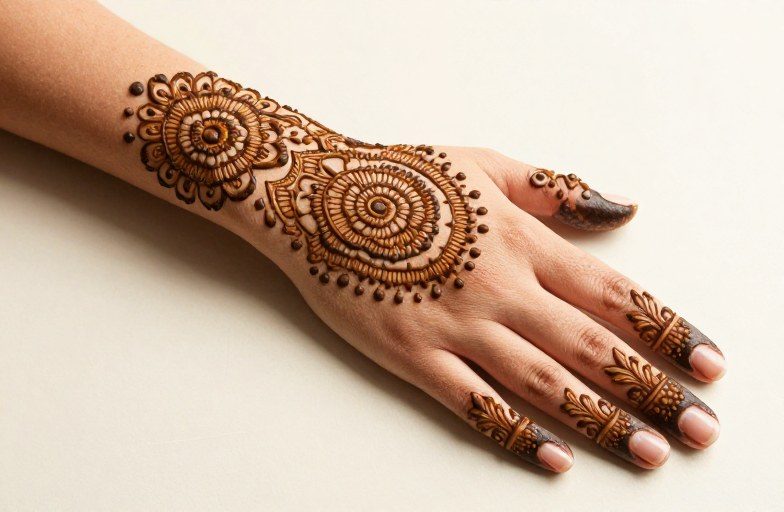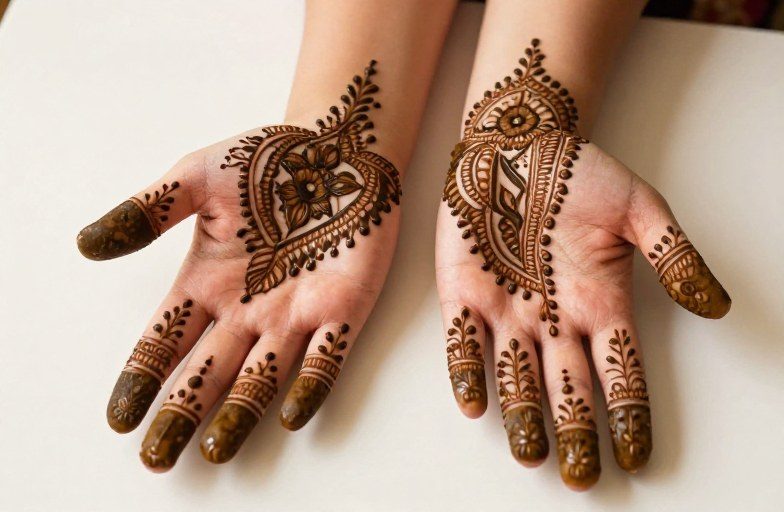
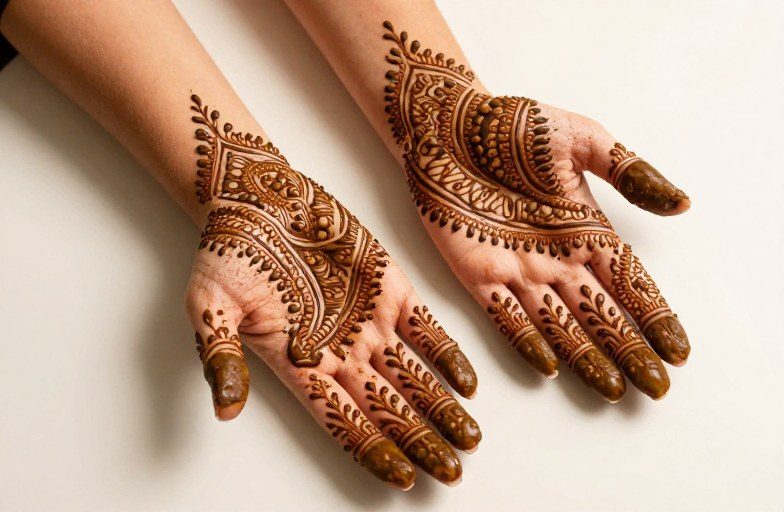
Removing henna in a single day is possible, but it requires aggressive yet safe methods that lift stained dead skin cells fast. Henna binds to the keratin in your outermost skin layer, so the goal is accelerating natural exfoliation without tearing your skin. Expect significant fading, not perfect erasure, especially on palms and fingers where the stain penetrates deepest.
Tips From the Chair
What Actually Works
Henna sits in the stratum corneum, the dead skin layer that sheds naturally over two weeks. To compress that timeline into hours, combine mechanical and chemical exfoliation. Start with a long warm shower or bath to soften the skin and open pores. Then use a sugar or salt scrub with olive or coconut oil, working in firm circles for several minutes. The oil helps dissolve the henna’s binding oils while the abrasive lifts stained cells.
After scrubbing, apply a paste of baking soda and lemon juice. The mild acidity of lemon breaks down henna’s lawsone molecules; the baking soda adds gentle abrasion. Leave this on for ten minutes, then rinse and scrub again. Repeat this cycle three to four times throughout the day, spacing sessions by at least two hours to let skin recover.
- Warm water soak: 15-20 minutes to soften skin before any scrubbing
- Oil soak: coat the area, wrap in plastic, leave 30 minutes, then scrub
- Antibacterial soap with pumice: the soap’s alcohol content helps fade stain while pumice removes cells
- Whitening toothpaste: mild abrasives and peroxide can lift surface stain on hands
What to Avoid
Do not use bleach, nail polish remover, or straight household acids. These cause chemical burns that leave you with damaged, discolored skin worse than any henna stain. Similarly, avoid aggressive sanding tools or razor blades. The goal is removing stained skin, not creating wounds that scab and draw attention.
Chlorine pools help fade henna over repeated exposure, but one dip won’t erase a fresh stain. Don’t count on it as your primary strategy.
Cost Factors
DIY Removal Supplies
Everything you need runs under $15 at a grocery or drugstore. Sugar, salt, olive oil, baking soda, lemon juice, and a pumice stone or stiff washcloth cover your bases. Skip expensive “henna removal” creams marketed online; they contain the same ingredients with markup and no better results.
Professional Options
Some laser clinics offer treatments for henna removal, though this is rare and usually unnecessary. A single session might run $50-$150 depending on size and location, but most technicians will advise against it for temporary body art. The cost isn’t worth the minimal gain when DIY methods work adequately. Save your money for actual tattoo removal if you ever need that service.
Realistic Expectations
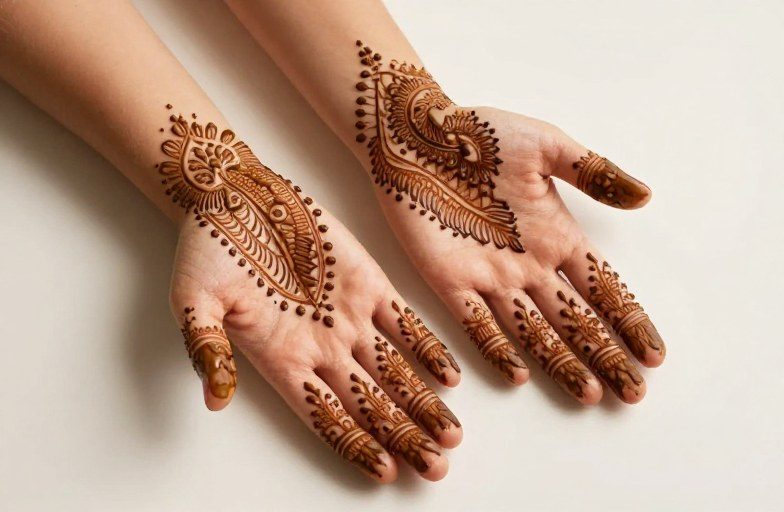
Henna darkness varies by body part, application quality, and your individual skin chemistry. Palms and soles stain deepest because the skin is thickest there; a one-day removal on these areas typically leaves a faint orange shadow rather than complete clearance. Arms, legs, and backs respond better, often fading to near-invisibility with dedicated effort.
Fresh henna, applied within 24-48 hours, is harder to remove than stain that’s already begun its natural fade. The paste’s initial darkening period means the lawsone molecules are actively binding. If you’re within that window, expect to work harder for less dramatic results.
Skin type matters too. Oilier skin sheds faster; dry skin holds stain longer. If you naturally exfoliate slowly, one-day removal may not achieve full clearance no matter how hard you scrub.
When to See a Professional
Signs of Trouble
Most henna is safe, but “black henna” containing paraphenylenediamine (PPD) causes chemical burns and allergic reactions in some people. If your henna turned from orange to jet black within hours, or if you experience blistering, severe itching, spreading redness, or pain beyond mild irritation, seek medical attention. Do not attempt aggressive removal on compromised skin; you’ll worsen the damage.
Stubborn Stains on Visible Areas
For wedding photos, job interviews, or similar time-sensitive situations where near-perfect clearance matters, a dermatologist can prescribe stronger exfoliating agents or perform a gentle chemical peel. This is overkill for casual situations but worth considering when appearance carries professional stakes.
Pain & Comfort
Proper henna removal causes mild discomfort, not genuine pain. The scrubbing sensation resembles a vigorous exfoliation facial or using coarse sandpaper on soft wood. If you’re wincing or seeing broken skin, you’ve crossed into damage territory.
After intensive sessions, skin will feel tight and slightly raw. Apply plain, fragrance-free moisturizer or aloe vera gel to soothe without adding irritants. Avoid hot water for several hours post-removal; lukewarm showers prevent additional inflammation.
Sensitive areas like inner wrists, neck, or face require gentler methods. Use a soft washcloth and oil rather than salt scrubs or pumice. The skin here is thinner and more prone to abrasion marks that outlast the henna itself.
Aftercare Essentials
Immediate Recovery
Your skin barrier is compromised after aggressive exfoliation. Treat the area as you would mild sunburn: keep it clean, moisturized, and protected from additional irritation. No swimming in salt or chlorinated water for 24 hours. No additional exfoliation, waxing, or shaving until skin feels normal to the touch, usually 2-3 days.
Preventing Uneven Tone
Scrubbing can leave patchy fading rather than uniform lightening. If you need to even out remaining stain for an event, apply a light self-tanner or body makeup matched to your natural skin tone. This is safer than continued abrasion on already-stressed skin.
Going forward, if you want henna that fades predictably, avoid “black henna” entirely and choose natural, unmixed henna paste. The stain develops slower and lighter but leaves cleanly without the PPD risks or stubborn darkness.
The Takeaway
One-day henna removal demands patience, repetition, and respect for your skin’s limits. Combine softening soaks, oil-based scrubs, and mild acidic pastes in multiple sessions rather than one brutal attack. You’ll likely achieve significant fading, possibly near-clearance on body areas, with palms and fingers needing a second day for complete resolution. The $15 you spend on supplies beats any marketed miracle product, and the skin you preserve is worth more than perfect erasure.
Frequently Asked Questions
Does lemon juice bleach skin permanently when used for henna removal?
No, the mild citric acid in lemon juice only affects the outermost dead skin cells where henna resides. Any lightening is temporary and fades as those cells regenerate over several days. Don’t use it on broken skin, as it will sting and potentially irritate.
Can I use a magic eraser or sandpaper to speed up henna removal?
Absolutely not. Magic erasers are abrasive melamine foam designed for hard surfaces, not skin. Sandpaper causes serious abrasion wounds. Both risk infection, scarring, and hyperpigmentation that lasts far longer than any henna stain.
Why does my henna look darker on my palms than my arm after the same removal effort?
Palmar skin is dramatically thicker with more keratin layers for henna to penetrate. The stain binds deeper and the natural exfoliation rate is slower there. Arms have thinner epidermis and faster cell turnover, so they clear more readily with the same treatment.
Will sunscreen help fade henna faster?
Surprisingly, yes. UV exposure actually oxidizes and darkens henna stain over time. Keeping the area covered or using SPF prevents this darkening effect. While sunscreen doesn’t actively remove henna, it stops the stain from deepening while your natural exfoliation progresses.