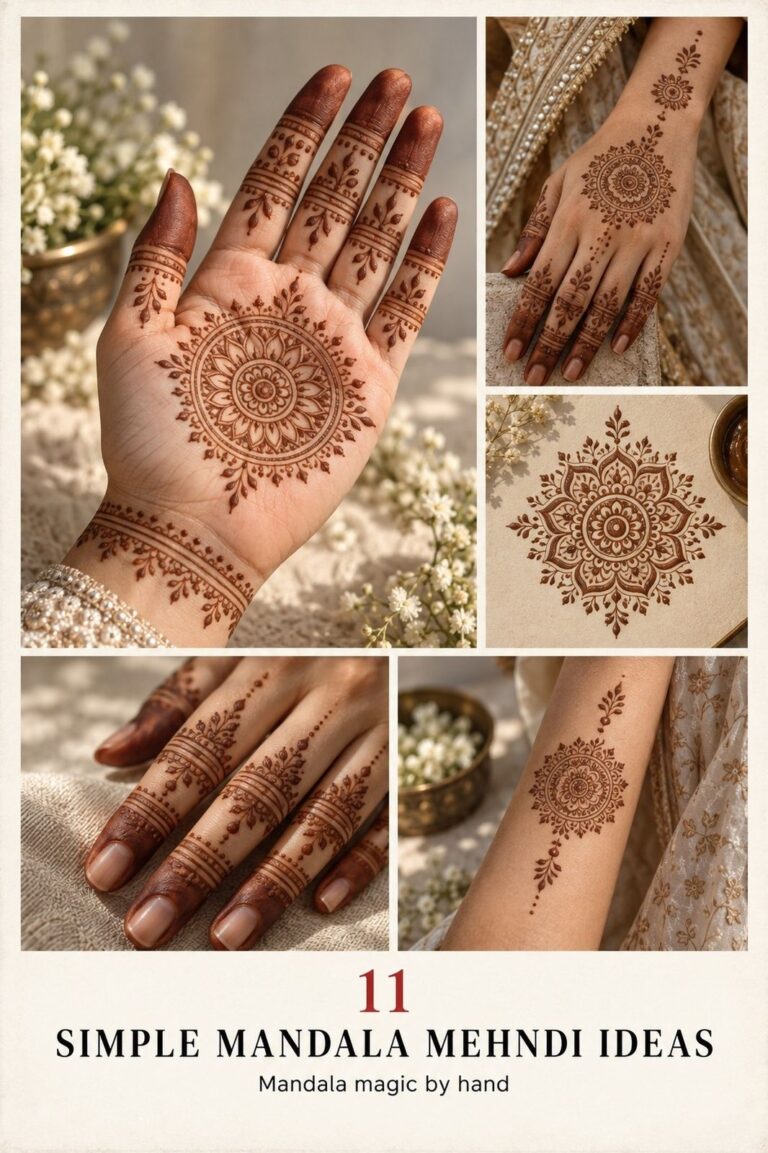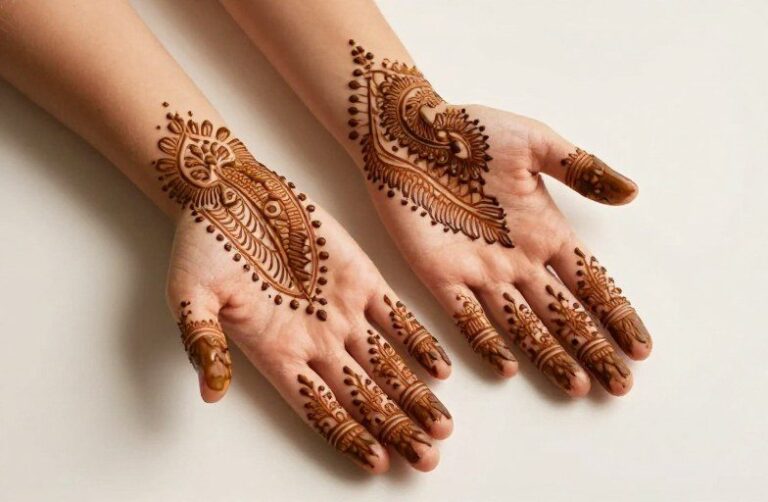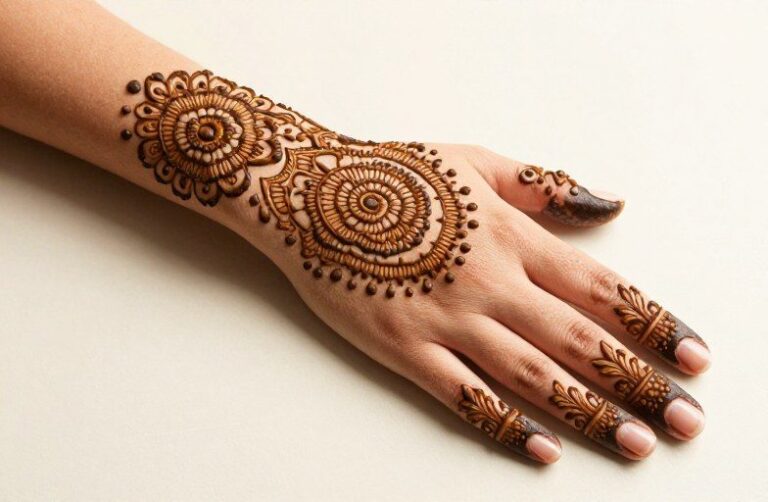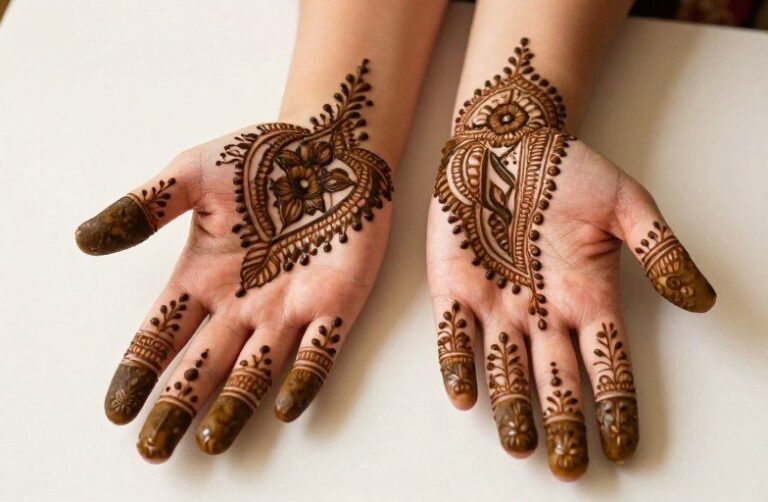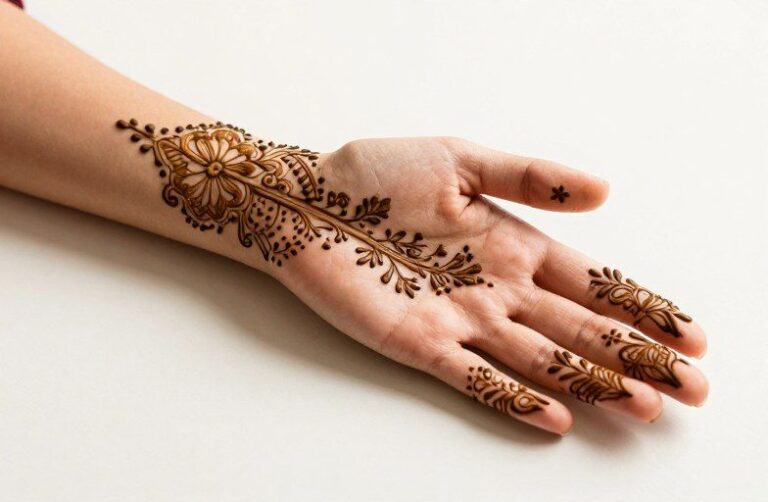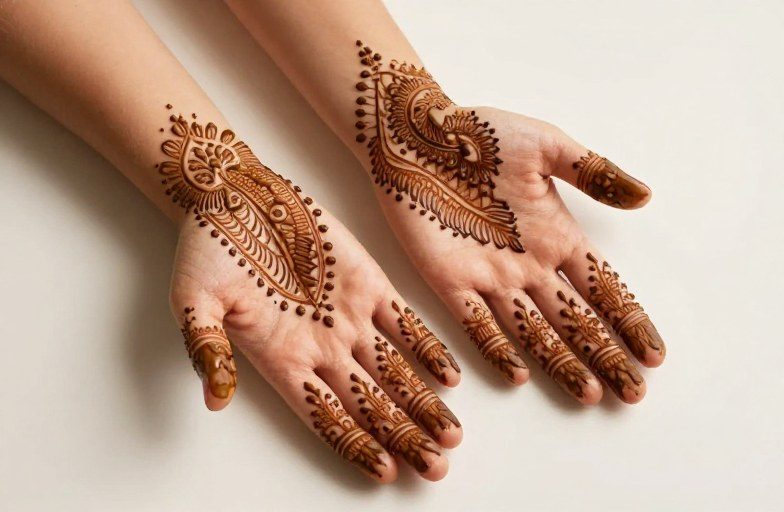
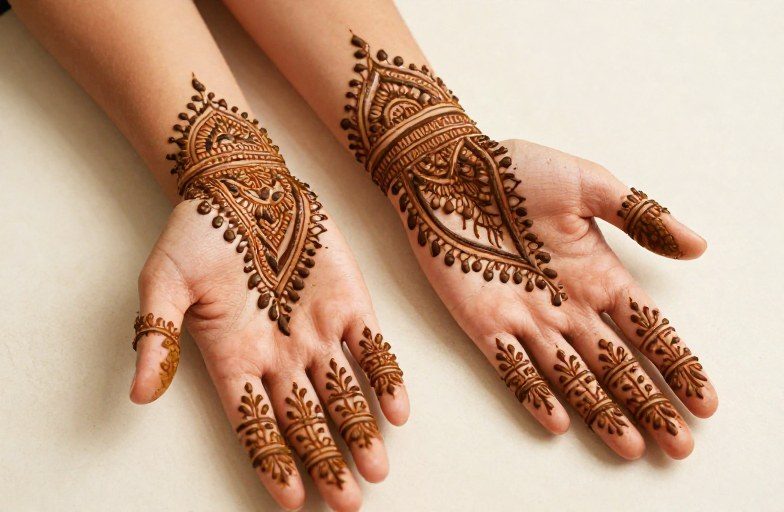
The fastest way to fade henna is a combination of gentle exfoliation, oil-based softening, and consistent daily care. Most henna stains lighten significantly within 3-7 days with active effort, though complete removal typically takes 1-3 weeks depending on skin type and henna quality. There’s no instant erase button, but you can absolutely speed the process without wrecking your skin.
Aftercare Essentials
Ironically, the same principles that make a henna stain last longer, keeping it dry, avoiding friction, minimizing oil contact, are exactly what you reverse when you want it gone. Henna binds to the keratin in your outermost skin layer, so accelerating natural cell turnover is your primary strategy.
What Actually Works
- Warm water soaks: 10-15 minute baths or showers soften the stained stratum corneum and loosen the dye’s grip. Pat dry, don’t rub aggressively.
- Oil saturation: Coconut, olive, or baby oil left on for 20-30 minutes breaks down henna’s lipid-soluble components. Wipe with a warm washcloth afterward.
- Gentle physical exfoliation: A soft washcloth, sugar scrub, or mild exfoliating glove used daily, not hourly, lifts stained cells without causing rawness.
- Chlorine exposure: Swimming pools genuinely accelerate fading. The chlorine plus water time works on multiple fronts.
What to Avoid
Don’t reach for bleach, nail polish remover, lemon juice straight on broken skin, or sandpaper-level scrubbing. These cause chemical burns, hyperpigmentation, or open wounds that scar worse than any henna stain. The goal is faster fading, not dermatology bills.
Realistic Expectations
Henna quality varies enormously, and that directly impacts removal difficulty. “Black henna” containing paraphenylenediamine (PPD) penetrates deeper and can leave a lasting chemical burn or scar, this isn’t traditional henna and requires different handling. Authentic henna, made from Lawsonia inermis leaves, sits more superficially and fades more predictably.
Skin Type Matters
Oily skin tends to shed stained cells faster. Dry skin holds henna longer because the dye lodges in those parched top layers. Palms and soles stain deepest due to thicker stratum corneum, expect 2-4 weeks there versus 1-2 weeks on thinner-skinned areas like wrists or collarbones. Darker skin tones sometimes retain visible staining longer because the contrast with surrounding skin is subtler, making traces harder to spot as they fade.
Location and Duration
Fresh henna (first 48 hours) is actually easier to disrupt than fully matured stain. The dye hasn’t fully oxidized and bound. If you’re within that window, aggressive oiling and warm soaking can pull significant color before it sets deep.
Common Mistakes
Desperation leads to bad decisions. Here’s where people consistently go wrong trying to fast-track removal.
Over-Exfoliation Damage
Scrubbing until skin turns bright red or peels doesn’t remove henna faster, it removes skin faster, creating inflammation that actually traps dye deeper as the body rushes fluid and cells to the irritated area. Gentle daily exfoliation beats one traumatic session.
Ignoring the PPD Risk
Any henna that appeared jet-black immediately, smelled strongly of chemicals, or caused tingling or burning during application likely contained PPD. This isn’t a stain to remove, it’s a chemical injury. If you see blistering, spreading redness, or intense itching, stop all home removal attempts and consult a professional. The priority shifts from cosmetic removal to preventing permanent scarring.
- Microdermabrasion at home: Devices meant for facial use can cause uneven texture or post-inflammatory hyperpigmentation on body skin.
- Acid-based chemical peels: These are formulated for specific skin concerns with professional oversight, not henna removal.
- Covering with makeup then forgetting: Concealer works for events but doesn’t address the underlying goal; it also sometimes reacts with henna residue unpredictably.
The Direct Answer
For maximum speed without skin damage, combine methods systematically rather than relying on one trick.
The 48-Hour Fast-Fade Protocol
Start with a 15-minute warm bath or shower. Immediately apply a thick layer of oil, coconut, olive, or baby oil work equally well, and cover with a warm, damp washcloth for 20 minutes. The warmth maintains pore opening and oil penetration. Gently exfoliate with a soft washcloth or sugar scrub in circular motions. Rinse, pat dry, and moisturize with a plain, unscented lotion to prevent the dryness that would otherwise trap remaining dye.
Repeat twice daily. Morning sessions can be shorter (oil plus quick exfoliation in the shower). Evening sessions allow longer oil saturation.
For Stubborn Areas
Palms, soles, and anywhere the henna artist applied extra pressure need extended treatment. A pumice stone used very gently on thick palm skin, never on thin wrist or ankle skin, can help. Follow immediately with heavy moisturizer. Some people find that a paste of baking soda and water, applied for 10 minutes then rinsed, provides additional fading on tough areas, though this is drying and shouldn’t be repeated more than every other day.
Pain & Comfort
Proper henna removal shouldn’t hurt. Mild tingling from exfoliation is normal; burning, stinging, or sharp pain means you’re damaging living tissue, not shifting dead surface cells.
When Sensation Changes
If you experience burning during oil application, you may have microscopic breaks in the skin from over-scrubbing. Stop all removal attempts for 24-48 hours and focus on barrier repair with plain petroleum jelly or a simple fragrance-free moisturizer. Resume with gentler methods.
PPD reactions often itch intensely before they visibly worsen. That itch is a warning signal, not an invitation to scratch harder. Cool compresses and oral antihistamines can help while you arrange professional evaluation.
Comfort During the Process
Keep nails short to prevent accidental scratching during the inevitably itchy middle phase of fading. Wear loose, soft clothing over treated areas to minimize friction irritation. If you’re treating a hand tattoo, cotton gloves at night prevent unconscious scratching and keep moisturizing oils in contact with skin longer.
What to Expect Step by Step
Understanding the timeline prevents panic and prevents the over-treatment that causes problems.
Days 1-3: Active Fading
With consistent oil and exfoliation, you’ll see orange-brown residue on your washcloth, this is progress, not skin damage. The stain shifts from dark mahogany to lighter caramel. On thin skin, 50% fading is realistic by day 3. On palms, maybe 20-30%.
Days 4-10: The Stubborn Phase
Visible progress slows. The remaining stain is deeper-bound. Continue daily oiling but reduce exfoliation to every other day to prevent cumulative irritation. This is where most people quit or over-scrub. Persistence with gentle methods outperforms aggression.
Days 11-21: Resolution
Most authentic henna is essentially gone by now, perhaps a faint shadow in certain lights. PPD stains may persist longer and require professional intervention. If any trace remains beyond three weeks on thin skin, it may not be henna at all, consider that you might be seeing post-inflammatory hyperpigmentation from your removal attempts rather than residual dye.
Key Takeaways
Fast henna removal is a marathon of gentle consistency, not a sprint of aggressive scrubbing. Oil softens, warm water opens, exfoliation lifts, and moisturizer protects the new skin underneath. Combine these elements twice daily and most henna fades substantially within a week. Respect your skin’s limits, damage from desperate removal lasts far longer than any henna stain. If you suspect PPD or chemical additives, prioritize skin health over cosmetic speed. The methods here work for traditional henna; adulterated products require medical guidance, not home hacks.
Frequently Asked Questions
Does toothpaste actually remove henna faster?
Toothpaste can provide mild exfoliation and drying, but it’s not significantly more effective than oil and gentle scrubbing. Some formulas contain ingredients that irritate skin without meaningful fading benefits. Stick to proven methods rather than viral hacks.
Can I get a real tattoo over fading henna?
Wait until the area is completely clear and the skin has normalized for at least two weeks. Henna residue and any irritation from removal can affect how tattoo ink settles and how the skin heals afterward.
Why is my henna turning greenish before it fades?
That’s oxidation in action, normal for authentic henna as it breaks down. The color shift from dark brown to orange to yellowish before disappearing indicates natural, non-PPD product. Don’t panic at the green stage; it means you’re progressing toward full removal.
Will a tanning bed speed up henna fading?
UV exposure can technically accelerate cell turnover, but it’s a terrible trade-off. The risk of uneven tanning, skin damage, and long-term consequences far outweighs any minor fading benefit. Use the warm water and oil methods instead.