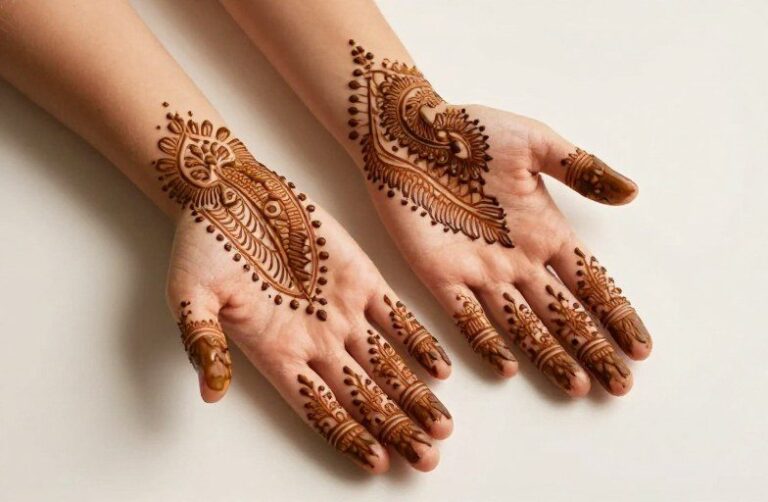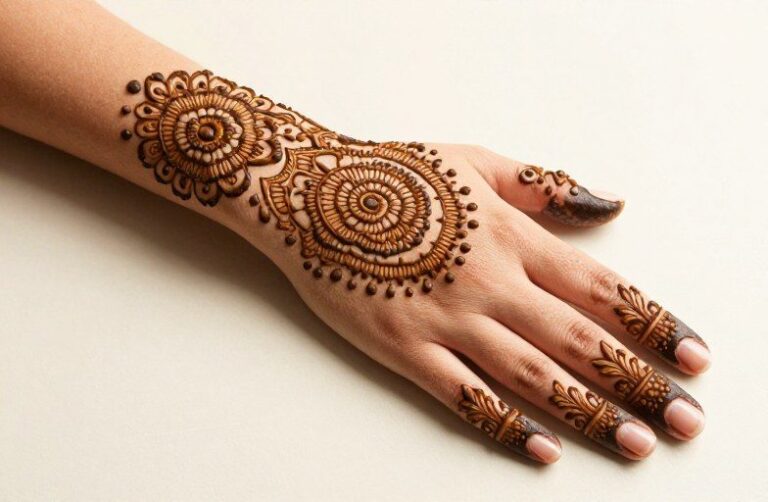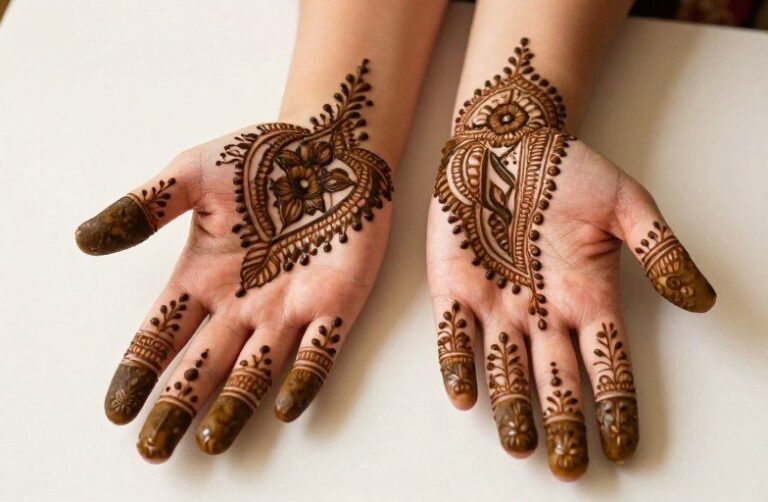
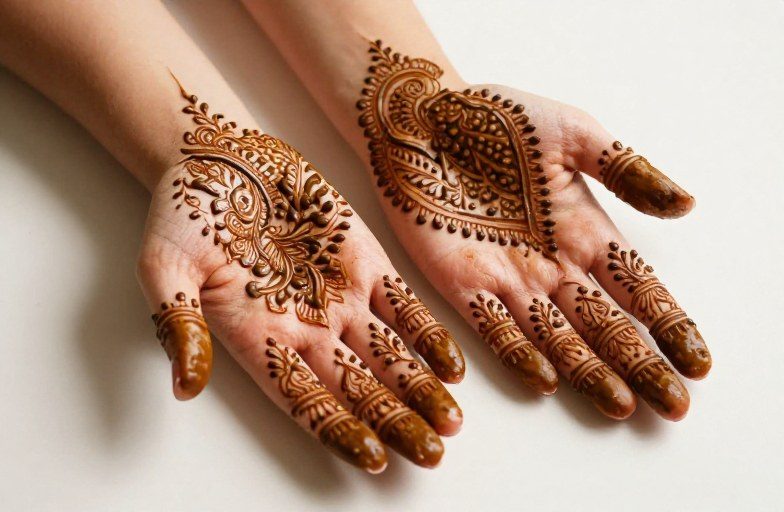
Henna smears happen to everyone, sleeping on fresh paste, brushing against a doorframe, or a pet deciding your hand looks interesting. The fix depends on timing: wet paste can often be lifted and reapplied, while dried stains require blending or strategic redesign. Below is a practical breakdown of what actually works, from the immediate response through the weeks of fading.
Common Mistakes
Most smearing comes from preventable timing errors. Henna paste needs 6-12 hours of undisturbed contact with skin to deposit enough lawsone (the staining molecule) for a dark, lasting result. Moving too soon, wrapping poorly, or choosing the wrong body position destroys that window.
Timing Errors That Ruin the Stain
Fresh paste sits on the skin’s surface; it hasn’t bonded yet. Touching it, flexing the area, or letting fabric press against it drags the wet design. Common culprits: checking your phone too soon, cooking with hands, or sleeping before the paste has fully dried and sealed. The paste crusts over in 20-40 minutes, but that crust is fragile, it’s not protection, it’s just dehydration.
Wrapping Gone Wrong
- Plastic wrap traps moisture and causes paste to liquefy, smearing under pressure
- Loose tissue or paper towel shifts and abrades the design
- Medical tape adhesive sometimes pulls paste away when removed
- Tight wraps on fingers or wrists restrict blood flow and cause swelling that distorts the stain
The best wrap is a breathable, light hold: a sock over a foot design, a soft bandage loosely secured, or simply staying still in a climate-controlled room. Some artists use a sugar-lemon sealant instead of wrapping, which hardens the paste into a shell that flakes off naturally.
When to See a Professional
Not every smear needs rescue. Sometimes starting over produces better results than fighting a compromised design. A professional henna artist can assess whether your stain is salvageable or if a cover-up approach works better.
Assessing the Damage
Light smears, thin lines dragged half an inch, small dots blurred, can often be incorporated into the existing pattern. Heavy smears where the paste has been pressed into a solid blotch, or where the design has been wiped almost clean, rarely fix well. The stained skin is already “full” in that spot; adding more henna on top produces a darker blotch, not crisp lines.
What a Professional Can Actually Do
- Redesign around the smear, adding elements that disguise the error
- Apply a fresh, darker layer on unstained skin adjacent to the damage
- Use jagua (a blue-black fruit-based dye) for contrast repairs on healed henna
- Advise on whether the stain will fade enough for a clean reapplication in 1-2 weeks
Expect to pay $30-80 for a repair session, depending on complexity and your market. Some artists waive or reduce this if they did the original application.
Tips From the Chair
Working in shops alongside henna specialists, you pick up recovery techniques that aren’t in the DIY blogs. These methods address the stain at different stages of development.
Immediate Response: Wet Paste
If the paste is still moist, stop touching it. Use the corner of a clean, dry paper towel to lift the smeared paste away, don’t wipe, lift. The goal is removing the mobile paste without disturbing what remains. Once lifted, let the area dry completely (15-20 minutes), then reapply fresh paste with a fine cone tip. The new application won’t bond as darkly as the original, but it can restore the line’s shape.
Dried Stain: The Blending Approach
After the paste has been removed and the orange stain has developed (usually 24-48 hours), smears become part of the skin. Your options narrow to camouflage. A thin application of fresh henna over the smeared area, just enough to darken it slightly, can sometimes even out the tone. Alternatively, extending the design’s surrounding elements to “flow through” the smear integrates it visually. This is where an artist’s eye matters more than technique.
One underused trick: gentle exfoliation of the smeared edge with a soft washcloth over several days can fade the worst blur, creating a softer transition into the clean design. Don’t scrub aggressively, irritated skin won’t hold future henna well.
Healing Timeline
Henna isn’t a wound, but the stain does evolve through predictable phases. Understanding this timeline helps you set realistic expectations for any repair work.
The First 48 Hours
Initial color is pale orange, often disappointing. The lawsone molecule is still oxidizing and bonding with keratin. Smears at this stage look worse than they’ll ultimately be, oxidation darkens everything, sometimes making light smears less visible. Avoid water immersion, heavy sweating, and skincare products with acids or retinols, which halt the darkening process.
Peak and Fade
- Days 2-3: Color deepens to reddish-brown or near-black on palms and soles
- Days 3-7: Peak saturation; this is when you’ll judge whether the smear is truly problematic
- Weeks 2-3: Natural exfoliation begins; the stain lightens from the edges inward
- Weeks 3-6: Significant fading; smears often become barely noticeable before the main design does
Palmar skin (hands, feet) holds color longest due to thicker stratum corneum. Upper arm or back henna fades faster, so smears there become less visible sooner, sometimes a reason to choose placement carefully next time.
Aftercare Essentials
Proper aftercare won’t fix a smear, but it prevents worsening and maximizes whatever stain you have left. These rules apply equally to original applications and repair attempts.
The First Day
Keep the paste on as long as possible, minimum 4 hours, ideally 8-12. Once removed, avoid water for 12 hours if you can manage it. The stain is still developing its bond with skin proteins; water interrupts this. Apply a thin layer of natural oil (coconut, olive, or a henna-specific balm) after the initial water-free period to protect from environmental abrasion.
Ongoing Protection
- Pat, don’t rub, when drying hands after washing
- Wear gloves for dishes, cleaning, or anything involving prolonged water contact
- Avoid chlorinated pools and hot tubs entirely, they bleach henna rapidly
- Skip sunscreen on the design for 24 hours; after that, mineral sunscreens are less damaging than chemical ones
- Moisturize daily to slow exfoliation, but don’t overdo it, saturated skin sheds faster
Heat helps the stain develop initially (safely, with a warm, not hot, hand near a heater), but prolonged sun exposure accelerates fading. There’s a balance between encouraging darkening and preserving longevity.
The Direct Answer
Here’s the practical sequence for fixing a smeared henna tattoo, depending on when you catch it:
- Paste still wet: Lift the smear with dry paper towel, let dry, reapply fresh paste carefully
- Paste dry but not flaked: Gently scrape off loose paste with a fingernail or card edge; assess the stain below before deciding to repair or redesign
- Stain developed (orange stage): Wait 48 hours to see final color; light smears often become invisible after darkening
- Stain fully dark with visible smear: Blend with extended design elements, or consult a professional for jagua contrast or strategic cover
- Smear is severe/blotchy: Exfoliate gently over a week to fade, then reapply fresh henna when the skin has normalized
The hardest truth: some smears can’t be fixed, only waited out. Henna is ephemeral by nature, this is feature, not flaw. A two-week lifespan means even disastrous mistakes are temporary, and that impermanence is exactly why many people prefer it to permanent ink.
Final Word
Smearing is the most common henna mishap, and the fix is usually simpler than panic suggests. Stop the damage first, assess honestly, then choose between immediate repair, blending, or patience. The best henna artists aren’t those who never smear, they’re the ones who know how to read a stain’s stage and respond accordingly. Your next application will be cleaner for having learned this one.
Frequently Asked Questions
Can I use lemon juice and sugar to fix a smear after the paste has dried?
No, lemon-sugar sealant only works on wet paste to keep it from cracking. On dried stains, it does nothing and can irritate skin. For dried smears, lift what you can and wait to assess the final color.
Will scrubbing the smeared area make it disappear faster?
Aggressive scrubbing damages skin and can create a lighter patch that looks worse than the smear. Gentle daily exfoliation with a washcloth over a week is the safer approach for controlled fading.
Can I get a permanent tattoo over a henna smear?
Wait until the henna has completely faded and the skin has returned to normal, usually 4-6 weeks. Tattooing over stained or irritated skin can yield unpredictable color results and complicates the artist’s work.
Why does my henna smear look worse after 24 hours than it did immediately?
The oxidation process darkens all stained areas, including smears. What looked like a light drag can become a prominent dark line. This is why waiting 48 hours before deciding on repairs is wise, the final color often differs significantly from initial appearance.