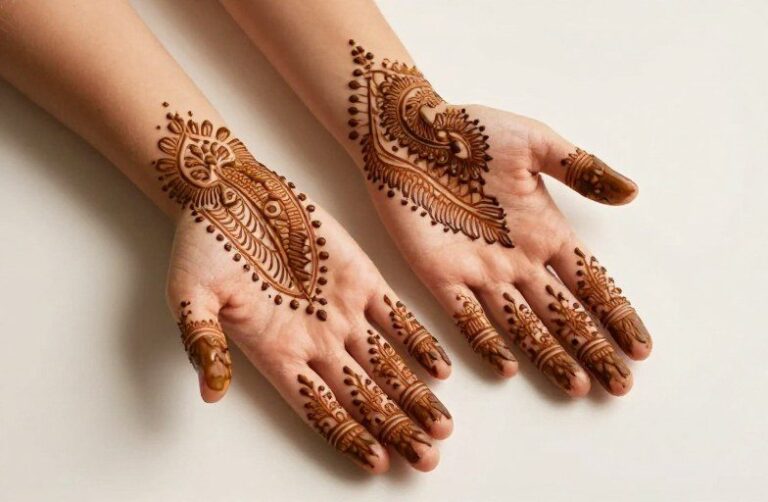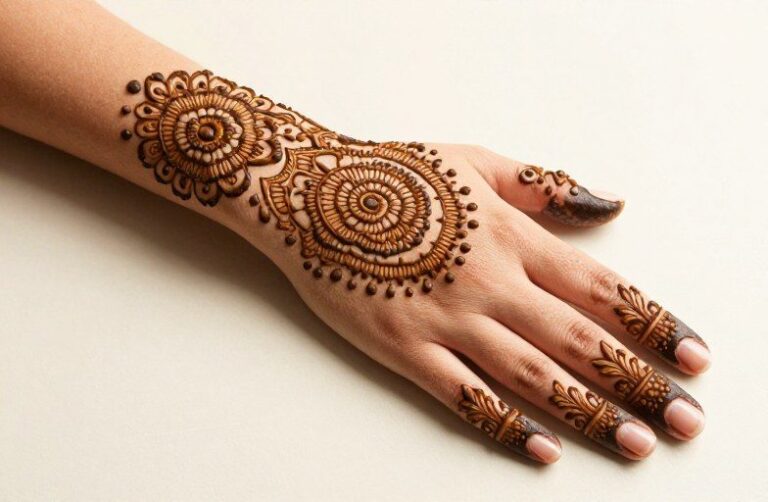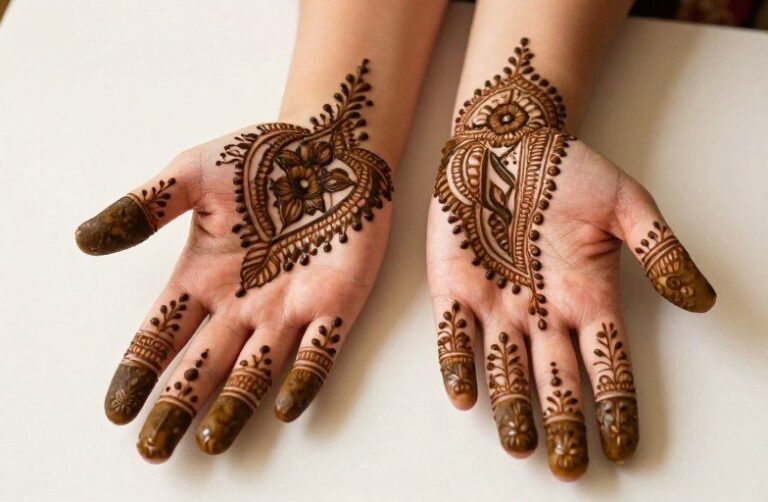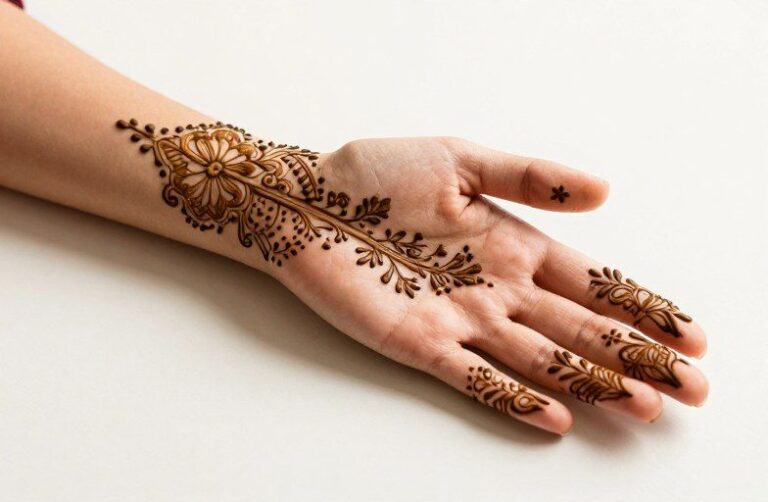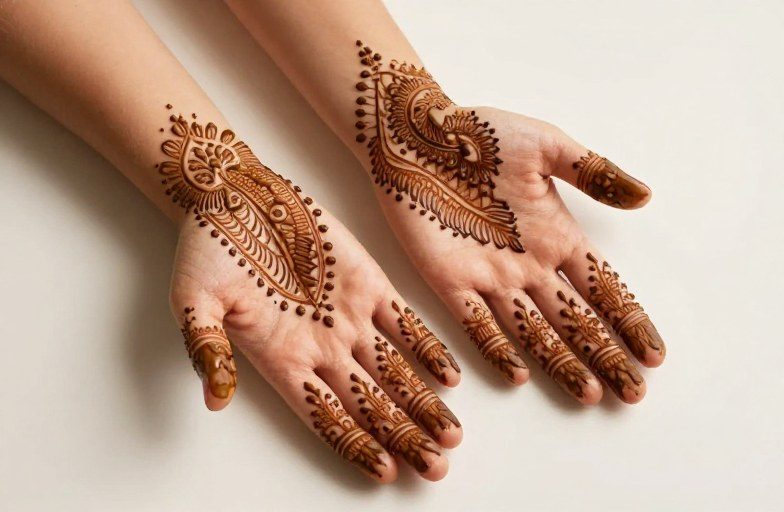
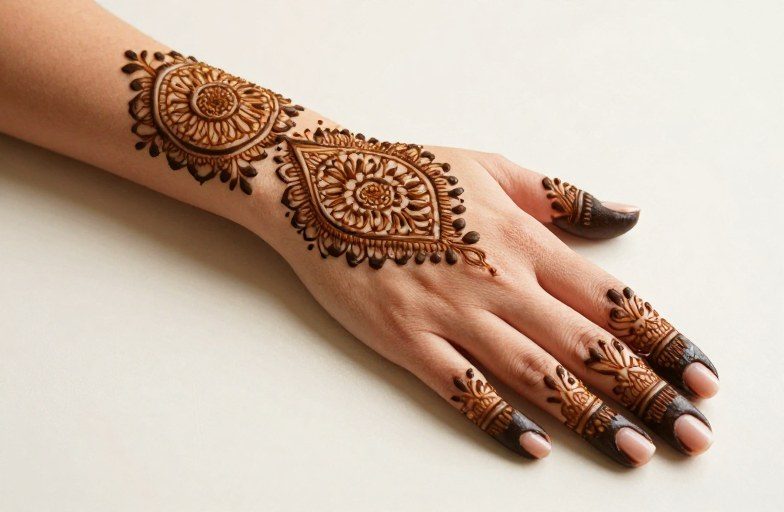
Natural henna fades on its own in one to three weeks, but you can speed that process with gentle exfoliation and proper care. The key is patience, aggressive scrubbing or harsh chemicals will irritate your skin without significantly accelerating removal. Here’s how to lighten henna safely and what to avoid.
What to Expect Step by Step
Henna stains the top layers of your skin, not the deeper dermis like a permanent tattoo. That means the fade is gradual and tied directly to your natural skin turnover cycle.
Days 1, 3: The Darkest Phase
Fresh henna reaches peak color within 48 hours as the lawsone molecule oxidizes. During this window, the stain is most embedded and resistant to removal. Any lightening you achieve now will be minimal. Keep the area dry and avoid heavy moisturizers that could seal in the pigment longer than necessary.
Days 4, 10: Active Fading
This is your window for meaningful lightening. The stained skin cells begin sloughing off naturally. Gentle physical exfoliation, sugar scrubs, washcloths, or soft loofahs, can accelerate this process. Aim for once-daily exfoliation in the shower when skin is softened and pores are open.
Week 2, 3: Final Fading
By this point, most henna has broken down significantly. Any remaining stain sits in stubborn patches where skin is thicker, palms, fingertips, soles. Targeted exfoliation and moisturizing to prevent dryness (which traps pigment) are your best tools here.
Tips From the Chair
These methods come from watching how skin behaves with temporary stains, not from miracle cures. What works varies by skin type, placement, and how dark the original application was.
- Warm water soaks: Soak the stained area in warm (not hot) water for 10, 15 minutes before exfoliating. This softens the stratum corneum and makes mechanical removal more effective without excessive scrubbing force.
- Oil-based removal: Olive oil, coconut oil, or baby oil can help lift henna by breaking down the paste residue that clings to skin. Massage in thoroughly, let sit 10 minutes, then wipe away and exfoliate gently.
- Baking soda paste: Mix with lemon juice or water to form a mild abrasive. Use sparingly, this is alkaline and can disrupt skin barrier function if overused. Once every two days maximum.
- Swimming pools: Chlorinated water speeds fading through chemical breakdown and extended water exposure. Not a reason to swim daily, but a legitimate incidental accelerator.
- Avoid: Bleach, hydrogen peroxide, abrasive sandpaper, or concentrated acids. These cause chemical burns, hyperpigmentation, and scarring that outlasts any henna stain by months or years.
What Actually Doesn’t Work
Quick internet fixes like toothpaste, vinegar soaks, or rubbing alcohol have minimal effect on oxidized henna and often cause irritation that makes skin look worse. Lemon juice has mild lightening properties but requires repeated application and increases photosensitivity, risking sun damage on exposed skin.
When to See a Professional
Most henna lightening happens at home, but certain situations warrant professional input.
Adverse Reactions
Black henna often contains paraphenylenediamine (PPD), a hair dye chemical that causes severe allergic reactions in many people. If you experience blistering, spreading redness, intense itching, or pain that escalates after day two, seek medical evaluation. PPD sensitization can trigger lifelong allergies to related compounds in permanent hair dyes and some dark fabric dyes.
Stubborn Staining on Visible Areas
For professional contexts, weddings, corporate events, family functions, where residual henna must disappear quickly, some estheticians offer gentle professional exfoliation or enzyme treatments that work faster than home methods. Cost typically runs $50, 150 depending on area size and location. This isn’t tattoo removal; it’s accelerated skin renewal.
Realistic Expectations
Complete removal in 24 hours is nearly impossible with safe methods. The most aggressive legitimate approach, daily exfoliation, oil soaks, and chlorine exposure, might reduce a dark stain to a faint shadow in 4, 7 days. Palm and sole stains persist longest because those skin areas are thickest and most keratinized.
Factors that slow fading: frequent handwashing (paradoxically, this keeps skin hydrated and slows turnover), thick application of occlusive moisturizers, and naturally dry skin that holds onto pigment. Factors that speed it: active lifestyles with natural friction, oily skin types, and younger skin with faster cell turnover.
Color matters too. Traditional reddish-brown henna fades predictably. Black henna with PPD can leave a grayish shadow that lingers weeks longer and may never fully disappear without professional intervention. “White henna” isn’t henna at all, it’s usually body paint or adhesive and washes off with soap and water.
Pain & Comfort
Lightening henna should never hurt. Slight tenderness from exfoliation is normal; burning, stinging, or raw skin means you’ve crossed into damage. The skin barrier takes 2, 4 weeks to fully repair after over-exfoliation, during which you’re vulnerable to infection and uneven pigmentation.
Recognizing Over-Exfoliation
Shiny, tight skin that looks wet but feels dry indicates compromised barrier function. Stop all active removal methods immediately. Switch to gentle cleansing and barrier-repair moisturizers with ceramides or petrolatum until skin normalizes. Resume lightening only after full recovery.
Sensitive skin areas, face, neck, inner arms, require gentler treatment than palms or legs. Reduce exfoliation frequency by half and prioritize oil-based methods over abrasive scrubs.
Aftercare Essentials
Paradoxically, good aftercare helps henna fade evenly. Dry, cracked skin holds pigment in patches; healthy, hydrated skin sheds uniformly.
- Moisturize strategically: Use lightweight, non-occlusive lotions (glycerin-based, hyaluronic acid) during active fading phases. Heavy petroleum jelly can seal in pigment when you want it out.
- Sun protection: Freshly exfoliated skin is photosensitive. SPF 30+ on exposed areas prevents the hyperpigmentation that makes faded henna look darker against tanned surrounding skin.
- Let skin breathe: Tight clothing over fading henna increases friction and heat, which can cause uneven fading and irritation. Loose fabrics allow natural air circulation.
- Stay hydrated: Systemic hydration supports normal skin turnover. Dehydration slows all cellular processes, including the shedding you want to accelerate.
What to Avoid During Fading
Skip spray tans, self-tanners, and harsh chemical peels on fading henna areas. These interact unpredictably with residual pigment and can create blotchy, discolored patches that last longer than the original henna.
Before You Decide
Consider whether active removal is worth the effort. Most henna disappears gracefully within two weeks with minimal intervention. Aggressive lightening consumes time, risks skin health, and often yields disappointing results for the first several days.
If you’re contemplating henna before a permanent tattoo, use this as a test run for placement and visibility. Note how the location feels during daily activities, how visible it is to others, whether it interferes with work or dress codes. That information proves valuable when you later commit to permanent ink, where removal is far more complex than waiting out a temporary stain.
For those who chose henna impulsively or had an unexpected reaction, the methods above offer a measured path back to clear skin. Patience, consistency, and respect for your skin’s limits beat frantic scrubbing every time.
Frequently Asked Questions
Does lemon juice actually remove henna faster?
Lemon juice has mild bleaching properties but works slowly and increases sun sensitivity. It can help over repeated applications, but it’s not dramatically faster than exfoliation alone and carries risk of irritation or sun damage.
Why is my henna still dark after a week?
Palm and sole applications stain deepest because those skin areas are thickest. Darker initial color, thicker paste application, and slower personal skin turnover all extend fading time significantly beyond average estimates.
Can I get a permanent tattoo over fading henna?
Wait until henna has completely disappeared and skin has normalized, typically 3, 4 weeks. Residual pigment can distort how tattoo ink appears during application, and compromised skin from aggressive removal affects how permanent ink settles.
Is black henna harder to lighten than natural henna?
Black henna often contains PPD, which penetrates deeper and can leave a persistent grayish shadow. It’s genuinely harder to remove and carries higher risk of lasting skin changes or allergic sensitization compared to traditional reddish-brown henna.