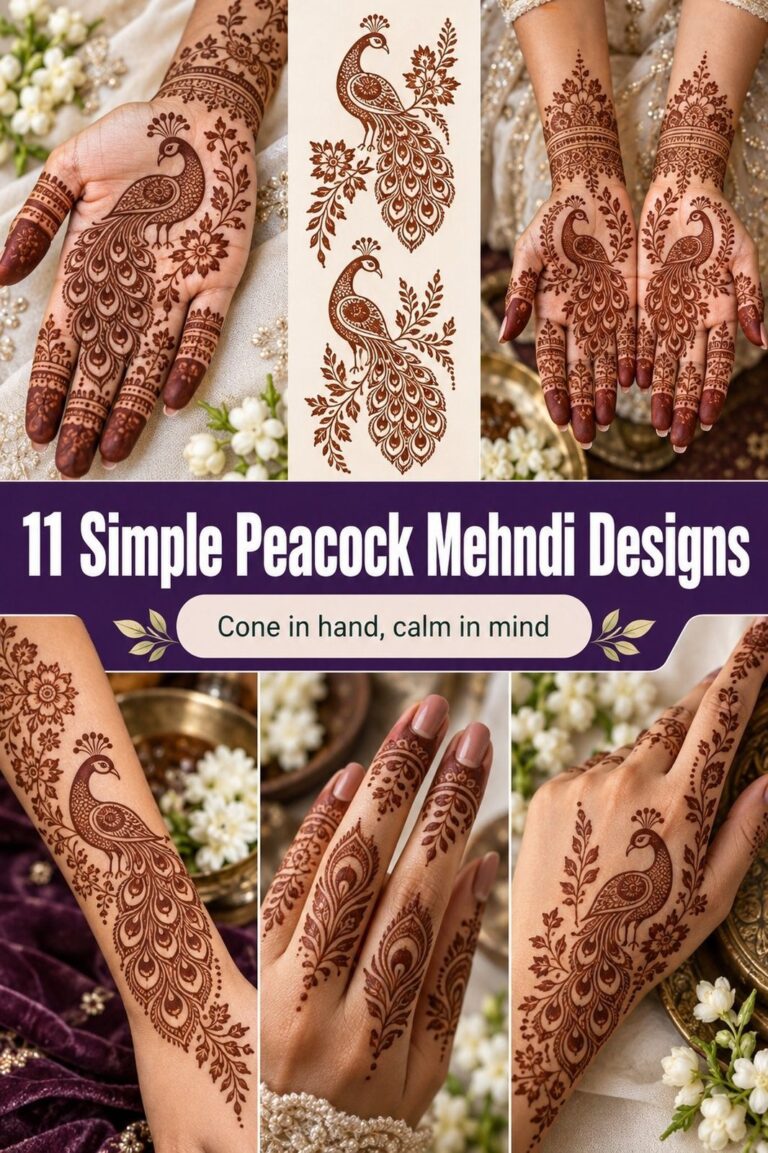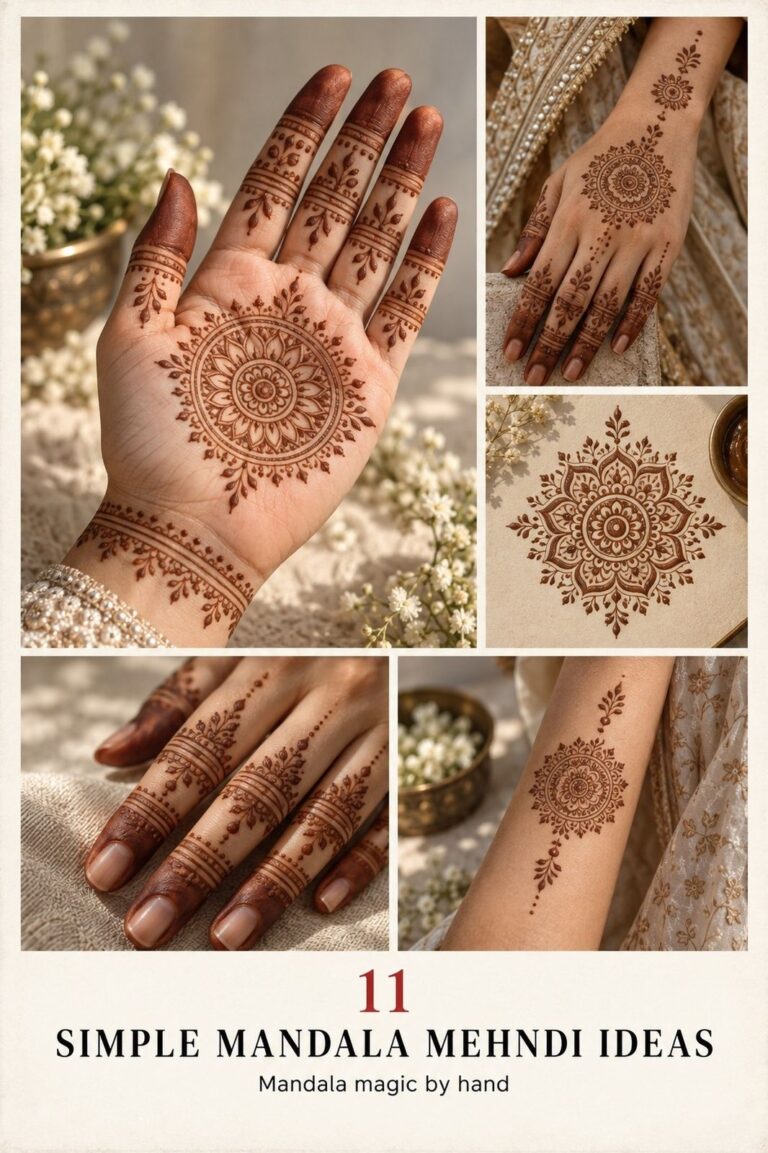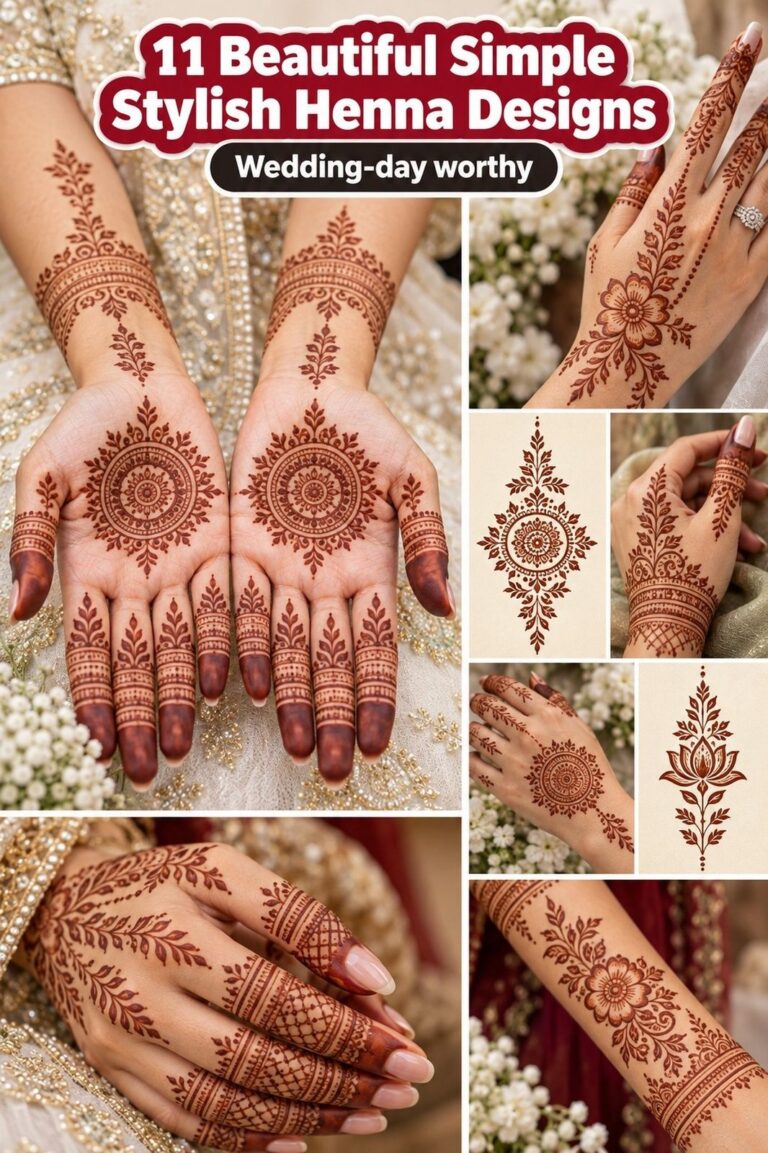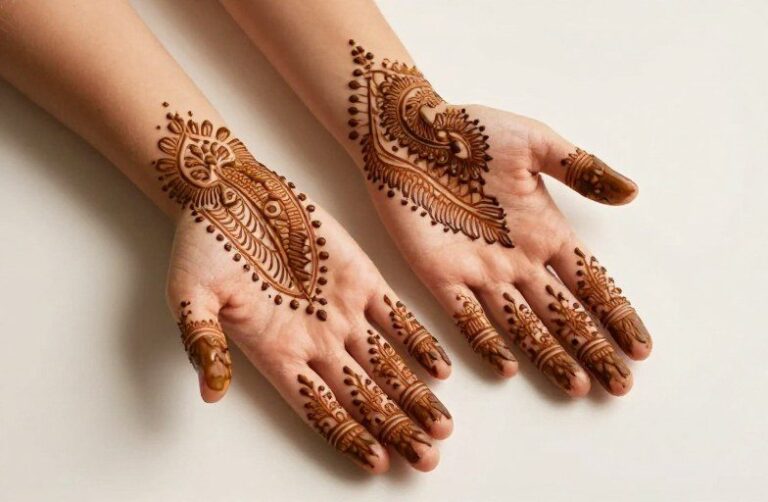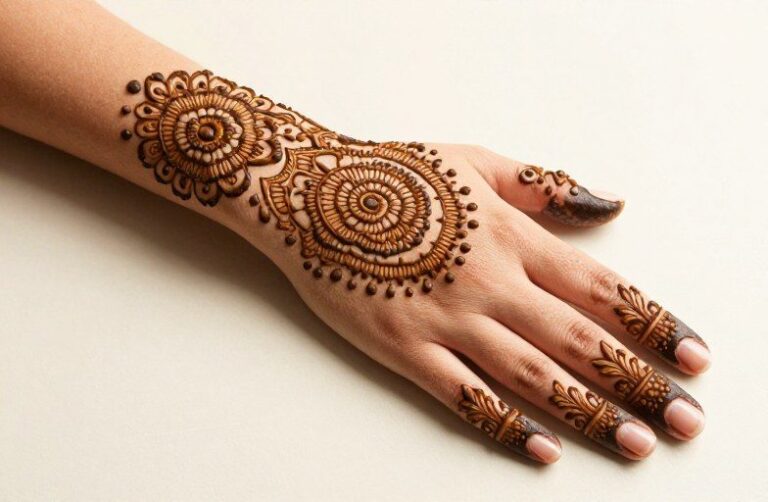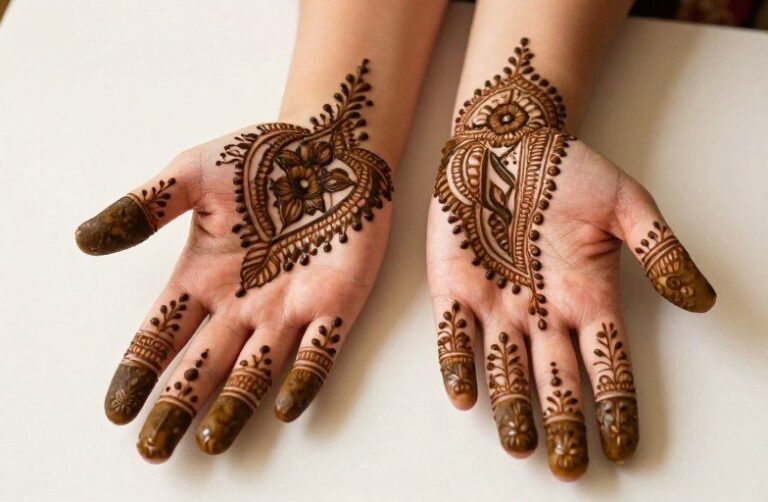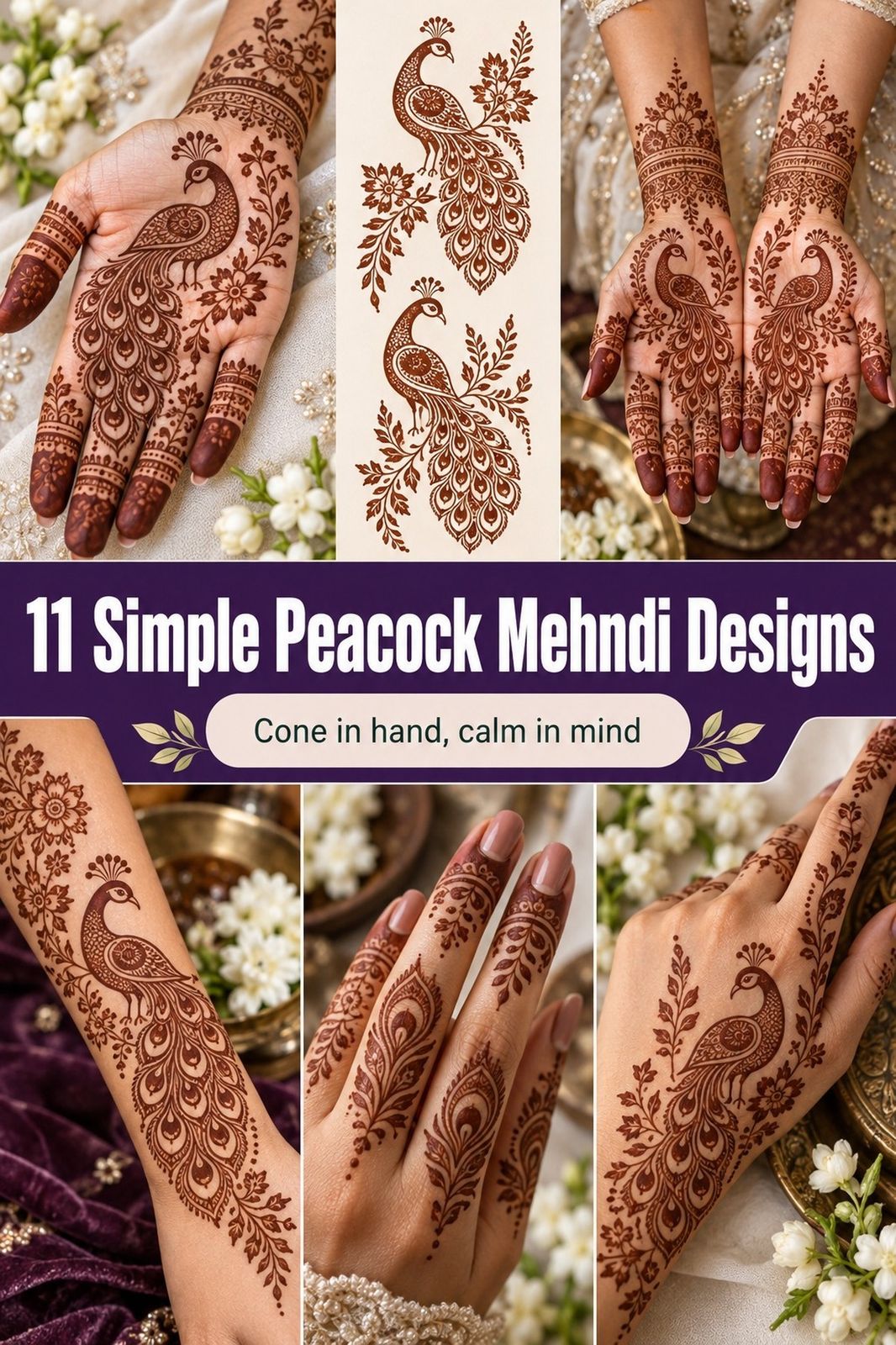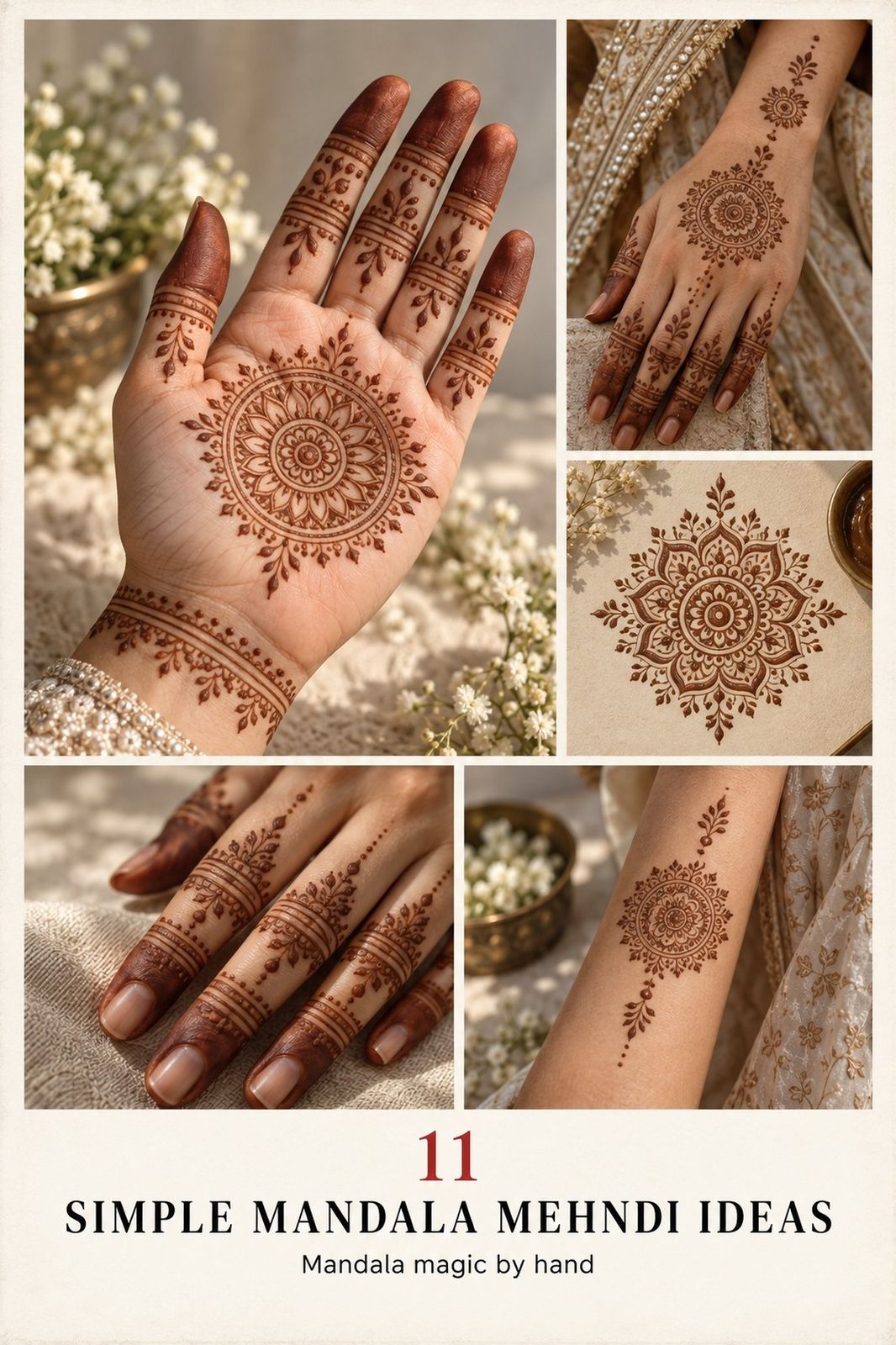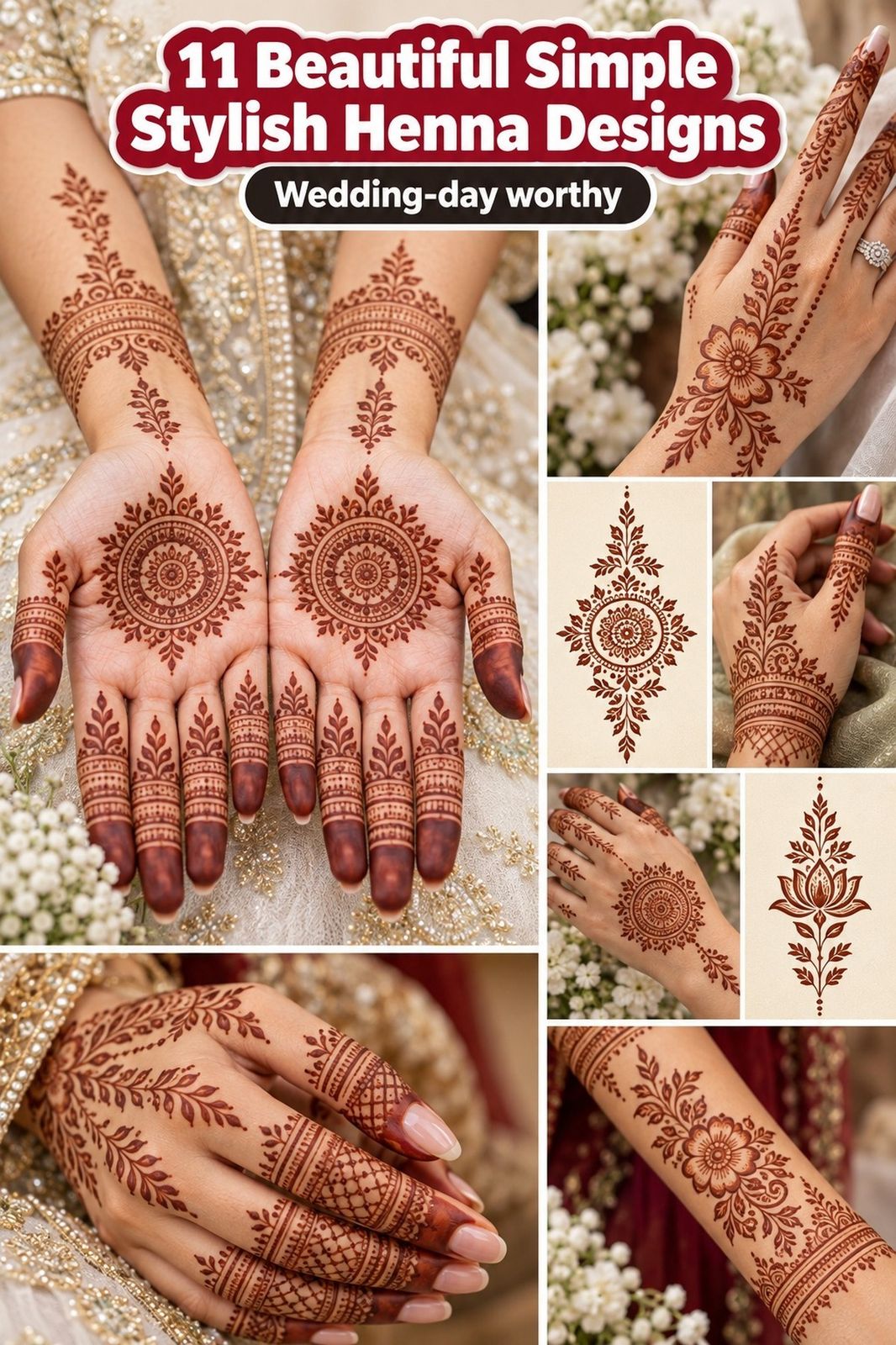
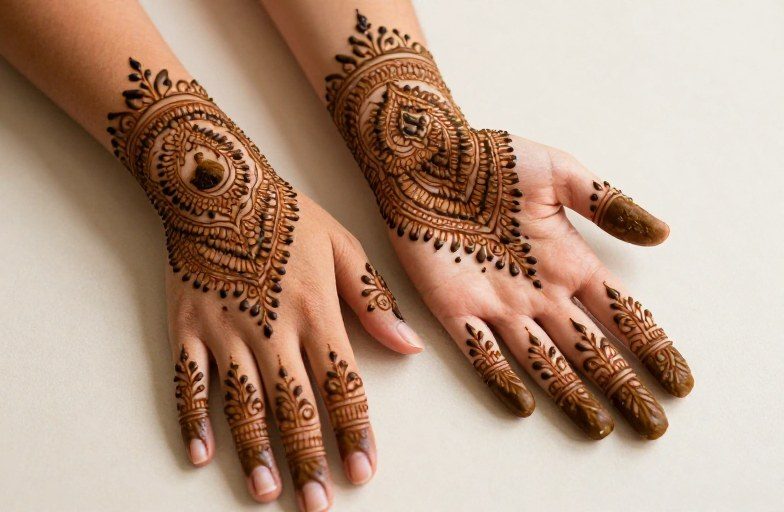
The phrase “can anyone get a henna tattoo” carries layered meaning: it questions who has access to this art form, who should wear it, and what temporary ink represents versus permanent commitment. this tattoo concept explores boundaries between appreciation and appropriation, permanence and impermanence, ritual and trend. The design often pairs the question itself with henna-style motifs, flowing vines, paisleys, mandalas, or depicts hands receiving henna application as a meditation on cultural exchange.
Similar & Related Symbols
Artists exploring this theme often weave in imagery that echoes henna’s visual language without directly copying ceremonial designs. The line between homage and extraction matters here.
Botanical and Geometric Neighbors
Mehndi patterns share DNA with several established tattoo traditions:
- Islamic geometric art: Interlocking stars and arabesques that avoid figural representation, often rendered in fine black line
- Paisley (boteh): The teardrop motif migrated from Persian textiles to Indian henna to Western fashion, making it a loaded symbol of cultural drift
- Mandala tattoos: Radial symmetry that reads as spiritual to some, decorative to others, context changes everything
- Vine and leaf scrollwork: Common across European, Middle Eastern, and South Asian traditions, easier to claim neutrally
Some clients opt for the phrase itself in script, paired with a single henna-style element, a lotus, a moon, an eye, rather than full pattern coverage. This tends to read as commentary rather than costume.
Text-Based Counterparts
Questions as tattoo content appear in other socially conscious designs: “Who owns culture,” “Is this mine to wear,” “What am I taking.” The interrogative format turns the body into a site of ongoing self-examination rather than fixed statement.
Best Placements
Where this goes on the body shapes how the question lands. Traditional henna placement offers one map; subverting it creates another conversation entirely.
Hands and Feet: The Traditional Sites
Henna historically goes on palms, fingertips, and soles, areas where the stain darkens most dramatically due to thicker skin. Tattooing the phrase or motif here amplifies the reference but also the risk of being read as playing dress-up. The hand is visible, unavoidable, a constant performance of the question. Fine line work here ages fast; palms shed skin rapidly, and ink blurs within a few years. Most artists refuse palm tattoos entirely due to poor retention and high blowout risk.
Alternative Locations
The inner forearm keeps the question visible but slightly removed from direct mimicry. Upper arm or shoulder blade allows larger ornamental framing. Ribcage placement, painful, private, suits clients who want the meditation personal rather than public. Behind the ear, a small henna-style motif with the word “anyone” tucked nearby, has become a quiet choice for those engaging the question without broadcasting it.
Scale matters. A full hand-piece replica in permanent ink reads differently than a 3-inch design incorporating one henna element. Most artists recommend the latter for anyone not from a henna-wearing culture.
Religious & Spiritual Angles
Henna’s spiritual associations are specific and not universal. Understanding them prevents shallow use.
Islamic and Hindu Contexts
In many Muslim communities, henna marks Eid celebrations, weddings, and the Night of Destiny during Ramadan. The Prophet Muhammad is often linked to henna use in hadith, though scholarly debate exists. Hindu weddings center the mehndi ceremony as one of sixteen adornments (solah shringar), with intricate bridal designs and folk songs specific to the ritual. Some trace henna’s protective properties to ancient beliefs about the plant’s cooling properties warding off fever and evil eye, though these origins are often linked to rather than definitively established.
Jewish Moroccan and Yemenite communities also have henna ceremonies (henna party or night of the henna), less widely known in Western tattoo discourse. This complexity, multiple religious homes, sometimes overlapping, sometimes distinct, complicates the “anyone” question significantly.
Secular Spiritual Use
Some contemporary practitioners, often white and Western, frame henna as “earth-based spirituality” or goddess worship. This reframing is commonly associated with neo-pagan movements and remains controversial. The tattoo version of this debate, permanent ink claiming temporary ritual, intensifies the tension. A design asking “can anyone get” becomes almost accusatory when placed on skin that moves through spaces where actual henna wearers face scrutiny.
Who Chooses This Tattoo
The demographic split here is stark and worth naming without euphemism.
South Asian and Middle Eastern diaspora clients sometimes get this design as reclamation, growing up with henna at family events, then facing questions about “what’s on your hands” from white colleagues. The tattoo freezes a temporary practice they were sometimes mocked for, making it indelible, unerasable, owned. The phrase “can anyone get” then reads as bitter irony, a response to years of being asked to explain or justify.
White clients drawn to the aesthetic face a different calculation. Some work with South Asian artists, explicitly discuss the design’s history, and choose placement that avoids direct ceremonial mimicry. Others seem unaware that the question answers itself: legally anyone can, but the “should” depends on relationship to the practice, not just admiration for how it looks.
Artists report that the most thoughtful versions of this tattoo come from clients who have studied with henna practitioners, who understand the difference between rajasthani and arabic styles, who can name the plant (Lawsonia inermis) and why fresh paste matters. The tattoo then documents education rather than extraction.
How It Ages on Skin
The irony of permanent ink mimicking a fading stain creates technical challenges.
Line Weight and Detail Loss
Henna’s charm lies in its impermanence: fine lines that darken, then crack, then flake away over two weeks. Permanent tattoo lines must be heavier to survive. A design with true henna-level fineness, hair-thin tendrils, stippled dots, will blur within five years. Most artists solve this by using slightly bolder line weight than authentic mehndi, or by limiting ultra-fine detail to areas with less movement (upper back, thigh).
Shading techniques differ too. Henna’s natural color range, orange-brown to near-black depending on skin chemistry and paste quality, has no tattoo equivalent. Some artists use warm brown ink to approximate; others lean into the artificiality with stark black. Brown inks, especially organic-based ones, sometimes fade to muddy green or gray, a chemical betrayal that mirrors the cultural one the tattoo questions.
The Fading Question
Some clients request the tattoo be designed to look faded from day one, light gray lines, patchy coverage, the aesthetic of henna at day twelve. This is technically possible but risky. Light gray ink can heal unevenly, and what reads as artistic fading may simply look like a botched job. Most artists discourage this approach unless the client fully accepts touch-up reality.
Personal & Modern Meanings
Beyond the cultural politics, the phrase functions as personal philosophy.
For people with chronic commitment anxiety, difficulty finishing projects, maintaining relationships, staying in one place, the temporary nature of henna becomes aspirational. The tattoo asks whether anything truly permanent is possible, or desirable. The body becomes the question, not the answer.
Others use it to mark transitional periods: post-divorce, post-religion, post-country. The henna reference signals a self being deliberately un-fixed, open to redefinition. The stain that washes away becomes metaphor for identities tried on, shed, tried again.
In queer communities, particularly among those exploring non-binary or fluid identities, the question resonates differently. “Can anyone get” expands to ask who is allowed access to beauty, to ritual, to self-definition. The henna motif, historically gendered female in its South Asian context, gets reclaimed as gender-neutral ornament.
Before You Decide
Sit with the design for longer than usual. The question it poses deserves honest answer.
Research the specific regional style you’re drawn to, Rajasthani, Arabic, Sudanese, Moroccan, rather than treating “henna” as generic. Each has distinct visual grammar: Rajasthani favors peacocks and full palm coverage; Arabic emphasizes negative space and floral trails; Sudanese geometric patterns differ markedly from Indian curvilinear forms. Getting this wrong in permanent ink compounds the appropriation problem.
Talk to artists from the tradition, not just tattoo artists interpreting it. Many cities have henna practitioners who also tattoo or who consult on respectful design. Their rates for conversation are worth paying.
Consider whether the question needs to be literal text, or whether the design itself, carefully sourced, properly attributed, placed with intention, asks it silently. Sometimes the most honest answer to “can anyone get” is: not in these words, not this way, not yet.
Frequently Asked Questions
Is it disrespectful to get a henna-style tattoo if I’m not South Asian?
It depends on approach and relationship. Direct copying of ceremonial bridal designs without context reads as appropriation. Working with a knowledgeable artist, choosing non-ceremonial motifs, and understanding the history shifts toward appreciation. The tattoo itself asking the question suggests self-awareness, which helps but doesn’t automatically resolve the issue.
How long does a real henna stain last compared to a tattoo?
Natural henna stains skin for one to three weeks depending on body chemistry, paste quality, and aftercare. The tattoo version obviously lasts indefinitely. Some clients get both, real henna regularly, plus one permanent reference piece, to maintain connection to the temporary practice’s living tradition.
What’s the difference between black henna and real henna?
Real henna paste is brownish-green and stains orange-brown to dark brown. “Black henna” often contains para-phenylenediamine (PPD), a hair dye chemical that can cause severe allergic reactions and permanent scarring. This distinction matters for the tattoo’s subtext, permanent damage from fake tradition mirrors permanent ink from borrowed culture.
Can I get a henna tattoo that actually fades like real henna?
No permanent tattoo fades cleanly away. Some techniques like stick-and-poke or very light single-needle work create softer lines that blur faster, but this is unpredictable. Cosmetic tattooing uses different pigments designed to fade, but these aren’t suitable for body art. The permanence is the point, and the problem, the tattoo asks you to confront.