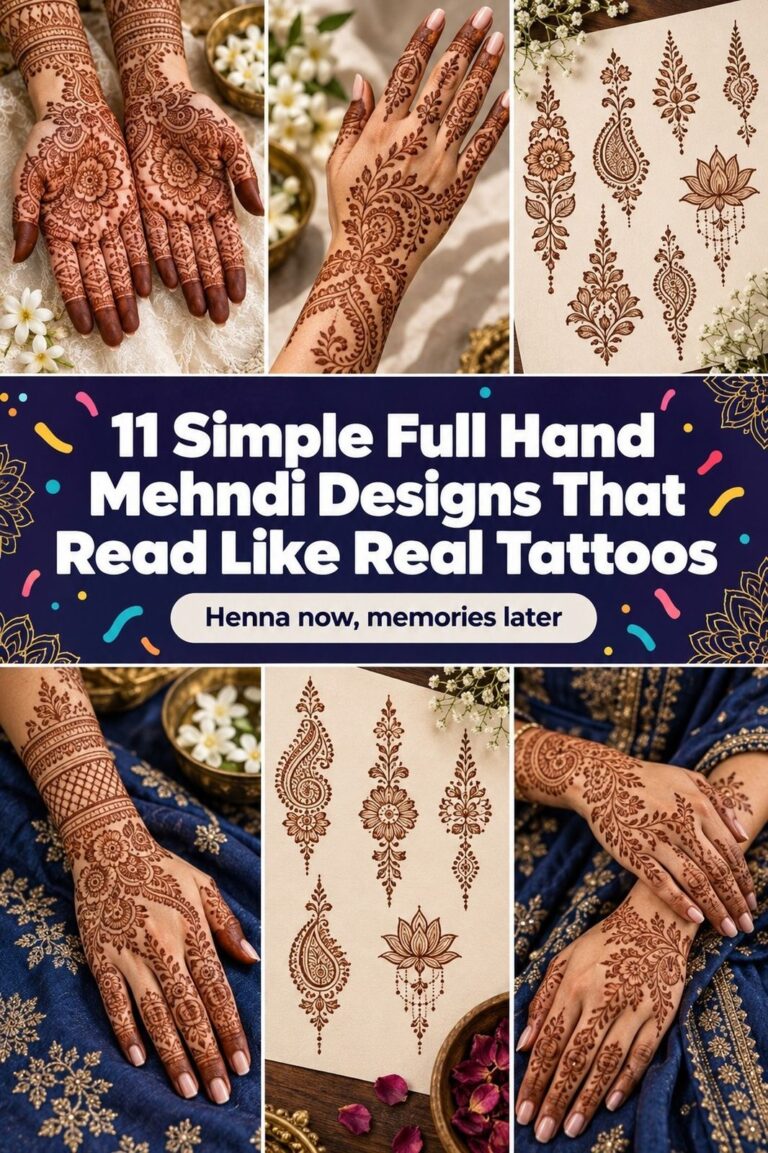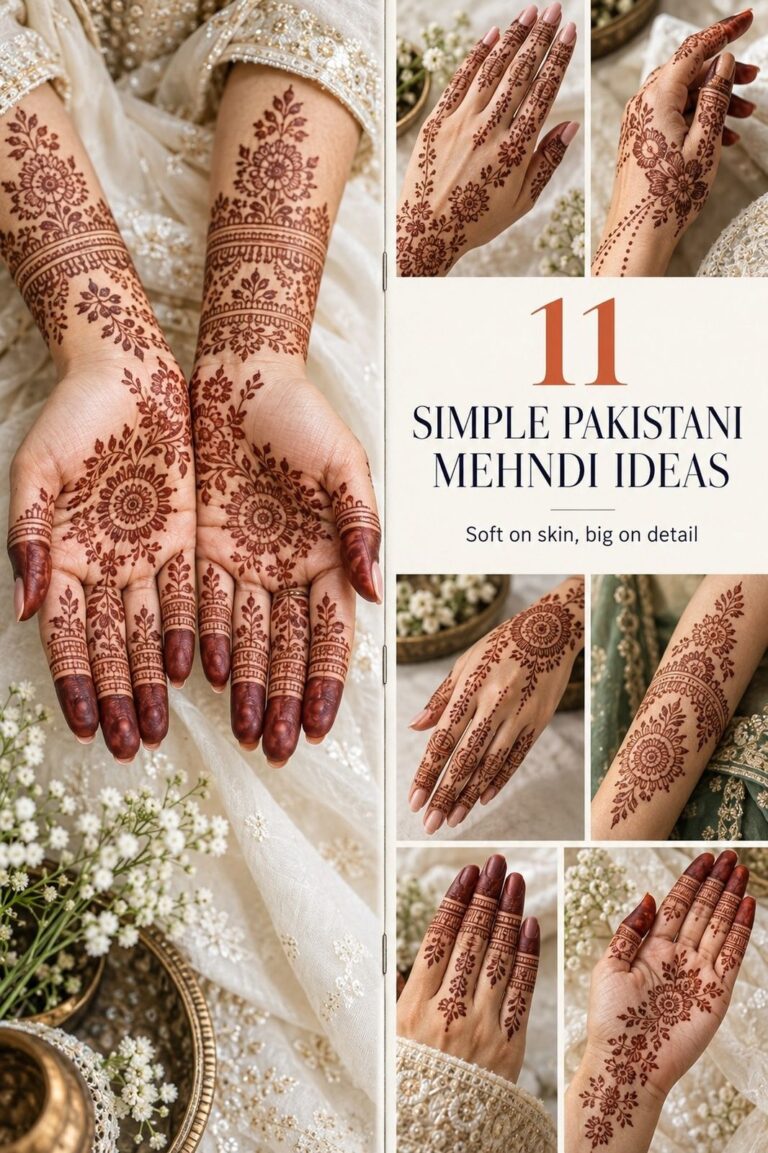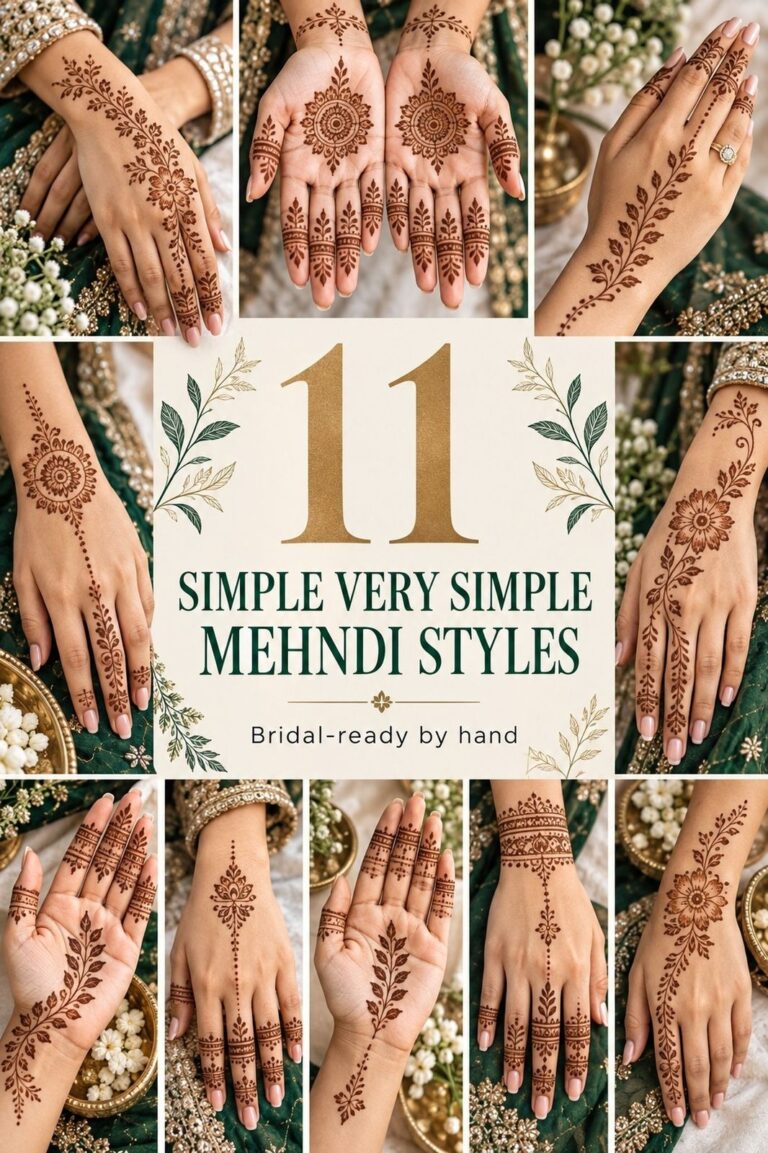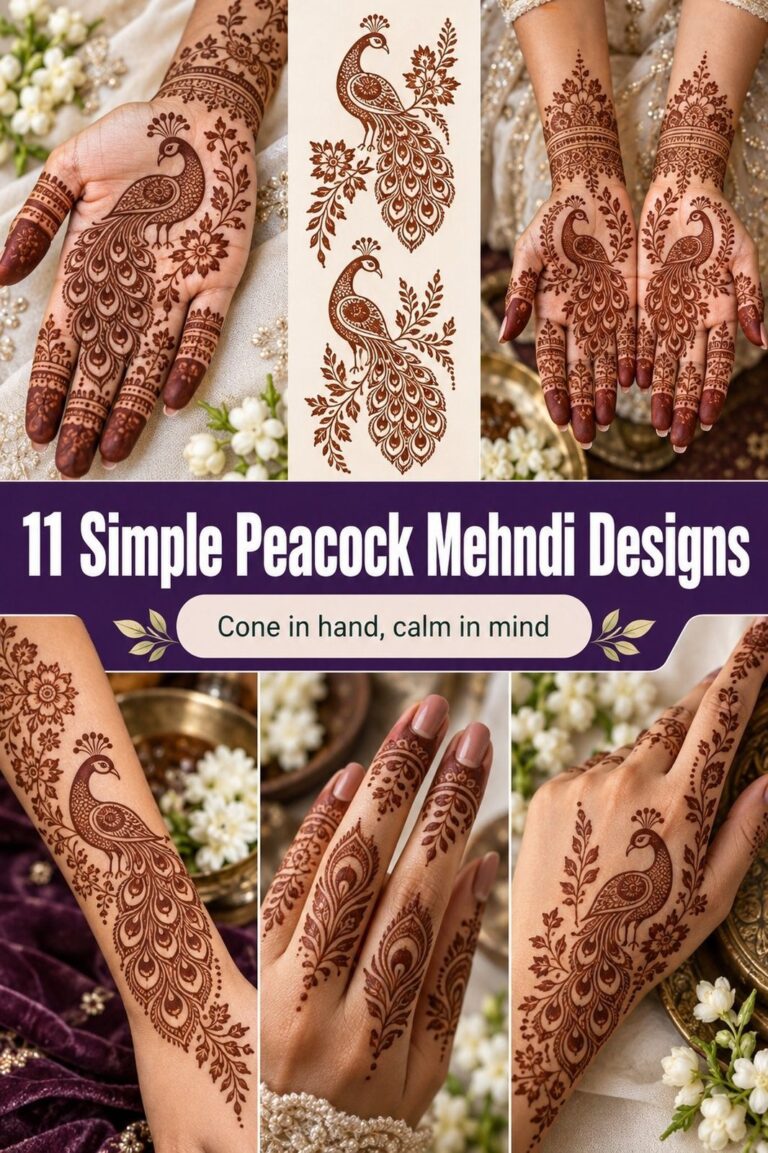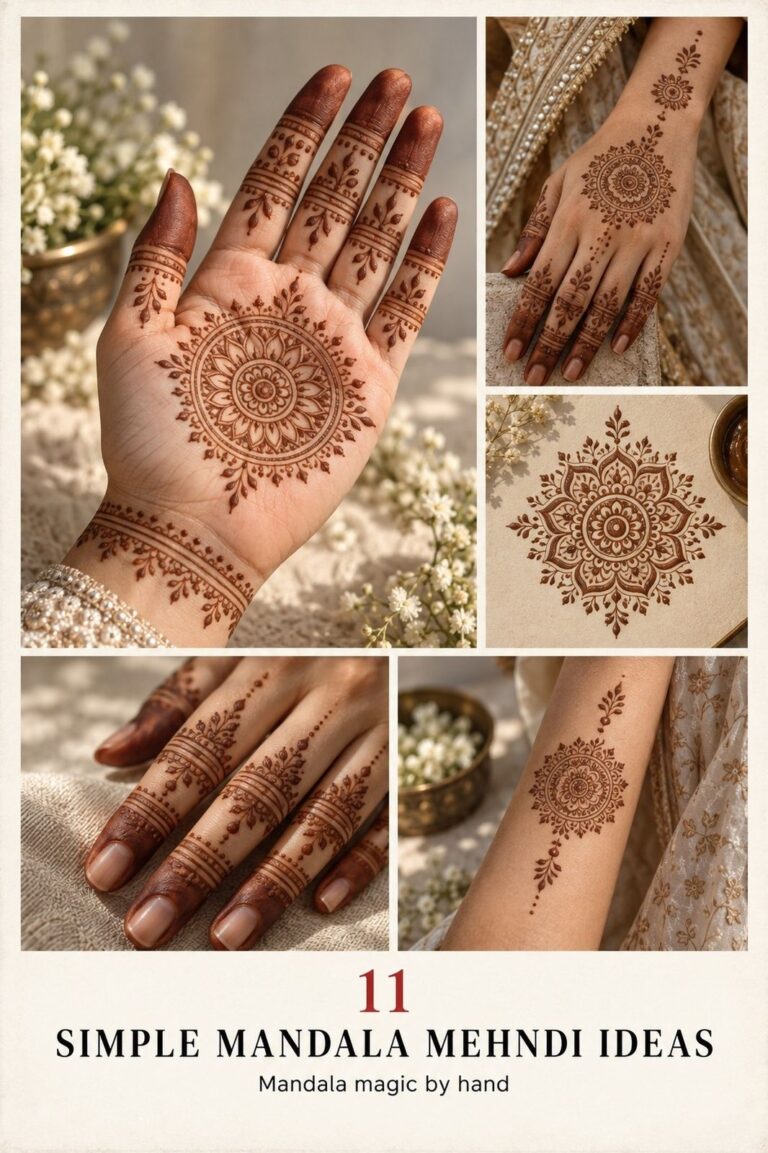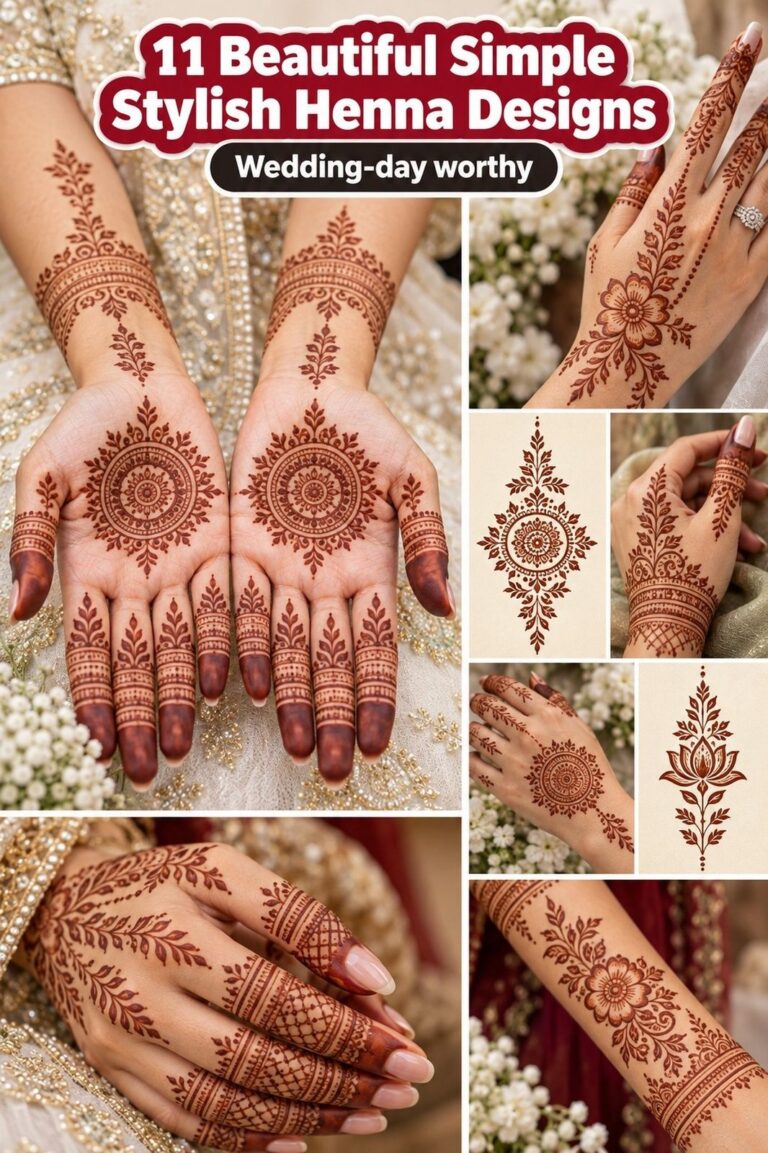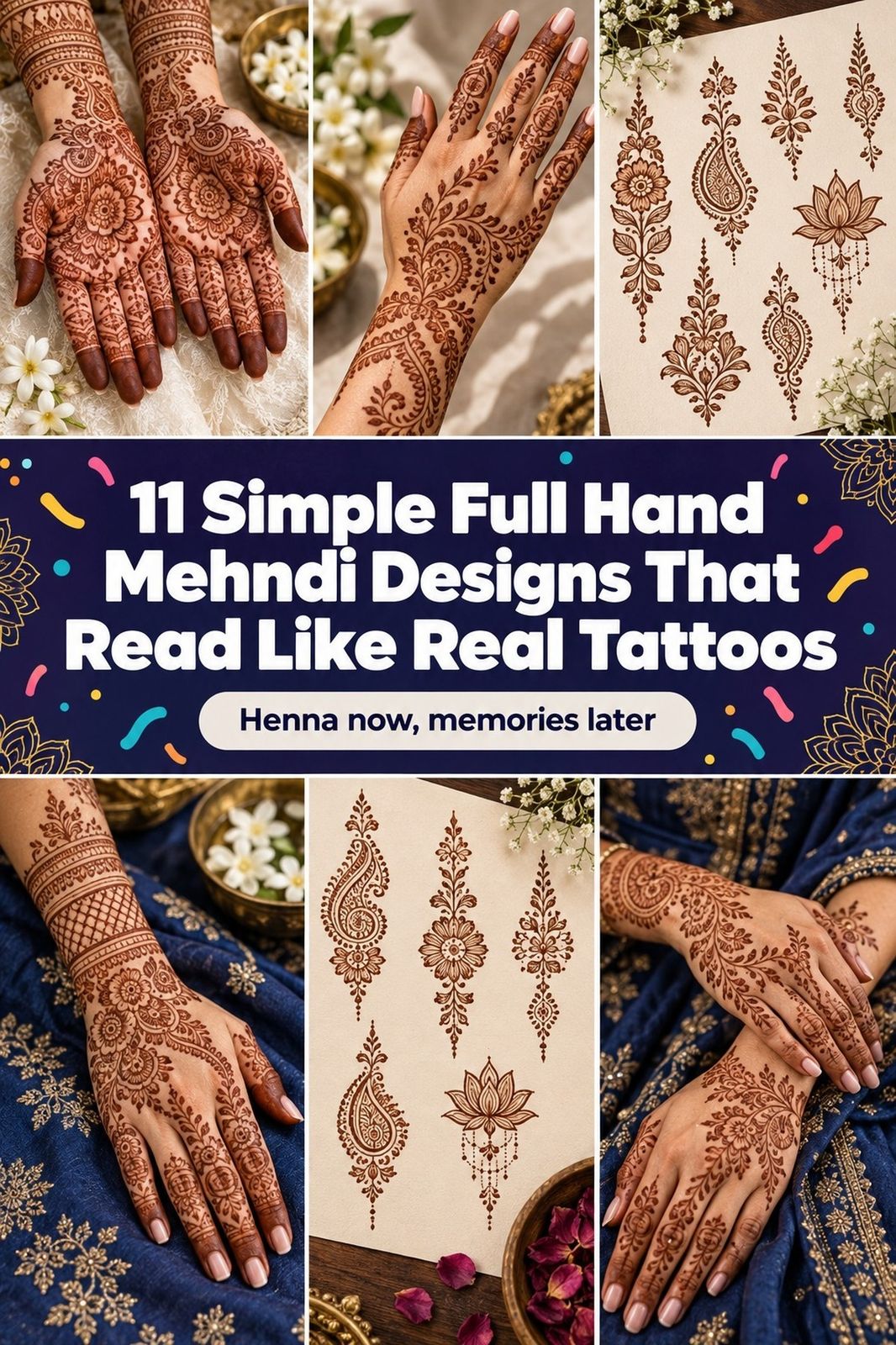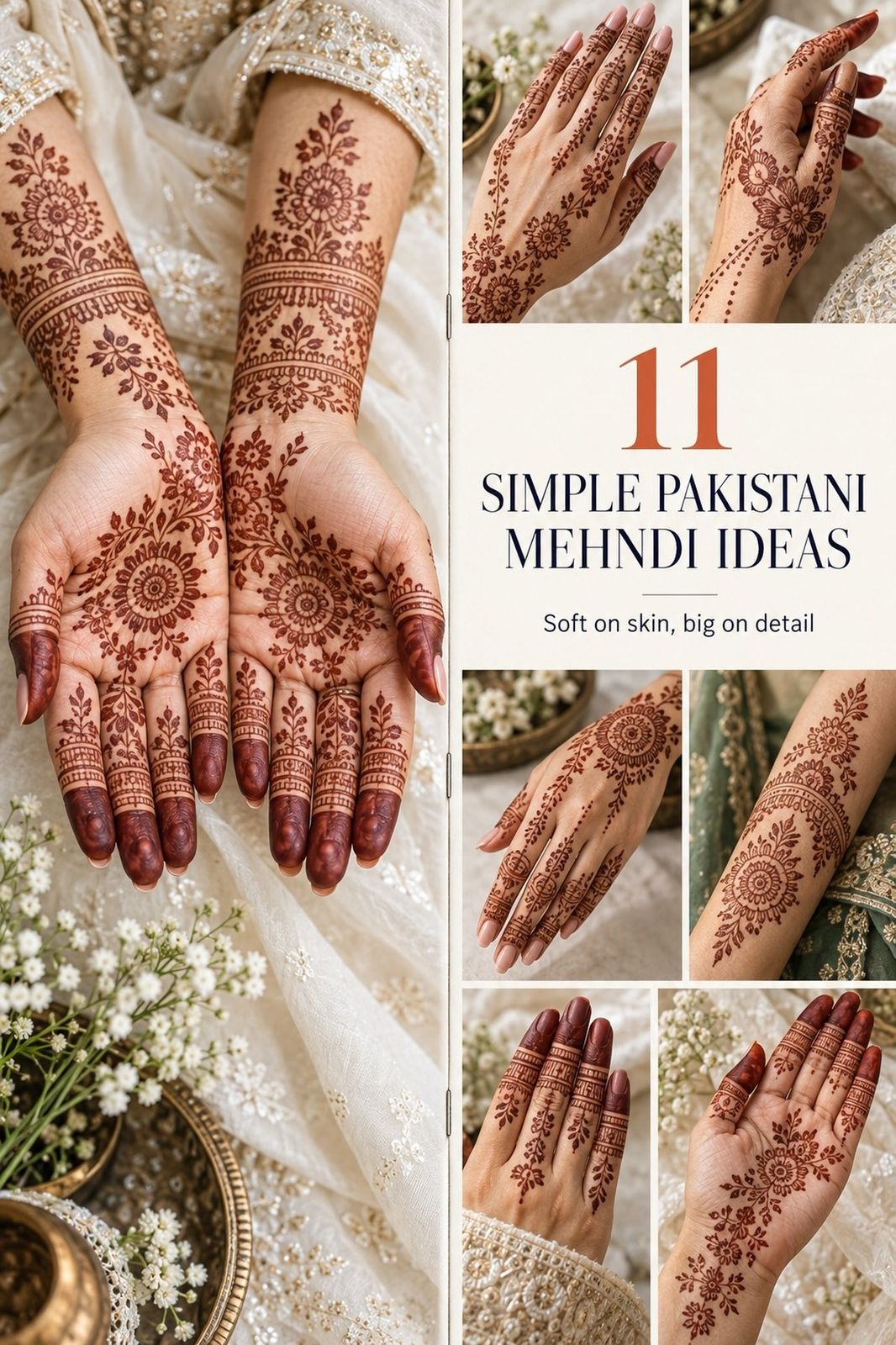
Getting a tattoo over henna represents the passage from temporary to permanent, from ritual to personal commitment. It often symbolizes honoring cultural or spiritual traditions while claiming individual agency. For many, it marks a threshold, celebration, recovery, or self-definition, made indelible.
Symbolism & Core Meaning
Henna itself carries weight: applied for weddings, Eid, births, and mourning in South Asian, Middle Eastern, and North African traditions. The stain fades in one to three weeks, beautiful precisely because it disappears. Tattooing over that faded pattern reverses the contract. You’re choosing what stays.
The Temporary Made Permanent
The core symbolism here is transformation through endurance. Henna marks a moment; a tattoo claims it forever. People often choose this path after a significant life event, a marriage, a recovery, a pilgrimage, where the henna served as marker and the tattoo becomes monument. The design might echo the original henna pattern, distort it, or replace it entirely, each choice carrying different weight: faithful reproduction honors continuity; radical departure signals evolution.
Cultural Bridges and Tensions
This act sits at a complex intersection. Henna is often linked to specific cultural and religious contexts, while tattooing carries different, sometimes conflicting, historical associations. Getting tattooed over henna can read as cultural synthesis or appropriation depending on the wearer’s relationship to the traditions involved. The meaning sharpens when the person shares heritage with the henna tradition, then it often reads as modernizing connection, not borrowing. The symbolism becomes one of adaptation: old forms, new permanence, personal interpretation.
Religious & Spiritual Angles
Religious meaning varies sharply by tradition and individual belief. In some Islamic contexts, henna is encouraged or celebrated while tattooing is considered altering God’s creation; the overlap creates genuine tension. Those who choose this path often describe personal reconciliation rather than doctrinal endorsement.
Sacred Intent vs. Prohibited Form
For some, the tattoo over henna becomes a private devotional act, perhaps the original henna was applied for a religious occasion, and the tattoo preserves that intention in a form that transcends the original’s ephemerality. Others experience the choice as departure from tradition, meaningful precisely because it claims autonomy. Hindu and Buddhist contexts sometimes frame it differently: henna as auspicious marking, tattoo as extended sadhana or spiritual practice. The spiritual angle depends entirely on the wearer’s framework, not any universal symbolism.
Ritual Thresholds
Spiritually, this combination often marks liminal space, between states, between communities, between self-conceptions. The fading henna represents what is being left; the tattoo, what is being claimed. This isn’t necessarily religious in formal terms but operates in the register of personal ritual, private meaning-making using available cultural tools.
Personal & Modern Meanings
Contemporary wearers layer personal narratives onto these traditional forms. The meaning often centers on control over one’s body and story, particularly for those who experienced the original henna in contexts, family ceremonies, cultural expectations, where choice was limited or complicated.
Reclamation and Autonomy
Some describe the tattoo as reclaiming a body marked by others’ hands and intentions. The henna was applied by aunties, by tradition, by expectation; the tattoo is chosen, designed, paid for, endured personally. This meaning of self-possession resonates particularly with women who experienced henna as compulsory feminine ritual and want to transform that marking into active choice. The symbolism shifts from passive decoration to active self-definition.
Commemoration and Continuity
Alternatively, many seek to preserve joy, the wedding henna, the festival application, against time’s erosion. The tattoo becomes memory made visible, not rejection but preservation. This meaning emphasizes love for the original moment, desire to carry it forward. The henna pattern might be simplified, stylized, or combined with other imagery (dates, names, complementary symbols) to anchor the memory specifically.
Design Tips & Pairings
Practical decisions carry symbolic weight. The relationship between original henna pattern and tattoo design determines much of the meaning.
Working with Residual Stain
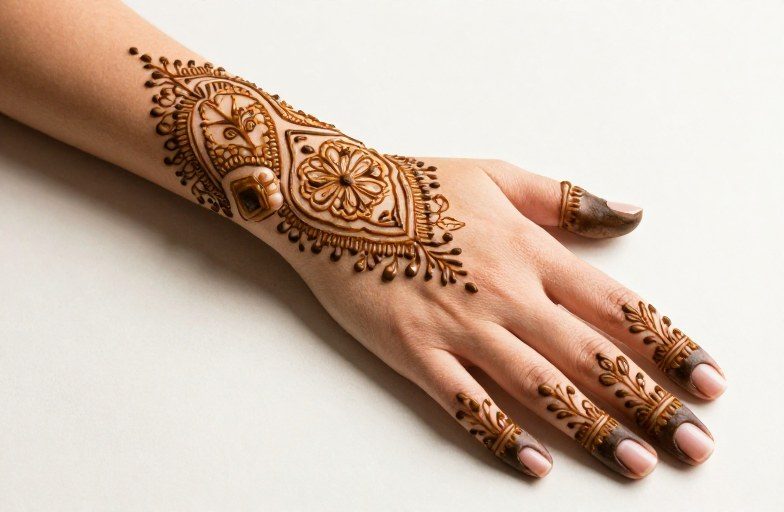
Never tattoo over active henna; wait until all stain has faded, typically two to four weeks, longer for darker applications. Residual pigment can interfere with ink visibility and healing. Some artists trace the henna pattern precisely; others use it as loose reference. Fine-line reproduction requires steady hand and single-needle work; bolder reinterpretation allows more flexibility. Consider that henna’s organic flow differs from tattoo linework, direct translation often looks stiff. Successful designs usually simplify, selecting key motifs rather than copying density.
Complementary Elements
- Geometric frames: Contain flowing henna-derived patterns within structural borders, creating contrast between organic and architectural
- Text integration: Names, dates, or words in relevant scripts (Arabic calligraphy, Devanagari) anchor the design culturally and personally
- Floral extensions: Henna’s botanical motifs extend naturally into surrounding tattoo vocabulary, lotus, jasmine, vines
- Negative space: Preserving skin tone as design element honors henna’s stain-on-skin quality
Color choices matter: traditional henna yields reddish-brown; some modern tattoos replicate this warmth, others deliberately contrast in black or full color to emphasize the shift from natural to artificial permanence.
Best Placements
Placement follows both practical and symbolic logic. Henna traditionally appears on hands, feet, forearms, locations where tattooing presents specific challenges.
Hands and Fingers
Hand tattoos fade faster than almost anywhere else: constant use, sun exposure, thinner skin, different healing dynamics. Ink here often requires touch-up within two to five years. The symbolism intensifies accordingly, this is commitment to maintenance, not one-time decision. Finger tattoos in henna-derived patterns particularly blur quickly; consider whether the meaning requires legibility or can operate as private knowledge, pattern recognized by wearer even when illegible to others.
Feet and Ankles
Similar fading issues, compounded by friction from footwear. The foot’s association with henna, bridal mehndi often emphasizes feet, makes this placement culturally resonant but practically demanding. Ankle placement offers compromise: visible reference to traditional location, better longevity, easier aftercare.
Forearms and Upper Arms
More forgiving for detail and longevity. The inner forearm, particularly, allows fine reproduction of henna’s intricate quality while providing relatively stable canvas. Upper arm offers larger scale for complex composition combining henna motifs with other imagery. These placements read less as direct cultural reference, more as personal adaptation, meaning shifts toward individual expression rather than traditional continuity.
Who Chooses This Tattoo
The choice reflects specific life circumstances more than demographic generalization. Patterns emerge, but individuals complicate them.
Diaspora and Heritage Navigation
People with ancestral connection to henna traditions often use this tattoo to negotiate belonging: too marked by heritage for full assimilation, too assimilated for comfortable traditional practice. The tattoo becomes third space, neither purely inherited nor purely invented. This meaning of cultural negotiation distinguishes it from purely aesthetic adoption of henna-style tattooing without personal history.
Post-Ritual Transformation
Significant life events prompt many choices: marriage, divorce, religious departure or return, migration, recovery from illness. The henna marked the occasion; the tattoo marks its aftermath or continuation. The wearer is someone for whom the temporary ritual proved insufficient, who needed the mark to persist, to witness, to remind.
Key Takeaways
A tattoo over henna carries no single meaning. It operates at intersection: temporary and permanent, cultural and personal, inherited and chosen. The symbolism depends on the wearer’s relationship to henna’s traditions, the specific life context, and design decisions that either honor or depart from original patterns. Practically, successful execution requires patience, waiting for complete stain fade, and design simplification that respects tattoo medium’s difference from henna’s organic flow. The meaning, ultimately, is in the specific act: this person, this body, this moment of choosing to make something last.
Frequently Asked Questions
How long should I wait after henna before getting tattooed?
Wait until all henna stain has completely faded, typically two to four weeks. Residual pigment can interfere with how tattoo ink settles and heals, potentially causing uneven color or blurred lines.
Will a tattoo over where henna was applied look different from surrounding skin?
Henna itself doesn’t permanently alter skin, so once faded, there’s no physical difference. However, if you had any reaction to the henna, particularly “black henna” containing PPD, that area might scar or discolor, affecting tattoo outcome.
Can I use my exact henna pattern for the tattoo design?
You can use it as reference, but direct translation often looks stiff. Henna flows organically on skin; tattoo linework requires different spacing and simplification. Most successful designs select key motifs rather than copying full density.
Is getting a henna-style tattoo cultural appropriation?
This depends on your relationship to the traditions involved. Those with heritage connection generally read as cultural continuity; those without may be perceived as borrowing. Consider your specific context, the design’s origins, and if you’re engaging respectfully with living tradition rather than treating it as aesthetic resource.