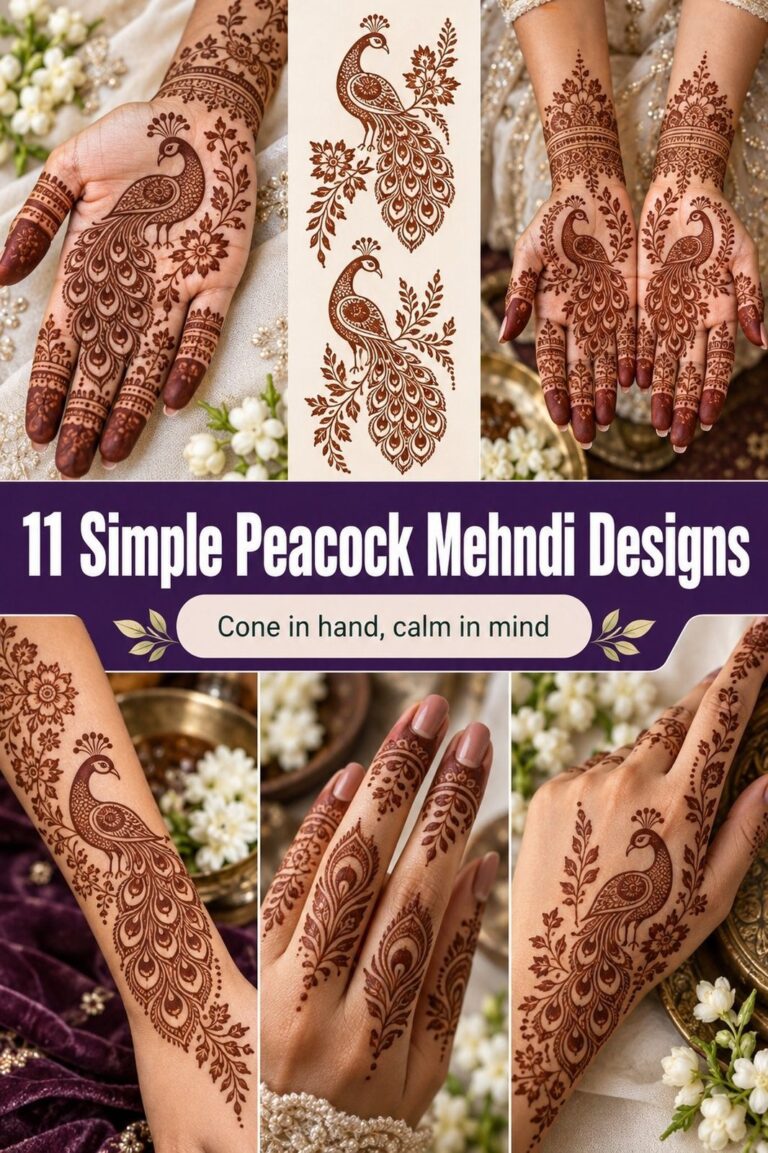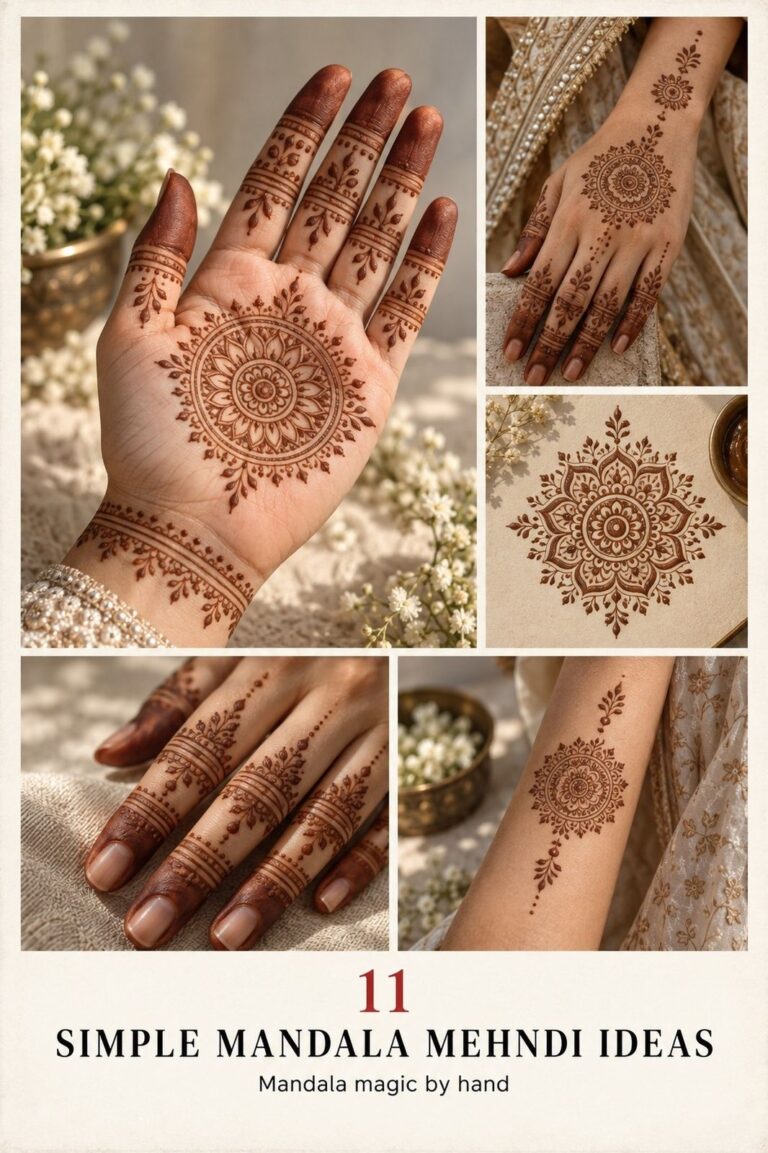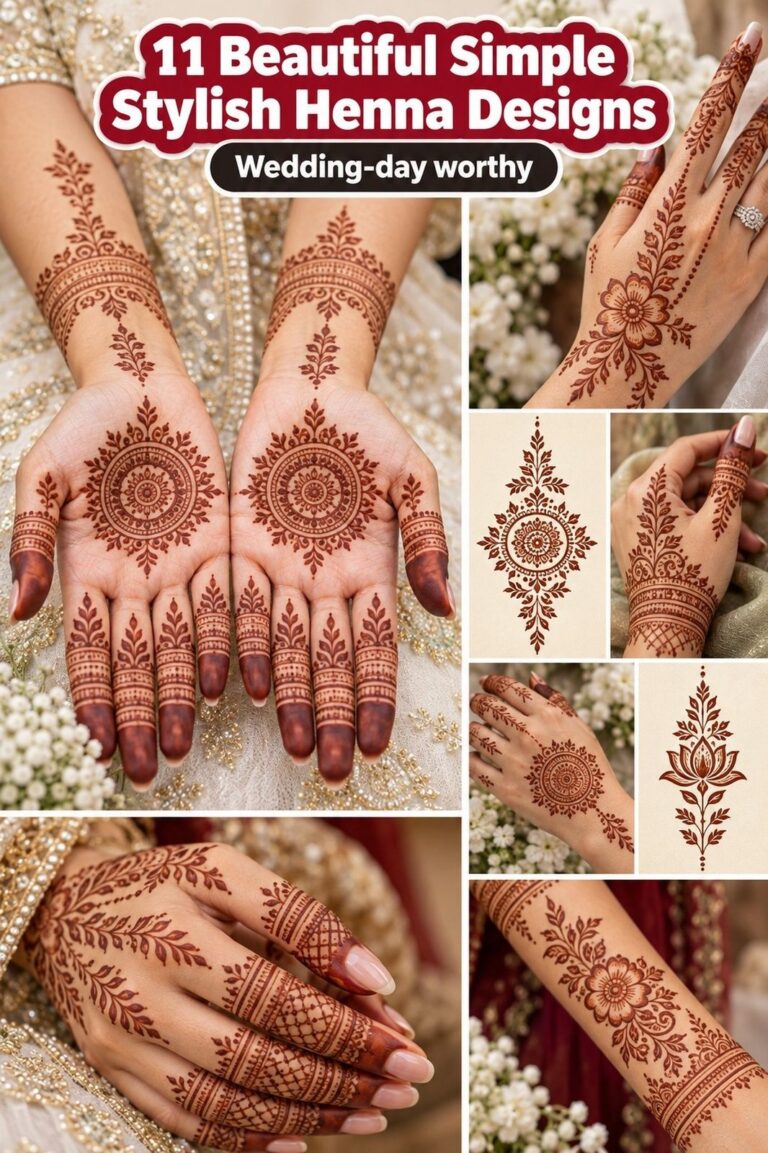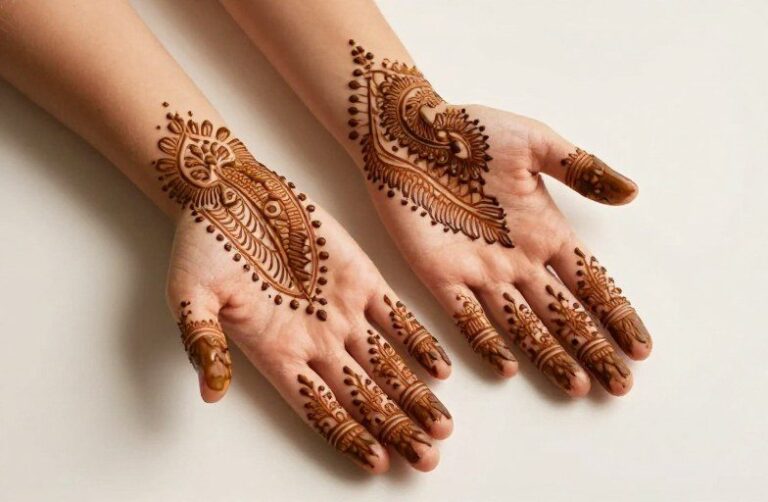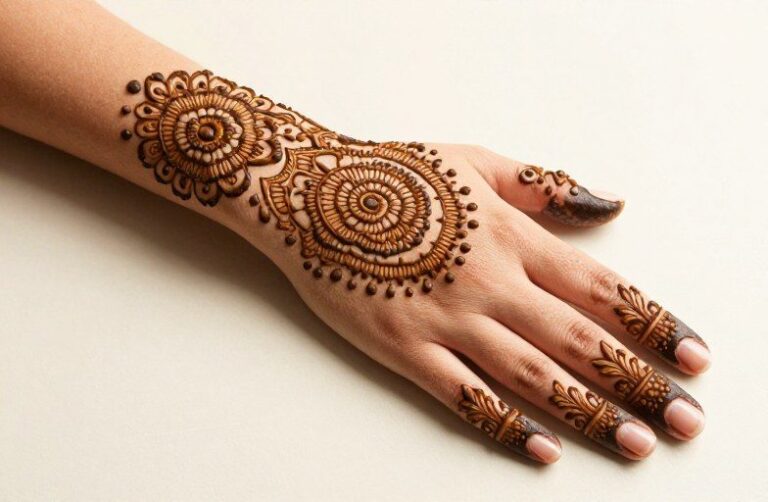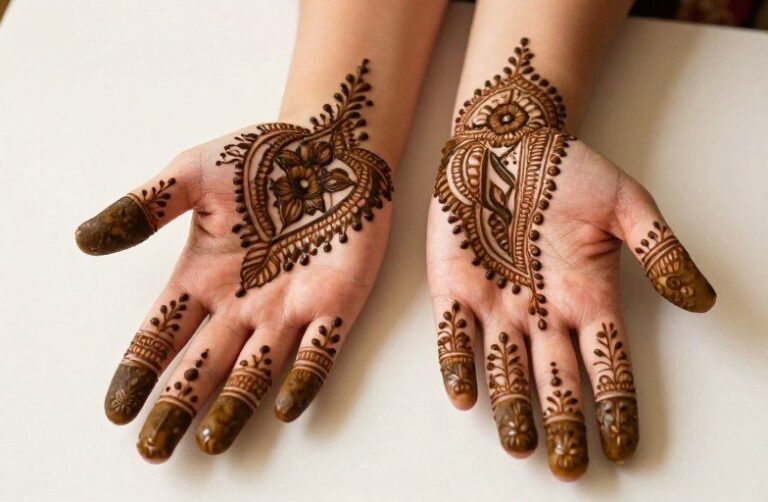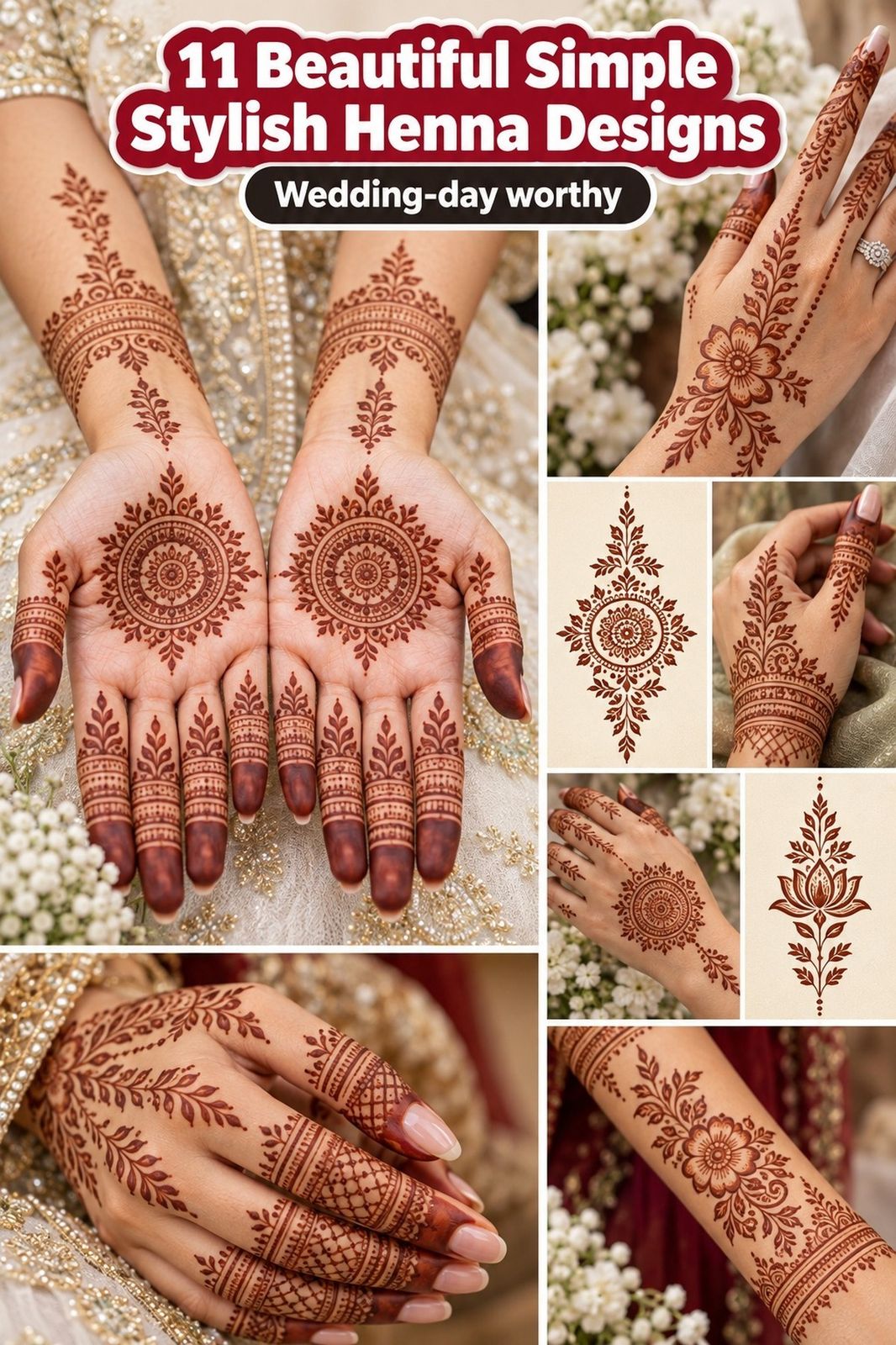
African henna tattoo meaning begins with understanding what henna actually is: a temporary stain from the Lawsonia inermis plant, used across North Africa, the Sahel, and parts of East Africa for generations. Unlike permanent ink, henna colors only the epidermis and fades as your skin naturally exfoliates. Most applications last one to three weeks, though your specific skin chemistry, care habits, and body placement shift that timeline. The designs carry layered significance that varies by community: bridal prosperity, spiritual protection, rites of passage, and social identity mapped onto hands, feet, and other visible skin.
Understanding Color: What Your Skin Shows
Natural Henna: The Rust-Brown Standard
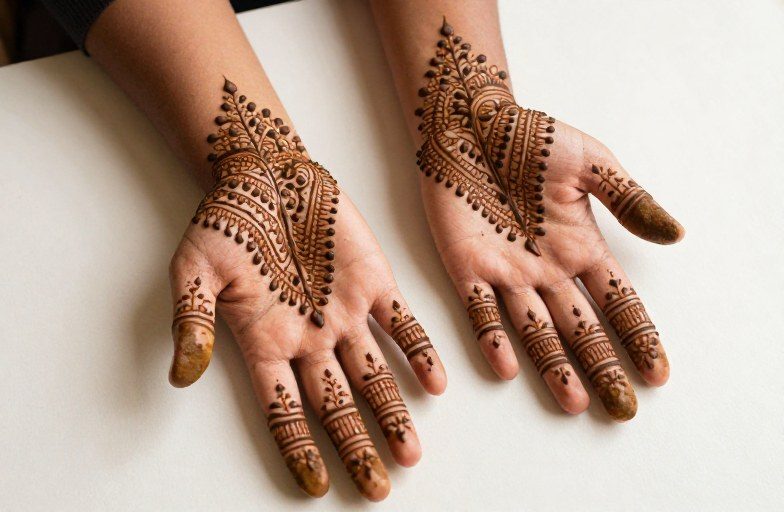
Authentic henna paste produces a color range from orange-brown to deep mahogany. Your individual skin chemistry, the paste’s freshness, and how long you let it set all influence the final shade. This natural variation is part of the tradition, not a flaw you should worry about. You will notice darker stains on palms and soles because the stratum corneum is thicker there; thinner skin on your arms or back yields lighter, shorter-lasting results. The color progression itself carries symbolic weight. Fresh orange marks transition to rich brown as the design sets, and this deepening parallels how blessings or protections are understood to strengthen over those initial days.
“Black Henna” and Its Dangers
You may encounter something sold as “black henna,” particularly in tourist markets or at casual beach vendors. These are typically PPD-laden chemical mixes that stain jet-black and can leave permanent scars or trigger severe allergic reactions. If you see a near-black result offered quickly, you should decline. Some permanent tattoo artists replicate henna-inspired patterns in black and grey ink for clients who want the aesthetic without the temporariness. These permanent versions lose something essential: the living, fading quality central to henna’s meaning. The design’s gradual disappearance mirrors life’s impermanence, a concept present in several African and Middle Eastern philosophical traditions. Black and grey tattoo renditions also flatten the organic color variation that makes each genuine henna application unique to your specific skin at one specific moment.
Religious and Spiritual Dimensions
Islamic Practice Across the Maghreb
Henna holds particular importance in Moroccan, Algerian, and Tunisian communities with strong Islamic heritage. The Prophet Muhammad is often linked to henna use; some hadith reference coloring gray hair with it, lending religious legitimacy to the practice. Pre-wedding henna nights remain central to marriage rituals in these regions. The bride’s elaborate hand and foot designs invoke baraka, or blessing power, while warding off the evil eye during the vulnerable transition to marriage. You will notice geometric patterns and floral motifs predominate; figurative imagery is generally avoided in observant practice.
Pre-Islamic and Animist Layers
Beneath the Islamic layer, older spiritual uses persist, especially in rural Berber and Saharan communities. You might see henna applied to the navel of newborns, the foreheads of travelers, or the hands of the ill, often carrying protective intent that sits outside formal religious structures. Crosses, eye motifs, and hand-of-Fatima variations appear in regional styles, their meanings accumulated over centuries rather than fixed in one doctrine. The temporary nature suits spiritual practice well: your reapplication becomes ritual renewal rather than one-time commitment.
Origins and Folklore
Where the Practice Comes From
Several origin narratives circulate, and you should treat them as overlapping rather than competing. Some trace henna to ancient Egypt, where mummies with henna-dyed hair and nails have been found. Saharan Tuareg and Bedouin traditions often link henna to cooling properties discovered by herders; animals with henna on their hooves showed less heat distress, leading to human trial. In West African Hausa and Fulani practice, henna arrival is commonly associated with trans-Saharan trade routes bringing both the plant and Islamic culture southward. No single origin story holds definitive authority.
Living Folk Practices
Folkloric uses you might still encounter include applying henna to the hands of a woman in labor, with the belief that the stain’s progression mirrors labor’s progress. In some Moroccan Berber communities, henna thrown into a fire with accompanying words is understood to bind or repel depending on intent. These practices blur the boundary between herbal craft and spoken magic, with the plant’s staining power itself seen as evidence of inherent potency. You are witnessing living tradition, not museum piece, when you encounter these variations.
What the Patterns Actually Mean
Decoding Specific Motifs
Specific motifs carry established regional meanings that you can learn to recognize. The khamsa, or five-fingered hand, dominates North African design as protection against misfortune. Net-like patterns across the back of the hand represent catching blessings, trapping good fortune before it escapes you. Vines and tendrils signify growth, lineage continuity, and connection to living family. On bridal feet, plantar designs that darken with walking are understood to root the bride in her new household.
- Full fingertip coverage: Often marks married status in specific communities; incomplete or absent staining can signal unmarried or mourning state.
- Right hand versus left: Right hand designs sometimes carry public, social meanings; left hand patterns can hold more private or protective functions.
- Density and coverage: Extensive, dense work historically indicated wealth, meaning time for application and access to skilled artists, and social standing.
- Men’s henna: Less common but present, including religious celebration marks, sometimes hair and beard dyeing, and occasionally hand patterns for specific ceremonies.
How Occasion Shapes Design
Design complexity scales with event significance. Eid al-Fitr might warrant simple hand patterns you could apply yourself or receive from a family member. A circumcision ceremony receives moderate attention. The pre-wedding henna night demands the most elaborate, time-intensive work, sometimes six to eight hours of application across multiple artists. Post-wedding, a bride’s fading henna becomes conversational; guests comment on stain depth as proxy for marital blessing strength, with rapid fading sometimes interpreted or joked about as weak fortune. You are participating in social language, not merely wearing decoration.
Comparisons and Related Practices
South Asian Mehndi and Other Traditions
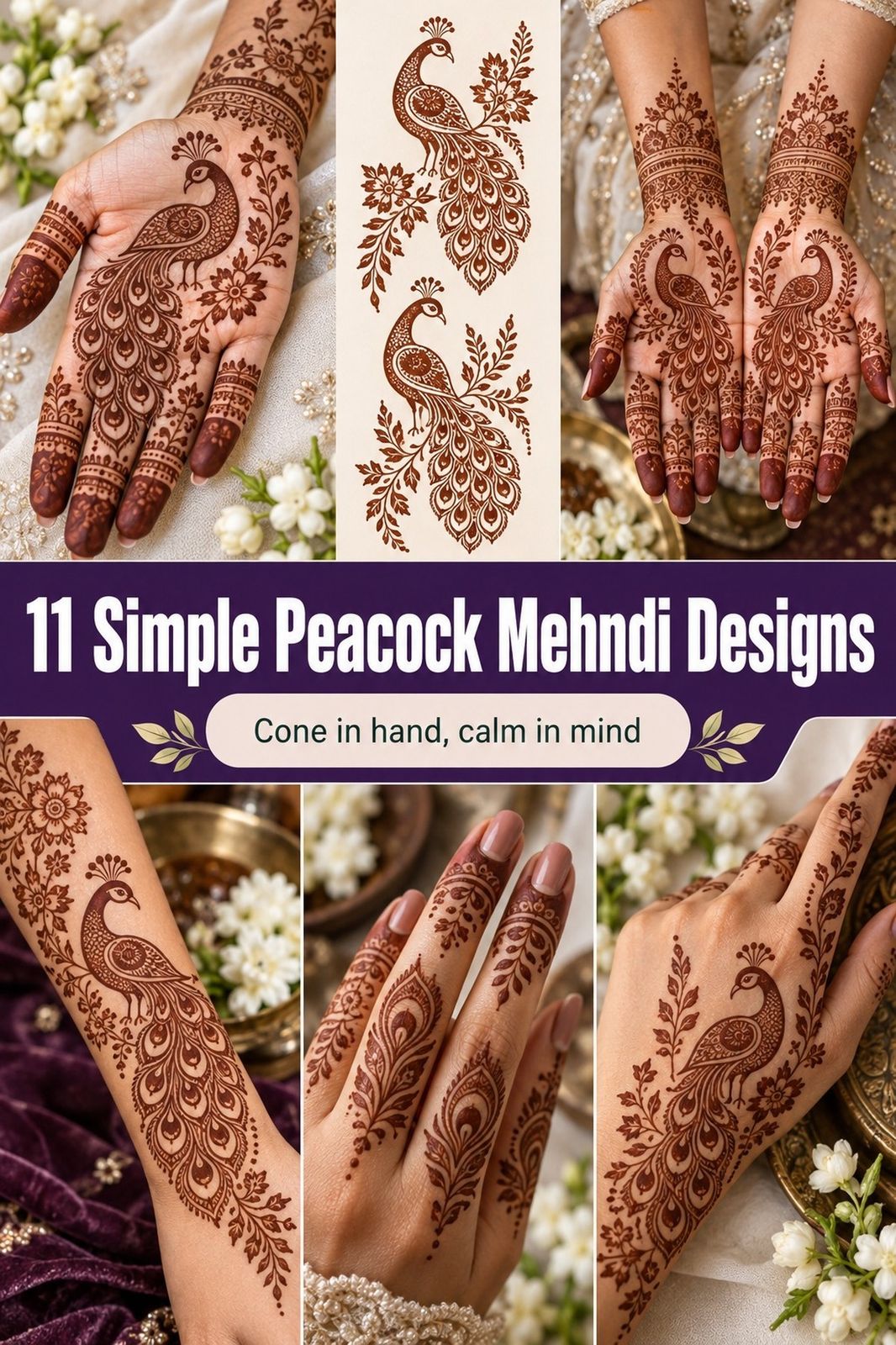
Mehndi in South Asian practice shares technique and some motifs with African henna, but differs in pattern vocabulary and occasion structure. Indian bridal mehndi typically features more figurative elements, peacocks, mango shapes, and even bride-groom portraits, elements largely absent in most African traditions. Indonesian henna shows Arab influence through trade but developed distinct floral styles. You should not assume one tradition explains another.
Permanent Tattoo Parallels
Permanent tattoo parallels include geometric Berber tattoos, now declining due to Islamic influence but historically significant, Amazigh facial markings, and Sudanese scarification practices. These permanent modifications served similar social-marking functions but with lifelong commitment. Some younger North Africans now get permanent henna-style tattoos as cultural reconnection, though you should recognize this choice carries different implications than the temporary original. The hand-of-Fatima appears across media, henna, silver jewelry, door hangings, and permanent tattoo, with consistent protective meaning but varying appropriate context. Understanding which medium suits which situation remains culturally informed knowledge you build over time.
How Henna Ages on Your Skin
The Temporary Reality
Henna’s aging is its defining characteristic, and you should know what to expect. Day one: paste removal reveals orange stain that darkens over 24 to 48 hours. Peak color arrives at days two to four. Gradual fading begins, accelerating with hand-washing, swimming, exfoliation, and your specific skin type. Oily skin sheds faster; dry skin retains stain longer. Palmar skin, thick and slow to turn over, holds color longest, sometimes three weeks. Thin inner wrist skin might clear in under ten days. You are watching your own body’s renewal process made visible.
Permanent Tattoo Renditions: A Different Aging
Permanent henna-style tattoos age as all fine-line work does: they spread and blur over years. The delicate net patterns and hair-thin lines that read clearly in fresh henna become indistinct in settled ink. Tattoo artists adapting henna designs typically bold lines slightly, sacrifice some pattern density, and place work where your skin stretches less, upper arms rather than hands, for instance. Black ink also lacks henna’s organic warmth; healed grey tones can look muddy where henna would have warmed to chestnut. Some clients request touch-up schedules mimicking henna reapplication, but this misunderstands both media. Permanent ink does not fade cleanly; it blurs and shifts. The living, changing quality of henna, today’s dark palm, next week’s faint shadow, cannot be replicated in permanent pigment. Artists honest about this limitation build better long-term relationships than those promising permanent henna aesthetics.
What to Remember
African henna tattoo meaning resists reduction to single definition. It is simultaneously cosmetic adornment, social signal, spiritual protection, and temporary art form whose impermanence carries genuine philosophical significance for many practitioners. The rust-brown color, specific to genuine Lawsonia paste, marks authentic practice against chemical imitations that can harm you. Regional variation matters deeply: Moroccan geometric density differs from Sudanese floral openness, which differs from Saharan symbolic minimalism. If you seek henna, you should ask about the artist’s community background, the paste’s ingredients, and the occasion’s appropriate design vocabulary. Your skin receives not just decoration but accumulated cultural knowledge. The fading that disappoints some newcomers is, for those raised in these traditions, the point: nothing fixed, everything renewed, beauty that respects time’s passage rather than denying it.
Frequently Asked Questions
How long does African henna typically last on skin?
Most applications last one to three weeks, depending on your skin type, body placement, and aftercare. Palms and soles hold color longest due to thicker skin, sometimes up to three weeks. Thin inner wrist skin might fade in under ten days. Oily skin exfoliates faster than dry skin. Minimizing hand-washing, swimming, and exfoliation extends the stain.
Is black henna safe to use?
No. So-called black henna typically contains PPD, a chemical additive that can cause severe allergic reactions, permanent scarring, and long-term skin sensitization. Authentic henna produces rust-brown to mahogany tones, never true black. If you see near-black results offered quickly, especially in tourist markets, you should decline.
Can I get a permanent tattoo that looks like henna?
You can, but you should understand the limitations. Permanent ink cannot replicate henna’s organic color variation, its gradual fading, or its philosophical association with impermanence. Fine henna patterns blur over time in permanent ink. Most tattoo artists bold lines and reduce density, producing a different aesthetic. The two media serve different purposes.
What do common African henna patterns mean?
The khamsa, or five-fingered hand, offers protection against misfortune. Net-like patterns across the hand back represent catching blessings. Vines signify growth and family continuity. Full fingertip coverage often marks married status in specific communities. Right hand designs tend toward public social meanings; left hand patterns can hold more private protective functions.
Does henna have religious significance?
Henna carries religious importance in many Muslim communities across North Africa, with pre-wedding nights and some hadith references lending legitimacy. However, protective and medicinal applications also exist in pre-Islamic and animist contexts, particularly in Berber and Saharan communities. The practice spans religious and spiritual layers rather than belonging to one alone.