Rihanna’s hand tattoo is a hybrid design: a traditional Hindu goddess figure rendered in flowing henna-inspired lines across the back of her right hand, flanked by Polynesian tribal patterns extending onto her fingers. The piece merges spiritual iconography with ornamental body art, creating a statement about feminine divinity, resilience, and cultural cross-pollination rather than strict religious devotion.
Symbolism & Core Meaning
The Goddess Figure
The central image depicts Lakshmi, Hindu goddess of wealth, fortune, and prosperity, though Rihanna has noted the figure represents strength to her personally rather than religious worship. The goddess sits in a lotus position, multiple arms extended, each holding symbolic objects. In tattoo form, this becomes a permanent emblem of feminine power and self-sufficiency. The hand placement matters here: visible, impossible to conceal in most professional settings, signaling intentional boldness.
Henna as Ornament and Armor
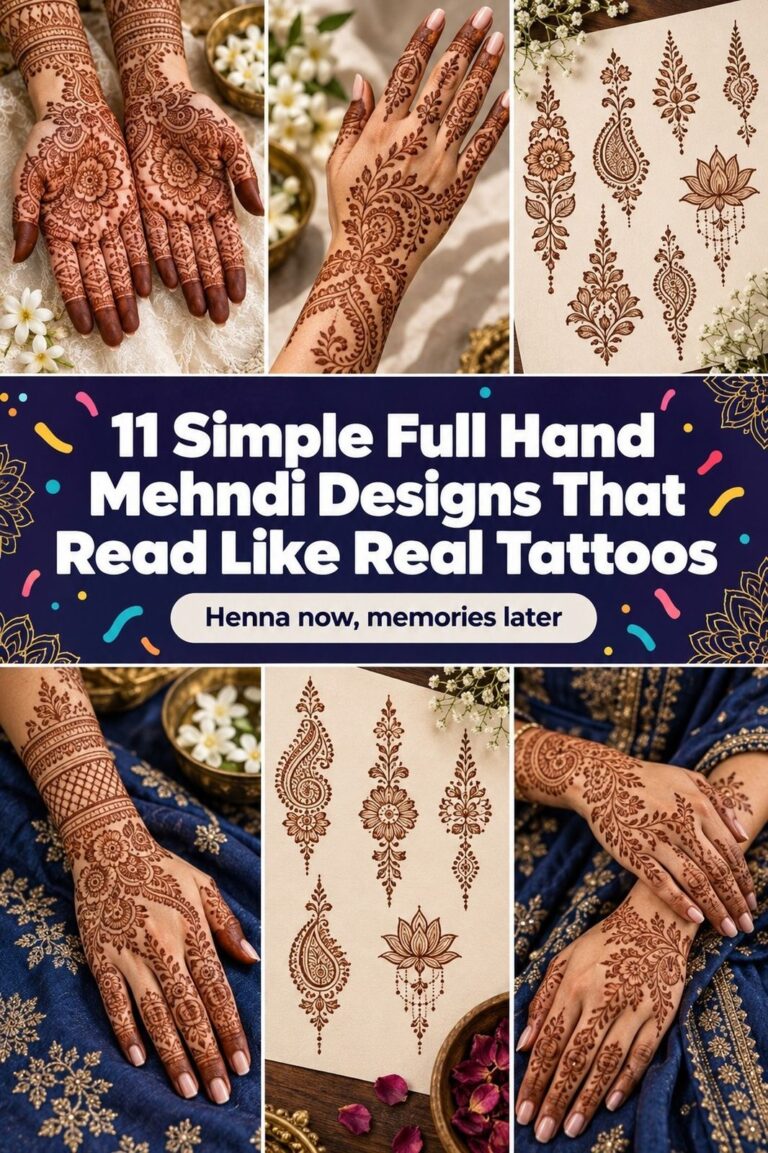
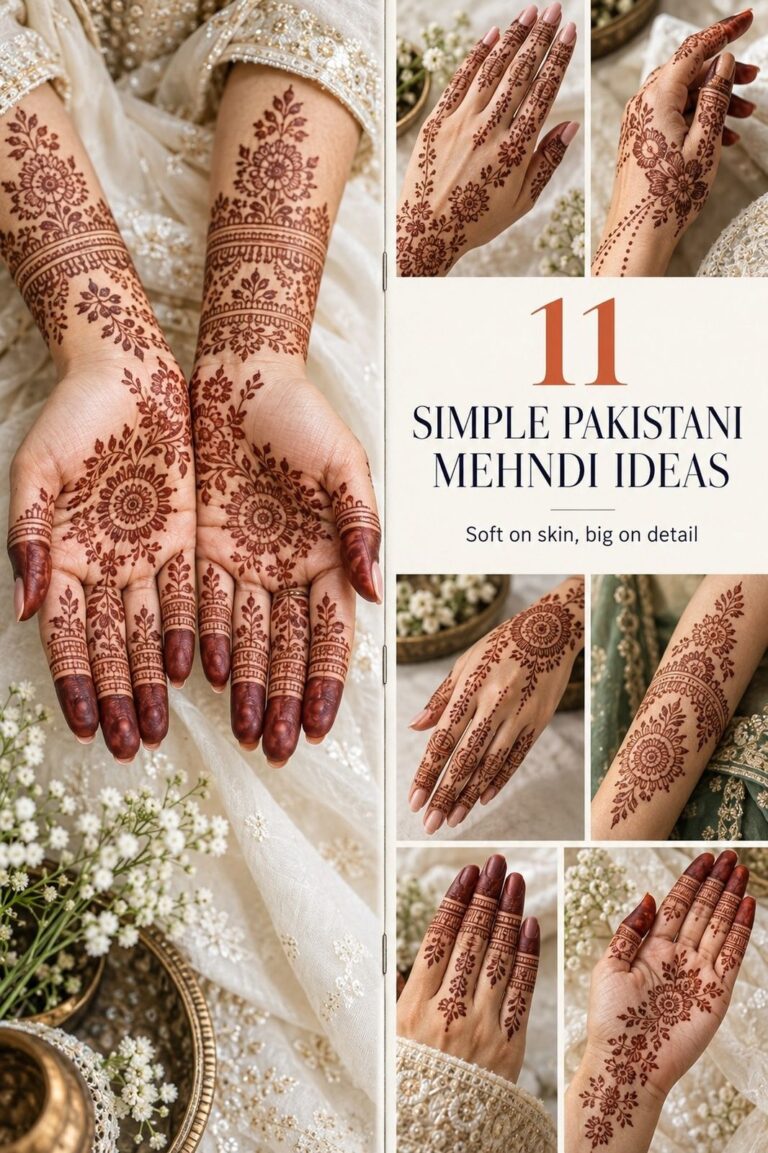
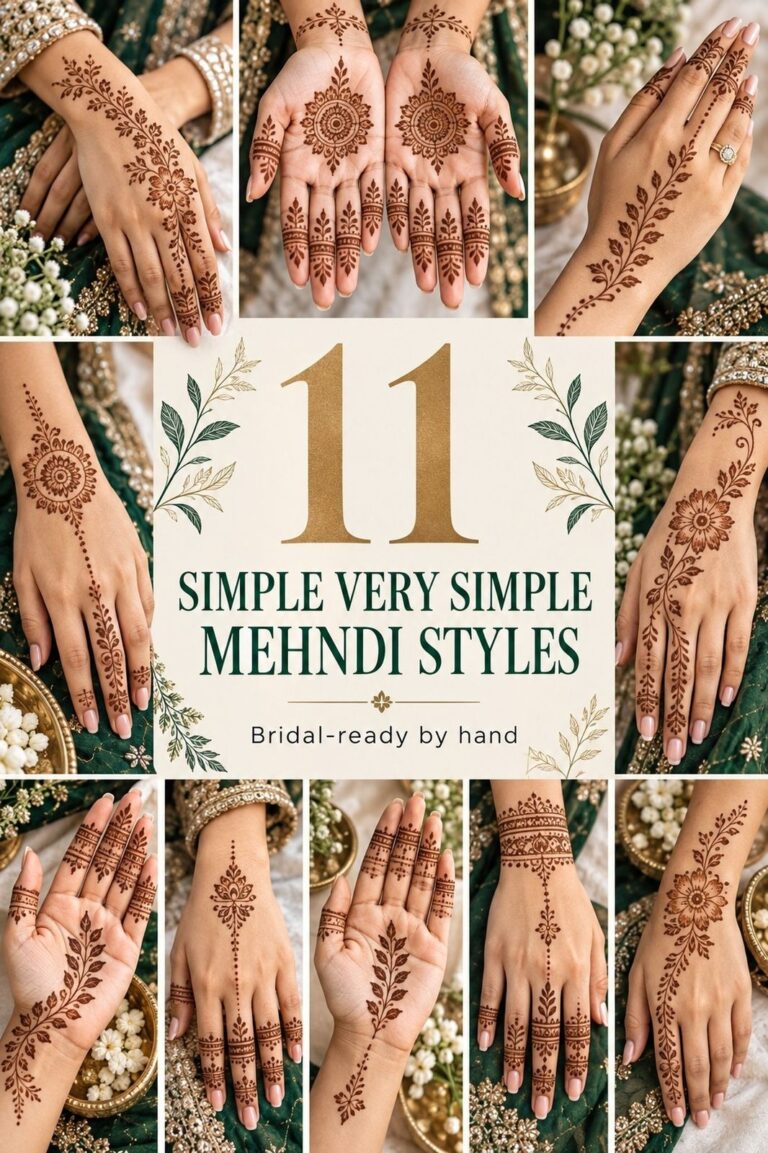
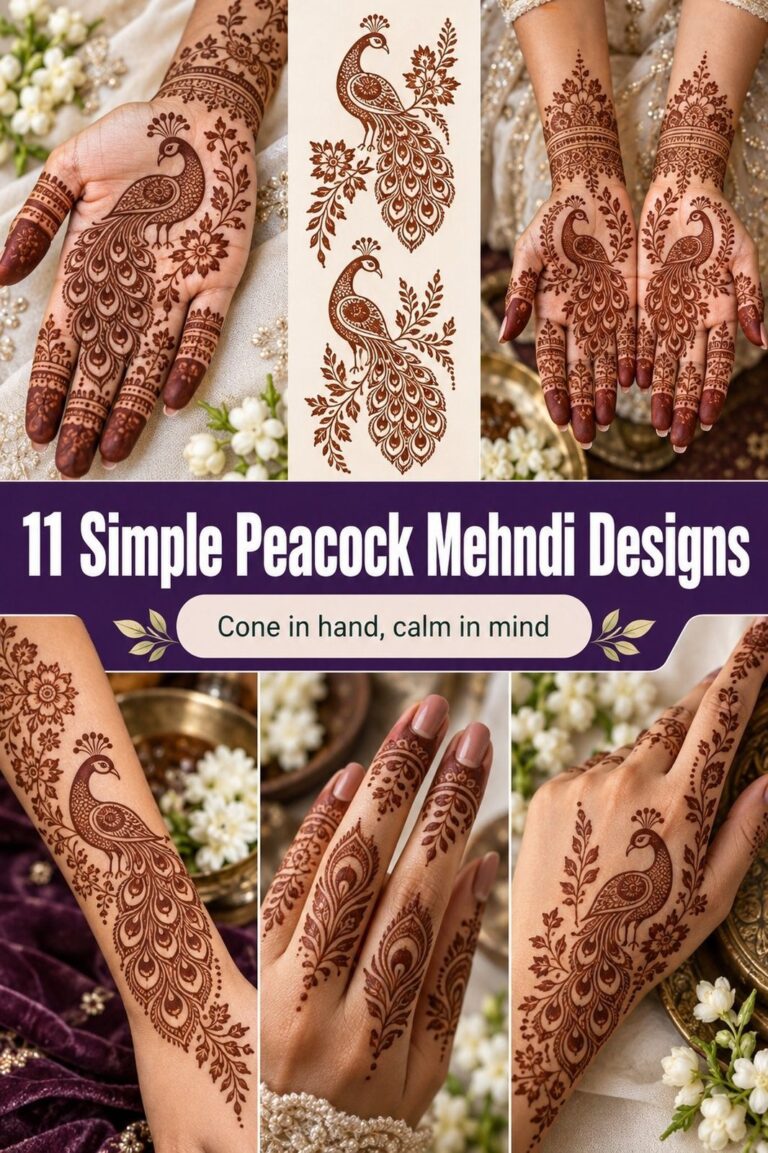
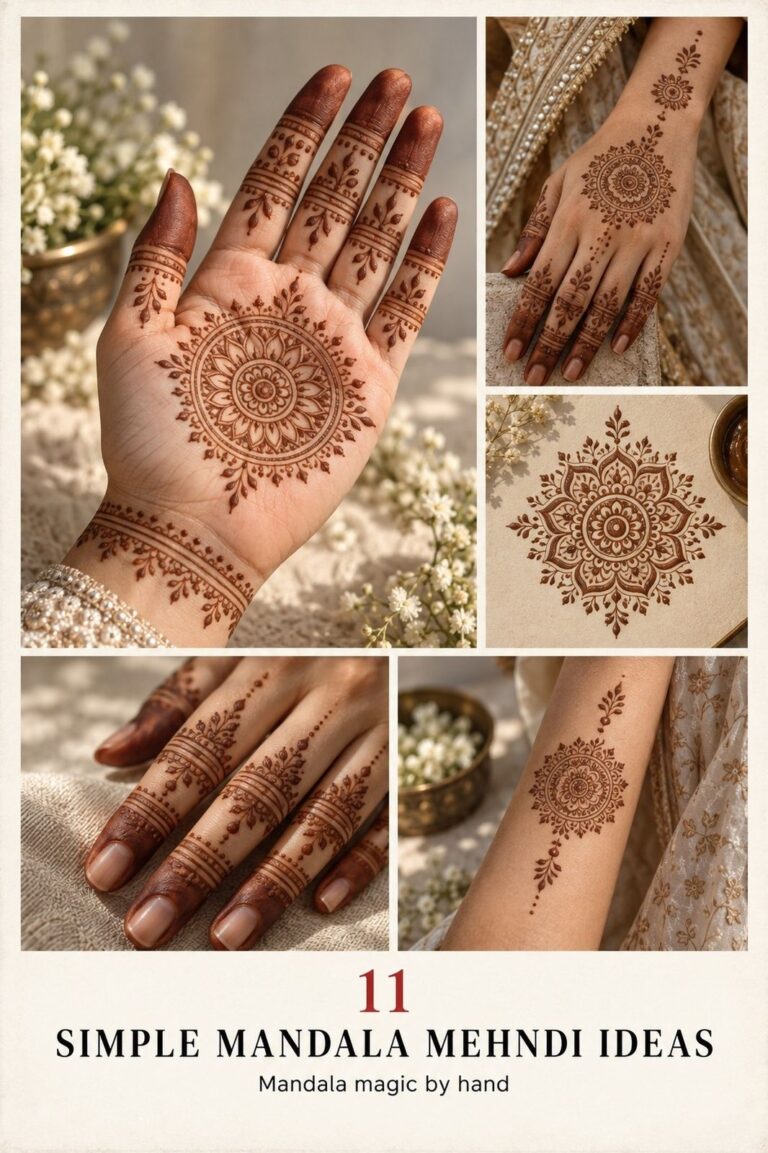
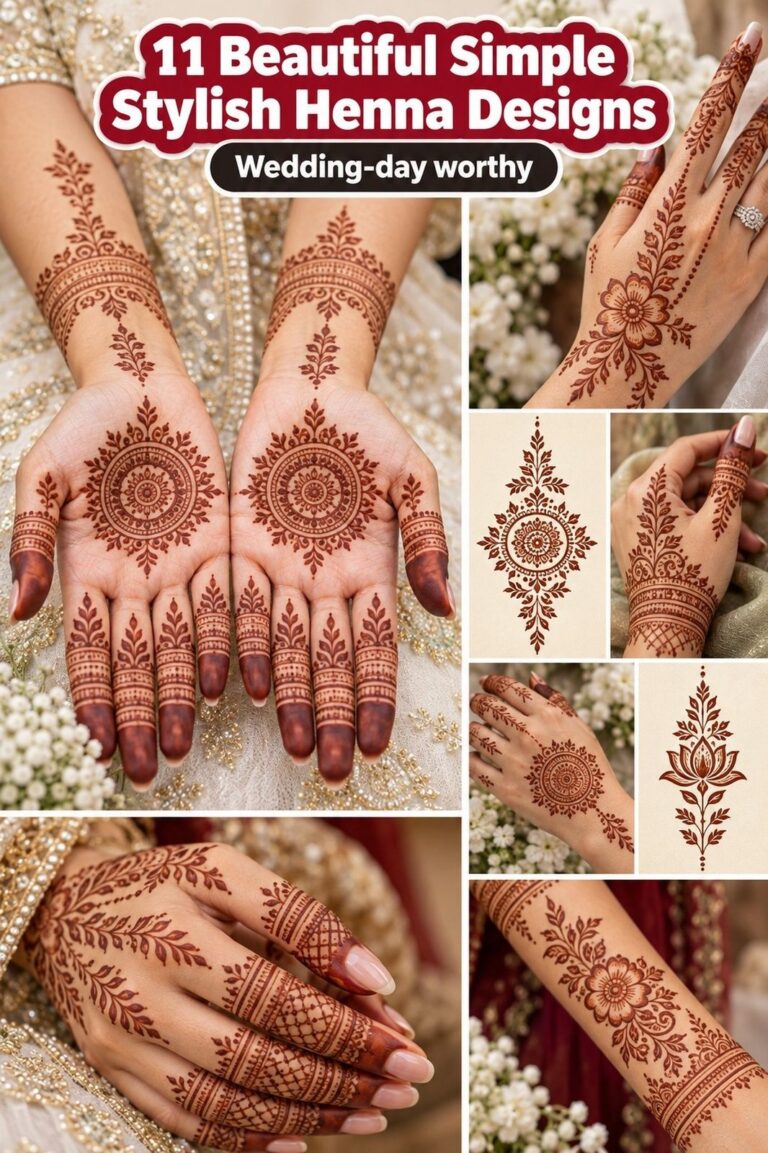
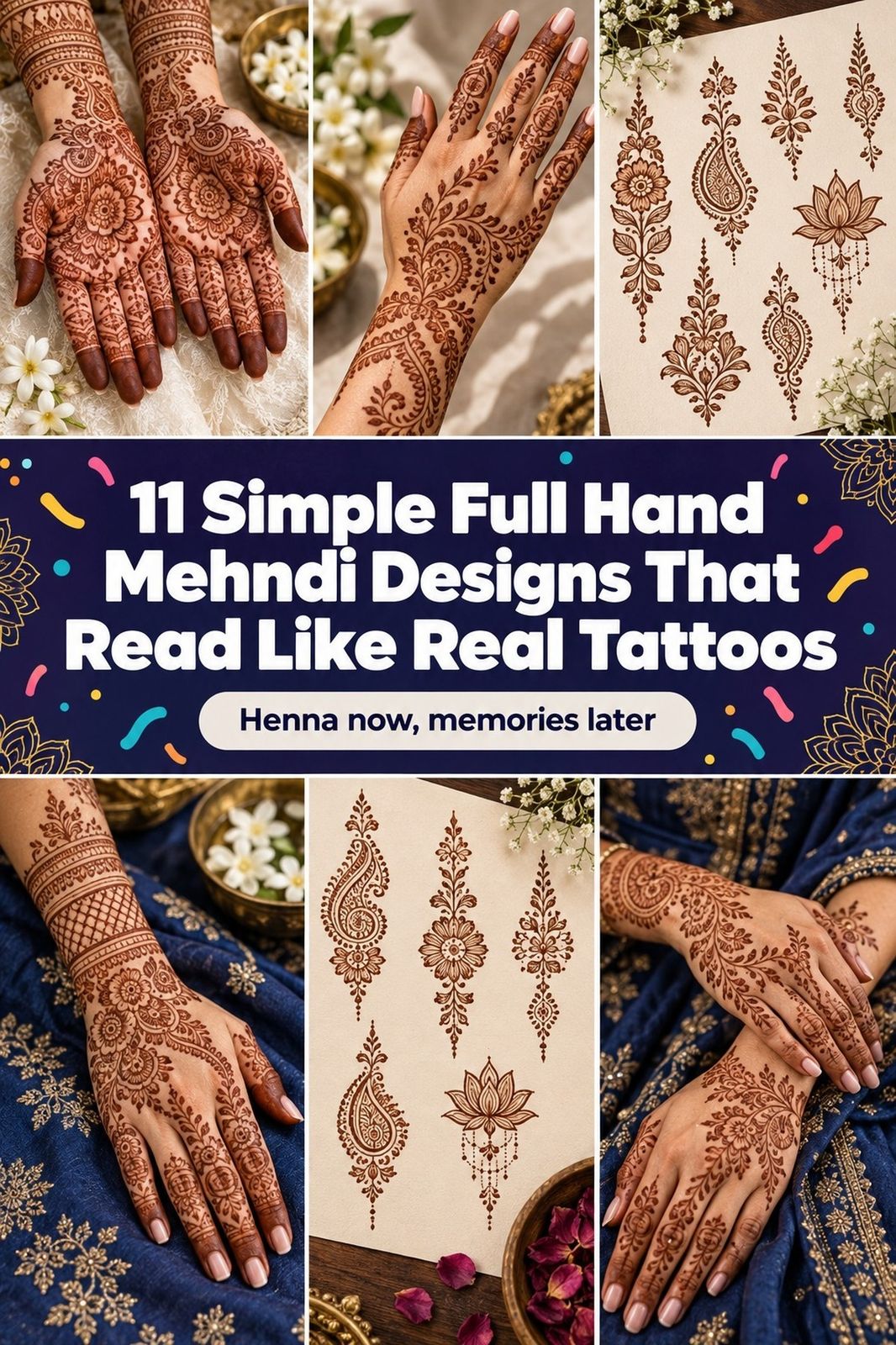
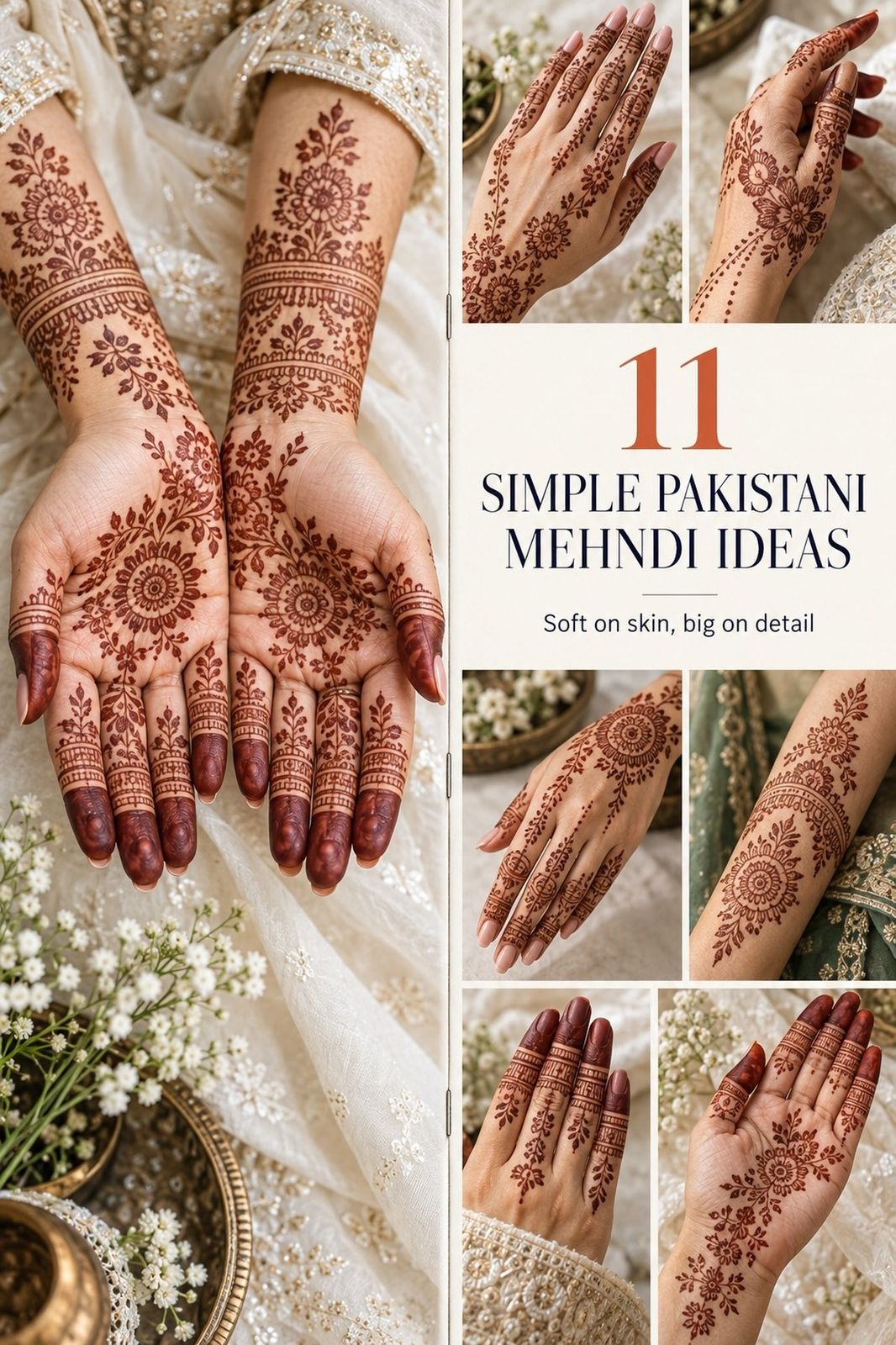
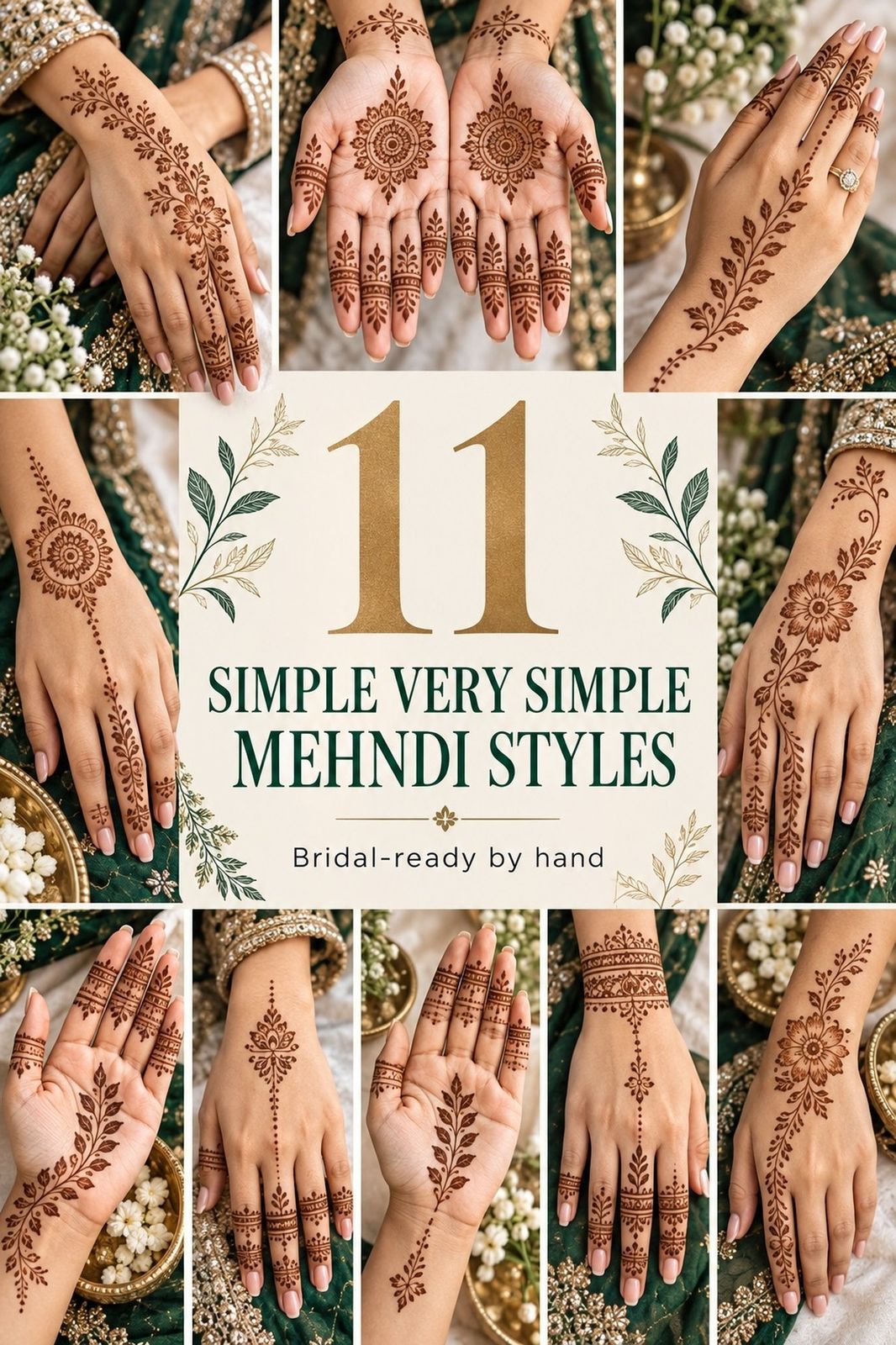
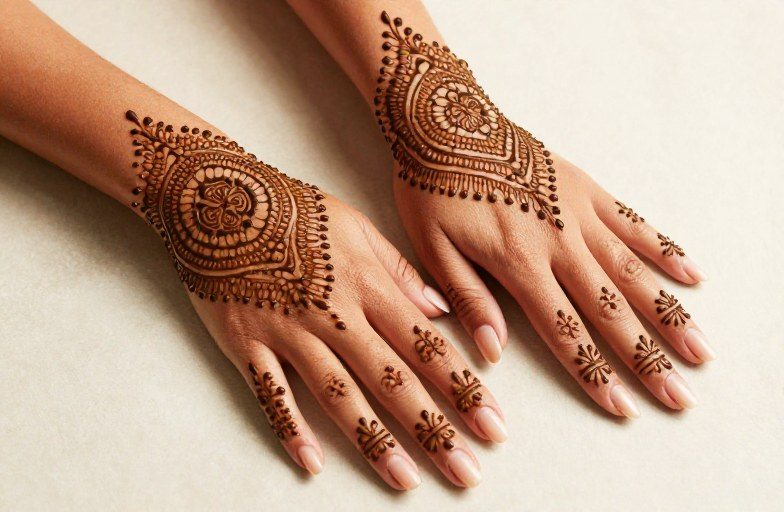
True henna (mehndi) stains skin temporarily and carries deep significance in South Asian wedding rituals, symbolizing joy, beauty, and spiritual awakening. Translating this aesthetic into permanent ink creates tension between the ephemeral and the enduring. The trailing vine-like patterns that wrap Rihanna’s fingers mimic henna’s organic flow while serving a practical tattoo purpose: softening the transition between the dense central image and the thinner skin of the digits where solid ink would age poorly.
History & Cultural Roots
Henna’s Ancient Lineage
Henna application spans roughly 5,000 years across North Africa, the Middle East, and South Asia. Bridal mehndi remains particularly associated with India, Pakistan, and Bangladesh, where elaborate designs can take hours to apply and are believed to bring good fortune to new marriages. The practice often linked to cooling properties in desert climates, powdered henna leaves mixed with liquids create a paste that temporarily stains keratin.
From Ritual to Tattoo Shop
The jump from temporary henna to permanent henna-style tattooing accelerated in Western shops during the 1990s and 2000s as clients sought the aesthetic without cultural participation. Rihanna’s 2013 piece, done by artist Bang Bang in New Zealand, pushed this fusion into mainstream visibility. The design borrows henna’s visual vocabulary, flowing lines, floral motifs, negative space, without replicating its ritual function.
Color vs Black and Grey
The Reality of Hand Longevity
Rihanna’s tattoo is solid black, and this choice reflects hard-won tattoo knowledge. Hand skin regenerates faster than almost anywhere else on the body. Color pigments, especially reds, yellows, and greens, break down quickest here, often fading to muddy tones within 2-4 years. Black ink holds its structure longest, though even dense black on hands requires touch-ups every 3-5 years to maintain readability.
What Henna Color Would Actually Look Like
Real henna stains range from orange-brown to deep rust depending on skin chemistry and processing time. Some tattoo clients request brown or reddish ink to mimic this. The problem: brown inks on hands often heal to a pinkish or grayish cast as they settle. Black allows the ornamental patterns to remain legible as the tattoo ages and spreads slightly, a process called “blowout” that’s nearly guaranteed on thin hand skin.
Best Placements
The Back of the Hand
This is Rihanna’s placement, and it maximizes visibility while offering relatively flat, workable skin compared to fingers or palms. The dorsal hand provides enough surface area for detailed central imagery surrounded by ornamental flow. Pain level runs moderate to high here, tendons and bone sit close to the surface, and the needle vibration resonates through the hand structure. Healing requires particular care since hands contact surfaces constantly.
Full Finger Extensions
Rihanna’s design continues onto her fingers, which presents specific challenges. Finger skin lacks the dermal depth of the hand back; ink tends to fall out or blur during healing. Many artists now use a “stippled” or dot-work approach on fingers rather than solid lines, creating the illusion of density without the same migration risk. The sides of fingers, where Rihanna’s tribal patterns sit, hold ink slightly better than the pads but still demand conservative expectations.
Alternative: Inner Forearm or Wrist
For those drawn to the aesthetic but hesitant about hand commitment, the inner forearm offers similar visibility with substantially better ink retention. The wrist transition point allows henna-style flowing patterns that can peek from sleeves or be displayed fully. This placement ages gracefully for decades rather than requiring constant maintenance.
Who Chooses This Tattoo
The appeal crosses surprisingly distinct groups. South Asian diaspora clients sometimes choose permanent henna-style pieces to carry cultural aesthetics beyond wedding seasons. Others come from no cultural connection, drawn purely to the visual intricacy. The Rihanna reference specifically attracts clients wanting celebrity-identified boldness, often younger, often first-time hand tattoo recipients who underestimate the professional and social implications of highly visible ink.
There’s also a notable subset of clients recovering from trauma or major life transitions who gravitate toward goddess imagery. The Lakshmi figure specifically, or generic divine feminine representations, serve as personal markers of survived difficulty and reclaimed power. This overlaps with broader trends in spiritual-but-not-religious tattoo choices.
Similar & Related Symbols
Ornamental Goddess Variations
Kali, Durga, and other Hindu goddesses appear similarly in tattoo form, though typically with more explicit iconography, Kali’s tongue and necklace of skulls, Durga’s weapons. These carry more aggressive protective connotations than Lakshmi’s prosperity associations. Buddhist Tara imagery offers another parallel, particularly Green Tara with her extended leg, ready to rise and assist.
Non-Figurative Henna Style
Many clients opt for pure ornamental henna patterns without any central figure. These flow across hands, feet, or arms in traditional paisley, floral, and geometric arrangements. The aesthetic is identical; only the narrative content changes. Arabic mehndi patterns tend toward more geometric and less floral than Indian styles, offering a slightly different visual register.
Polynesian Tribal Fusion
The finger elements in Rihanna’s design draw from Polynesian tribal traditions, specifically Maori-inspired patterns. Pure Polynesian hand tattoos (tatau) follow strict cultural protocols and placement rules. The fusion approach, mixing these with South Asian imagery, represents contemporary globalized tattooing rather than traditional practice. Related alternatives include pure Samoan pe’a or Malu designs, though these carry heavy cultural weight and are generally inappropriate for non-Samoan wearers.
Before You Decide
Hand tattoos remain among the most consequential placement choices. They affect employment prospects in ways that arm or back pieces simply don’t, covering them requires gloves or constant makeup application, neither practical for most lives. The commitment to maintenance is equally serious: budget for touch-ups every few years, and understand that even excellent work will soften and spread over time.
The cultural fusion aspect deserves genuine consideration. Rihanna’s specific mix of Hindu goddess and Polynesian patterns has been criticized as appropriative by some observers, defended as diasporic identity expression by others. Your own background, intentions, and the artist’s cultural knowledge all factor into whether this particular combination feels respectful or extractive. A competent artist should discuss this openly rather than treating the design as purely aesthetic.
Finally, the pain and healing reality: hands swell substantially, making fine motor tasks difficult for several days. Sleeping with hands raised, avoiding submersion in water, and accepting that the tattoo will look rough before it looks settled, all part of the process. The ornamental density of henna-style work means longer sessions and more needle passes over the same skin, increasing both discomfort and healing time compared to simpler designs.
Frequently Asked Questions
Does Rihanna’s hand tattoo have religious significance?
Rihanna has stated the tattoo represents personal strength rather than Hindu religious practice. The Lakshmi figure holds cultural and spiritual associations, but her interpretation emphasizes feminine power and resilience over worship.
How much does a hand tattoo like Rihanna’s typically cost?
Complex ornamental hand work from experienced artists generally runs $500-$1,500+ depending on geographic location, artist reputation, and session count. Hand specialists often charge premium rates due to the technical difficulty and touch-up likelihood.
Will a henna-style hand tattoo fade completely over time?
No tattoo fades completely, but hand tattoos degrade fastest due to constant skin regeneration and sun exposure. Black ornamental work typically blurs and softens within 5-10 years, requiring touch-ups to maintain the fine lines characteristic of henna aesthetics.
Can any tattoo artist do henna-style ornamental work?
This style demands specific technical skills: consistent line weight, understanding of negative space, and knowledge of how ornamental patterns flow with body contours. Look for artists with dedicated ornamental or geometric portfolios rather than generalists.